
 Hailey Watson
10 Things Emotionally Healthy Parents Absolutely Avoid

Raising emotionally healthy children begins with the choices parents make every single day, often in ways that go unnoticed. Some habits may seem harmless in the moment, but over time, they can quietly chip away at a child’s confidence, trust, and emotional growth. The good news is that emotionally healthy parents understand the subtle impact of their actions and have learned what not to do—creating a nurturing environment where their children can truly thrive.
By avoiding these pitfalls, they set their kids up for resilience, self-assurance, and strong emotional intelligence. Here are ten things these parents make a point to steer clear of, ensuring their children grow up feeling secure, valued, and understood.
1. Dismissing Their Child’s Feelings

Picture this: your child bursts into tears over a broken crayon, and your first instinct is to say, “Stop crying, it’s just a crayon.”
Emotionally healthy parents resist that urge.
They understand that feelings are real, no matter how small the trigger seems.
When a child’s emotions are brushed aside, they learn that their inner world doesn’t matter.
Over time, this can make kids shut down emotionally.
Instead, healthy parents validate feelings by saying things like, “I can see you’re really upset.”
That simple acknowledgment builds emotional safety and trust between parent and child.
2. Using Shame as a Discipline Tool

Shame is one of the most damaging tools a parent can accidentally reach for.
Saying things like “You should be ashamed of yourself” or “Why can’t you be more like your sister?” cuts deep into a child’s sense of self-worth.
Emotionally healthy parents know the difference between guilt and shame.
Guilt says, “I did something bad.” Shame says, “I am bad.” That distinction matters enormously for a child’s development.
Correction and boundaries can be set firmly without tearing a child down.
Healthy parents focus on the behavior, never the child’s identity or character.
3. Making Promises They Can’t Keep

Trust is built in small moments, and broken in them too.
When parents casually promise a trip to the park or a special treat and then forget, kids notice.
Each broken promise chips away at the foundation of trust children need to feel secure.
Emotionally healthy parents are careful with their words.
They say “maybe” when they mean maybe, and “yes” only when they can follow through.
It’s not about being perfect; it’s about being honest.
Children who can rely on their parents’ word grow up feeling more confident and secure in all their relationships.
4. Fighting Loudly in Front of Their Kids

Research consistently shows that children exposed to frequent parental conflict show higher levels of anxiety and behavioral problems.
Emotionally healthy parents take their heated disagreements to a private space, away from little ears.
Kids are incredibly perceptive.
Even when parents think they’re being subtle, children pick up on tension, body language, and angry tones.
Witnessing intense conflict can make a child feel responsible or deeply unsafe at home.
Healthy parents model respectful disagreement.
When kids see adults work through conflict calmly, they learn valuable skills they’ll carry into their own relationships for life.
5. Projecting Their Own Fears and Insecurities
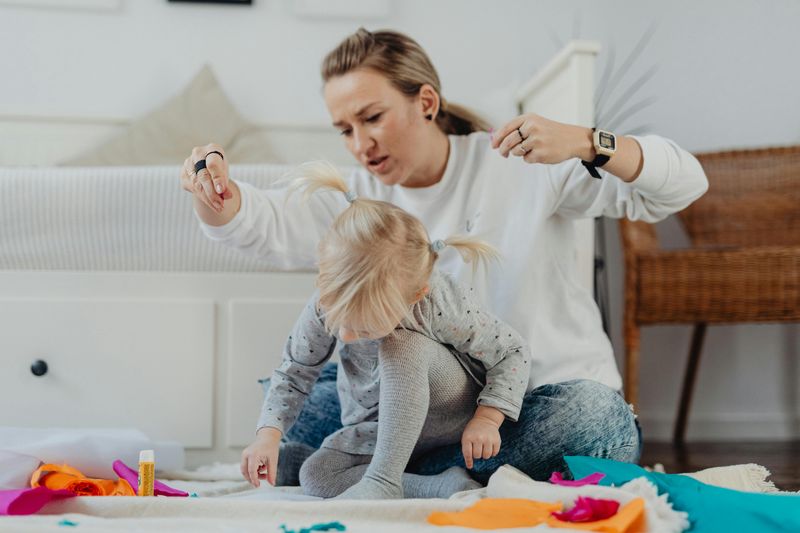
Every parent carries their own emotional baggage, and without awareness, it spills onto kids.
A parent who was bullied might make their child overly fearful of social situations.
A parent with financial trauma might pass on crippling anxiety about money.
Emotionally healthy parents do the inner work to recognize their own wounds.
They ask themselves, “Is this my fear or my child’s reality?” before reacting.
Kids deserve the freedom to experience the world through their own lens.
When parents manage their personal baggage thoughtfully, children grow up with confidence rather than inherited anxiety clouding their every step.
6. Ignoring Their Own Mental Health

You cannot pour from an empty cup, and emotionally healthy parents genuinely believe that.
Neglecting personal mental health doesn’t just hurt the parent; it ripples directly into how they show up for their children every single day.
Parents who are chronically burnt out, depressed, or anxious often become snappy, emotionally unavailable, or inconsistent.
Kids crave stability, and a parent running on empty struggles to provide it.
Seeking therapy, rest, and support is not selfish.
Healthy parents model self-care as a strength, teaching children that taking care of your mind is just as important as taking care of your body.
7. Comparing Their Child to Others

“Why can’t you be more like Marcus?
He gets straight A’s.”
Those kinds of comparisons sting in ways that linger for years.
Emotionally healthy parents know that every child is on their own unique path, and comparisons only breed resentment and insecurity.
When kids are constantly measured against siblings, classmates, or cousins, they stop trying to be their best self and start trying to be someone else.
That’s an exhausting and losing battle.
Celebrating a child’s individual strengths, quirks, and progress builds genuine confidence.
Healthy parents cheer for who their child actually is, not who they wish them to be.
8. Using Love as a Reward or Punishment

Conditional love is a quiet form of emotional harm.
When children sense that affection is only available after good behavior or high grades, they grow up believing they must earn the right to be loved.
That belief follows them into adulthood.
Statements like “I won’t love you if you do that” or withdrawing warmth as punishment sends a terrifying message to a young child.
Emotionally healthy parents keep love unconditional, even while setting firm limits.
Discipline can be strong and consistent without making a child question their worth.
Love should always be the stable ground, not a moving target kids scramble to reach.
9. Refusing to Apologize to Their Kids

Here is a truth many parents were never taught: apologizing to your child does not weaken your authority.
Emotionally healthy parents know it actually strengthens it.
When a parent loses their temper and snaps unfairly, owning that mistake models something powerful.
Kids who never see adults apologize learn that admitting fault is shameful or weak.
That lesson can haunt them in their friendships, relationships, and careers later on.
Saying “I was wrong, and I’m sorry” teaches children accountability, humility, and emotional courage.
Parents who model repair after conflict raise kids who know how to do the same beautifully.
10. Overloading Kids with Adult Problems
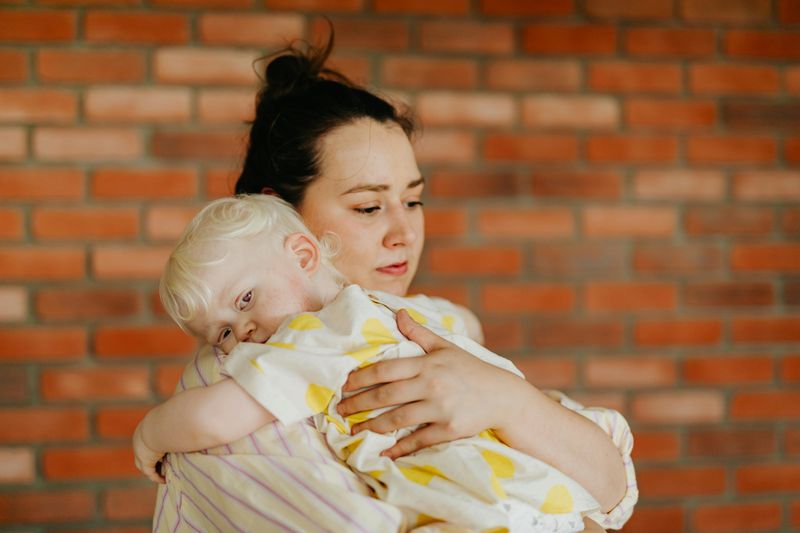
Some parents, often without realizing it, turn their children into emotional confidants.
Sharing adult worries about money, marriage problems, or workplace stress places an unfair burden on young shoulders.
Children are not equipped to carry grown-up emotional weight.
This pattern, known as parentification, can cause children to become anxious, hypervigilant, and emotionally exhausted.
They spend their childhood managing someone else’s emotions instead of simply being kids.
Emotionally healthy parents seek support from other adults, friends, therapists, or trusted family members.
Protecting children from adult-sized problems gives them the freedom to grow up at their own natural, healthy pace.
Comments
Loading…