
 Hailey Watson
10 Parenting Rules Boomers Swear By That Would Cause Chaos Today
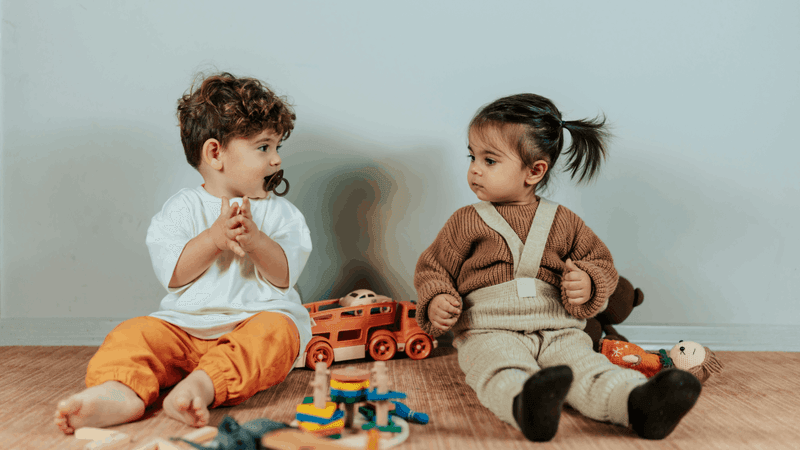
Parenting has changed dramatically over the decades, and what worked for Baby Boomers often feels outdated—or even shocking—by today’s standards.
The hands-off, no-nonsense approach that defined childhood in the 60s, 70s, and 80s now clashes with modern values around safety, emotional health, and open communication. Here are ten parenting rules Boomers swore by that would likely spark serious debate if applied today.
1. Go outside and don’t come back until dinner

Back in the day, kids were kicked out after breakfast and expected to roam the neighborhood until the streetlights came on. No cell phones, no GPS trackers, no hourly check-ins. Parents had zero idea where their children actually were, and that was completely normal.
Today, this approach would likely result in concerned neighbors calling child protective services. Modern parents face constant pressure to know their child’s exact location at all times.
The rise of stranger danger awareness and 24-hour news cycles has made unsupervised outdoor play feel risky rather than refreshing. Still, experts agree that kids benefited from that independence in many ways.
2. Kids should be seen and not heard

This old-school motto meant children were expected to stay silent when adults were talking. Speaking up, asking questions, or expressing opinions was considered rude and disrespectful. Kids learned quickly to blend into the background during grown-up conversations.
Fast-forward to now, and child psychologists emphasize the importance of letting kids voice their thoughts and feelings.
The shift reflects a broader cultural change: children are now seen as individuals with valid perspectives. What once passed as good manners now feels like emotional suppression.
3. Because I said so

When Boomer parents didn’t want to explain their decisions, they dropped this classic line. It shut down any further discussion instantly. Authority was absolute, and questioning it was simply not tolerated.
Modern parenting leans heavily toward collaboration and reasoning. Kids today are more likely to hear explanations that help them understand the reason behind the rules.
While blind obedience might have kept households running smoothly decades ago, it often left kids feeling unheard. Today’s parents aim for respect built on understanding, not fear.
4. Crying won’t get you anything

Tears were often dismissed as manipulation or weakness. Parents believed that giving in to a crying child would spoil them, so emotions were frequently ignored or punished.
Current research paints a very different picture. Ignoring a child’s distress can lead to long-term emotional issues, including difficulty regulating feelings and forming secure attachments. Therapists now encourage parents to validate emotions and teach coping skills instead.
What Boomers saw as building resilience, modern psychology recognizes as potential emotional neglect. Crying is communication, especially for young kids who lack the vocabulary to express complex feelings.
5. Walk it off

Scraped knees, hurt feelings, disappointments—everything could supposedly be solved by just walking it off. Physical and emotional pain were treated with the same remedy: keep moving and stop complaining.
These days, parents are more attuned to both physical and mental health needs. A scraped knee gets cleaned and bandaged. Hurt feelings are acknowledged and discussed.
Ignoring pain, whether physical or emotional, is now understood to send the message that a child’s suffering doesn’t matter.
6. You don’t need privacy
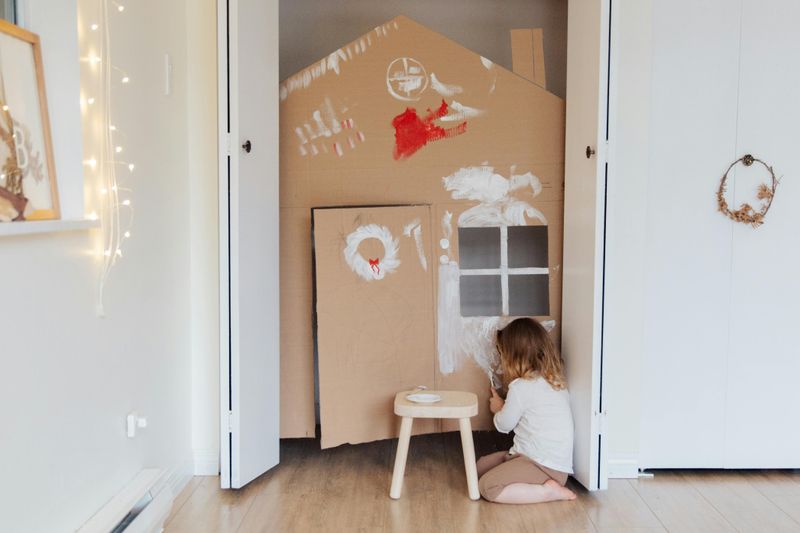
Locked doors were forbidden. Diaries were fair game. Phone conversations were monitored openly. Privacy was viewed as something kids hadn’t earned yet, and parents felt entitled to know—and control—everything.
Today’s parenting experts stress that privacy helps children develop autonomy and self-identity. While monitoring for safety is important, invading every aspect of a child’s life can damage trust and hinder emotional development.
7. Finish everything on your plate

Wasting food was practically a sin, so kids were required to eat every last bite—even if they were full. Leaving food behind meant no dessert, or sometimes sitting at the table for hours until the plate was empty.
Nutritionists now warn that this practice teaches children to ignore their natural hunger cues, which can lead to overeating and unhealthy relationships with food later in life. Encouraging kids to listen to their bodies is considered far healthier than forcing them to finish meals.
8. Always respect your elders
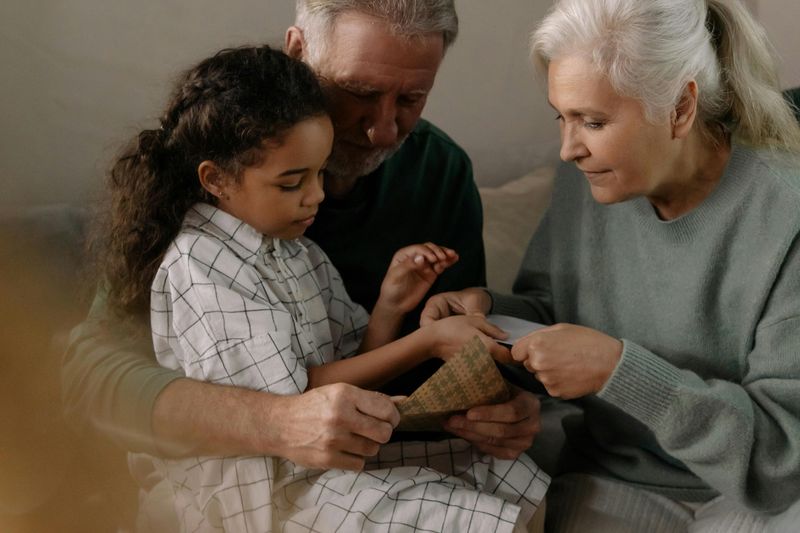
Age automatically commanded respect, no questions asked. It didn’t matter if the adult was kind, fair, or even trustworthy—kids were taught to obey and honor anyone older. Challenging an elder, even politely, was considered unacceptable behavior.
Modern parenting flips this script by teaching that respect should be mutual. Adults must earn a child’s trust and respect through their actions, not just their age. This shift empowers kids to recognize inappropriate behavior and set boundaries, which is critical for safety.
9. Save your money—don’t waste it on fun

Every dollar had to be saved for something practical or tucked away for the future. Treating yourself was labeled wasteful or irresponsible, and guilt often accompanied any fun purchase.
Financial experts today advocate for balance. Teaching kids to save is important, but so is allowing them to enjoy their money occasionally. Experiencing the satisfaction of a planned purchase—even a small one—helps children understand value and budgeting in a positive, realistic way.
10. Let siblings work it out themselves

When siblings fought, parents often stayed out of it entirely. The belief was that kids needed to resolve their own conflicts to build character and problem-solving skills.
Child development specialists now recognize that young children lack the emotional tools to navigate conflict fairly without guidance. Leaving them to figure it out can result in bullying dynamics, resentment, and poor conflict resolution skills.
Stepping in doesn’t mean solving every problem—it means coaching kids through healthy resolution. Independence is valuable, but so is support.
Comments
Loading…