
 Isabel Parker
Men Who Rarely Talk About Their Feelings Often Share These 10 Psychological Traits

Some men find it really hard to talk about how they feel inside.
They might seem tough on the outside, but they often carry heavy emotions without sharing them.
Understanding why this happens can help us support the men in our lives better and create healthier ways for everyone to express themselves.
1. They Strongly Conform to Traditional Masculine Norms

Growing up, many boys hear messages like “be tough” or “man up” when they show sadness.
These messages stick around for years, shaping how men view themselves.
Research has found that guys who value being independent and strong above everything else often see sharing feelings as a sign of weakness.
When vulnerability feels like a threat to being masculine, talking about emotions becomes something to avoid.
Self-reliance becomes their armor, protecting them from judgment but also isolating them from real connection.
This creates a cycle where emotional silence feels safer than opening up.
Breaking this pattern takes courage and understanding that true strength includes being honest about struggles.
2. They Experience Restrictive Emotionality
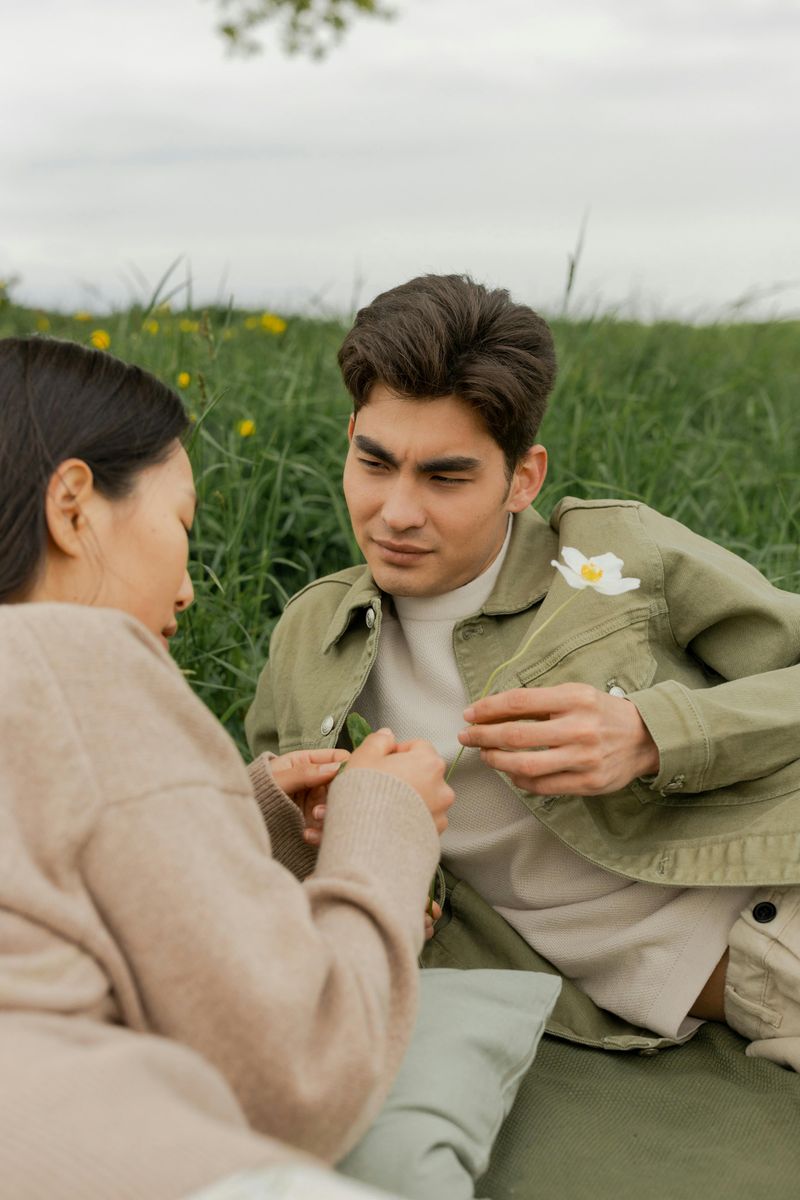
Picture trying to speak a language you were never taught.
That’s what expressing feelings can be like for some men.
Psychologists call this “restrictive emotionality,” where someone feels genuinely uncomfortable putting emotions into words, especially sadness or fear.
It’s not that these guys don’t feel things deeply.
They do.
But when it comes time to actually say what’s going on inside, there’s a mental block.
Shame or embarrassment might creep in, making silence feel like the only option.
Over time, this difficulty becomes a habit that’s hard to break.
Learning to name emotions takes practice, patience, and safe spaces where judgment doesn’t exist.
3. They Struggle to Identify and Label Their Emotions

Ever feel something weird in your stomach but can’t quite explain what it is?
Some men experience this with all their emotions.
Scientists have a name for it: alexithymia. It means having trouble recognizing and describing what you’re feeling inside.
When you can’t identify an emotion, how can you possibly talk about it?
These guys might know something feels off, but the words just won’t come.
It’s like trying to describe a color you’ve never seen before.
This trait makes emotional conversations incredibly challenging because the first step—knowing what you feel—is already a struggle.
Building emotional vocabulary helps, but it requires time and conscious effort.
4. They Habitually Suppress Emotional Expression

Think of emotions like steam in a pressure cooker.
Instead of releasing the valve, some men keep the lid tightly shut.
Studies show that guys often use something called “expressive suppression,” which means consciously holding back any outward signs of what they’re feeling.
This isn’t accidental.
It’s a deliberate choice to keep emotions hidden, even when they’re boiling inside.
The problem is that suppressing feelings doesn’t make them disappear—it just pushes them deeper.
Over time, this habit becomes automatic, happening without much thought.
Unfortunately, research links this pattern to higher stress levels and mental health challenges down the road.
5. They Tend to Conceal Personal Distress

Some people are open books, while others keep their chapters locked away.
Men who rarely discuss feelings often have a personality trait called self-concealment.
This means they consistently hide painful or vulnerable information from everyone around them.
It’s not just about one topic or situation.
It’s a general tendency to keep struggles private, whether it’s stress at work, relationship problems, or personal fears.
Sharing feels risky, like giving someone ammunition that could hurt them later.
This protective wall might seem helpful, but it actually prevents genuine connection.
True relationships grow when people feel safe sharing both their strengths and struggles.
6. They Fear Being Judged as Weak or Inadequate
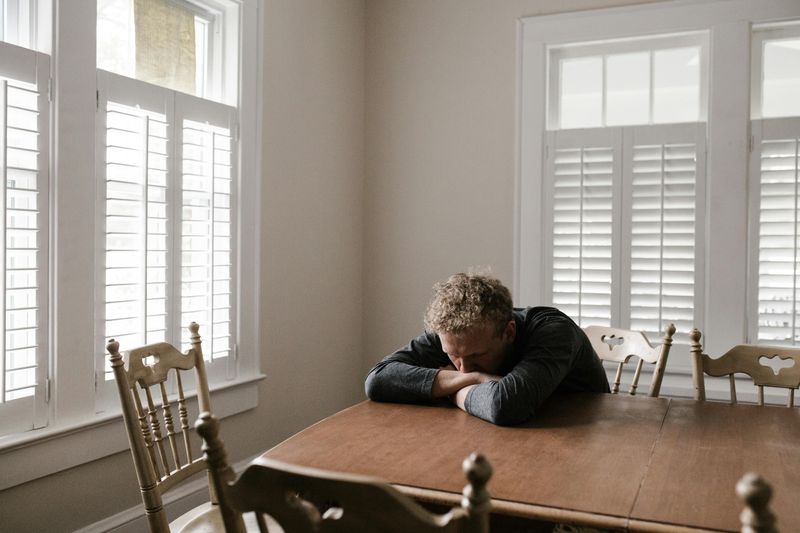
What if people think less of me?
That question stops many men from opening up.
Social psychology research consistently shows that fear of judgment is a massive barrier to emotional sharing, especially in workplaces or among friends.
Nobody wants to be seen as weak or incapable.
For men who’ve been taught that emotions equal weakness, the stakes feel incredibly high.
One honest conversation could change how others see them forever, or so they fear.
This concern isn’t completely unfounded—society does sometimes judge men harshly for showing vulnerability.
However, the right people will respect honesty, not punish it.
7. They Have Fewer Emotionally Supportive Relationships

Friendships come in different depths.
Some are surface-level, built around activities or casual conversation.
Others go deeper, where real feelings and struggles get shared.
Men who don’t talk about emotions often have fewer of those deeper connections.
Without emotionally supportive relationships, there’s nowhere safe to practice opening up.
It becomes a cycle: no practice means continued discomfort, which leads to avoiding emotional conversations, which prevents building supportive friendships.
Research shows these smaller support networks leave men more isolated during tough times.
Building even one truly supportive relationship can make a significant difference in emotional wellbeing.
8. They Express Vulnerability Indirectly Through Anger or Irritability
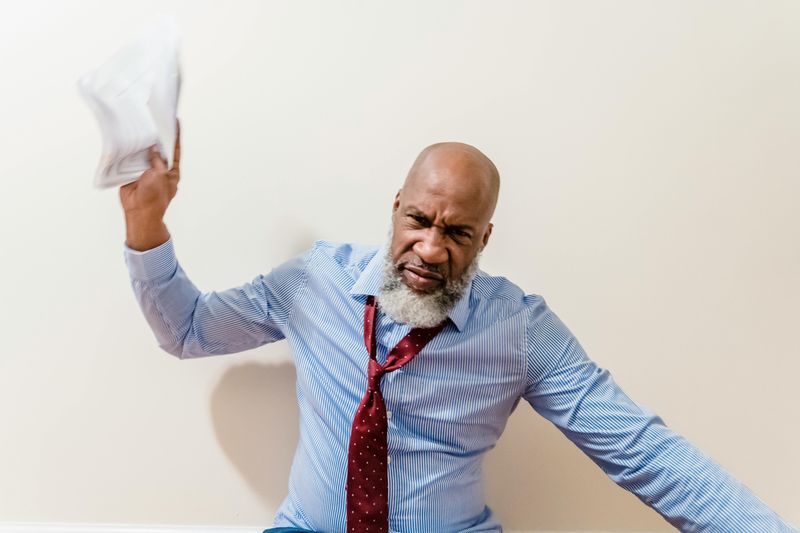
Anger is often called a “secondary emotion” because it frequently masks something else underneath.
Clinical research shows that when men feel sad, scared, or hurt but can’t express those emotions directly, they often come out as anger or frustration instead.
It’s socially more acceptable for men to be angry than sad.
So when emotions build up, irritability becomes the release valve.
Unfortunately, this confuses everyone—including the man himself—about what’s really going on.
Others might see someone who’s always grumpy, not realizing there’s deep pain hiding beneath.
Recognizing this pattern is the first step toward healthier emotional expression.
9. They Internalize Stress Rather Than Verbalizing It
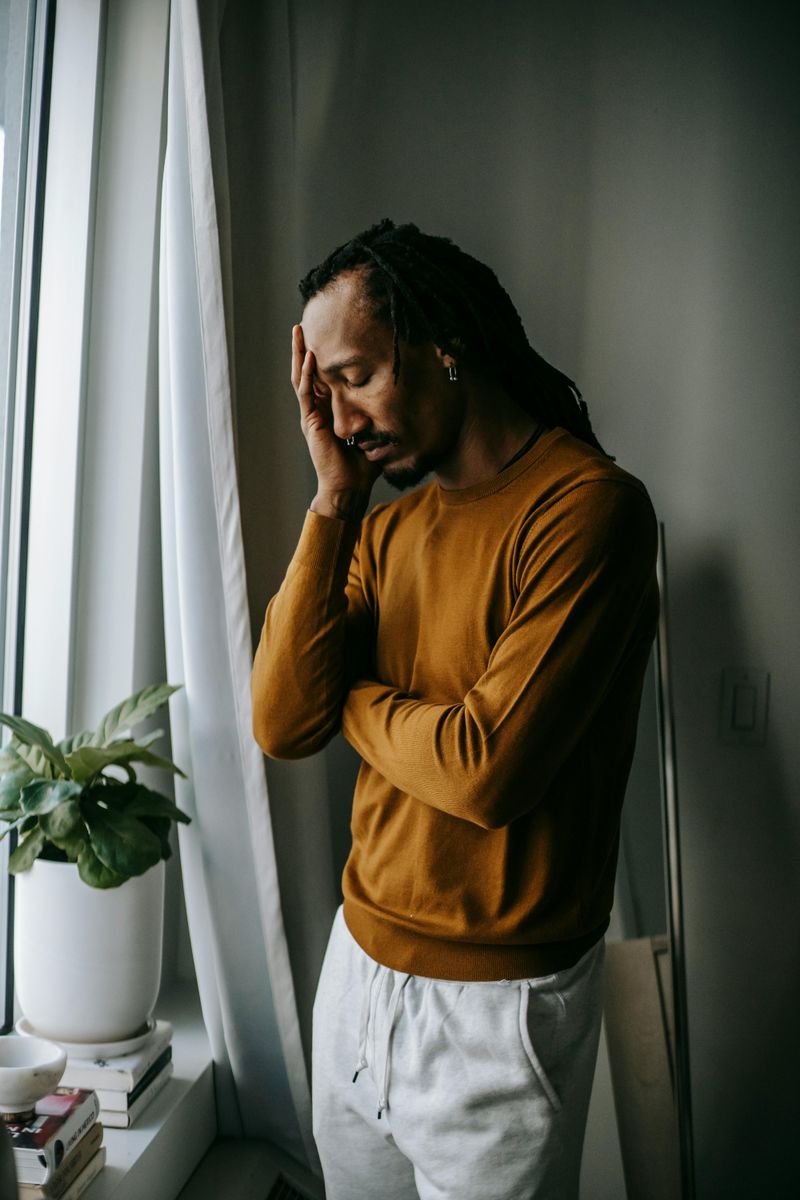
Carrying stress silently is like carrying heavy rocks in your backpack that nobody else can see.
Long-term studies have found that men who suppress emotions experience higher rates of internalized stress, depression, anxiety, and even physical symptoms like headaches or stomach problems.
When difficult feelings stay locked inside, they don’t just disappear.
They transform into other problems that affect both mental and physical health.
The body keeps score, even when the mind tries to ignore what’s happening.
Talking about stress actually helps reduce it, but that requires breaking the silence first.
Professional help or trusted friends can provide that crucial outlet.
10. They Were Socially Conditioned Early to Avoid Vulnerability

Did you know that emotional habits often start in childhood?
Developmental psychology shows that boys frequently receive messages discouraging emotional expression from a very young age.
Phrases like “boys don’t cry” or “toughen up” teach children that feelings should be hidden.
These early lessons become deeply ingrained patterns that last into adulthood.
By the time a boy becomes a man, emotional restraint feels completely natural—not because it’s healthy, but because it’s familiar.
Understanding this conditioning helps explain why change feels so difficult.
Unlearning decades of messaging takes conscious effort, support, and compassion for yourself during the process.
Comments
Loading…