
 Hailey Watson
Getting quality sleep can feel impossible when you’re tossing and turning every night.
The good news is that small changes to your daily routine can make a huge difference in how well you rest.
Research shows that simple, science-backed habits can transform your sleep in as little as seven days, helping you wake up refreshed and ready to tackle the day.
1. Keep a Consistent Sleep Schedule
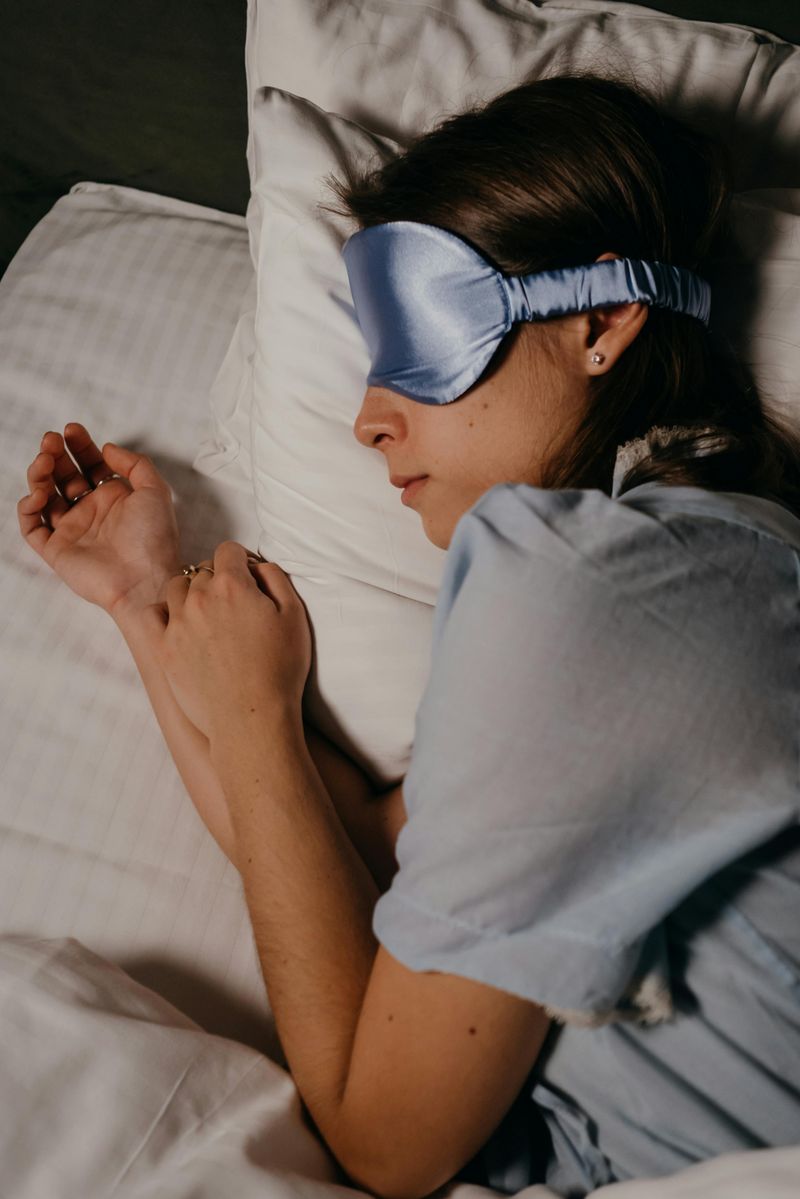
Your body has an internal clock that loves routine.
When you go to bed and wake up at the same time daily, even on weekends, you’re training your brain to expect sleep at certain hours.
This consistency strengthens your circadian rhythm, which controls when you feel sleepy and alert.
After just a few days, falling asleep becomes easier because your body knows what to expect.
Waking up won’t feel like such a struggle either.
Your internal alarm clock starts working naturally, helping you feel more energized throughout the day without relying on multiple snooze buttons.
2. Get Morning Light Exposure

Bright natural light is like a reset button for your sleep system.
Within the first hour of waking, spending time outdoors or near a sunny window sends powerful signals to your brain.
This morning brightness helps your body produce melatonin at the right time later.
Think of it as setting a timer that counts down to bedtime, making you naturally drowsy when evening arrives.
Even 15 minutes of sunlight can make a noticeable difference.
On cloudy days, the natural light outside is still much stronger than indoor lighting and provides similar benefits for regulating your sleep-wake cycle.
3. Limit Blue Light Before Bed
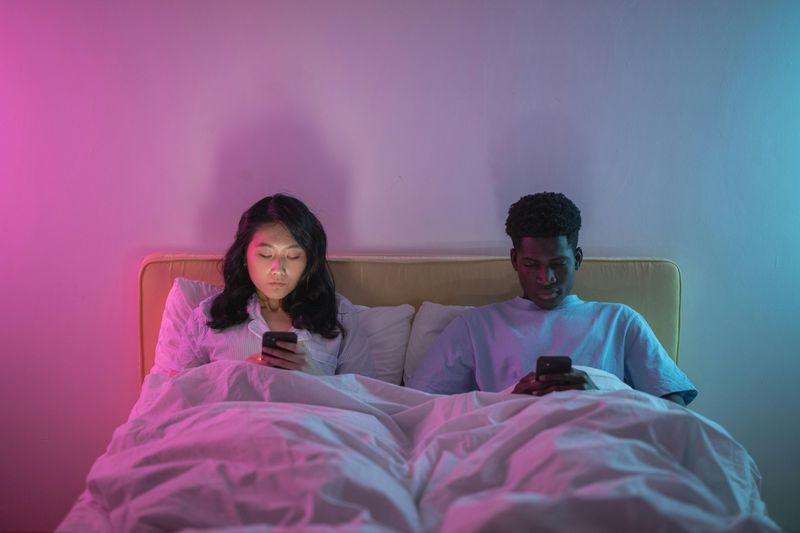
Screens emit blue light that tricks your brain into thinking it’s still daytime.
Phones, tablets, computers, and televisions all produce this type of light that blocks melatonin, the hormone that makes you sleepy.
When you scroll through social media or watch videos before bed, you’re basically telling your brain to stay awake.
This delay can push your bedtime back by an hour or more without you realizing it.
Try putting devices away at least 60 minutes before sleep.
Instead, choose activities that don’t involve screens, giving your brain the darkness cues it needs to prepare for rest.
4. Avoid Caffeine Late in the Day

That afternoon coffee might seem harmless, but caffeine has serious staying power.
It can remain active in your system for six hours or longer, continuing to block sleep signals even when you’re trying to wind down.
If you drink coffee at 4 PM, half of that caffeine is still affecting your brain at 10 PM.
This interference makes falling asleep harder and reduces the deep, restorative stages of sleep you need most.
Set a caffeine curfew for early afternoon, ideally before 2 PM.
Remember that tea, soda, energy drinks, and even chocolate contain caffeine that can sabotage your sleep goals.
5. Create a Relaxing Bedtime Routine

Rushing straight from your busy day into bed rarely works well.
Your mind needs time to shift gears from active mode to sleep mode, which is where a calming routine becomes essential.
Activities like gentle stretching, reading paper books, or practicing deep breathing tell your nervous system that it’s safe to relax.
When you repeat the same calming sequence each night, it becomes a powerful sleep trigger.
Your routine doesn’t need to be fancy or long.
Even 20 minutes of quiet, screen-free activities can dramatically improve how quickly you fall asleep and how deeply you rest throughout the night.
6. Optimize Your Sleep Environment
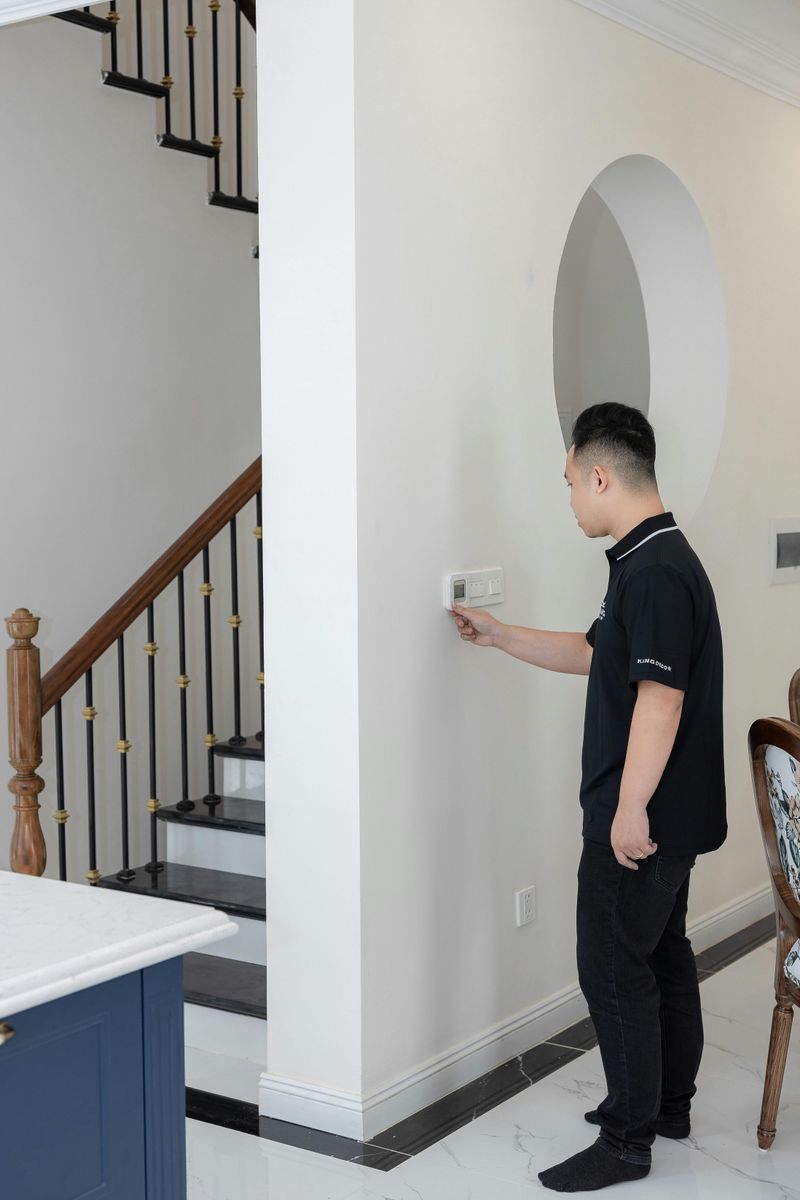
Your bedroom environment plays a bigger role in sleep quality than most people realize.
Temperature matters tremendously because your body needs to cool down slightly to fall asleep and stay asleep effectively.
Experts recommend keeping your room between 60-67 degrees Fahrenheit.
Darkness is equally important since even small amounts of light can disrupt your sleep cycles, so consider blackout curtains or an eye mask.
Noise control helps too.
If you can’t eliminate sounds completely, white noise machines or fans can mask disruptive noises.
Creating this sleep sanctuary shows your brain that this space is dedicated to rest, nothing else.
7. Exercise Regularly—But Not Too Late

Moving your body during the day is one of the most powerful sleep aids available.
Regular physical activity helps you fall asleep faster and increases the amount of deep sleep you get each night.
Exercise reduces stress hormones and tires out your muscles in a healthy way.
People who work out consistently often report falling asleep 15-20 minutes faster than when they were sedentary.
Timing matters though.
Vigorous workouts raise your heart rate and body temperature, which can keep you awake if done too close to bedtime.
Finish intense exercise at least three hours before sleep for best results.
8. Watch Food and Alcohol Intake Before Bed

Heavy meals before bed force your digestive system to work overtime when it should be resting.
Large dinners, spicy foods, or anything that causes heartburn can keep you uncomfortable and awake for hours.
Alcohol deserves special mention because it’s tricky.
While it might make you drowsy initially, it actually disrupts your sleep cycles later in the night, preventing the deep, restorative sleep your body needs.
Aim to finish substantial meals at least two to three hours before bedtime.
If you’re genuinely hungry later, choose a light snack like a banana or handful of nuts rather than a full meal.
9. Practice Relaxation Techniques
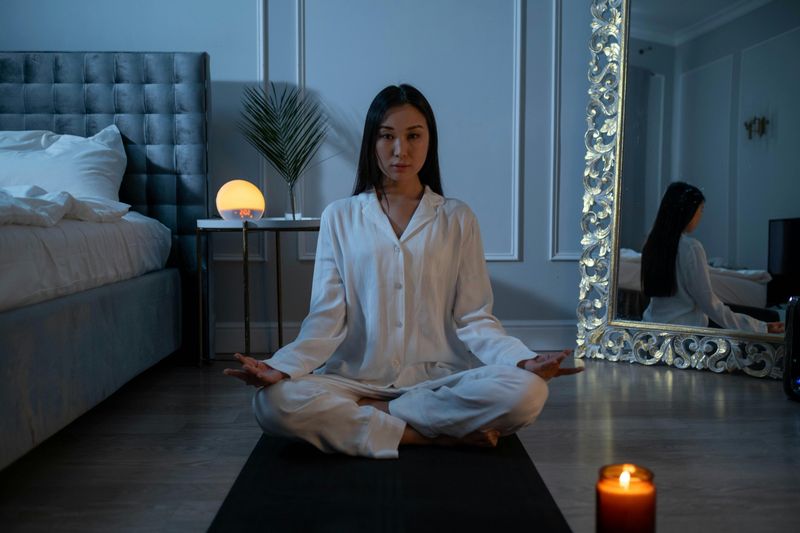
Stress and anxiety are sleep’s biggest enemies.
When your mind races with worries or your body feels tense, falling asleep becomes nearly impossible no matter how tired you are physically.
Relaxation methods like deep breathing, meditation, or progressive muscle relaxation activate your parasympathetic nervous system.
This is your body’s natural calming mechanism that slows your heart rate and signals safety to your brain.
Even five minutes of focused breathing can shift your body from alert mode to rest mode.
Apps and videos can guide you through these techniques until they become second nature, giving you a powerful tool against sleeplessness.
Comments
Loading…