
 Hailey Watson
If You’re More Productive at Night, Psychology Says You Share These 11 Traits

Ever feel like your brain doesn’t wake up until everyone else is winding down?
You’re not broken or lazy.
Science shows that night owls have unique psychological traits that make them different from early birds.
Understanding these traits can help you embrace your natural rhythm instead of fighting it.
1. You Have a Naturally Delayed Internal Clock

Your body operates on its own schedule, and that’s perfectly normal.
While most people feel alert around 9 a.m., your brain might not hit its stride until late afternoon or evening.
This isn’t about being undisciplined.
Your circadian rhythm genuinely runs on a delayed cycle, meaning your internal systems prepare for activity hours after sunrise.
Hormones, body temperature, and alertness all peak later for you.
Fighting this natural pattern can leave you feeling exhausted and frustrated.
Recognizing that your clock ticks differently helps you plan your day around when you’re actually functional, not when society expects you to be.
2. You’re Genetically Wired for Night Productivity

Blame your parents for those late-night bursts of energy.
Research confirms that chronotype has a strong genetic component, passed down through families just like eye color or height.
Scientists have identified specific genes that influence whether you’re a morning lark or a night owl.
If your mom or dad worked best at night, chances are you inherited similar tendencies.
This biological reality means your preference isn’t a choice or a bad habit.
Your DNA literally programs when your brain performs at its best, making nighttime productivity as natural for you as morning energy is for early risers.
3. You Release Melatonin Much Later Than Average
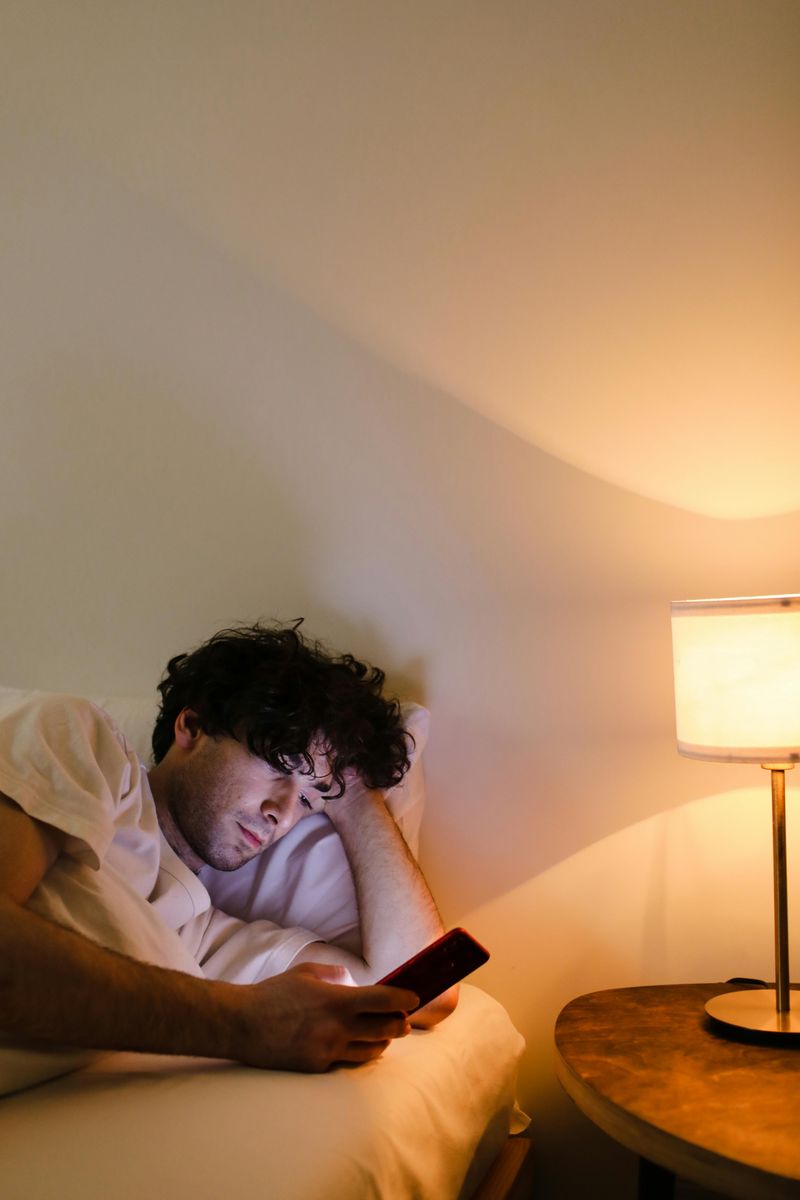
Melatonin is the hormone that makes you sleepy, but your body doesn’t release it on a typical schedule.
While most people start producing melatonin around 9 or 10 p.m., yours might not kick in until midnight or later.
This delayed release explains why you can stay focused and energized when others are yawning.
Your brain simply hasn’t received the chemical signal to shut down yet.
The flip side?
Morning melatonin might still be in your system when your alarm goes off, making early wake-ups feel physically painful.
Your body chemistry supports late nights, not early mornings.
4. You Think More Clearly Later in the Day

Brain fog in the morning isn’t just in your head.
Studies consistently show that evening chronotypes demonstrate superior cognitive performance during nighttime hours, especially for complex tasks.
Your reasoning abilities, memory recall, and problem-solving skills genuinely improve as the day progresses.
What feels impossible at 8 a.m. might seem obvious and manageable at 8 p.m.
This pattern reflects your brain’s natural peak performance window.
Trying to do demanding mental work during your biological low point is like asking a morning person to solve calculus at midnight—it’s working against biology, not laziness.
5. You Tend to Be More Creatively Oriented
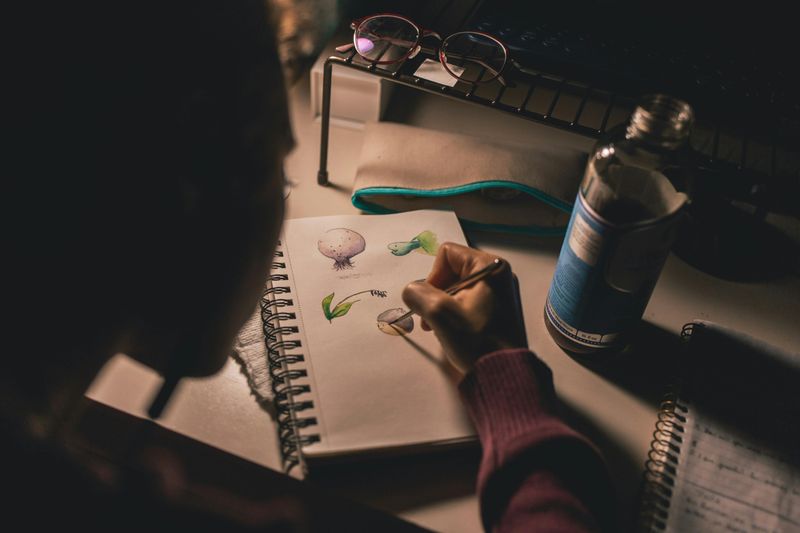
Nighttime brings out your creative side in ways daylight never could.
Psychologists have found strong connections between evening productivity and divergent thinking—the ability to generate original ideas and unique solutions.
The quiet hours after dark provide fewer distractions and interruptions.
Your mind can wander, make unexpected connections, and explore possibilities without constant external demands pulling your attention away.
Many artists, writers, and inventors throughout history were night owls.
That’s not coincidence—the combination of solitude, reduced stimulation, and your brain’s natural rhythm creates ideal conditions for creative breakthroughs and innovative thinking.
6. You Score Higher in Openness to Experience

Personality tests reveal something fascinating about night owls: they consistently rank higher in openness to experience, one of the five major personality dimensions.
This trait encompasses curiosity, imagination, and willingness to try new things.
You probably enjoy exploring unconventional ideas, appreciate different perspectives, and feel comfortable with ambiguity.
Traditional ways of doing things might bore you compared to novel approaches.
This openness connects to your nighttime preference because both reflect a tendency to operate outside mainstream patterns.
You’re comfortable being different, whether that means staying up late or embracing ideas others might dismiss as too unusual or risky.
7. You’re More Willing to Question Traditional Norms
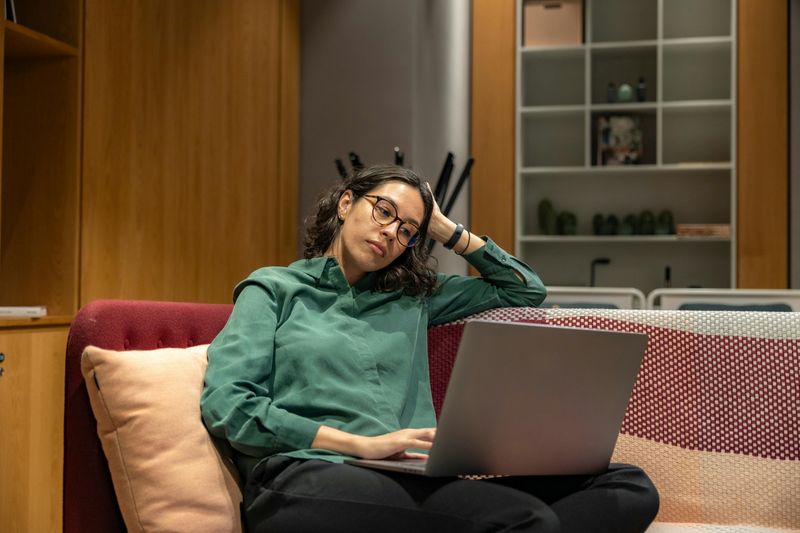
Authority and rigid schedules probably don’t sit well with you.
Night owls demonstrate a pattern of questioning traditional norms and preferring autonomy over following prescribed routines.
You might resist the idea that everyone should work 9-to-5 or that success requires waking at dawn.
These expectations feel arbitrary to you because they ignore individual differences in biology and productivity.
This independent streak isn’t rebelliousness for its own sake.
It reflects genuine comfort with flexibility and skepticism toward rules that don’t make logical sense.
You value freedom to structure your time in ways that actually work, not ways that merely look conventional.
8. You Prefer Deep, Uninterrupted Focus

Meetings, notifications, and social interruptions drain your productivity.
Nighttime appeals to you partly because it offers something rare during daylight hours: extended periods of uninterrupted concentration.
You work best when you can sink deeply into a task without someone knocking on your door or your phone buzzing every few minutes.
This preference for independent, focused work aligns perfectly with late-night solitude.
The world sleeps while you work, creating natural boundaries that protect your attention.
No one expects immediate responses to emails or casual conversations at 11 p.m., giving you the mental space to tackle complex projects that require sustained thought.
9. You Experience More Social Jet Lag

Social jet lag describes what happens when your biological clock conflicts with society’s schedule.
For night owls, this isn’t occasional—it’s a daily reality that creates chronic stress and exhaustion.
You’re forced to wake up before your body is ready, attend morning classes or meetings when your brain barely functions, and fight sleepiness during your natural alert hours.
It’s like living in the wrong time zone permanently.
This constant misalignment takes a toll.
You might feel perpetually tired, struggle with focus during required activities, or need entire weekends just to recover.
The problem isn’t you—it’s the mismatch between your biology and societal expectations.
10. You’re More Vulnerable to Mood Disruptions

Large-scale research reveals an uncomfortable truth: evening chronotypes show higher rates of anxiety and depression compared to morning types.
This isn’t about night owls being inherently unhappy—it’s about chronic sleep misalignment.
Constantly fighting your natural rhythm creates stress hormones, disrupts emotional regulation, and leaves you perpetually exhausted.
Over time, this biological discord can contribute to mood problems.
The good news?
Many mood issues improve when night owls can actually follow their natural schedule.
The problem often lies in forced conformity to early routines, not in being a night person itself.
Honoring your chronotype might protect your mental health.
11. You Face Health Risks When Forced Into Early Routines

Chronic schedule mismatch isn’t just uncomfortable—it can be dangerous.
Studies show that night owls forced into persistent early routines face increased risks for metabolic disorders, cardiovascular problems, and other health issues.
Sleep debt accumulates when you can’t follow your natural rhythm.
Your body never fully recovers, leading to inflammation, hormonal imbalances, and weakened immune function over months and years.
This research highlights why understanding your chronotype matters beyond convenience.
Respecting your biological clock isn’t indulgent—it’s a legitimate health consideration.
Finding work and lifestyle arrangements that accommodate your natural rhythm could literally extend your lifespan and improve your quality of life.
Comments
Loading…