
 Hailey Watson
Having good neighbors can make your home feel like a true sanctuary, but bad neighbors can turn your dream house into a nightmare.
Sometimes the issues are small annoyances you can work through, but other times they signal it’s time to pack up and find a new place.
Recognizing the warning signs early can save you stress, money, and sleepless nights.
1. Constant Noise That Never Stops

Trying to sleep at 2 AM while your neighbor’s bass is shaking your bedroom walls.
Occasional parties are one thing, but when loud music, shouting, or thumping becomes a nightly routine, your home stops feeling peaceful.
You deserve rest after a long day.
Noise pollution affects your mental health, sleep quality, and overall happiness.
If you’ve talked to your neighbor multiple times without improvement, it shows they don’t respect your comfort.
Some people simply don’t care how their actions affect others.
Before moving, document the disturbances and contact your landlord or homeowners association.
If nothing changes, your sanity matters more than staying put.
2. Their Yard Looks Like a Junkyard
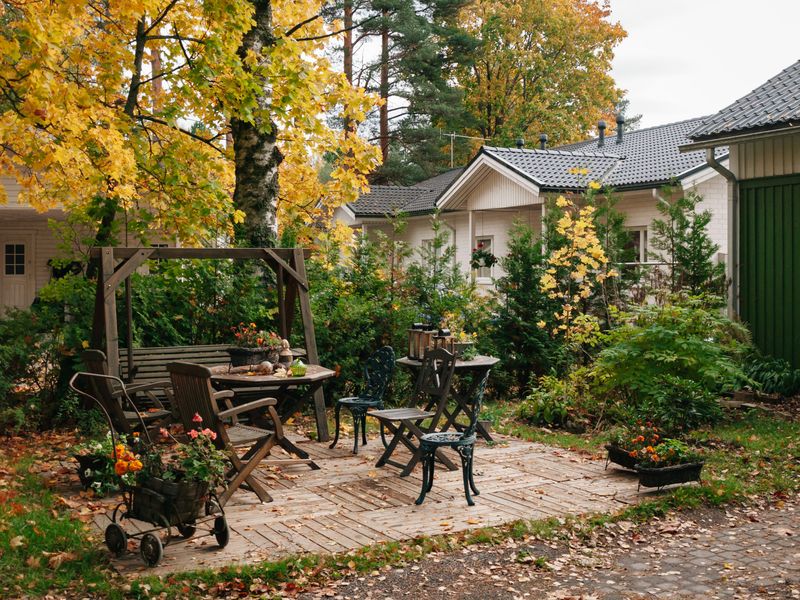
A neighbor’s unkempt property brings down the whole block’s appearance and your home’s value.
Waist-high weeds, broken appliances on the lawn, and piles of garbage create an eyesore that potential buyers will notice immediately.
Your investment suffers because of someone else’s laziness.
Beyond looks, neglected yards attract pests like rats, mosquitoes, and snakes that can migrate to your property.
Overgrown vegetation can also hide safety hazards or become fire risks in dry seasons.
These aren’t just aesthetic problems.
Most neighborhoods have ordinances about property maintenance.
Report violations to local code enforcement, but if authorities can’t fix the situation, moving protects your property value and peace of mind.
3. They’re Always Watching Your Every Move
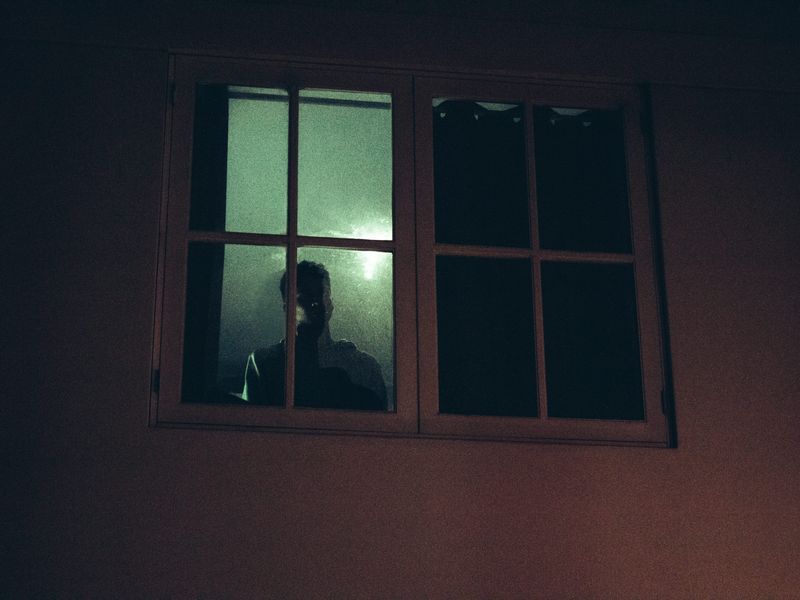
Everyone’s met that neighbor who seems to know when you leave, who visits, and what time you got home last night.
At first it might seem friendly, but constant surveillance crosses into creepy territory fast.
Your home should be your private space, not a reality show for nosy neighbors.
Some people take it further by commenting on your guests, asking intrusive questions, or even photographing your property without permission.
This behavior creates anxiety and makes you feel watched in your own space.
Nobody should live under constant scrutiny.
Set firm boundaries and limit interactions, but if the behavior escalates or feels threatening, document everything and consider whether staying is worth the discomfort.
4. They Treat Your Property Like Theirs
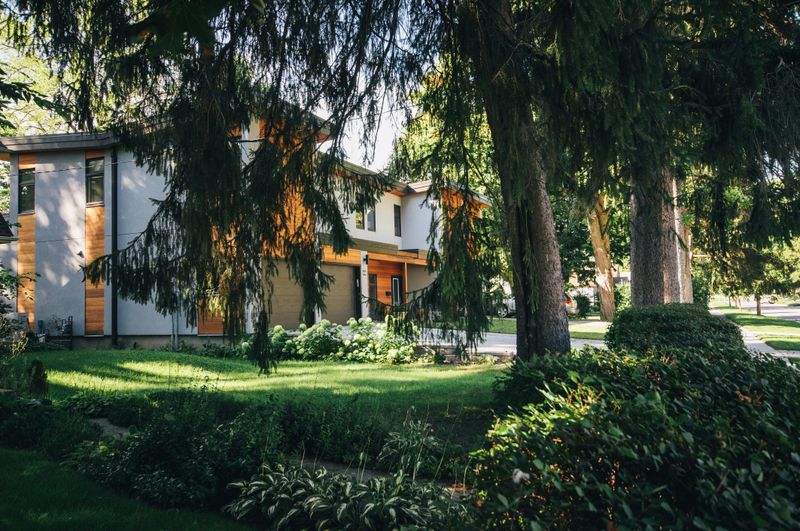
Property lines exist for good reasons.
When neighbors let their dogs use your lawn as a bathroom, park in your driveway, or cut through your yard as a shortcut, they’re showing complete disrespect for boundaries.
Your property is yours, period.
Some neighbors go even further by trimming your trees without asking, storing their stuff on your land, or installing things that encroach on your space.
These violations can actually affect your legal property rights over time.
What starts small can become a legal nightmare.
Address boundary issues immediately with clear communication and documentation.
If they continue ignoring your property rights despite warnings, moving might be easier than constant battles.
5. Every Conversation Becomes an Argument
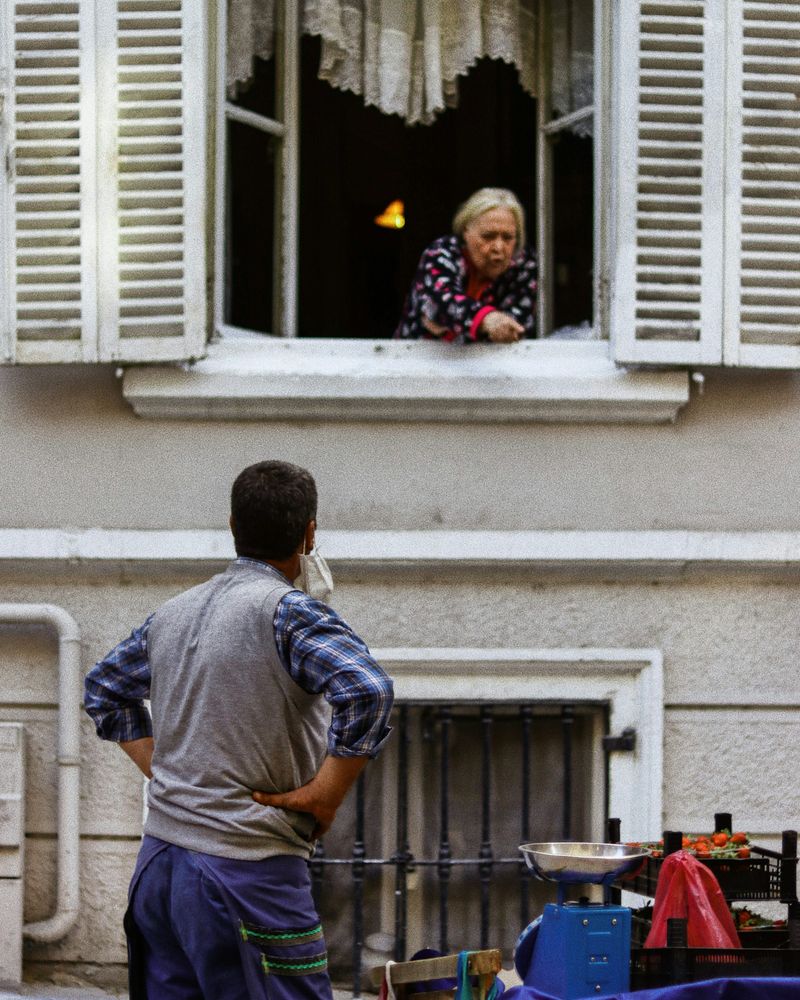
Life’s too short to fight with the person living twenty feet away.
When simple requests about parking or noise turn into shouting matches, something’s seriously wrong.
Healthy neighbors can disagree and work things out; toxic ones turn everything into World War III.
Constant conflict creates stress that follows you inside your home.
You start avoiding your own yard or timing trips to dodge confrontations.
That’s no way to live in a place you’re paying for.
Try mediation through community resources or your HOA one final time.
But if your neighbor thrives on drama and refuses to compromise, protecting your mental health by relocating makes perfect sense.
6. Their Home Creates Health Risks
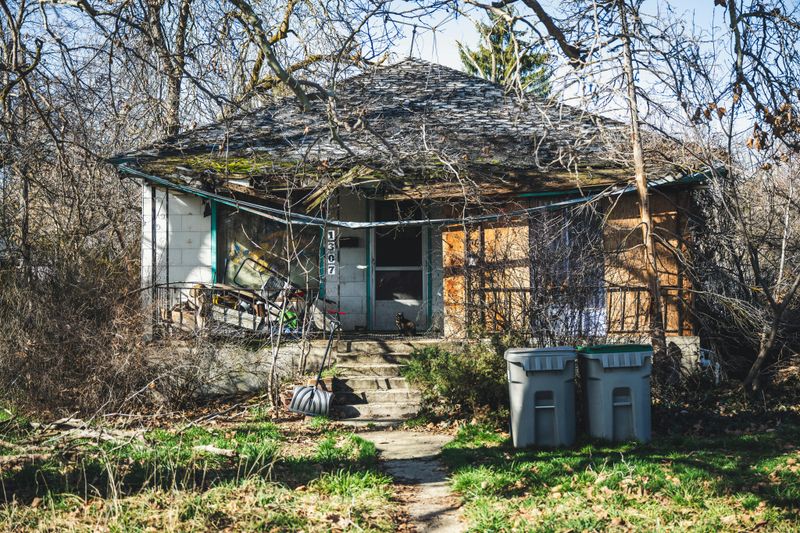
Hoarding, improper garbage disposal, or unsanitary conditions aren’t just unpleasant—they’re dangerous.
Rotting trash attracts disease-carrying pests, while mold and infestations can spread to surrounding homes.
Your family’s health shouldn’t be compromised by someone else’s issues.
Some situations involve strong odors that infiltrate your home, making it impossible to open windows or enjoy your space.
Others create breeding grounds for rodents, cockroaches, or other pests that don’t respect property lines.
These problems rarely improve without intervention.
Contact health departments and code enforcement about hazardous conditions.
However, these cases often take months or years to resolve, and sometimes the damage to your quality of life isn’t worth waiting out.
7. They Refuse to Be Neighborly

Community matters more than people realize.
A neighbor who’s consistently rude, hostile, or refuses basic pleasantries creates an uncomfortable atmosphere.
While you don’t need to be best friends, basic courtesy makes everyone’s life better.
Constant coldness or aggression wears you down.
Some neighbors actively work against community efforts, complain about everything, or spread negativity that affects the whole block.
This behavior can isolate you and make your home feel unwelcoming.
You deserve to feel comfortable in your own neighborhood.
You can’t force someone to be friendly, and some people simply prefer isolation.
But if their unfriendliness crosses into hostility or makes you dread coming home, finding a friendlier community might bring the peace you’re missing.
8. Your Safety Feels Compromised
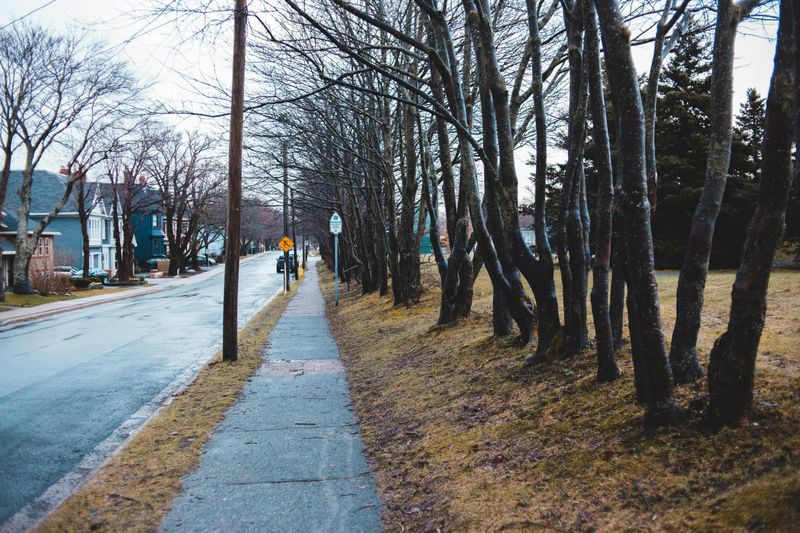
Your gut feeling about safety deserves attention.
Whether it’s reckless behavior like leaving gates open when they have aggressive dogs, careless actions that create hazards, or intimidating behavior that makes you uncomfortable, feeling unsafe at home is unacceptable.
Home should be your safest place.
Some neighbors create dangers through negligence—unsecured weapons, dangerous equipment left accessible to children, or fire hazards.
Others make threatening comments or display aggressive behavior that puts you on edge.
Neither situation is okay to live with long-term.
Document safety concerns and report them to appropriate authorities immediately.
But remember, you don’t need permission to prioritize your family’s safety and well-being over staying in a dangerous situation.
Comments
Loading…