
 Harper Hall
If You Wake Up at the Same Time Every Day Without an Alarm, You Probably Have These 10 Traits

Ever notice how some people just pop out of bed at the same time every morning without needing an alarm clock?
It might seem like a superpower, but it actually reveals something deeper about who they are.
Waking up naturally at a consistent time isn’t just about good sleep habits—it’s a window into your personality, discipline, and emotional stability.
If you’re one of these early risers, you likely share some fascinating traits that set you apart from the snooze-button crowd.
1. You Trust Yourself More Than External Systems

Relying on your body’s internal rhythm instead of blaring alarms shows remarkable self-confidence.
You’ve learned to listen to what your body tells you rather than depending on technology or outside forces to dictate your schedule.
This natural consistency isn’t accidental.
It comes from trusting your own judgment and believing in your ability to manage your life without constant external reminders or validation from others.
Most people doubt their internal systems and lean heavily on alarms, apps, and schedules created by someone else.
But you’ve built a relationship with yourself that’s strong enough to wake up on time, every time, without any backup plan needed.
2. You Do Things Whether You Feel Like It Or Not

Motivation comes and goes like the weather, but your wake-up time stays rock solid.
That’s because you understand something most people don’t: feelings are temporary, but habits create the life you want.
Waking at the same time daily demonstrates serious discipline.
You don’t negotiate with yourself every morning about whether today is the day you sleep in or stick to your routine.
Long-term stability matters more to you than short-term comfort.
While others hit snooze and promise they’ll start tomorrow, you’re already up and moving forward.
This trait extends beyond mornings—it shapes how you approach challenges, goals, and commitments throughout your entire life.
3. You Actually Do What Works For Your Body

Forcing yourself into someone else’s schedule never works long-term.
You’ve figured out your body’s natural energy patterns and built a routine around them instead of fighting against your biology.
This alignment creates genuine sustainability.
Your wake-up time isn’t something you’re white-knuckling through—it’s what your body actually wants and supports naturally.
Many people try to become morning people or night owls based on trends or what sounds impressive.
But you’ve done the harder work of honest self-assessment.
You know when your body performs best, and you’ve structured your life to honor that rhythm rather than constantly battling it.
4. You Don’t Waste Mental Energy On Decisions That Don’t Matter

Decision fatigue is real, and you’ve eliminated it from your mornings.
By automating your wake-up time, you’ve removed one more daily negotiation that drains mental energy before your day even starts.
Every morning, most people have an internal debate: snooze or get up?
Five more minutes or start now?
This constant decision-making depletes willpower that could be used for important choices later.
You’ve recognized that not all decisions deserve your attention.
Your consistent wake-up time is one less thing to think about, freeing up mental space for decisions that actually matter.
This efficiency mindset probably shows up in other areas of your life too.
5. You Have A High Tolerance For Monotony

Repetition doesn’t drain you—it grounds you.
While others crave constant novelty and excitement, you understand that mastery and stability come from doing the same things consistently, even when they feel mundane.
This tolerance for routine is actually a strength.
The most successful people automate their basics so they can be creative where it counts.
Your ability to show up at the same time every day without getting bored reveals emotional maturity.
You don’t need every moment to be thrilling or different.
You’ve made peace with the fact that excellence often looks boring from the outside, built through small, repeated actions over time.
6. You’re Not Emotionally Reactive

Chaotic mornings usually signal chaotic emotions.
Your steady wake-up rhythm suggests you’ve developed strong emotional regulation skills and can stay grounded even when life gets unpredictable.
People who wake naturally at consistent times tend to have lower stress levels.
They’re not jolted awake by alarms or scrambling to catch up before they’ve even had coffee.
This emotional stability extends throughout your day.
When you start mornings calmly and predictably, you’re less likely to overreact to minor frustrations later.
Your body and mind have learned to trust the routine, creating a foundation of safety that helps you handle whatever comes your way.
7. You Don’t Care What Others Think

Social pressure to stay up late or sleep in on weekends doesn’t sway you.
You’ve chosen a schedule that works for your life, regardless of what friends, coworkers, or social media suggests you should be doing.
This independence shows up in your wake-up routine.
Maybe everyone else is partying late on Friday nights, but you still wake up at your regular time Saturday morning because that’s what serves you best.
Prioritizing your needs over external expectations takes courage.
You’re not trying to impress anyone with your sleep schedule or prove you can hang with the late-night crowd.
You’ve built a life around your values, not around fitting in or following trends.
8. You’re Consistent In Your Identity

Who you are doesn’t change based on circumstances or moods.
Your morning routine reflects deep internal alignment—your habits mirror your values, and your actions match your identity.
This consistency goes beyond sleep schedules.
When your external behaviors align with your internal beliefs, life feels easier and more authentic.
Most people shift their identity depending on who they’re with or what’s convenient in the moment.
But you’ve developed a core sense of self that remains stable.
Waking at the same time daily is just one visible sign of this deeper integrity—proof that you live according to principles rather than fleeting feelings or outside pressure.
9. You Can Self-Soothe
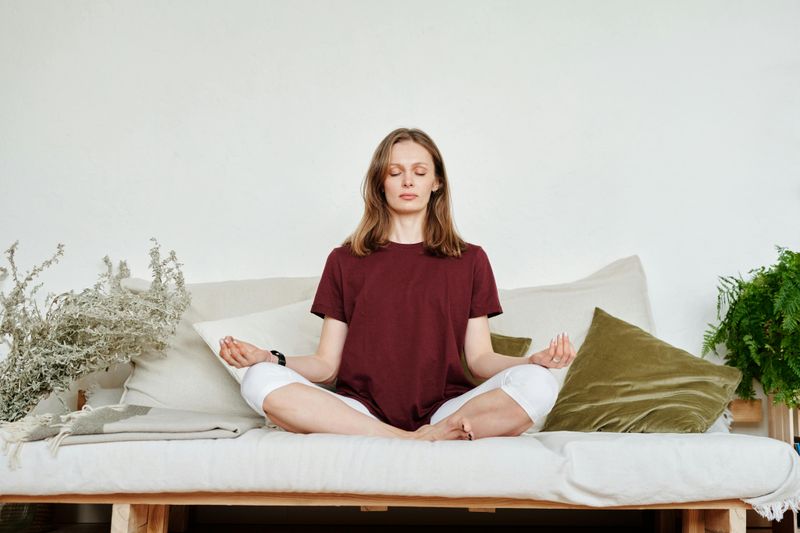
Your body feels safe enough to wake naturally without stress or panic.
There’s no frantic grabbing for a phone or jolting awake in fear—you’ve created an internal environment of calm and security.
Self-soothing is an underrated skill.
It means you can regulate your own nervous system without needing external prompts, distractions, or the snooze button to ease you into wakefulness.
Many people rely on alarms because waking up triggers anxiety about the day ahead.
But you’ve developed enough emotional resilience that mornings feel manageable, even welcoming.
This ability to comfort yourself extends beyond sleep—it’s how you handle stress, disappointment, and uncertainty throughout life.
10. You Have A Well-Regulated Internal Clock

Your circadian rhythm is strong and synchronized like a finely tuned instrument.
This biological clock regulates when you feel sleepy and when you naturally wake up, allowing you to rise feeling alert without technological assistance.
A well-regulated internal clock is a sign of overall health.
It means you’re probably getting quality sleep, exposing yourself to natural light, and maintaining consistent routines that support your body’s natural cycles.
Most people have disrupted circadian rhythms from irregular schedules, too much screen time, and poor sleep hygiene.
But yours is working exactly as nature intended, giving you energy and focus right from the start of each day without needing coffee or alarms to drag you into consciousness.
Comments
Loading…