
 Isabel Parker
If You Thank Drivers When Crossing the Street, You Might Have These 12 Key Traits
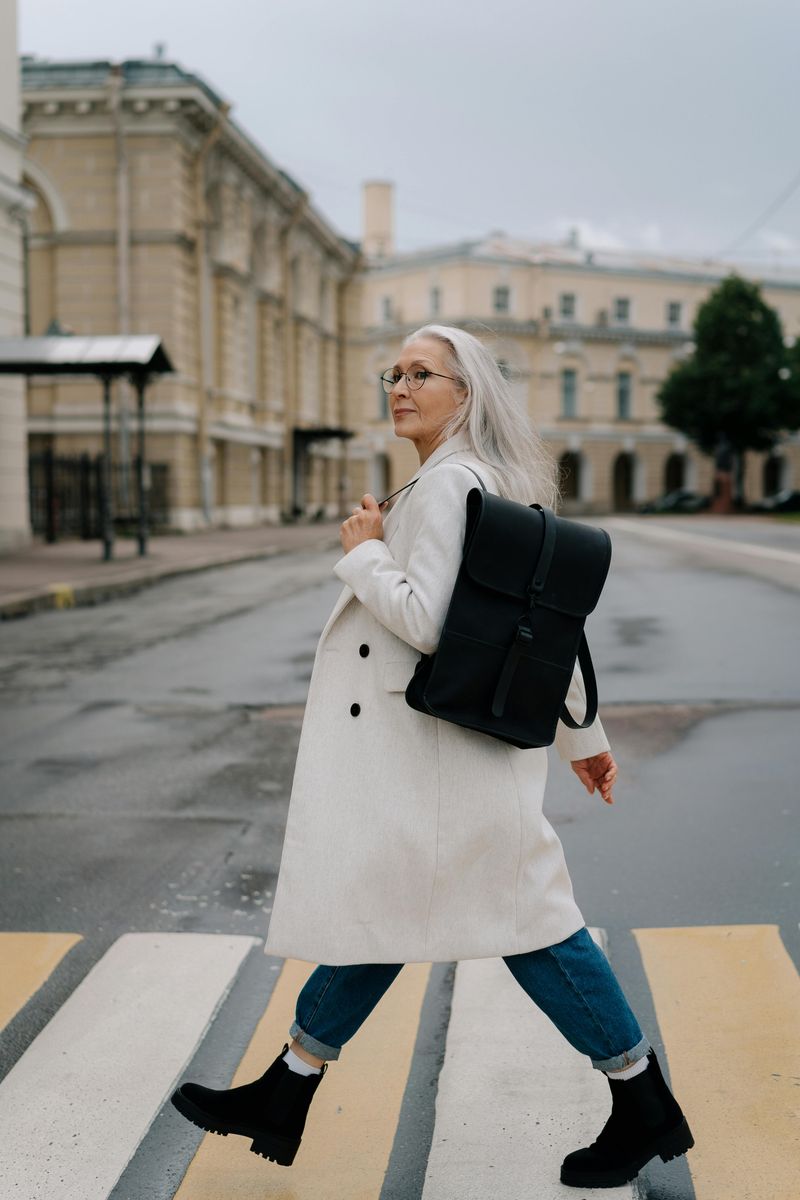
Have you ever waved or said thank you to a driver who stopped for you at a crosswalk? That small, almost automatic gesture can say more about you than you might realize. People who take the time to acknowledge drivers often share a set of genuinely positive personality traits that help make everyday interactions kinder and more human.
From empathy and awareness to gratitude and respect, these qualities reflect someone who notices the little moments and values simple acts of courtesy. In a fast-paced world, it’s a subtle reminder that kindness still shows up in the smallest gestures.
1. You Value Kindness in Daily Life
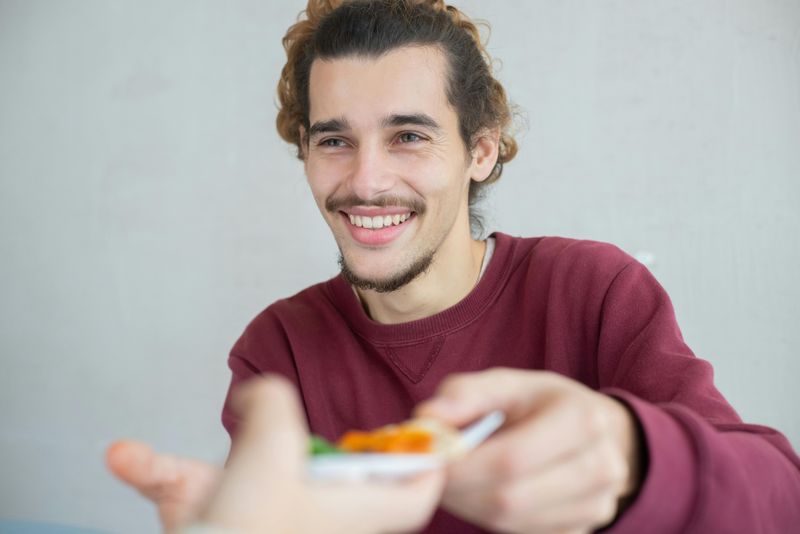
Small acts of appreciation show that kindness matters to you, even in rushed moments.
Thanking a driver who waits for you demonstrates that you see their patience as worthy of acknowledgment.
Many people rush through their day without pausing to recognize others.
Your gratitude creates positive energy that spreads beyond that single crosswalk moment.
Studies suggest that expressing thanks boosts both your mood and the recipient’s happiness levels.
When you make eye contact and wave, you remind everyone that we’re all human beings sharing the same streets.
This trait reflects a belief that kindness should be the default, not the exception in everyday interactions.
2. Awareness of Your Surroundings
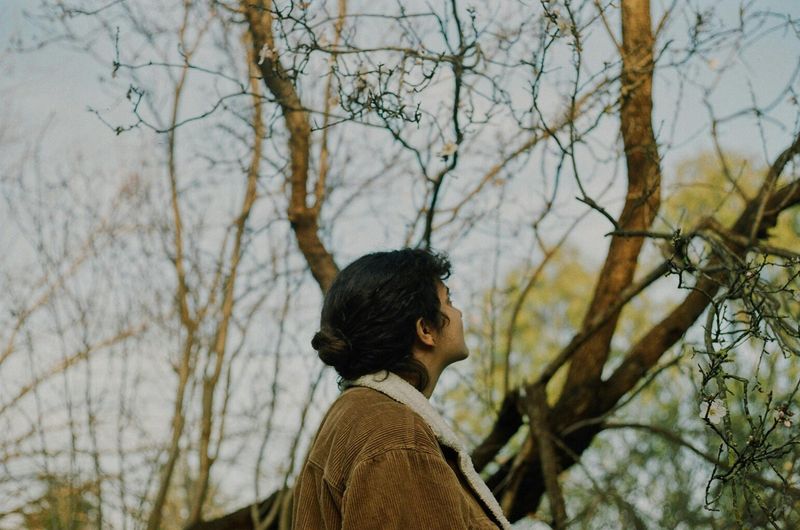
Noticing when someone stops for you requires paying attention to what’s happening around you.
You’re not glued to your phone or lost in your thoughts while crossing streets.
Being aware keeps you safer and helps you catch those moments worth acknowledging.
People who thank drivers tend to walk with their heads up, observing traffic patterns and driver behavior.
This awareness extends beyond crosswalks into other areas of life where details matter.
You probably notice when someone holds a door or picks up something you dropped.
Staying present in the moment allows you to respond appropriately to kindness.
Your environmental awareness is a skill that serves you well daily.
3. Strong Sense of Gratitude
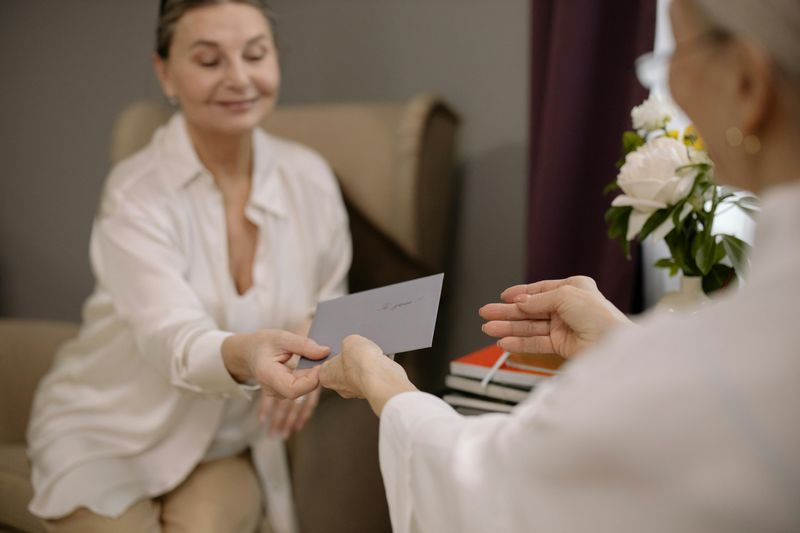
Gratitude flows naturally from you, whether it’s for big favors or tiny courtesies like a driver yielding.
You recognize that someone chose to be patient rather than rushing through.
This mindset transforms ordinary moments into opportunities for connection and appreciation.
Research shows grateful people experience better mental health and stronger relationships with others.
Your thank-you wave isn’t just polite—it’s part of how you view the world.
You understand that drivers aren’t obligated to be patient, making their kindness worth recognizing.
Expressing thanks regularly keeps you focused on the positive aspects of daily life.
This habit probably extends to thanking cashiers, servers, and anyone who helps you.
4. Empathy for Other People

Understanding how frustrating traffic can be helps you appreciate drivers who show patience at crosswalks.
You put yourself in their shoes, imagining the stress of stop-and-go traffic and tight schedules.
That empathy drives your desire to acknowledge their courtesy with a simple thank you.
Empathetic people recognize that everyone faces challenges throughout their day.
When a driver waits calmly instead of honking or inching forward, you see their restraint as admirable.
Your wave says you understand and appreciate their choice to be considerate.
This trait helps you build better relationships because you naturally consider how others feel.
Empathy makes you a thoughtful friend, coworker, and community member.
5. Belief in Common Courtesy
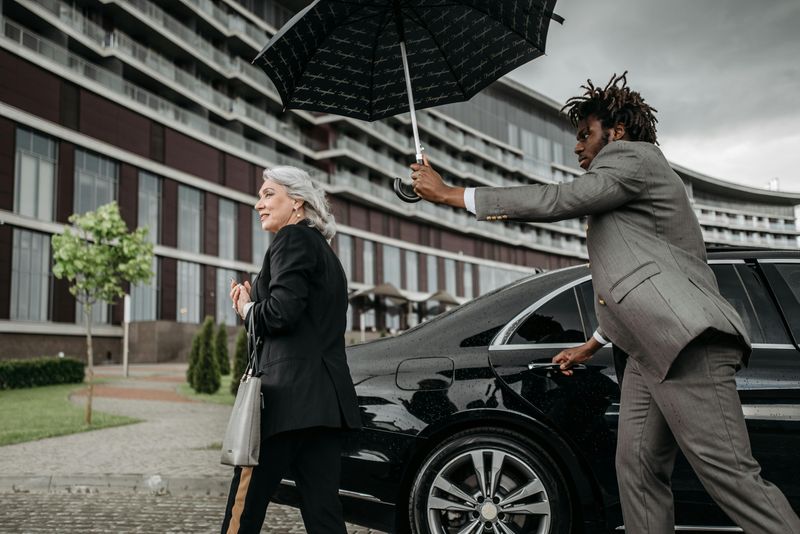
Manners still matter to you, even when society sometimes feels rushed and impersonal.
You grew up learning that please and thank you make interactions smoother and more pleasant.
These values guide your behavior at crosswalks and everywhere else you go.
Common courtesy creates a culture where people treat each other with basic respect and consideration.
Your thank-you gesture reinforces this standard, reminding both you and the driver that politeness hasn’t disappeared.
Small courtesies add up to create communities where people feel valued and seen.
You probably hold doors, say excuse me, and apologize when you bump into someone.
These habits reflect your commitment to making the world a little friendlier.
6. Positive Outlook on Life

Choosing to acknowledge kindness shows you focus on what’s going right rather than what’s wrong.
Many people only notice when drivers are rude or impatient, but you celebrate the good ones.
This optimistic perspective helps you find joy in everyday moments that others might overlook completely.
Positive people tend to have lower stress levels and better overall health according to numerous studies.
Your thank-you wave is evidence that you look for reasons to smile and connect.
Even on tough days, you can appreciate when someone shows basic human decency.
This sunny disposition probably attracts people to you because everyone enjoys being around uplifting individuals.
Your positivity is contagious in the best possible way.
7. Respect for Others’ Time
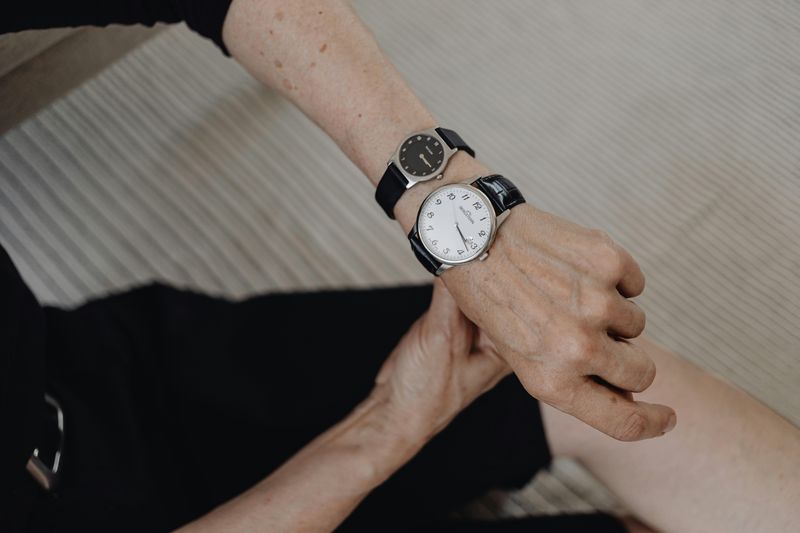
You understand that the driver waiting for you is giving up a few seconds of their journey.
Time is precious to everyone, and you don’t take that sacrifice for granted.
Acknowledging their patience shows you value what they’ve given you, even if it’s just a brief pause.
Respecting others’ time extends beyond crosswalks into how you handle appointments, meetings, and commitments.
You probably arrive on time and don’t keep people waiting unnecessarily.
When someone does wait for you, gratitude comes naturally because you know how it feels.
This trait makes you reliable and considerate in both personal and professional relationships.
People appreciate knowing you won’t waste their time or dismiss their efforts.
8. Strong Community Spirit
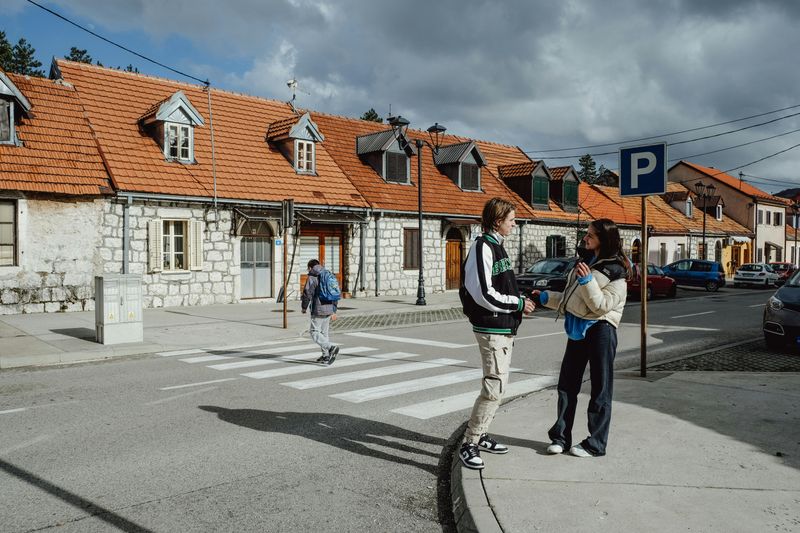
Feeling connected to the people around you, even strangers, motivates your friendly gestures at crosswalks.
You see your neighborhood or city as a shared space where everyone deserves kindness.
That sense of community makes you want to contribute positively to the collective experience.
People with community spirit volunteer more, support local businesses, and look out for neighbors in need.
Your crosswalk wave is a micro-version of this larger commitment to making your area better.
Every small interaction either builds community or erodes it, and you choose building.
This characteristic probably shows up in other ways too, like picking up litter or helping lost tourists.
You believe we’re all in this together.
9. Humility and Graciousness

Thanking drivers shows you don’t feel entitled to their patience or courtesy.
You recognize that stopping for pedestrians is the law, but being patient and kind about it is a choice.
Your humble nature prevents you from taking good treatment for granted or expecting special treatment.
Gracious people make others feel comfortable and appreciated through simple acknowledgments like your crosswalk wave.
You don’t assume the world owes you anything, so you’re genuinely grateful when things go smoothly.
This modesty makes you easy to be around and pleasant to encounter.
Humility helps you maintain perspective about your place in the world.
You’re important, but so is everyone else, including that driver who waited.
10. Mindfulness in Everyday Actions
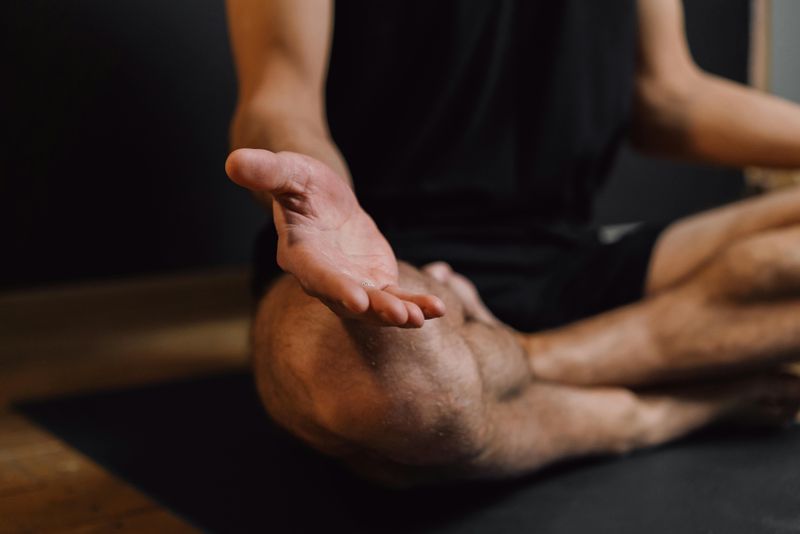
Being mindful means staying present during routine activities instead of operating on autopilot.
You actually notice when you’re crossing streets and who’s waiting for you.
Many people sleepwalk through their commutes, but you remain conscious of your actions and their impact on others.
Mindfulness practices have been shown to reduce anxiety and improve overall wellbeing significantly.
Your awareness at crosswalks is a form of informal mindfulness meditation in motion.
You’re fully engaged with the present moment rather than mentally rehearsing the future or replaying the past.
This presence of mind helps you make better decisions and enjoy life more fully.
You probably taste your food, listen during conversations, and notice beautiful details others miss.
11. Good Role Model for Children
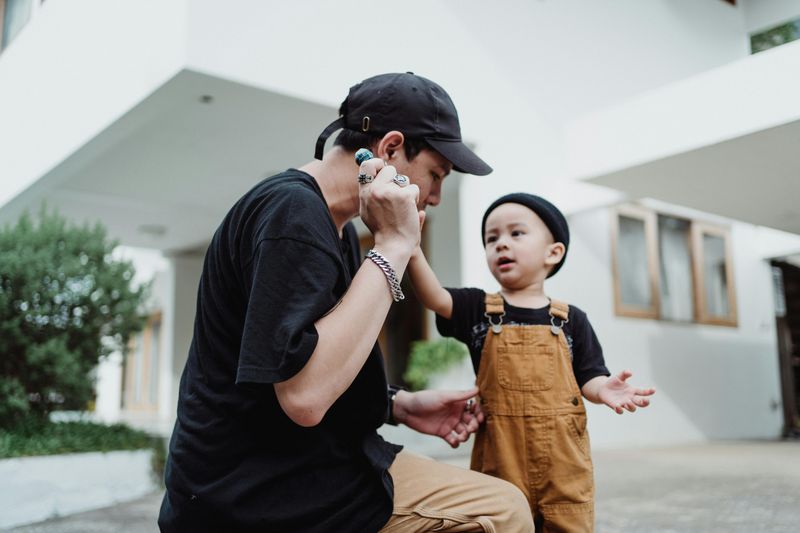
Kids watch and copy adult behavior, especially regarding manners and social interactions.
When you thank drivers, any children nearby learn that gratitude and courtesy matter.
Your actions teach the next generation how to navigate public spaces respectfully and considerately.
Being a positive role model doesn’t require perfection, just consistent demonstration of good values.
Your crosswalk thank-you is one of countless small lessons you provide through everyday behavior.
Children who see adults expressing gratitude are more likely to develop that habit themselves.
Whether you’re a parent, teacher, or just a community member, your influence matters.
You’re helping create a kinder future one wave at a time.
12. Understanding of Social Reciprocity
You grasp the unwritten social contract that makes communities function smoothly through mutual consideration.
When drivers wait, you thank them; when you drive, you wait patiently for pedestrians.
This give-and-take creates a harmonious environment where everyone benefits from cooperative behavior.
Social reciprocity builds trust between strangers who share public spaces like streets and sidewalks.
Your thank-you acknowledges that the driver upheld their end of the social bargain.
You understand that small acts of kindness deserve recognition to encourage their continuation.
This awareness helps you navigate all social situations with appropriate responses.
You know when to help, when to thank, and when to step back gracefully.
Comments
Loading…