
 Mila Ross
If You Haven’t Experienced These 11 Things, You’re Not as Cultured as You Think

Culture isn’t just about visiting museums or knowing the right wines. It’s about experiences that shake you up, make you uncomfortable, and force you to see the world differently.
Real cultural depth comes from moments that challenge your assumptions and push you beyond your comfort zone.
These transformative experiences shape who you are in ways no textbook or travel brochure ever could.
They’re the kind of things that leave permanent marks on your perspective and understanding of humanity.
1. Living Somewhere Where You Don’t Speak the Language

Moving to a place where you can’t understand the signs, menus, or conversations around you strips away your usual confidence.
You become like a child again, pointing at things and smiling awkwardly, hoping someone understands.
This vulnerability teaches you patience and humility in ways comfort never could.
Communication becomes about body language, facial expressions, and genuine effort.
You learn that human connection doesn’t always need words.
People appreciate when you try, even if you butcher their language completely.
This immersion forces adaptability and reveals how much we rely on language as a crutch.
Without it, you discover new ways to understand others and yourself.
2. Reading Philosophy That Challenges Your Worldview

Picking up a book by Nietzsche, Confucius, or Simone de Beauvoir can feel like someone rearranged the furniture in your brain.
These thinkers spent lifetimes questioning everything we take for granted.
Their ideas make you uncomfortable because they’re supposed to.
Philosophy from different cultures and time periods shows you that your beliefs aren’t universal truths.
They’re shaped by where and when you were born.
Reading opposing viewpoints strengthens your ability to think critically rather than just react emotionally.
The best philosophical texts don’t give you answers.
They give you better questions and expose you to entirely different ways of understanding existence, morality, and purpose.
3. Having a Meal with a Family from a Completely Different Culture
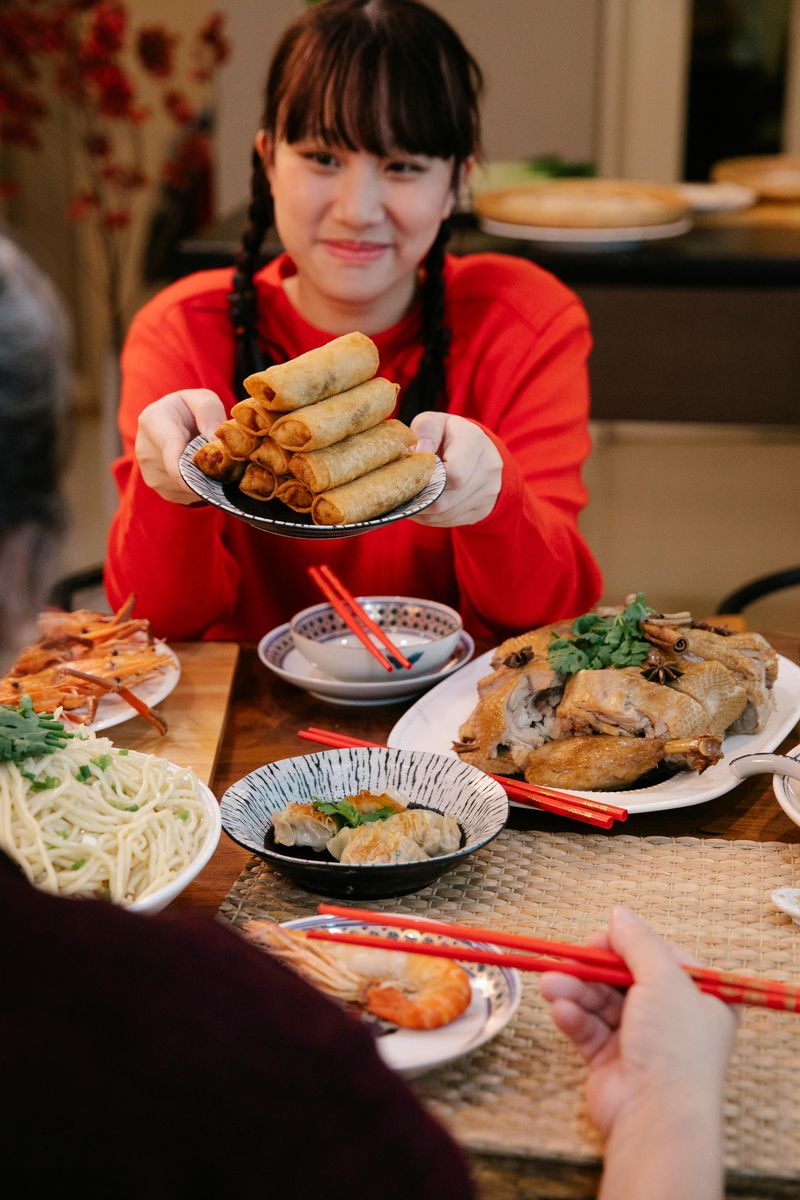
Restaurant dining shows you a polished version of culture.
Eating in someone’s actual home, with their family, reveals the real thing.
You see how they interact, what they value, and the rituals that make their lives meaningful.
Food becomes a language of its own. Grandmothers insist you eat more, kids ask curious questions, and you learn table manners you never knew existed.
These moments offer insights no guidebook could ever provide.
Sharing a meal in this intimate setting breaks down barriers faster than any formal introduction.
You’re not a tourist anymore; you’re a guest, and that distinction matters deeply in understanding authentic cultural exchange.
4. Getting Completely Lost Without Technology

Your phone dies in an unfamiliar neighborhood, and suddenly you’re actually present in the world.
No blue dot to follow, no voice telling you where to turn. Just you, the street signs, and your instincts.
Being lost forces you to ask strangers for help, to pay attention to landmarks, and to trust your sense of direction.
It builds confidence and awareness that GPS dependency has quietly stolen from us.
These moments teach resilience and remind you that humans navigated the entire world before smartphones existed.
You discover that getting lost often leads to the most memorable discoveries and genuine human interactions along the way.
5. Experiencing Genuine Poverty (Your Own or Witnessing Others’)

Whether you’ve lived through financial hardship or witnessed it up close, poverty changes how you see everything.
Suddenly, the price of bread matters.
The distance to free water matters.
Every small comfort becomes a luxury you never appreciated before.
Seeing or experiencing how others survive on almost nothing exposes the massive gap between different lives on this planet.
It’s not about guilt; it’s about understanding reality beyond your bubble.
This exposure reshapes your priorities and gratitude.
You realize how much privilege shapes opportunity and how fragile security really is.
That awareness stays with you and influences every decision you make afterward.
6. Learning a Craft or Skill from a Master

YouTube tutorials can’t replace sitting beside someone who’s spent decades perfecting their craft.
Whether it’s pottery, calligraphy, woodworking, or cooking, learning from a master connects you to generations of knowledge.
Masters teach more than technique.
They teach patience, attention to detail, and respect for the process.
Their hands show you what words cannot explain, and their corrections come from deep understanding, not algorithms.
This mentorship links you to cultural heritage and tradition.
You’re not just learning a skill; you’re becoming part of a lineage.
That relationship between teacher and student has shaped human knowledge for thousands of years.
7. Falling in Love with Someone from a Different Culture

Cross-cultural romance isn’t just about exotic attraction.
It’s about navigating different communication styles, family expectations, and assumptions about relationships.
Everything you thought was normal gets questioned.
These relationships demand deeper emotional intelligence and patience.
You learn to explain things you never had to articulate before.
Holidays, traditions, and even expressions of affection might look completely different between you.
Love across cultures expands your heart and your mind simultaneously.
It challenges biases you didn’t know you had and teaches you that connection transcends background.
These relationships fundamentally reshape how you understand intimacy and partnership.
8. Facing Your Mortality
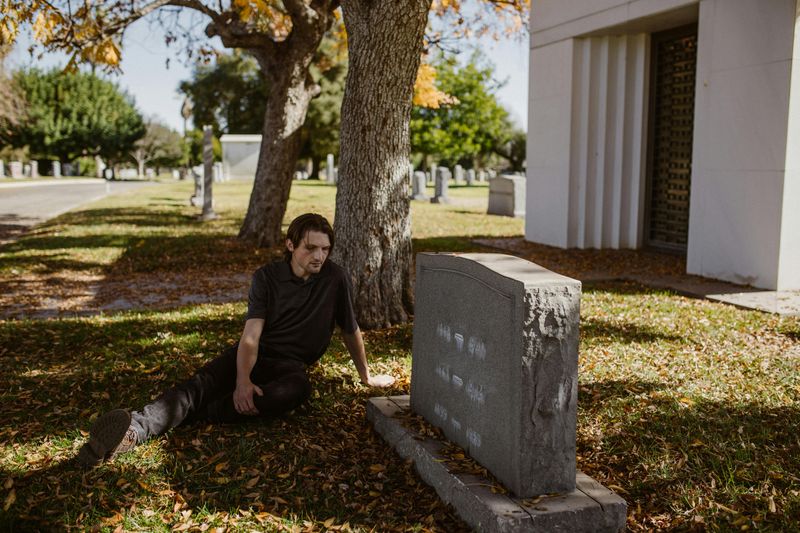
A serious illness, a close call, or losing someone important forces you to confront the fact that you won’t be here forever.
That realization hits differently than just knowing it intellectually. It becomes visceral and urgent.
Facing death strips away the trivial concerns that usually consume your time.
Suddenly, grudges seem pointless, and small joys become precious.
Your priorities reorganize themselves without you even trying.
This confrontation with impermanence changes how you live each day.
You appreciate the present moment more deeply because you truly understand it’s limited.
That awareness is uncomfortable but ultimately freeing and clarifying.
9. Creating Something and Sharing It Publicly
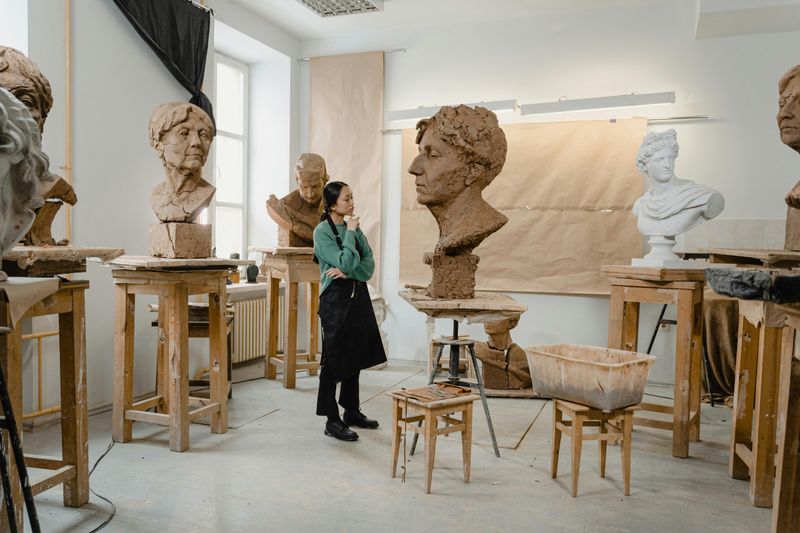
Making art, writing, music, or any creative work and actually showing it to others requires serious courage.
You’re putting a piece of yourself out there to be judged, criticized, or ignored.
That vulnerability teaches you more about yourself than any self-help book.
You learn to separate your worth from others’ opinions while still valuing feedback.
Rejection stings less each time, and genuine appreciation means more.
Creating and sharing connects you to the universal human need for expression.
It doesn’t matter if you’re good; what matters is that you tried.
That act of courage builds confidence and empathy for other creators.
10. Experiencing True Silence and Solitude

Not just turning off your phone for an hour.
Real solitude means extended time completely alone, without distractions, entertainment, or anyone to talk to.
Just you and your thoughts in actual silence.
At first, it’s uncomfortable.
Your mind races.
Boredom feels unbearable.
But if you stick with it, something shifts.
Clarity emerges.
You hear yourself think without the constant noise of modern life drowning everything out.
This practice fosters genuine self-reflection and inner depth.
You discover who you are when nobody’s watching and nothing’s demanding your attention.
That self-knowledge becomes a foundation for everything else in life.
11. Actively Learning and Using Another Language
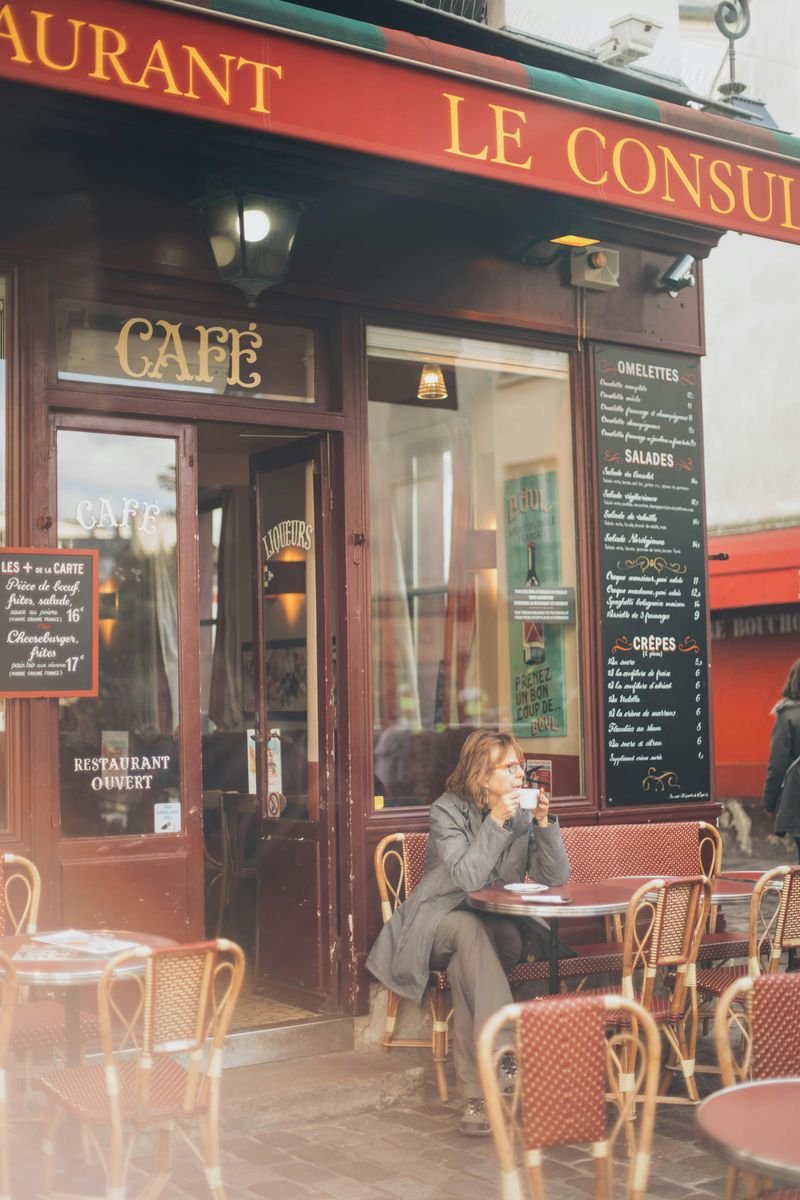
Ordering coffee in broken Spanish or French isn’t the same as genuinely committing to learn a language.
Real language learning means struggling through grammar, making embarrassing mistakes, and pushing past frustration when nothing makes sense.
Speaking another language reshapes how you think.
Different languages organize ideas differently, express emotions uniquely, and reveal cultural priorities through their vocabulary.
You literally gain new ways of understanding the world.
Using your new language with native speakers builds empathy and connection.
They appreciate your effort, even when you mess up.
That exchange creates bridges between people that monolingualism simply cannot build.
Comments
Loading…