
 Mary Murphy
If You Hate Surprises, Psychology Says These 10 Things Are Behind It

Some people love surprises, but if you’re someone who prefers knowing what’s coming next, there’s probably a reason rooted in your past.
Psychology reveals that our childhood experiences shape how we respond to the unexpected.
Understanding these patterns can help you make sense of your preferences and find peace with how your brain is wired.
1. You Grew Up With Inconsistent Caregiving

Growing up with caregivers who responded unpredictably left a lasting mark on how your brain processes unexpected events.
One day they might have been warm and attentive, while the next they were distant or upset without warning.
Your nervous system learned to stay on high alert, constantly scanning for danger.
Instead of feeling excitement when something unexpected happens, your body braces for potential harm.
This isn’t a flaw in your personality; it’s your brain trying to keep you safe based on early lessons.
Recognizing this pattern can help you understand why surprises feel threatening rather than fun, and why you crave predictability in your daily life.
2. You Were Raised in a High-Stress Household
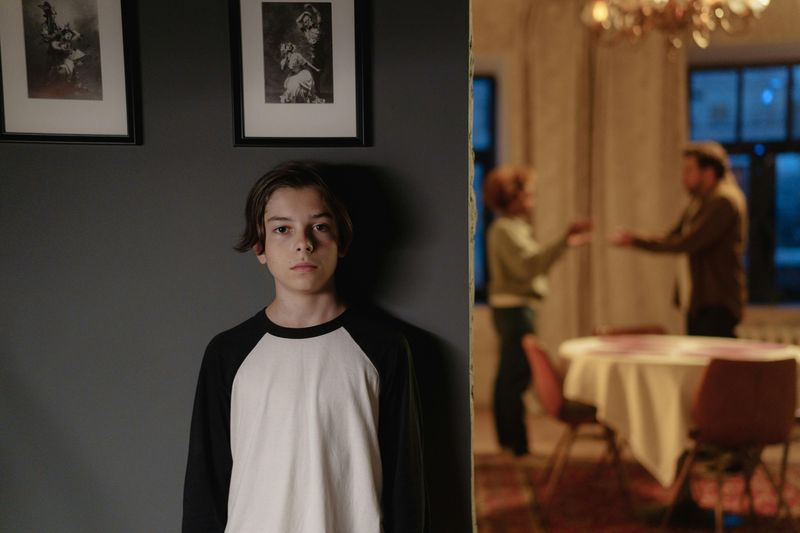
Constant tension at home created an environment where peace felt fragile and temporary.
You learned that the only way to maintain any sense of calm was to control as much as possible around you.
Unexpected moments disrupted that carefully maintained equilibrium, triggering your internal alarm system.
Your brain associated surprises with the chaos you worked so hard to escape.
Even positive surprises can feel uncomfortable because they represent a loss of control.
This response isn’t about being difficult or inflexible; it’s a survival strategy you developed to cope with ongoing stress.
Understanding this connection can help you be gentler with yourself when unexpected changes arise.
3. You Were Punished Without Clear Explanations
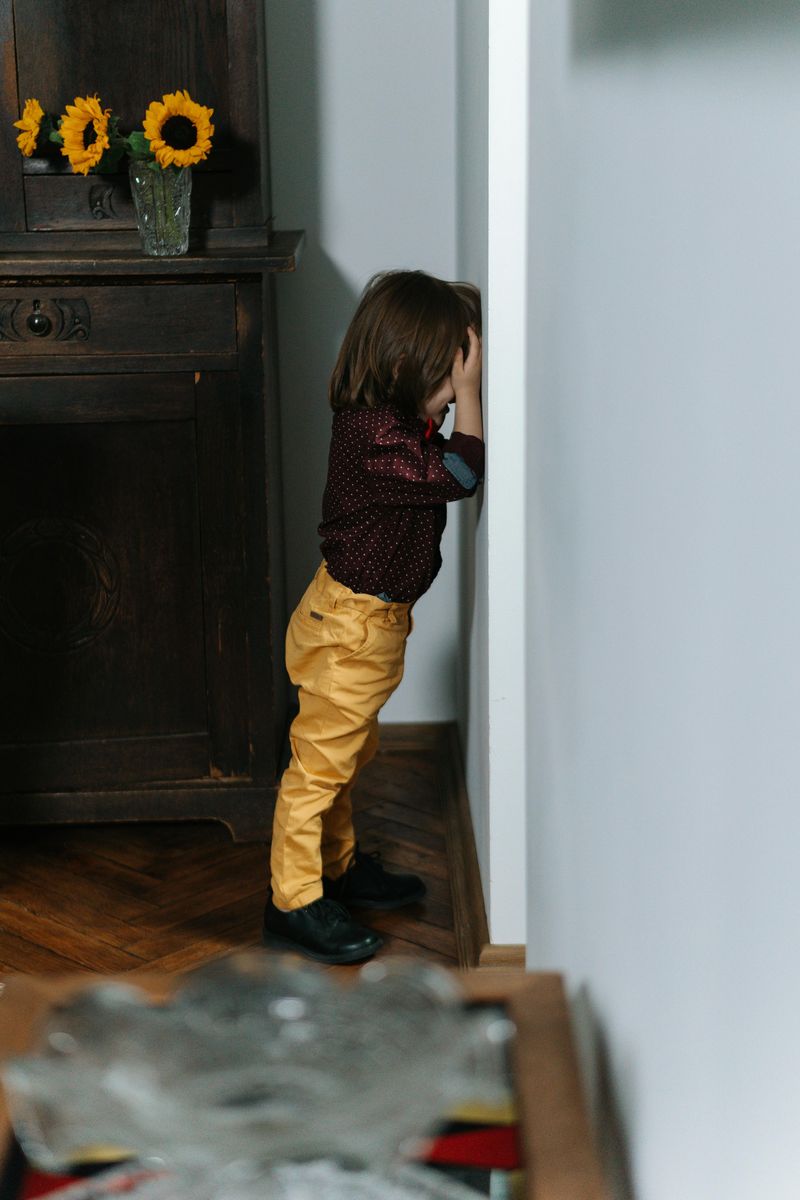
When consequences felt random and adults didn’t explain why you were being disciplined, your world became unpredictable and confusing.
You couldn’t learn from mistakes because the rules seemed to change without notice.
This taught your brain that uncertainty equals danger.
Surprises became linked to that same feeling of not knowing what’s coming or why.
As an adult, unexpected events can trigger that old anxiety, even when there’s no real threat present.
Your discomfort with surprises isn’t about being controlling; it’s about seeking the clarity you never received as a child.
Recognizing this pattern can help you separate past experiences from present reality.
4. You Had to Manage Adult Emotions Early

Learning to read and manage your parents’ moods before you could even understand your own feelings placed an enormous burden on your developing mind.
You became an expert at predicting emotional weather patterns to keep yourself safe.
This constant monitoring meant that emotional predictability became essential for your sense of security.
Surprises disrupt your ability to prepare and manage what might come next.
What should have been fun now feels like work because you’re instantly calculating the emotional implications.
This isn’t you being difficult; it’s your nervous system responding to years of training.
Understanding this can help you recognize when you’re slipping into old patterns of hypervigilance.
5. Your Boundaries Weren’t Consistently Respected

When adults dismissed your preferences or ignored your protests as a child, you learned that your voice didn’t matter.
Surprises, even well-intentioned ones, can trigger that same feeling of powerlessness.
Your boundaries weren’t just crossed; they were often invisible to the people around you.
Now, unexpected events can feel like another instance of someone deciding what’s best for you without asking.
This reaction isn’t about being ungrateful or difficult.
It’s about protecting the autonomy you fought so hard to claim.
Recognizing this pattern can help you communicate your needs more clearly and understand why surprises sometimes feel overwhelming rather than delightful.
6. You Were Praised for Being Easygoing or Adaptable

Being rewarded for going with the flow taught you to suppress your genuine reactions to unexpected changes.
Adults praised your flexibility, so you learned to smile through situations that actually stressed you out.
You became skilled at hiding discomfort, but that doesn’t mean the discomfort disappeared.
Your internal stress simply went underground while you maintained an easygoing exterior.
Now you might struggle to even recognize when surprises bother you because you’ve spent so long denying those feelings.
This pattern isn’t about being fake; it’s about survival in an environment that valued your adaptability over your authentic feelings.
Acknowledging this can help you reconnect with your true preferences.
7. You Experienced Sudden Losses or Abrupt Changes
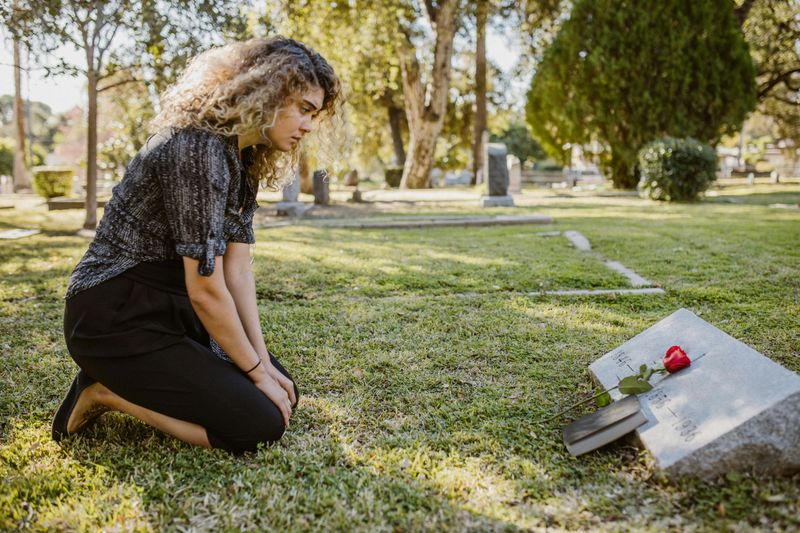
Experiencing abrupt changes or unexpected losses early in life taught your body that stability can vanish in an instant.
Your nervous system developed a protective response, constantly preparing for the next blow.
Even neutral or positive surprises can trigger this bracing reaction because your brain doesn’t distinguish between types of unexpected events.
It just knows that unpredictability has meant pain before.
This response happens automatically, often before you can even think about it rationally.
Understanding that this is a trauma response, not a personality flaw, can help you approach your reactions with more compassion and less judgment toward yourself.
8. You Learned That Mistakes Had High Emotional Stakes

When errors led to disproportionate reactions from adults, you learned that getting things wrong carried serious emotional consequences.
Surprises began to feel like potential moments of judgment where you might somehow fail.
Your brain started treating unexpected situations as tests you hadn’t studied for.
The anxiety isn’t really about the surprise itself; it’s about the possibility of making a mistake in an unprepared moment.
This creates a need to anticipate and plan for everything possible.
Recognizing that this fear stems from past overreactions, not current reality, can help you separate old wounds from present experiences and respond more calmly to the unexpected.
9. You Grew Up in a Chaotic or Unstable Environment

Frequent changes in routines, homes, or caregivers created a world where nothing felt stable or secure.
Your developing brain desperately needed consistency but rarely found it.
As an adult, you compensate by creating as much predictability as possible in your environment.
Surprises threaten that carefully constructed stability, triggering old feelings of chaos.
Your preference for routine isn’t about being boring or rigid; it’s about creating the safety you never had as a child.
Understanding this can help you honor your need for structure while gently challenging yourself when appropriate, knowing you’re now in control of your environment.
10. You Lacked Consistent Rules or Routines Growing Up

Without clear structure or routines growing up, you never knew what to expect from day to day.
Some days had rules; other days those same rules didn’t apply.
This inconsistency taught your brain that familiarity equals safety because it’s the only predictable thing you could count on.
Surprises disrupt that familiarity, triggering anxiety rather than excitement.
Your need for routine and predictability now isn’t about being inflexible; it’s about creating the structure you never received.
Recognizing this pattern can help you understand why you crave consistency and why unexpected changes feel so unsettling, even when they’re objectively positive or neutral.
Comments
Loading…