
 Isabel Parker
If You Hate Ordering First at Restaurants, Psychology Says You Have These 10 Traits

Ever notice how some people confidently announce their order first, while others frantically scan the menu hoping someone else will speak up?
If you’re the type who’d rather wait until everyone else orders, you’re not alone.
That hesitation reveals more about your personality than you might think.
Psychology suggests this common restaurant behavior connects to deeper traits about how you handle pressure, perceive judgment, and navigate social situations.
1. You’re Hyper-Aware of Being Judged
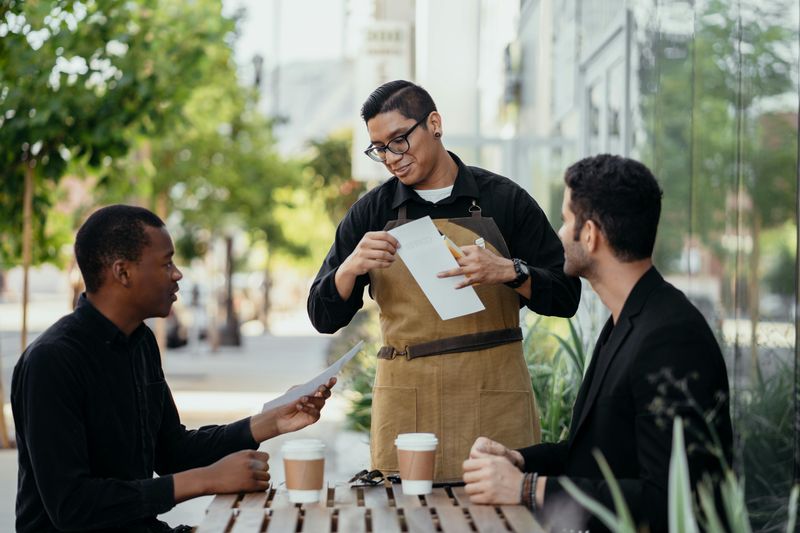
Every time the server’s pen hovers over their notepad, you feel like a spotlight just hit you.
Your brain immediately starts calculating what everyone might think about your choice.
Is it too expensive compared to what they might order? Does it seem fancy or too plain?
This constant evaluation mode exhausts you before the food even arrives.
You’re not just picking a meal—you’re managing an imaginary jury of your dining companions.
The fear of being silently criticized makes you second-guess even your favorite dishes.
This trait often stems from heightened social awareness.
While being considerate is valuable, letting it control simple decisions can drain your enjoyment of moments that should be relaxing and fun.
2. You Struggle with Decision-Making Under Pressure

The moment someone says “ready to order?” your mind goes completely blank.
Even though you spent ten minutes reading the menu, suddenly every word looks like gibberish.
That pressure to respond immediately shuts down your decision-making process.
Your brain needs time to process options without external pressure.
When forced to choose quickly, you panic and either blurt out something random or freeze completely.
This happens even with decisions you’ve already made internally.
This trait reveals you’re a deliberate thinker who processes information thoroughly.
Unfortunately, restaurant ordering doesn’t accommodate your natural pace.
The rushed environment conflicts with how your brain works best, creating unnecessary stress over something simple.
3. You Rely on Social Proof
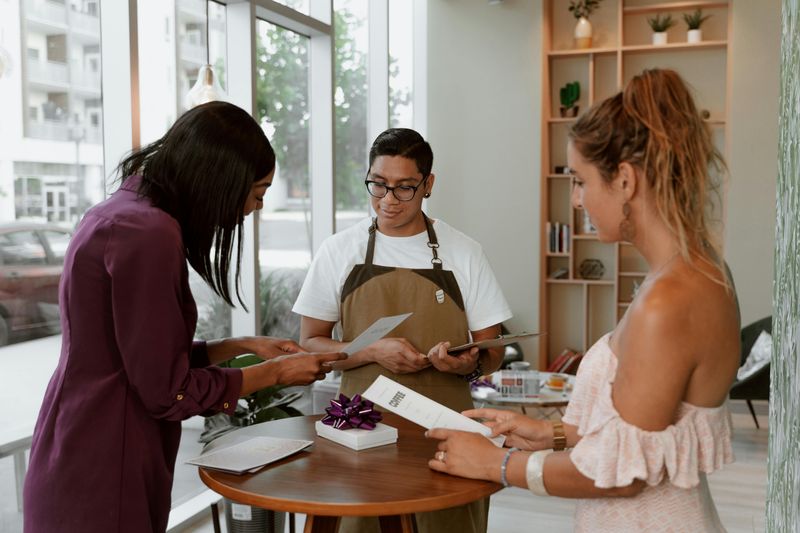
Hearing what others order feels like receiving valuable intelligence.
Their choices provide reassurance that certain dishes are safe bets.
You mentally catalog their selections, using them as a roadmap for your own decision.
This reliance on social proof isn’t weakness—it’s actually a smart strategy humans have used forever.
We naturally look to others for guidance in unfamiliar situations.
At restaurants, other people’s orders validate your potential choices.
However, this trait means you miss the chance to trust your own preferences first.
You’re so focused on gathering data from others that your genuine cravings take a backseat.
Sometimes the best meal is simply what you authentically want, regardless of what anyone else picks.
4. You Tend to Overthink Simple Choices
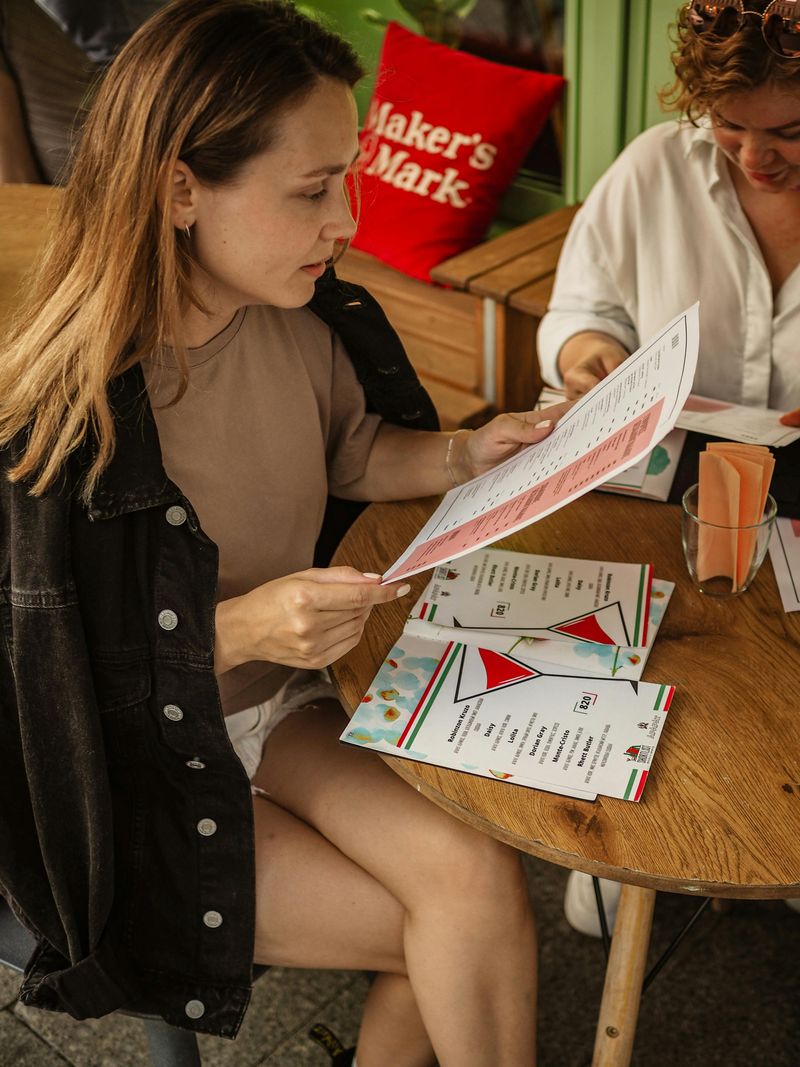
A straightforward menu selection transforms into a complex analysis in your mind.
You consider the ingredients, portion sizes, how it pairs with appetizers, whether you’ll regret it later, and if you’ll still be hungry.
What should take seconds stretches into minutes.
Your brain treats every choice like a major life decision.
This overthinking spiral makes ordering first particularly terrifying because there’s no time limit forcing you to commit.
You need that external deadline to stop the endless evaluation loop.
This analytical nature serves you well in important situations requiring careful thought.
But applying it to lunch creates unnecessary mental exhaustion.
Learning when to trust your gut instead of overanalyzing can free you from this self-imposed pressure.
5. You Have People-Pleasing Tendencies
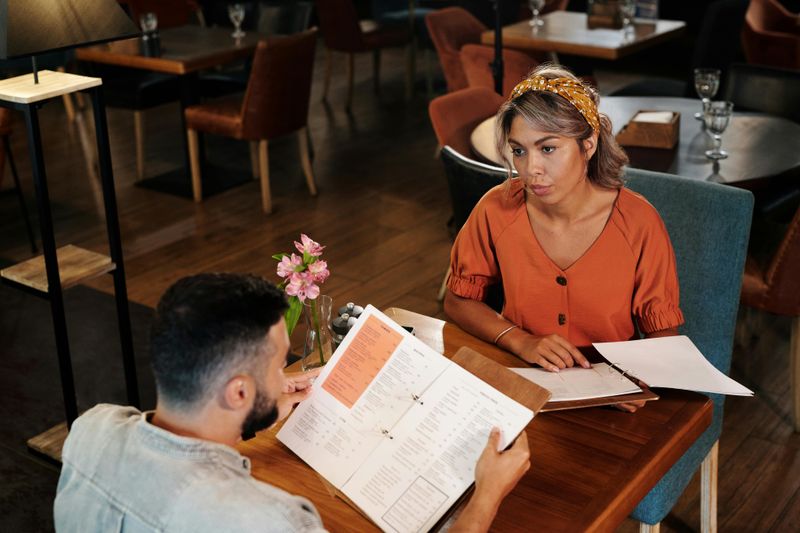
The thought of slowing down the table makes you genuinely uncomfortable.
What if your questions about ingredients annoy the server?
Maybe asking for substitutions seems demanding.
You’d rather stay silent than risk being perceived as difficult.
This people-pleasing trait means you prioritize everyone else’s convenience over your own needs.
You monitor the server’s body language for signs of impatience.
You worry your tablemates are getting hungry waiting for you.
While consideration for others is admirable, constantly sacrificing your preferences isn’t healthy.
Servers expect questions—it’s literally their job.
Your dining companions care more about enjoying the meal together than the thirty extra seconds your order takes.
You deserve to get exactly what you want without guilt.
6. You Compare Yourself to Others
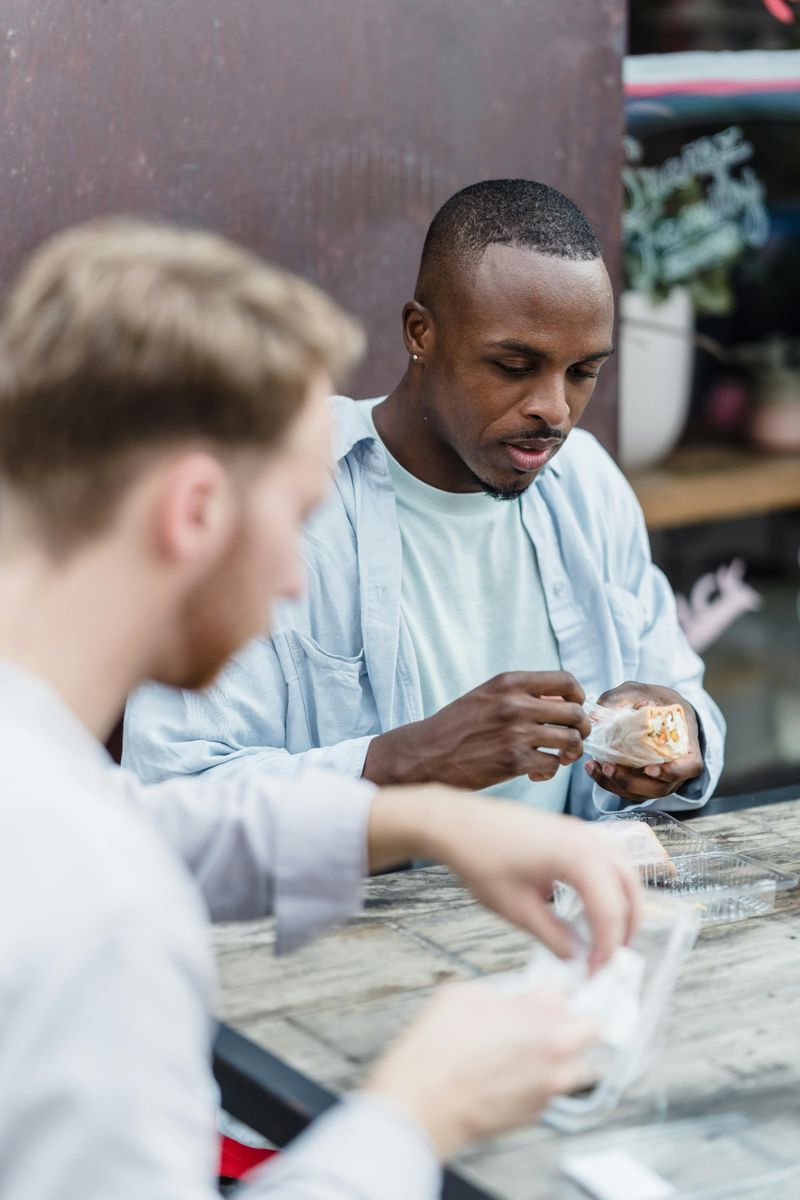
Once someone orders the grilled salmon, suddenly your burger choice feels wrong.
Too casual?
Too indulgent?
Ordering first eliminates this comparison trap because there’s no reference point yet.
But it also means you can’t calibrate your choice to match the group’s vibe.
This constant comparison stems from wanting to fit in and avoid standing out negatively.
You don’t want your order to be the weird one or the boring one.
You’re searching for the Goldilocks choice that’s just right.
The irony? Most people are too focused on their own orders to judge yours.
That elaborate mental ranking system exists primarily in your head.
Your meal choice says nothing about your worth or whether you belong at the table.
7. You’re Uncomfortable with Vulnerability
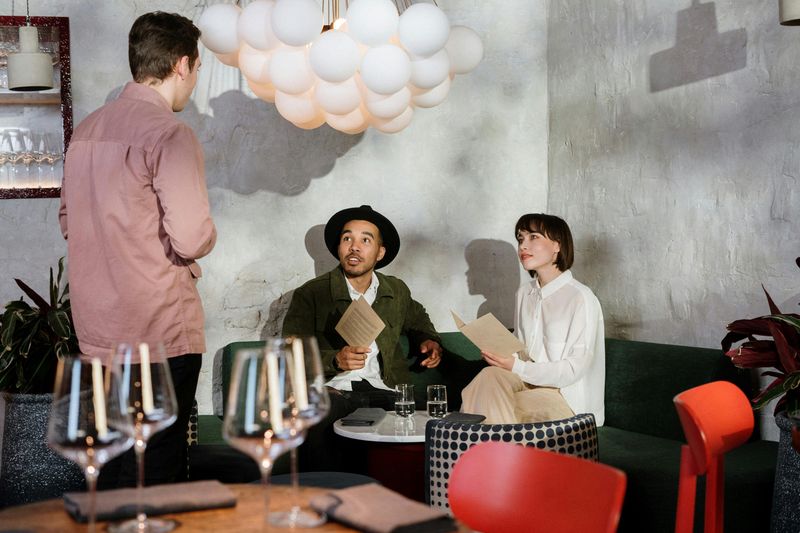
Ordering first means revealing your preferences before you understand the social landscape.
It’s like showing your cards in poker when you don’t know what game you’re playing.
Your food choice exposes something personal about your tastes, budget, and appetite.
This vulnerability feels risky because you haven’t yet read the room.
Are people ordering light or heavy?
Expensive or budget-friendly?
Health-conscious or indulgent?
Without these cues, you feel exposed.
This protective instinct developed because being vulnerable without context can lead to judgment or rejection.
But sharing your authentic preferences actually builds connection.
When you order what you genuinely want, you give others permission to do the same, creating a more relaxed atmosphere for everyone.
8. You Fear Making the Wrong Choice
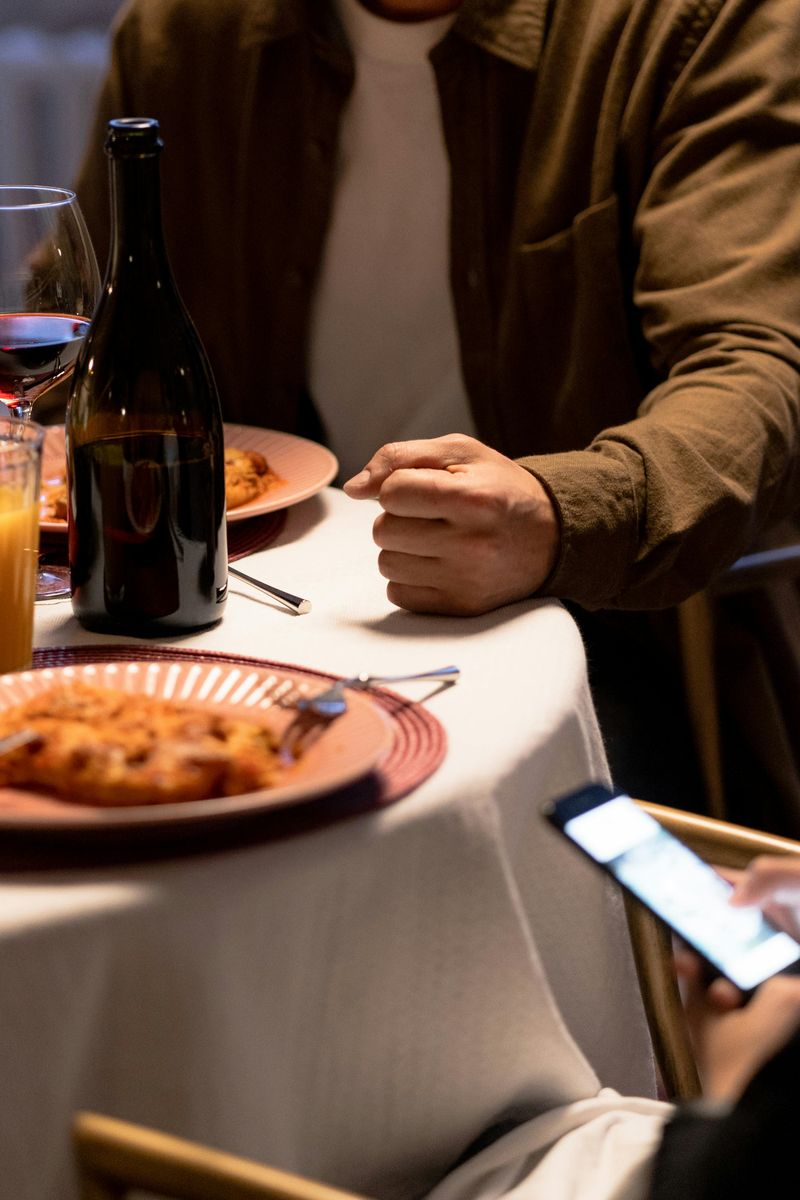
The worst feeling hits when everyone else’s food arrives looking amazing and yours looks disappointing.
That immediate regret is what you’re trying to avoid by ordering last.
Hearing others’ choices first gives you more information to prevent that sinking feeling.
This fear of wrong choices extends beyond restaurants.
You probably second-guess purchases, career moves, and even small daily decisions.
The commitment anxiety makes you want infinite information before deciding.
But here’s the truth: sometimes you’ll order something less exciting than your neighbor’s plate.
That’s not a catastrophe—it’s just dinner.
The regret you’re avoiding by waiting often isn’t as bad as the anxiety you create by overthinking.
Most meals are enjoyable regardless, and there’s always next time.
9. You’re Sensitive to Attention
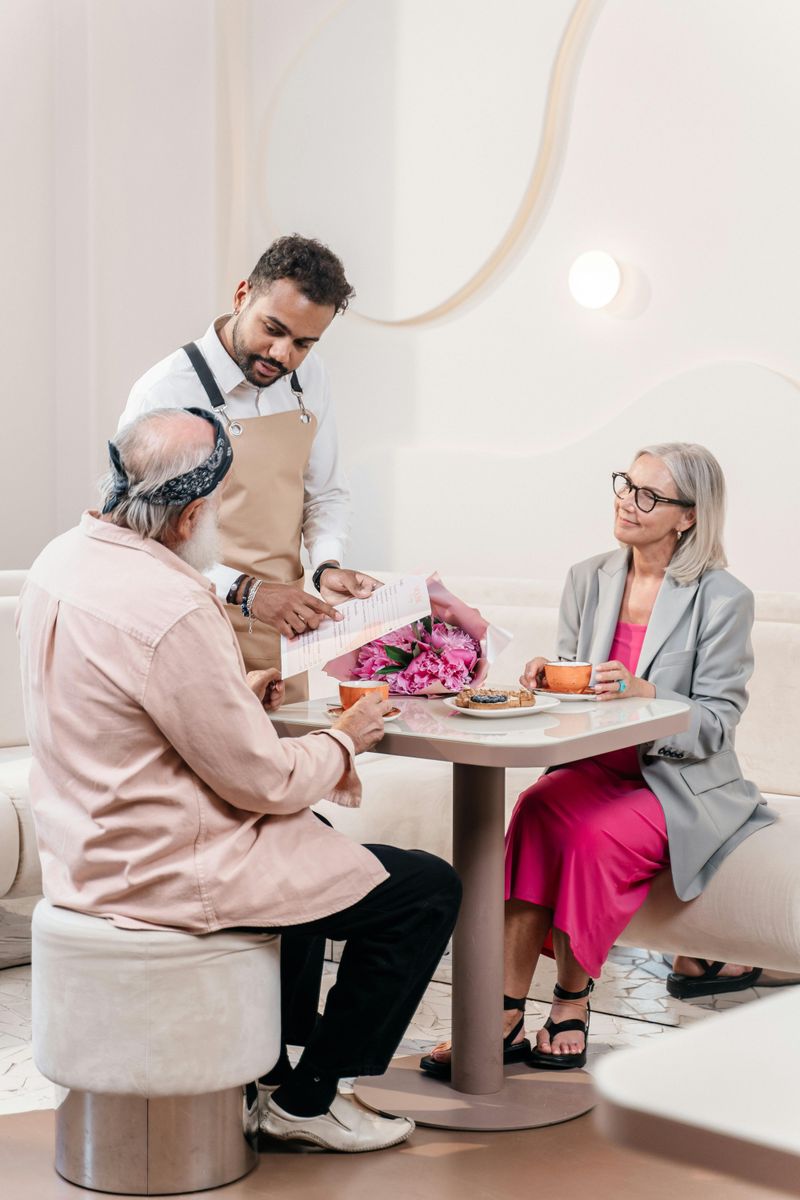
When everyone’s eyes turn to you, even for those few seconds of ordering, your heart rate spikes.
That brief moment of attention feels overwhelming.
You’re suddenly hyperaware of your voice, your words, your presence.
This sensitivity to attention often connects to introversion or social anxiety.
Being the focal point, even briefly, drains your energy.
You’d much rather blend into the background and let others take the spotlight.
What helps is remembering that this attention is temporary and transactional.
The server needs your order, not a performance.
Your tablemates are mentally rehearsing their own choices, not scrutinizing yours.
That spotlight you feel is mostly self-created.
The actual attention you’re receiving is neutral, brief, and quickly forgotten by everyone except you.
10. You Prefer Control Through Preparation
You like having a solid plan locked in before committing.
Ordering first disrupts your process because you haven’t finished gathering all available information.
You need time to mentally prepare and feel confident in your decision.
This trait reflects your preference for structure and predictability.
Surprises and rushed choices feel chaotic.
You perform best when you’ve thoroughly prepared and considered all angles.
Being forced to order first robs you of that control.
While preparation is valuable, sometimes spontaneity creates the best experiences.
That dish you didn’t have time to fully research might become your new favorite.
Learning to occasionally embrace uncertainty can reduce anxiety and open you to pleasant surprises.
Control is comforting, but flexibility is freeing.
Comments
Loading…