
 Isabel Parker
If You Grew Up Poor, You Probably Have These 15 Things Around the House
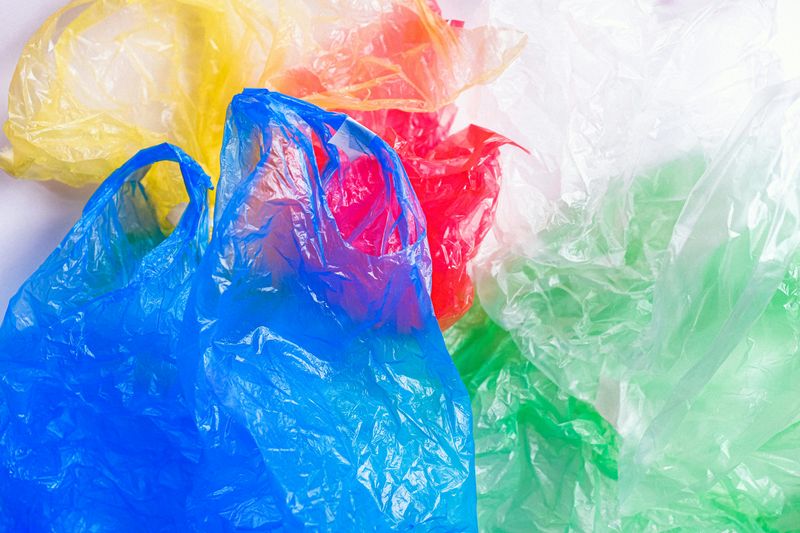
Growing up with limited resources often shapes habits that last a lifetime.
From holding onto everyday items to finding creative ways to reuse and repurpose, these small details can quietly reflect a resourceful upbringing.
In this article, we explore 15 common things many people still have around their homes after growing up with less.
These familiar items often tell a deeper story—one of resilience, practicality, and making the most of what you have.
1. Plastic Grocery Bags (Saved for Reuse)
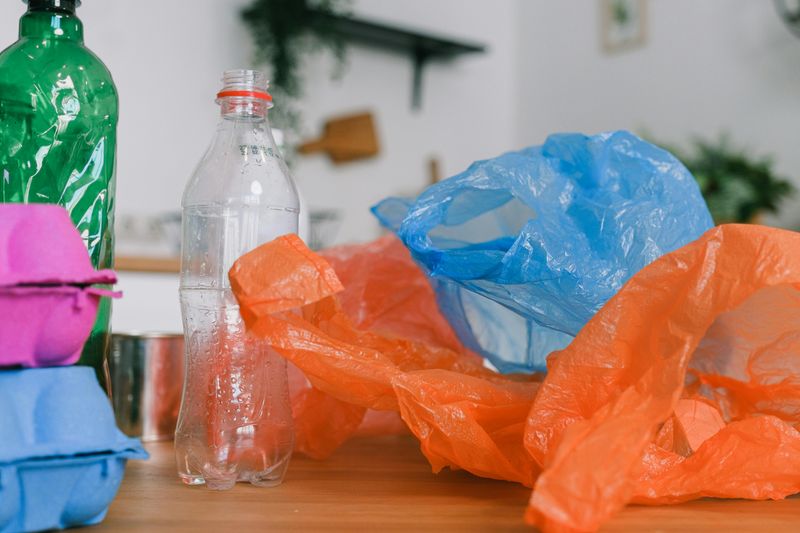
Nothing goes to waste when plastic grocery bags are around.
These versatile items find their way into every corner of the house.
Stuffed inside one another or kept in drawers, they’re perfect for lining trash bins or carrying lunches.
They even become the unexpected hero when you run out of traditional storage options.
In homes where resourcefulness is a necessity, these bags offer a lifeline to managing everyday tasks with ease.
They embody a spirit of renewal, transforming a simple shopping accessory into an everyday essential.
For many, these bags symbolize the art of turning the ordinary into the extraordinary.
2. Old Butter or Cool Whip Containers
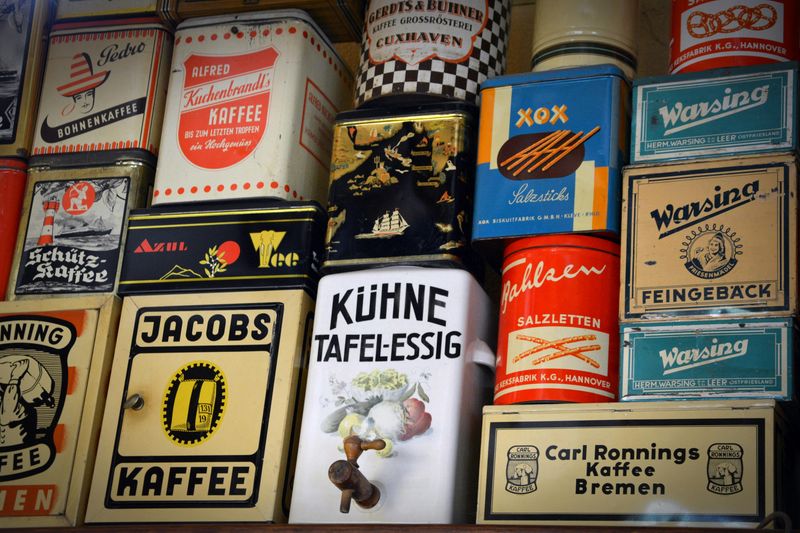
Old butter and Cool Whip containers are more than just packaging in a frugal home.
They become the go-to storage solution for leftovers, homemade soups, or even small tools and hardware.
Their sturdy design and airtight lids make them ideal for preserving both food and non-food items.
These containers represent a mindset where reusability reigns supreme, turning what others might discard into valuable household assets.
The colorful, mismatched collection tells a story of meals past and the creativity involved in using every available resource.
These containers highlight the ingenuity of transforming waste into something indispensable.
3. Empty Coffee Cans or Jars
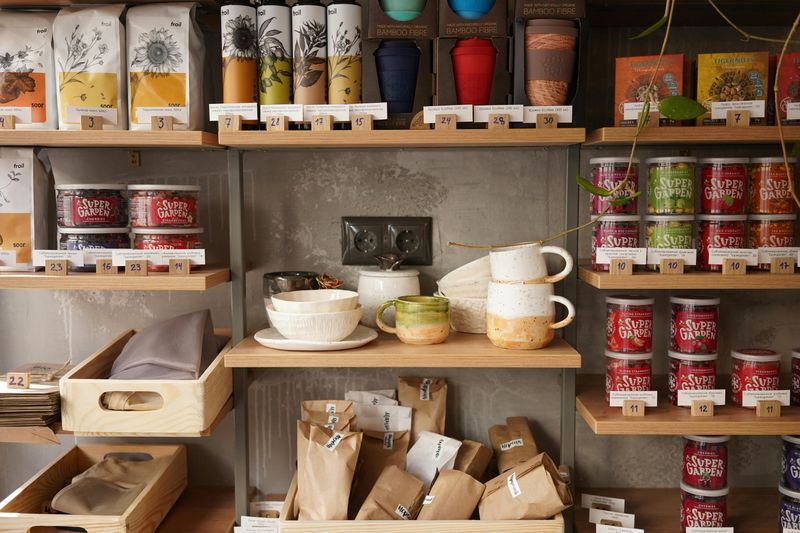
In a resourceful household, empty coffee cans or jars are treasures waiting to be repurposed.
These sturdy containers find new life storing grease, loose change, or even small household tools.
Their versatility is unmatched, transforming from humble packaging to essential storage solutions.
Whether placed in the garage, kitchen, or workshop, they are always ready to tackle the next storage challenge.
Every can tells a tale of mornings fueled by caffeine and afternoons spent organizing with creativity.
They embody a spirit of sustainability, proving that even the most ordinary items can have extraordinary uses.
4. Tupperware Mismatched Lids
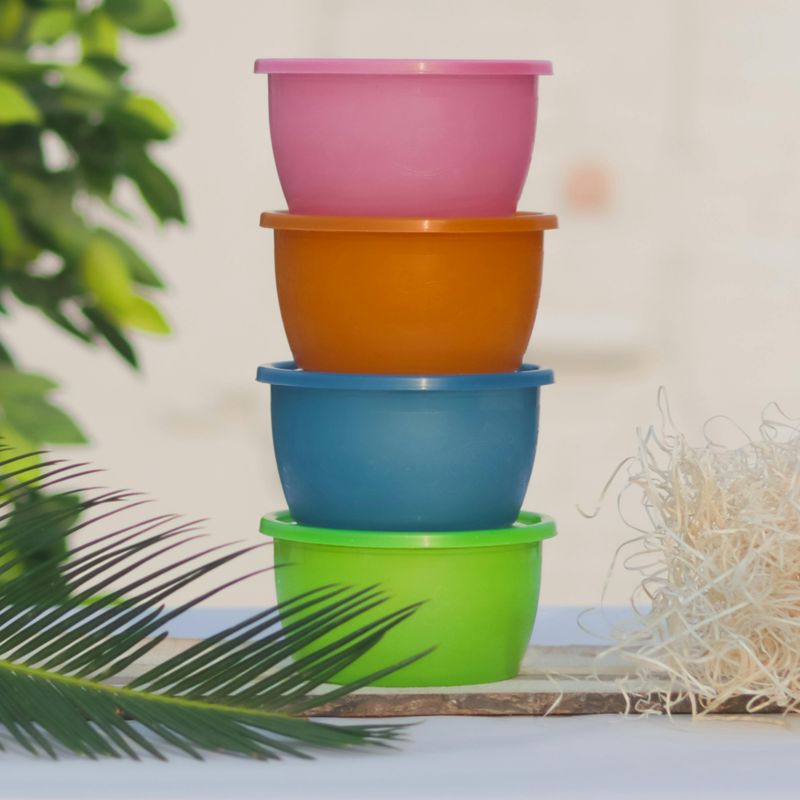
Tupperware with mismatched lids is a staple in homes where practicality is key.
Even if the lid doesn’t perfectly fit, the container still finds a purpose, whether for storing leftovers or organizing small household items.
This collection paints a picture of frugality and adaptability, where nothing is wasted, and everything has potential.
The colorful assortment of lids and containers tells a narrative of meals shared and an embrace of imperfection.
They stand as a testament to the belief that functionality surpasses aesthetic perfection.
In these homes, creativity triumphs over conventionality, making everyday life both practical and unique.
5. Extra Napkins from Restaurants
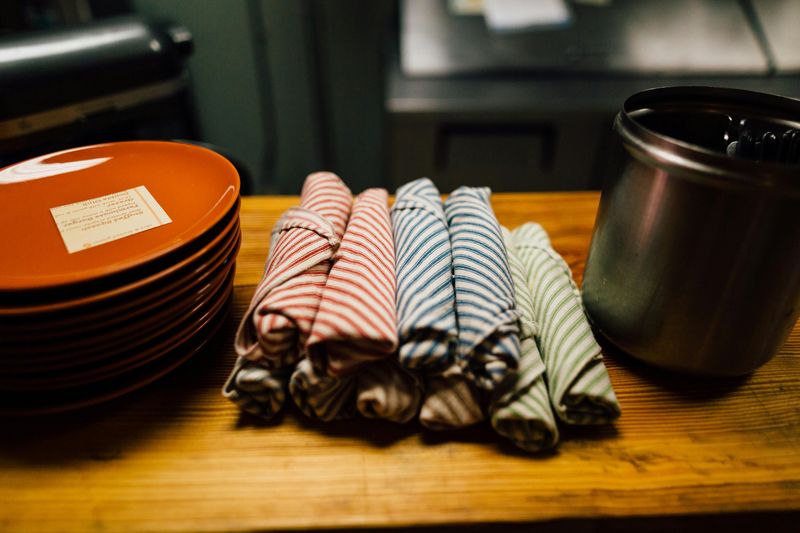
Extra napkins from restaurants become a household staple, tucked away in glove boxes or kitchen drawers.
These paper saviors often serve as makeshift tissues, paper towels, or cleaning wipes in moments of necessity.
Their presence is evidence of a mindset that values preparedness and frugality.
Each napkin, collected from dining outings, carries with it memories of meals enjoyed and the foresight to save for future needs.
In homes where every resource is cherished, these napkins symbolize the art of turning simple acts into opportunities for conservation and caring, always ready to tackle the next spill or sneeze.
6. Duct Tape or Electrical Tape

Duct tape or electrical tape is the unsung hero of quick household fixes.
Whether patching a leaky pipe or holding together a worn-out shoe, this versatile tool is indispensable.
Its strong adhesive and durability make it a favorite for DIY repairs, embodying the essence of self-sufficiency.
In homes where fixing is preferred over replacing, these tapes become symbols of ingenuity and resilience.
Each roll, well-used and trusted, tells a story of countless repairs and creative solutions.
They prove that with a little creativity and some sticky tape, there’s no problem too big to tackle.
7. Expired or Odd Mix of Spices
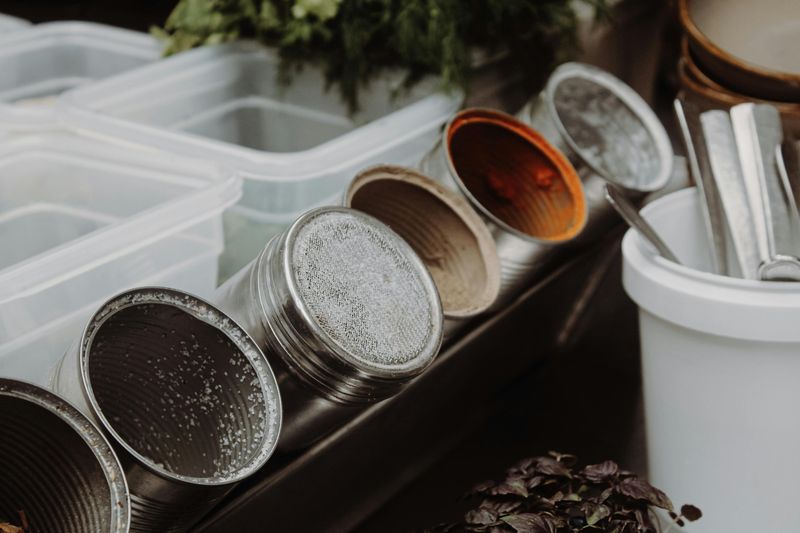
An odd mix of expired spices may seem like clutter, but in a resourceful kitchen, they are far from useless.
These spices, despite their age, add flavor to dishes, embodying a philosophy of waste not, want not.
The cluttered spice rack tells stories of diverse meals and culinary adventures, where every pinch contributes to a unique taste.
Each jar, with its faded label, holds the promise of an unexpected culinary delight.
These spices are a testament to adaptability in cooking, proving that even when variety is limited, flavor need never be compromised.
8. Stacks of Old Towels or Rags
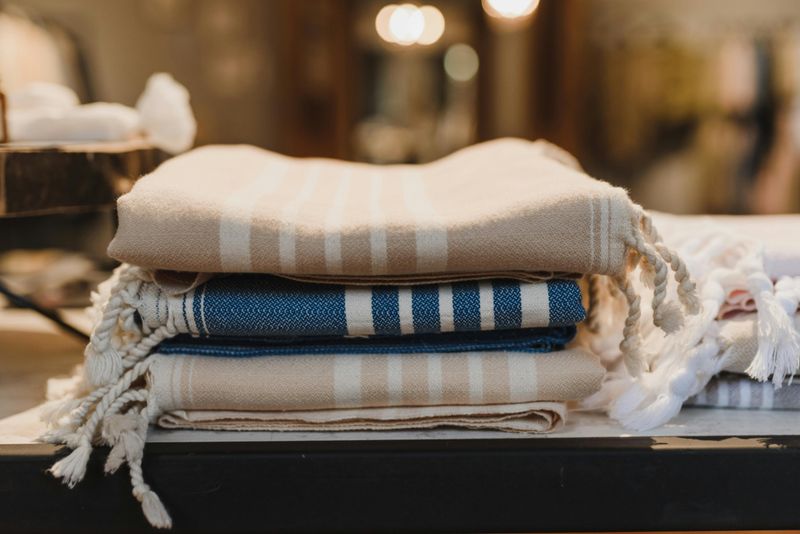
Old towels and rags might seem mundane, but in resourceful homes, they are treasures of practicality.
Perfect for cleaning, mopping up spills, or tackling messy projects, these fabric pieces are indispensable.
Stacked neatly in a laundry room or utility space, they tell a tale of countless uses and the foresight to repurpose rather than discard.
Each piece of fabric, worn but reliable, embodies the spirit of making do with what you have.
They highlight a lifestyle where new is not always necessary, as long as you have durable tools ready for any task.
9. Generic Cleaning Supplies in Repurposed Bottles
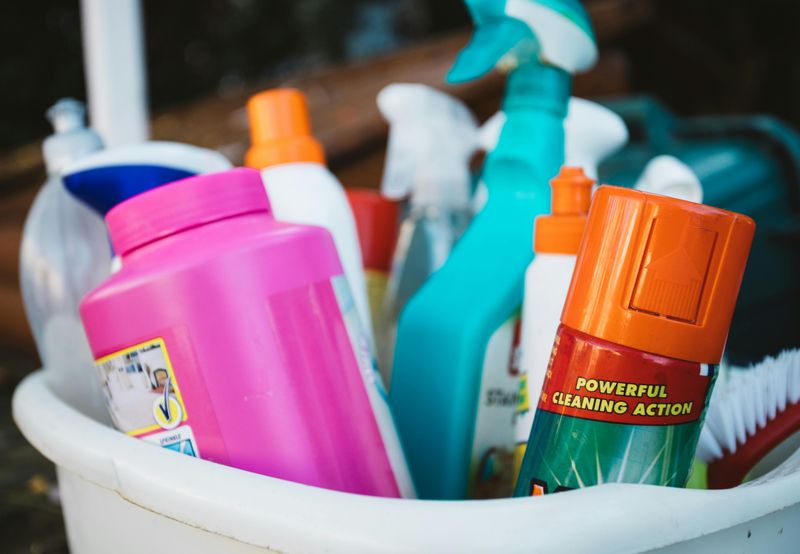
Generic cleaning supplies in repurposed bottles are a common sight in homes where frugality meets cleanliness.
These bottles, often relabeled, stand as beacons of resourcefulness, each filled with concoctions ready to tackle grime.
Underneath the kitchen sink, they tell stories of cleanliness achieved on a budget, transforming ordinary cleaning tasks into acts of creativity.
The mismatched labels and bottles symbolize a practical approach to housekeeping, where the container doesn’t matter as much as the contents.
This practice embodies a philosophy where utility and thrift are prioritized over brand names, making every cleaning task an exercise in ingenuity.
10. Jars of Saved Cooking Grease
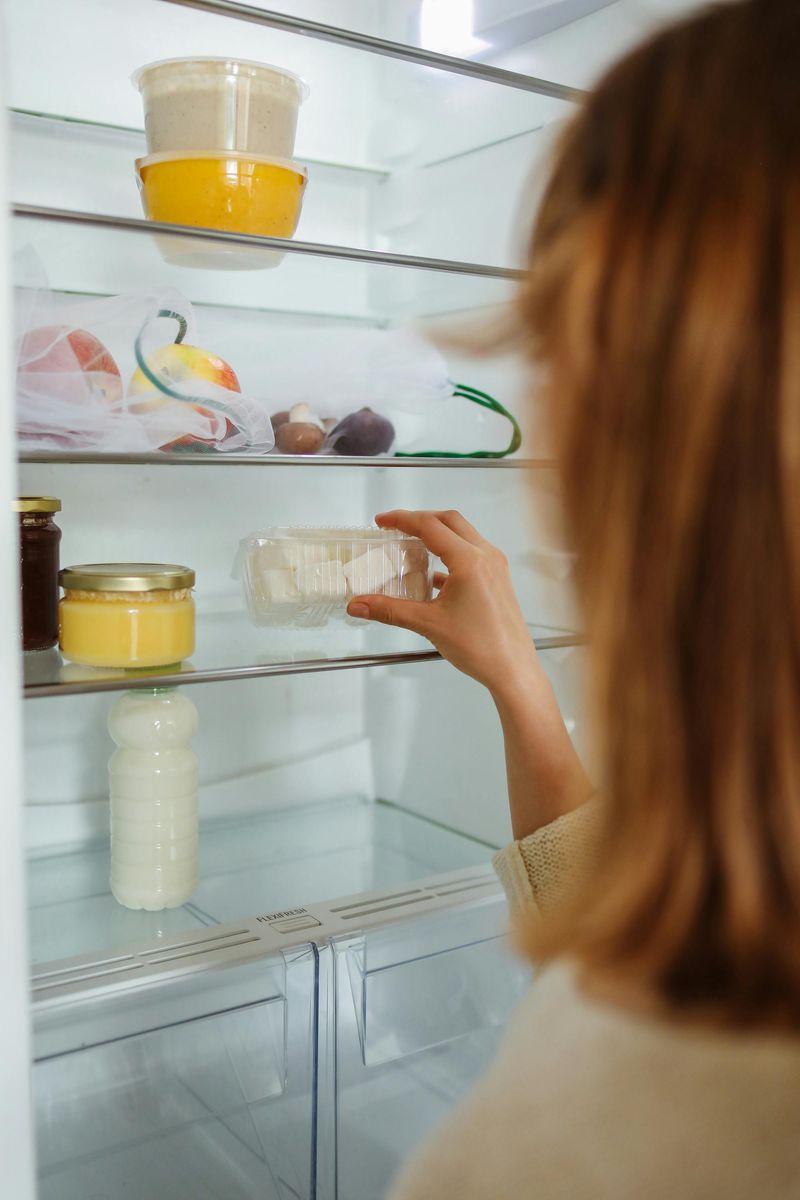
Jars of saved cooking grease might be a staple in the frugal kitchen.
Used to season food or create flavorful dishes, these jars represent culinary ingenuity.
Refrigerated and carefully kept, they hold the essence of past meals, waiting to enhance the next one.
Each jar, filled with golden grease, tells a story of breakfasts cooked and the wisdom of saving what others might discard.
They embody a tradition of resourceful cooking, where every drop of flavor is cherished.
These jars show that in the hands of a creative cook, even the simplest ingredient can be transformed into something extraordinary.
11. Mismatched or Hand-Me-Down Furniture
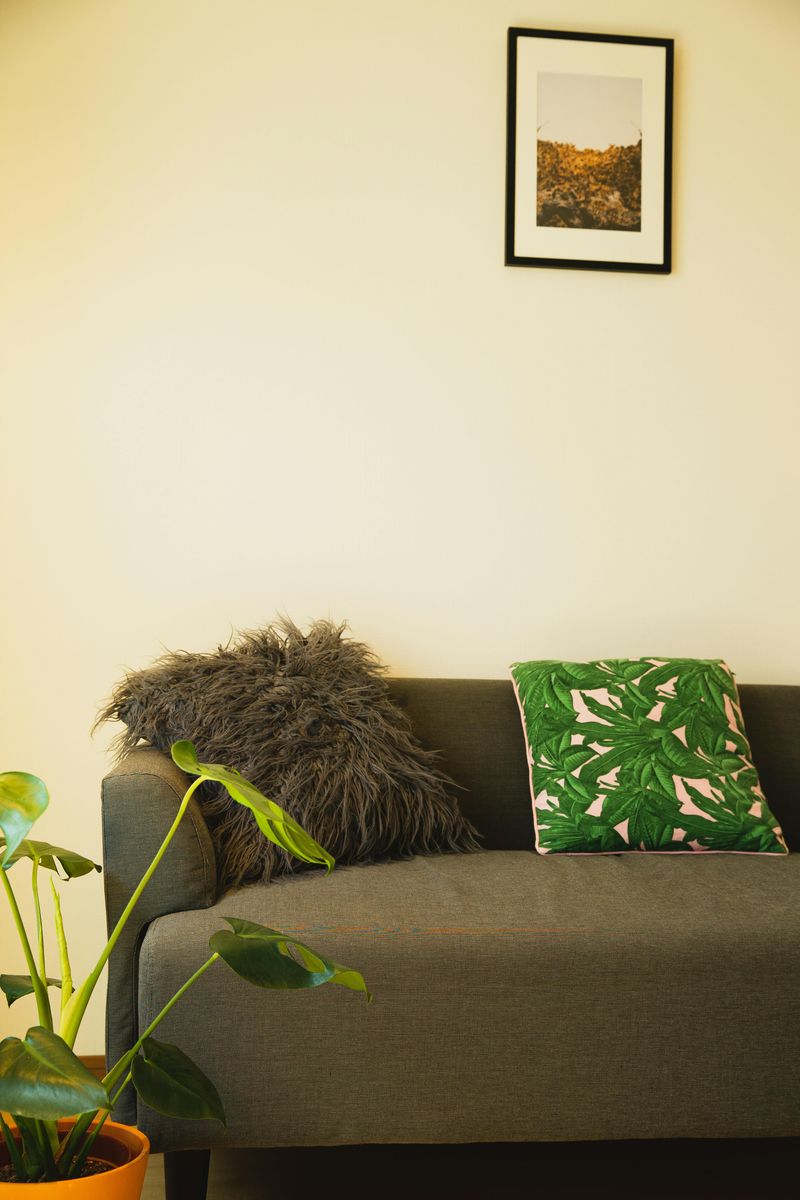
Mismatched or hand-me-down furniture creates a unique charm in homes that value history and character over uniformity.
Each piece, collected over time, carries the memories and stories of its previous owners.
Together, they create an eclectic, inviting atmosphere, where comfort is prioritized over aesthetics.
The colorful mix of styles and textures tells a narrative of resourcefulness and the ability to adapt.
These pieces prove that a cozy home doesn’t require matching sets but rather a tapestry of lived experiences.
Here, furniture is not just functional but a canvas of life’s journey, turning any space into a welcoming haven.
12. Stacks of Old Mail, Coupons, or Rubber Bands
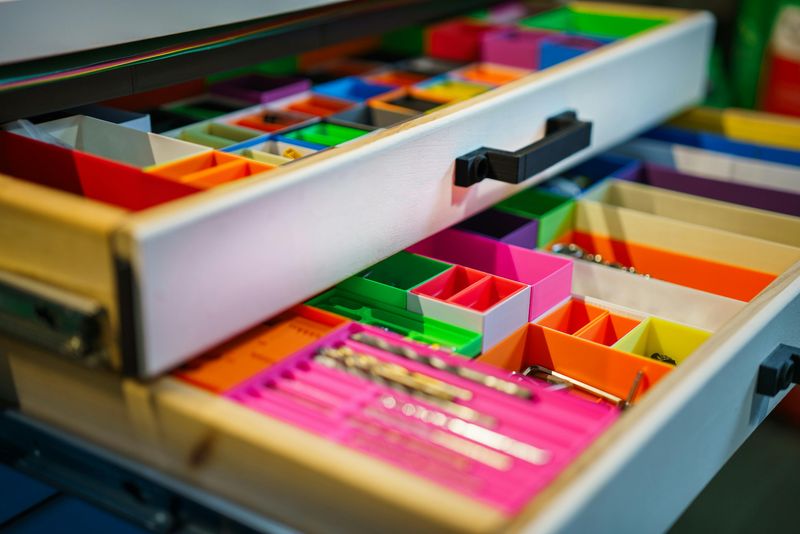
Stacks of old mail, coupons, or rubber bands may seem like clutter, but they are the hallmarks of a home prepared for the unexpected.
Tucked away in desk drawers, these items are kept “just in case.” Each piece of mail or coupon tells a story of opportunities taken or missed, while rubber bands offer utility for future needs.
This collection embodies a mindset of preparedness and conservation, where nothing is wasted.
They represent the art of anticipation, ensuring that whatever tomorrow brings, there’s always something on hand to meet the challenge.
13. Saved Bread Bags or Twist Ties
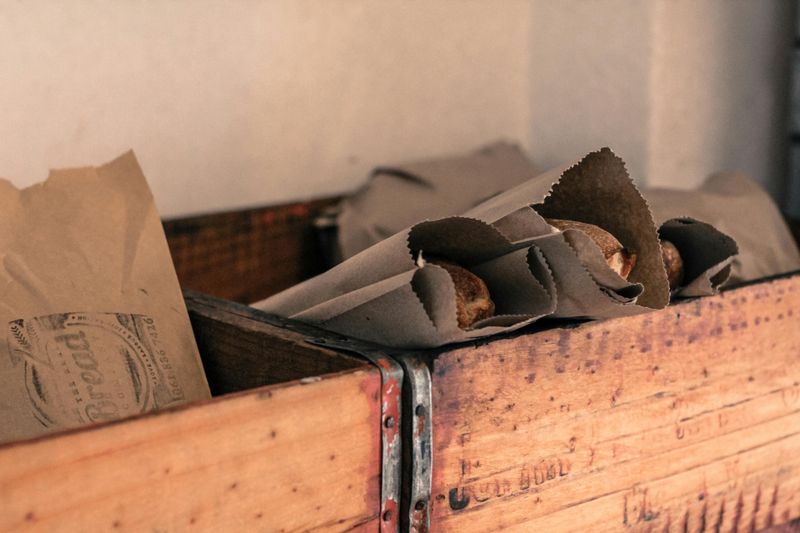
If you grew up poor, bread bags and twist ties were never just trash.
They got tucked into a kitchen drawer because you never knew when one would come in handy for leftovers, sandwiches, or keeping small things together.
That habit sticks with you.
Even now, seeing a neatly folded bread bag can bring back memories of stretching every little resource.
It was a simple way to waste less, save money, and make everyday life work a little better.
People with more might overlook them, but you probably still see their value immediately at home today.
14. Washed Aluminum Foil
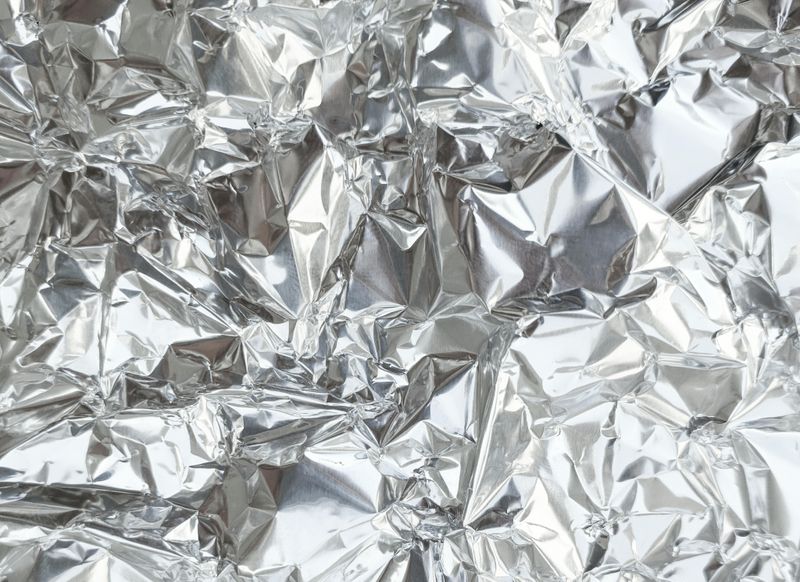
If there was aluminum foil in the house, it got used until it truly could not be used anymore.
A sheet that covered dinner might be smoothed out, folded carefully, and saved for tomorrow’s leftovers or packed lunch.
You learned not to toss something useful after one turn.
That little square of foil says a lot about how survival becomes second nature.
It was never about being cheap for the sake of it – it was about making sure nothing was wasted when every dollar mattered.
If you still hesitate before throwing foil away, that lesson probably never left you.
15. Tin Cans Turned Organizers
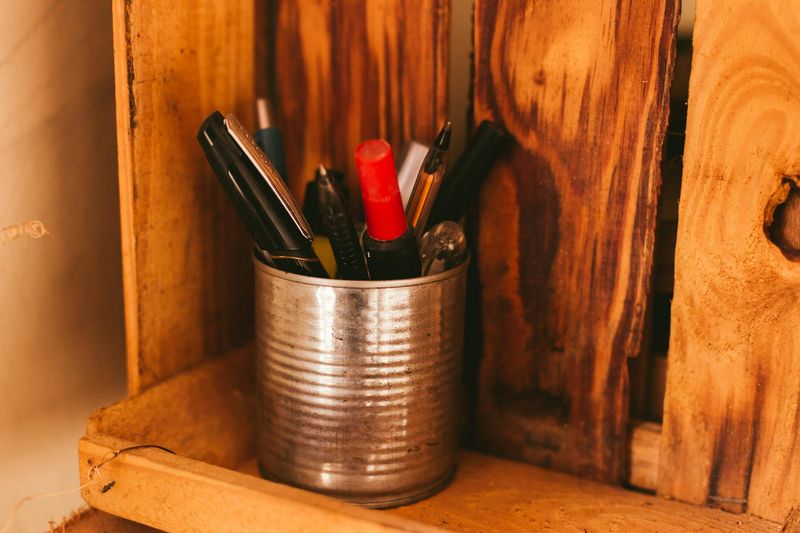
Empty tin cans did not stay empty for long in a house where everything had another purpose.
Once cleaned out, they became pencil holders, utensil cups, planters, or little containers for screws, nails, and odds and ends.
You got used to seeing possibility where other people saw garbage.
That kind of creativity comes from learning to work with what is right in front of you.
It made a home feel practical, a little patched together, and surprisingly clever at the same time.
If you still have a can on a shelf holding something useful, you probably smile at how natural that still feels.
Comments
Loading…