
 Hailey Watson
If You Feel Mentally Older Than Your Age, Psychology Links It to These 10 Reasons

Ever catch yourself thinking or acting like someone decades older?
Maybe you feel tired when your friends still have energy, or you just can’t relate to people your own age anymore.
Feeling mentally older than you actually are is more common than you think, and psychology has some fascinating explanations for why it happens.
Understanding these reasons might help you figure out what’s going on in your own life.
1. You’re Carrying Chronic Stress

Constant worry and pressure don’t just make you tired.
Research shows that long-term stress can actually increase your subjective age, which is the age you feel inside.
When your nervous system stays in fight-or-flight mode for too long, everything starts to feel harder.
Your body wasn’t designed to handle stress every single day.
Over time, this wears you down mentally and physically.
Tasks that used to feel easy now seem like huge challenges.
That heaviness you carry around? It often translates into feeling decades older than your birth certificate says.
Managing stress through healthy habits can help you feel lighter and more like yourself again.
2. You Feel Lonely or Socially Disconnected
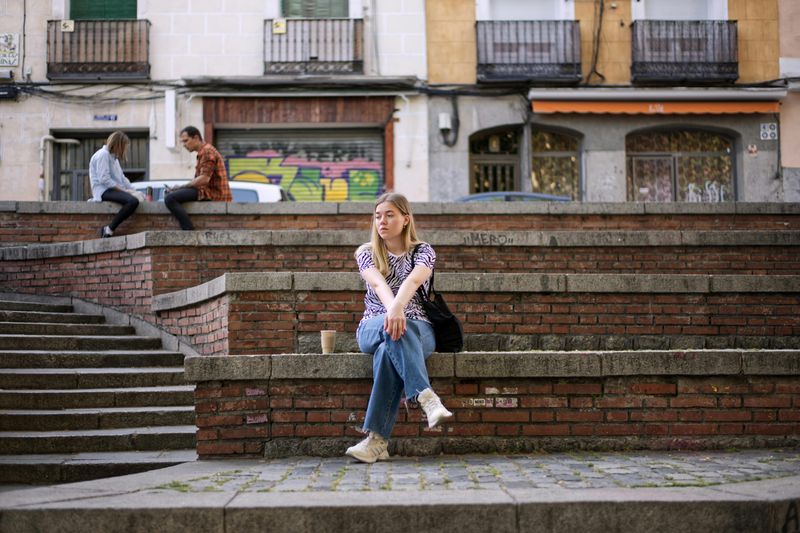
Humans are wired for connection, plain and simple.
Large population studies have found that loneliness is strongly linked to feeling older than your actual age.
When that basic need for friendship and belonging isn’t met, something shifts inside you.
Social disconnection doesn’t just hurt emotionally. It can accelerate biological stress markers and change how old you perceive yourself to be.
You might notice yourself withdrawing even more, which creates a difficult cycle.
Reaching out, even in small ways, can start reversing this pattern.
A text to an old friend or joining a group activity might feel awkward at first, but it matters more than you think.
3. You’ve Been Dealing With Low Mood or Depression

Depression doesn’t just make you sad.
Research consistently shows that people with more depressive symptoms tend to report an older subjective age.
It affects how fast you think, how motivated you feel, and how you see your future.
When depression clouds your mind, everything slows down.
Your memory might feel fuzzy, decisions take forever, and getting through the day requires massive effort.
These are all things we typically associate with being much older.
This creates a sense of premature mental aging that can feel really scary.
Professional help, whether through therapy or medication, can make a genuine difference in how young and capable you feel again.
4. You’re Not Sleeping Well

Poor sleep quality is strongly linked to feeling older and less vital, according to sleep studies.
Even a few nights of bad sleep can impair your memory, slow your reactions, and mess with your emotions.
Sound familiar?
These are exactly the changes we associate with aging.
Your brain needs sleep to clean itself out and consolidate memories.
Without proper rest, you’re essentially running on fumes every day.
Everything becomes harder, from remembering names to controlling your temper.
Prioritizing sleep isn’t lazy or indulgent.
It’s one of the most powerful ways to feel younger, sharper, and more like the energetic person you’re supposed to be at your age.
5. You Live With Chronic Pain or Health Issues

Managing ongoing health conditions frequently makes people report feeling older than their peers.
Chronic pain, in particular, is linked to increased stress and fatigue.
When your body hurts constantly, everyday activities that should be simple become exhausting challenges.
Pain demands so much mental energy that there’s less left for everything else.
You might skip social events, avoid physical activities, or just feel generally worn down.
This creates a cycle where you feel increasingly disconnected from people your age.
Working with healthcare providers to manage symptoms can help.
Even small improvements in pain levels can make a surprisingly big difference in how old you feel mentally and emotionally.
6. You’ve Become Hyper-Aware of Cognitive Changes
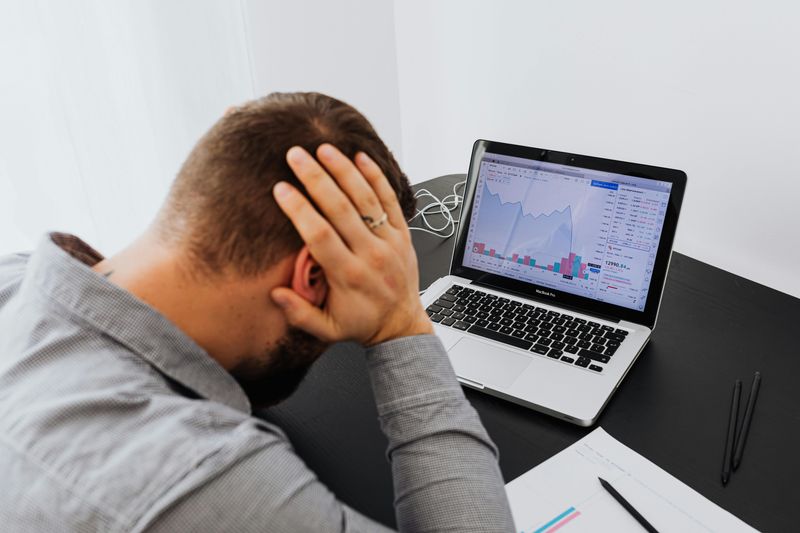
Noticing memory lapses or slower thinking can dramatically shift how old you feel.
Here’s the thing: everyone forgets where they put their keys sometimes, regardless of age.
But when you interpret these normal fluctuations as serious decline, it reinforces an older internal identity.
This hyperawareness creates anxiety that actually makes the problem worse.
You start questioning every little mental slip, which increases stress and ironically impairs your thinking even more.
It becomes a self-fulfilling prophecy.
Most cognitive changes in younger people are temporary and related to stress, sleep, or attention rather than actual aging.
Recognizing this can help you relax and trust your brain again.
7. You Focus More on the Past Than the Future

Research on time perspective shows that people who orient strongly toward the past often perceive themselves as older.
This is especially true if you feel your best years are already behind you.
When you constantly reminisce instead of planning ahead, it ages you mentally.
Nostalgia can be comforting, but living there permanently creates problems.
You might catch yourself thinking things like “back when I was young” even though you’re still relatively young.
This mindset shift becomes self-reinforcing over time.
Balancing appreciation for good memories with excitement about future possibilities helps.
Creating new experiences and setting goals reminds you that your story isn’t over yet, not even close.
8. You Compare Yourself to Younger People
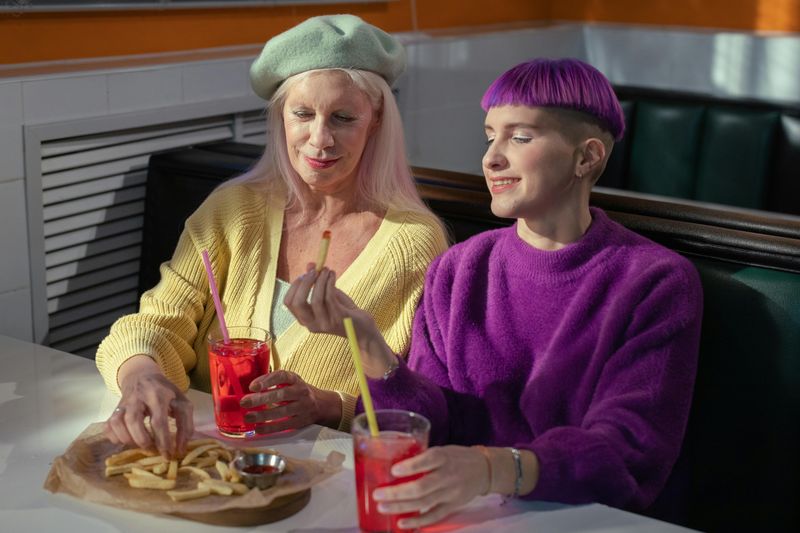
Social comparison research shows that constantly measuring yourself against younger, more energetic peers influences how old you perceive yourself to be.
Scrolling through social media doesn’t help either, where everyone seems to be living their best, most youthful life.
When you focus on what younger people can do that you supposedly can’t, you create an artificial age gap in your mind.
Maybe they stay out later or bounce back from hangovers faster.
But everyone’s different, regardless of age.
Comparing yourself to people in different life stages is fundamentally unfair to yourself.
Focusing on your own journey and progress makes way more sense than measuring yourself against arbitrary standards.
9. You Took On Heavy Responsibilities Early

Developmental psychology suggests that early caregiving, financial pressure, or high accountability can accelerate your sense of maturity.
When you had to grow up fast, whether because of family circumstances or personal challenges, it changes how you see yourself.
Taking care of siblings, supporting your family financially, or dealing with serious adult problems as a teenager forces a different mindset.
You miss out on the carefree exploration that helps people feel young and playful.
This isn’t necessarily bad, but it can create a disconnect.
You might feel decades older than peers who got to just be kids longer.
Acknowledging this experience validates what you’ve been through and why you feel different.
10. You Feel Out of Sync With Your Peers

When your life path doesn’t align with social expectations or typical milestones, it creates identity tension.
Maybe your friends are getting married and having kids while you’re still figuring things out, or vice versa.
That tension sometimes translates into feeling mentally older than your age.
Society has strong ideas about what you should accomplish by certain ages.
When you don’t fit that mold, whether you’re ahead or behind, it can make you feel disconnected.
You might feel too mature for some peers but out of touch with others.
Everyone’s timeline is different, and that’s completely okay.
Accepting your unique path instead of forcing yourself into someone else’s expectations can help you feel more comfortable in your own skin.
Comments
Loading…