
 Hailey Watson
If You Do These 11 Things Every Night, You May Be Emotionally Exhausted

Ever feel like you’re running on empty by the time the sun sets?
Emotional exhaustion doesn’t always announce itself with loud alarms.
Sometimes it shows up quietly in the small habits we repeat every single night without realizing what they mean.
Recognizing these patterns can help you understand what your mind and body are trying to tell you.
1. Mindlessly Scrolling Social Media

Your thumb moves without thinking, swiping through post after post until your eyes blur.
Social media becomes less about connecting with friends and more about filling the empty space inside.
Instead of feeling refreshed, you end up more drained than before.
The problem isn’t the apps themselves but how we use them as emotional bandages.
When life feels overwhelming, scrolling offers a quick escape that requires zero effort.
But this habit keeps you stuck in a loop where you’re avoiding rest instead of truly finding it.
Real relaxation means giving your brain a break, not flooding it with endless content.
Try setting a timer or putting your phone in another room after dinner.
2. Starting Shows But Never Finishing Them

Your streaming queue is packed with half-watched series that you barely remember starting.
The TV becomes background noise rather than entertainment you actually enjoy.
You’re present but not really watching, letting episodes play while your mind wanders elsewhere.
This habit reveals something important: you’re seeking comfort without having the energy for genuine engagement.
Following a storyline or caring about characters requires emotional investment you simply don’t have right now.
The screen fills silence but doesn’t fill the emptiness.
Consider whether you need actual entertainment or just quiet time to sit with your thoughts.
Sometimes the bravest thing is turning everything off and being still.
3. Eating the Same Simple Meals Every Night

Cereal for dinner again?
When choosing what to eat feels like climbing a mountain, you default to whatever requires the least brainpower.
Decision fatigue is real, and by nighttime, even picking between pasta and rice can feel impossible.
Food becomes fuel instead of something enjoyable when emotional exhaustion takes over.
You’re not being lazy—your mind is genuinely tapped out from the day’s demands.
Simplifying meals might seem practical, but it can also signal that you’re running on fumes.
Consider meal prepping on weekends or keeping a few easy but nourishing options ready.
Your body deserves more than survival mode, even when your energy is low.
4. Going to Bed Extremely Early or Extremely Late

Sleep becomes either an escape hatch or something you avoid entirely.
Crawling under the covers at 7 PM means you’re trying to fast-forward through feelings you don’t want to face.
Staying awake until 3 AM delays tomorrow’s responsibilities and the anxiety they bring.
Neither extreme addresses what’s actually wrong—they’re just different ways of running from emotional overwhelm.
Your sleep schedule reflects your relationship with waking life right now.
When days feel too hard, nighttime routines get twisted into coping mechanisms instead of healthy rest.
Finding a consistent bedtime helps regulate emotions and energy.
Your body craves routine even when your mind wants to hide from it.
5. Canceling Plans Made Earlier in the Week

Monday you felt optimistic about Friday night plans.
But when Friday actually arrives, the thought of leaving your house feels unbearable.
You send the apologetic text knowing you’re choosing isolation over the connection you probably need.
Emotional exhaustion tricks you into believing that staying home alone will recharge you.
Sometimes it does, but other times it keeps you trapped in a cycle of withdrawal.
Human connection can feel like work when you’re drained, yet it’s often the very thing that helps us heal.
Pay attention to patterns—if you’re consistently canceling, your body might be screaming for genuine rest and support, not just solitude.
6. Ignoring Texts and Emails

Your phone buzzes with unread messages that pile up like homework you keep avoiding.
Each notification feels like a tiny demand you can’t meet right now.
Responding requires emotional energy you simply don’t have, so you leave everyone on read and feel guilty about it later.
Communication becomes overwhelming when you’re emotionally spent because it requires showing up for others when you can barely show up for yourself.
You’re not being rude or uncaring—you’re genuinely depleted.
The problem grows as avoidance creates more stress about eventually responding.
Set boundaries by letting people know you need space, or schedule specific times to reply.
Silence without explanation often hurts more than honest communication.
7. Making Detailed Plans for Tomorrow That Never Happen
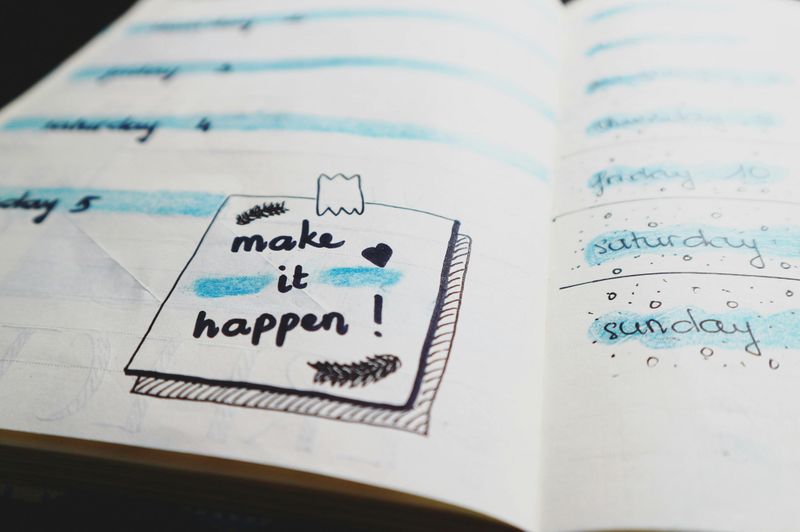
Every night you create elaborate to-do lists and ambitious schedules for the next day.
You imagine waking up early, exercising, eating healthy, and finally tackling that project.
These plans feel hopeful and energizing in the moment, like tomorrow will somehow be different.
But morning arrives and the energy you borrowed from imagination disappears.
The gap between nighttime optimism and daytime reality grows wider.
You’re not lazy or uncommitted—you’re experiencing the classic pattern of emotional exhaustion where intentions don’t match available resources.
Start smaller with one realistic goal instead of overhauling your entire life daily.
Compassion for where you actually are beats fantasy planning every time.
8. Replaying Conversations Over and Over

Did you say the wrong thing during that meeting?
Your brain won’t let it go, replaying every word and facial expression like a detective searching for clues.
Small interactions get magnified into catastrophes while you lie awake analyzing what you should have said differently.
Overanalysis happens when your mind is too tired to process emotions properly during the day.
Instead of resting at night, your thoughts spiral through the same loops without reaching any conclusions.
This mental replay drains whatever energy you have left for tomorrow.
Try writing down your worries before bed to get them out of your head.
Most conversations matter far less to others than your exhausted brain believes.
9. Staying in the Shower or Bath Far Too Long

Water runs over you for twenty, thirty, forty minutes while the world outside the bathroom fades away.
The warmth and white noise create a temporary shelter where nothing can reach you.
You’re not really cleaning anymore—you’re hiding in the only socially acceptable way available.
Bathrooms become emotional pause buttons when everything else feels too loud or demanding.
The steam and solitude offer brief relief from the constant pressure of existing.
But eventually the water turns cold and you have to face what’s waiting outside that door.
Notice when hygiene becomes escape.
Your need for frequent long showers might be your soul asking for actual breaks and boundaries throughout the day.
10. Skipping Basic Self-Care Tasks

Brushing your teeth feels like a marathon.
Changing into pajamas seems pointless when your current clothes are fine enough.
Even washing your face becomes a task you’ll maybe do tomorrow instead.
These aren’t signs of laziness—they’re red flags that your emotional tank is completely empty.
When basic routines feel impossible, your body is telling you something important about your mental state.
Self-care requires a baseline of energy that emotional exhaustion steals away.
You end up stuck in a cycle where neglecting yourself makes you feel worse, which makes self-care even harder.
Start incredibly small—one task, no judgment.
Sometimes brushing your teeth is a genuine victory worth celebrating.
11. Sitting in Silence Feeling Emotionally Numb

You’re awake but not really present, staring at nothing while feelings refuse to surface.
Numbness replaces sadness, anger, or joy—everything just flatlines into gray emptiness.
The silence isn’t peaceful; it’s the sound of your emotional system shutting down from overload.
Shutting down is your mind’s emergency response when processing feels too dangerous or overwhelming.
You’re not broken, but you are running on a protection mode that can’t last forever.
Sitting alone in numbness might feel safer than reaching out, but isolation often deepens the problem.
Consider talking to someone you trust or a professional.
Numbness is your signal that you need support, not more time spent alone with the silence.
Comments
Loading…