
 Isabel Parker
If You Avoid These 10 Behaviors, You’re More Mature Than You Think

Maturity isn’t about age or how serious you act.
It’s about how you handle emotions, relationships, and challenges when life gets tough.
If you’ve managed to steer clear of certain habits that many people struggle with, you might be further along in your emotional growth than you realize.
Here are 10 behaviors that emotionally mature people avoid.
1. Blaming Others for Your Mistakes

When something goes wrong, pointing fingers at everyone else might feel easier than looking in the mirror.
But habitually shifting responsibility shows emotional immaturity.
People who own their mistakes understand that growth happens when you acknowledge what went wrong.
Mature individuals don’t waste energy deflecting fault onto coworkers, friends, or circumstances.
Instead, they ask themselves what they could have done differently.
This mindset transforms errors into learning opportunities.
Accountability isn’t about beating yourself up.
It’s about recognizing your role in situations and making better choices next time.
That’s real strength.
2. Reacting Impulsively Without Thinking
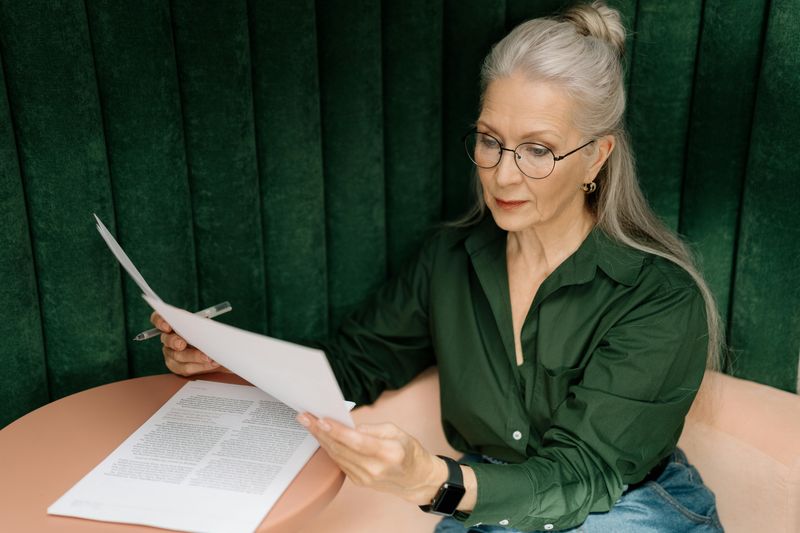
Ever sent a text you instantly regretted?
Responding immediately based on emotion rather than taking a breath shows poor emotional regulation.
Your feelings are valid, but they don’t always need an instant reaction.
Maturity means creating space between what you feel and how you respond.
That pause lets you choose your words carefully instead of saying something hurtful.
Self-control doesn’t mean suppressing emotions—it means managing them wisely.
People who react impulsively often damage relationships and create unnecessary drama.
Those who pause, reflect, and then respond build trust and respect.
Which person do you want to be?
3. Taking Criticism Personally

Feedback stings sometimes, especially when it highlights areas where you fell short.
But interpreting every critique as a personal attack signals insecurity.
Emotionally mature people separate their self-worth from their performance.
When someone offers constructive criticism, they’re usually trying to help you improve, not tear you down.
Mature individuals listen without getting defensive. They extract useful information and discard the rest.
Your value as a person isn’t determined by a single mistake or someone’s opinion.
Understanding this difference allows you to grow from feedback rather than crumble under it.
That’s emotional intelligence in action.
4. Avoiding Vulnerability at All Costs

Refusing to express emotions or needs out of fear keeps people at arm’s length.
Many believe that showing vulnerability makes them weak, but the opposite is true.
Opening up appropriately actually strengthens connections.
Emotional maturity involves knowing when and with whom to share your feelings.
It’s not about oversharing with strangers—it’s about being honest with people who matter.
Bottling everything up limits your emotional growth and relationship depth.
When you hide behind walls, you miss out on genuine intimacy and support.
Mature people understand that appropriate vulnerability is courage, not weakness.
They let trusted people see their authentic selves.
5. Holding Grudges for Years

Carrying resentment is like drinking poison and expecting the other person to suffer.
Prolonged grudges increase stress and reduce your overall well-being.
Meanwhile, the person you’re mad at might not even remember what happened.
Mature individuals recognize that holding onto anger hurts them more than anyone else.
They work through their feelings and find ways to let go.
This doesn’t mean forgetting or excusing bad behavior—it means freeing yourself from emotional baggage.
Forgiveness is a gift you give yourself.
It releases you from the past so you can move forward lighter and happier.
That’s what emotional maturity looks like.
6. Seeking Constant Validation from Others

Do you constantly check how many likes your post got?
Relying heavily on external approval for self-esteem reflects emotional dependence.
When your worth depends on other people’s opinions, you’re always on shaky ground.
Maturity is marked by internal self-validation.
You know your value doesn’t change based on compliments or criticism.
Sure, positive feedback feels nice, but it’s not what defines you.
People who need constant reassurance exhaust themselves and others.
Those who validate themselves from within experience greater stability and peace.
They make decisions based on their values, not on what will impress people.
That’s true freedom.
7. Avoiding Difficult Conversations

Nobody enjoys uncomfortable talks, but dodging them prevents growth and resolution.
Maybe you ignore relationship problems or avoid addressing workplace issues.
Either way, avoidance creates bigger problems down the road.
Emotionally mature people address issues directly and respectfully.
They know that temporary discomfort leads to long-term clarity and better relationships.
These conversations might feel awkward, but they’re necessary.
When you face difficult topics head-on, you demonstrate respect for yourself and others.
You show that the relationship matters enough to work through challenges.
Avoidance might feel safer in the moment, but courage creates lasting solutions.
8. Emotional Outbursts and Mood Swings

Frequent anger, sudden tears, or explosive reactions indicate difficulty regulating emotions.
Everyone has bad days, but constant emotional volatility exhausts the people around you.
It’s a core marker of emotional immaturity.
Mature individuals recognize their feelings without letting those feelings control their behavior.
They’ve developed coping strategies like deep breathing, taking walks, or talking through problems.
They don’t let emotions hijack their responses.
Learning emotional regulation takes practice and sometimes professional help.
But the payoff is enormous—better relationships, less stress, and greater self-respect.
Your emotions are important, but they don’t have to run the show.
9. Resisting Change and New Perspectives

Rigidity and resistance to new ideas signal limited psychological flexibility.
Maybe you insist things must be done your way or refuse to consider different viewpoints.
This stubbornness prevents personal and professional growth.
Maturity involves adaptability and openness to change.
Life constantly evolves, and those who can’t bend often break.
Mature people understand that their perspective isn’t the only valid one.
They stay curious and willing to learn.
Change can be uncomfortable, but it’s also where growth happens.
When you resist every new idea or circumstance, you stay stuck.
Embracing flexibility doesn’t mean abandoning your values—it means expanding your understanding.
10. Lacking Empathy for Others

Failing to consider others’ feelings or viewpoints undermines every relationship you have.
Empathy is the ability to step into someone else’s shoes and understand their experience.
Without it, connections remain shallow and transactional.
Emotional maturity is closely tied to empathy and perspective-taking.
Mature individuals recognize that everyone has their own struggles and stories.
They listen with genuine interest and respond with compassion.
Developing empathy doesn’t mean agreeing with everyone or ignoring your own needs.
It means acknowledging that other people’s feelings matter too.
This simple shift transforms how you relate to friends, family, coworkers, and strangers alike.
Comments
Loading…