
 Hailey Watson
If You Always Check the Door Lock Twice, You Probably Have These 13 Traits
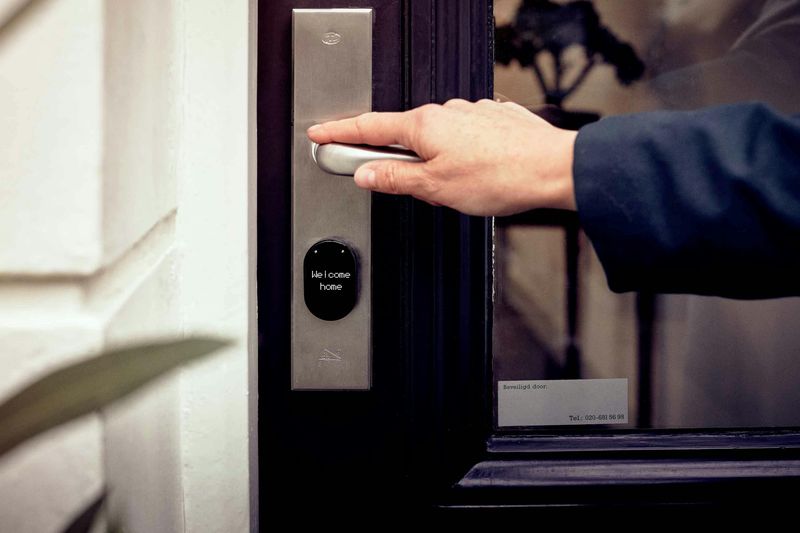
Most people have done it at least once: you lock the door, take a few steps, and then that little voice pops up asking if you really locked it.
For some people, it’s a rare moment of distraction, but for others, double-checking the lock is basically part of leaving the house.
And no, it doesn’t automatically mean you’re paranoid or “too anxious.” Often, it’s simply the way your brain tries to create certainty in a world where everything feels like it’s moving fast.
The habit can be annoying, sure, but it can also hint at deeper personality patterns—like being detail-oriented, highly responsible, or protective of your space.
If you’ve ever jiggled the knob “just to be safe,” these traits will probably feel very familiar.
1. They’re quietly responsible
Responsibility doesn’t always show up in big, dramatic ways; sometimes it looks like taking an extra moment to prevent a problem before it starts.
People who double-check locks often have an internal standard that says, “If I can do something to reduce risk, why wouldn’t I?”
They don’t want to rely on luck or hope everything turns out fine, because they’d rather be the person who handled it.
This trait often shows up elsewhere, too, like paying bills early, keeping track of appointments, or making sure everyone gets home safely.
Even when no one is watching, they still follow through, because consistency matters more than praise.
To them, the lock check isn’t overthinking—it’s simply being the kind of person who takes care of things.
2. They have an “if anything goes wrong, it’s on me” mindset

A lot of lock-checkers carry an invisible sense of accountability that’s heavier than it needs to be.
Even when a situation has multiple moving parts, their instinct is to take ownership, because it feels safer than assuming someone else will handle it.
That mindset can make them extremely dependable, but it can also create pressure, especially when life already feels busy.
If something went missing or a small mistake happened in the past, they may have internalized the idea that “I should have known better,” and the memory sticks.
Double-checking becomes a way of protecting themselves from that self-blame.
It’s not always fear of danger so much as fear of regret, because they hate the feeling of realizing later that one simple step could have been avoided.
3. They’re big on safety and prevention

Feeling secure matters to them, and they take small precautions seriously because they understand how quickly small oversights can turn into big stress.
Instead of thinking, “It probably won’t happen,” they think, “But what if it does?” That doesn’t mean they live in constant worry, but they do prefer a sense of control where they can get it.
They’re often the type to keep a spare charger in their bag, pack an umbrella when the weather looks suspicious, and notice things like a burnt-out porch light.
When it comes to home, the lock represents more than a door; it represents protection and peace of mind.
If double-checking makes their shoulders drop a little, they consider it a worthwhile habit rather than an inconvenience.
4. They replay moments in their head

Their brain loves to loop back, especially during transitions, because leaving the house can feel like a mini rush of tasks all at once.
Even if they clearly remember locking the door, the memory sometimes doesn’t “feel” convincing enough, which triggers doubt.
That’s why they may picture the lock, the sound of the click, or the moment their hand turned the key, trying to confirm it was real.
This habit often gets stronger when they’re distracted, running late, or thinking about work while walking out.
The brain files the moment away as fuzzy, then demands a second look.
Double-checking becomes the quickest way to end the mental replay, because once they physically confirm it, their mind finally stops arguing with itself.
5. They’re detail-oriented in everyday life
Some people are naturally tuned in to small details, and lock-checking is just one of the ways that trait shows up.
They notice whether the stove light is still on, whether the window is cracked open, or whether the garage door is fully down.
It’s not that they don’t trust themselves; it’s that their awareness is sharp enough to recognize how easy it is to miss something tiny.
They tend to catch little errors before they become problems, which makes them great at planning, budgeting, and generally keeping things running smoothly.
The downside is that the same attention to detail can become a little exhausting, because their brain is constantly scanning for what could be improved.
Still, that “double-check” instinct often saves them from bigger headaches later.
6. They’re mentally juggling a lot
When your mind is carrying a full load, it’s surprisingly easy to do something automatically and then immediately forget whether you actually did it.
People who double-check locks are often managing a lot—work stress, family responsibilities, errands, schedules, and the endless mental list of what needs to happen next.
In that state, locking the door can become a quick autopilot moment rather than a clear memory.
Then the doubt hits, because the brain doesn’t have a strong snapshot to rely on.
The second check becomes a reset button that gives them certainty in the middle of mental noise.
Ironically, it’s not always the anxious people who do this the most; it’s often the people who are busy, capable, and doing a million things at once.
7. They prefer certainty over assumption
“Probably” is not a satisfying answer for them, especially when the stakes involve safety and peace of mind.
They may be perfectly relaxed about other things, but when it comes to leaving their home unsecured, they want to know, not guess.
This preference for certainty often shows up in their decision-making style, too.
They like confirming details, reading the fine print, and making sure they understand what they’re agreeing to, because they don’t enjoy unpleasant surprises.
The second lock check is a tiny form of verification that quiets their brain quickly and efficiently.
In their eyes, it’s not dramatic, it’s logical, because one quick moment of confirmation can prevent hours of nagging doubt.
They’d rather be “extra” for ten seconds than distracted all day.
8. They’re planners, even in small ways
Planning doesn’t always mean color-coded calendars and elaborate routines; sometimes it looks like building little safeguards into everyday life.
People who double-check the lock often have a natural tendency to think ahead, even if they don’t call themselves planners.
They like leaving the house feeling prepared, because it reduces the chance of an annoying interruption later.
This trait can show up in practical habits, like keeping their keys in the same place, charging their phone before bed, or thinking through tomorrow’s schedule before they fall asleep.
A lock check is basically a tiny planning step that prevents the “Oh no, what if I didn’t?” spiral.
The comforting part is that it creates a sense of closure, as if their brain can officially mark the task complete and move on.
9. They’ve been burned before

Sometimes the reason is simple: a past mistake taught them a lesson they don’t want to repeat.
Maybe they once left the door unlocked, lost something valuable, or had a scary moment that made them think, “That could have been worse.”
Even if nothing terrible happened, the feeling of panic was enough to create a lasting habit.
Experiences like that can train the brain to seek reassurance, because it doesn’t want to relive the stress.
In many cases, it’s not about fear of crime as much as fear of the sinking feeling that comes with uncertainty.
Double-checking becomes a protective ritual that says, “Not again.” People who’ve had close calls often become more cautious in other areas, too, because they understand that prevention is usually easier than damage control.
10. They’re more anxious than they look

On the outside, they might seem calm, organized, and totally fine, but their mind may be running quiet “what if” scenarios behind the scenes.
Lock-checking can be a subtle sign of that internal nervous energy, especially if they feel responsible for keeping everything together.
They may not talk openly about stress, because they’re used to functioning through it, but they do little things to create a sense of stability.
Checking the lock is quick, discreet, and effective, so it becomes a go-to habit when their brain wants reassurance.
The tricky part is that it can look like overreacting to other people, even though it’s really about soothing a private worry.
Often, they’re not trying to be dramatic; they’re trying to feel grounded, because certainty helps them breathe easier.
11. They’re protective of their space
Home isn’t just a place to store your stuff; it’s where you decompress, feel safe, and truly become yourself.
People who double-check locks often take that sense of personal space seriously, because their home feels like a boundary between them and the outside world.
They might be private by nature, or they might simply value the feeling that their environment is under control.
This can show up in how they decorate, keep things organized, or create routines that make their space feel calming.
Checking the lock is symbolic as much as it is practical, because it reinforces the idea that their home is protected.
It’s also common for this trait to be stronger in people who grew up without much stability, because creating a secure home as an adult becomes deeply meaningful.
12. They’re habit-builders
Rituals can be comforting, and many lock-checkers naturally build routines that reduce mental clutter.
Instead of relying on memory, they create repeatable systems, because systems feel more reliable.
That might include placing keys in the same spot, doing a quick scan of the kitchen before leaving, or always locking the door in the same way.
Over time, double-checking becomes part of a consistent exit routine, like putting on shoes or grabbing a bag.
The benefit is that habits reduce stress, because you don’t have to think as hard when your body knows what to do.
The downside is that when the routine gets interrupted—like leaving in a rush or letting someone else lock up—their brain feels unsettled.
In those moments, checking the lock again restores the familiar rhythm that helps them feel steady.
13. They care about the people who depend on them

Even if no one else lives in the house, many people double-check locks because they see safety as part of caring.
If they have kids, pets, roommates, or family members who count on them, it can feel like a responsibility to make sure the home is secure.
They don’t want to be the person who shrugs and says, “It’ll probably be fine,” because they take the idea of protection personally.
This trait often overlaps with being nurturing, thoughtful, and attuned to other people’s needs.
They might be the one who reminds everyone to wear seatbelts, checks that the stove is off at night, or keeps emergency numbers handy.
A lock check is a small act, but it’s driven by something bigger: the desire to keep the people and life they love safe, even in simple, everyday ways.
Comments
Loading…