
 Hailey Watson
We often take fresh air for granted, but it plays a vital role in keeping our bodies healthy and functioning properly.
When you spend too much time indoors without proper ventilation, your body starts to react in surprising ways.
From feeling tired and foggy-headed to experiencing more serious health problems, the lack of fresh air affects nearly every system in your body.
Understanding these changes can help you recognize when you need to step outside and breathe deeply.
1. Your Brain Gets Foggy and You Can’t Think Straight

Ever notice how hard it is to concentrate after being stuck inside all day?
Carbon dioxide builds up in rooms without fresh air, and your brain really doesn’t like that.
When CO2 levels rise, your ability to focus, make decisions, and remember things takes a nosedive.
Your brain needs oxygen to power through homework, tests, and daily activities.
Without enough fresh air circulating, you might feel like you’re thinking through molasses.
Students in poorly ventilated classrooms often perform worse on tests than those in rooms with good airflow.
Opening a window or taking a quick walk outside can help clear the mental fog almost instantly.
2. Fatigue Hits You Like a Ton of Bricks

Feeling constantly tired even after a full night’s sleep?
Lack of fresh air might be the culprit.
Your cells depend on oxygen to create energy, and when oxygen levels drop in stuffy spaces, your whole body slows down like a phone on low battery mode.
This isn’t just regular tiredness.
It’s a deep, bone-weary exhaustion that makes even simple tasks feel overwhelming.
Your muscles ache, your eyelids feel heavy, and motivation disappears completely.
The cardiovascular system works overtime trying to deliver limited oxygen throughout your body.
This extra strain leaves you feeling wiped out, and no amount of coffee seems to help until you get some quality fresh air.
3. Indoor Pollutants Start Building Up in Your System

Your home might look clean, but invisible pollutants are lurking everywhere.
Furniture releases chemicals called VOCs, cleaning products leave residues in the air, and dust particles accumulate constantly.
Without fresh air flushing these out, they build up to unhealthy levels.
Headaches become more frequent, your eyes start burning, and your throat feels scratchy for no apparent reason.
These symptoms aren’t random—they’re your body’s alarm system warning you about poor air quality.
Long-term exposure to these indoor pollutants can damage your respiratory system and increase risks for serious health conditions.
Proper ventilation acts like a natural cleaning system, constantly replacing stale, polluted air with clean oxygen.
4. You Catch Every Cold and Flu Going Around

Noticed you’re getting sick more often lately?
Stale air is basically a playground for viruses and bacteria.
Fresh air dilutes and disperses these germs, but in sealed-up spaces, they just keep circulating and multiplying.
When someone sneezes in a poorly ventilated room, those germs can hang around for hours, waiting to find their next victim.
You’re basically breathing recycled air that’s been through everyone else’s lungs first—pretty gross when you think about it!
People who regularly get fresh air tend to have stronger immune systems and recover faster from illnesses.
Good ventilation is one of the simplest ways to reduce infection spread in homes, schools, and workplaces.
5. Breathing Problems Get Worse and Worse
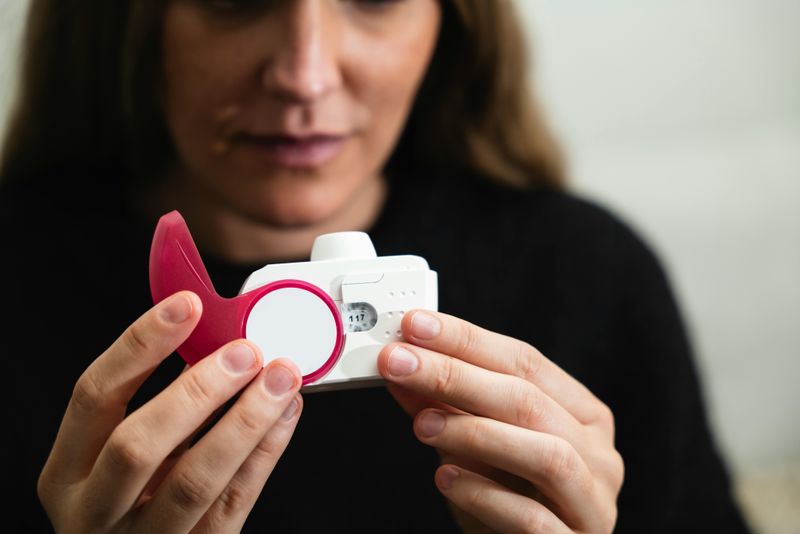
For people with asthma, allergies, or other respiratory conditions, lack of fresh air turns their home into a danger zone.
Allergens like dust mites, mold spores, and pet dander concentrate in unventilated spaces, triggering attacks and making symptoms unbearable.
Even people without pre-existing conditions can develop respiratory irritation from prolonged exposure to stale air.
Coughing, wheezing, and shortness of breath become daily struggles rather than rare occurrences.
The lungs work harder trying to extract oxygen from poor-quality air, which causes inflammation and damage over time.
Regular fresh air exposure helps keep airways clear and reduces the severity of respiratory symptoms significantly.
6. Sick Building Syndrome Takes Over Your Life

Here’s something strange: you feel terrible at home or work, but magically better when you leave.
That’s Sick Building Syndrome, and it’s more common than you’d think.
Symptoms include persistent headaches, dizziness, nausea, and general malaise that disappear once you’re outside.
Buildings with poor ventilation trap a toxic cocktail of pollutants, humidity, and stale air that makes occupants genuinely sick.
It’s not in your head—it’s in the air you’re breathing!
The solution is surprisingly simple: improve ventilation and let fresh air flow through regularly.
Many people don’t realize their mysterious symptoms are environmental until they change their air quality and suddenly feel like themselves again.
Comments
Loading…