
 Isabel Parker
Grew Up in the ’60s or ’70s? These 10 Christmas Traditions Will Hit Home

Remember when Christmas felt slower, warmer, and somehow more magical?
If you grew up in the ’60s or ’70s, the holidays looked very different from today’s digital celebrations.
From shimmering aluminum trees to handmade decorations, these traditions shaped the season in ways that still tug at your heart decades later.
1. Aluminum Christmas Trees with Color Wheels
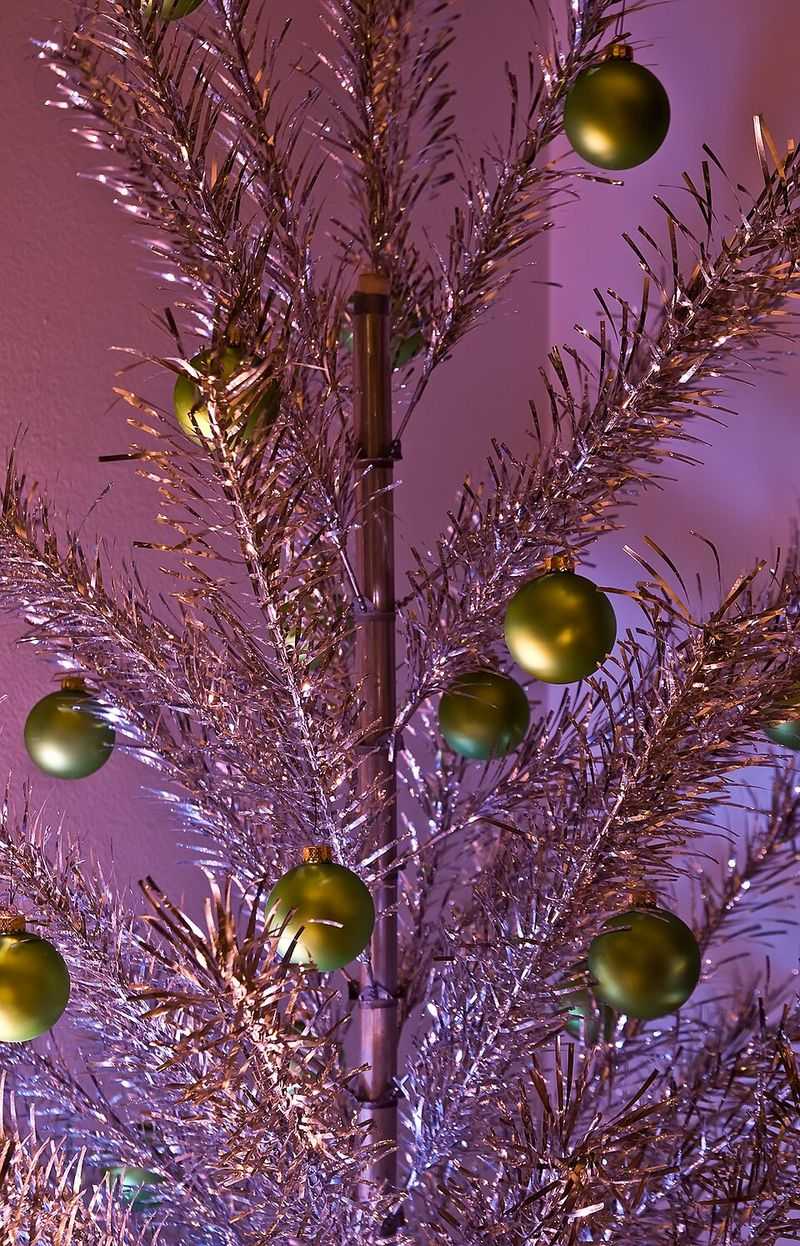
Shimmering silver branches paired with slowly rotating color wheels gave living rooms a futuristic glow that felt magical at the time.
Popular throughout the ’60s and early ’70s, these trees reflected changing colors instead of holding lights, making them feel modern, bold, and unforgettable to anyone who grew up watching them transform the room each night.
Families would dim the lights and watch as reds, blues, greens, and golds washed over the metallic branches in slow, hypnotic cycles.
The tree became a centerpiece of wonder, a conversation starter, and a symbol of Space Age optimism.
Though they fell out of fashion, those who had one never forgot the way those colors danced across the walls.
2. Paper Chains and Popcorn Garlands
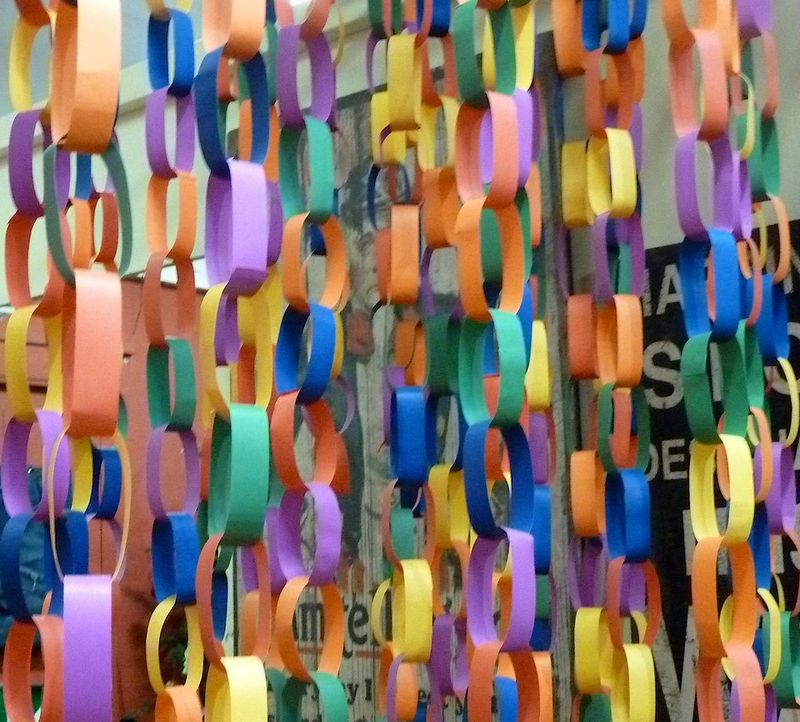
Sitting around the table cutting construction paper or threading popcorn created decorations that were imperfect but deeply personal.
These handmade garlands weren’t about perfection—they were about time spent together, sticky fingers, and laughter, turning simple materials into keepsakes that made the tree feel truly finished.
Kids would loop strips of red and green paper, licking glue sticks until their tongues turned colors.
Popcorn strands required patience, a needle, and the willpower not to eat half the bowl before finishing.
Every crooked link and broken kernel told a story.
These weren’t store-bought; they were yours, and that made all the difference when you stepped back to admire your work.
3. The Sears Christmas Wish Book
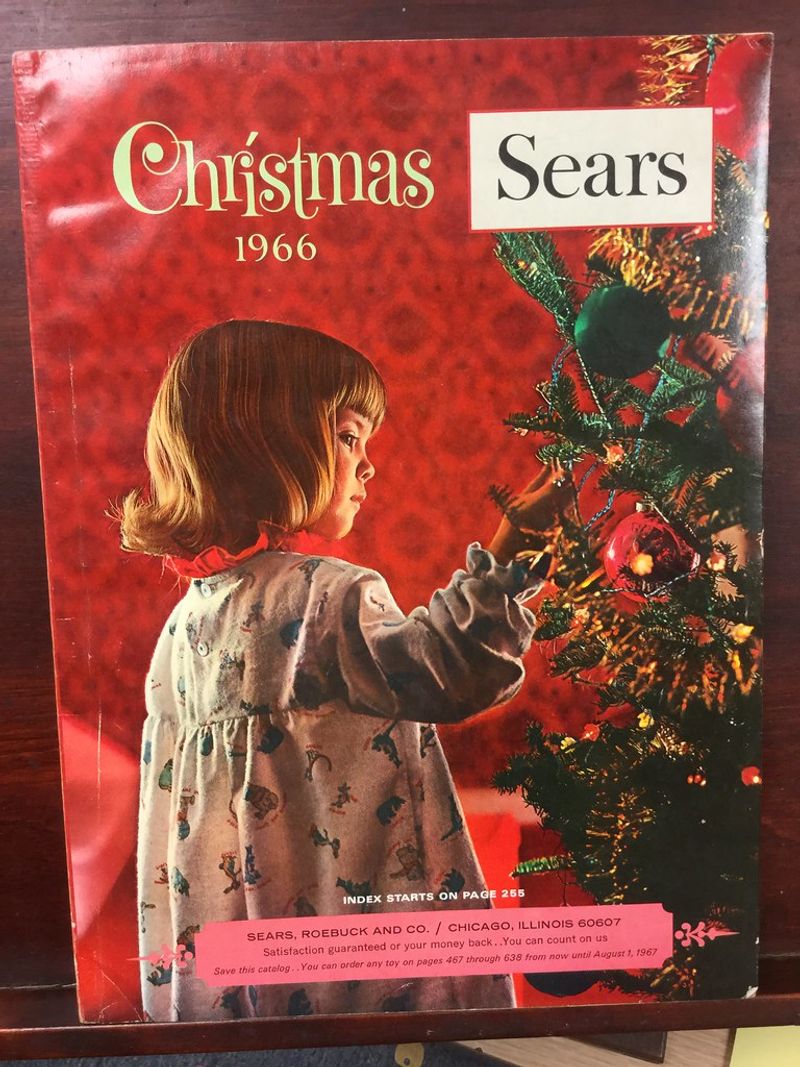
When this thick catalog arrived in the mail, it instantly became the most important book in the house.
Kids poured over its pages, circling toys and dog-earring corners, dreaming big while parents pretended not to notice.
Long before online shopping, this book shaped holiday anticipation like nothing else.
You’d sprawl on the living room floor, flipping past bicycles, dolls, action figures, and electric train sets.
Each page held possibilities, and every circled item felt like a tiny prayer sent into the universe.
Parents would sneak peeks at the marked pages, weighing budgets against wishes.
That catalog wasn’t just paper—it was pure hope, bound and delivered.
4. Watching Christmas Specials on Limited TV Channels
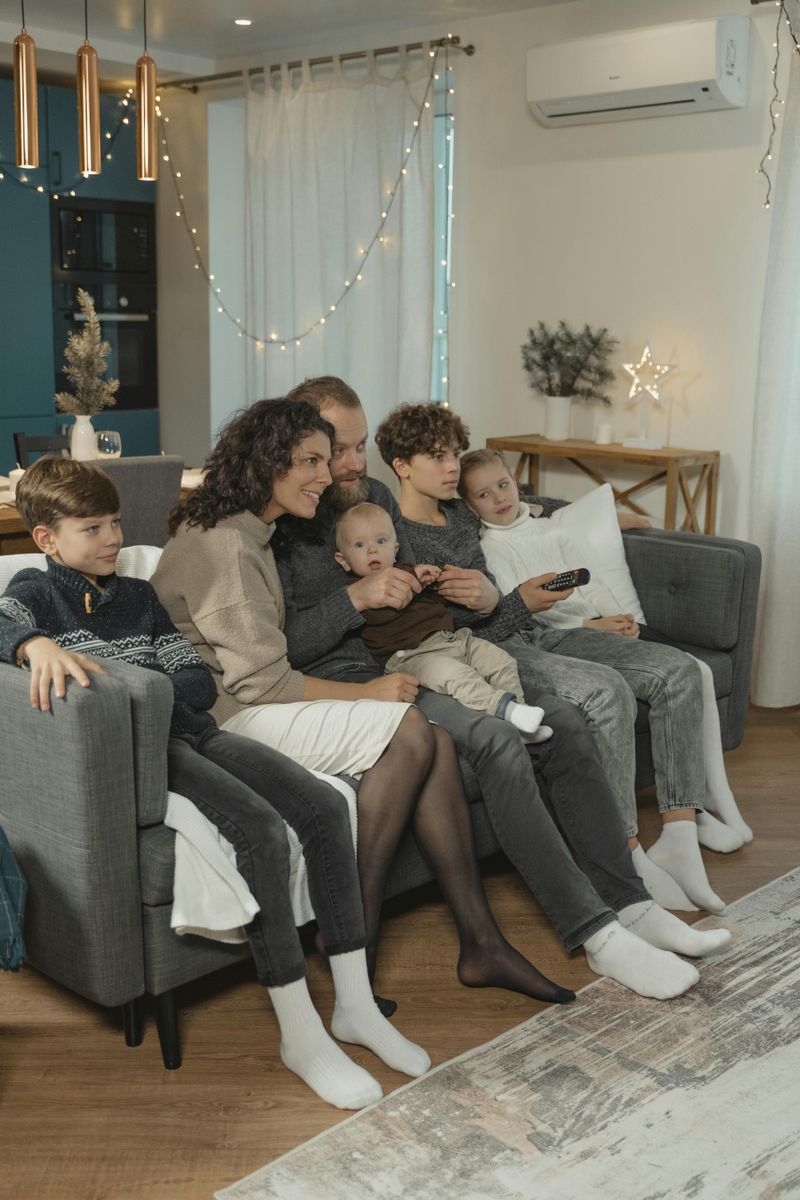
With only a handful of channels available, families planned evenings around holiday broadcasts that aired once a year.
Missing Rudolph or A Charlie Brown Christmas meant waiting another twelve months, which made those nights feel special, shared, and memorable in a way streaming can’t quite replicate.
Everyone gathered in the living room, often in pajamas, with popcorn or hot cocoa.
The TV Guide listing was circled in pen, and nobody dared schedule anything else that evening.
There was something sacred about knowing millions of other families were watching the same thing at the same moment.
It connected neighborhoods, schools, and generations in a quiet, powerful way.
5. Real Candles on Christmas Trees
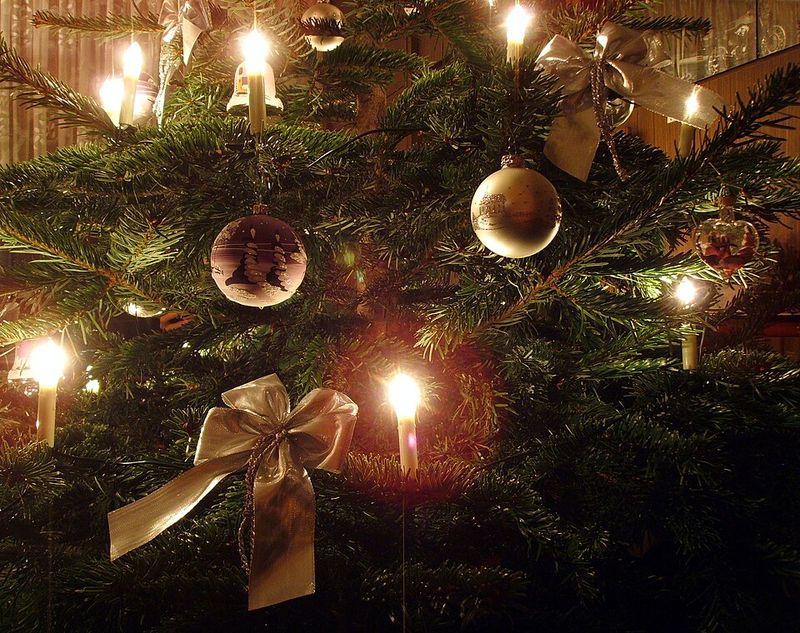
Carefully clipped candles flickered softly on branches, filling rooms with warmth and a hint of danger that made adults extra cautious.
While it seems unthinkable today, this tradition created an intimate glow that electric lights never fully matched, leaving a strong impression on anyone who remembers watching those flames dance.
Parents would stand nearby with buckets of water, eyes sharp, as children gazed in awe at the tiny flames swaying with each breath.
The scent of melting wax mingled with pine needles, creating a sensory memory that stayed vivid for decades.
It was beautiful, risky, and fleeting—a combination that made Christmas Eve feel even more precious and alive.
6. Photo Christmas Cards Displayed Proudly
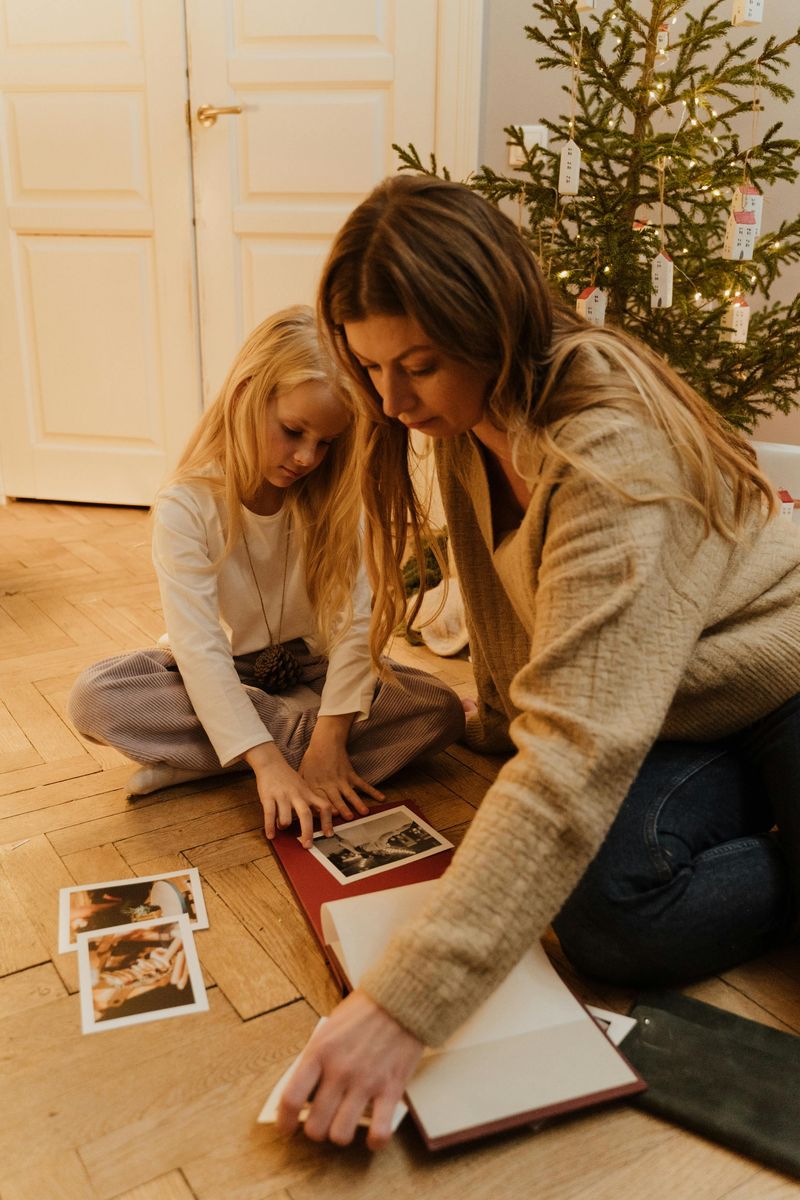
Holiday cards weren’t just opened and tossed aside; they were taped to walls, pinned to corkboards, or lined along mantels.
Seeing familiar faces smiling in staged family photos made homes feel connected, turning mailed greetings into a seasonal display that stayed up well past New Year’s.
Each card arrival was an event.
You’d recognize the handwriting, tear open the envelope, and study the photo—who got taller, who got married, who had a new baby.
Then you’d find the perfect spot to add it to the growing collection.
Walls became galleries of loved ones, a visual reminder that even across miles, people cared enough to send a piece of themselves your way.
7. Department Store Santa Visits and Window Displays
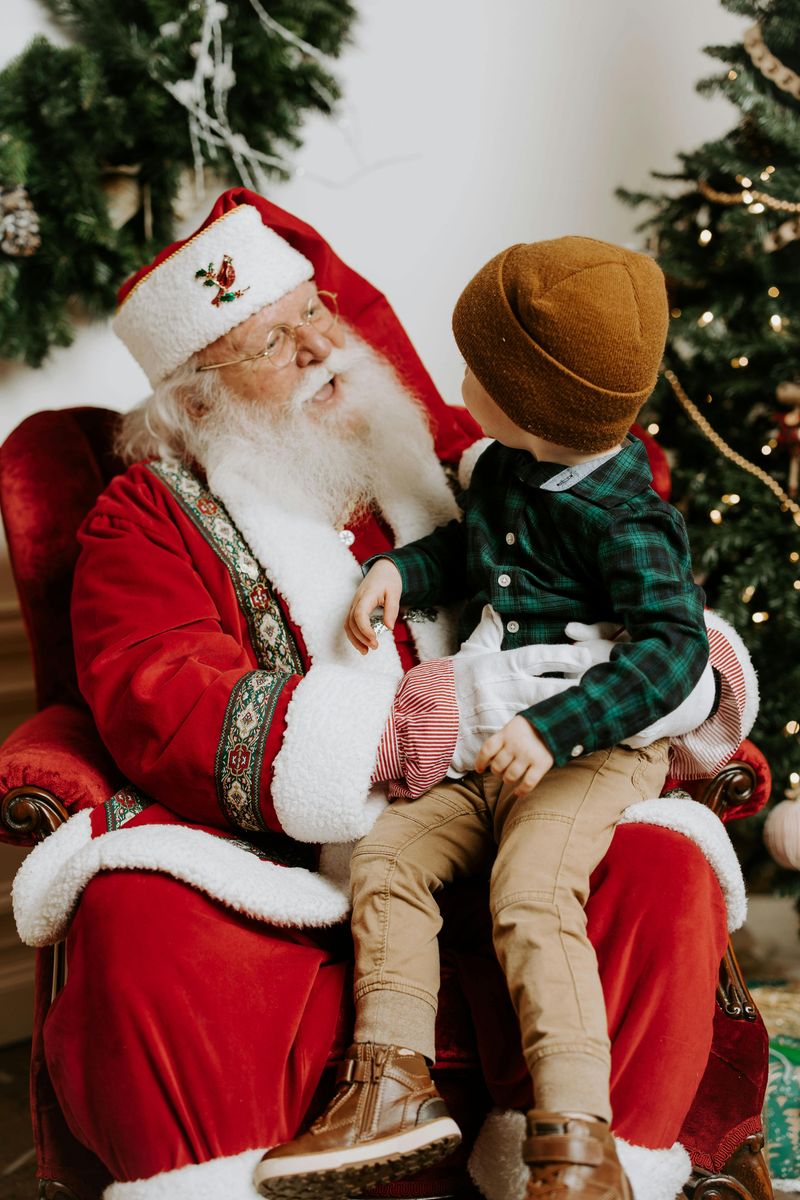
Downtown shopping trips weren’t rushed errands—they were events.
Elaborate window scenes, mechanical figures, and long lines to see Santa made the experience feel magical, even in the cold.
For many kids, these outings defined the start of the Christmas season.
You’d press your nose against glass, watching toy trains circle snowy villages or elves hammer in workshops powered by hidden gears.
Then came the wait in line, clutching a crumpled wish list, rehearsing what you’d say when you finally climbed onto Santa’s lap.
The department store Santa smelled like peppermint and had a real beard—or so you believed.
Either way, those visits felt official, important, and utterly unforgettable.
8. Carefully Placing Tinsel Strand by Strand

Decorating the tree meant gently draping individual strands of tinsel so they shimmered just right under the lights.
It was slow, deliberate work often supervised by adults, and when finished, the tree sparkled in a way modern garlands never quite capture.
You couldn’t just toss it on.
Each strand had to hang evenly, catching the light without clumping.
Grandparents would correct your technique, showing you how to let it fall naturally, like icicles frozen mid-drip.
The result was breathtaking—a tree that glittered from every angle, reflecting colored bulbs in a million tiny mirrors.
Cleanup was a nightmare, but nobody cared. That shimmer was worth every stray strand found in July.
9. Candlelit Christmas Eve Church Services
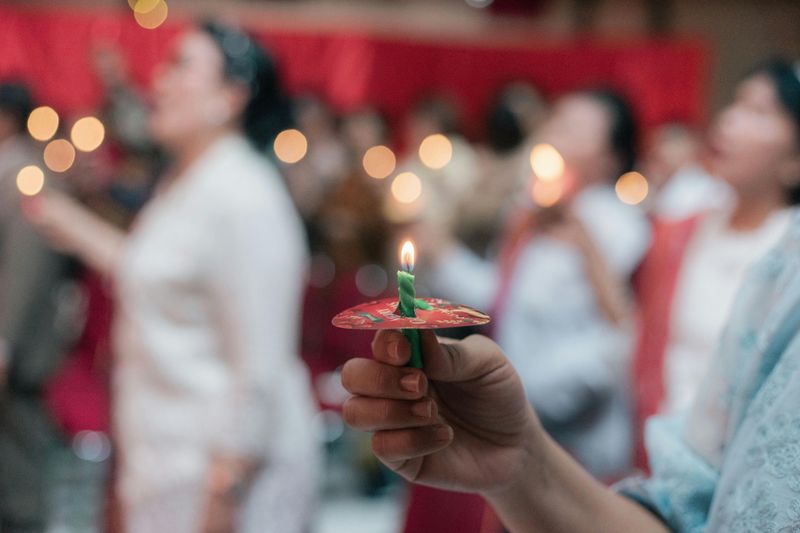
Holding a small candle while singing carols created a quiet, reflective moment amid the holiday excitement.
The soft glow, hushed voices, and shared stillness made these services feel meaningful, leaving a lasting emotional imprint that many people can still picture clearly today.
Churches dimmed their lights, and ushers passed flame from person to person until the sanctuary glowed with hundreds of tiny fires.
You’d cup your hand around the wick, protecting it from drafts, feeling the warmth on your palm.
Silent Night sung in that golden light felt sacred in a way words can’t quite capture.
It was peaceful, communal, and deeply moving—a pause before the chaos of Christmas morning.
10. Miniature Christmas Village Displays
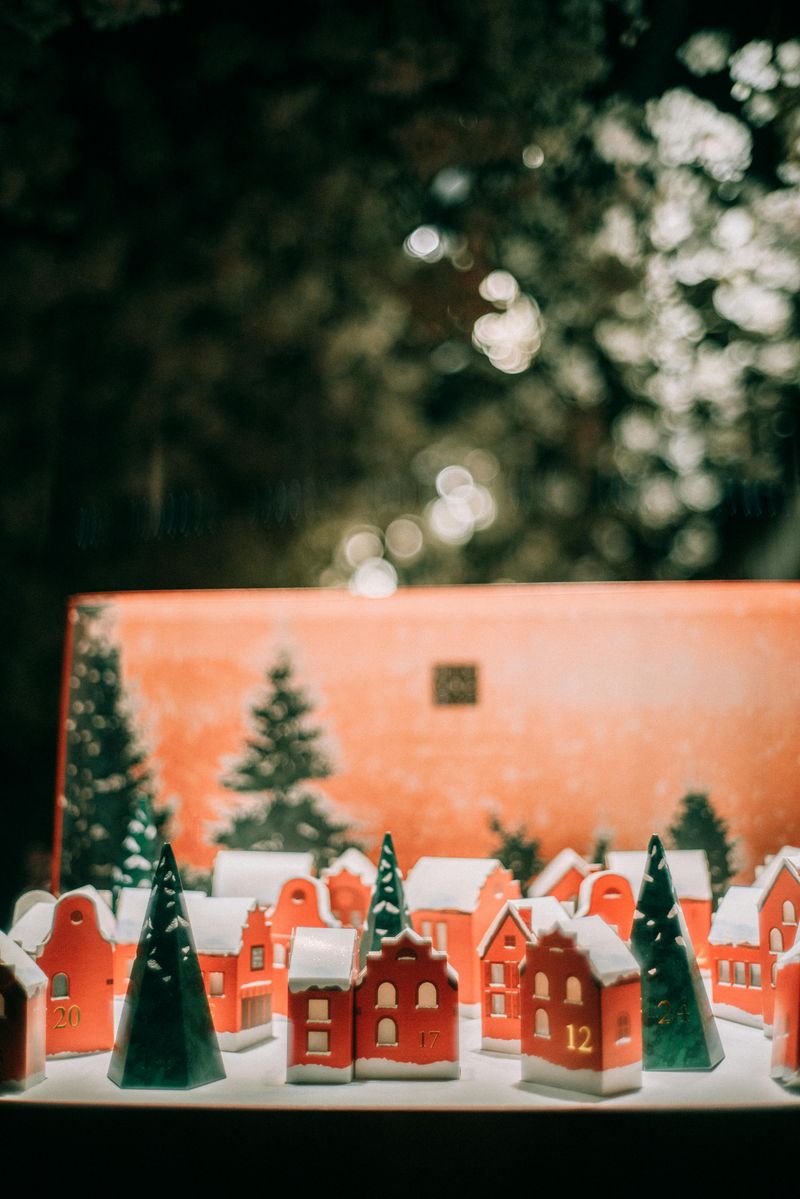
Carefully setting up tiny ceramic houses, shops, churches, and figurines created a snowy world under the tree or on a side table, often added to year after year.
For many families in the ’60s and ’70s, these villages became a holiday ritual, sparking imagination, storytelling, and gentle reminders not to touch the delicate pieces—memories that still feel vivid decades later.
Each building had its place, arranged on cotton batting that looked like fresh snow.
Streetlights glowed, miniature people skated on mirror ponds, and tiny wreaths hung on shop doors.
You’d kneel beside it, inventing stories about the villagers, imagining their lives in that perfect little world.
Parents would add a new piece each year, building a tradition brick by tiny brick.
Comments
Loading…