
 Mary Murphy
From FaceTime to Mukbangs: 11 Gen Z Trends Boomers Don’t Get

Every generation has its own quirks, slang, and habits that leave older folks scratching their heads.
Gen Z, born roughly between 1997 and 2012, has grown up in a world shaped by smartphones, social media, and internet culture.
What feels totally normal to a teenager today might seem completely bizarre to a Baby Boomer.
Here are 11 Gen Z trends that often leave the older generation genuinely puzzled.
1. Content Creation and Influencer Culture
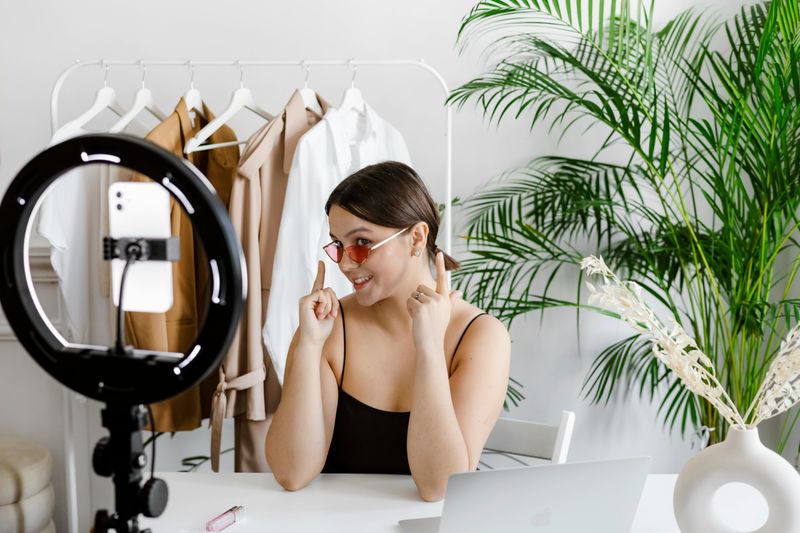
Imagine treating your daily life as a full-time job — and actually getting paid for it.
That is exactly what thousands of Gen Z creators do on TikTok and YouTube every single day.
For Boomers who grew up punching time cards, the idea of filming yourself cooking or gaming for a living can feel completely absurd.
But influencer culture is a real, booming industry worth billions of dollars.
Brands pay creators to promote products, and top influencers earn more than most traditional careers.
Gen Z sees storytelling and content creation as legitimate, creative work — not just goofing around on camera.
2. Social Media Oversharing
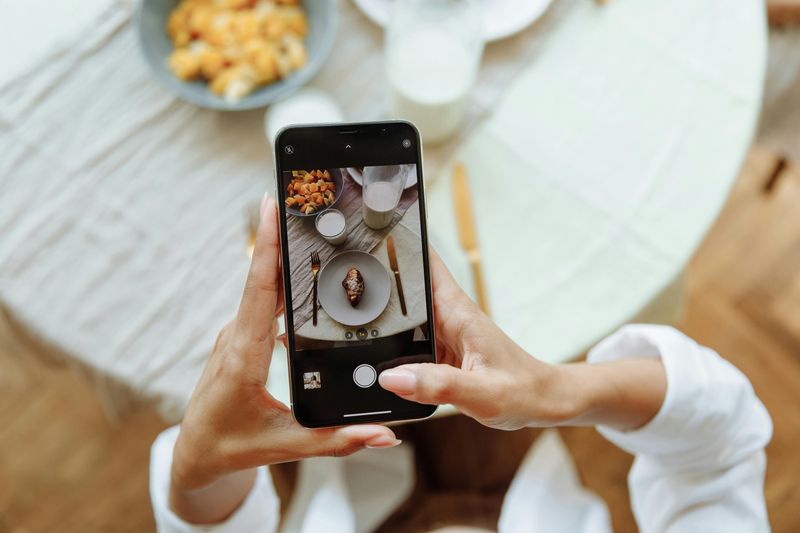
Posting your breakfast, your mood, your fight with a friend, and your new haircut — all before noon — is just a regular Tuesday for many Gen Z users.
Social media is their journal, their newspaper, and their social circle rolled into one app.
Boomers, who grew up keeping personal matters strictly private, often find this level of openness unsettling.
For Gen Z, sharing online is not oversharing — it is connecting.
It builds community, sparks conversations, and even helps people feel less alone.
What looks like too much information to older generations actually serves as a meaningful form of modern communication for younger users.
3. Seeking Online Validation Through Likes and Views
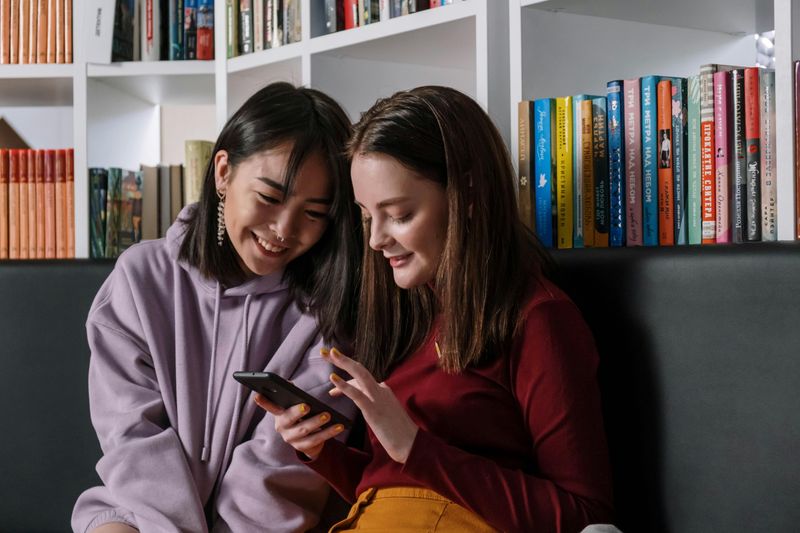
Back in the day, compliments came face-to-face.
Now, a thumbs-up emoji carries serious weight.
Gen Z grew up measuring social success partly through likes, shares, and comment counts — and that is not as shallow as it might sound.
These numbers reflect real engagement with real people across the globe.
Boomers often dismiss metrics as meaningless vanity.
But for younger users, a post going viral can open career doors, build friendships, and shape identity.
Online validation is not about ego — it is about feedback in a digital world where connection happens through screens.
Think of it as a modern-day report card for social relevance.
4. The Prank Video Craze

Prank videos have been around since hidden-camera TV shows in the 1980s, but Gen Z took the concept and turbocharged it for the internet age.
Elaborate setups, fake-out scenarios, and over-the-top reactions rack up millions of views on YouTube and TikTok.
For younger audiences, the humor is obvious — it is playful, spontaneous, and wildly entertaining.
Boomers, however, often see these stunts as reckless or disrespectful.
The line between funny and harmful can blur quickly, which is a fair concern.
Still, most Gen Z creators treat pranks as a performance art form, carefully scripting reactions while making everything look hilariously unplanned for the camera.
5. Filming Emotional Moments for Social Media

Crying on camera used to be something people tried to avoid.
For Gen Z, filming emotional moments and sharing them online is a form of radical honesty.
Whether processing grief, anxiety, or heartbreak, many young users turn to their followers for support in real time. It feels authentic to them — not performative.
Boomers tend to associate public emotional displays with embarrassment.
Vulnerability was something you handled privately or with close family.
But Gen Z has rewritten those rules entirely.
Sharing struggles online has helped normalize mental health conversations and reduce stigma.
For many young people, the comment section becomes an unexpected but powerful source of community and comfort.
6. Constant FaceTime and Video Calls
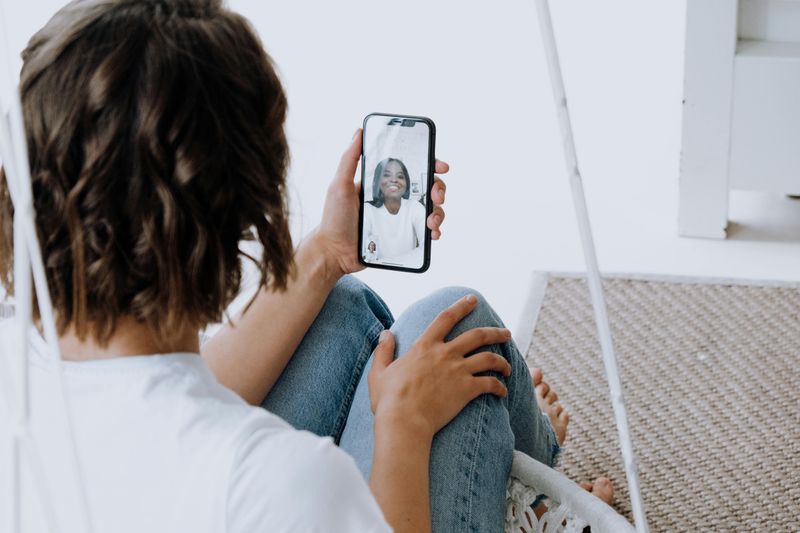
Why call when you can see each other?
That is basically Gen Z’s philosophy when it comes to staying connected. FaceTime, Snapchat video, and Google Meet have replaced the traditional phone call for millions of young people.
Hanging out virtually — sometimes for hours — feels just as real to them as being in the same room.
Boomers often find this habit excessive.
A quick phone call seems far more efficient than setting up a full video chat just to say hello.
But for Gen Z, seeing facial expressions and body language matters.
Video calls bring warmth and presence that a voice-only call simply cannot replicate in their daily social world.
7. Internet Slang and Casual Grammar in Texting
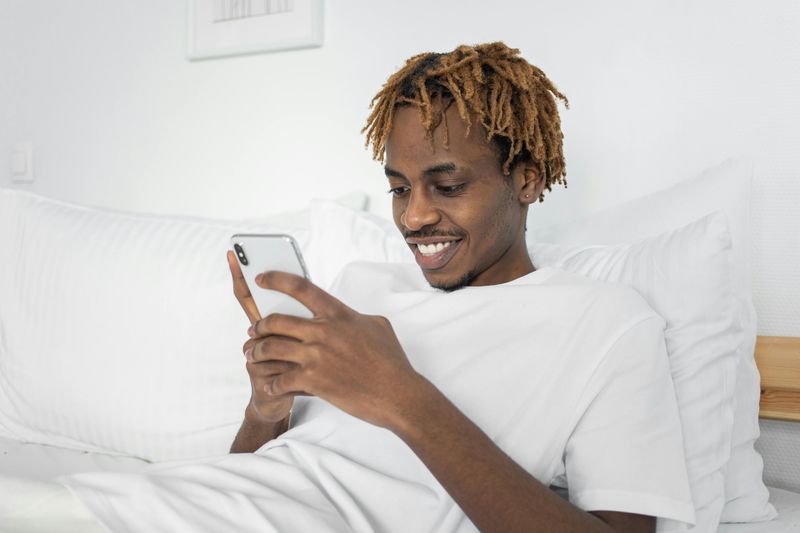
Internet slang evolves at lightning speed, mixing abbreviations, memes, and repurposed words into an entirely new dialect.
“No cap, that’s lowkey slay, bestie” — perfectly clear to a Gen Z teen, completely baffling to most Boomers.
Punctuation rules?
Optional.
Capital letters?
Rarely used.
The vibe matters more than the grammar.
For older generations who learned formal writing rules in school, this texting style looks lazy or careless.
But Gen Z linguists argue it is actually creative and highly expressive.
Each slang term carries layers of meaning, tone, and cultural context.
Learning the lingo is like picking up a second language — one that changes every few months.
8. Overusing Psychology Labels in Everyday Conversations

Psychology terms that once lived only in textbooks have become everyday vocabulary for younger generations navigating complex relationships.
“That is literally gaslighting.”
“She is so toxic.”
“He is a total narcissist.”
These phrases pop up constantly in Gen Z conversations about friendships, dating, and family drama.
Boomers sometimes feel these clinical words are tossed around carelessly, watering down their real meaning.
It is a fair debate — context matters.
But Gen Z would argue that having the language to describe harmful behavior is actually empowering.
Naming what you are experiencing helps you process it, set boundaries, and seek help.
Words, after all, have real power.
9. Playing Music or Videos Out Loud in Public
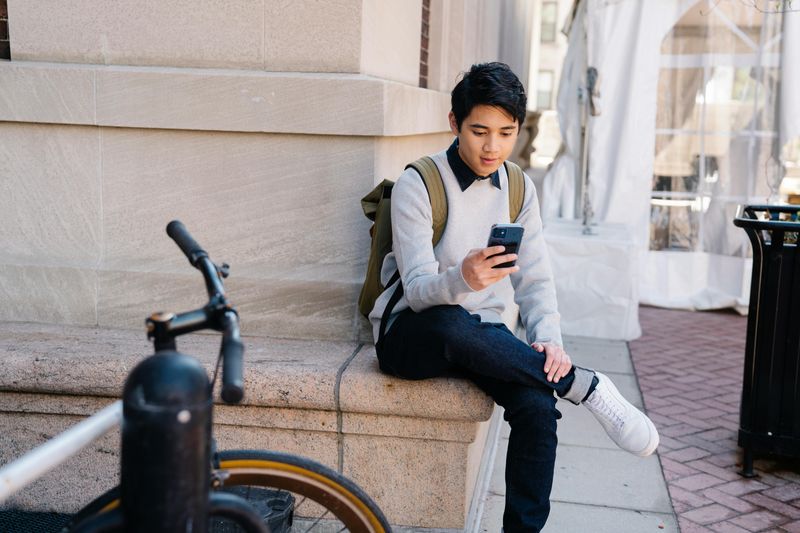
Headphones?
Who needs them.
Many Gen Z users blast music, TikTok clips, or YouTube videos straight from their phone speakers in cafes, buses, and even libraries.
To them, sharing audio is just part of being present in a space.
It is casual, spontaneous, and sometimes an invitation for others to join the fun.
Boomers, who grew up in an era where public spaces were expected to stay relatively quiet, find this habit genuinely inconsiderate.
And honestly, many people across all ages agree.
The tension here is real.
Gen Z values self-expression and openness, while older generations prioritize communal respect and shared silence.
Neither side is entirely wrong.
10. Mukbang and ASMR Food Videos

Picture someone sitting in front of a camera, eating an enormous plate of spicy ramen while thousands of viewers watch and listen to every crunch and slurp.
That is mukbang — a South Korean trend that exploded globally and became a staple of Gen Z’s online entertainment diet.
Pair that with ASMR food videos designed to trigger satisfying audio sensations, and you have a genre Boomers simply cannot wrap their heads around.
Surprisingly, these videos serve real purposes.
Many viewers say mukbangs cure loneliness at mealtimes.
ASMR content helps others relax or sleep.
Gen Z has found comfort, community, and even therapy in the most unexpected corners of the internet.
11. Collecting Squishmallows and Viral Plush Trends
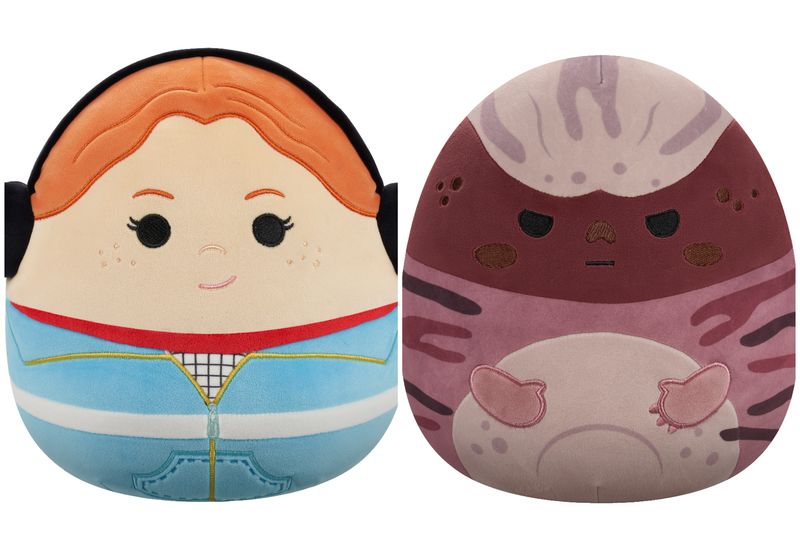
Soft, squishy, and seriously addictive — Squishmallows took over Gen Z bedrooms, college dorms, and social media feeds almost overnight.
These marshmallow-like stuffed animals come in hundreds of designs, from avocados to axolotls, and collecting them has become a full-blown hobby for millions of young adults.
Trading, gifting, and hunting for rare ones is part of the thrill.
Boomers often raise an eyebrow at grown adults cuddling plush toys.
But for Gen Z, Squishmallows represent comfort in a stressful world — a tactile, cheerful reminder that it is okay to embrace softness.
Sometimes, a squishy strawberry plushie is genuinely all you need to feel better.
Comments
Loading…