
 Jade Reed
If You’re the Oldest Sibling, You Probably Have These 11 Traits
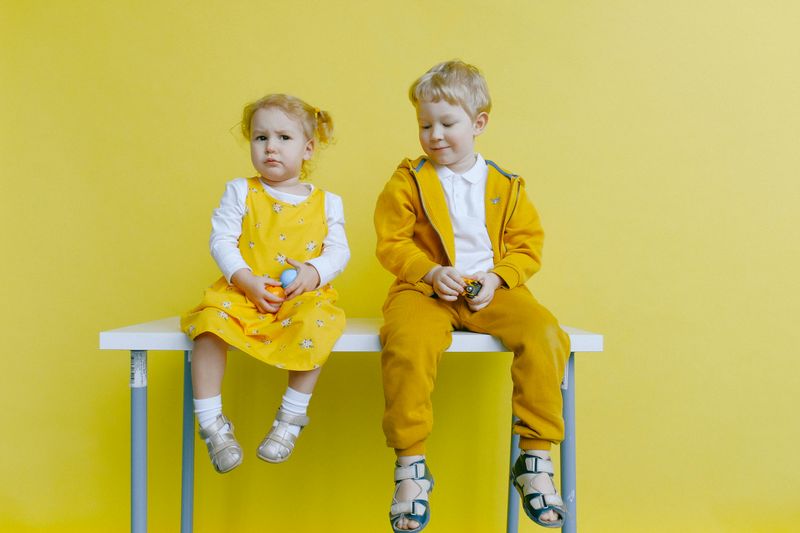
Being the oldest sibling is a unique experience that shapes who you are in ways you might not even realize. From being the family trailblazer to feeling responsible for everyone around you, firstborns develop some pretty distinct personality traits.
Researchers and psychologists have studied birth order for decades, and the findings about oldest siblings are fascinating. If you grew up as the eldest, you’ll likely recognize yourself in more than a few of these traits.
1. Natural-Born Leader

Long before you ever had a job title, you were already running the show at home.
Whether it was organizing backyard games or making sure everyone got to school on time, the oldest sibling often steps into a leadership role without even thinking about it.
Studies show that firstborns are more likely to become managers and executives than their younger siblings.
That early experience of being “in charge” builds real confidence over time.
You learned to make decisions fast, speak up clearly, and take ownership of outcomes.
Those are skills most people spend years trying to develop.
2. Fiercely Responsible
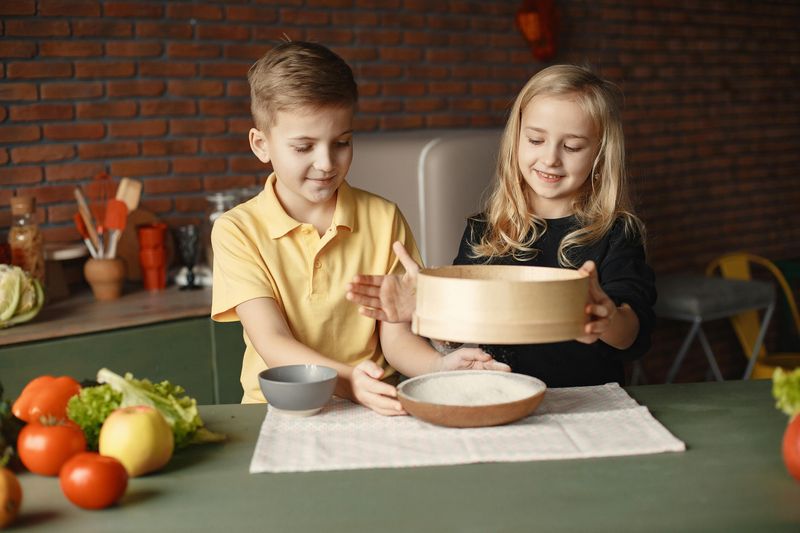
Ask any oldest sibling about their childhood, and the word “responsible” will almost always come up.
From a young age, parents rely on firstborns to set a good example, watch over younger kids, and handle tasks independently.
That early responsibility becomes deeply wired into how you think and act.
You take commitments seriously, rarely miss deadlines, and feel genuinely uncomfortable letting people down.
Sometimes this trait can tip into being overly hard on yourself when things go wrong.
But overall, your strong sense of duty makes you someone others can count on without hesitation.
3. Overachiever Mentality

Firstborns are statistically more likely to earn higher grades, pursue advanced degrees, and even become astronauts or presidents.
No pressure, right?
The overachiever mentality in oldest siblings comes from years of parental attention and high expectations placed on them early.
When you were little, your parents tracked every milestone with excitement.
That spotlight pushed you to perform, improve, and aim higher than the last time.
Even now, you probably set ambitious goals and push yourself harder than most people would.
Settling for “good enough” just does not sit well with you, and that drive pays off big.
4. Comfort with Authority
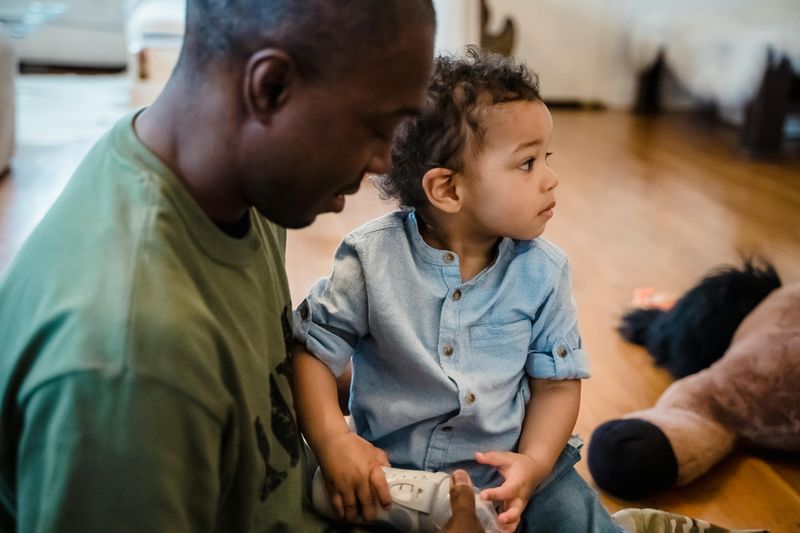
Here is something younger siblings often find puzzling: the oldest one never seems intimidated by authority figures.
Teachers, coaches, bosses — firstborns tend to engage with them comfortably and directly.
Growing up, oldest siblings spent more time around adults than any other birth position.
You were included in grown-up conversations, given adult-like responsibilities, and treated more like a small partner than a child at times.
That early exposure made you fluent in “adult world” communication.
You know how to advocate for yourself, ask the right questions, and earn respect from people in charge without feeling awkward about it.
5. Perfectionist Streak
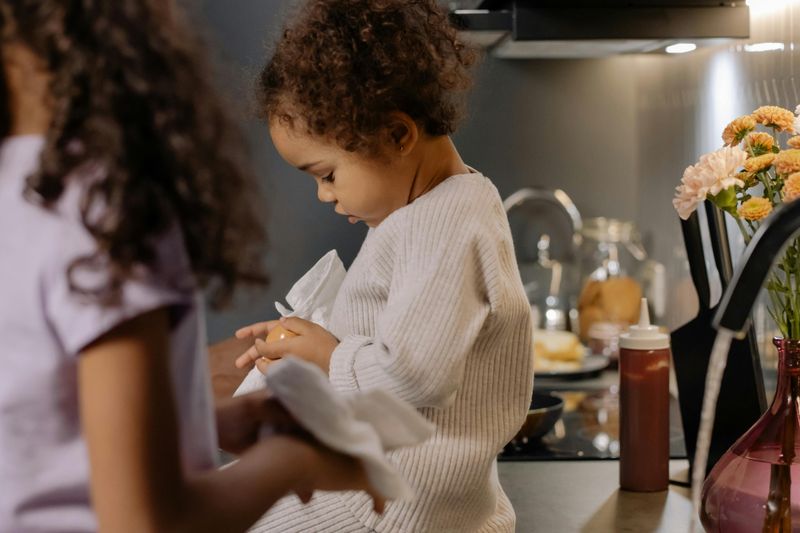
Perfectionism runs deep in many oldest siblings, and it is not hard to understand why.
When you were the only child, every drawing went on the fridge, every report card was examined closely, and every mistake felt magnified under parental attention.
That environment can create a persistent inner voice that says “good is not good enough.” You recheck your work, redo things that are already fine, and notice errors others completely miss.
While this trait helps you produce quality results, it can also make relaxing feel surprisingly difficult.
Learning to accept “done” instead of chasing “perfect” is often a lifelong journey for firstborns.
6. Strong Sense of Fairness

Oldest siblings practically grow up as junior referees.
Younger brothers and sisters constantly come to you with complaints, arguments, and dramatic injustices that absolutely must be resolved right now.
All that experience sharpens your ability to see multiple sides of a situation.
You develop a strong internal compass for what is right, what is fair, and when someone is being treated poorly.
As an adult, you are probably the person in your friend group who speaks up when something feels off.
You take honesty seriously, you hate double standards, and you genuinely believe people deserve to be treated with equal respect.
7. Tendency to Be Bossy

Let’s be honest — oldest siblings can come across as a little bossy sometimes.
It is not always intentional.
Years of being the one in charge, making calls, and keeping younger kids in line creates habits that do not just switch off at home.
Friends and coworkers might notice that you naturally take over group projects or steer conversations toward decisions.
You are wired to lead, and waiting for someone else to step up can feel almost physically uncomfortable.
The good news is that awareness goes a long way.
Channeling that energy into positive leadership, rather than control, makes all the difference.
8. Protective Instincts
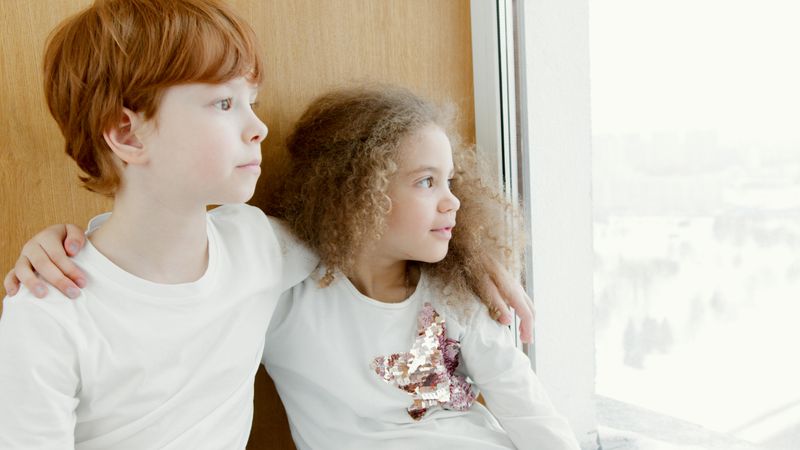
There is something almost instinctive about the way oldest siblings look out for the people they love.
From walking younger kids home from school to defending a friend being treated unfairly, that protective urge runs incredibly deep.
It starts early.
The moment a little brother or sister arrives, the oldest often shifts into guardian mode without anyone asking.
That role becomes a core part of their identity over time.
As adults, firstborns tend to be fiercely loyal friends, dependable partners, and the first ones to show up when someone is struggling.
Their protective instincts make them genuinely powerful allies to have around.
9. Rule-Follower by Nature
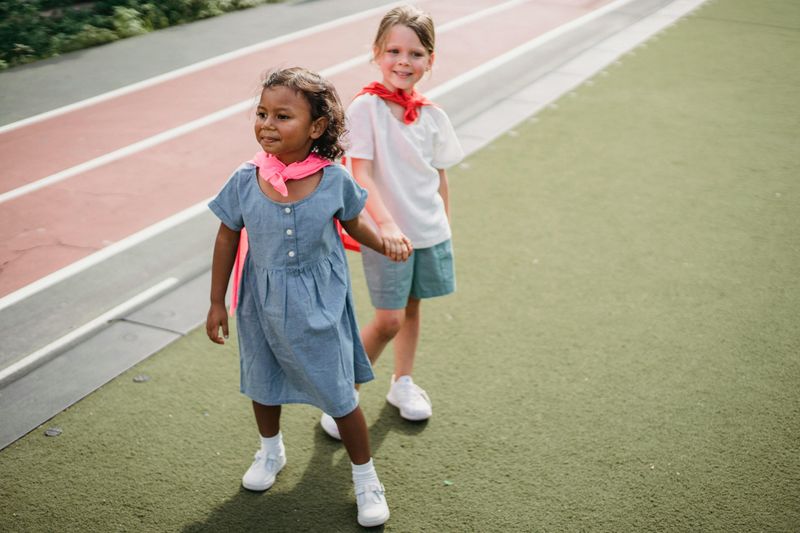
Rules?
Oldest siblings generally follow them.
Unlike younger siblings who often test boundaries just because they can, firstborns tend to respect structure and work within established systems.
Part of this comes from being the first child parents ever raised.
Mom and dad were stricter, more watchful, and more consistent with their firstborn than with kids who came later.
Those early lessons stick.
Firstborns often feel genuine discomfort when rules are broken, even small ones.
This trait earns them reputations as reliable, trustworthy people.
It can also make them a little rigid, but their consistency is something most people around them deeply appreciate.
11. Empathy for Others
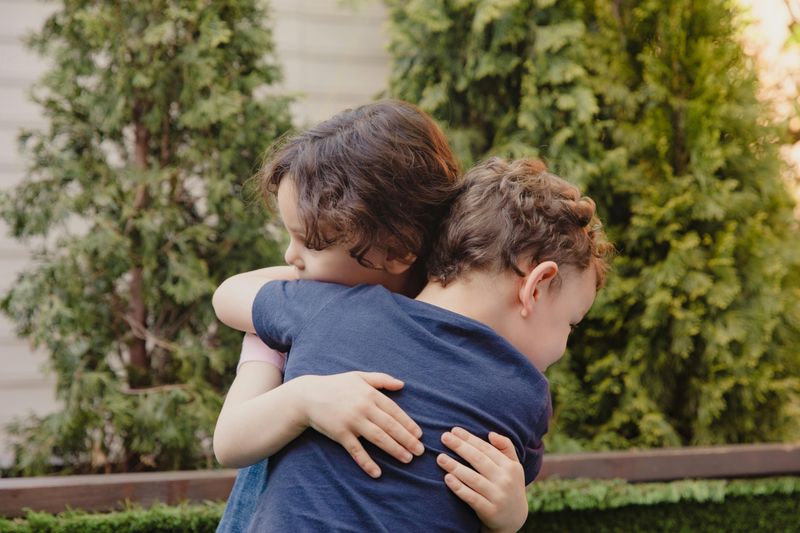
Growing up as the oldest means you were often the first person younger siblings ran to when they were upset, scared, or confused.
That emotional caregiving role quietly builds remarkable empathy over time.
You learned to read moods, respond to tears, and offer comfort before you even had the language to fully describe feelings.
Those early emotional experiences shape how you connect with people throughout your life.
Many oldest siblings describe themselves as deeply attuned to the emotions of people around them.
Whether a friend is struggling silently or someone in the room feels left out, you tend to notice — and you actually care enough to do something about it.
12. Independent Thinker
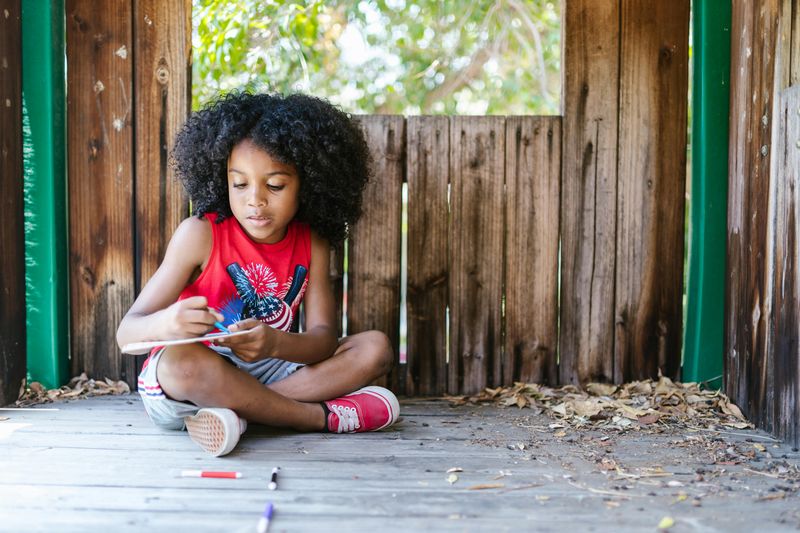
Did you know that many of history’s most influential trailblazers — from scientists to artists to entrepreneurs — were firstborns?
Independent thinking is a hallmark trait of oldest siblings, and it makes a lot of sense when you think about it.
Before younger siblings arrived, firstborns spent significant time alone with their thoughts, figuring things out without a built-in playmate.
That solo time cultivates creativity, self-reliance, and a strong personal perspective.
As an adult, you probably trust your own judgment, form opinions based on research rather than peer pressure, and feel comfortable going your own way.
That quiet confidence in your own thinking is genuinely one of your greatest strengths.
Comments
Loading…