
 Jade Reed
Growing up in a home or environment filled with conflict can leave a lasting mark on a child’s mind and heart. Whether it’s constant arguing, tension between family members, or ongoing stress, these experiences shape how kids see themselves and the world around them.
Many children carry these effects well into adulthood without even realizing where certain feelings or behaviors come from. Understanding these psychological effects is the first step toward healing and building healthier relationships.
1. Heightened Anxiety and Constant Worry

Imagine waking up every morning with a knot in your stomach, not knowing what kind of day it will be.
For kids who grow up around conflict, that feeling becomes their normal.
The brain learns to stay on high alert, always watching for signs of danger or tension.
Over time, this constant state of worry can turn into an anxiety disorder.
Simple things like a raised voice or a slammed door can trigger a strong fear response.
Everyday life starts to feel unpredictable and unsafe.
Learning relaxation techniques and talking to a trusted adult can help ease this anxiety over time.
2. Difficulty Trusting Others

Trust is built slowly, like stacking blocks one at a time.
But when conflict is a regular part of childhood, those blocks often get knocked down before they can stand tall.
Kids who witness frequent fighting or broken promises learn early that people can let them down.
As they grow older, forming close friendships or romantic relationships can feel risky and scary.
They may push people away before getting hurt, or test others constantly to see if they will stay.
Therapy and positive relationship experiences can slowly rebuild the ability to trust again, one small step at a time.
3. Low Self-Esteem and Self-Doubt

Here is something that surprises many people: children who grow up around conflict often blame themselves for the tension at home.
Even when the fighting has nothing to do with them, kids internalize the chaos and start to believe something is wrong with them.
This self-blame chips away at confidence and creates deep-rooted self-doubt.
Trying new things, speaking up in class, or making decisions can feel overwhelming when you do not believe in yourself.
Encouragement from caring adults, positive affirmations, and counseling can help rebuild a strong, healthy sense of self-worth over time.
4. Trouble Managing Emotions

Emotions are like weather patterns, and everyone needs tools to handle the storms.
Children raised in conflict-heavy environments often miss out on learning healthy emotional regulation because the adults around them model explosive or suppressed reactions instead.
As a result, these kids may swing between intense anger and complete emotional shutdown.
They either bottle everything up until they explode, or they feel so numb they cannot connect with feelings at all.
Practicing mindfulness, journaling, and working with a school counselor are excellent ways to develop the emotional skills that conflict-filled homes sometimes fail to teach.
5. Social Withdrawal and Isolation

Some kids respond to chaos at home by pulling away from the world around them.
When home life feels unpredictable and exhausting, socializing can seem like just one more thing that might go wrong.
Withdrawing feels safer than risking more conflict or rejection.
This isolation can follow a child into school, making it hard to form friendships or join group activities.
Teachers may notice a quiet, distant student who rarely raises their hand or participates.
Structured social activities, kind peer interactions, and supportive teachers can gently encourage withdrawn children to reconnect with others and feel less alone.
6. Increased Risk of Depression
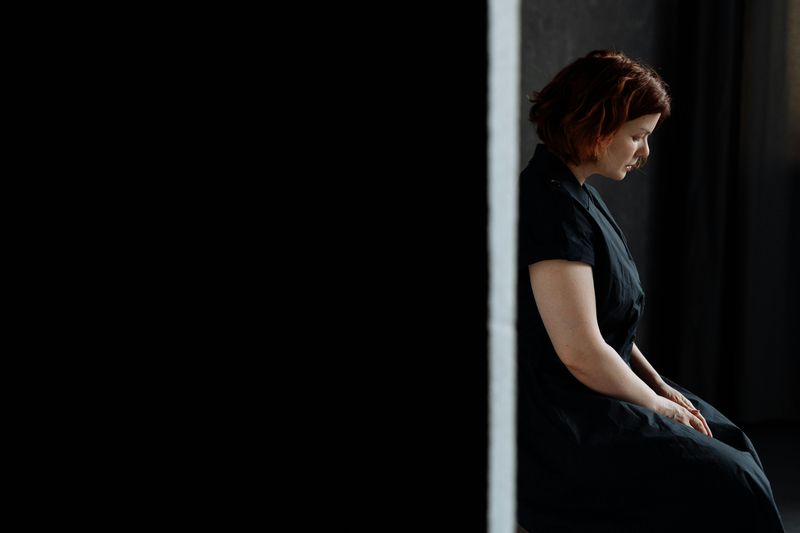
Growing up in a storm of conflict does not just create temporary sadness.
For many children, it plants the seeds of depression that can bloom during adolescence or adulthood.
Feeling helpless, hopeless, and unloved are common emotional experiences in conflict-heavy homes.
Depression can look different in kids than in adults.
Instead of looking sad, a depressed child might seem irritable, lose interest in hobbies, or struggle to get out of bed each morning.
Early mental health support, open conversations about feelings, and a stable, caring environment can make a powerful difference in a child’s emotional recovery and long-term wellbeing.
7. Repeating Conflict Patterns in Relationships

What we see, we often repeat, especially when we have seen it since childhood.
One of the most lasting effects of growing up around conflict is the tendency to recreate those same patterns in friendships, romantic relationships, and even at work later in life.
Without realizing it, a person may pick fights, avoid healthy disagreements, or feel drawn to chaotic relationships because that is what feels familiar.
Familiar does not always mean healthy, though.
Breaking the cycle is absolutely possible.
Therapy, self-awareness, and learning new communication skills help people choose healthier relationship patterns and build the peaceful connections they truly deserve.
Comments
Loading…