
 Harper Hall
Taylor Swift has been a household name for years, loved by millions of fans around the world.
Many parents once appreciated her wholesome image and catchy songs that seemed safe for kids to enjoy.
However, as Swift’s career has evolved, some parents have started to reconsider their support, noticing changes that don’t align with what they want for their families.
Mature Themes in Recent Music
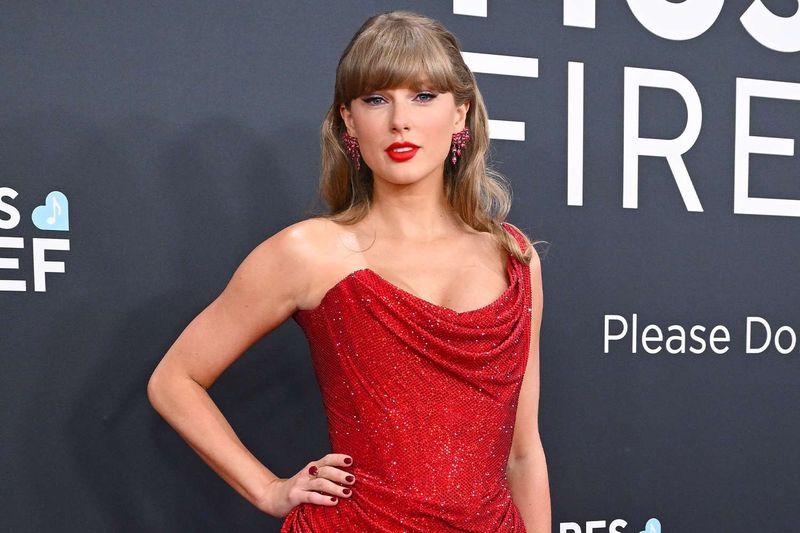
Swift’s newer albums explore complicated emotions and grown-up relationship drama that wasn’t present in her early country songs.
Albums like Red1989 and dive deep into heartbreak, intense feelings, and adult situations that many parents find too advanced for younger listeners.
Songs that once felt innocent now tackle themes of revenge, complicated romance, and emotional turmoil.
Parents who introduced their kids to Swift’s early work are now discovering lyrics they’d rather their children not hear yet.
The shift feels jarring for families who expected the same wholesome content they remembered.
Explicit Language in Re-Recorded Albums
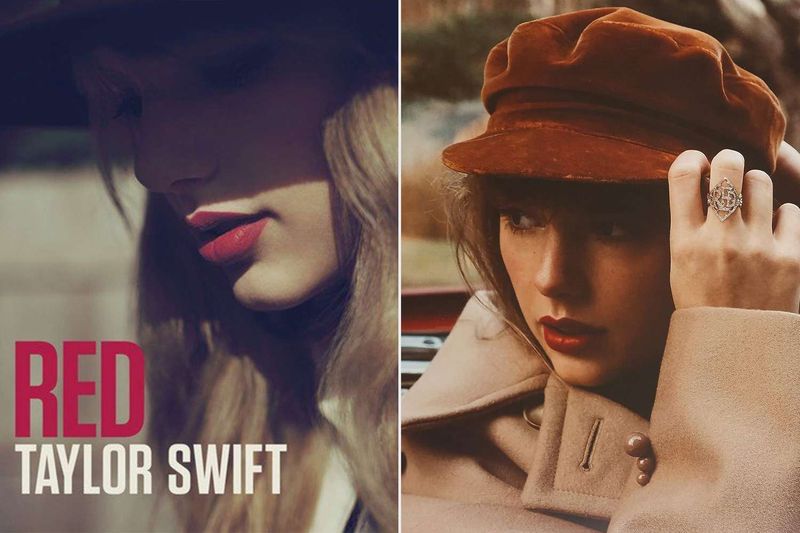
When Swift re-released RedTaylor’s Version as , fans noticed something different right away.
The new version included explicit language that wasn’t in the original recording, catching many parents off guard.
Words that were previously censored or absent now appeared freely throughout certain tracks.
Families who had been comfortable playing Swift’s music in the car suddenly found themselves scrambling for the skip button.
The addition of profanity felt unnecessary to some parents who valued her music specifically because it was clean.
This change made many reconsider whether Swift’s catalog still belonged on family playlists.
Adult-Oriented Imagery in Performances
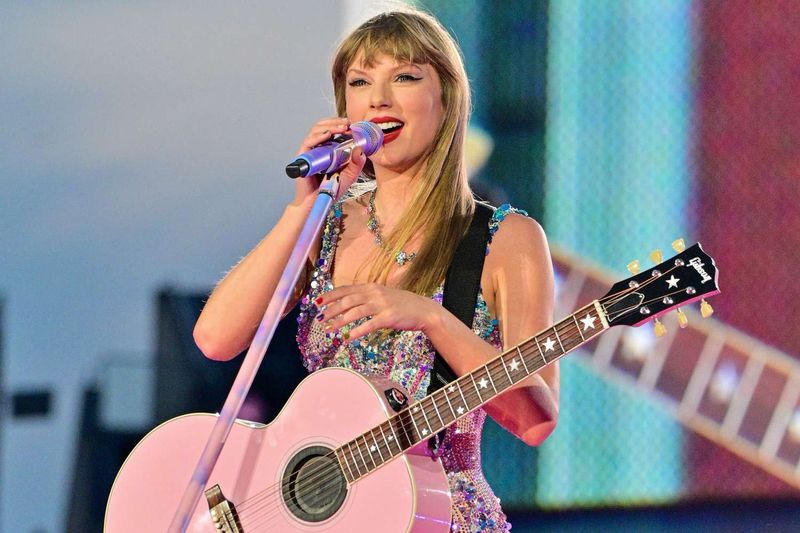
Swift’s early music videos featured her in sundresses, cowboy boots, and age-appropriate outfits that parents loved.
Fast forward to today, and her visual style has transformed dramatically.
Music videos and stage performances now feature provocative costumes, suggestive choreography, and adult-oriented imagery.
While Swift has every right to express herself artistically, the contrast bothers parents who remember her wholesome beginnings.
The shift from girl-next-door to glamorous pop star included visual choices some families find uncomfortable.
Parents worry about the messages these images send to impressionable young fans who idolize her every move.
Cultural Appropriation Concerns
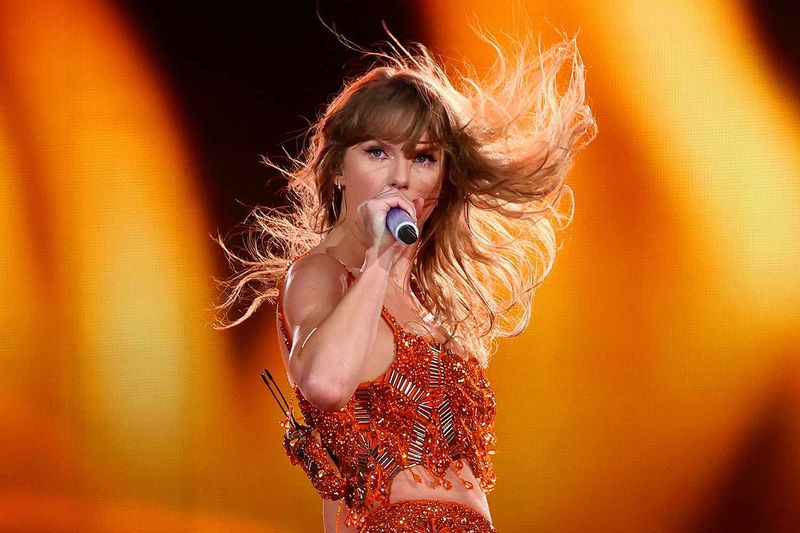
Critics have pointed out instances where Swift seemed to borrow from other cultures without proper understanding or respect.
Her use of certain fashion choices, music video aesthetics, and even the term “squad” raised eyebrows among those sensitive to cultural issues.
Some parents want their kids to learn about respecting different cultures, and these controversies created teachable moments they’d rather avoid.
While Swift may not have intended harm, the perception matters to families trying to raise culturally aware children.
Parents who value diversity and inclusion found themselves questioning whether Swift was the right role model anymore.
These concerns added up over time.
Perceived Self-Centered Focus
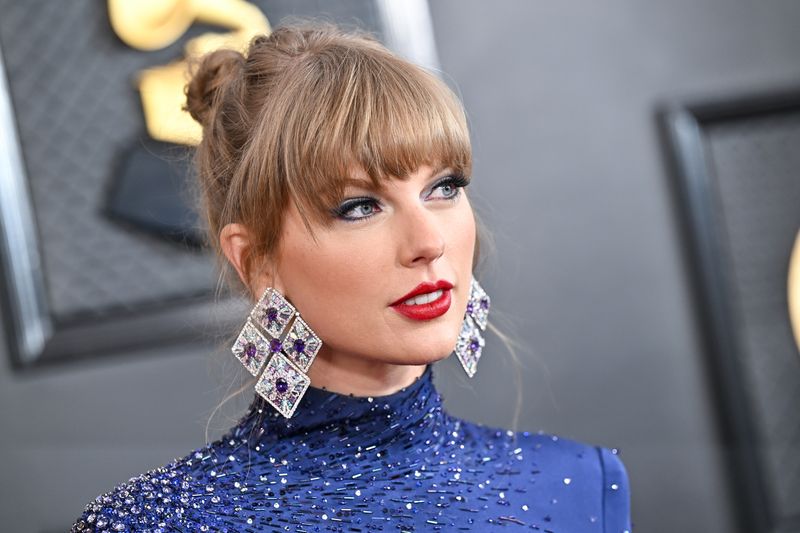
Swift built her career on deeply personal songwriting, but some parents now see her work as overly focused on her own drama.
Every breakup, feud, and personal slight seems to become an album, leading to criticism that she’s self-absorbed.
Songs about ex-boyfriends and celebrity conflicts dominate her recent releases.
Parents worry this teaches kids that everything revolves around personal grievances rather than looking outward with empathy.
The constant focus on Swift’s own experiences can feel exhausting and narcissistic to families seeking more positive messages.
They’d prefer role models who inspire kindness and community over endless self-reflection and score-settling.
Changing Fanbase Leaving Parents Behind
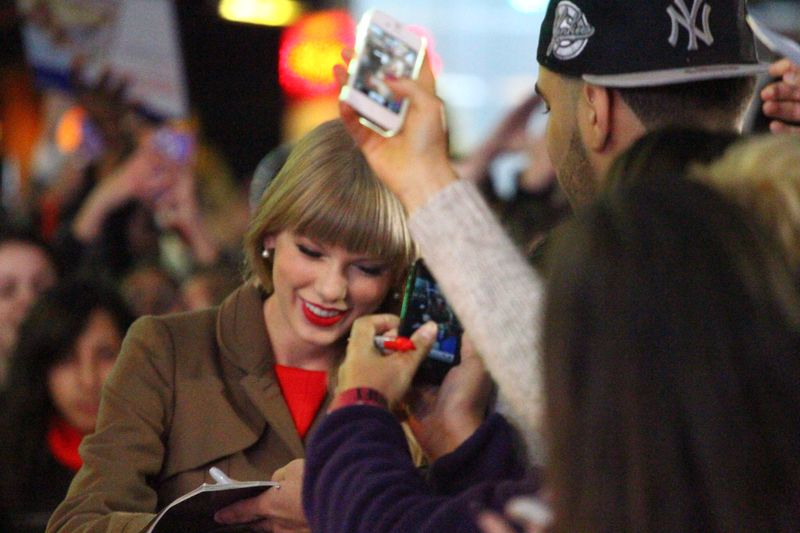
As Swift’s original fans grew up, so did the culture surrounding her music.
The fanbase evolved from tweens singing along to love songs into adults analyzing every lyric for hidden meanings and Easter eggs.
Parents who once enjoyed Swift alongside their kids now feel like outsiders looking in.
The intense fan community, with its inside jokes and obsessive following, can feel overwhelming and exclusionary.
Families who casually enjoyed her music find themselves unable to connect with the current Swiftie culture.
This generational shift creates distance, making parents question whether they still relate to what Swift represents today.
Comments
Loading…