
 Mila Ross
Music from the 1970s holds a special place in history that many believe has never been matched.
Back then, musicians played real instruments, wrote their own songs, and performed without computers fixing every mistake.
Today’s music sounds different because it relies heavily on technology and auto-tune, making many people wonder if true musical talent has disappeared.
Let’s explore why so many music lovers think the 70s represented the golden age of sound.
1. Real Instruments Created Authentic Sound

Back in the 70s, every note you heard came from someone’s hands actually touching an instrument.
Guitarists spent years mastering their craft, drummers developed calluses from practicing, and keyboard players knew music theory inside out.
There were no computer programs to fix mistakes or make things sound perfect.
Recording sessions required multiple takes until musicians got it right.
Bands played together in the same room, creating a natural energy that flowed through the music.
This human element gave songs warmth and character that machines simply cannot replicate today.
Modern music often uses digital samples and loops created on computers.
While technology offers convenience, it removes the soul that comes from human performance.
The imperfections in 70s recordings actually made them more relatable and emotionally powerful.
2. Songwriting Required Actual Creativity

Songwriters in the 70s couldn’t rely on formulas or computer algorithms to create hits.
They sat down with instruments and notebooks, crafting melodies and lyrics from pure imagination.
Artists like Carole King and Paul Simon spent countless hours perfecting every verse and chorus.
Songs told stories that connected with real human experiences.
The lyrics had depth, meaning, and poetry that made people think and feel.
Melodies were memorable because they were carefully composed, not randomly generated by software.
Today’s pop music often follows predictable patterns designed by marketing teams.
Many modern songs use the same four chords repeated endlessly.
The 70s proved that creativity and originality could still produce commercially successful music without sacrificing artistic integrity.
3. Vocal Talent Didn’t Need Auto-Tune
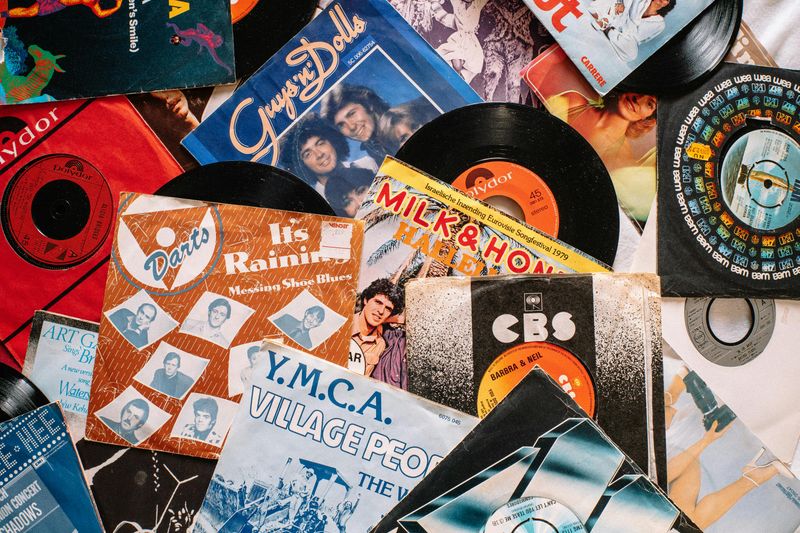
Singers in the 70s had to actually sing well because there was no technology to fix their voices.
Freddie Mercury, Stevie Wonder, and Aretha Franklin possessed natural talent that took years to develop.
Their vocal performances were raw, powerful, and completely authentic.
Recording a vocal track meant nailing the performance in real-time.
If a singer hit a wrong note, they had to record the entire section again.
This pushed artists to constantly improve their skills and deliver genuine emotion through their voices.
Auto-tune has become so common in modern music that many popular singers sound robotic.
The technology masks poor vocal ability and creates an artificial, processed sound.
Listening to 70s vocals reminds us what human singing is supposed to sound like when talent truly matters.
4. Album Artwork Was Genuine Art
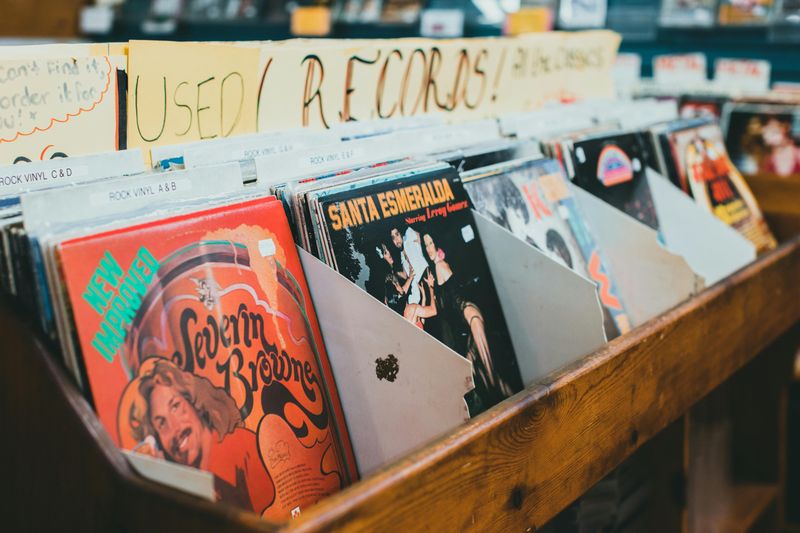
Opening a 70s album meant discovering a piece of visual art that complemented the music inside.
Artists like Roger Dean and Hipgnosis created elaborate paintings and photographs specifically for album covers.
These weren’t just marketing tools but artistic statements that added meaning to the listening experience.
Album covers told stories, conveyed moods, and sometimes contained hidden messages for fans to discover.
The large vinyl format gave artists space to create detailed, intricate designs.
Many people collected albums partly because the covers were so beautiful and creative.
Modern digital music often has tiny thumbnail images that barely register visually.
Even physical CDs offer limited space for artwork.
The 70s understood that music was a complete sensory experience, not just something to stream while scrolling through your phone.
5. Live Performances Showcased Real Skill

Concerts in the 70s were pure demonstrations of musical ability without any safety nets.
Bands played their instruments live without backing tracks or pre-recorded sounds.
What you heard at a concert was exactly what the musicians created in that moment, mistakes and all.
Artists like Led Zeppelin and Pink Floyd delivered performances that sometimes lasted three hours or more.
They improvised, extended songs, and interacted with audiences in spontaneous ways.
Every concert was unique because it depended entirely on human performance.
Many modern concerts use backing tracks, lip-syncing, and computer assistance to ensure perfection.
While this creates consistency, it removes the excitement and authenticity of live music.
The 70s proved that audiences valued genuine talent over manufactured perfection.
6. Music Diversity Reached Its Peak
The 70s exploded with musical variety that appealed to every possible taste.
Rock split into dozens of subgenres, disco dominated dance floors, punk rebelled against everything, and soul music reached new heights.
All these styles coexisted and influenced each other in creative ways.
Radio stations played diverse playlists instead of focusing on one narrow format.
You might hear Led Zeppelin followed by Donna Summer followed by Bob Marley.
This exposure to different styles educated listeners and encouraged musical experimentation.
Today’s music industry often feels homogenized, with similar-sounding songs dominating the charts.
Streaming algorithms keep people in bubbles of familiar sounds.
The 70s celebrated musical diversity and proved that different genres could all thrive simultaneously without competing for the same audience.
7. Studio Innovation Changed Recording Forever
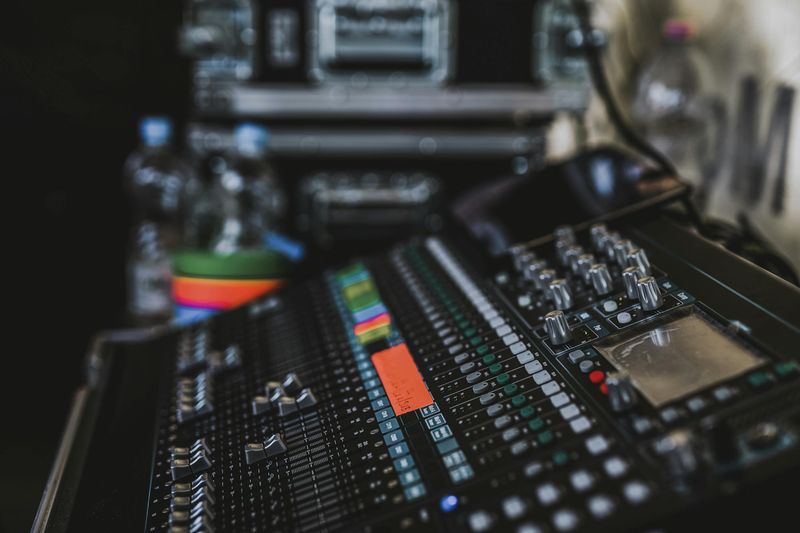
Recording technology in the 70s required engineers to be creative problem-solvers and technical wizards.
Studios used analog tape machines, mixing consoles with hundreds of knobs, and experimental techniques to create unique sounds.
Engineers like Alan Parsons became famous for their innovative approaches to recording.
Creating effects like reverb or delay required physical equipment and careful setup.
Producers spent days experimenting with microphone placement and room acoustics.
This hands-on approach resulted in recordings that had character and warmth that digital technology struggles to replicate.
Modern recording often happens on laptops with software that offers unlimited tracks and instant effects.
While convenient, this can lead to over-produced music that lacks the organic quality of 70s recordings.
The limitations of vintage technology actually forced more creativity.
8. Musicians Developed Through Years of Practice
Becoming a successful musician in the 70s required dedication that most modern artists never experience.
Bands practiced for years in garages and small clubs before anyone noticed them.
They learned their craft through repetition, failure, and gradual improvement rather than instant fame from viral videos.
Musicians studied their influences, took lessons, and developed distinctive styles over time.
There were no shortcuts to success, and talent competitions didn’t create overnight stars.
This long journey created artists with depth, experience, and genuine musical knowledge.
Today’s music industry often prioritizes image and social media presence over actual musical ability.
Reality shows create celebrities who haven’t earned their skills through years of practice.
The 70s reminder us that true artistry requires time, effort, and unwavering commitment to the craft.
Comments
Loading…