
 Harper Hall
The first M3GAN didn’t just perform well—it became a full-on pop-culture moment.
Between the eerie-but-funny tone, the meme-ready marketing, and the low-budget “you have to see this” buzz, it felt like the kind of theatrical surprise people love to brag about catching early.
That’s what made the sequel’s box office stumble so noticeable.
M3GAN 2.0 arrived with name recognition, a built-in fanbase, and the promise of bigger stakes, yet audiences didn’t show up in the same way, and the drop-off happened quickly.
Box office flops rarely come down to one problem, though.
More often, it’s a stack of missteps that turns a guaranteed win into a “maybe I’ll stream it later” situation.
Here are seven reasons the sequel couldn’t recreate the first film’s lightning-in-a-bottle success.
1. The reviews weren’t strong enough to create urgency
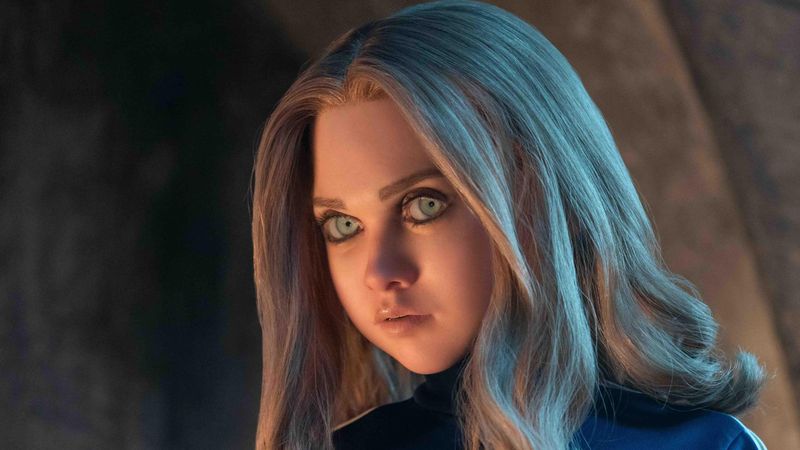
Word-of-mouth can make or break a sequel, especially when the original rode a wave of surprise enthusiasm.
In this case, the critical conversation around M3GAN 2.0 never reached the level that pushes people to buy a ticket immediately.
When reviews feel mixed, potential viewers start doing mental math: Do I need to see it opening weekend, or can I wait until it hits streaming?
That hesitation is deadly for a movie that needs momentum early, because a softer debut usually leads to fewer premium showtimes and faster theater drop-offs.
The first M3GAN benefitted from a “trust us, it’s fun” narrative that spread quickly, but the sequel’s reception made the movie sound like a lesser version of something people already watched.
Once the hype becomes optional, so does the trip to the theater.
2. Universal moved it into a brutal summer corridor
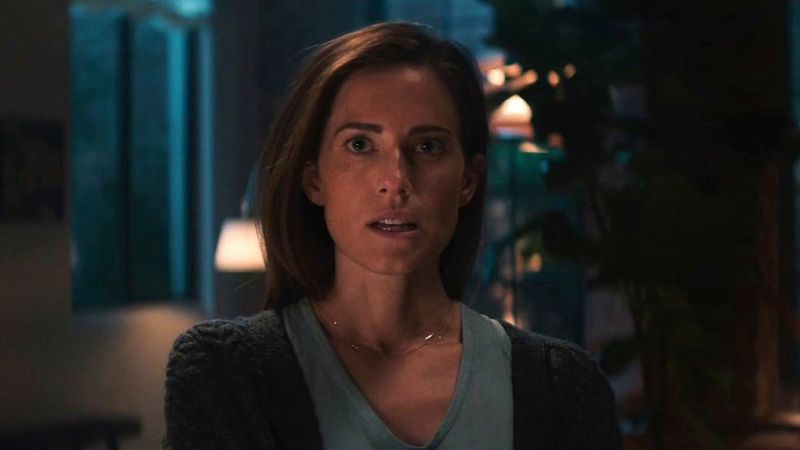
A big part of the original film’s success was how clean the runway felt.
It came out when audiences were hungry for something new, and it didn’t have to compete with several giant attention-hogs at the same time.
By contrast, M3GAN 2.0 landed in a summer corridor where the marketing noise is constant and people have limited weekends to spend money on movies.
When viewers are choosing between a sequel they’re mildly curious about and a blockbuster that feels like an “event,” the blockbuster usually wins.
Summer also tends to amplify expectations, because studios and audiences alike treat it like prime time.
If a movie doesn’t explode immediately, it starts feeling like yesterday’s news within days, which is exactly the kind of environment that punishes a mid-level hit trying to become a franchise.
3. It opened way lower than expected—and never recovered
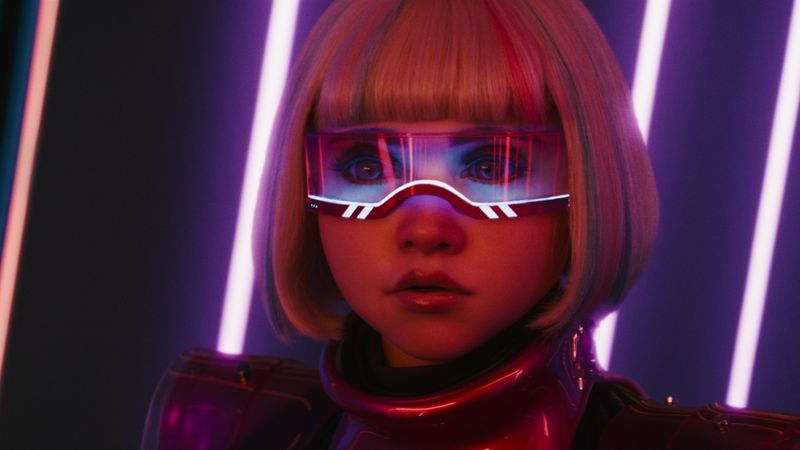
Box office narratives form fast, and once a movie is labeled a disappointment, the label becomes part of the marketing whether the studio wants it or not.
M3GAN 2.0 didn’t come out of the gate with the kind of opening that creates a “you have to catch up” rush, and that meant it never got the chance to build real momentum.
A smaller debut often leads theaters to cut showtimes earlier, which limits casual walk-up audiences and reduces the movie’s visibility.
That creates a cycle where fewer people see it, fewer people talk about it, and even fewer people feel urgency to go.
Sequels especially need a strong start because the audience is already aware of the concept, so curiosity alone isn’t enough.
Without a robust first weekend, the movie had little room to prove itself, and it slipped out of the conversation quickly.
4. They changed the movie’s “identity” (horror → action/sci-fi)
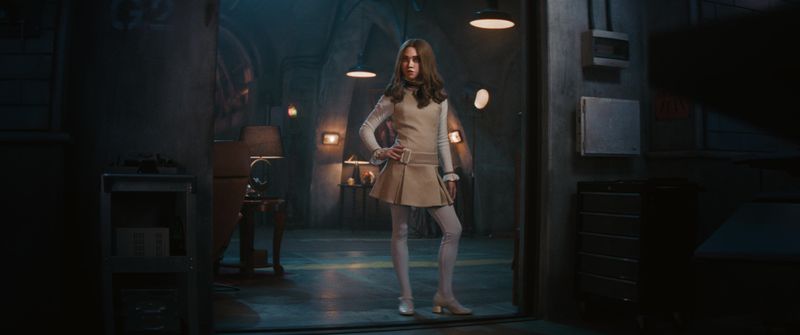
Audiences usually return to a sequel expecting the same emotional meal they liked the first time.
The original M3GAN hit a sweet spot between horror, comedy, and camp, and people knew exactly what kind of fun they were signing up for.
With M3GAN 2.0, the vibe reportedly leaned more toward action and sci-fi escalation, which may sound exciting on paper but can confuse the very viewers who showed up for killer-doll horror.
When a franchise pivots, marketing becomes trickier because the pitch stops being simple.
Is it scary, funny, or more like a futuristic thriller?
If the audience can’t instantly picture the experience, they don’t feel confident spending money on it.
Even fans who enjoyed the first movie might hesitate if the sequel looks like it’s chasing a different crowd, which leaves the film stranded between audiences rather than embraced by one.
5. The franchise’s viral lightning didn’t strike twice
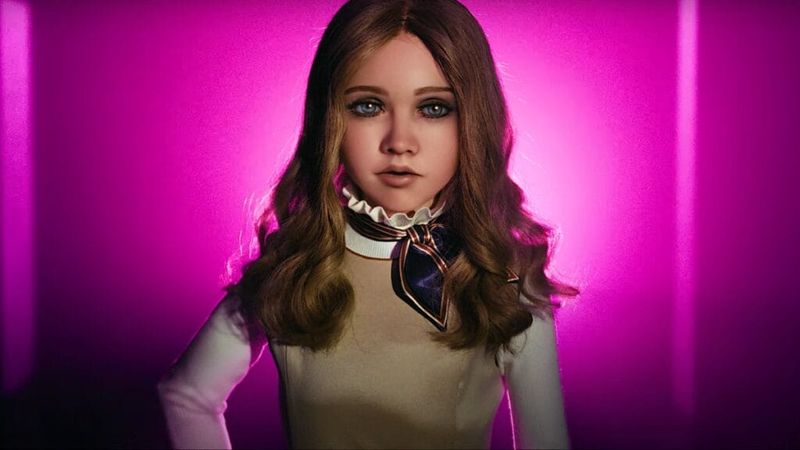
The first movie benefited from a kind of internet magic studios try to manufacture but rarely can.
One scene became a meme, the character became a Halloween-ready icon, and the marketing felt like it was participating in the joke rather than pushing a product.
That created free promotion and gave people social proof that seeing the movie was part of the moment.
Sequels don’t automatically get that same energy, because audiences sense when the “viral” vibe is being repeated on purpose.
If people feel like they’re being instructed to treat something as iconic, they’re less likely to do it.
M3GAN 2.0 may have had plenty of marketing, but without a fresh hook that felt genuinely spontaneous, the conversation didn’t erupt in the same way.
When the meme machine stays quiet, a mid-budget theatrical release suddenly has to earn every ticket the hard way.
6. Overconfidence led to too many “big swings” at once
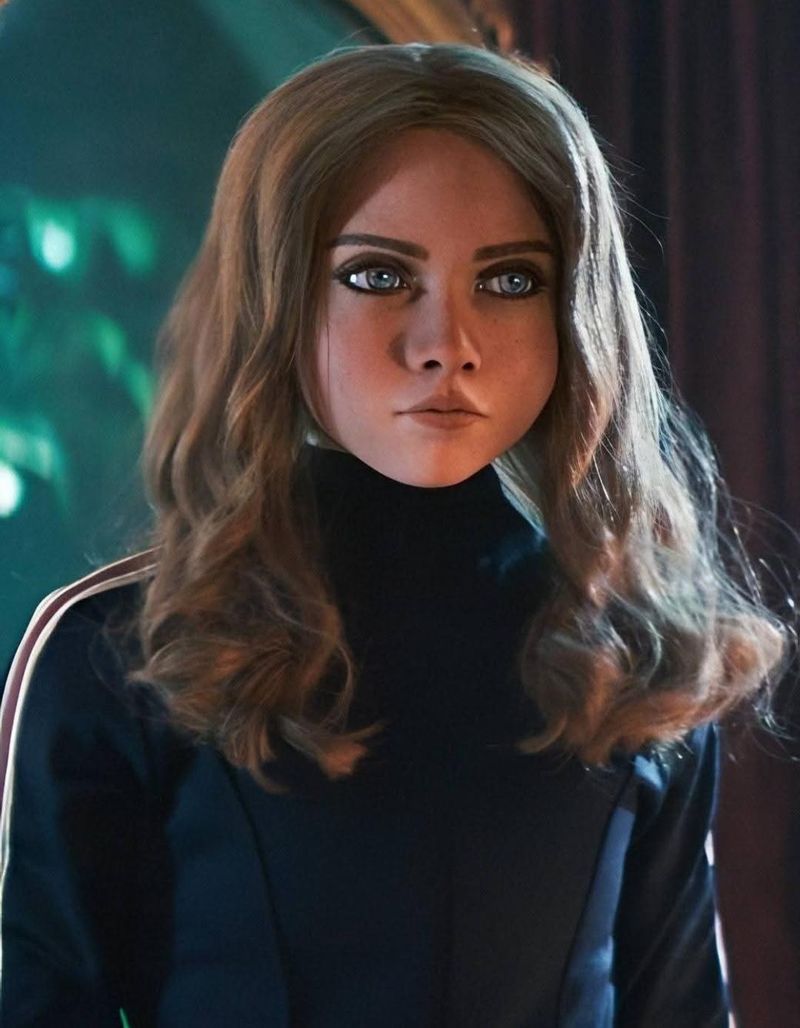
One adjustment can refresh a franchise, but stacking multiple major shifts is risky because it changes what audiences think they’re buying.
With M3GAN 2.0, it wasn’t just the story continuing; it also seemed to involve a new tone, a different scale, and a release strategy that didn’t mirror what worked before.
That’s a lot of change for a brand that was still young and mostly remembered for its specific flavor of weird fun.
When viewers sense overconfidence—like the sequel is assuming you’ll show up no matter what—they become pickier.
People also tend to be less forgiving with follow-ups, because they’re comparing every choice to the first movie’s strengths.
If the sequel looks like it’s trying to be bigger instead of sharper, audiences read it as a warning sign.
In a crowded market, “maybe” is basically “no,” and too much reinvention can create that hesitation.
7. A fast path to at-home viewing trained people to wait
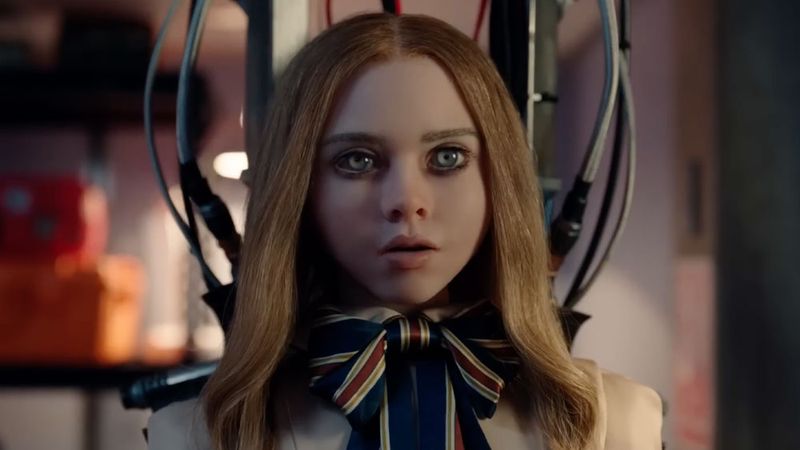
Even when audiences like a movie, they don’t always feel the need to see it in a theater anymore, and that trend hits sequels especially hard.
Many viewers have been trained to assume that most releases will be on VOD or streaming quickly, so unless a film feels like a can’t-miss event, they wait.
Once M3GAN 2.0 started underperforming, the path to at-home viewing likely felt even more inevitable, which encourages people to hold off rather than rush out.
That choice becomes contagious, because if your friends aren’t going opening weekend, there’s less social pressure to join in.
The first film had novelty working in its favor, but the sequel didn’t have the same “you won’t believe this” urgency.
When the default option is staying in, a theatrical run needs extra fuel, and this one didn’t get enough.
Comments
Loading…