
 Chloe Peterson
Unpopular Opinion: These 15 Music Legends From the ’70s Are Seriously Overrated
The 1970s gave us some of the most iconic musicians and bands of all time—the kind of names that get treated like they’re beyond criticism.
But here’s the thing: “legendary” doesn’t always mean “actually that good,” and popularity can inflate a reputation until it becomes almost automatic.
Sometimes an artist is praised because they were everywhere.
Sometimes the myth, the fashion, the drama, or the cultural moment becomes bigger than the music itself.
This list isn’t about calling anyone untalented—most of these artists earned their success.
It’s about the gap between the hype and the replay value, and the way nostalgia can turn solid careers into untouchable greatness.
So consider this a fun, slightly spicy reality check: 15 beloved 1970s music legends who might be more overrated than we’re willing to admit.
1. The Eagles
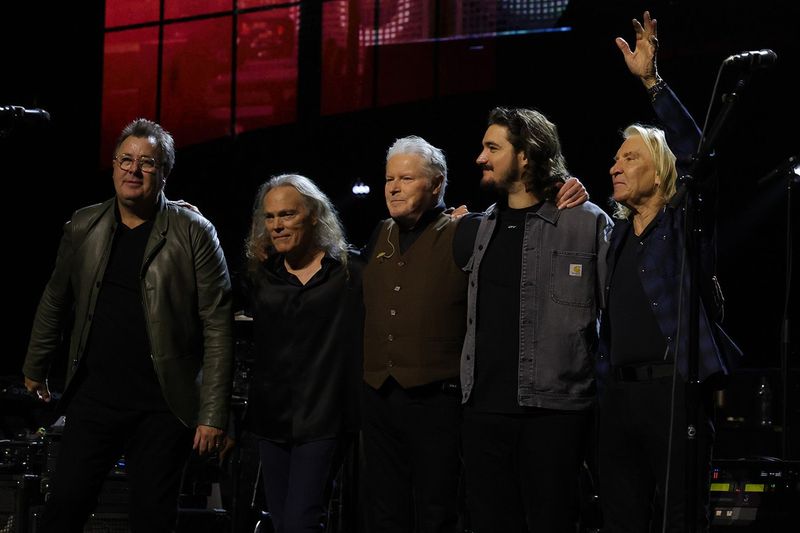
The Eagles are the definition of “so popular it became inevitable.”
In the 1970s, they perfected a smooth, radio-friendly blend of rock and country that sounded expensive, polished, and built for mass appeal.
That’s also why some people call them overrated: the music can feel less like a band taking risks and more like a brand delivering a product.
Their greatest hits are everywhere—at grocery stores, on classic rock stations, in movie soundtracks—so the songs can start to feel like background noise rather than something you choose.
Even their fans admit the perfection can read as sterile.
None of this erases their talent or songwriting chops, but it does explain why the “greatest American band” label rubs some listeners the wrong way.
2. Fleetwood Mac (Rumours era)
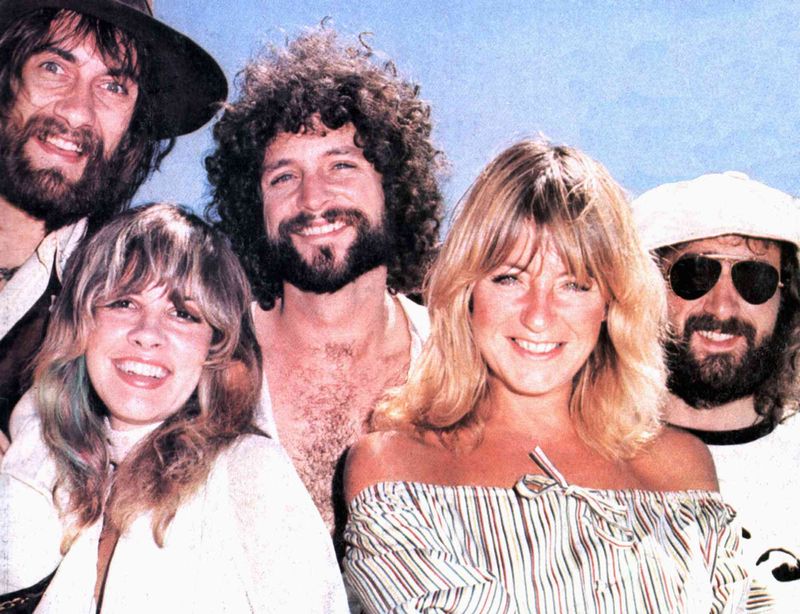
Fleetwood Mac’s 1970s peak is practically a cultural monument.
The songs are tight, the harmonies are addictive, and the drama behind the scenes has become as famous as the music itself.
That’s exactly what makes the band a perfect “overrated legend” entry: it’s hard to separate the album from the mythology.
For some listeners, the endless retelling of the love-triangle chaos inflates the music into something “beyond critique,” even when the sound is more clean and safe than revolutionary.
A lot of their ’70s work is undeniably strong—but the way it’s treated like a sacred text can be exhausting.
When an album becomes everyone’s go-to “best ever,” there’s bound to be backlash.
Fleetwood Mac didn’t just dominate the decade—they also became a story people love to worship.
3. Led Zeppelin
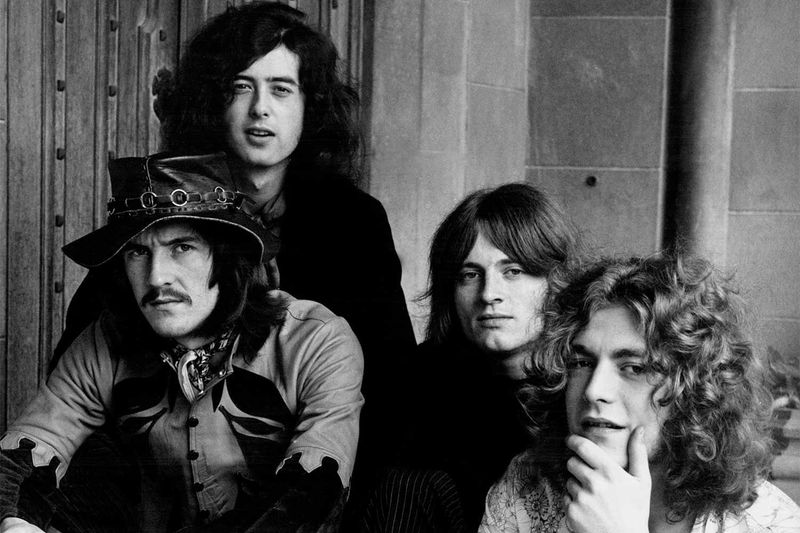
Led Zeppelin are one of the most influential rock bands ever—and that’s exactly why people argue about how overrated they are.
Their sound shaped generations of hard rock and metal, but the “untouchable” reputation often ignores the uneven parts: lyrics that can feel sloppy, songs that sprawl longer than they need to, and the frequent recycling of blues foundations that weren’t always credited fairly.
To some listeners, the band’s greatness is real, but the pedestal is too high.
Not every track is genius; not every solo needs to be a marathon.
Zeppelin were incredible at building a myth—mystique, volume, swagger, and aura—and the myth sometimes becomes bigger than the actual listening experience.
They’re legends, no question.
The controversy is whether they’re always as flawless as the legend suggests.
4. Rod Stewart
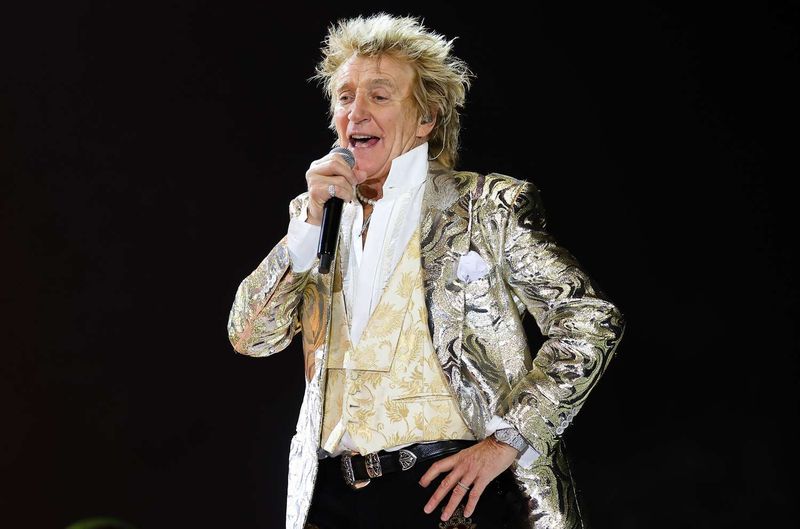
Rod Stewart’s voice is one of those unmistakable 1970s signatures: raspy, charming, and instantly recognizable.
But that’s also why he gets tagged as overrated—because the legend often rests more on the voice and vibe than on a consistently strong album run.
His best songs are classics, yet many listeners struggle to name deep cuts they truly love.
Stewart’s career also sits in a weird space where he’s praised as a rock icon, a pop star, and a heartthrob, which can inflate the brand beyond what the music alone might earn.
When an artist becomes a personality as much as a performer, the myth grows fast.
Rod deserves credit for charisma and longevity, but the “all-time great” talk sometimes ignores how uneven the decade-to-decade output could be—even during his peak years.
5. KISS
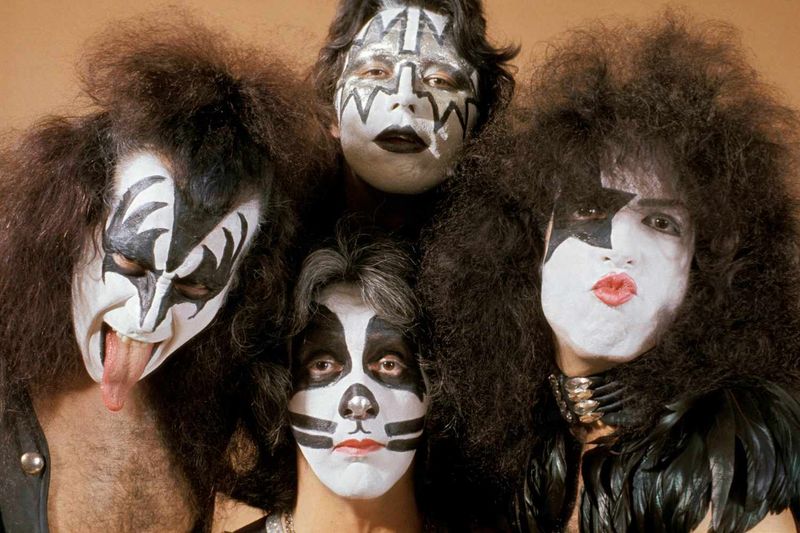
KISS might be the easiest “overrated” pick because the argument basically writes itself: the image was always the headline.
The makeup, the fire, the theatrics, the merch empire—KISS didn’t just sell music, they sold a lifestyle.
And if you love them, that’s the point.
But if you’re judging purely on songwriting and musicianship, the legend can feel inflated.
Plenty of fans will admit the studio albums are hit-or-miss, and that the band’s greatness is strongest in the live experience and cultural impact.
KISS mastered the art of being larger than life, which is why they remain famous even among people who can only name a couple songs.
That’s not nothing—it’s genius marketing.
Still, it’s fair to ask whether the band is remembered as musical legends…or as branding legends who happened to make some great anthems.
6. Bee Gees
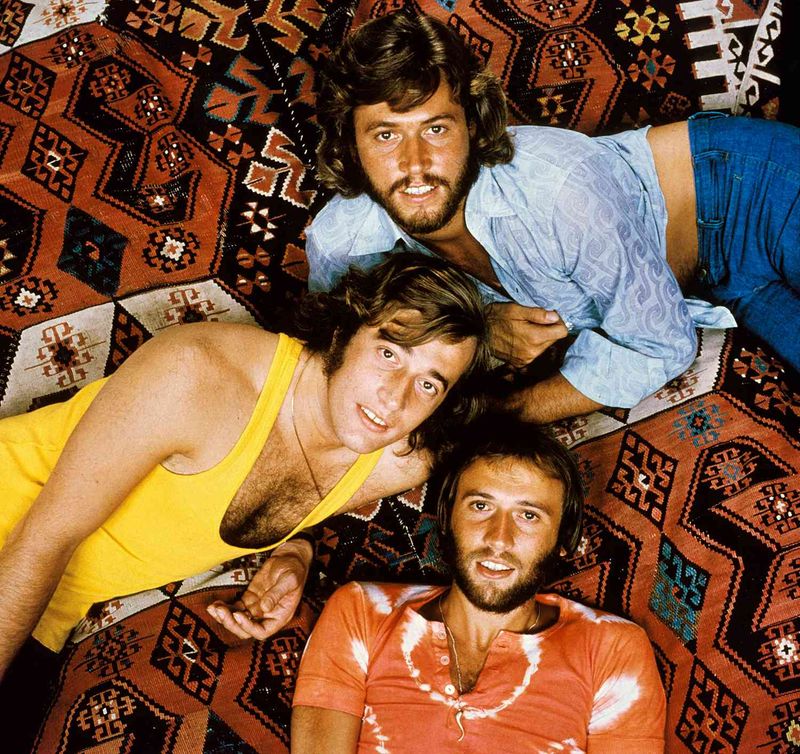
The Bee Gees are a textbook case of “overrated because they were too successful.” In the late 1970s, they didn’t just have hits—they had an entire cultural takeover.
That level of dominance turns admiration into fatigue fast.
Even people who respect their harmonies and songwriting can admit that the disco-era sound can blur together if you aren’t fully in the mood for it.
The backlash against disco also unfairly turned the Bee Gees into a symbol of everything people wanted to reject, which made the debate even louder.
What makes them ideal for this list is the gap between talent and saturation: they were genuinely skilled, but overexposure can make even great music feel like a joke you’ve heard too many times.
Their legacy is massive.
The question is whether the constant praise reflects deep love…or just how unavoidable they were.
7. Elton John
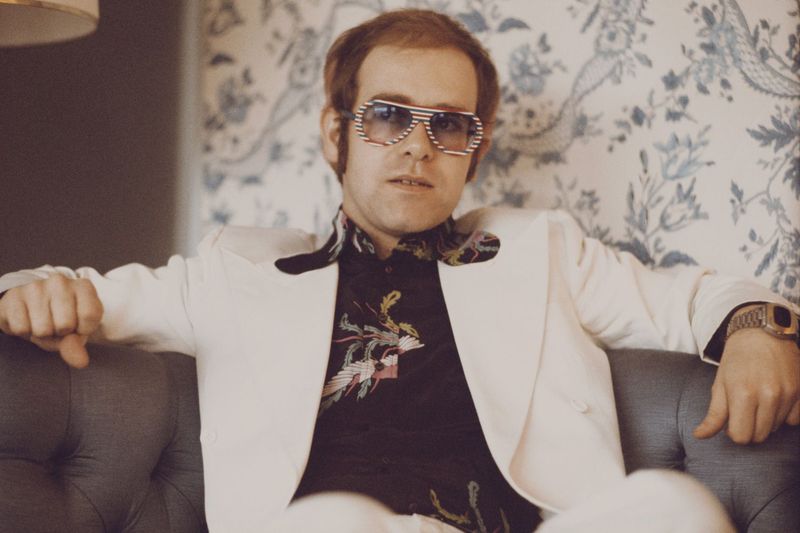
Elton John’s 1970s run is a hit factory—so many classics that it’s easy to forget how much output he had in a short time.
That’s also where the “overrated” argument comes in: when an artist releases constantly and dominates the radio, the highs are unforgettable, but the catalog can feel bloated.
Elton’s best songs are genuinely great, yet the sheer volume of well-known singles can make the legend feel bigger than the albums behind them.
Some listeners also argue that the stage persona and spectacle do a lot of the work, meaning the music gets credited for the full “Elton experience.”
Still, there’s no denying the songwriting partnership, the melodic instincts, and the vocal presence.
The question isn’t whether he was talented—it’s whether the hype sometimes smooths over the inconsistency.
8. The Who
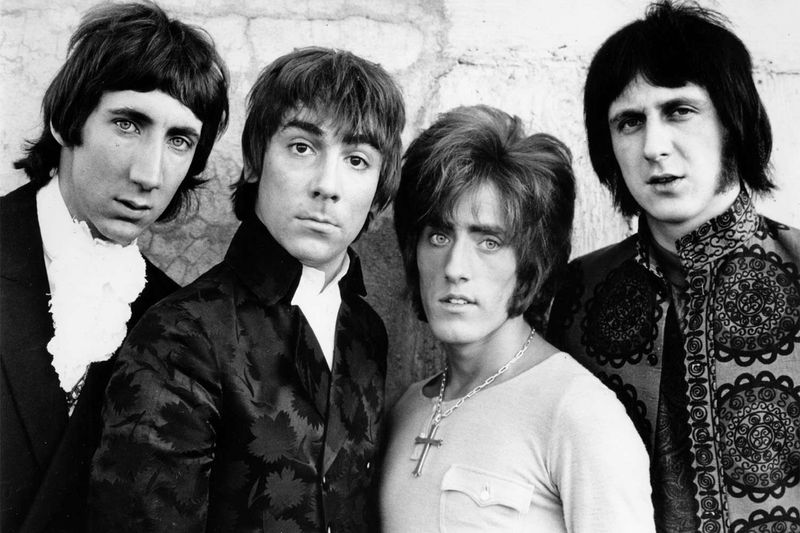
The Who are often treated like one of rock’s most essential bands, and in many ways they are.
But by the 1970s, their reputation sometimes leaned more on history and live mythology than on consistently beloved new material.
A lot of casual listeners know the band’s legend—explosive shows, smashed guitars, huge cultural presence—more than they know the full catalog.
That’s why the “overrated” argument sticks: the band’s story can feel larger than the actual listening experience for someone exploring them today.
Some tracks are undeniable classics, but the albums can be uneven, and the grand, serious rock-opera ambition isn’t for everyone.
When a band is praised as foundational, people can feel like they’re supposed to love them.
The Who earned their place, but the pedestal can make them feel less like a band and more like homework.
9. Queen
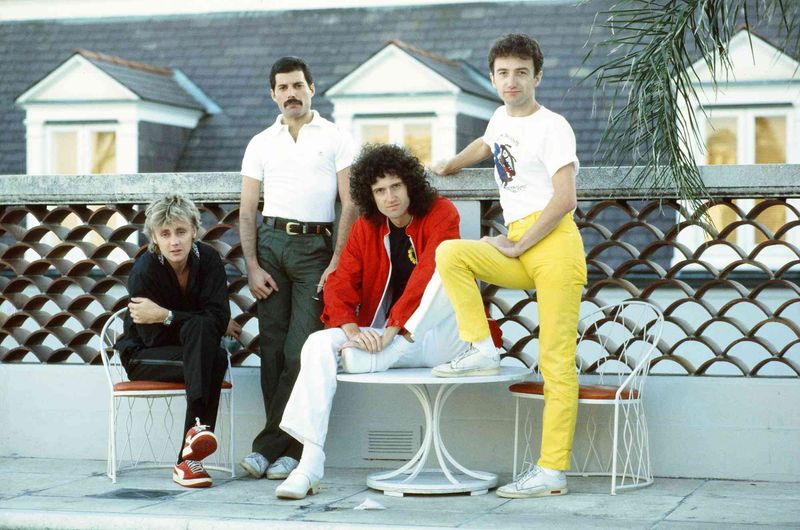
Queen is a band people adore loudly—sometimes so loudly that the music can become impossible to judge normally.
Their 1970s work is full of ambitious arrangements, big vocals, and stadium-sized drama.
But for critics, that’s also the problem: the theatrical style can feel like “too much” if you prefer rawness or simplicity.
Queen’s biggest songs are so iconic that they can overshadow everything else, turning the band into a greatest-hits caricature.
You’ve heard the anthems at sports games, commercials, and celebrations so often that it can start to feel like the music isn’t yours anymore—it’s public property.
That overexposure fuels the “overrated” label, even when the talent is obvious.
Queen were brilliant entertainers.
The debate is whether their legend is built on genuine musical depth across the catalog—or on a handful of immortal crowd-pleasers.
10. David Bowie
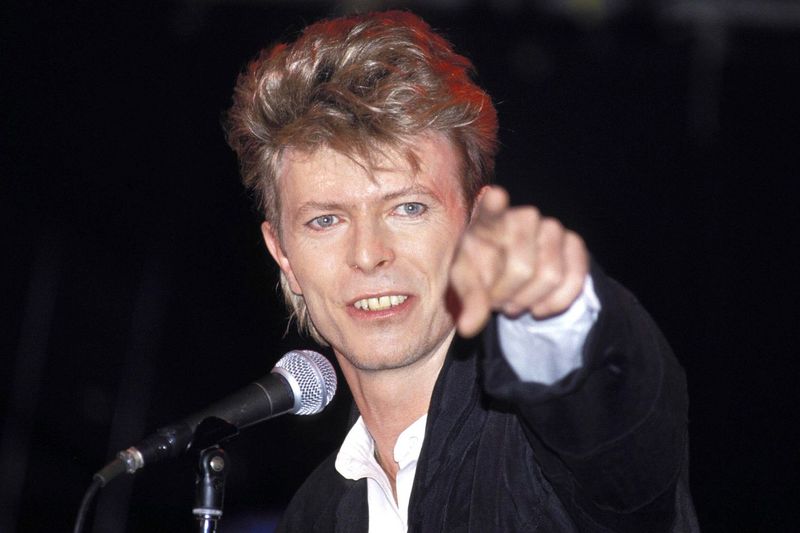
Bowie is often seen as beyond criticism, which is exactly why some people call him overrated.
His 1970s output is packed with reinvention—glam, art rock, Berlin-era experimentation—and the cultural influence is enormous.
But influence and enjoyment aren’t always the same thing.
Some listeners argue the mythology of Bowie (the personas, the fashion, the “visionary” label) does as much work as the songs themselves.
Not every album is immediately accessible, and sometimes the praise assumes that “challenging” automatically equals “great.”
Bowie absolutely changed pop culture, but if you’re judging purely by replay value, you might find yourself respecting him more than you actually listen to him.
That tension makes him a perfect fit for this topic: he’s a legend who shaped the decade’s aesthetics, yet his reputation can feel so sacred that people hesitate to admit they don’t connect with the music.
11. Bob Dylan
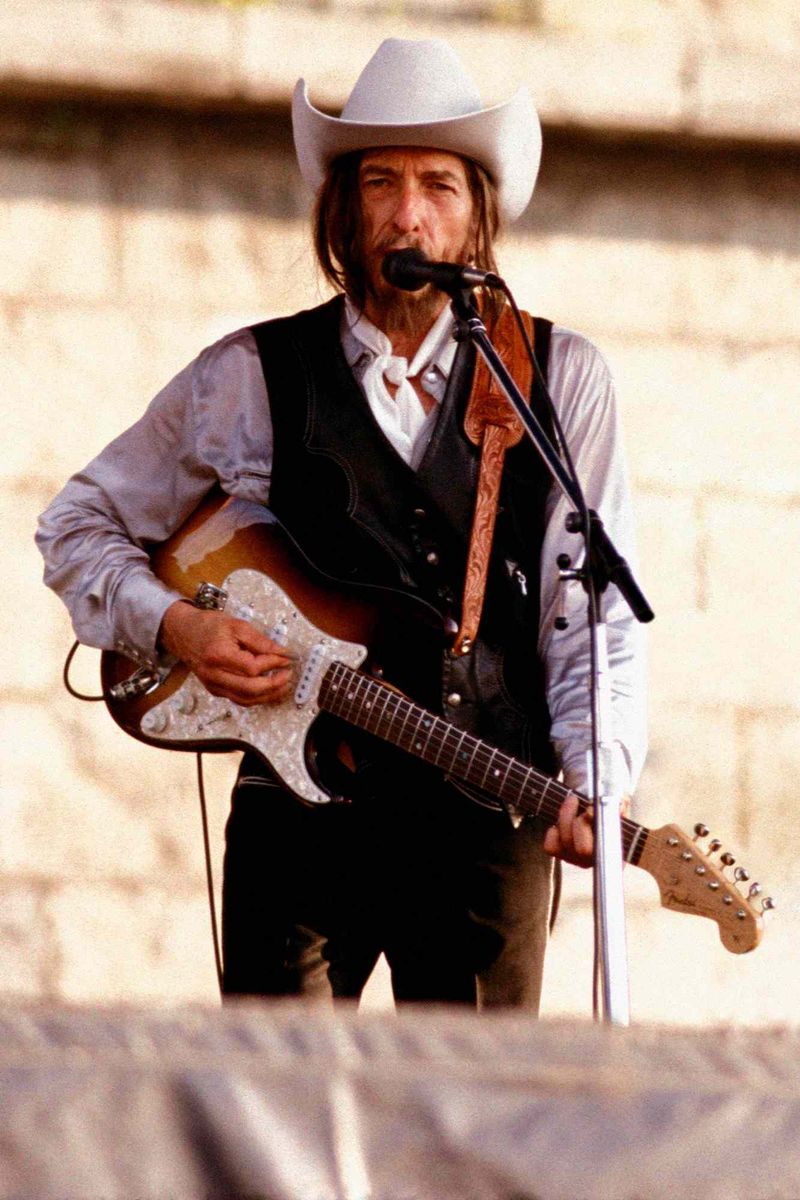
His name carries so much historical weight that it can swallow the actual conversation about the 1970s.
By that decade, Dylan was already “Dylan”—the symbol, the genius, the voice of a generation—so nearly anything he released could be treated like an important event.
That’s where the overrated argument comes in.
Some listeners feel the ’70s output is respected more because of who he is than because the songs are universally loved.
The vocals can be a barrier, the records can be inconsistent, and the experience can feel more intellectual than enjoyable.
Dylan undeniably influenced songwriting forever, but influence doesn’t automatically mean every era is peak-era.
If you’re approaching him fresh, the hype can set impossible expectations.
The end result is a weird dynamic: people feel like they should love Dylan, even if they rarely choose him for fun listening.
12. Eric Clapton
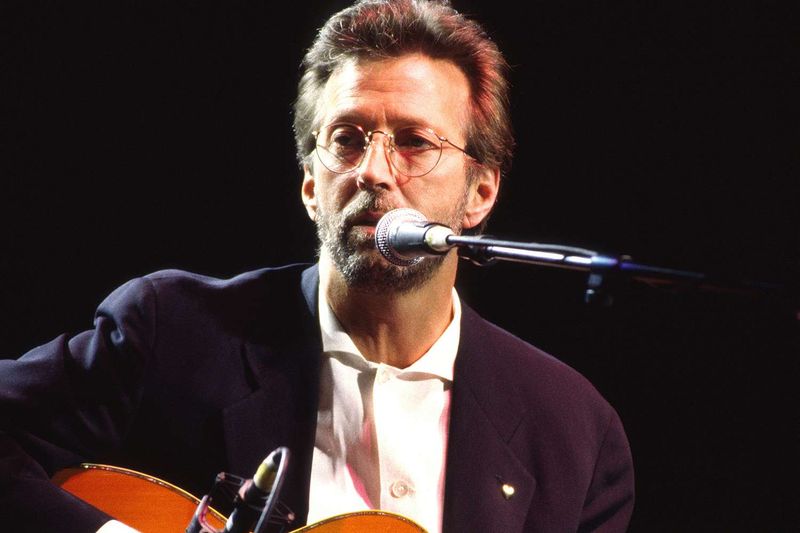
The “guitar god” reputation has been repeated so often that it’s almost become a reflex.
He’s absolutely skilled, but that title can feel inflated when you compare him to other 1970s players who took bigger creative risks.
A common criticism is that much of Clapton’s celebrated work is comfortable—smooth blues, tasteful solos, safe structures—rather than groundbreaking.
He’s the kind of musician people respect, but not always one they’re excited by.
The legend also benefits from being easy to market: the “serious musician” archetype, the classic tone, the instantly recognizable name.
None of that is fake, but it does contribute to the sense that the hype can exceed the thrill.
If your definition of greatness is innovation and unpredictability, Clapton can feel overrated.
If your definition is consistency and craft, he’s properly rated.
That split is what makes him debate-worthy.
13. Stevie Wonder
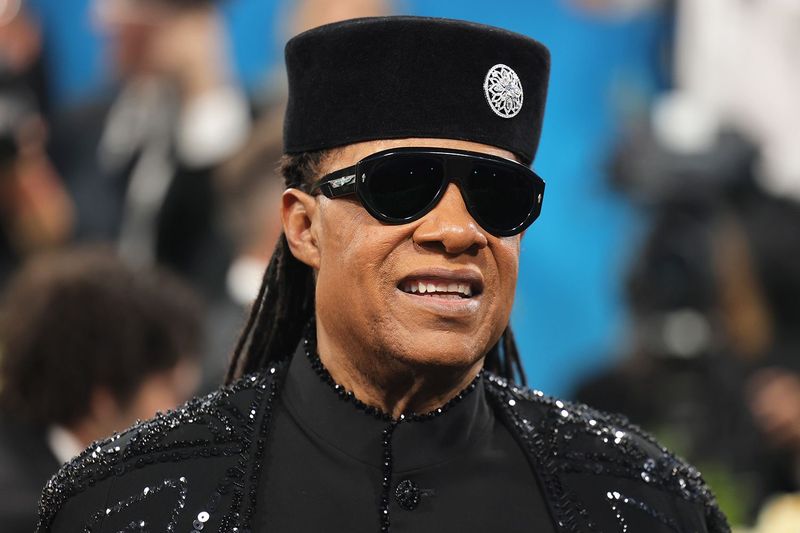
Stevie Wonder is one of those artists whose name is treated like a mic drop—say it, and the conversation is basically over.
And that’s exactly why he fits an “overrated” list in a very specific way: not because he lacked talent (he didn’t), but because his reputation has become so universally agreed upon that it can feel impossible to discuss him honestly.
His 1970s run is routinely described as flawless, genius-level work from start to finish, and that kind of consensus can turn admiration into mythology.
For some listeners, the music is respected more than it’s replayed.
The arrangements can be dense, the albums can feel like “sit down and pay attention” listening, and the praise sometimes assumes everyone connects to it the same way.
Stevie’s influence is real, but the pedestal is towering—so towering that even mild critique sounds like heresy.
That’s the overrated dynamic: when an artist becomes beyond debate, the hype starts to outgrow the human experience of simply liking (or not liking) the songs.
14. Aerosmith
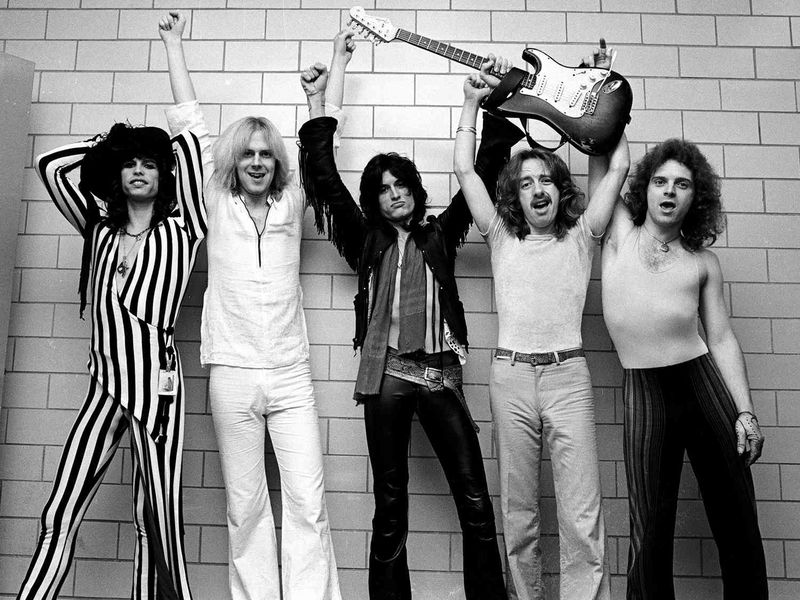
Aerosmith’s 1970s reputation is built on swagger: gritty vocals, bluesy riffs, and that dangerous, messy rock-star energy.
But messy is also why they get labeled overrated.
Even fans admit the quality control wasn’t always there, and some of the band’s legend is tied to lifestyle as much as music.
The myth says Aerosmith were the ultimate American rock band; the reality is a catalog with major highs and plenty of “eh” in between.
Their most famous songs are massive, but outside the core hits, the deep cuts can feel like variations on a theme.
That’s not unusual for the era, but it matters when the band is talked about like untouchable royalty.
Aerosmith absolutely influenced hard rock and later glam metal, yet the argument remains: are they truly a top-tier band…or just the best at looking and sounding like rock stars when it mattered most?
15. Pink Floyd
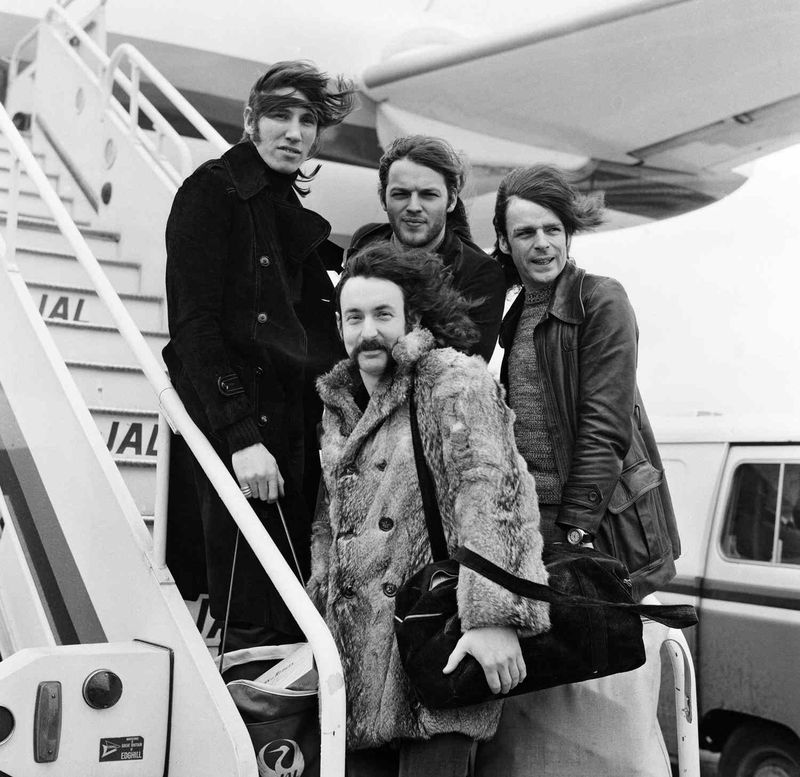
Pink Floyd’s 1970s output is the kind of work people call “life-changing,” and for some listeners it genuinely is.
But that level of reverence is also why the band gets tagged as overrated.
The albums are treated like monuments—complete experiences that you’re supposed to admire—yet not everyone wants their music to feel like a philosophical assignment.
Some listeners find Floyd’s songs slow, overly serious, or emotionally distant, and they argue the band’s reputation relies heavily on concept, production, and atmosphere rather than memorable hooks.
The fan culture can also intensify the backlash: when a band is praised as the smartest, deepest, most important rock act, it invites people to push back just to restore balance.
Pink Floyd were brilliant at building immersive worlds.
The debate is whether that brilliance always makes for enjoyable listening—or whether the legend has outgrown the music itself.
Comments
Loading…