
 Mila Ross
Top 10 Most-Viewed TV Show Finales In History
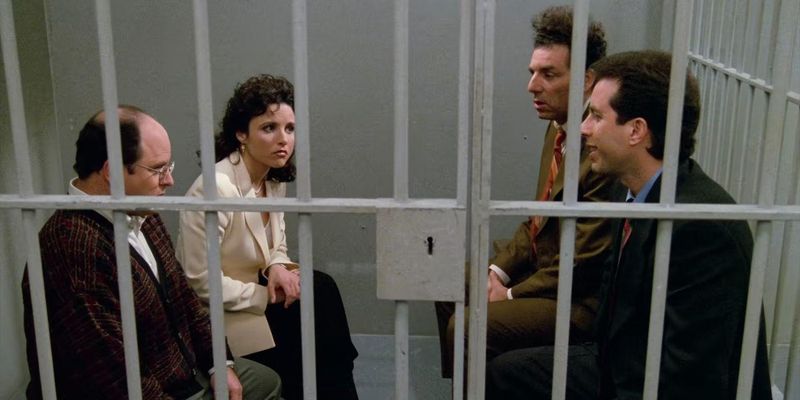
Final episodes are supposed to be endings, but the biggest ones feel more like national events.
Before streaming made “watching later” the default, millions of people planned their nights around a single broadcast time.
These finales didn’t just wrap up storylines, they delivered closure for relationships, workplaces, and sitcom “families” we treated like our own.
Some landed with tearful goodbyes, while others sparked debates that lasted for years and still pop up on social media today.
The numbers below reflect an era when one channel could unite a country in the same living-room moment.
Here are ten TV show finales that pulled in staggering audiences and proved how powerful a last chapter can be.
1. M*A*S*H
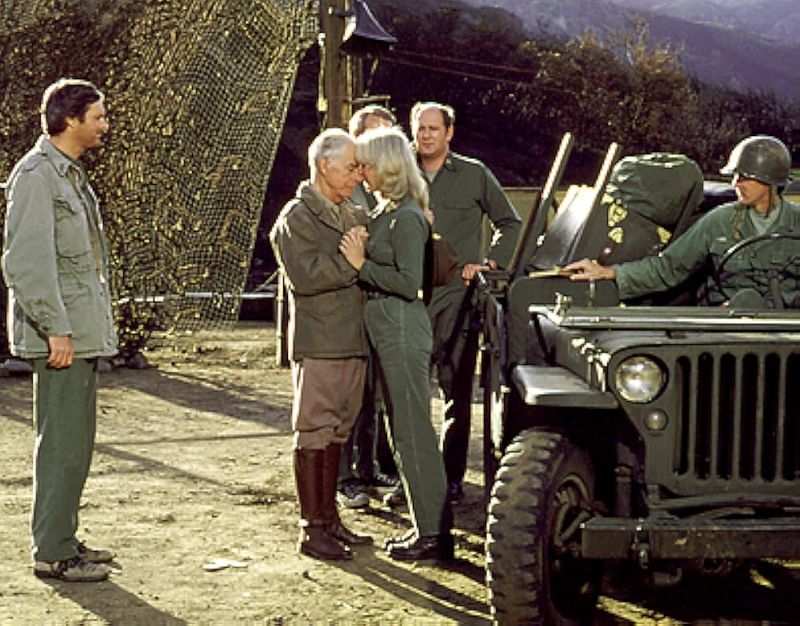
Few finales have ever felt like a shared national goodbye the way this one did.
After more than a decade of balancing comedy and grief, the series leaned into its human cost at the finish.
Viewers tuned in for closure on friendships formed under pressure and humor used as survival, not just entertainment.
The broadcast drew an astonishing 105.9 million people, a number that still towers over modern TV ratings.
The episode’s emotional crescendos worked because the show never pretended war was tidy or fair.
Even small character moments landed hard, since the audience had lived with these personalities for years.
It also benefited from being appointment television in a limited-channel world where everyone watched together.
Decades later, the finale remains a benchmark for how to end a beloved show without betraying its tone.
2. Cheers
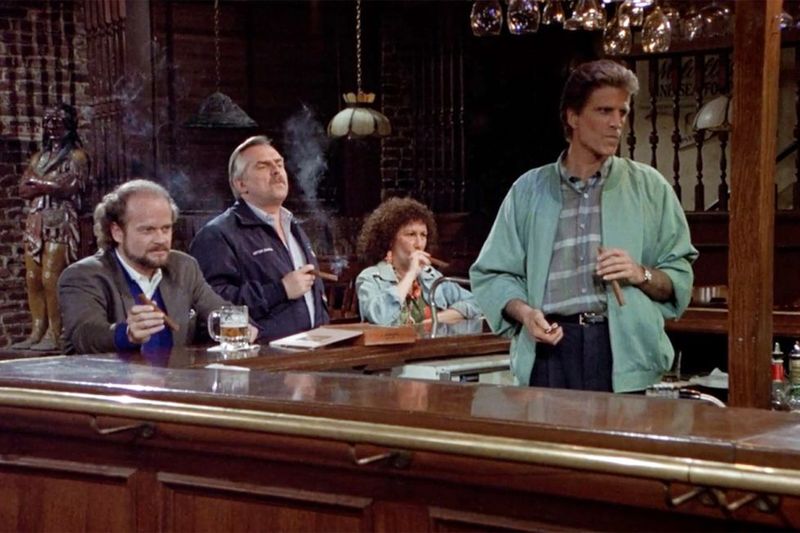
Instead of chasing a flashy twist, the finale trusted the quiet comfort that made the series iconic.
Over eleven seasons, the bar became a second home where loneliness softened and routines turned into belonging.
The last episode focused on choices, including whether the characters would keep growing or stay put.
Roughly 80.4 million viewers watched, proving that a low-key comedy could command Super Bowl-level attention.
The will-they-or-won’t-they tension didn’t overwhelm the sendoff, which helped it feel honest rather than gimmicky.
It gave fans what they wanted most: time with the ensemble, not a desperate attempt to shock.
The closing moments delivered a simple message about found family and the places that hold our stories.
For many viewers, it felt less like the end of a sitcom and more like moving away from friends.
3. The Fugitive
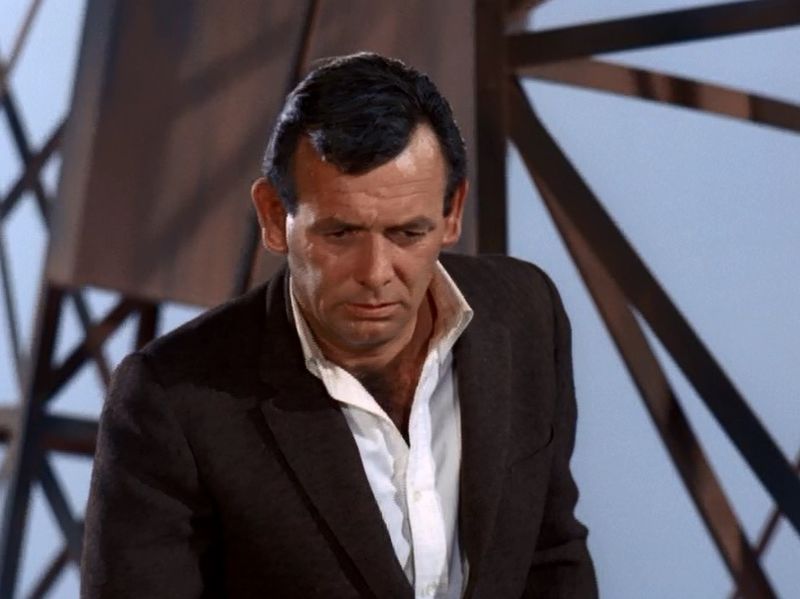
Long before binge-watching existed, this drama proved cliffhangers could dominate the cultural conversation.
Audiences had followed the relentless chase week after week, craving a final answer and real justice.
When the concluding chapter aired, it pulled in around 78 million viewers, a staggering crowd for 1967.
The appeal was simple and primal: people needed to see whether the wrongly accused hero would be vindicated.
Because the show stayed focused on a single driving question, the finale felt inevitable and satisfying.
It also demonstrated how a serialized premise can build momentum when every episode feeds the larger mystery.
The ending became a template for later “event finales,” where resolution is treated like an appointment.
Even now, it’s cited as one of TV’s earliest examples of a finale that truly stopped the nation.
4. Seinfeld
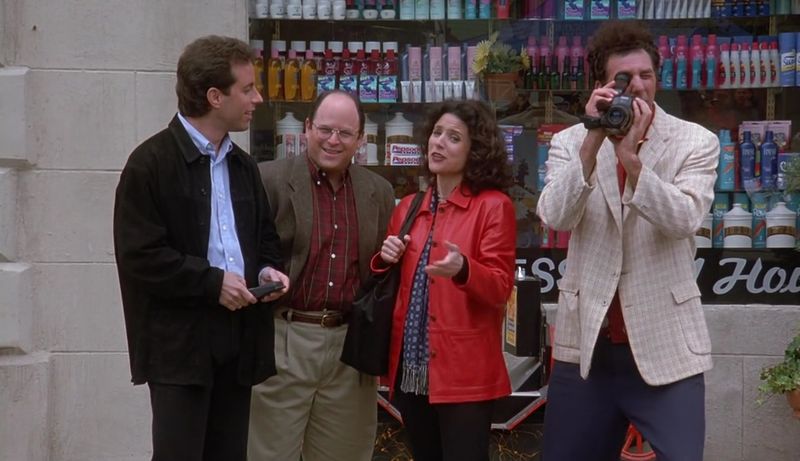
A comedy about “nothing” somehow made its conclusion feel like it had everything at stake.
After years of watching petty conflicts turn into disasters, viewers expected one last perfectly awkward payoff.
The finale drew 76.3 million people, showing how deeply the characters had embedded themselves in pop culture.
Rather than going sentimental, the episode doubled down on the show’s cynical, observational identity.
That choice split fans, because some wanted warmth while others wanted the trademark bite until the final frame.
The conversation afterward became part of the legacy, since disagreement kept the show alive in public debate.
It also highlighted the risk of ending a sitcom that thrives on stasis and circular behavior.
Whether loved or criticized, the finale remains a reminder that cultural dominance guarantees attention, not universal approval.
5. Friends
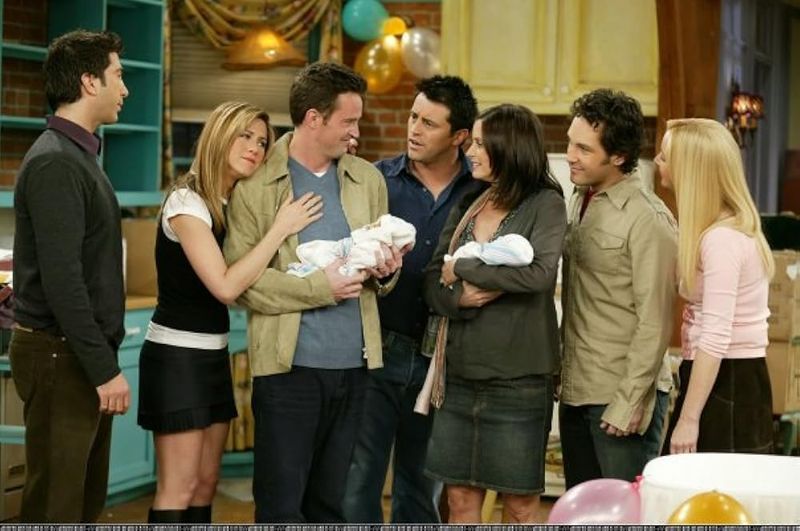
By the time the last episode arrived, the characters felt like roommates the audience had grown up beside.
People tuned in for emotional closure on romances, career pivots, and that bittersweet shift into adulthood.
The finale attracted 52.5 million viewers, a huge number for the early 2000s media landscape.
It delivered crowd-pleasing resolutions while still making space for the sadness of leaving a familiar apartment behind.
Fans weren’t just watching plot points, they were marking the end of a weekly ritual that shaped their twenties.
The episode worked because it honored the show’s core idea that friendship can be a life raft.
Even the jokes landed differently, since everyone knew each laugh might be the last one.
Years later, rewatches still hit hard because the finale captures how change feels both exciting and heartbreaking.
6. Magnum, P.I.

A sunny Hawaiian backdrop couldn’t hide how serious the show became when it finally said goodbye.
Over time, the series blended action, charm, and surprising melancholy, which made the ending feel weighty.
About 50.7 million viewers watched, underscoring how invested audiences were in the hero’s fate.
The finale leaned into danger and consequence, delivering a sense that the character’s choices truly mattered.
That tonal swing worked because the show always hinted there was pain under the cool shirts and quick smiles.
For fans, the appeal was watching a tough guy learn vulnerability without losing his edge.
It also benefited from a moment when network TV still made stars feel larger than life.
The finale’s lasting power comes from how it balanced adventure with a final reminder that every thrill has a cost.
7. The Cosby Show
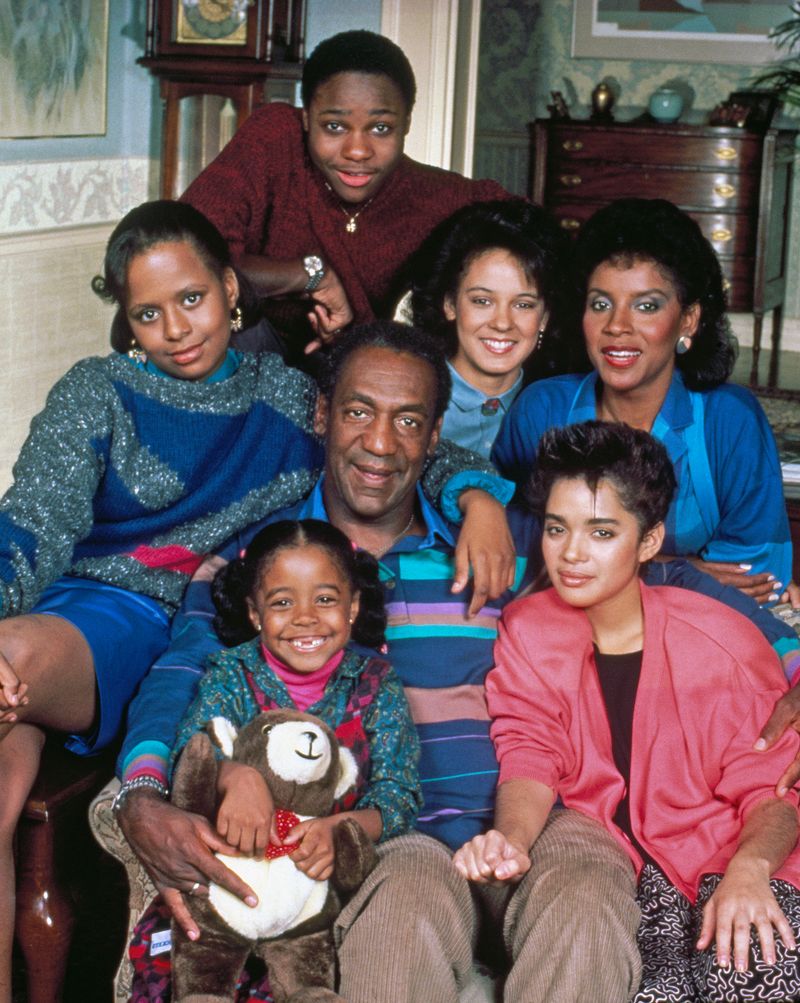
The end of this sitcom felt like closing the door on an era of prime-time family TV.
Across its run, it centered everyday parenting chaos and warmth, which made the goodbye feel personal.
The finale drew 44.4 million viewers, reflecting how the Huxtables had become a weekly tradition.
Instead of trying to reinvent itself, the episode focused on transition and the natural next steps for the family.
That approach resonated because viewers were also navigating graduation seasons, job changes, and shifting home dynamics.
It captured the bittersweet truth that loving families don’t end, they simply reorganize around new chapters.
The show’s cultural footprint made the finale feel bigger than one night of television.
Even for people who missed the broadcast, the finale became a reference point for what “event sitcom” success looked like.
8. All in the Family
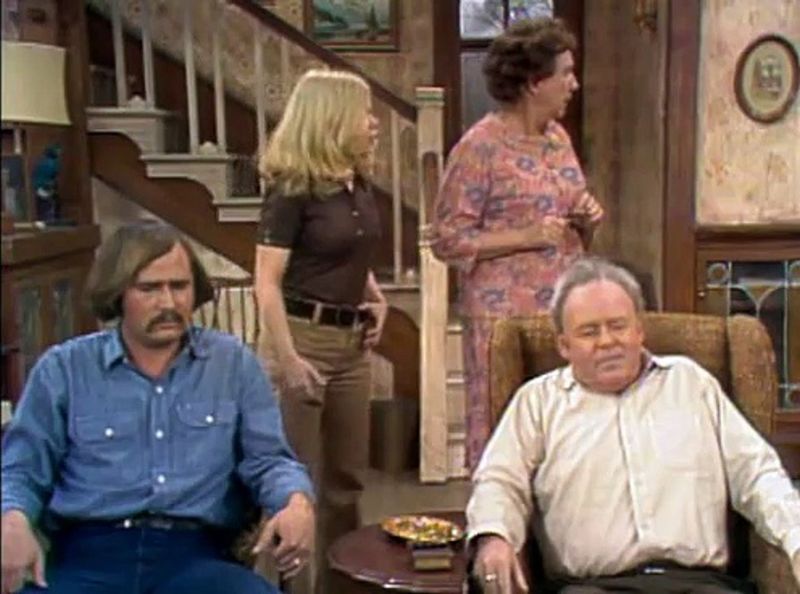
Television rarely ends a long-running phenomenon without acknowledging the time it lived through.
This series had spent years using argument and discomfort to expose social change inside an ordinary household.
The finale pulled in 40.2 million viewers, proving audiences still wanted to see how it would leave the stage.
Rather than smoothing over the show’s rough edges, it embraced the idea that life doesn’t neatly resolve.
That realism made the farewell feel strangely intimate, as if you were saying goodbye to real neighbors.
Its influence had already reshaped sitcoms, so the final episode carried the weight of TV history.
Fans watched not only for laughs, but for one last glimpse of a family that mirrored national tension.
The finale endures because it treated endings as part of life, not a tidy bow for comfort.
9. Family Ties
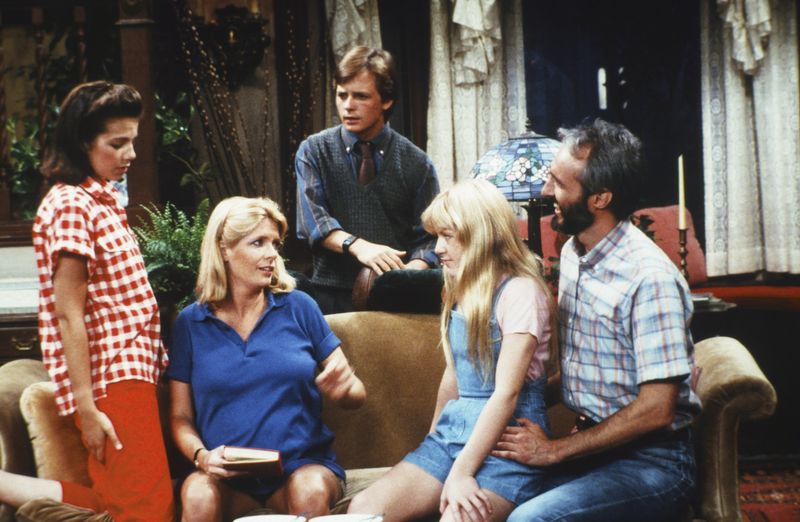
A show built on generational contrast delivered a goodbye that felt like watching kids truly grow up.
The series thrived on the push and pull between idealism, ambition, and family loyalty.
When the finale aired, 36.3 million viewers tuned in, reflecting its huge presence in late-’80s culture.
It focused on change in a way that made sense, because the characters’ futures were always the point.
The emotion worked because the comedy had earned it through years of small, relatable family moments.
Viewers saw their own households in the debates about values, independence, and what success should look like.
It also showcased how sitcoms can be comforting while still letting characters evolve beyond their early roles.
The finale’s charm is that it didn’t pretend growing up is painless, it simply showed it happening anyway.
10. Home Improvement

The final episode tapped into the nostalgia of a decade when family sitcoms dominated the weeknight routine.
For years, the show balanced slapstick mishaps with sincere moments about parenting and partnership.
Its finale drew 35.5 million viewers, a reminder of how big network comedy still was in the late 1990s.
Instead of relying only on catchphrases, it highlighted how the characters had matured through everyday challenges.
The humor landed because it stayed grounded in familiar household chaos, not overly dramatic reinvention.
Fans came to say goodbye to a family dynamic that felt recognizable, even if the accidents were exaggerated.
It left viewers with the sense that life continues after the credits, just with fewer cameras around.
The finale remains memorable because it honored its core promise: laughter works best when it comes with heart.
Comments
Loading…