
 Chloe Peterson
These Actors Walked Away From Successful Franchises… and Their Careers Never Recovered
Success can be a golden cage.
You step out of it, and suddenly the spotlight feels colder, the phones quieter, and the next act harder to find.
Sometimes walking away is brave, necessary, even principled.
Other times, the industry simply does not forgive, and you feel the sting of what might have been.
1. Hayden Christensen — Left Star Wars after the prequel backlash and struggled to regain A-list status

Few actors have experienced the kind of pop-culture whiplash Hayden Christensen did after becoming the face of Anakin Skywalker in the Star Wars prequels.
When that era wrapped, the fandom’s backlash was loud enough to color how Hollywood viewed him, and stepping away from the saga didn’t exactly open a floodgate of prestige offers.
He took roles in films like Jumper and Awake, but none became the sort of career-defining hit that resets a narrative, especially when audiences were still associating him with one highly debated performance.
Even when his choices were solid, the momentum wasn’t there, and the mainstream conversation drifted elsewhere.
Years later, his return to the galaxy far, far away felt less like a triumphant sequel and more like a reminder of what he’d been missing.
2. Sean Connery — Walked away from James Bond and saw fewer major roles afterward
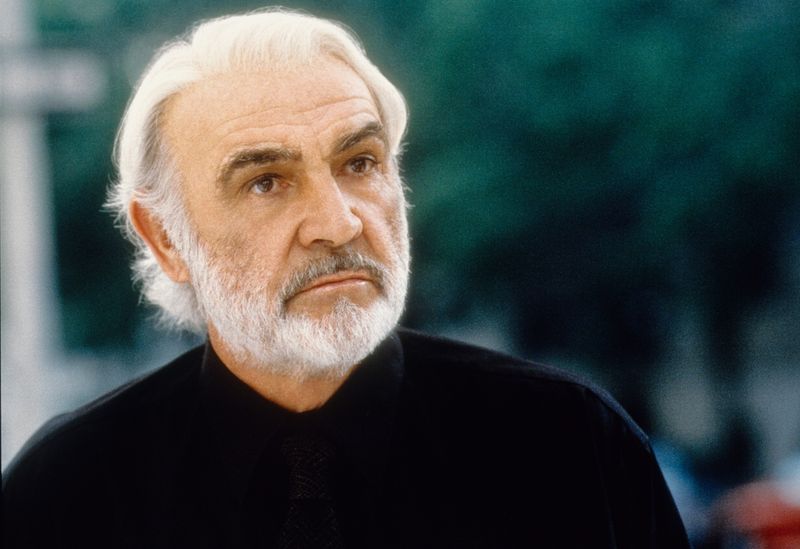
Walking away from James Bond sounds reasonable on paper, especially when you’re tired of being boxed into one character’s swagger and one-liner rhythm.
Sean Connery did exactly that, but the timing created a tricky aftereffect: Bond was so iconic that everything he did afterward was measured against it.
He absolutely continued to work, yet the cultural dominance shifted, and audiences didn’t treat his new roles as the main event in the same way they treated 007.
Even with acclaimed performances later on, his career went through stretches where the “former Bond” label felt louder than the projects themselves.
That’s the quiet danger of leaving a franchise at its peak—your résumé might still be strong, but the spotlight doesn’t always follow.
In Connery’s case, the legacy survived, but the post-Bond frenzy cooled considerably.
3. Shannen Doherty — Departed Charmed and faced career setbacks

Leaving a hit show can feel like reclaiming control, but it can also come with the kind of industry consequences that are hard to reverse.
Shannen Doherty’s exit from Charmed was widely publicized and wrapped in behind-the-scenes tension, which meant the narrative followed her long after the credits rolled.
She had already dealt with a similar storyline around Beverly Hills, 90210, so by the time Charmed ended for her, casting conversations often included concerns beyond talent.
She continued acting and remained famous, but the types of roles and the consistency of opportunities weren’t the same as when she was at the center of a top series.
A franchise-like show provides built-in visibility, and once that’s gone, every new project has to fight harder for attention.
In her case, the exit wasn’t just a plot change; it reshaped how Hollywood approached her career.
4. Dave Chappelle — Left Chappelle’s Show abruptly, retreating from mainstream entertainment for years
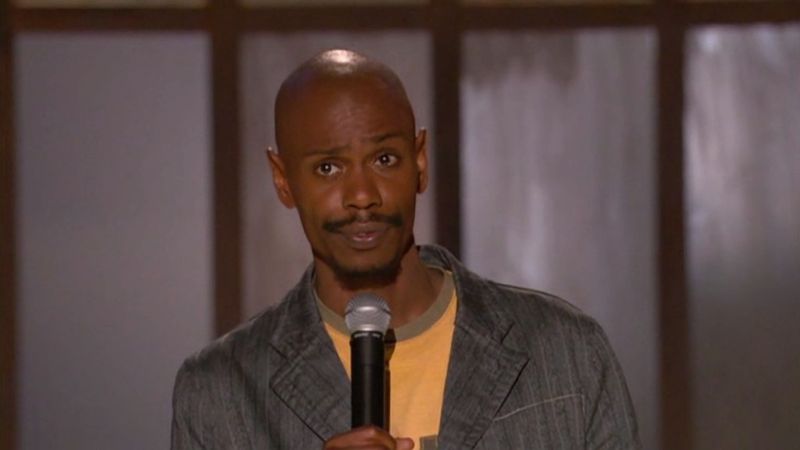
Success can become suffocating when it arrives faster than your personal comfort level, and that’s part of what made Dave Chappelle’s departure from Chappelle’s Show so seismic.
By walking away at a moment when the series was a cultural force, he didn’t just quit a job—he stepped out of the center of comedy’s biggest spotlight.
The years that followed created a strange gap where his legend grew, but his mainstream presence shrank, and that absence looked like a career collapse to anyone measuring momentum by constant output.
Projects that might have extended his fame never materialized in the same way, and his retreat became a bigger story than the work itself.
When he eventually returned to major stages, it was on different terms, but the “what could have been” factor remained.
His choice was deliberate, yet it still illustrates how leaving a hit franchise can instantly change your trajectory.
5. Michael Biehn — After Terminator, few roles matched his early breakout success
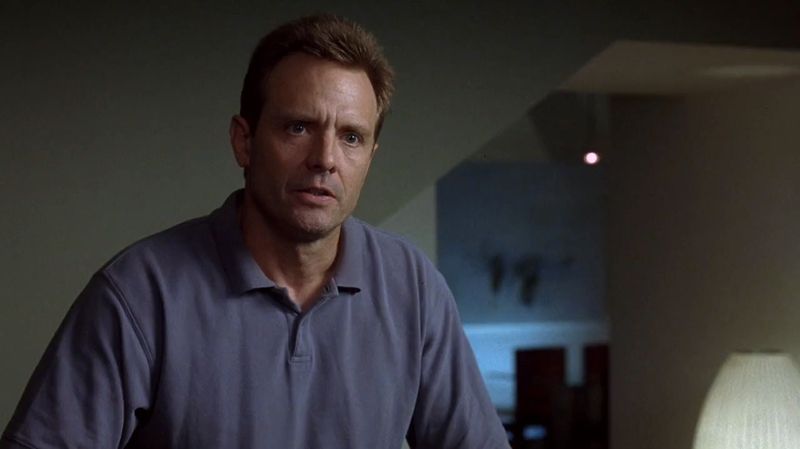
Being the face of a breakout sci-fi hit is a powerful launchpad, but it doesn’t guarantee a steady climb if the franchise continues without you.
Michael Biehn became memorable through roles tied to major genre properties, and when those worlds expanded, he wasn’t positioned as the ongoing centerpiece the way some stars are.
As Hollywood doubled down on franchise-building, his career moved more toward supporting parts and smaller projects, which can feel like a crash when audiences remember you as a leading man.
The issue wasn’t lack of ability; it was the way the industry began consolidating attention around repeatable brands and a limited set of bankable faces.
When you’re not the one invited back for the new era, your résumé can quietly shift from “future franchise anchor” to “fan-favorite from the originals.” That perception change is subtle, but it affects everything from casting to marketing.
6. Neve Campbell — Exited the Scream franchise and reportedly saw fewer major projects

A smart actor knows when a franchise is defining their public image, but leaving can still be a risky bet when that franchise is also your most consistent platform.
Neve Campbell’s association with Scream gave her an enduring place in pop culture, and stepping away from later installments made the absence noticeable to fans who viewed her as the emotional center of the series.
She continued working, yet the level of attention and the scale of leading roles didn’t always match the visibility that the franchise naturally provides.
Horror can be surprisingly protective for careers because it keeps audiences invested over decades, and opting out can read like closing the door on guaranteed relevance.
Even if the reasons are valid, the industry often interprets a franchise exit as a pivot that needs immediate validation through another hit.
Without that instant replacement, the narrative becomes “she left and disappeared,” even when she’s been steadily employed.
7. Steve Guttenberg — After leaving Police Academy, his star power faded
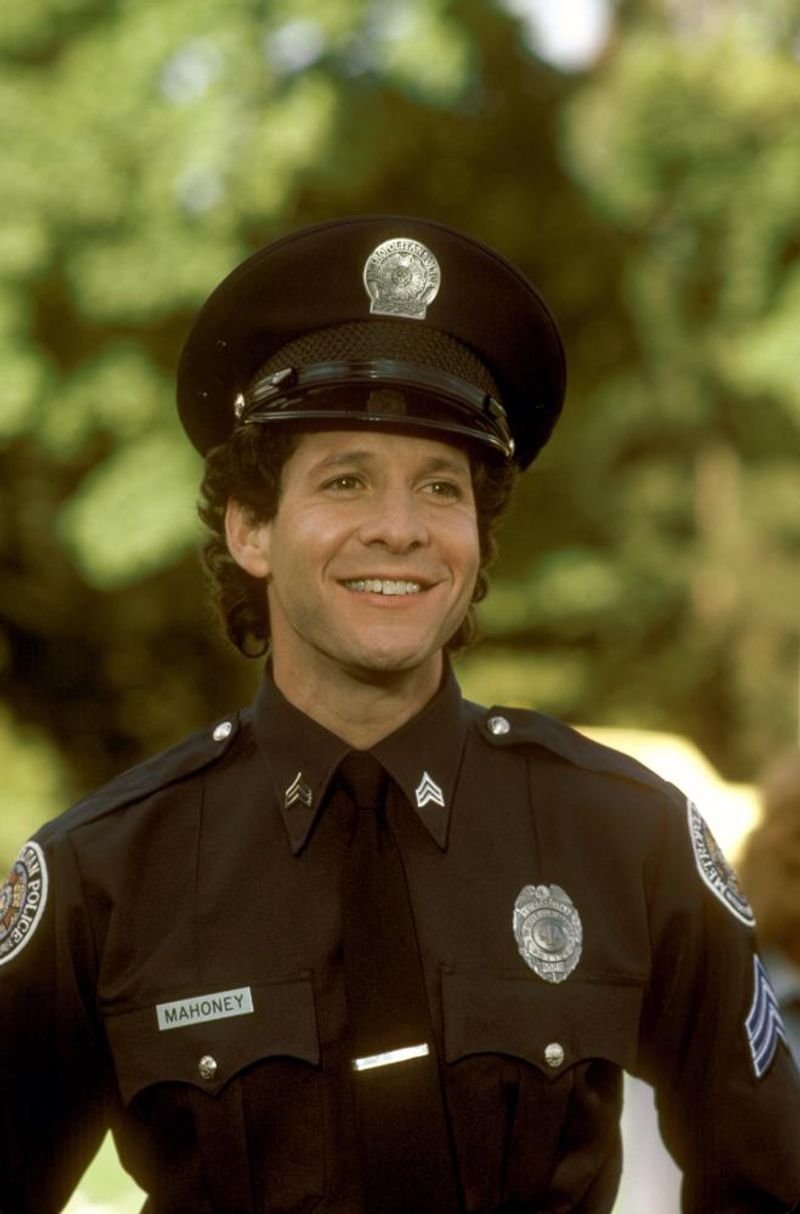
Comedy stardom can be incredibly bright and incredibly brief, especially when it’s tied to a franchise that feels like a moment in time.
Steve Guttenberg became a recognizable face through Police Academy, and when he moved on, the shift highlighted a tough reality: not every era’s comedic style translates cleanly into the next wave of Hollywood.
He kept working, but the post-franchise choices didn’t replicate the same mass appeal, and the industry’s attention turned toward newer stars with fresh personas.
Franchises provide a familiar rhythm that audiences show up for without needing to be convinced, so leaving them means you must constantly reintroduce yourself.
In Guttenberg’s case, that reintroduction didn’t come with a project big enough to reset his star status, which made the change feel like a steep drop.
The visibility gap between “franchise lead” and “working actor” is enormous, and audiences often mistake that distance for disappearance.
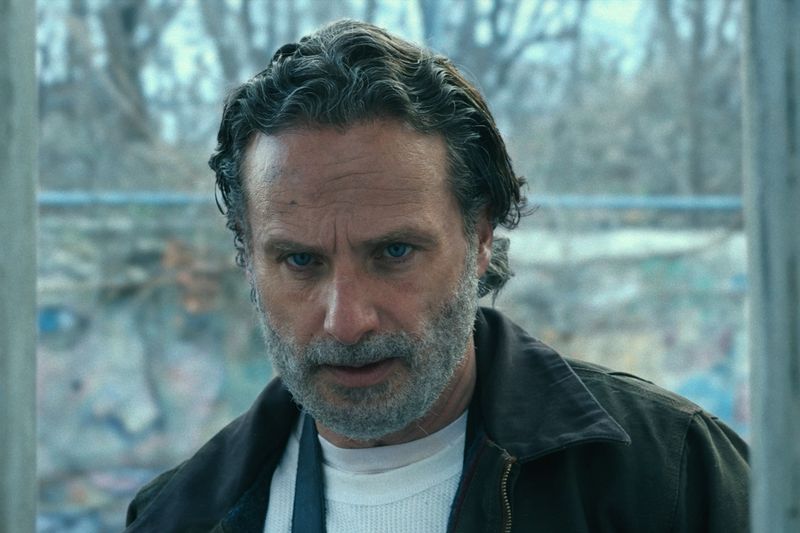
8. Andrew Lincoln — Left The Walking Dead and hasn’t had the same level of leading roles since

Stepping away from a show that dominates pop culture can be a deeply personal decision, but it also means surrendering a weekly megaphone that keeps your name in constant circulation.
Andrew Lincoln’s departure from The Walking Dead removed him from one of television’s most reliable attention machines, and his post-exit slate hasn’t replaced that level of mainstream exposure.
He wasn’t simply leaving a character; he was leaving an ecosystem of press cycles, fan conventions, and ongoing storylines that keep an actor culturally “alive” even between projects.
When you exit a long-running franchise, people expect an immediate next act, preferably something bold and high-profile, or they start narrating your career for you.
Even strong performances in smaller work can get overlooked without that franchise spotlight.
For Lincoln, the contrast is stark: from leading a global phenomenon to a quieter professional footprint that casual viewers interpret as a downturn.
9. Charlie Sheen — Departed Two and a Half Men amid scandal and saw his career nosedive
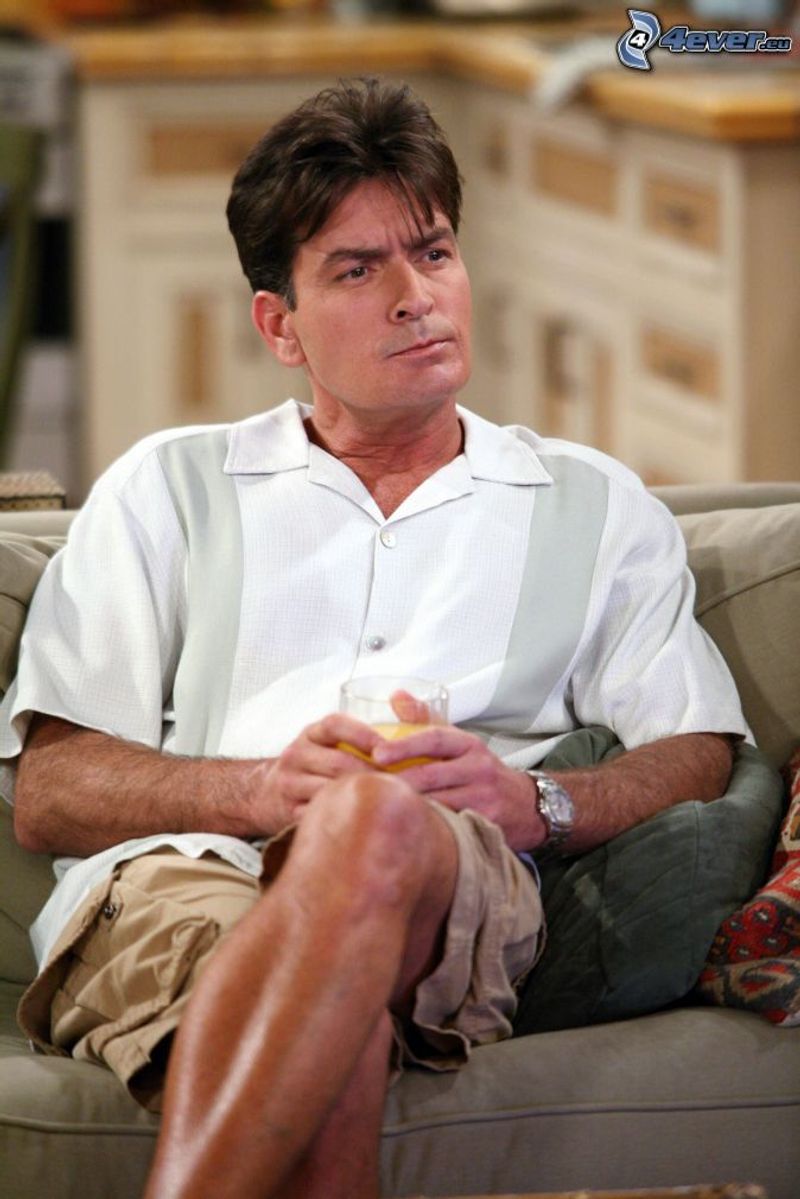
When a star’s exit becomes a public spectacle, the industry often responds with caution, even if the person remains famous.
Charlie Sheen leaving Two and a Half Men wasn’t a gentle transition; it was surrounded by conflict and headlines that made the separation feel like a crash in real time.
After being the face of a massively popular sitcom, he attempted to pivot quickly into new projects, but the momentum didn’t translate into another long-running hit.
The difference between “franchise lead” and “trying to recreate the magic” is brutal, because audiences compare everything to the show they already loved.
Even when there’s curiosity, networks and studios think in terms of stability, and controversy can look like risk they don’t need.
His career didn’t end, but the scale of opportunity and cultural dominance changed dramatically, which is exactly what makes this kind of franchise exit so unforgiving.
10. Jennifer Love Hewitt — Stepped back from her Ghost Whisperer era and never recaptured that franchise momentum

Fame doesn’t always disappear in one dramatic moment; sometimes it fades because the projects that once anchored your visibility end, and nothing equally sticky takes their place.
Jennifer Love Hewitt’s long run on Ghost Whisperer functioned like a franchise in TV terms, giving her a steady identity and a loyal audience that tuned in consistently.
After that era, she worked in television and remained recognizable, but the roles that followed didn’t dominate the conversation in the same way, which can feel like a career crash from the outside.
The tricky part is that audiences often equate “not constantly in headlines” with “not working,” even when the person is building a quieter career.
Franchise-level success sets expectations almost no subsequent job can meet unless it’s another breakout.
Without a similarly defining vehicle right away, the narrative becomes that she peaked and then vanished, even if her résumé says otherwise.
Comments
Loading…