
 Mila Ross
These Actors Said They Did the Movie Only for the Money
Hollywood stars often talk about their passion for acting and the art of storytelling, but sometimes the truth is much simpler.
Some famous actors have been surprisingly honest about taking roles just to pay their bills or buy something nice.
These candid confessions give us a peek behind the glamorous curtain and show that even celebrities sometimes treat their job as just that—a job.
1. Michael Caine in Jaws: The Revenge
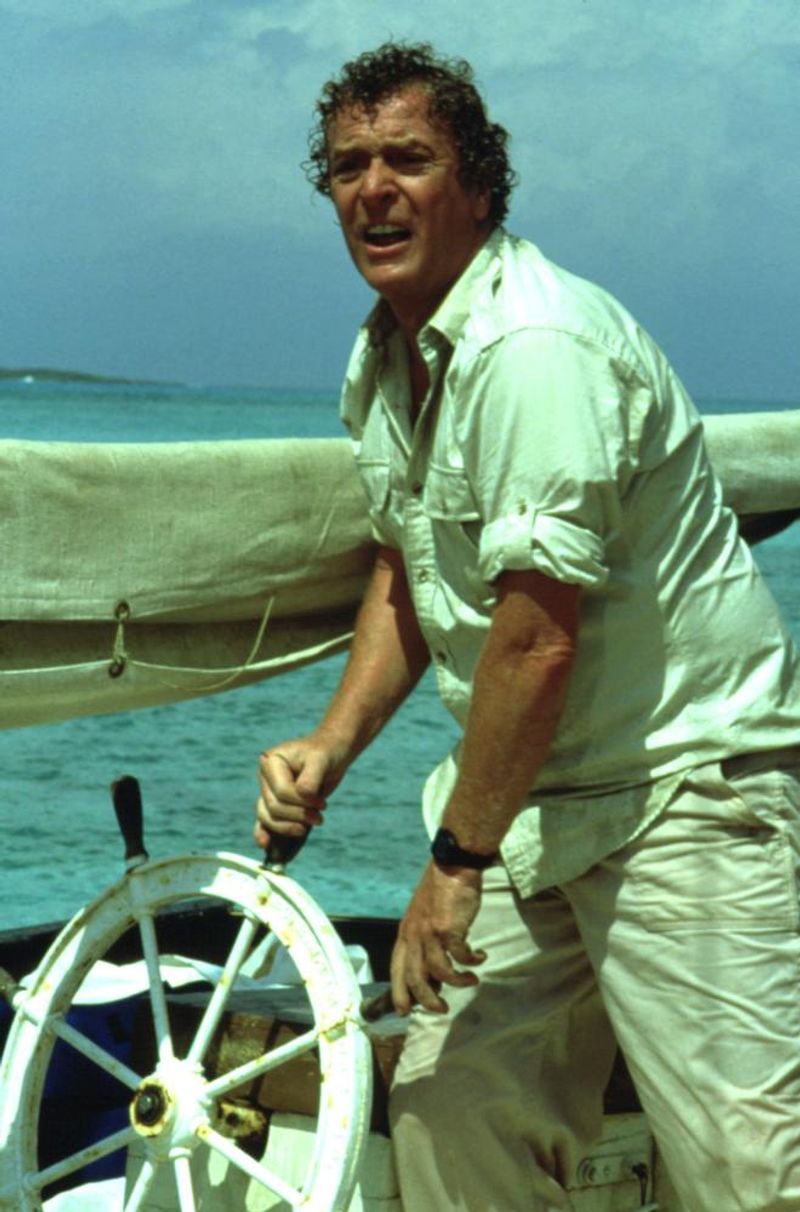
Michael Caine never apologized for starring in one of the worst sequels ever made.
The legendary British actor played Hoagie Newcombe, a pilot who somehow gets involved with yet another killer shark.
Critics savaged the film, calling it unnecessary and poorly executed.
Caine’s response became legendary in Hollywood.
He joked that while he never watched the movie, he absolutely loved the beautiful house it allowed him to buy.
His honesty was refreshing in an industry where actors usually make excuses for their flops.
The timing was actually perfect for Caine.
He missed collecting his Oscar for Hannah and Her Sisters because he was filming this movie in the Bahamas, proving money really does talk in Hollywood.
2. Laurence Olivier in Inchon
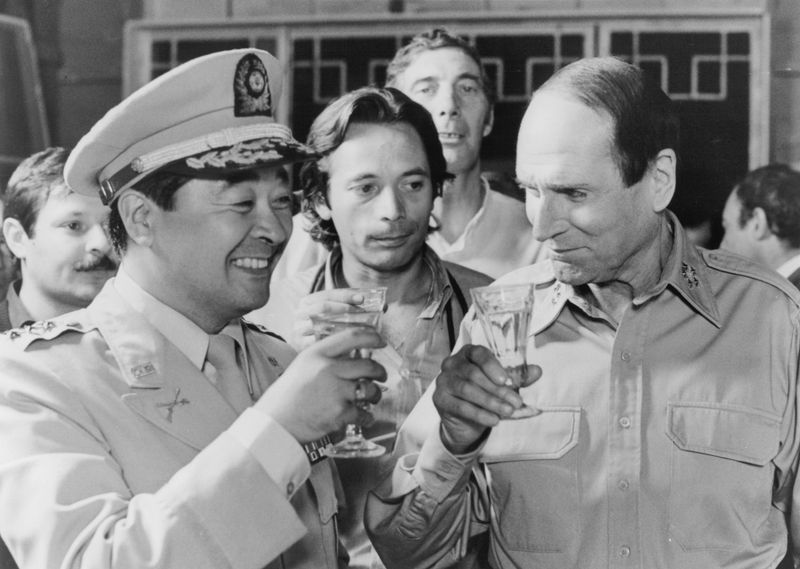
One of Britain’s greatest actors didn’t mince words about why he portrayed General MacArthur in this disaster.
Laurence Olivier famously declared he did it for “money, dear boy,” adding that he needed to leave something for his family.
The film itself was a notorious flop funded by the Unification Church.
Critics were brutal in their reviews, and the movie became one of the biggest box office bombs of its time.
Olivier’s reputation survived because everyone understood his practical reasoning.
He was already in his seventies and thinking about his legacy in financial terms.
His blunt honesty actually endeared him to many fans.
Sometimes even theatrical legends need a paycheck, and Olivier wasn’t ashamed to admit it publicly and proudly.
3. Jackie Chan in Rush Hour
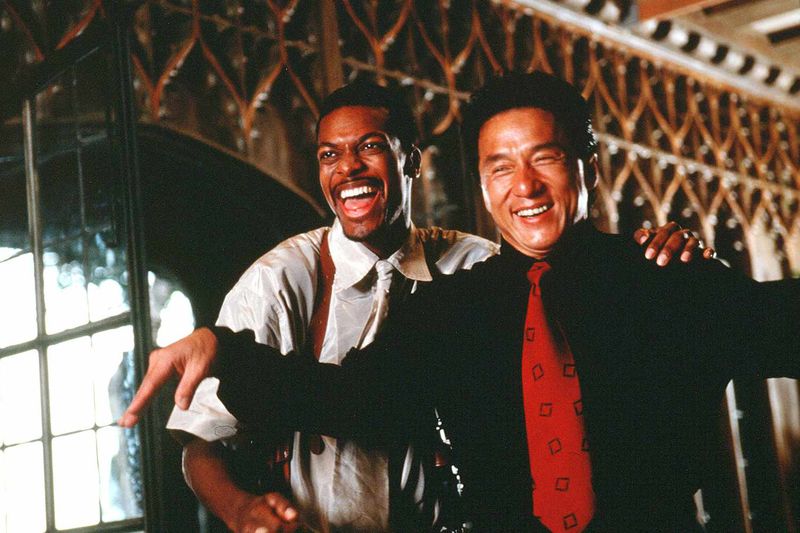
The martial arts superstar was brutally honest about his motivation for this buddy cop comedy.
Jackie Chan stated there was no artistic reason for making Rush Hour—just hand over the money and he was fine with it.
His candor shocked some fans who expected more enthusiasm.
Chan was already a massive star in Asia and didn’t need Hollywood validation.
He viewed the American film industry as simply another way to earn income.
The cultural differences and comedy style weren’t particularly appealing to him personally.
Despite his indifference, the movie became a huge hit and spawned two sequels.
Chan’s chemistry with Chris Tucker worked beautifully, proving that sometimes financial motivation can still produce entertaining results for audiences worldwide.
4. George Clooney in Batman and Robin
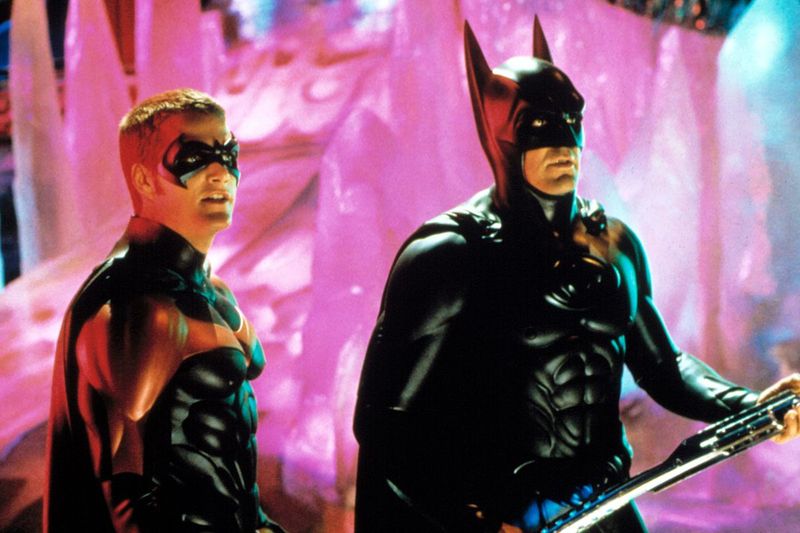
Even Hollywood’s most charming leading man admits he wore the bat-suit purely for the paycheck.
George Clooney has repeatedly apologized for this infamous superhero disaster, acknowledging it nearly killed the Batman franchise.
The film featured terrible dialogue, ridiculous bat-nipples on the costume, and Mr. Freeze making ice puns.
Clooney was still building his movie career after leaving television.
The massive salary was too good to refuse, even though the script was obviously problematic.
He’s since joked about refunding ticket prices to disappointed fans.
The experience taught him to be more selective about roles.
Now he can afford to turn down bad scripts, but back then the money talked louder than artistic integrity.
5. Christopher Plummer in Sound of Music
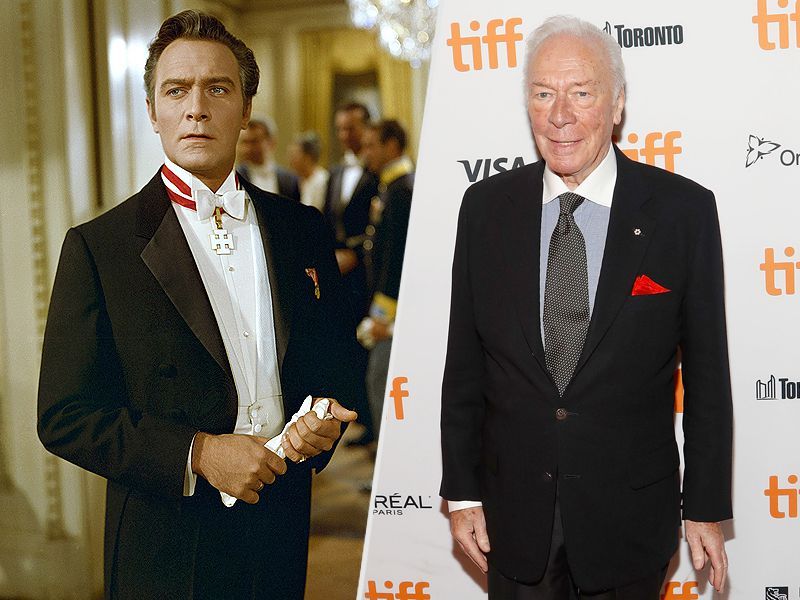
Believe it or not, Captain von Trapp himself despised this beloved musical classic.
Christopher Plummer called it “The Sound of Mucus” and admitted he only did it for the substantial paycheck.
He found the story sickeningly sweet and felt embarrassed by the singing requirements.
Plummer was a serious Shakespearean actor who viewed musicals as beneath his talents.
The film’s massive success meant he couldn’t escape it for decades.
Fans constantly wanted to discuss a movie he actively disliked.
Later in life, he softened his stance slightly but never fully embraced the film.
The money was excellent, and it made him internationally famous, but artistic satisfaction remained elusive throughout his long career.
6. Bob Hoskins in Super Mario Bros
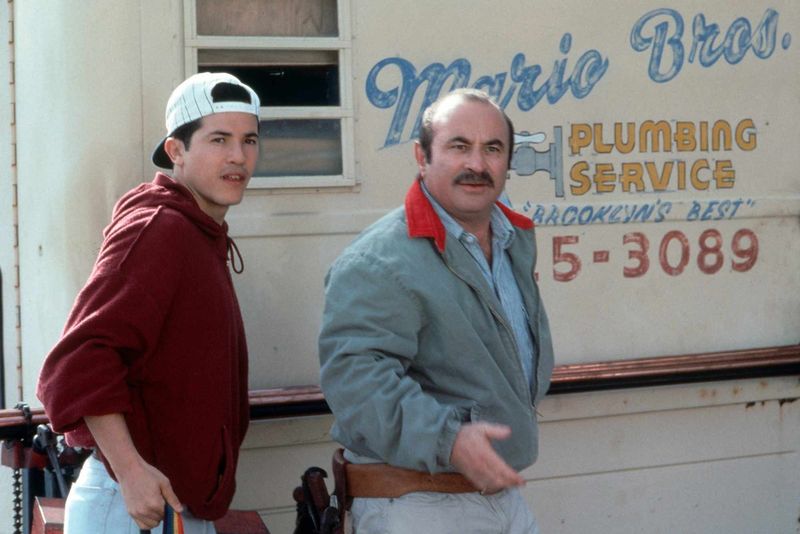
The British actor called this video game adaptation the worst thing he ever did.
Bob Hoskins took the role of Mario purely for money and regretted it immediately.
The production was chaotic, with directors being fired and the script constantly changing during filming.
Hoskins and co-star John Leguizamo reportedly drank heavily between takes to cope with the terrible experience.
The film made no sense, straying wildly from the beloved video game.
Critics and fans alike hated the bizarre dystopian interpretation.
When asked about career regrets, Hoskins always mentioned Super Mario Bros first.
The paycheck was nice, but the professional embarrassment lasted much longer than the shooting schedule or the money spent.
7. Alec Guinness in Star Wars
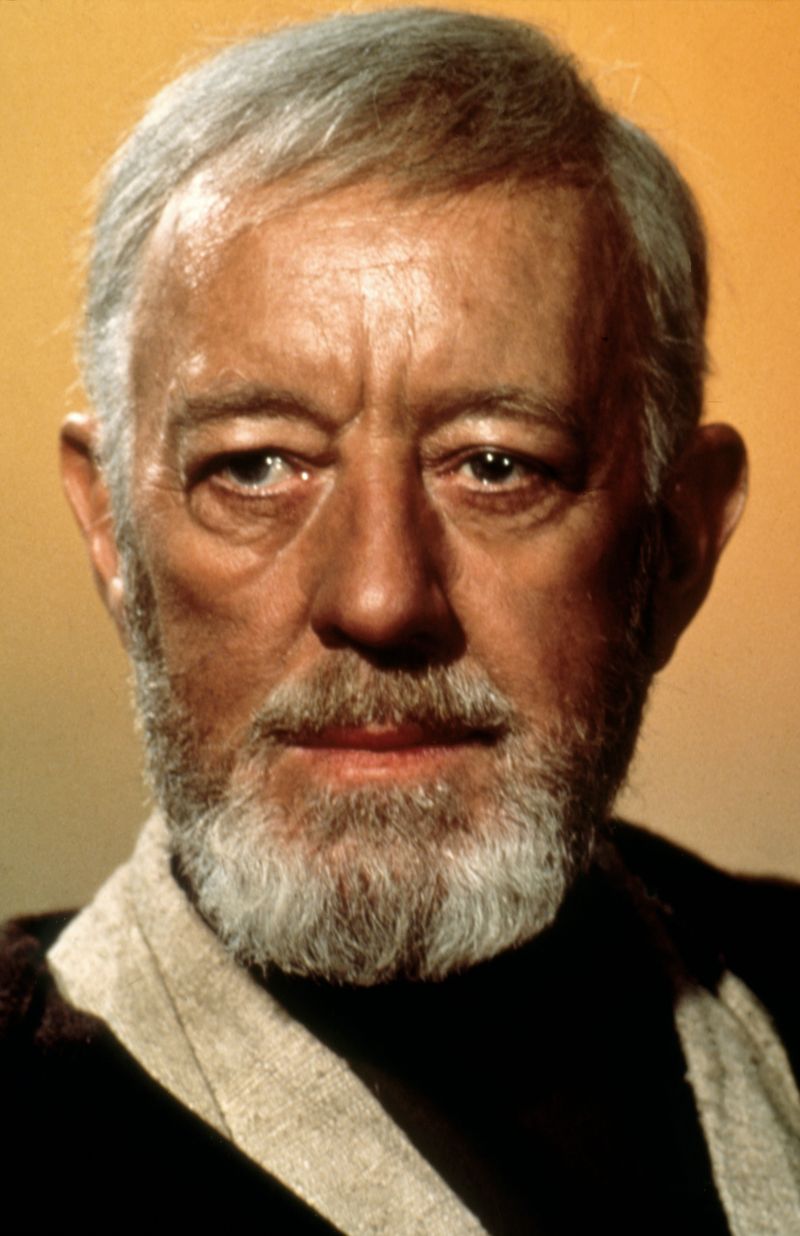
The distinguished actor thought Star Wars was “fairy tale rubbish” but negotiated brilliantly anyway.
Alec Guinness secured a percentage of the profits instead of just a salary, making him incredibly wealthy.
He viewed the role as beneath his classical training but couldn’t argue with the financial results.
Guinness grew tired of fans obsessing over Star Wars when he had a prestigious career spanning decades.
He found the dialogue silly and the story childish.
Still, those profit points earned him millions beyond his wildest expectations.
He advised young actors to take the money when it’s offered, even if the project seems ridiculous.
His practical approach to this “nonsense” film funded a comfortable retirement and became legendary wisdom.
8. Edward Norton in The Italian Job
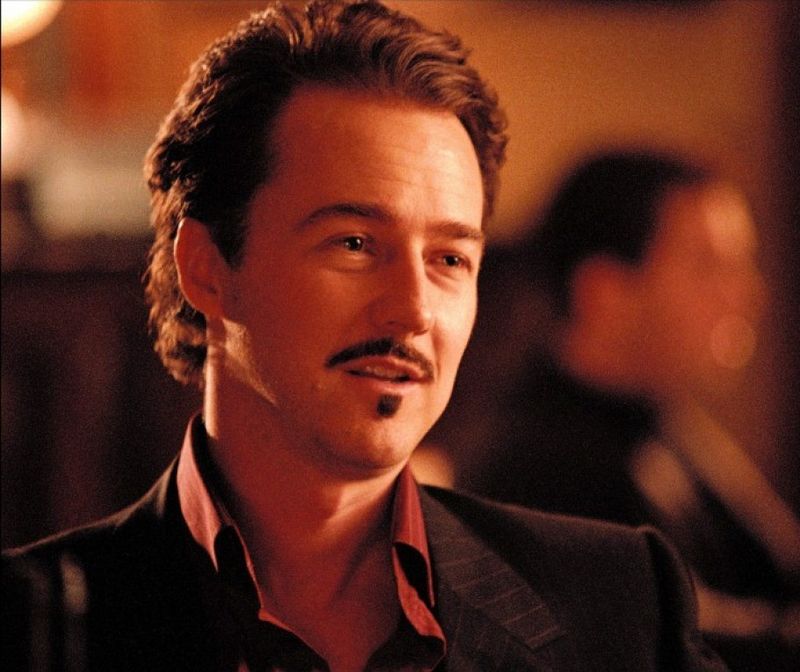
Norton was contractually obligated to make one more film for Paramount and chose this heist remake reluctantly.
The serious actor openly stated he did it purely to fulfill his contract, showing zero enthusiasm.
He reportedly didn’t get along with the cast and seemed miserable during promotion.
His performance felt phoned-in compared to his usual intense method acting.
Norton typically chose challenging dramatic roles, making this popcorn action flick an obvious paycheck job.
Critics noticed his lack of engagement on screen.
The film succeeded anyway, but Norton skipped the sequel entirely.
Sometimes contractual obligations force actors into projects they’d never choose freely, and Norton made his displeasure abundantly clear to everyone involved.
9. Michelle Pfeiffer in Grease 2
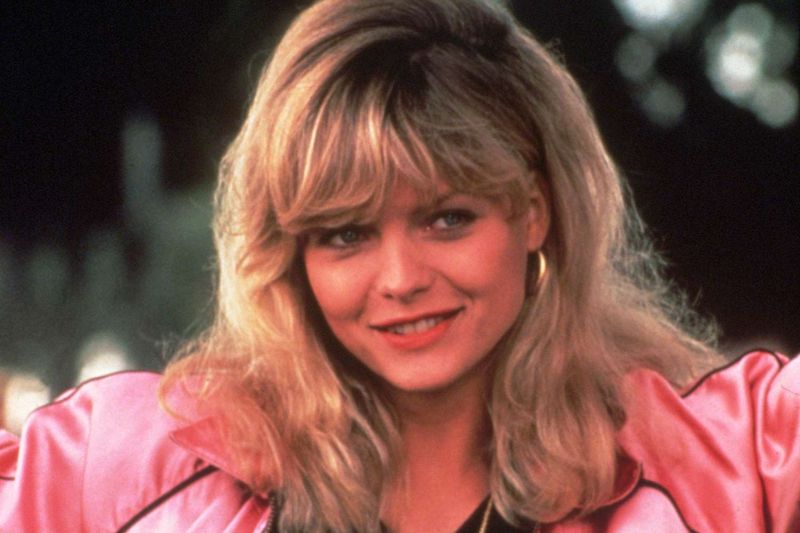
Before becoming a Hollywood icon, Pfeiffer needed any work she could get.
She’s admitted that Grease 2 was purely about paying rent as a struggling young actress.
The sequel was terrible compared to the original, and everyone knew it during filming.
Pfeiffer sang and danced her heart out despite the weak material.
She needed the exposure and the paycheck desperately.
The film flopped, but at least it kept her bills paid while she auditioned for better roles.
Looking back, she laughs about the experience but doesn’t pretend it was artistic.
Every actor starts somewhere, and sometimes that somewhere is a poorly conceived musical sequel that nobody asked for or wanted.
10. Colin Firth in Mamma Mia

The Oscar-winning actor admitted he took this ABBA musical for a free vacation to Greece.
Colin Firth was refreshingly honest about wanting a fun, easy paycheck in a beautiful location.
He knew the movie was silly but didn’t care because the experience was enjoyable.
Firth can’t sing particularly well, and he knew it.
The film embraced that limitation with humor and charm.
Sometimes actors just want to have fun and make money without the pressure of serious drama.
His honesty was endearing rather than insulting.
Audiences appreciated his willingness to look foolish while singing ABBA songs in paradise.
The movie made a fortune, so his practical decision paid off wonderfully for everyone involved.
11. Bill Murray in Garfield
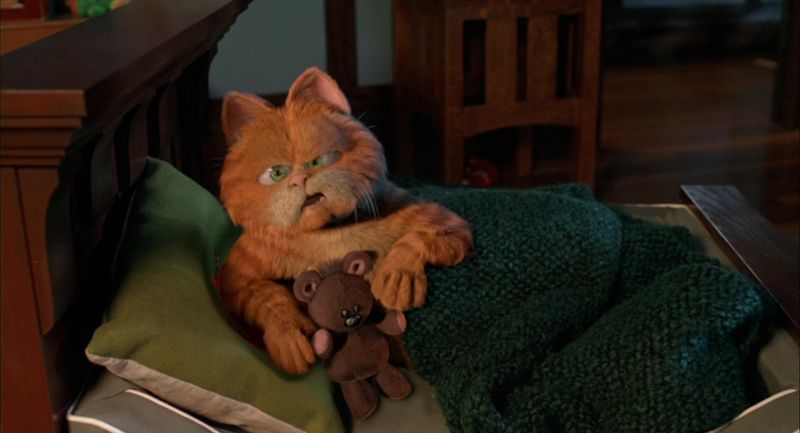
Murray thought he was working with Joel Coen of the Coen Brothers when he agreed to voice the lazy cat.
Instead, it was Joel Cohen, a completely different writer.
By the time he realized the mistake, he was contractually committed and needed the money anyway.
The comedy legend has called it a regrettable decision made for financial reasons.
He completed his obligations but refused to return for the sequel initially.
The script was beneath his usual standards, and the final product disappointed him greatly.
Murray eventually did the sequel anyway, again for money.
His honest admission about the mix-up became a famous Hollywood cautionary tale about reading contracts carefully before signing anything.
12. Halle Berry in Catwoman

Fresh off her Oscar win, Berry chose this superhero disaster purely for the paycheck.
She’s been remarkably candid about making a terrible decision for financial reasons.
The film was universally panned for its ridiculous plot and awful costume design.
Berry even accepted her Razzie Award in person, showing good humor about the failure.
She admitted the money was too good to pass up at the time.
The script had obvious problems, but the salary overcame her better judgment.
Her honesty about the mistake earned respect from fans and critics.
Sometimes even Academy Award winners need to pay their bills, and Berry owned her questionable choice with grace and self-deprecating humor throughout.
13. Robert Pattinson in Twilight

The brooding vampire himself has been surprisingly negative about the franchise that made him famous.
Robert Pattinson admitted he took the role for money and job security.
He’s criticized the story and his character repeatedly in interviews, much to fans’ dismay.
Pattinson was a struggling actor who needed steady work.
The massive salary and guaranteed sequels were impossible to refuse.
He’s never pretended to love the material, calling Edward’s behavior creepy and problematic.
Despite his complaints, he fulfilled all his contracts professionally.
The money allowed him to pursue weird independent films he actually cares about.
His honesty about doing it for cash has been refreshingly blunt.
14. Marlon Brando in Superman
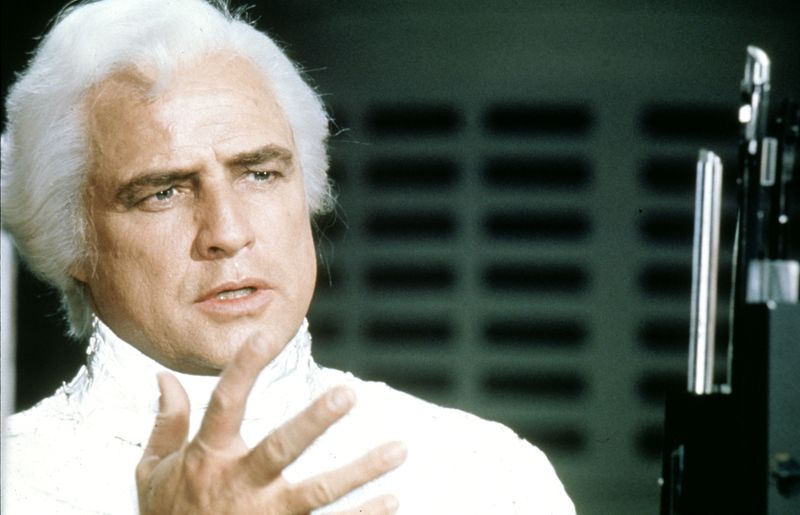
The legendary method actor negotiated an astronomical salary for barely two weeks of work.
Marlon Brando openly admitted he did Superman purely for the money, showing little interest in the story.
He reportedly refused to memorize lines, reading them off cue cards and his baby’s diaper instead.
Brando earned millions for minimal effort, setting records for actor compensation.
He found the whole superhero concept ridiculous but loved the paycheck.
His brief appearance as Superman’s father required almost no emotional investment from him.
The production team worked around his difficult behavior because his name sold tickets.
Brando proved that legendary status means you can phone in performances for huge sums of money without career consequences.
15. Anthony Hopkins in Transformers: The Last Knight
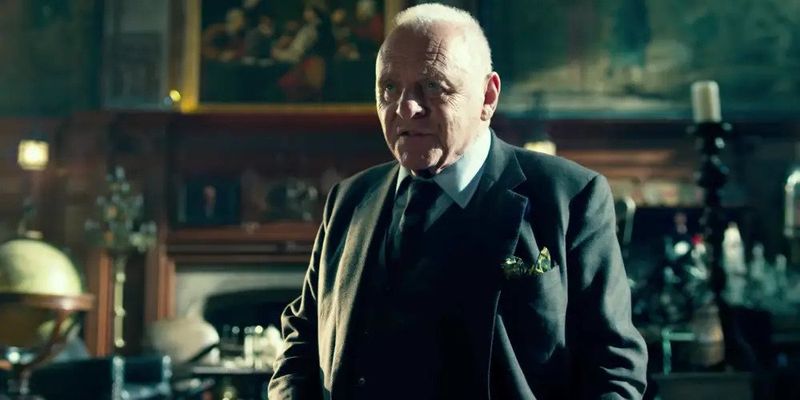
The two-time Oscar winner joined this explosive robot franchise admittedly for the paycheck.
Anthony Hopkins has a reputation for taking roles simply because the money is good.
At his age and career stage, he picks projects based on financial appeal rather than artistic merit.
Hopkins brought gravitas to a movie about fighting alien robots.
His presence elevated the material slightly, but he’s admitted he doesn’t take these blockbusters seriously.
The salary was excellent, and the work was easy compared to demanding dramatic roles.
Fans appreciate his honesty about chasing paychecks.
After decades of brilliant performances, Hopkins has earned the right to take easy money jobs whenever he wants without judgment from anyone.
16. Michael Gambon in Harry Potter
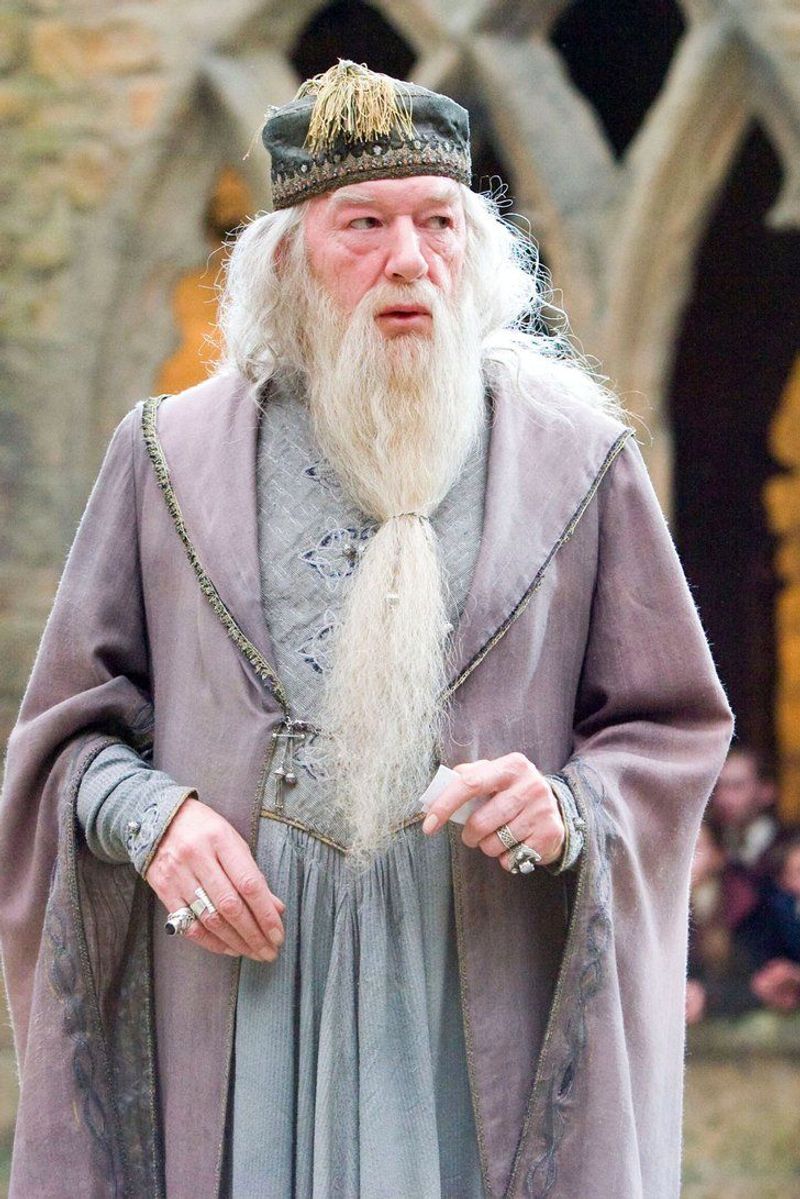
The replacement Dumbledore admitted he never read the books and only wanted the paycheck.
Michael Gambon took over after Richard Harris died, viewing it as a well-paying job rather than a cultural phenomenon.
He refused to read the source material, frustrating devoted fans.
Gambon’s interpretation differed wildly from the books, partly because he didn’t know the character deeply.
He treated it as just another acting gig with a great salary.
The steady work across multiple films provided financial security.
His indifference to the beloved series shocked some fans.
However, his performances were still enjoyable, proving you don’t need passion for the material to do competent work when money motivates you properly.
17. Tommy Lee Jones in Batman Forever
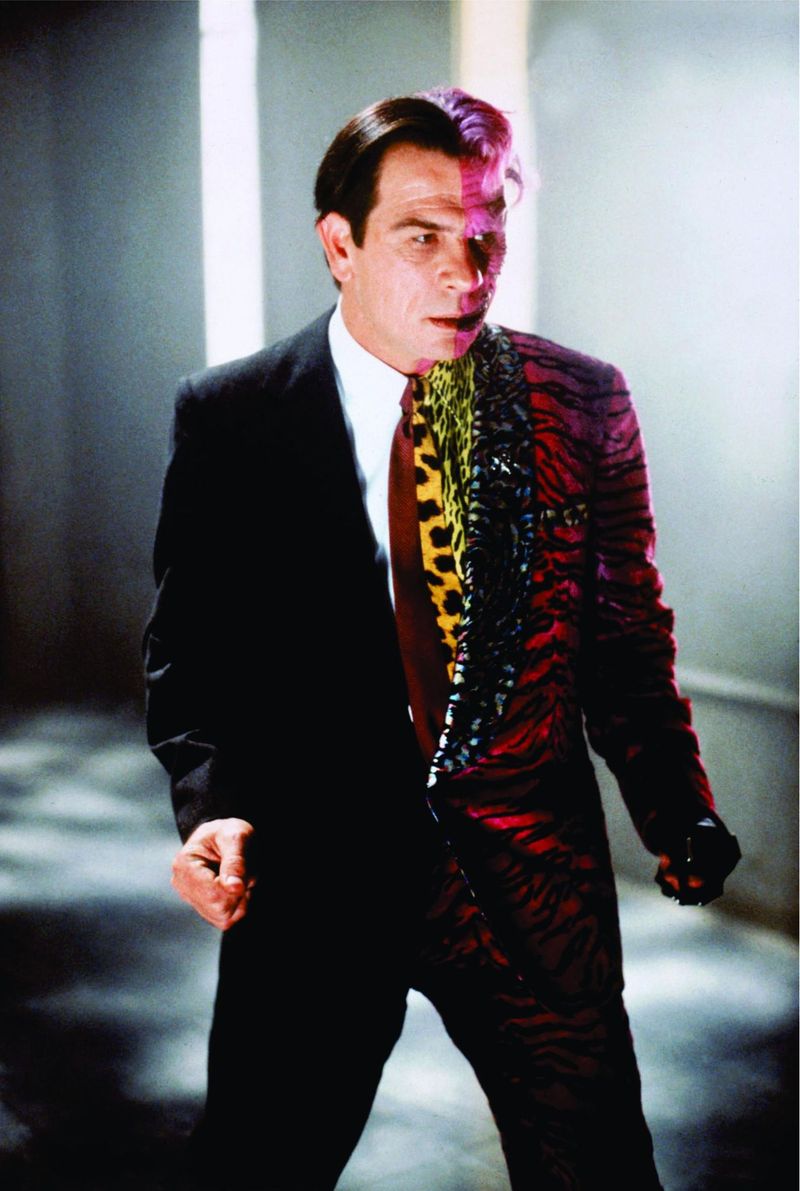
Jones reportedly hated working on this neon-colored superhero mess but loved the salary.
The serious actor clashed with Jim Carrey on set, finding the whole production beneath him.
He’s admitted the money was the only reason he endured the experience.
His over-the-top performance as Two-Face felt forced and uncomfortable.
Jones typically excels in grounded, realistic roles, making this cartoonish villain a poor fit.
The paycheck convinced him to embrace the camp against his better instincts.
He’s never spoken fondly of the film in interviews.
Sometimes even respected actors take jobs they hate for financial reasons, and Jones made no secret of his mercenary motivation for this particular role.
18. Judi Dench in Cats
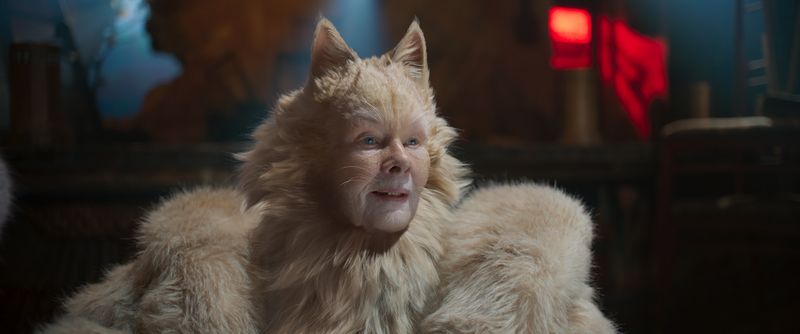
The legendary Dame Judi admitted she did this bizarre musical nightmare for the paycheck.
Dench has a history of taking odd jobs for money late in her career.
The creepy CGI cat effects became instantly infamous and mocked worldwide.
She seemed confused about what the final product would look like.
The movie was a catastrophic failure, losing the studio millions of dollars.
Dench’s dignity somehow survived the disaster, though her judgment was questioned by many.
At her age and with her achievements, she can take whatever roles pay well.
The film was terrible, but Dench got paid handsomely for prancing around in a motion-capture suit looking ridiculous.
19. Ben Affleck in Daredevil
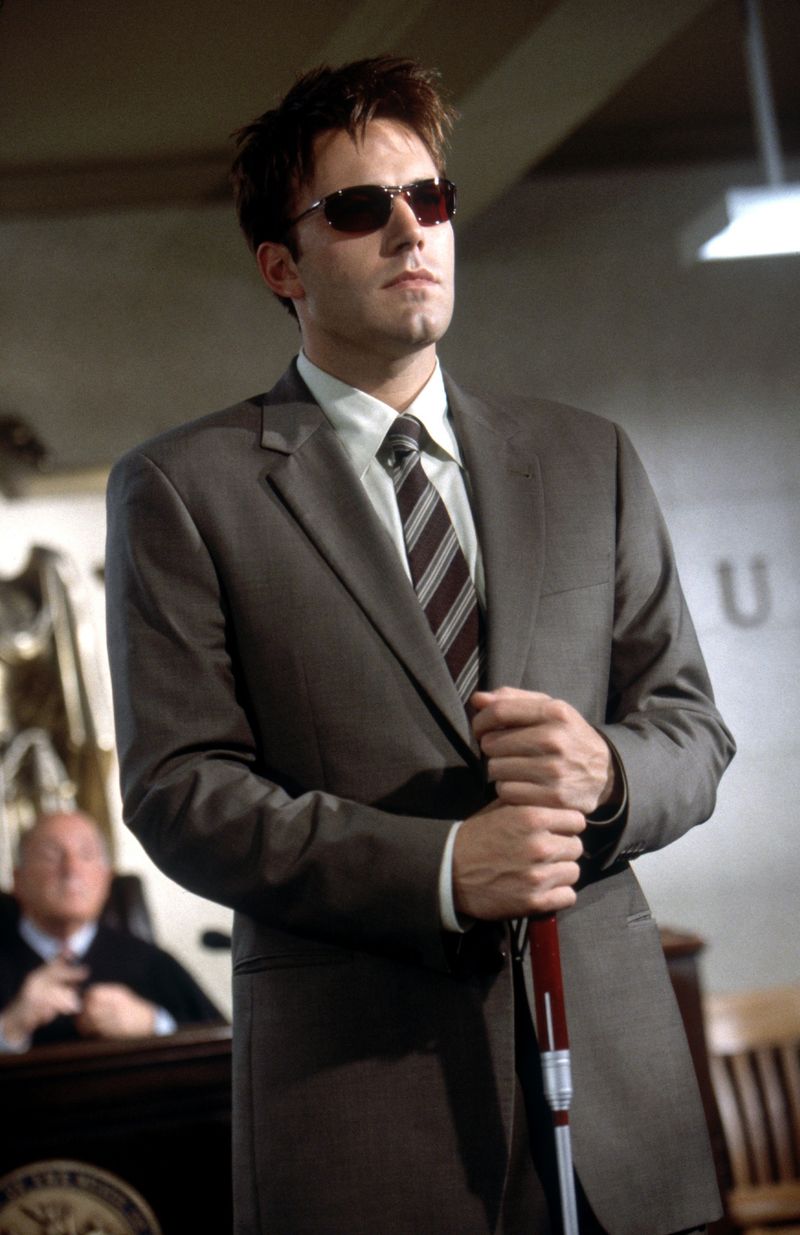
Affleck has called this superhero movie his biggest career regret, admitting money motivated his decision.
The film was poorly received, with terrible CGI and a weak script.
He’s apologized multiple times for the disappointing result that fans still mock today.
The paycheck was substantial for a comic book movie at that time.
Affleck needed a commercial hit after some box office disappointments.
Unfortunately, Daredevil failed both critically and commercially, damaging his reputation temporarily.
Years later, he got redemption playing Batman in a different franchise.
His honesty about doing Daredevil for money resonated with audiences who appreciated his candid admission of poor judgment and financial motivation.
20. Shia LaBeouf in Transformers

LaBeouf has been brutally critical of the Transformers franchise that made him wealthy.
He’s stated he did the sequels purely for money, calling them soulless cash grabs.
His honesty about selling out alienated director Michael Bay and the studio executives.
The first film was fun, but LaBeouf grew tired of the repetitive formula.
Each sequel offered more money, and he kept accepting despite hating the material.
He’s admitted his artistic integrity suffered for financial gain.
His candid criticism eventually got him dropped from the franchise.
LaBeouf proved that being too honest about doing movies for money can have professional consequences, even when everyone knows it’s true.
21. Kate Winslet in Movie 43
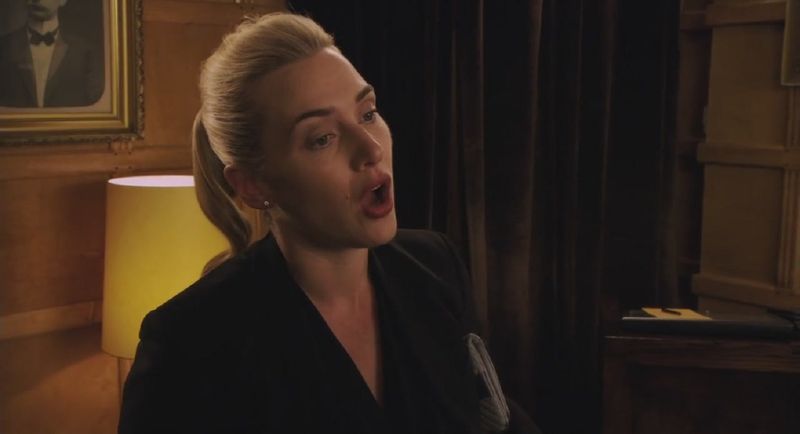
The Oscar winner participated in this notorious comedy disaster for reasons she’s never fully explained.
Movie 43 featured multiple A-list actors in crude, unfunny sketches that bombed spectacularly.
Winslet’s presence in such garbage suggested a substantial paycheck was involved.
The film is considered one of the worst ever made by major Hollywood stars.
Winslet has avoided discussing it in interviews, likely regretting her involvement.
The money must have been good to convince her to participate in such lowbrow material.
Her reputation survived the disaster, but questions remain about why she agreed.
Sometimes even talented actors make questionable financial decisions they’d rather forget completely and never discuss publicly again.
22. Eddie Redmayne in Jupiter Ascending
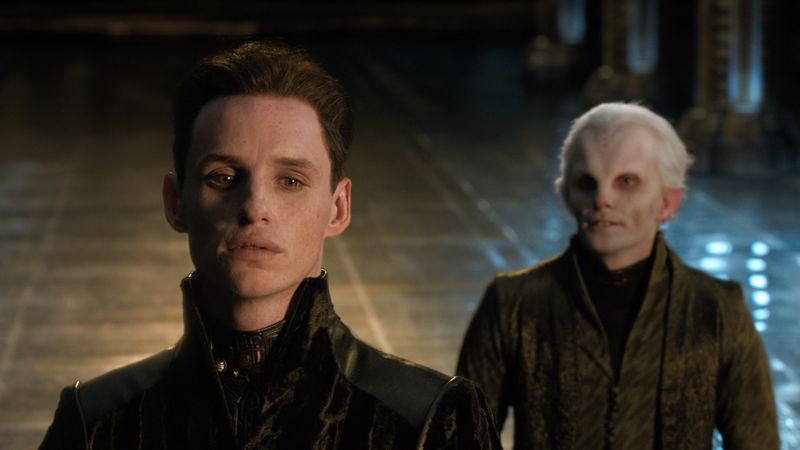
Fresh off his Oscar win, Redmayne chose this science fiction disaster for the paycheck.
His over-the-top villain performance became instantly mocked for its bizarre whisper-screaming delivery.
The Wachowskis’ film was a massive commercial and critical failure that confused audiences everywhere.
Redmayne has admitted he went too far with the character choices.
The movie offered a big salary for a leading role in a major studio production.
Unfortunately, the script was incomprehensible, and the final product was laughably bad.
He’s been good-natured about the failure, acknowledging it was a misstep.
Sometimes actors swing for the fences and miss completely, but at least the paycheck softens the blow of professional embarrassment.
23. Denzel Washington in Virtuosity
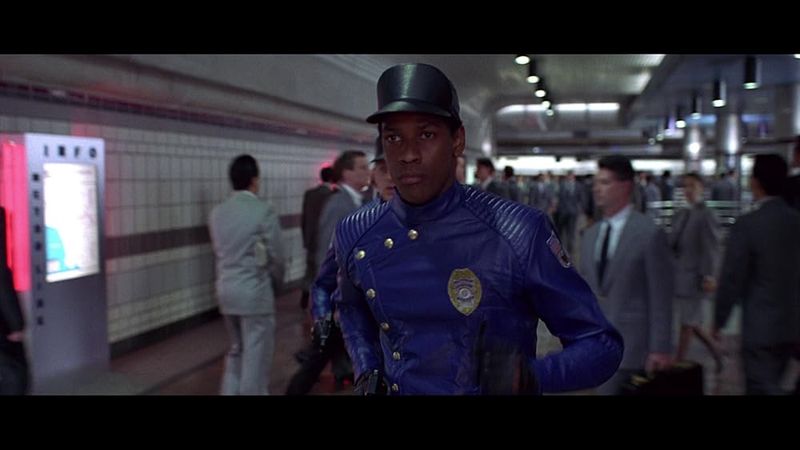
Even Denzel Washington has admitted to taking roles primarily for the paycheck early in his career.
Virtuosity was a forgettable sci-fi thriller that wasted his considerable talents.
The movie tanked at the box office and was quickly forgotten by everyone involved.
Washington needed commercial hits to balance his serious dramatic work.
The salary was good, and the role seemed like it might be fun.
Unfortunately, the script was weak, and the special effects looked cheap even for 1995 standards.
He’s since become more selective about projects, but everyone has bills to pay.
Washington’s honesty about occasionally choosing money over material makes him relatable despite his legendary status and multiple Academy Awards throughout his career.
Comments
Loading…