
 Jade Reed
These 20 Musicians Get a Lot of Hate — But Why?
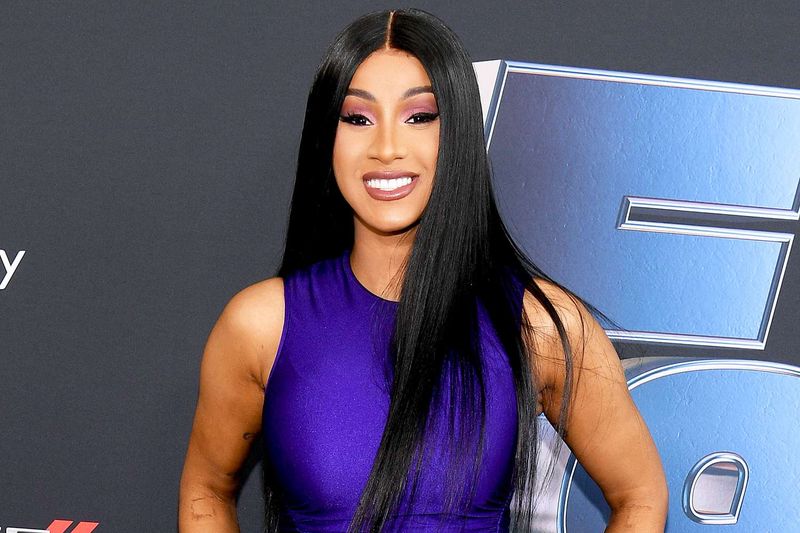
Some musicians seem to attract hate no matter what they do.
Whether it’s their music style, their personality, or something they said online, certain artists just can’t seem to catch a break.
But is the criticism always fair, or does the internet sometimes pile on for no good reason?
Here are 20 musicians who get a lot of hate — and the real stories behind it.
1. Nickelback
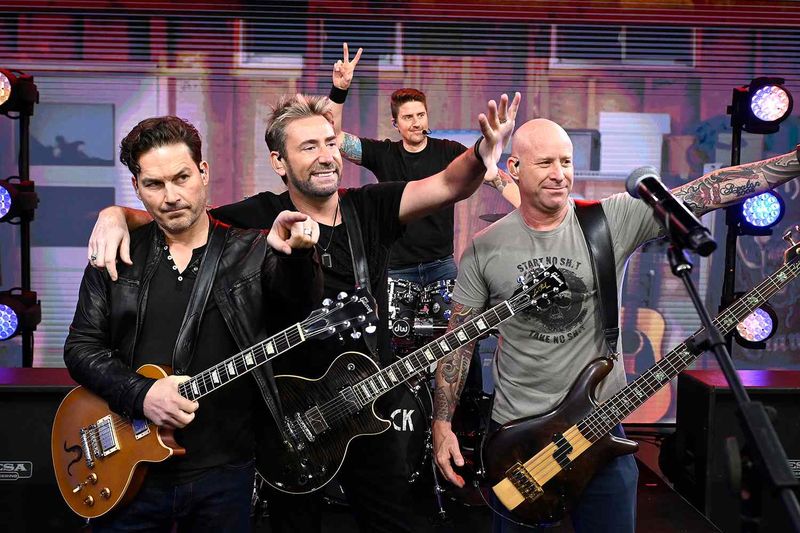
No band on earth gets mocked quite like Nickelback.
They became the punchline of every internet joke in the 2000s, with people calling their music generic and repetitive.
But here’s the twist — they sold over 50 million albums worldwide.
That doesn’t sound like a band nobody likes.
A lot of the hate seems to be more about trend-following than genuine dislike.
People made fun of Nickelback because everyone else was doing it.
Their songs like “Photograph” are still instantly recognizable today, which says something about their staying power.
2. Justin Bieber

Few artists have gone through as much public scrutiny as Justin Bieber.
He exploded onto the scene as a teenage YouTube sensation, and the world watched his every move — including some not-so-great ones.
Legal troubles, public meltdowns, and a bratty image made him easy to dislike.
Over time, he matured and his music genuinely evolved.
Albums like “Changes” showed a softer, more personal side.
Still, the bad reputation from his teenage years stuck around.
Many fans who grew up with him have since come back around, recognizing his talent beneath all the noise.
3. Kanye West
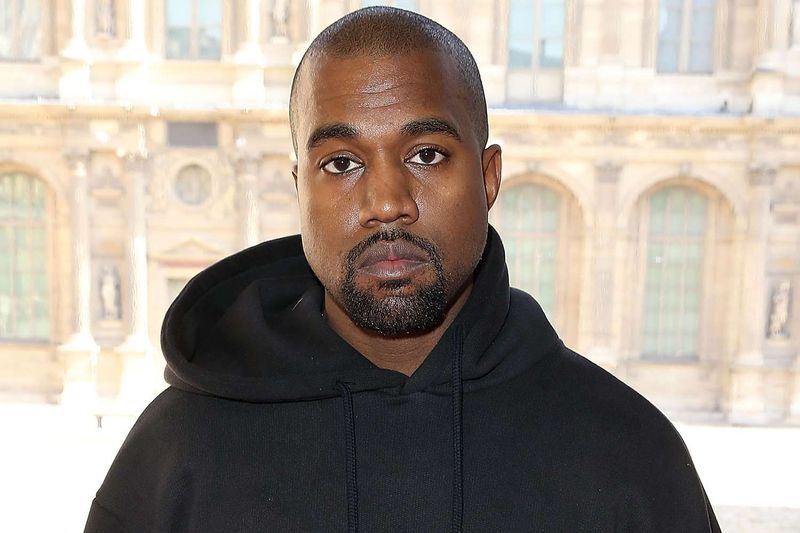
Kanye West might be the most complicated name on this list.
His music — albums like “My Beautiful Dark Twisted Fantasy” — is widely considered genius-level work.
But his public behavior has made it hard for many people to separate the art from the artist.
Controversial political statements, interrupting award speeches, and erratic social media posts have all fueled the backlash.
Some fans defend him passionately, while others have completely walked away.
Whatever your opinion, his influence on hip-hop and fashion culture is impossible to ignore.
Love him or hate him, Kanye always makes people pay attention.
4. Taylor Swift
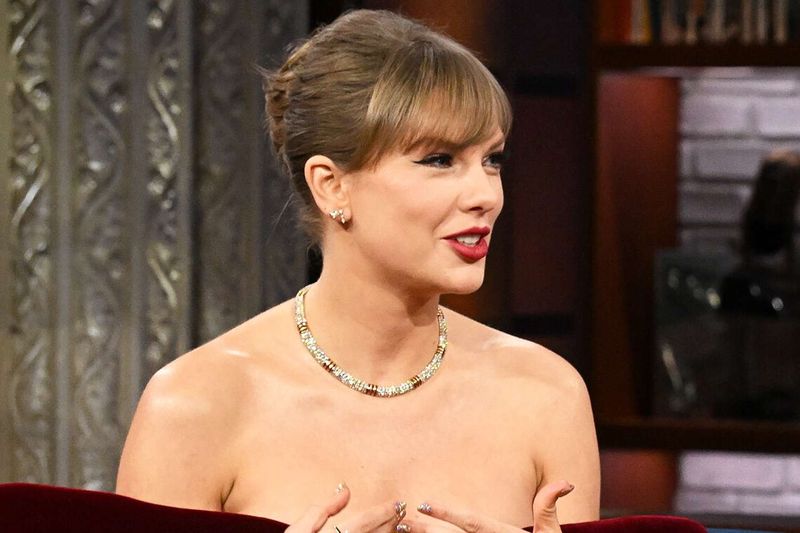
Taylor Swift has one of the most devoted fan bases on the planet — and also one of the loudest groups of critics.
Some people accuse her of playing the victim, writing songs that publicly call out exes, or being overly calculated in her image.
The “squad goals” era especially rubbed many people the wrong way.
Her music keeps breaking records, though, and the Eras Tour became a cultural phenomenon.
A lot of the hate toward her seems rooted in the idea that she is too successful or too carefully crafted.
Whether that is fair criticism or just jealousy is up for debate.
5. Drake
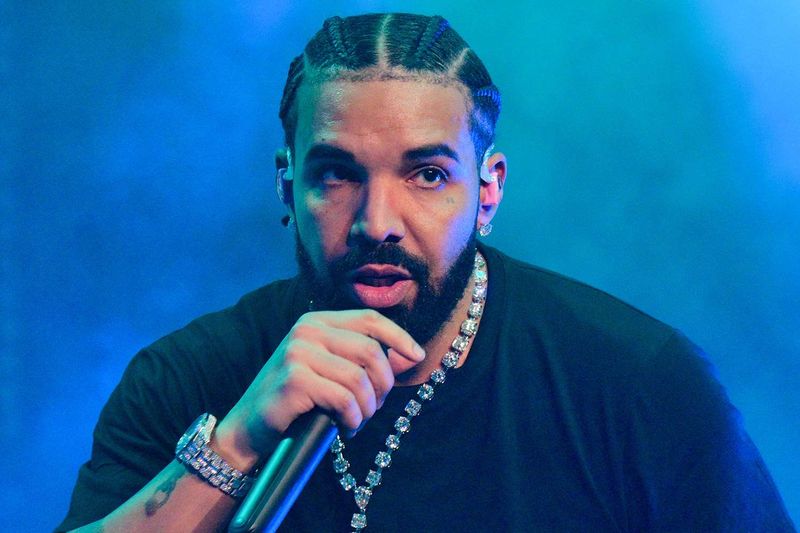
Drake gets a surprising amount of pushback for someone who dominates the charts year after year.
Critics often call his music emotionally shallow or accuse him of borrowing heavily from other artists’ styles without giving proper credit.
The ongoing feud with Kendrick Lamar didn’t help his reputation either.
Some hip-hop purists feel he waters down the genre, while others simply find his persona inauthentic.
Still, his streaming numbers are staggering, and songs like “God’s Plan” became genuine cultural touchstones.
The hate Drake gets often says more about shifting tastes in hip-hop than anything deeply wrong with his music.
6. Miley Cyrus
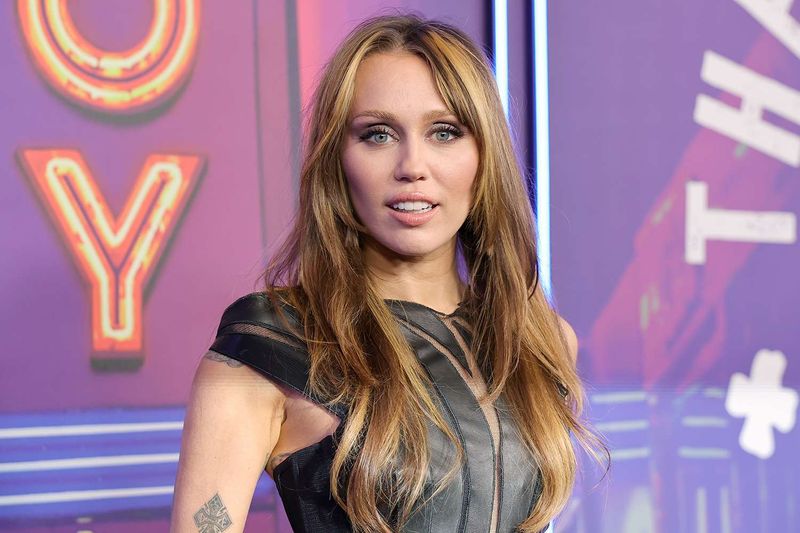
Miley Cyrus made one of the most talked-about image transformations in pop history.
Going from Hannah Montana to the provocative “Wrecking Ball” era shocked audiences and parents alike.
Many people never forgave her for leaving her wholesome Disney image behind so dramatically.
But honestly?
Artists grow up.
Miley has always been outspoken about being authentic, and her later work — especially the album “Plastic Hearts” — received serious critical praise.
The hate she gets often feels tied to nostalgia and discomfort with change more than the actual quality of her music.
She keeps evolving, and that bothers some people.
7. Chris Brown
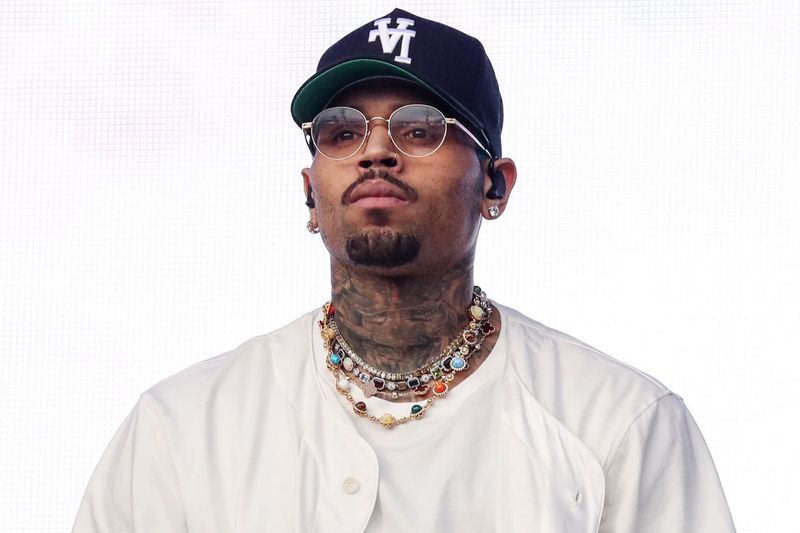
The criticism aimed at Chris Brown is rooted in something far more serious than musical taste.
His 2009 assault of Rihanna permanently changed how many people view him, and understandably so.
For a large portion of the public, that event defines him entirely — regardless of his music.
He has continued releasing popular songs and touring successfully, which frustrates many who feel he faced too few consequences.
Some fans separate the art from the person, while others refuse to stream a single track.
The debate around Chris Brown is less about music and more about accountability and what we choose to forgive.
8. Lil Wayne
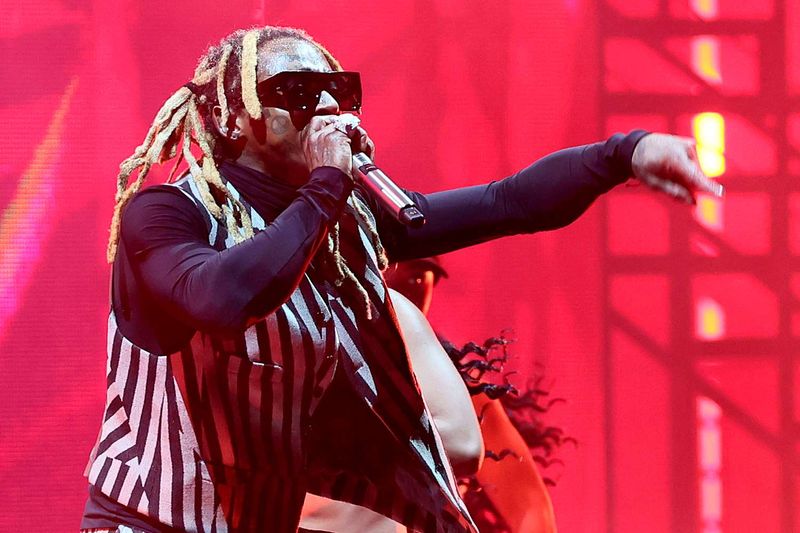
Lil Wayne was once considered one of the greatest rappers alive — and then something shifted.
His later projects received mixed reviews, and some fans felt he never quite recaptured the lightning-in-a-bottle energy of “Tha Carter III.”
Public feuds, including a messy falling out with Birdman, also damaged his image.
Some critics point to his skateboarding phase or various interviews as evidence of someone who lost touch.
But listening back to his prime work reminds you just how creative and fast-thinking he really was.
The hate feels like disappointment more than genuine dislike — people expected too much and felt let down.
9. Billie Eilish
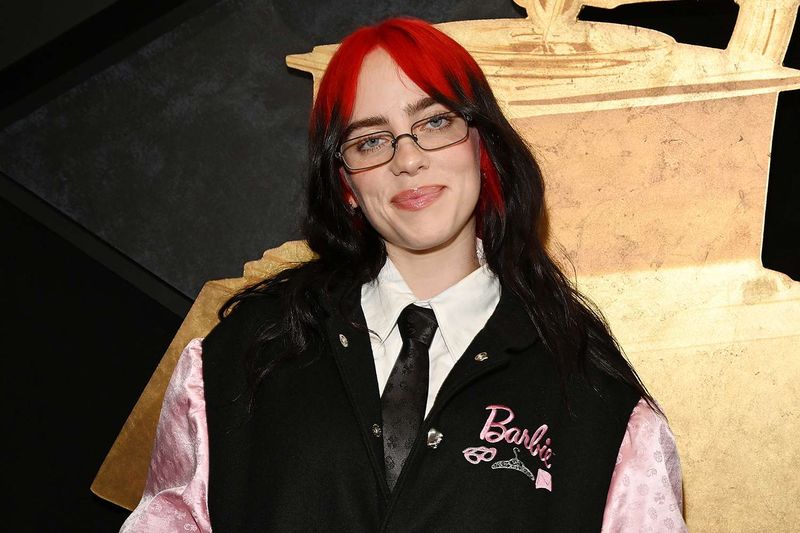
Billie Eilish burst onto the scene as a teenager and quickly became one of the biggest names in pop.
But with massive fame comes massive backlash.
Some critics called her music overhyped or accused her of being a manufactured “quirky” persona designed to appeal to Gen Z.
When she switched up her look and style, the internet had opinions — loudly.
Some older fans felt betrayed, while new critics pounced on every choice.
The truth is, she is a genuinely skilled songwriter who co-writes everything with her brother Finneas.
The hate often reflects more about internet culture than her actual talent.
10. Ed Sheeran
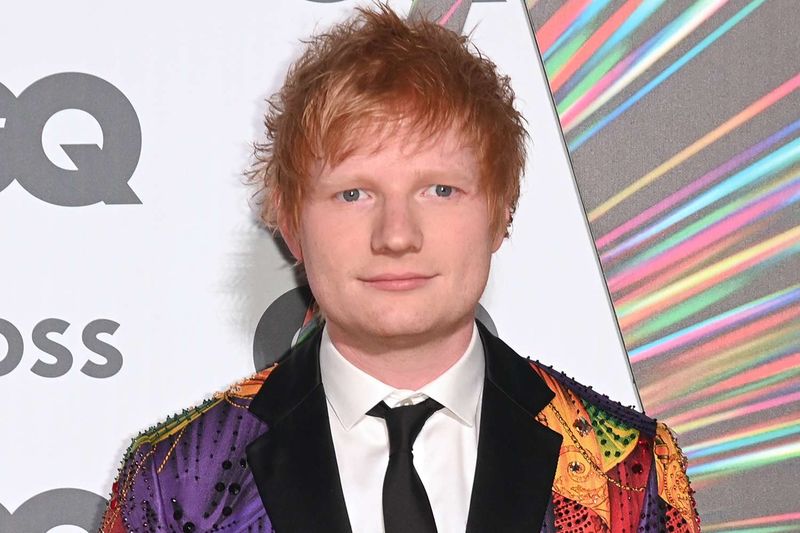
Ed Sheeran might seem like an unlikely target for hate — he writes catchy songs, plays guitar, and seems pretty normal.
Yet a vocal group of music fans genuinely cannot stand him.
The main complaint?
He is everywhere, all the time, and his music is considered too safe and predictable.
Some critics argue his dominance of radio squeezes out more adventurous artists.
There’s also a “he’s too successful for someone so average” energy to a lot of the criticism.
But millions of fans around the world would strongly disagree.
Ed Sheeran is proof that being massively popular and being critically beloved rarely go hand in hand.
11. Nicki Minaj
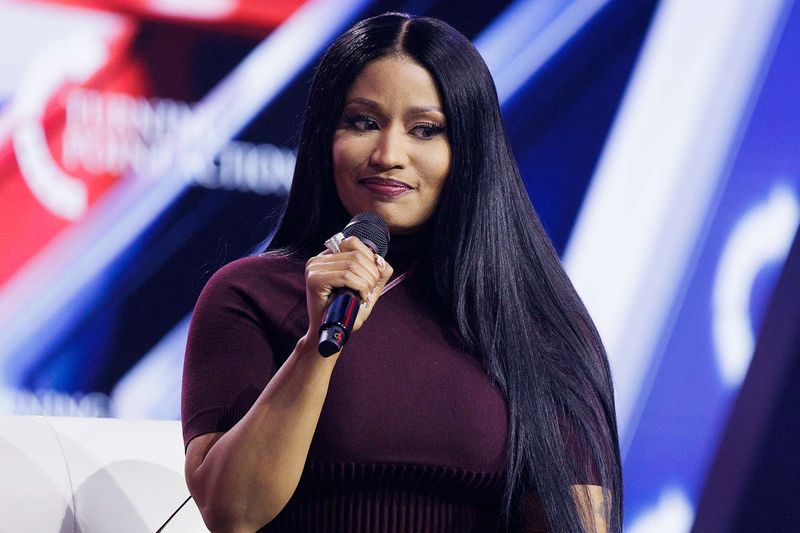
Nicki Minaj helped redefine what a female rapper could be — lyrically fierce, visually bold, and commercially unstoppable.
But she has attracted serious criticism over the years, from feuds with other artists to controversial public statements.
Her ongoing conflicts with Cardi B split hip-hop fans right down the middle.
Some critics also point to social media behavior that many found inappropriate or harmful.
Yet her actual rap ability is rarely questioned — she can outperform almost anyone on a verse.
The hate she receives is tangled up in real controversies, but also in a double standard that treats outspoken women in rap far more harshly than their male counterparts.
12. Post Malone
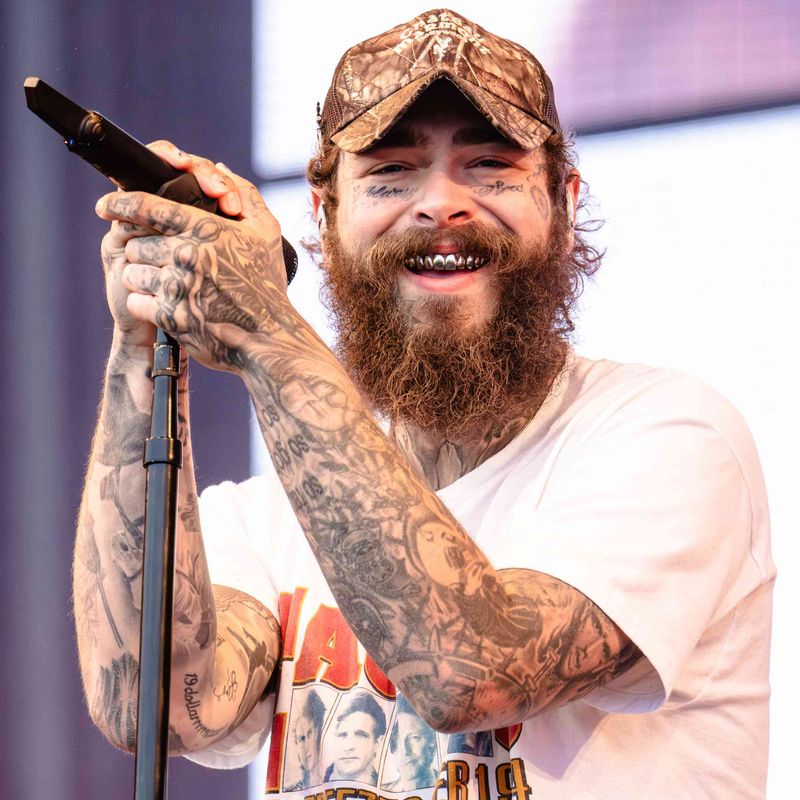
Post Malone walks an unusual line — he blends hip-hop, rock, and pop in ways that purists from every genre find suspicious.
Hip-hop fans sometimes question his authenticity, while rock fans aren’t sure he belongs in their space either.
His heavily tattooed face and laid-back persona divide opinion too.
Critics have called his music repetitive or emotionally hollow, though his album “Hollywood’s Bleeding” proved he could craft genuinely moving songs.
A lot of the backlash feels genre-based — people get uncomfortable when artists don’t fit neatly into a box.
Post Malone seems genuinely unbothered by it all, which probably makes his critics even more frustrated.
13. Maroon 5
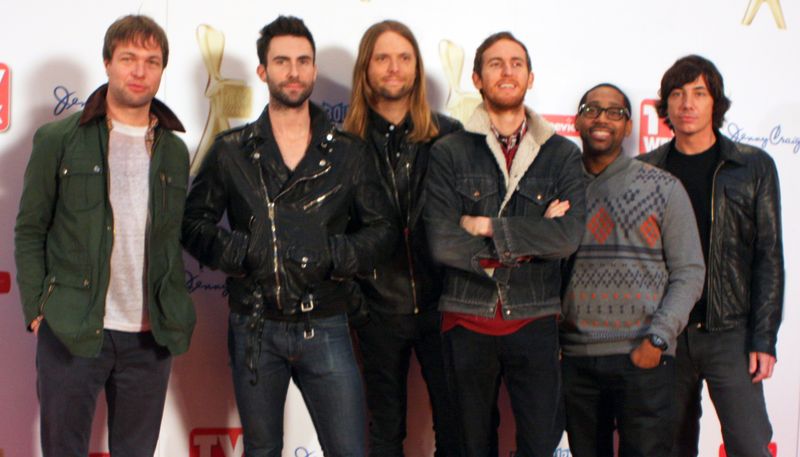
Maroon 5 started out as a critically respected rock-pop band with real musical chops.
Then they shifted toward polished, radio-friendly pop — and a lot of fans felt abandoned.
Adam Levine’s voice, once praised, became something people openly mocked on social media.
Their Super Bowl halftime show was widely panned.
The band kept releasing hits, but the goodwill had clearly evaporated for many listeners.
Part of the backlash is about selling out — the feeling that they traded depth for popularity.
But plenty of casual listeners still enjoy their songs without overthinking it.
Sometimes hate is just what happens when a band becomes inescapable.
14. Coldplay
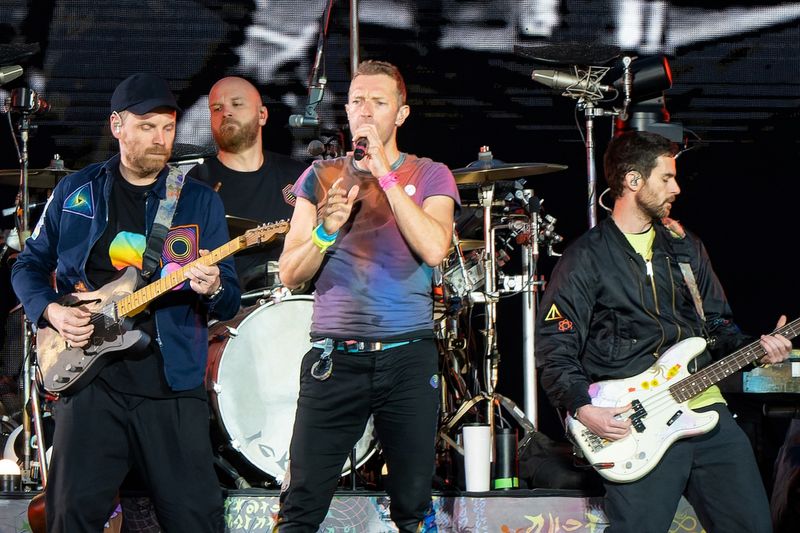
Coldplay occupies a strange place in music culture — they are one of the best-selling bands of all time, yet calling yourself a Coldplay fan often gets an eye-roll.
Critics label them bland, emotionally manipulative, or stadium-rock wallpaper.
The jokes about their music being “sad and boring” have been around for decades.
What’s funny is that their live shows are genuinely spectacular, and songs like “The Scientist” still hit hard emotionally.
The hate is partly snobbery — it’s uncool to like something that’s mainstream and earnest at the same time.
Coldplay wears their heart on their sleeve, and for some listeners, that vulnerability feels uncomfortable rather than moving.
15. Imagine Dragons
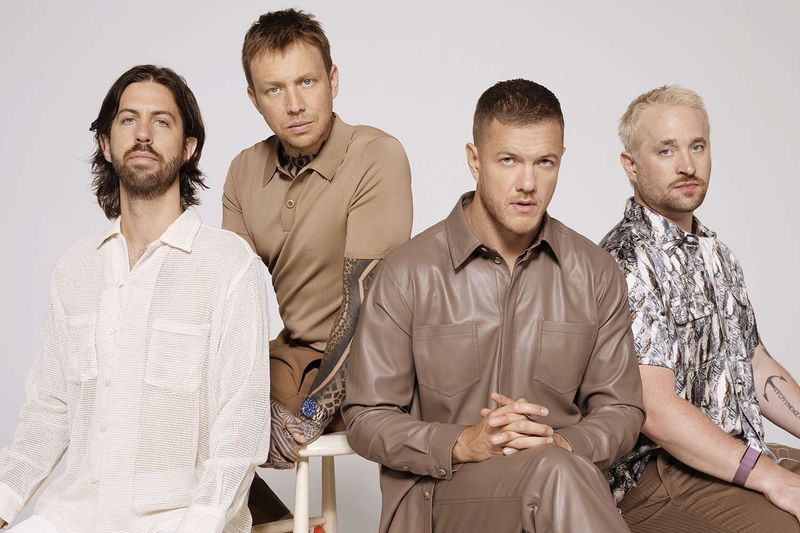
Imagine Dragons became one of the defining rock bands of the 2010s — and that success made them a target.
Music critics consistently dismissed their work as shallow arena-rock designed purely for maximum emotional impact.
Terms like “corporate rock” and “motivation poster music” got thrown around constantly.
Their songs were used in so many movie trailers and sports broadcasts that overexposure became a real problem.
But songs like “Demons” or “Radioactive” clearly connected with millions of real people going through real struggles.
The backlash says a lot about how critics treat commercially successful emotional music.
Sometimes being too relatable is held against you.
16. Cardi B
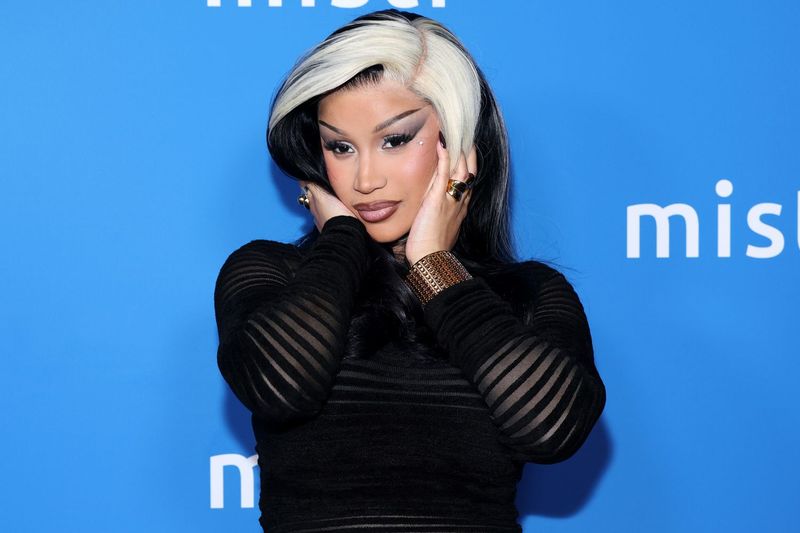
Cardi B went from reality TV personality to Grammy-winning rapper almost overnight, and not everyone was ready to accept that journey.
Critics questioned whether she had the lyrical depth to be taken seriously, while her outspoken, unfiltered personality drew both fans and haters in equal numbers.
Her past, including admissions about past criminal behavior, has been used against her repeatedly.
But her debut album “Invasion of Privacy” was genuinely impressive and showed real artistic growth.
The hate she receives often carries a class-based undertone — people seem uncomfortable with how unapologetically she represents her background.
She refuses to tone herself down, and that bothers certain audiences.
17. Meghan Trainor
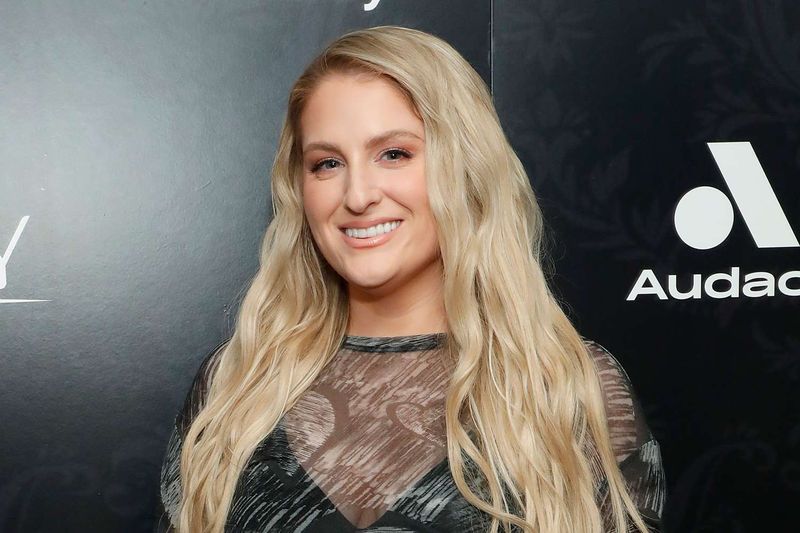
“All About That Bass” was inescapable in 2014, and for some listeners, that was already too much.
Meghan Trainor’s peppy, feel-good pop style earned her massive commercial success but also plenty of eye-rolls from critics who found her music overly simplistic or saccharine.
Some critics also pointed out contradictions in her body-positivity messaging, noting that certain lyrics still insulted thin women while claiming to uplift everyone.
Fair point — but the level of ongoing disdain sometimes seems disproportionate to the actual offense.
She makes cheerful, accessible pop music.
Not everything needs to be complex.
The hate often says more about pop music snobbery than anything genuinely harmful she has done.
18. The Chainsmokers
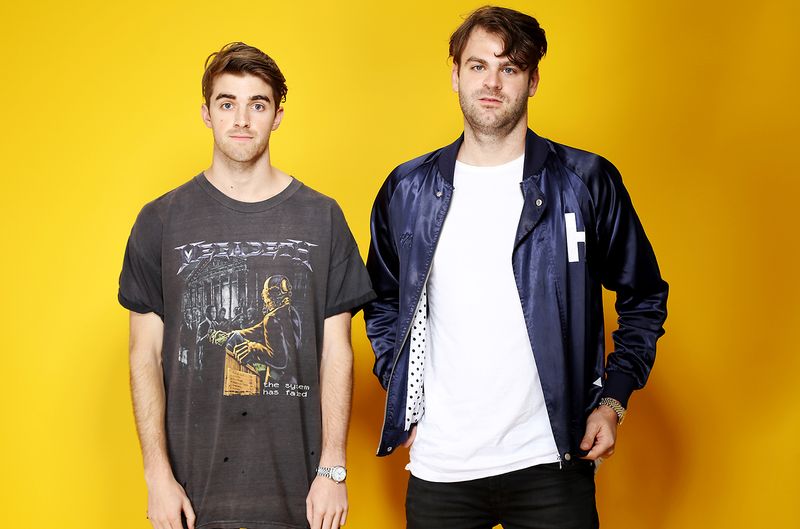
The Chainsmokers hit a peak with songs like “Closer” and “Don’t Let Me Down,” but the backlash came almost as fast as the success.
Music critics tore into their work as formulaic EDM-pop with lazy lyrics and no real musical substance.
An infamous Rolling Stone interview where they bragged about their lifestyle made things much worse.
Their public image shifted from fun party DJs to out-of-touch bros pretty quickly.
The music itself is arguably not much worse than plenty of other pop, but perception matters enormously in the music industry.
Once the narrative turned against them, it stuck hard.
They remain a cautionary tale about how quickly public goodwill can vanish.
19. Pitbull
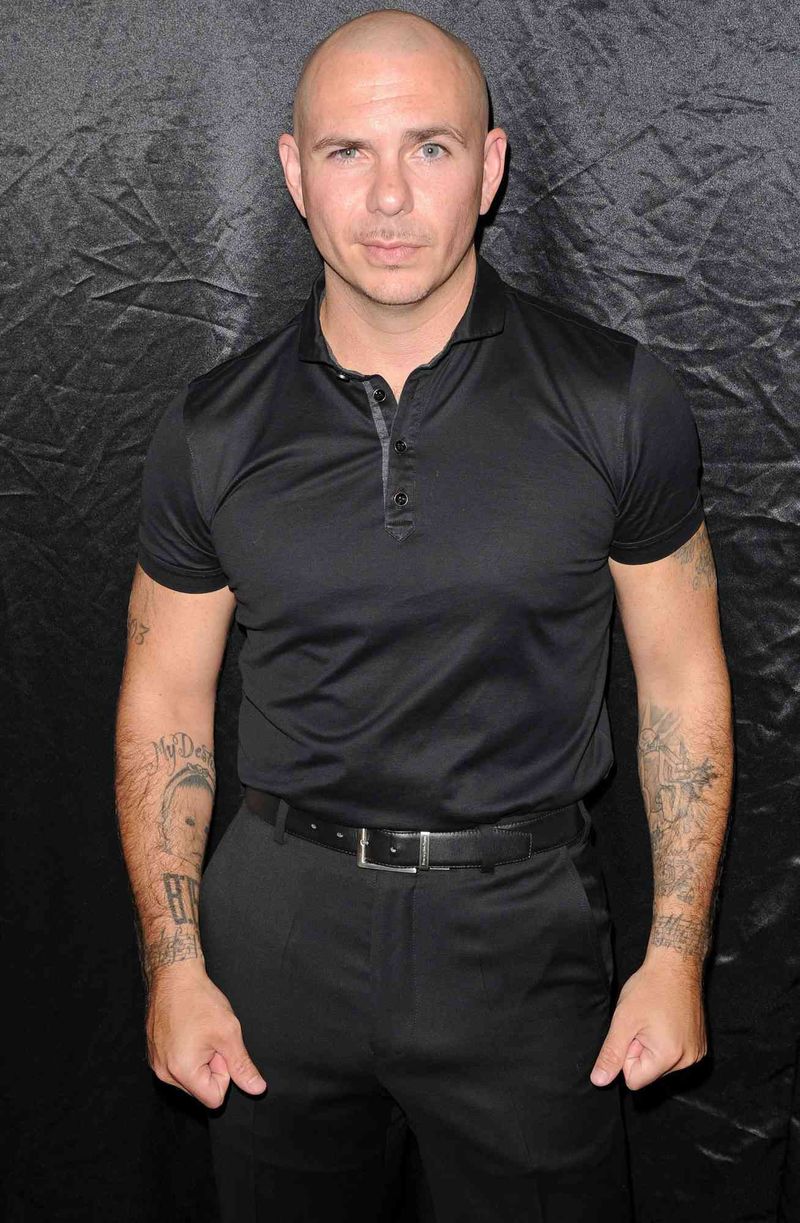
Mr. Worldwide has become something of a cultural meme — the guy who shows up on every collaboration track, drops a few hype lines, and somehow keeps getting invited back.
Critics have long argued that Pitbull’s music is repetitive, shallow, and built entirely on catchphrases rather than real artistry.
Yet his resilience is actually kind of impressive.
He has outlasted trends, maintained a global touring career, and built a genuine brand.
The mockery directed at him has a playful quality that’s different from outright hate — people joke about him the way they joke about a friend who always shows up uninvited but somehow makes the party better.
There’s affection buried in the teasing.
20. Sam Smith
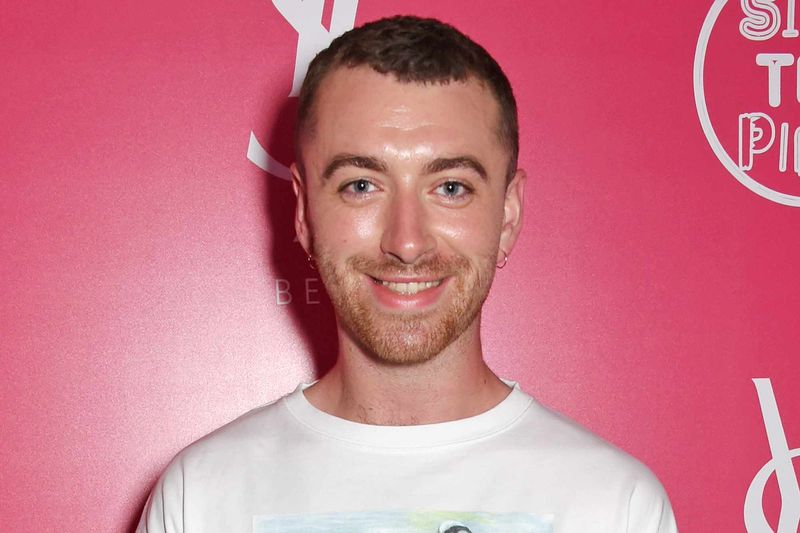
Sam Smith’s vocal talent is rarely the issue — their voice is objectively stunning, and early hits like “Stay With Me” moved millions of listeners.
The criticism they face tends to center on their public persona and artistic choices in recent years, which some fans found jarring compared to their earlier soulful style.
Their collaboration with Kim Petras on “Unholy” and the provocative visuals that accompanied it sparked genuine controversy and online outrage.
Some of the backlash crossed into genuine bigotry, targeting their gender identity rather than their music.
But some came from longtime fans who simply missed the quieter, more vulnerable sound that first made them famous.
Comments
Loading…