
 Mila Ross
These 15 Beloved Protagonists Were Actually the Bad Guys All Along
Many of the most popular characters in movies and TV are actually terrible people on closer inspection.
We root for them, laugh with them, and sometimes even admire them, yet they leave a trail of chaos behind.
From chemistry teachers turned drug lords to charming rule-breakers who manipulate everyone around them, these protagonists blur the line between hero and villain in fascinating ways—and may change how you see them.
1. Walter White in Breaking Bad (2008-2013)
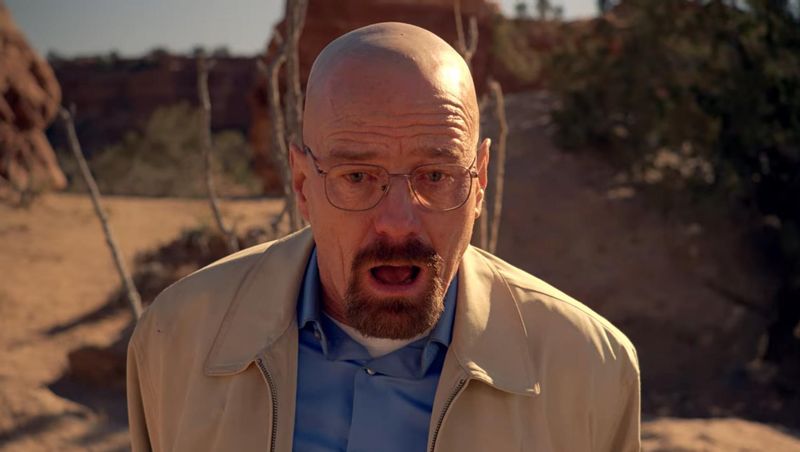
Walter White starts as someone easy to feel sorry for: a underpaid chemistry teacher with cancer and a family to protect.
His first steps into meth manufacturing feel almost noble, driven by desperation rather than greed.
But pride quietly takes over.
Each compromise chips away at the decent man he claims to be, and before long, Walter is poisoning children, manipulating loved ones, and letting people die to protect his empire.
The scariest part?
He never stops believing he is the hero of his own story.
Heisenberg was not a transformation.
He was always there, waiting.
2. Tony Soprano in The Sopranos (1999-2007)
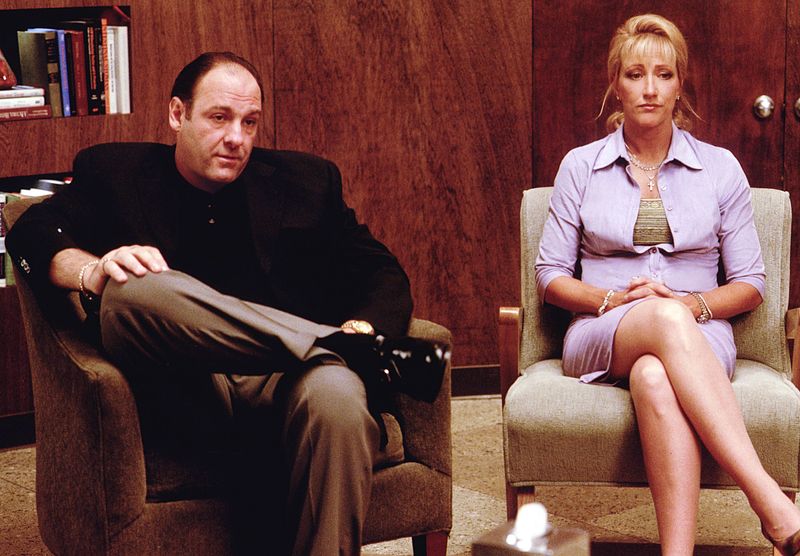
Tony Soprano is one of television’s most magnetic characters, and that magnetism is exactly the problem.
His therapy sessions make him feel relatable, even vulnerable.
You catch yourself rooting for him during family dinners and backyard barbecues.
Then you remember the people he had strangled, beaten, or ordered killed, often without a second thought.
His emotional intelligence makes him more dangerous, not more sympathetic.
Creator David Chase once said audiences were never supposed to fully embrace Tony.
Yet millions did, proving how skillfully the show weaponized charm to hide something genuinely monstrous beneath the surface.
3. Dexter Morgan in Dexter (2006-2013)
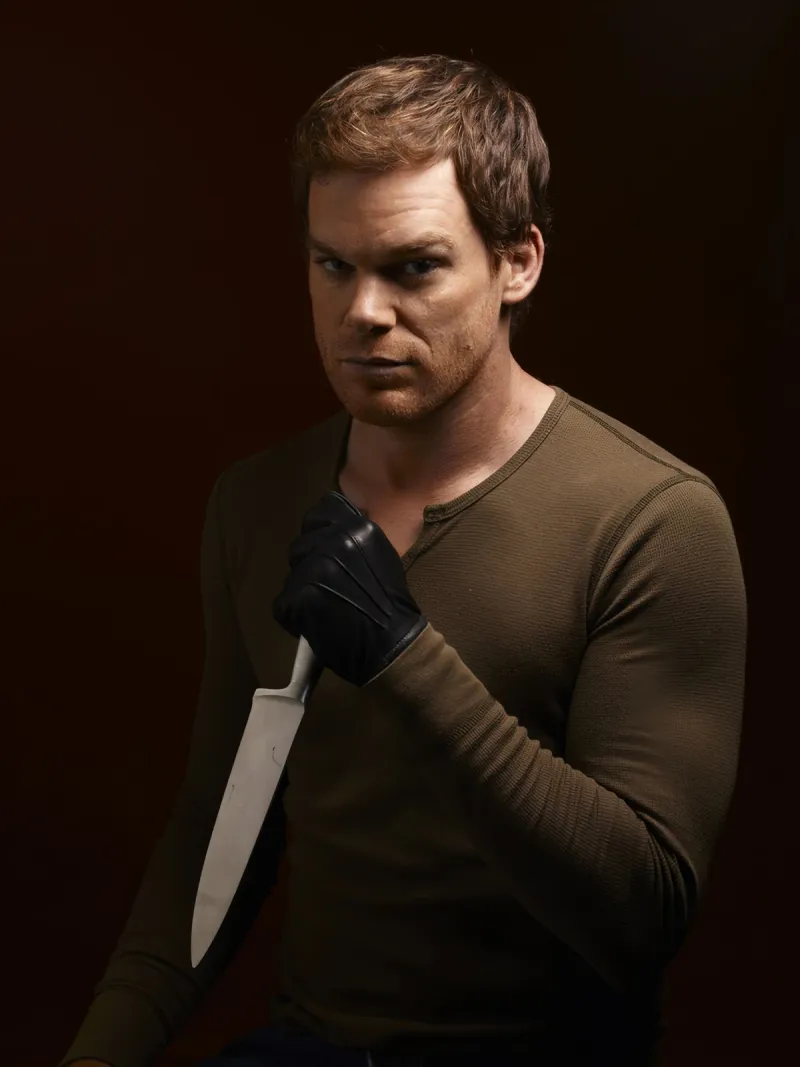
Forensic analyst by day, serial killer by night.
Dexter Morgan is presented as a monster with a moral compass, targeting only guilty people.
His inner monologue is witty and self-aware, pulling viewers directly into his warped logic.
Here is the uncomfortable truth: the show trains you to celebrate premeditated murder as long as the victims seem to deserve it.
That is a deeply troubling idea dressed up in stylish packaging.
Dexter is charming, funny, and oddly lovable.
But he is also a cold-blooded killer who repeatedly endangers innocent people around him to protect his secret double life.
4. Don Draper in Mad Men (2007-2015)
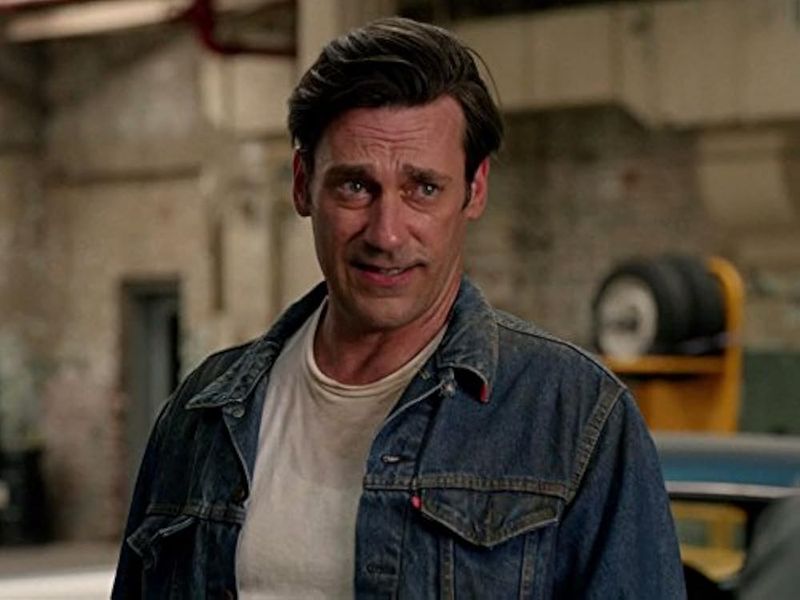
Don Draper sells dreams for a living, but his entire life is built on a stolen identity.
He abandoned his real name, his past, and eventually every person who got close to him.
His genius in advertising is real, but so is his relentless self-destruction.
Wives, girlfriends, colleagues, and children all pay the price for Don’s inability to be honest.
He is not mysterious in a romantic way. He is just emotionally unavailable and deeply dishonest.
Mad Men never lets Don fully off the hook, even when it makes him look impossibly cool.
That tension is what makes the show brilliant.
5. Rick Sanchez in Rick and Morty (2013-present)
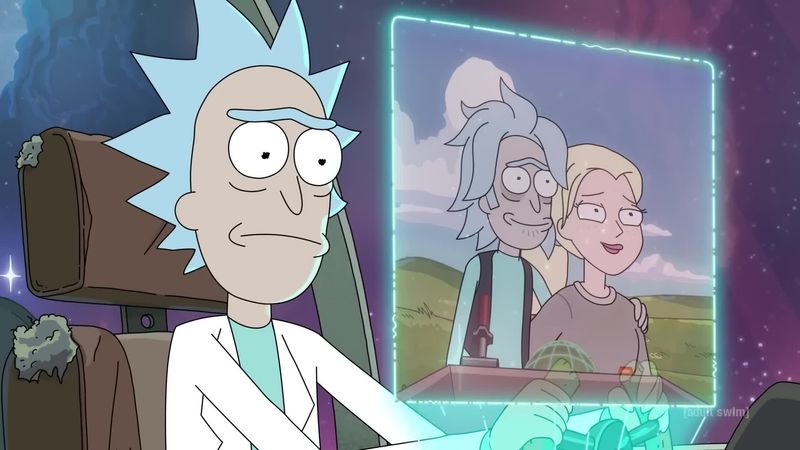
Rick Sanchez is the smartest person in any universe he visits, and he never lets anyone forget it.
His adventures with grandson Morty are hilarious and wildly creative, which makes it easy to overlook how genuinely harmful he is to everyone around him.
He uses Morty as an emotional shield, drags his family into life-threatening situations, and treats entire civilizations as disposable entertainment.
His alcoholism and nihilism are played for laughs, but the damage he causes is very real within the story.
Rick is fascinating precisely because he knows he is terrible and simply does not care enough to change.
6. Tony Montana in Scarface (1983)
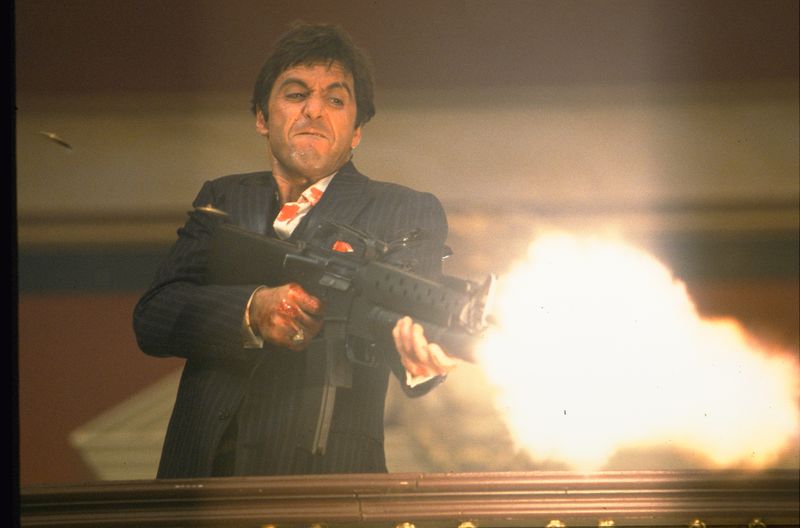
His rise from Cuban refugee to cocaine kingpin feels almost triumphant, fueled by raw ambition and street-level charisma.
“The world is yours” is Tony Montana’s philosophy, and for a while, the movie makes you believe in it.
But Tony becomes exactly the kind of ruthless tyrant he once claimed to despise.
He murders his best friend, alienates his family, and lets paranoia consume every good thing he builds.
Scarface is often celebrated as a story of hustle and power.
Look closer, though, and it is actually a tragedy about a man who never understood the difference between success and destruction.
7. Ferris Bueller in Ferris Bueller’s Day Off (1986)
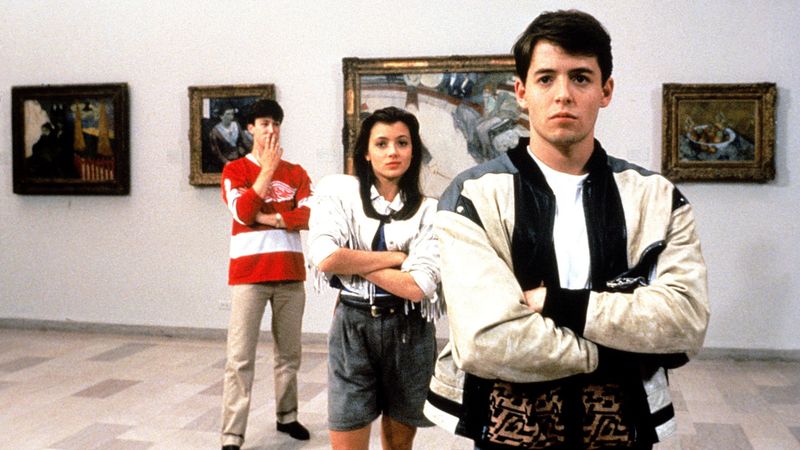
Ferris Bueller is the coolest kid in school, and the movie absolutely adores him for it.
His day off in Chicago is a joyful, sun-soaked adventure that generations of viewers have wished they could experience themselves.
But strip away the charm, and Ferris is actually manipulative and self-centered.
He lies to his parents without guilt, exploits his best friend Cameron’s anxiety for entertainment, and faces zero consequences for any of it.
Cameron has a genuine emotional breakdown during the film, largely caused by Ferris.
Yet the movie treats that as a subplot. Ferris Bueller is fun to watch but rough to know.
8. Alex DeLarge in A Clockwork Orange (1971)
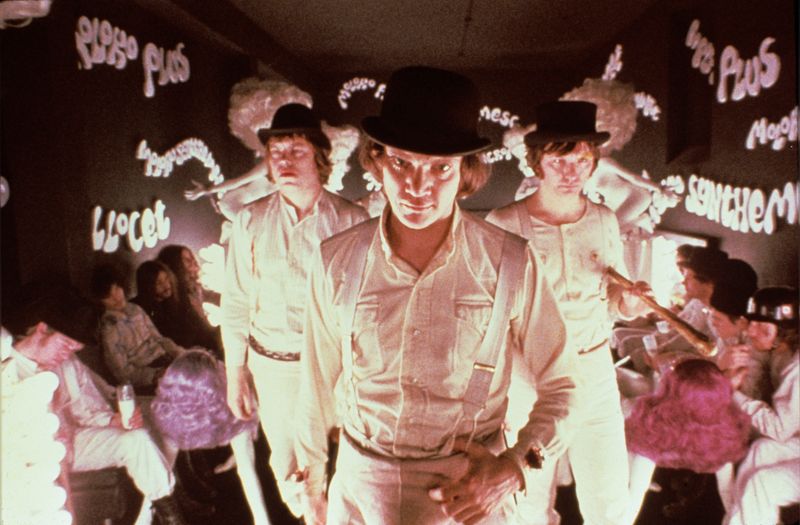
Stanley Kubrick’s A Clockwork Orange opens from Alex DeLarge’s perspective, and that choice is deeply intentional.
His voice is poetic, his tastes are refined, and his wit is undeniable.
For a brief moment, you almost forget what he actually does.
Alex leads a gang that commits brutal violence purely for enjoyment.
There is no tragic backstory offered as an excuse, no systemic failure to blame.
He simply delights in cruelty.
The film uses Alex to ask harder questions about free will and state control.
But it never pretends he is a good person.
That honesty is what makes the movie genuinely unsettling decades later.
9. Patrick Bateman in American Psycho (2000)
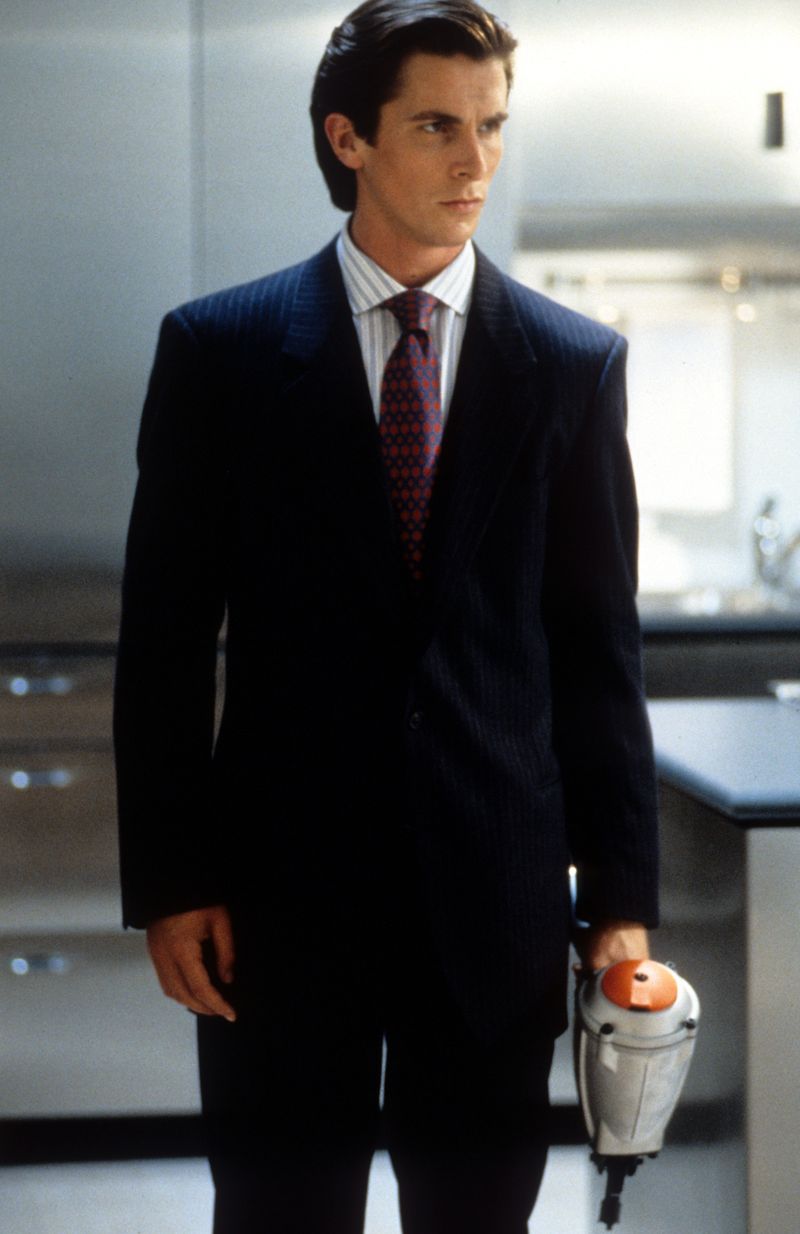
Patrick Bateman has the best business card, the best apartment, and the best abs on Wall Street.
He is also, almost certainly, a serial killer.
The genius of American Psycho is that you are never entirely sure which parts are real and which exist only in his fractured mind.
Bateman’s obsession with status and appearance is a pointed satire of 1980s yuppie culture.
Every murder he describes could be a fantasy born from bottled-up rage and suffocating conformity.
What makes him frightening is not the violence itself but the vacancy behind his eyes.
He feels nothing, and nobody around him seems to notice.
10. Jordan Belfort in The Wolf of Wall Street (2013)

Jordan Belfort narrates his own story with so much energy and humor that it takes a beat to remember you are listening to a con artist.
Martin Scorsese films Belfort’s excesses with such visual excitement that the lifestyle almost looks appealing.
That is the trap.
Belfort defrauded thousands of ordinary investors, destroying savings and livelihoods to fund his bottomless appetite for luxury and drugs.
His victims never get screen time.
The real Belfort served less than two years in prison and went on to profit from motivational speaking.
The movie captures his charisma perfectly, which is exactly why it remains so morally complicated to enjoy.
11. Michael Corleone in The Godfather Trilogy (1972-1990)
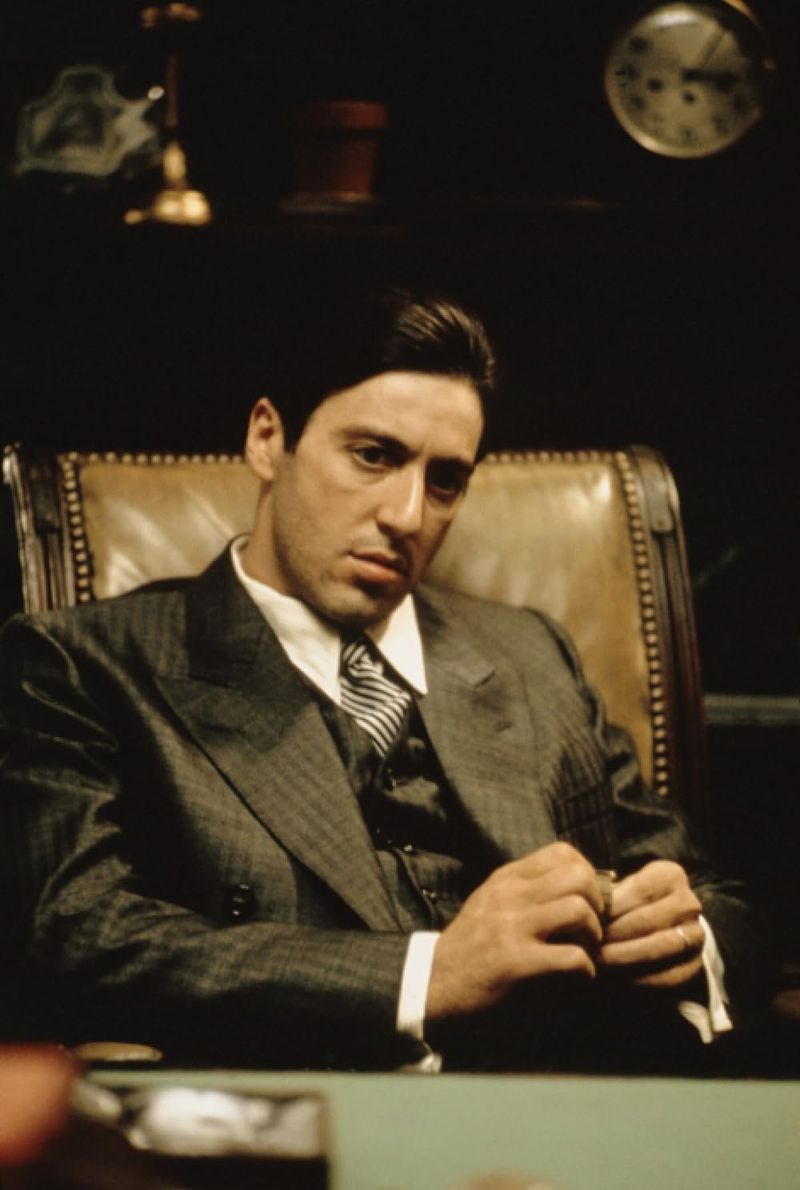
Michael Corleone begins the Godfather story as the good son, a decorated war hero who wants nothing to do with his family’s criminal empire.
His early reluctance feels genuine, which makes his eventual transformation all the more heartbreaking.
By the end of the trilogy, Michael has ordered the murders of his enemies, his brother-in-law, and arguably his own brother.
Every choice was justified as protection, but the cost was everyone he loved.
Al Pacino plays Michael with chilling restraint.
The tragedy is not that Michael became a monster.
The tragedy is that he believed, until the very end, that he had no other choice.
12. Light Yagami in Death Note (2006-2007)

Light Yagami is the student every teacher brags about: brilliant, disciplined, and destined for greatness.
Then he finds a notebook that kills anyone whose name is written inside it, and things get complicated very quickly.
His initial goal, ridding the world of criminals, sounds almost reasonable.
But Light’s ego expands just as fast as his kill count.
Anyone who threatens his plan, including innocent investigators, becomes an acceptable casualty.
Death Note is remarkable because it shows the exact moment a good intention curdles into something monstrous.
Light does not see himself as a villain.
That blind spot is precisely what makes him one.
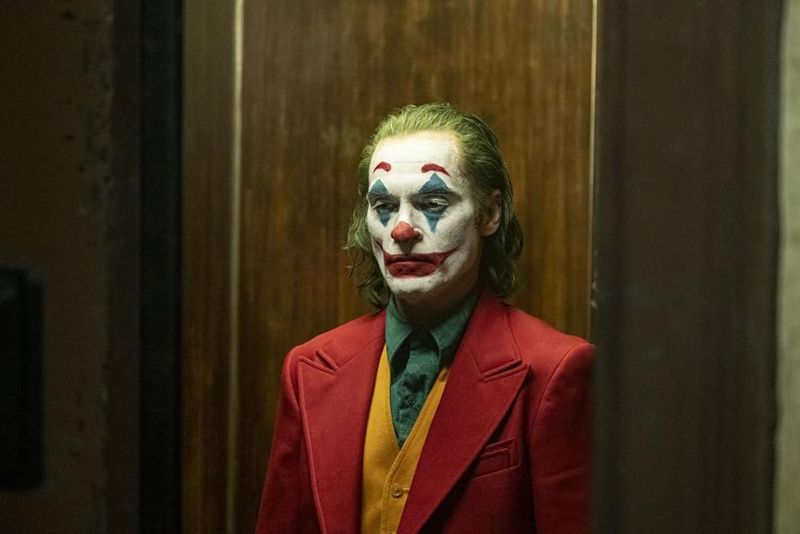
13. Arthur Fleck in Joker (2019)
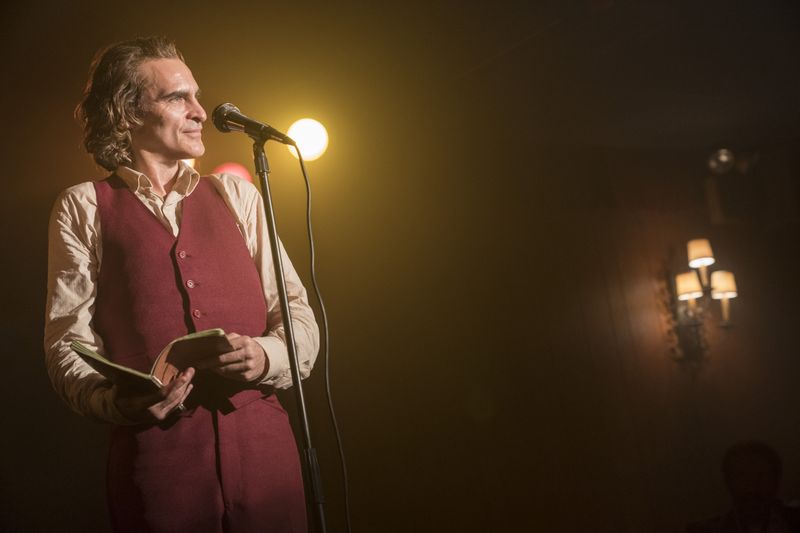
Few movie characters in recent years have generated more debate than Arthur Fleck.
His suffering is portrayed with raw, unflinching detail, and Joaquin Phoenix’s performance makes it impossible not to feel something for him early on.
Society fails Arthur repeatedly and visibly.
But the film carefully avoids endorsing what he eventually becomes.
Violence is not presented as liberation, even when it feels that way to Arthur himself.
The danger of Joker is that some viewers walk out inspired rather than disturbed.
Arthur’s pain is real, but his response to it causes real harm to real people.
Sympathy and justification are not the same thing.
14. Deadpool in Deadpool (2016-present)
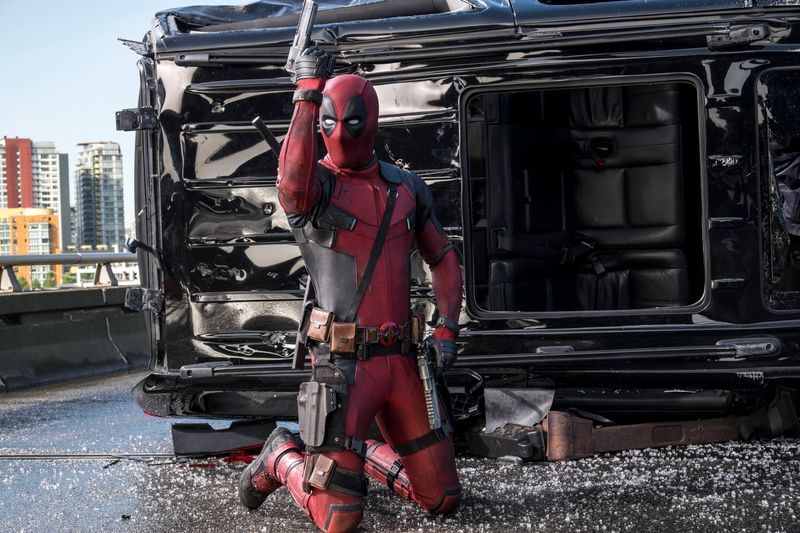
Deadpool is the superhero who openly admits he is not really a hero.
Wade Wilson cracks jokes, breaks the fourth wall, and dispatches enemies with gleeful brutality while the audience cheers him on.
His irreverence is genuinely refreshing in a genre full of noble speeches.
But his motivations rarely extend beyond personal revenge or self-interest.
He stumbles into doing the right thing mostly by accident, and even then he usually makes a mess of it.
Deadpool works because Ryan Reynolds leans fully into the chaos.
The character is essentially a power fantasy with a body count, and somehow that honesty makes him more likable than most traditional heroes.
15. Tyler Durden in Fight Club (1999)
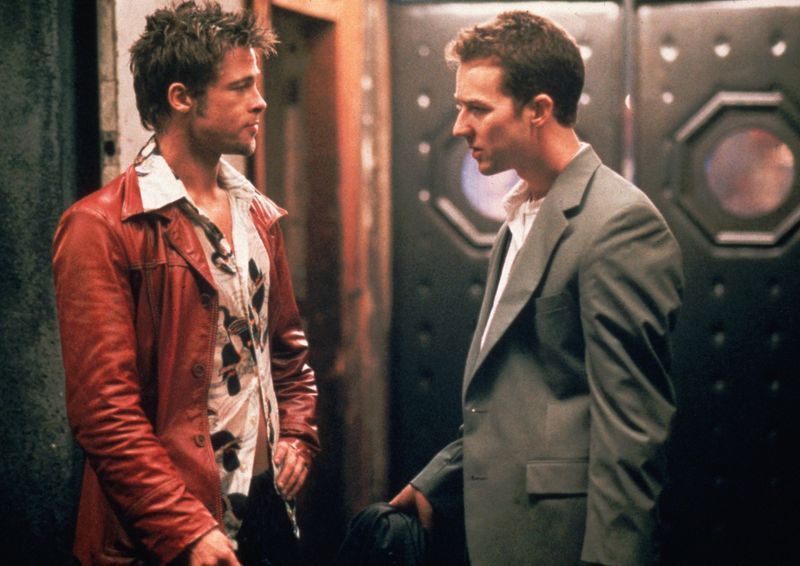
Tyler Durden is the person every dissatisfied young man in 1999 secretly wanted to be.
Fearless, philosophical, and completely free from the social rules that felt suffocating.
His speeches about consumerism and masculinity hit something real and raw.
The problem is where those speeches lead.
Underground fighting escalates into organized terrorism, and Tyler’s followers cause widespread destruction in his name.
Freedom becomes fascism with better lighting.
David Fincher and Chuck Palahniuk built a story that critiques its own protagonist from the inside.
Tyler Durden is seductive by design, and recognizing that seduction is the entire point of the film.
Comments
Loading…