
 Isabel Parker
These 12 Childhood Movies Hit Totally Different Once You’re an Adult
Remember those movies you watched over and over as a kid?
The ones that made you laugh, cry, and dream?
Well, watching them again as an adult can be a completely different experience.
Suddenly, you catch jokes you missed, understand the sadness behind certain scenes, and realize there were much deeper messages hiding in plain sight all along.
1. Mary Poppins (1964)
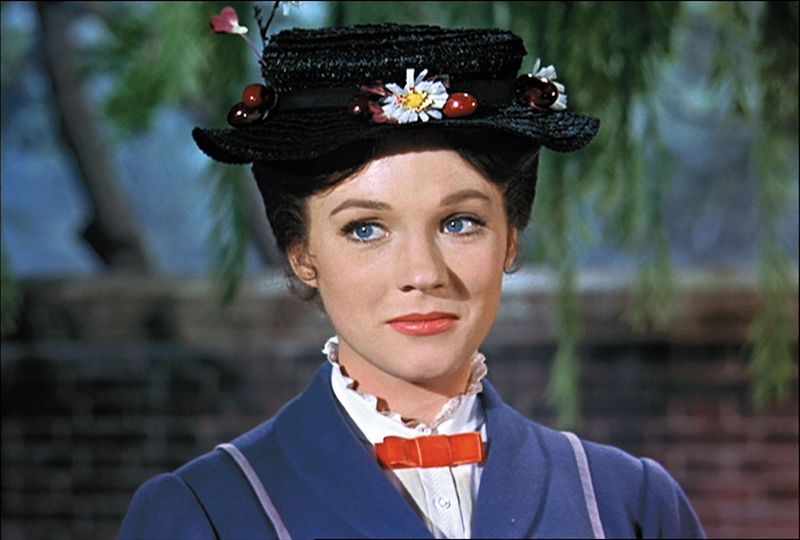
What once felt like pure whimsy becomes a bittersweet story about parental neglect, emotional distance, and the pressure adults face.
As a child, you probably focused on the magical adventures and catchy songs.
Now, you notice how absent Mr. and Mrs. Banks are from their children’s lives.
The kids are essentially raising themselves with a rotating door of nannies.
The magic is still there, but it plays against themes of loneliness and responsibility you only notice with age.
Mary Poppins isn’t just fun—she’s filling a void created by workaholic parents who’ve forgotten what truly matters in life.
2. The Last Unicorn (1982)
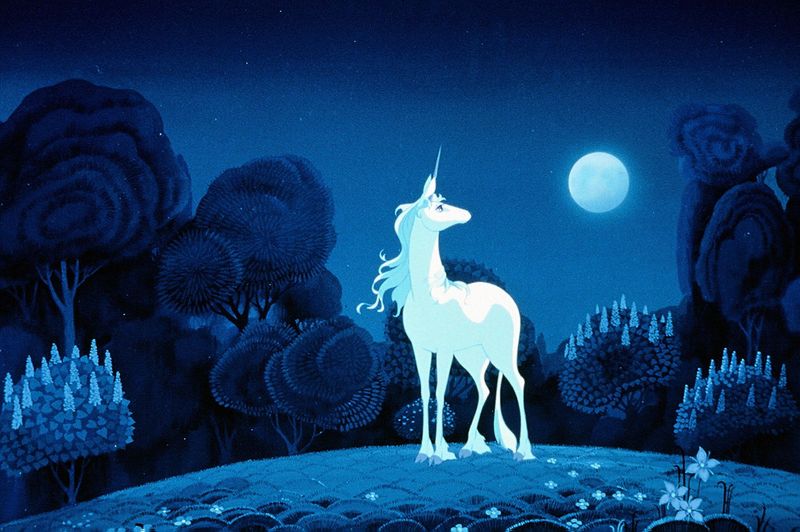
A childhood fantasy transforms into a melancholic exploration of mortality, identity, and the fear of fading away.
When you’re young, the quest to save the unicorns feels like an exciting adventure with beautiful animation.
Watching as an adult reveals something far more haunting.
The unicorn’s transformation into a human and her struggle to remember who she was becomes deeply relatable.
Themes of loss and change hit harder when you understand how time alters everything.
The movie asks uncomfortable questions about whether it’s better to exist immortally but alone, or to experience love knowing you’ll eventually lose yourself completely.
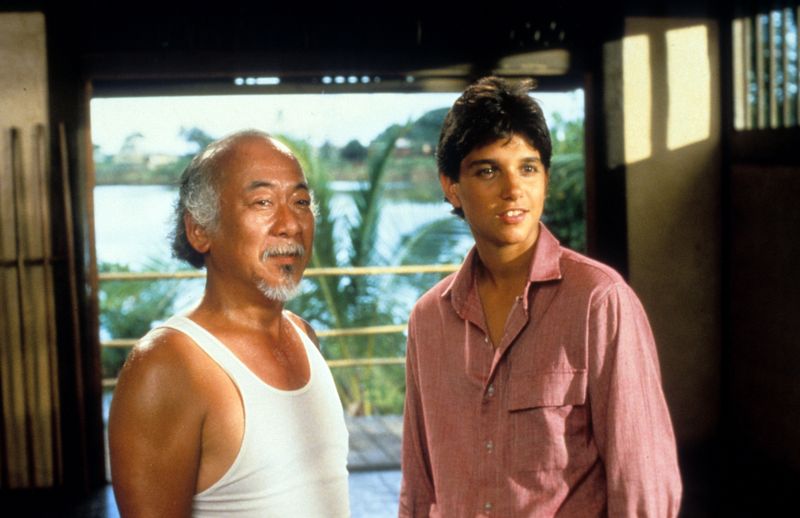
3. The Karate Kid (1984)
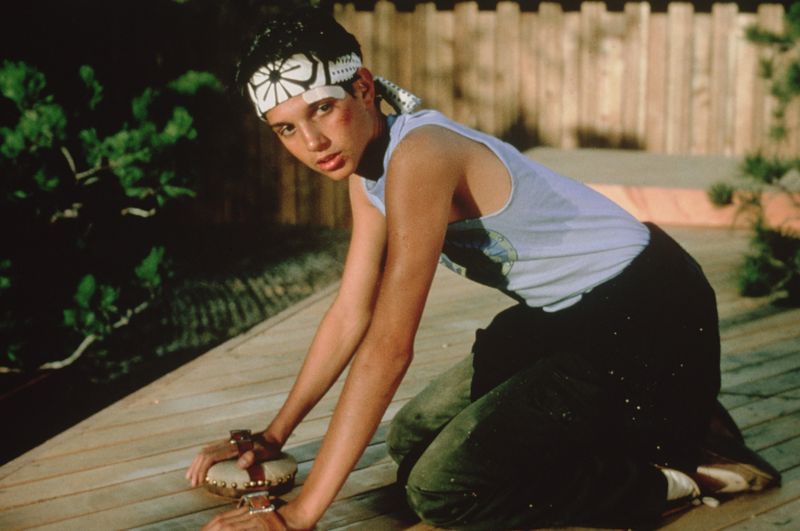
The underdog tale takes on deeper emotional notes, revealing a mentor grappling with grief, a boy dealing with trauma and displacement, and the weight of discipline and maturity that’s easy to miss as a kid.
Young viewers see cool karate moves and tournament victories.
Adults recognize Mr. Miyagi’s pain over losing his wife and child during World War II.
Daniel isn’t just learning karate—he’s processing his father’s death and adjusting to a new life.
The “wax on, wax off” lessons become metaphors for patience and finding purpose through repetition.
What seemed like simple training montages actually represent healing through structure and mentorship.
4. Ferris Bueller’s Day Off (1986)
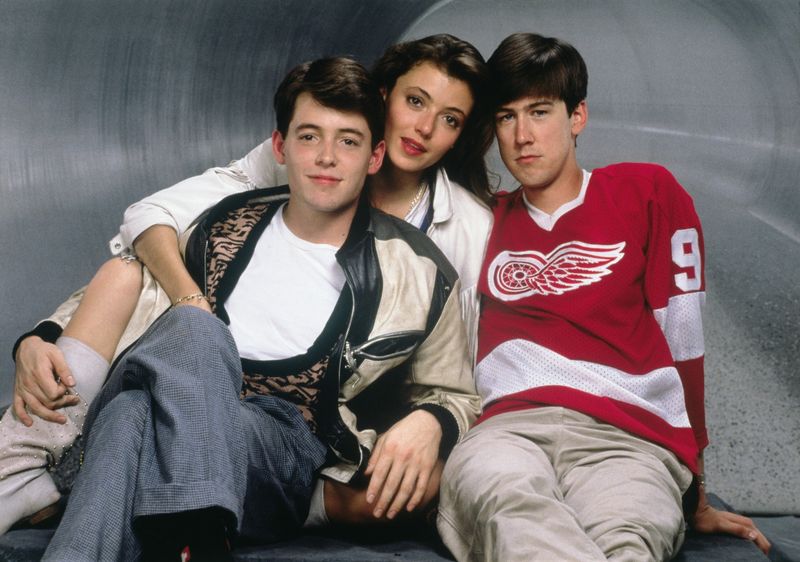
The fun rebellious adventure reads differently when you’re grown: Ferris seems more selfish, Cameron feels more relatable, and the story becomes a reflection on escapism, anxiety, and friendship.
Kids idolize Ferris as the ultimate cool guy who beats the system.
Adults see a charming manipulator who drags his depressed best friend into dangerous situations. Cameron’s breakdown at his father’s house isn’t funny anymore—it’s a cry for help from someone suffocating under impossible expectations.
Ferris represents the carefree fantasy we all wish we could live, while Cameron embodies the reality most of us actually face as responsibilities pile up.
5. The Little Mermaid (1989)
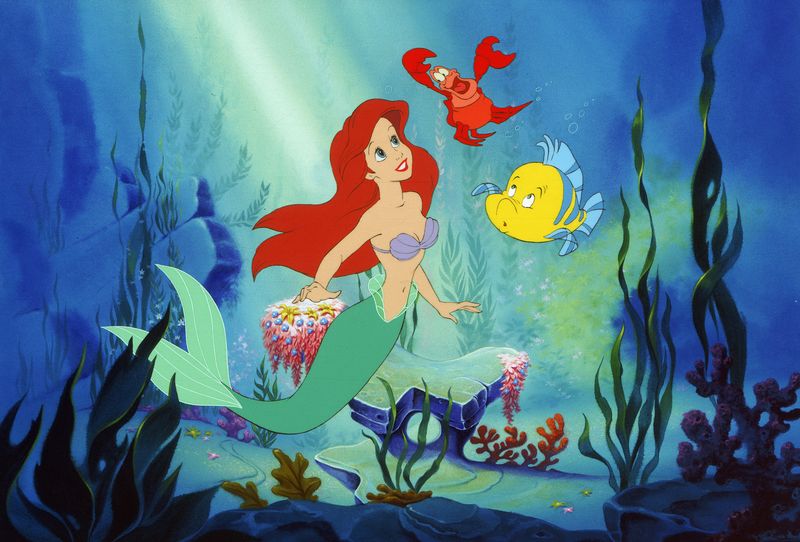
Ariel’s rebellion looks far riskier with adult eyes, as themes of teenage impulsiveness, parental worry, and the consequences of life-changing choices emerge more clearly.
Children see a brave princess following her dreams and finding true love.
Parents watching now feel King Triton’s terror as his sixteen-year-old daughter literally sells her voice to a sea witch for a guy she’s never spoken to.
Ariel gives up her family, her home, and her ability to communicate for someone she barely knows.
The romance feels rushed and reckless rather than magical.
Suddenly, you understand why Triton was so protective and why Ursula’s contract seems predatory rather than just villainous.
6. Mrs. Doubtfire (1993)
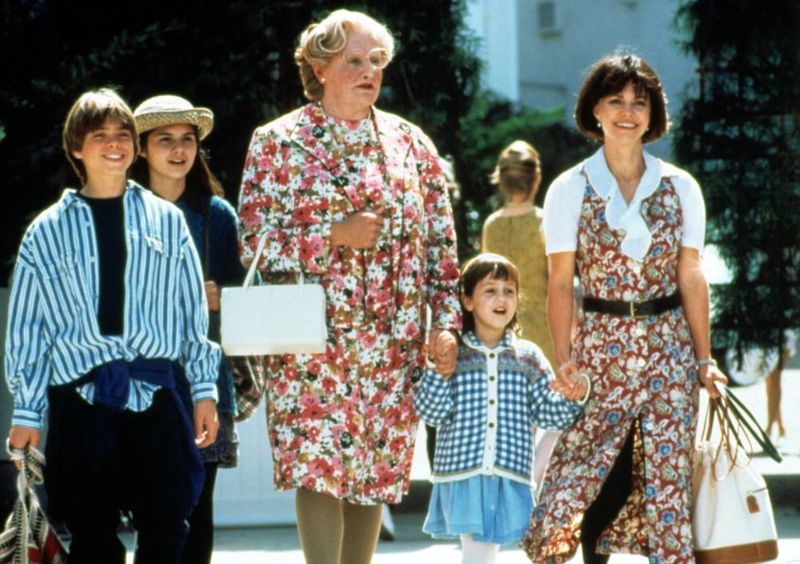
A silly comedy turns into an emotional portrait of divorce, loneliness, and desperate attempts to preserve family connection.
Kids remember the funny voices, the hilarious dinner scene, and Robin Williams in a dress.
As an adult, you feel the heartbreak behind the humor.
Daniel is a struggling father watching his family slip away, willing to create an elaborate disguise just to spend time with his children.
The courtroom scene where he loses custody becomes devastating.
Miranda isn’t a villain—she’s an exhausted parent trying to provide stability.
The movie captures how divorce tears everyone apart, even when love still exists underneath all the pain and resentment.
7. Finding Nemo (2003)
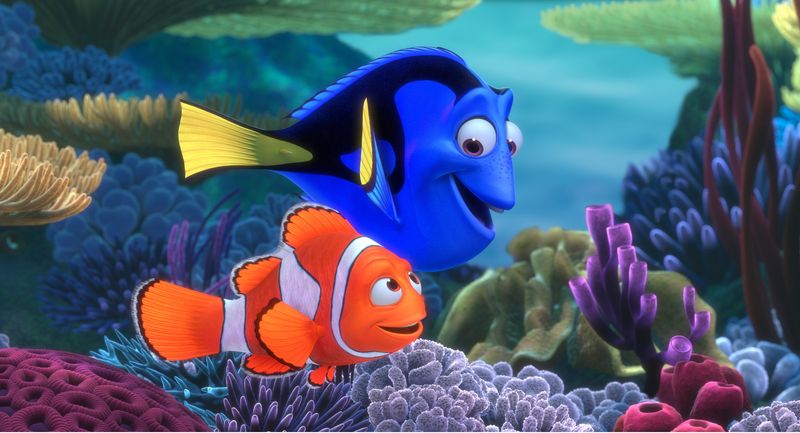
A fun ocean adventure becomes a gut-punch for adults—especially parents—as themes of fear, trauma, and the struggle to let loved ones grow up take center stage.
Children focus on the colorful fish, funny sharks, and exciting journey.
Parents see Marlin’s crippling anxiety after watching his wife and almost all their children murdered.
His overprotectiveness isn’t annoying—it’s completely understandable trauma response.
The entire movie is about learning when to hold on and when to let go.
Nemo needs independence to thrive, but Marlin’s fear nearly destroys their relationship.
Every parent watching understands that impossible balance between keeping kids safe and allowing them to experience life.
8. Groundhog Day (1993)
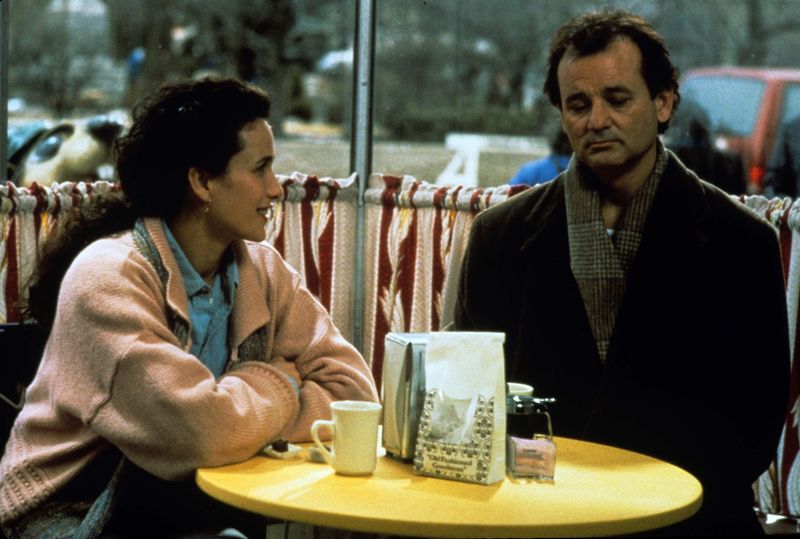
The comedic loop becomes a meditation on personal growth, depression, and existential purpose.
Young audiences enjoy the slapstick humor and creative ways Phil exploits his situation.
Adults notice how painfully real the stuck-in-a-rut symbolism truly is.
Phil’s initial excitement turns to despair, then nihilism, and eventually suicidal ideation before he finds meaning through self-improvement.
The movie mirrors how many adults feel trapped in monotonous routines, wondering if anything they do actually matters.
Phil’s transformation from selfish jerk to genuinely good person doesn’t happen overnight—it takes what feels like years of repetition, failure, and conscious choice to become better.
9. Ratatouille (2007)
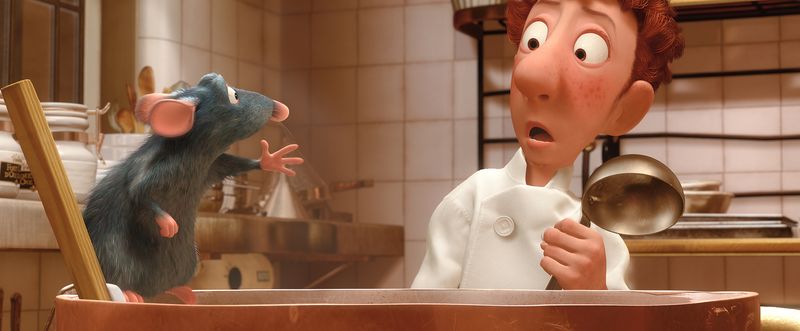
Beyond the cute animation lies a mature story about ambition, self-worth, class divides, and the pressure to prove yourself.
Kids enjoy the funny rat who can cook and the slapstick kitchen chaos.
Adults relate more to Remy’s struggle to find a place where he belongs despite everyone telling him he doesn’t deserve to be there.
Anton Ego’s speech about critics and creativity resonates with anyone who’s faced harsh judgment.
The movie explores how talent doesn’t always come from expected places, and how society often rejects brilliance because of prejudice.
Remy faces constant rejection not because he lacks skill, but because of what he is—something many adults understand painfully well.
10. The Truman Show (1998)
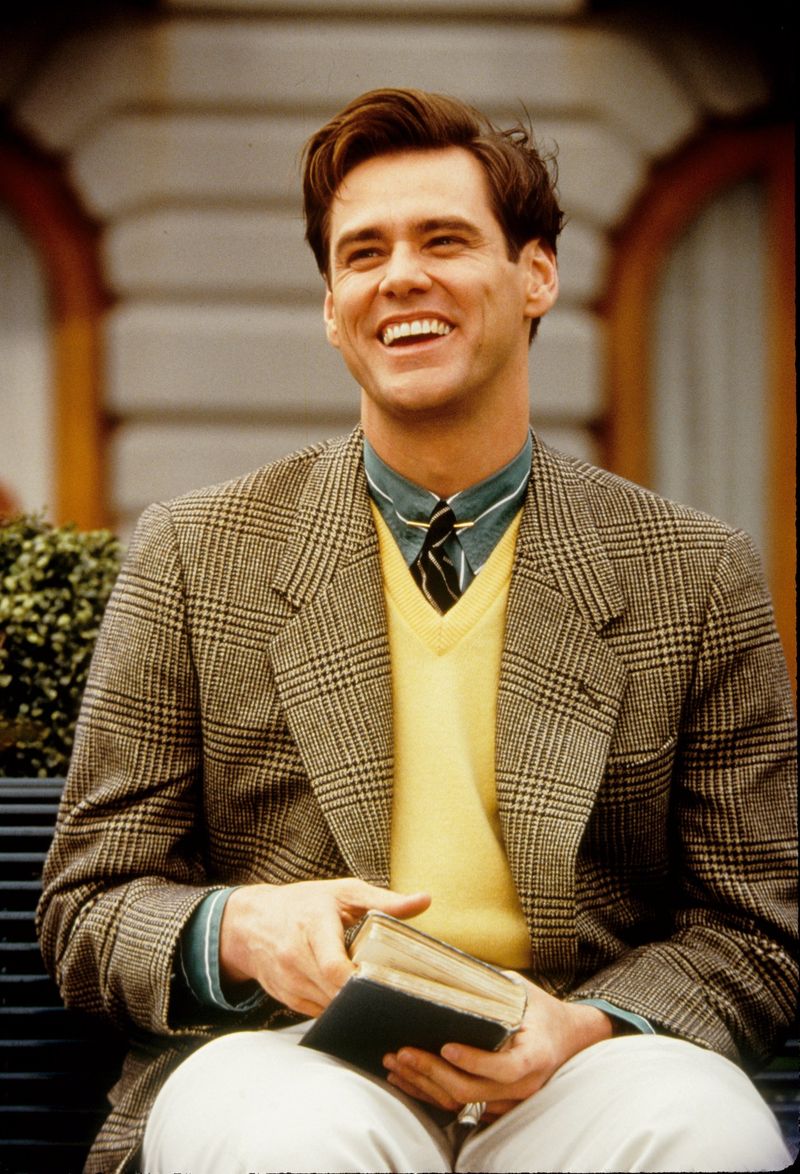
What seemed like a clever satire feels deeply unsettling as an adult, revealing themes of manipulation, surveillance, loss of agency, and the search for identity in an artificial world.
Kids think it’s a cool concept about living on TV.
Adults recognize the horror of Truman’s existence—every relationship is fake, every moment is watched, and his entire life is someone else’s entertainment.
Christof isn’t just a director; he’s a controlling parent figure who gaslights Truman into staying in his manufactured prison.
The movie predicts our current reality of constant surveillance, curated social media lives, and the question of what’s authentic anymore when everything is performed for an audience.
11. The Incredibles (2004)
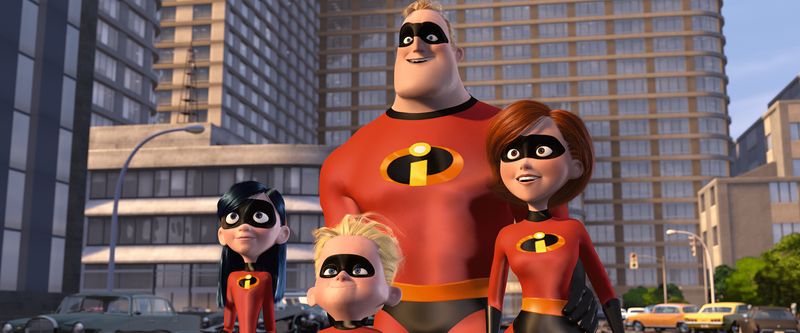
Beneath the superhero action is a story about midlife crises, family strain, suppressed talent, and the challenges of balancing identity with responsibility—themes that resonate more with age.
Children love the cool powers and exciting villain battles.
Adults see Bob’s depression over a dead-end job and lost glory days.
Helen struggles with being reduced to just a mom after having her own hero career.
Their marriage nearly falls apart when Bob seeks validation elsewhere.
Syndrome represents what happens when childhood heroes disappoint you and bitterness takes over.
The movie asks whether you can be both a parent and an individual, or if one identity must consume the other completely.
12. The Iron Giant (1999)
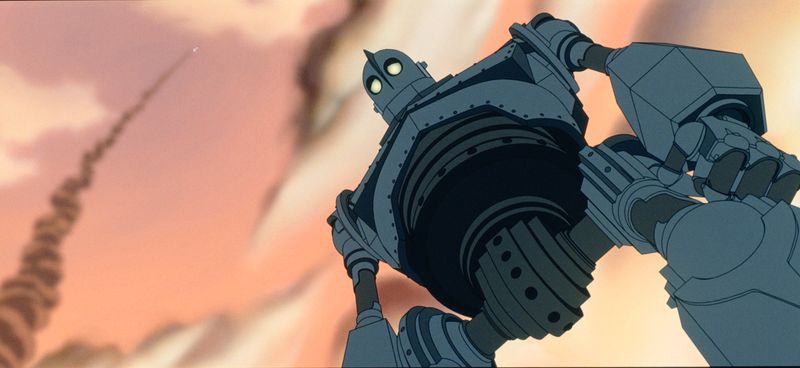
The sci-fi adventure transforms into a powerful anti-war story about fear, violence, sacrifice, and what it means to choose who you want to be, making it emotionally heavier for adult viewers.
Kids see a cool robot who becomes friends with a boy.
Adults recognize the Cold War paranoia, government fearmongering, and how quickly people embrace violence against anything they don’t understand.
The Giant’s struggle against his programming as a weapon mirrors anyone fighting against what society expects them to be.
His final sacrifice—choosing to be Superman instead of a gun—becomes one of cinema’s most heartbreaking moments when you understand the weight of choosing compassion over destruction.
Comments
Loading…