
 Mila Ross
The Most Iconic Rock ‘n’ Roll Singers Ever: Top 20
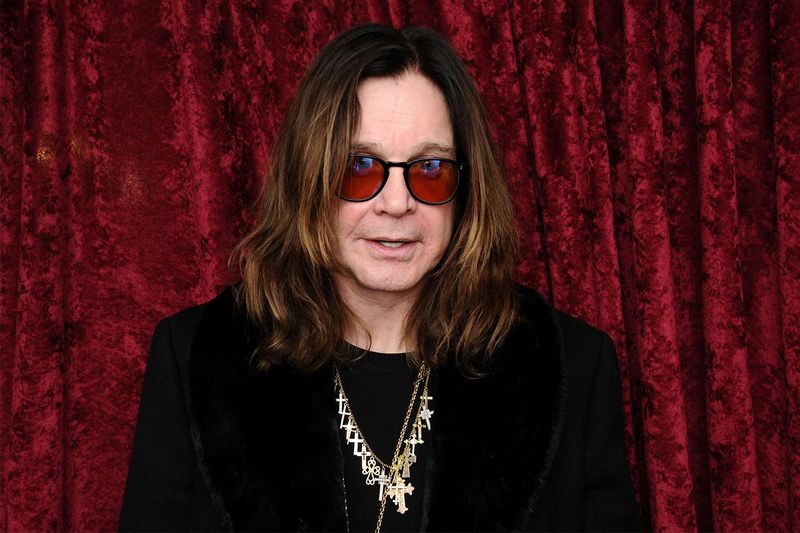
Rock ‘n’ roll has given us some of the most unforgettable voices in music history.
These singers didn’t just perform songs—they created entire movements, changed fashion, and inspired millions of fans around the world.
From electrifying stage performances to groundbreaking albums, these legendary artists shaped the sound of rock music and continue to influence musicians today.
1. Mick Jagger
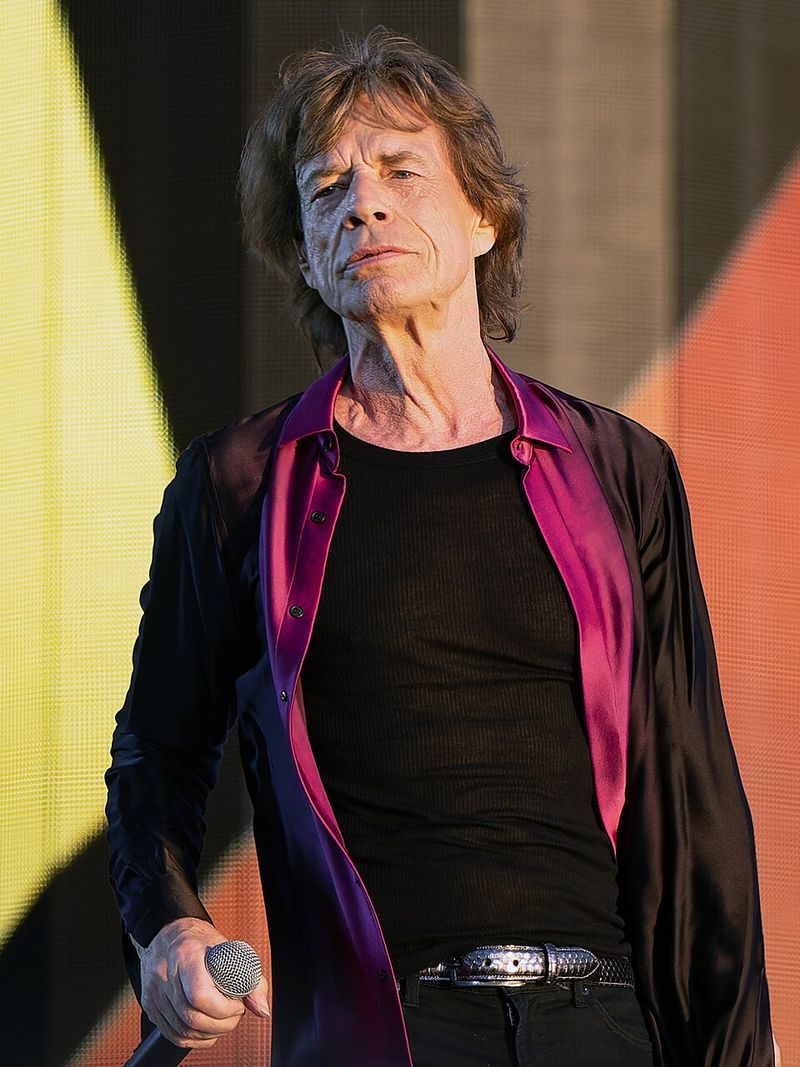
With moves that could electrify an entire stadium, Mick Jagger transformed what it meant to be a rock frontman.
His signature strut and pouty lips became as famous as the music itself.
Leading The Rolling Stones since 1962, he’s proven that rock ‘n’ roll isn’t just about the music—it’s about the show.
Jagger’s voice carries a raw, bluesy edge that perfectly captures rock’s rebellious spirit.
He co-wrote classics like “Satisfaction” and “Paint It Black” that defined generations.
His energy on stage remains unmatched, even after six decades of performing.
Billboard crowned him the greatest rock lead singer in 2023, and it’s easy to see why.
His influence reaches far beyond music into fashion and culture itself.
2. Freddie Mercury
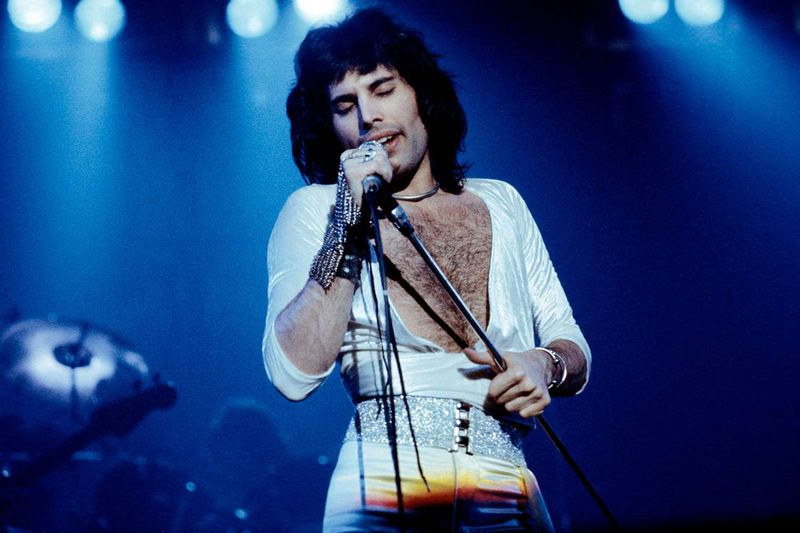
Nobody commanded a stage quite like Freddie Mercury.
His four-octave vocal range could shift from tender ballads to operatic rock anthems in seconds.
As Queen’s legendary frontman, he redefined what rock vocals could achieve, blending classical training with pure rock power.
“Bohemian Rhapsody” showcased his genius—a six-minute masterpiece that broke every rule and became one of rock’s greatest songs.
Mercury’s theatrical performances at venues like Wembley Stadium became the stuff of legend.
He wore elaborate costumes and connected with audiences like no one else.
His confidence and showmanship inspired countless performers who followed.
Though he left us too soon in 1991, his voice remains timeless and powerful.
3. Robert Plant
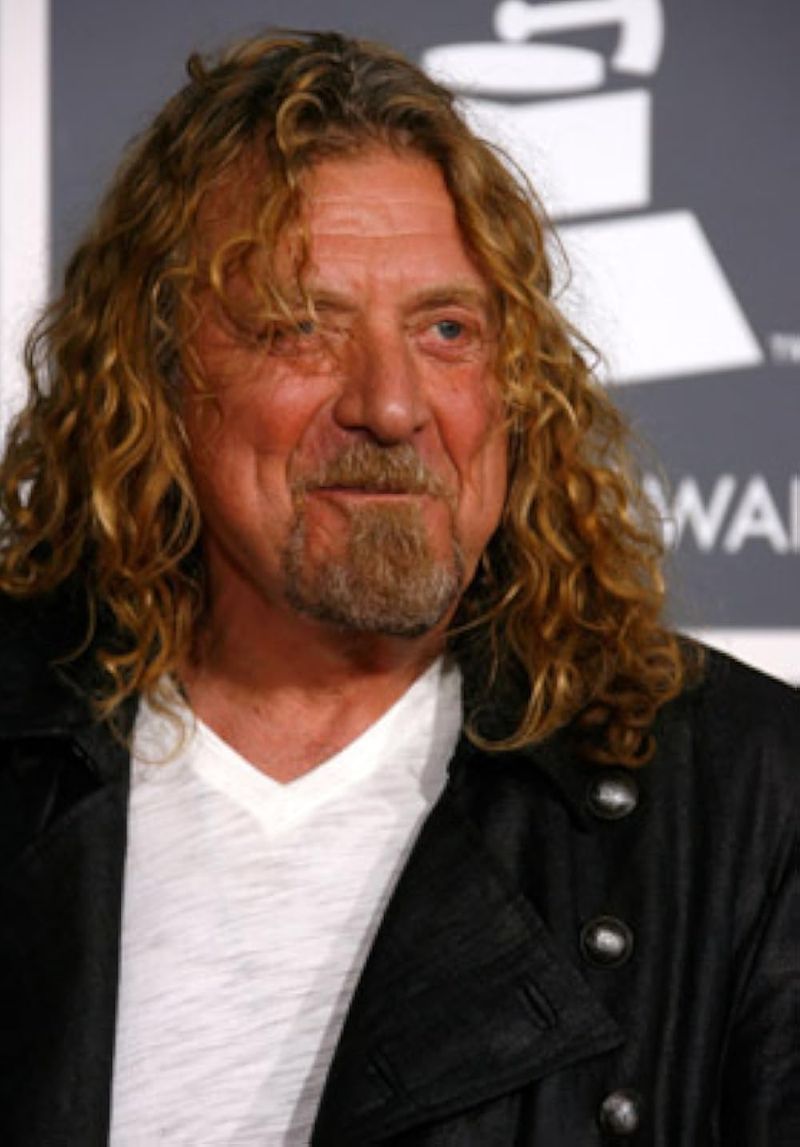
That high-pitched wail you hear in “Immigrant Song”?
That’s Robert Plant pushing rock vocals into new territory.
As Led Zeppelin’s golden-haired frontman, he brought a mystical quality to hard rock.
His voice could soar above Jimmy Page’s guitar like nothing else mattered.
Plant drew inspiration from blues legends but created something entirely fresh.
Songs like “Stairway to Heaven” showcase his ability to start soft and build to explosive climaxes.
His stage presence combined rock star swagger with genuine musical passion.
Even after Zeppelin ended in 1980, Plant continued evolving as an artist.
He’s never been afraid to experiment with different sounds and styles throughout his career.
4. Stevie Nicks
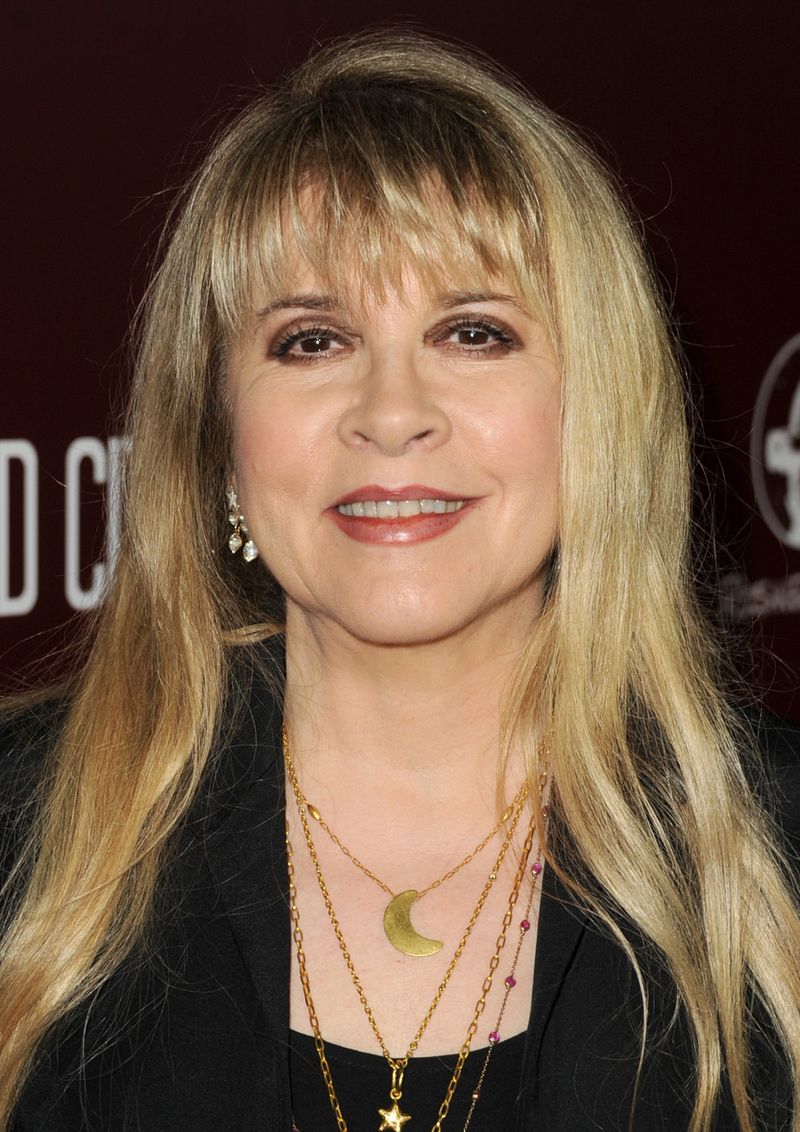
Draped in flowing shawls and platform boots, Stevie Nicks brought a mystical feminine energy to rock’s male-dominated world.
Her husky, distinctive voice became Fleetwood Mac’s secret weapon.
She wrote “Rhiannon” and “Dreams,” songs that feel like spells cast through speakers.
Nicks proved women could be rock goddesses on their own terms.
Her poetic lyrics and ethereal stage presence created a unique persona that fans adored.
She balanced vulnerability with strength in every performance.
Billboard ranked her second among rock’s greatest singers, recognizing her massive influence.
Her solo career proved equally successful, cementing her status as rock royalty.
She remains the only woman inducted twice into the Rock and Roll Hall of Fame.
5. David Bowie
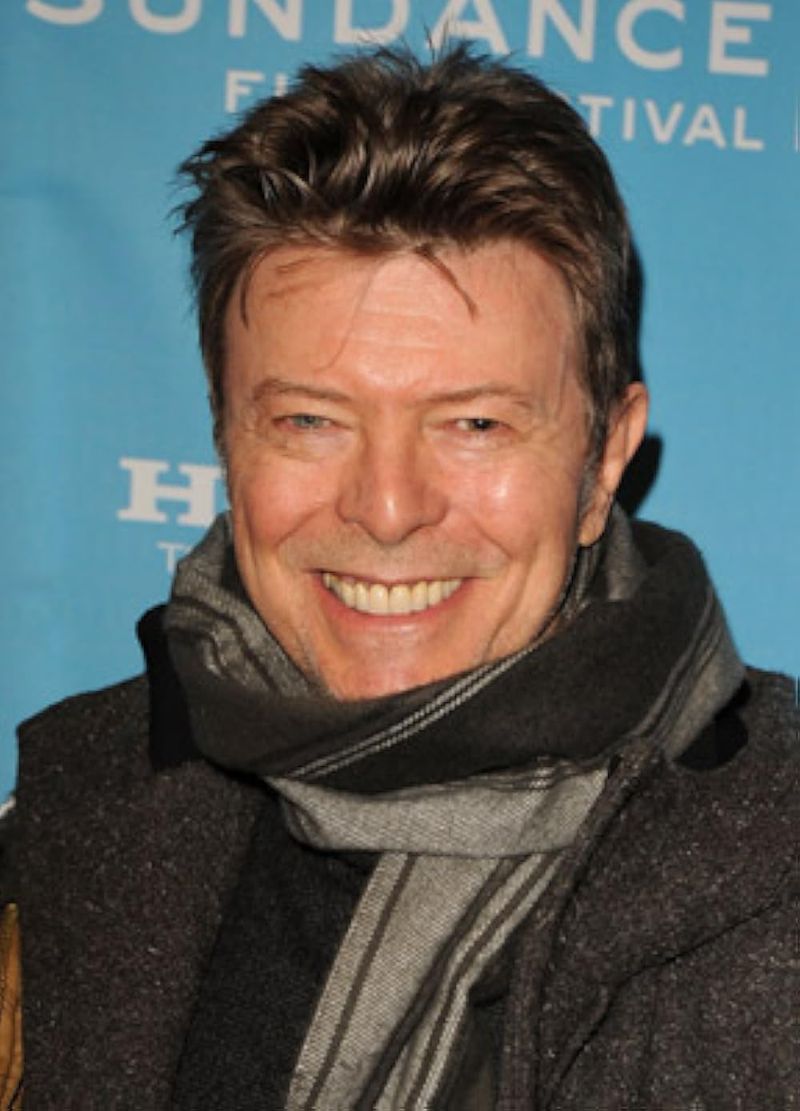
Calling David Bowie just a singer feels like calling the ocean just water.
He was an alien visitor who taught Earth about cool, constantly reinventing himself with each album.
From Ziggy Stardust’s glittery spacesuits to the Thin White Duke’s sharp suits, Bowie was always ahead of his time.
His chameleonic voice adapted to whatever character he portrayed. “Space Oddity,” “Heroes,” and “Let’s Dance” sound like they came from different artists entirely.
That was Bowie’s genius—he never stayed in one place long enough to become predictable.
He influenced fashion, art, and music simultaneously, proving rock could be intellectual and fun.
His fearless creativity opened doors for countless artists who followed.
6. Elvis Presley
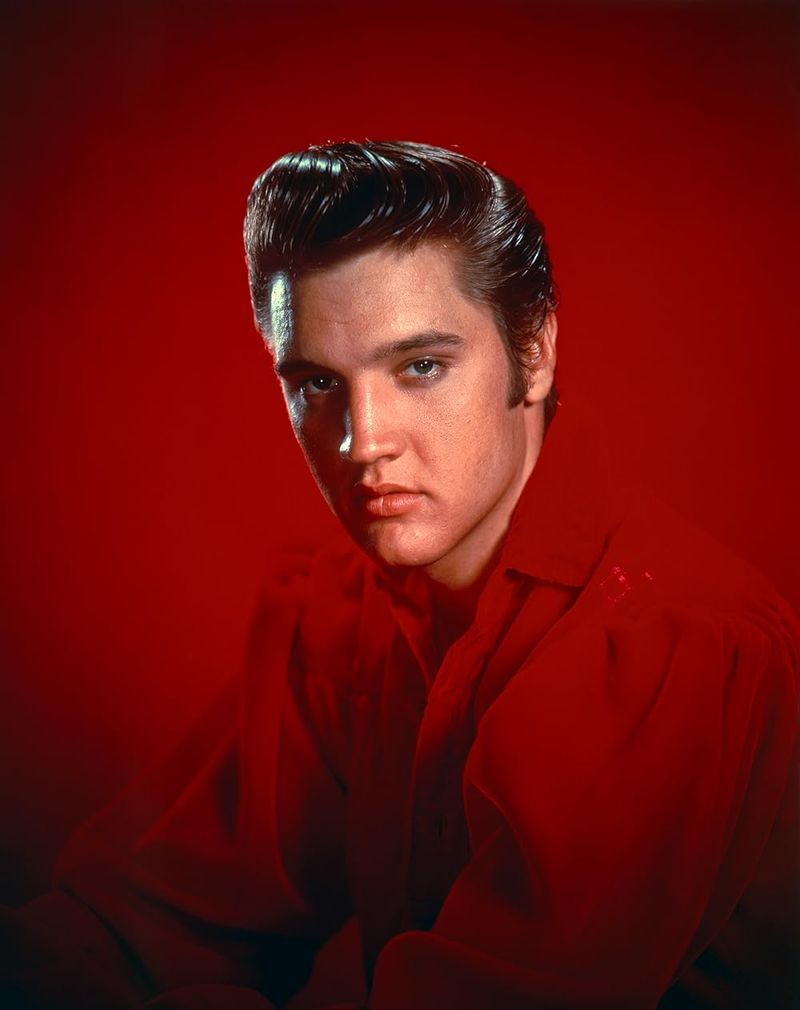
Before anyone else, there was Elvis—the man who made rock ‘n’ roll dangerous and exciting.
His hip swivels shocked conservative America in the 1950s, but teenagers couldn’t get enough.
That smooth, powerful voice blended country, blues, and gospel into something revolutionary.
Songs like “Hound Dog” and “Jailhouse Rock” changed popular music forever.
Elvis didn’t just sing—he moved with a natural rhythm that felt electric.
His charisma translated perfectly from stage to screen, making him a movie star too.
Though he started in humble circumstances in Mississippi, he became the King of Rock ‘n’ Roll.
His influence on music, fashion, and culture remains impossible to measure fully.
7. Bruce Springsteen
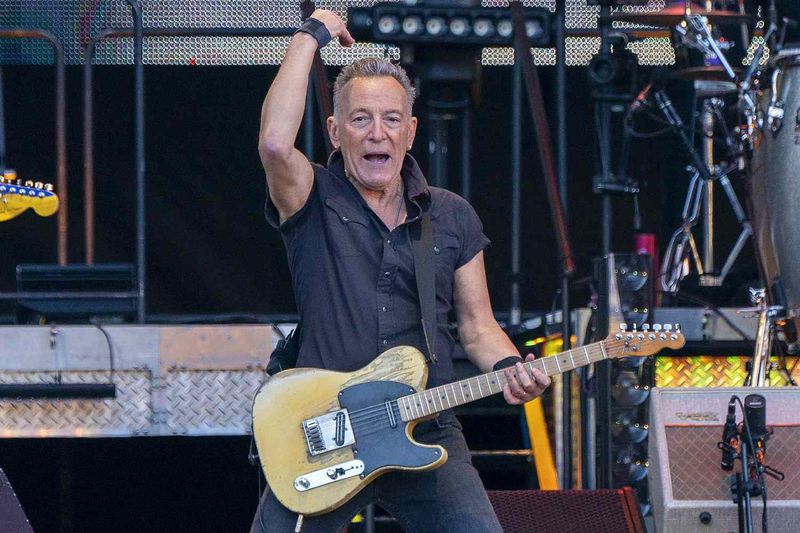
Bruce Springsteen sings about factory workers, small-town dreams, and American struggles with genuine heart.
His raspy voice carries the weight of real life, making every song feel like a friend’s story.
The E Street Band backs him up as he delivers three-hour concerts that leave audiences exhausted and inspired.
“Born to Run” and “Born in the U.S.A.” became anthems for working-class America.
Springsteen’s lyrics paint vivid pictures of everyday heroes fighting to survive.
His authenticity never wavers, whether playing stadiums or small clubs.
Fans call him “The Boss” because he commands respect through pure musical integrity.
His marathon performances prove he’s as committed to his audience as they are to him.
8. Janis Joplin
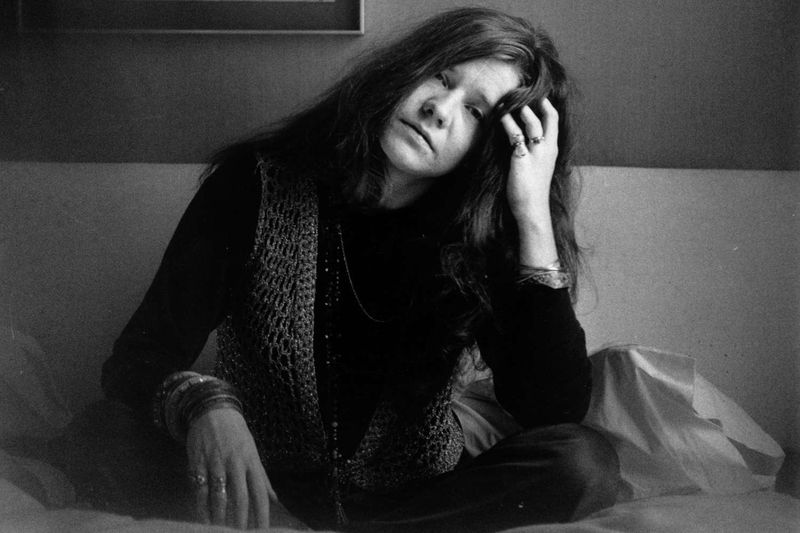
Janis Joplin sang like her heart was breaking and healing simultaneously.
Her raw, powerful voice shattered expectations of how female rock singers should sound.
She wailed, screamed, and poured every emotion into performances that left audiences stunned.
Growing up feeling like an outsider in Texas, Joplin found freedom in music. “Piece of My Heart” showcases her ability to transform pain into pure sonic power.
She lived fast, sang hard, and refused to compromise her authentic self.
Her bluesy rock style influenced generations of female vocalists who followed.
Though she died tragically young at 27, her impact on rock music remains enormous.
Joplin proved women could rock just as hard—if not harder—than men.
9. Jim Morrison
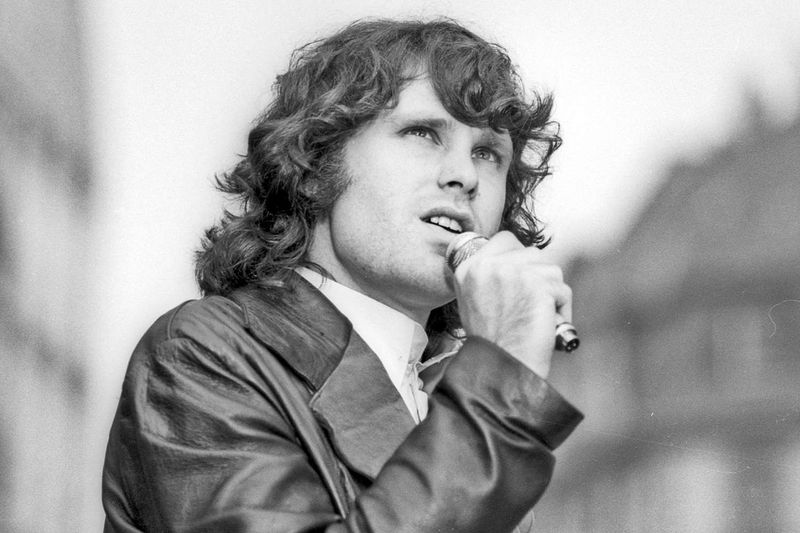
Jim Morrison was rock’s poet-philosopher, writing lyrics that sounded like fever dreams.
His deep, hypnotic voice perfectly matched The Doors’ psychedelic sound.
He prowled stages like a caged panther, unpredictable and dangerous.
“Light My Fire” and “Riders on the Storm” showcase his ability to create dark, atmospheric rock.
Morrison’s lyrics explored consciousness, freedom, and rebellion in ways that spoke to the counterculture generation.
His performances could be brilliant or chaotic, sometimes both simultaneously.
He challenged authority and pushed boundaries, both musically and personally.
His mysterious death at 27 in Paris added to his legendary status.
Morrison remains the ultimate rock poet, blending literature with primal rock energy.
10. John Lennon
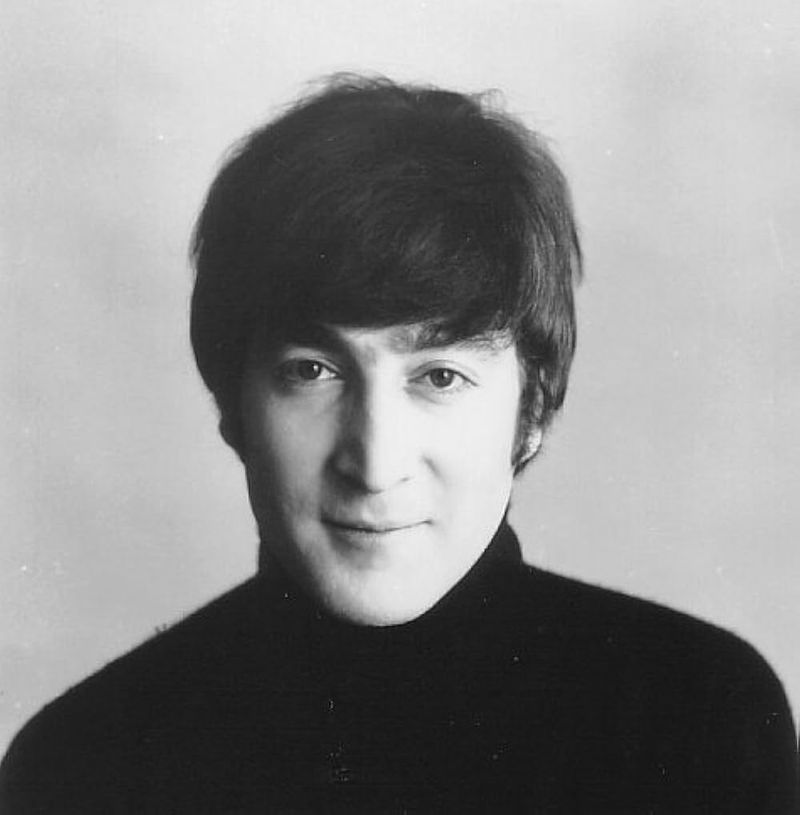
John Lennon’s voice defined a generation’s sound as The Beatles conquered the world.
His slightly nasal tone carried both sweetness and edge, perfect for everything from “Twist and Shout” to “Imagine.” He wasn’t just a singer—he was a songwriter who changed what rock lyrics could express.
With The Beatles, Lennon helped create the blueprint for modern rock bands.
His partnership with Paul McCartney produced some of history’s greatest songs.
After the band split, his solo work became more personal and political.
“Imagine” remains one of music’s most powerful peace anthems.
His honesty about his flaws made him relatable despite his fame.
Lennon’s tragic death in 1980 robbed music of one of its most important voices.
11. Paul McCartney
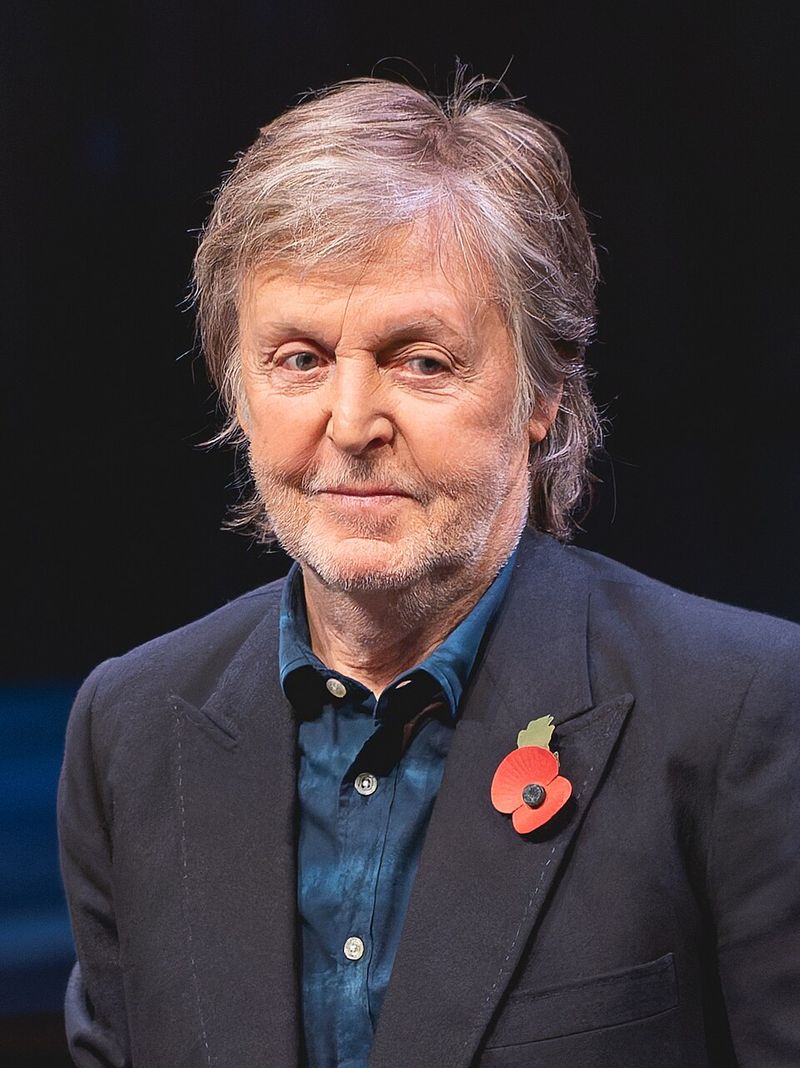
That melodic voice soaring through “Hey Jude” belongs to Paul McCartney, rock’s most successful songwriter.
His versatile vocals could handle tender ballads like “Yesterday” or rockers like “Helter Skelter” with equal skill.
As The Beatles’ bassist and co-frontman, he helped create the 1960s soundtrack.
McCartney’s musical genius extends beyond singing—he plays multiple instruments and composes across genres.
His optimistic songwriting balanced Lennon’s edgier material perfectly.
After The Beatles, Wings proved he could succeed without his famous bandmates.
He’s written more chart-topping hits than almost anyone in music history.
His voice remains strong even in his eighties, still touring and recording.
McCartney’s influence on popular music is simply immeasurable.
12. Roger Daltrey
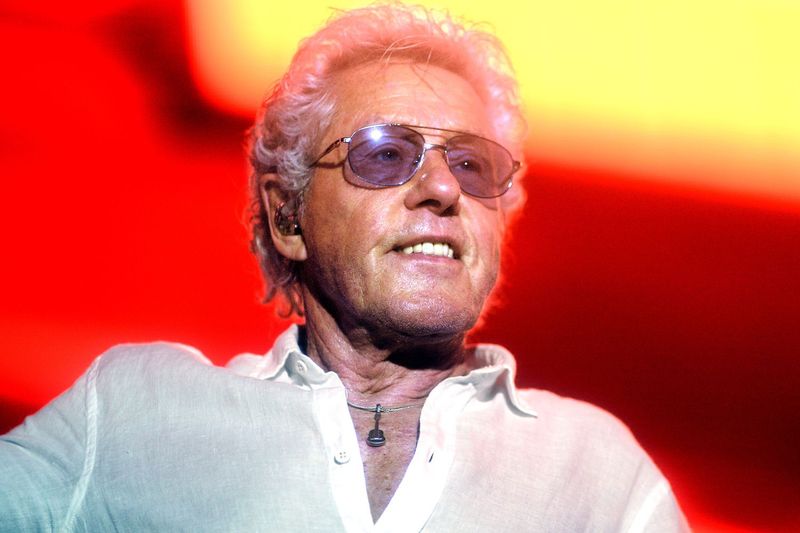
Watch Roger Daltrey swing his microphone like a lasso, and you’ll understand The Who’s explosive energy.
His powerful voice delivered Pete Townshend’s rock operas with dramatic intensity.
He could scream with raw emotion on “Won’t Get Fooled Again” then deliver tender moments on “Behind Blue Eyes.”
Daltrey’s stage presence matched his vocal power—he commanded attention without trying.
The Who’s performances became legendary for their volume and energy.
He brought working-class authenticity to rock stardom, never losing touch with his roots.
His voice was perfect for rock opera, handling complex storytelling in “Tommy” and “Quadrophenia.” Even decades later, he delivers those classic songs with passion.
Daltrey remains one of rock’s most underrated vocalists.
13. Steven Tyler
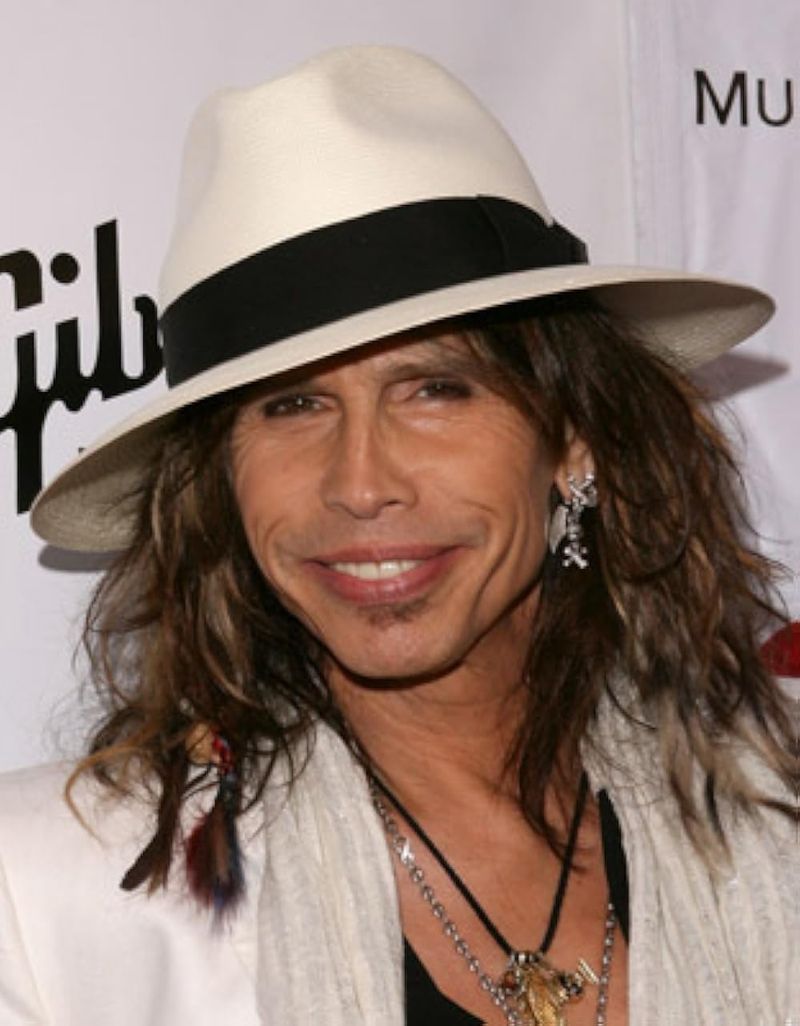
Steven Tyler’s screaming vocals and massive lips became Aerosmith’s trademark.
His voice combines blues grit with rock power, capable of hitting notes that seem impossible.
He prances across stages in flowing scarves and tight pants, bringing flamboyance to hard rock.
“Dream On” showcases his ability to start soft and build to explosive screams.
Tyler’s songwriting partnership with Joe Perry created classics like “Walk This Way” and “Sweet Emotion.” His energy never quits, even after decades of hard living and performing.
He survived the excess of rock stardom to become an elder statesman of the genre.
His distinctive voice remains instantly recognizable after just a few notes.
Tyler proves that rock stars can age gracefully while keeping their edge.
14. Axl Rose
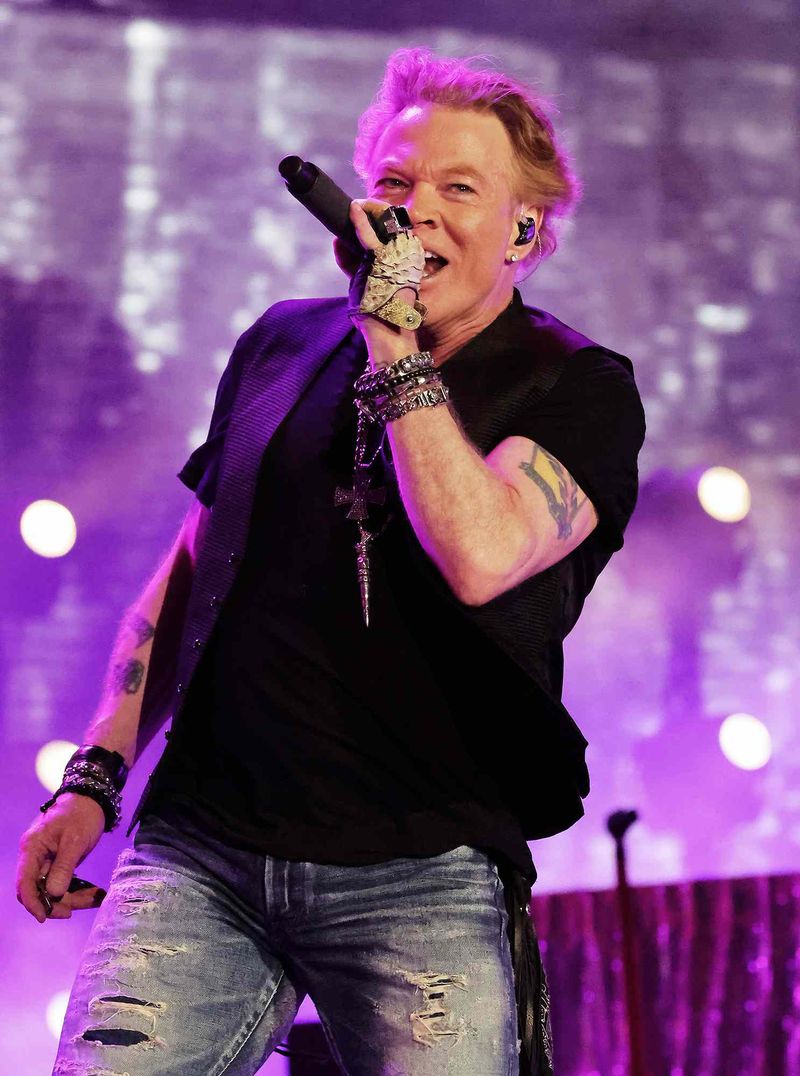
Axl Rose’s five-octave range made Guns N’ Roses sound dangerous and unpredictable.
His voice could shift from a menacing growl to a piercing wail within seconds. “Welcome to the Jungle” announces his arrival with primal screams that defined late-80s hard rock.
Rose’s volatile personality matched his vocal intensity—concerts could start hours late or end in chaos.
But when he performed, audiences witnessed something special.
His lyrics mixed street poetry with raw emotion, capturing Los Angeles’s dark side.
“November Rain” proved he could handle epic ballads with the same passion as rockers.
His complicated relationship with fame made him rock’s most unpredictable frontman.
Love him or hate him, nobody sounds quite like Axl Rose.
15. Ozzy Osbourne
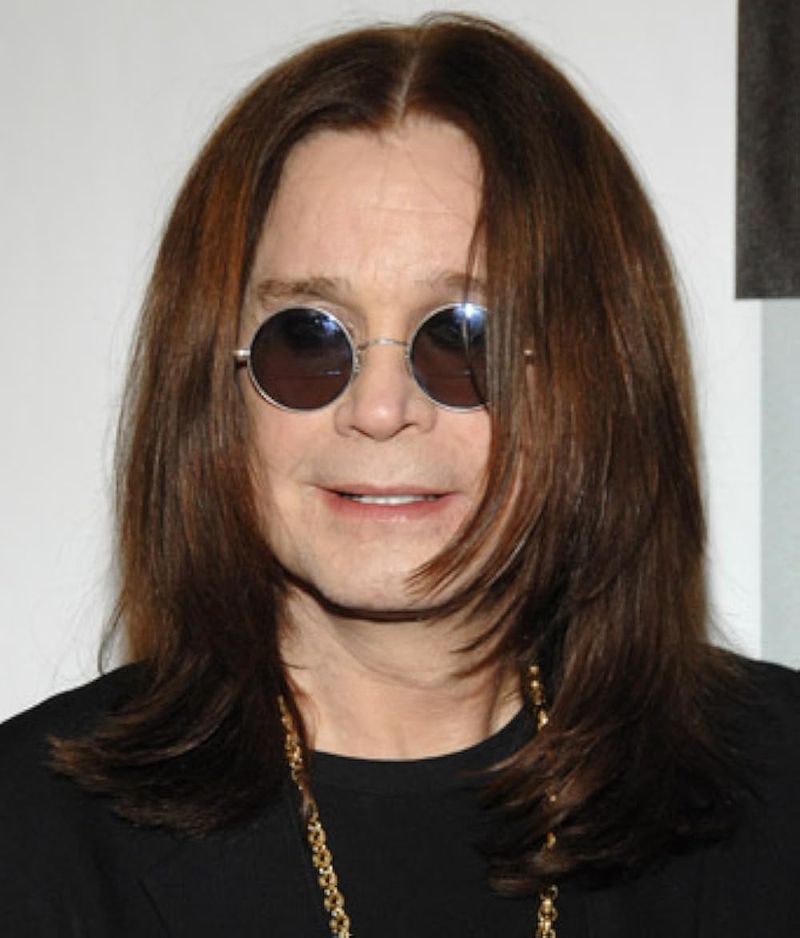
Ozzy Osbourne’s voice sounds like darkness itself learned to sing.
As Black Sabbath’s frontman, he helped invent heavy metal with songs like “Paranoid” and “Iron Man.” His eerie vocals perfectly matched Tony Iommi’s crushing guitar riffs, creating something genuinely frightening.
Despite his “Prince of Darkness” image, Ozzy’s voice carries surprising melody and emotion.
His solo career proved he could succeed beyond Sabbath with hits like “Crazy Train.” He survived decades of excess that would have killed most people.
His reality show revealed a surprisingly lovable family man beneath the rock monster persona.
Ozzy’s influence on metal and hard rock remains enormous.
He turned being scary into an art form while making great music.
16. Kurt Cobain
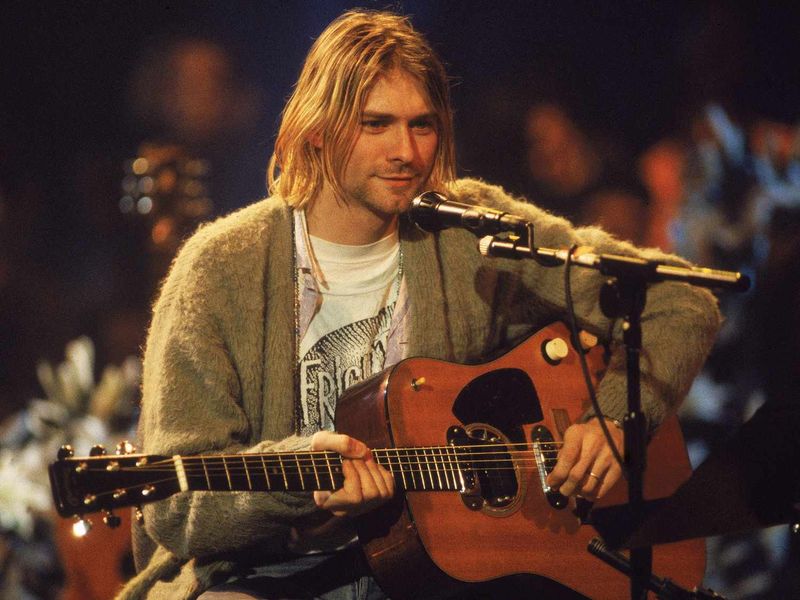
Kurt Cobain’s anguished voice captured Generation X’s alienation perfectly.
Nirvana’s “Smells Like Teen Spirit” exploded onto radio in 1991, killing hair metal instantly.
His raw, emotional singing style made polished 80s rock sound fake and outdated.
Cobain could whisper vulnerability then explode into screaming rage within one song.
His lyrics mixed dark humor with genuine pain, speaking to millions of disaffected youth.
He never wanted to be a rock star, which made him even more compelling.
Grunge’s stripped-down sound and honest emotion changed rock forever.
His tragic death at 27 robbed music of one of its most important voices.
Cobain remains rock’s reluctant spokesman for outsiders everywhere.
17. Eddie Vedder
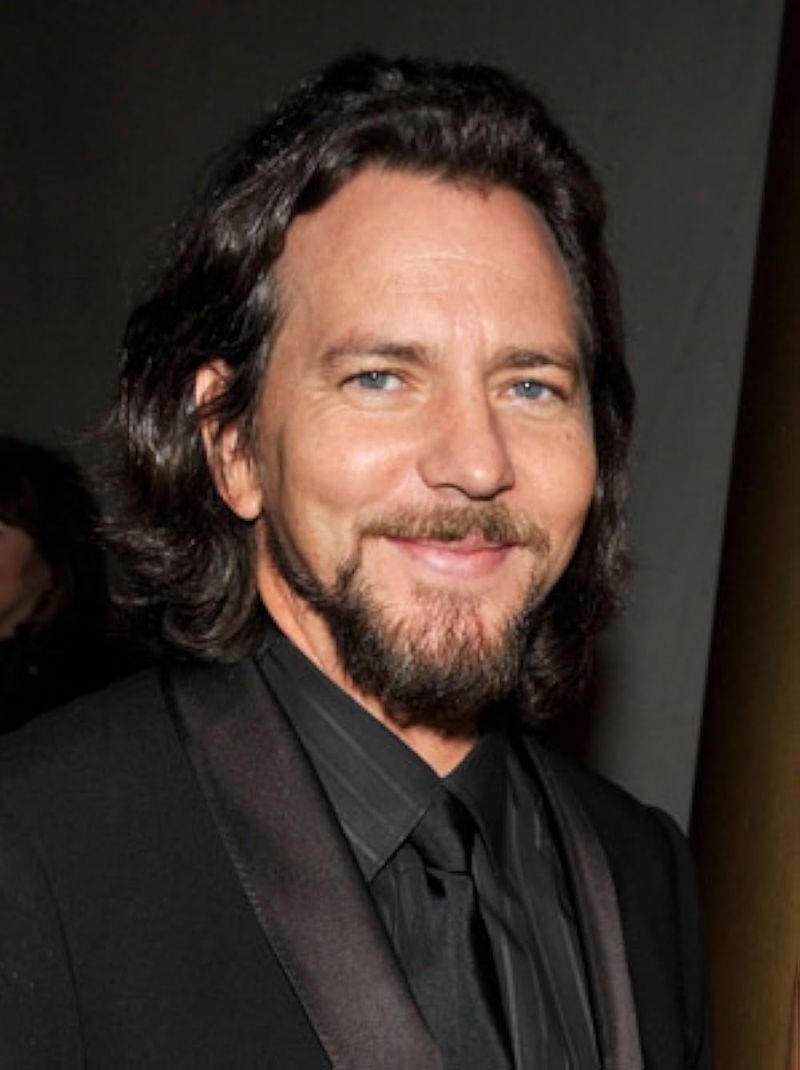
Eddie Vedder’s deep baritone voice anchored Pearl Jam through grunge’s explosive era.
Unlike many grunge singers, his voice carries power without relying on screaming. “Alive” and “Jeremy” showcase his ability to convey deep emotion through controlled intensity.
Vedder writes lyrics that feel like personal conversations about serious topics.
His commitment to social causes matches his musical integrity—he’s never sold out.
Pearl Jam remained successful by staying true to themselves while others chased trends.
His voice has aged beautifully, gaining character with time.
Vedder’s solo work shows his versatility beyond rock.
He represents grunge’s survival and evolution into something lasting and meaningful.
18. Chris Cornell

Chris Cornell possessed one of rock’s most stunning voices—a four-octave range that could sound angelic or demonic.
Soundgarden’s “Black Hole Sun” displays his ability to make darkness sound beautiful.
His voice soared above heavy guitar riffs with seemingly effortless power.
Cornell could sing anything—grunge, metal, acoustic ballads—and make it sound incredible.
His work with Audioslave proved his versatility after Soundgarden’s breakup.
He wrote deeply personal lyrics that explored depression and hope simultaneously.
His tragic death in 2017 shocked the music world and devastated fans globally.
Cornell’s voice was truly one-of-a-kind, irreplaceable and unforgettable.
He remains grunge’s most technically gifted vocalist.
19. Joan Jett

Joan Jett proved girls could rock hard with attitude and authenticity.
Her snarling vocals on “I Love Rock ‘n’ Roll” became an anthem for rebels everywhere.
She faced endless rejection for being female in a male-dominated industry but never compromised her sound.
Starting with The Runaways as a teenager, Jett fought for respect in punk and rock circles.
Her tough image and straightforward rock sound influenced countless female musicians.
She produced her own records when major labels wouldn’t take her seriously.
“Bad Reputation” became her personal theme song, celebrating her refusal to conform.
Jett’s success opened doors for women in rock music.
She remains a badass icon who never apologized for being herself.
20. Bono
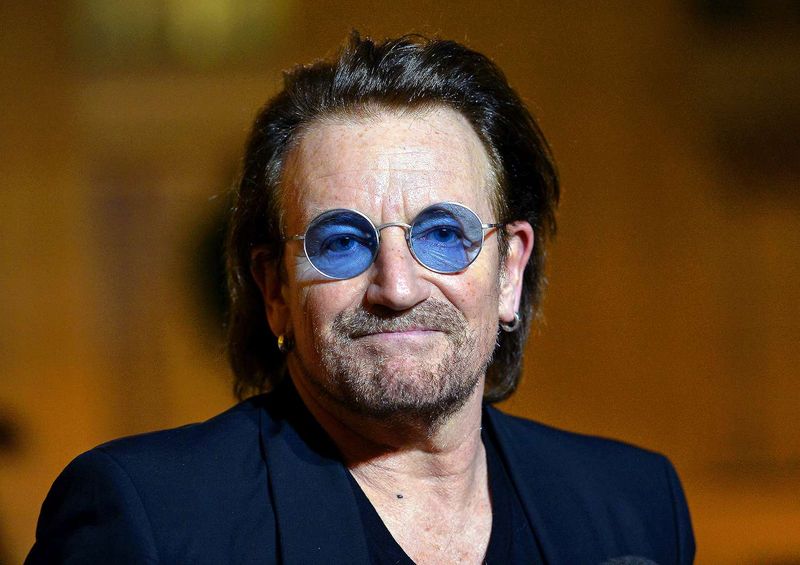
Bono’s soaring voice turned U2 into one of rock’s biggest bands.
His passionate delivery makes every song feel important and urgent.
From “Where the Streets Have No Name” to “One,” he sings with conviction that moves audiences emotionally.
Beyond music, Bono became rock’s most visible activist, fighting poverty and disease globally.
His humanitarian work sometimes overshadows his musical contributions, but his voice remains distinctive and powerful.
U2’s anthemic sound perfectly matches his vocal style.
He writes lyrics that blend spirituality, politics, and personal struggle.
His stage presence commands massive stadiums with ease.
Bono proves rock stars can use their platform for positive change while making great music.
Comments
Loading…