
 Hailey Watson
The Greatest Comedy TV Shows of the 21st Century

Television comedy has transformed dramatically since the year 2000, bringing us unforgettable characters, groundbreaking humor, and stories that changed how we think about what’s funny.
From animated shows that tackle serious topics to mockumentaries that feel incredibly real, the 21st century has given us some of the smartest and most hilarious TV ever made.
These shows didn’t just make us laugh—they pushed boundaries, started conversations, and created moments we still quote today.
1. Fleabag
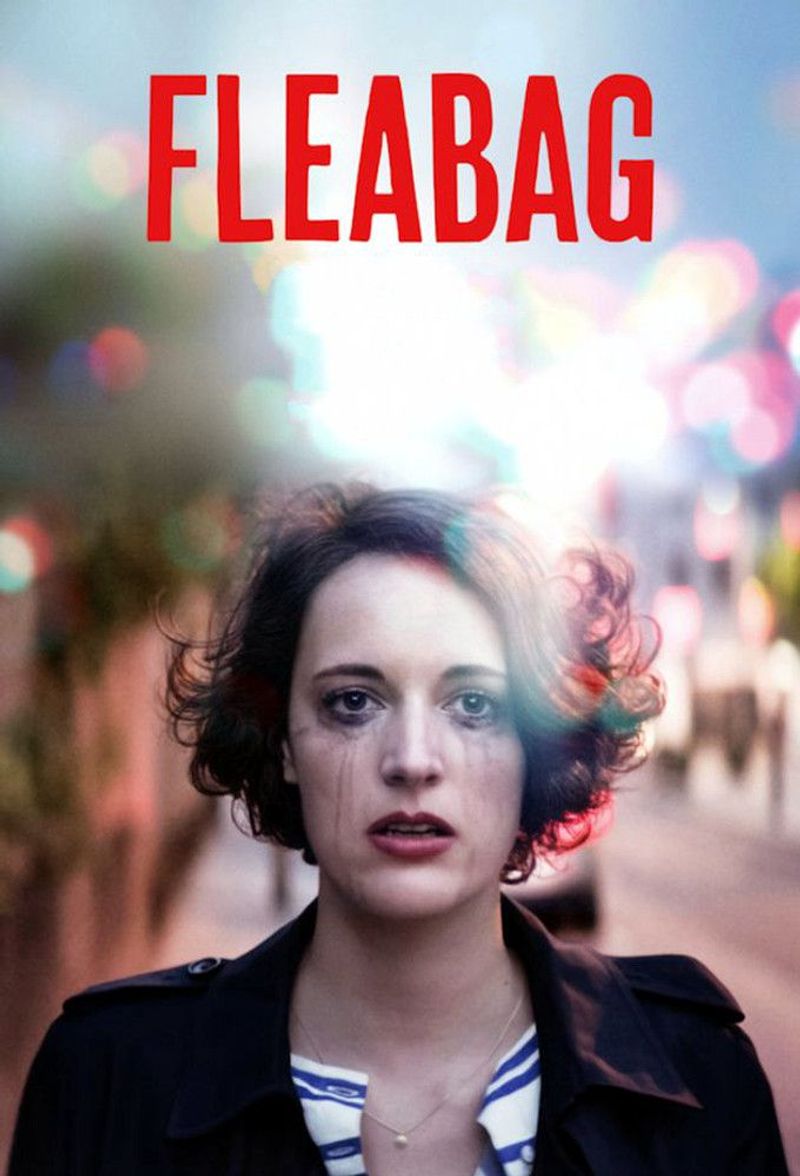
Phoebe Waller-Bridge created something truly special when she brought her one-woman show to television.
This British masterpiece follows a sharp-tongued woman navigating grief, family drama, and messy relationships in London.
What makes it revolutionary is how Fleabag breaks the fourth wall, speaking directly to viewers like we’re her closest confidants.
The show tackles heavy topics like loss and loneliness while remaining wickedly funny.
Critics and audiences worldwide fell in love with its raw honesty and brilliant writing.
With just two perfect seasons, it proved that quality beats quantity every single time.
2. The Office (UK)
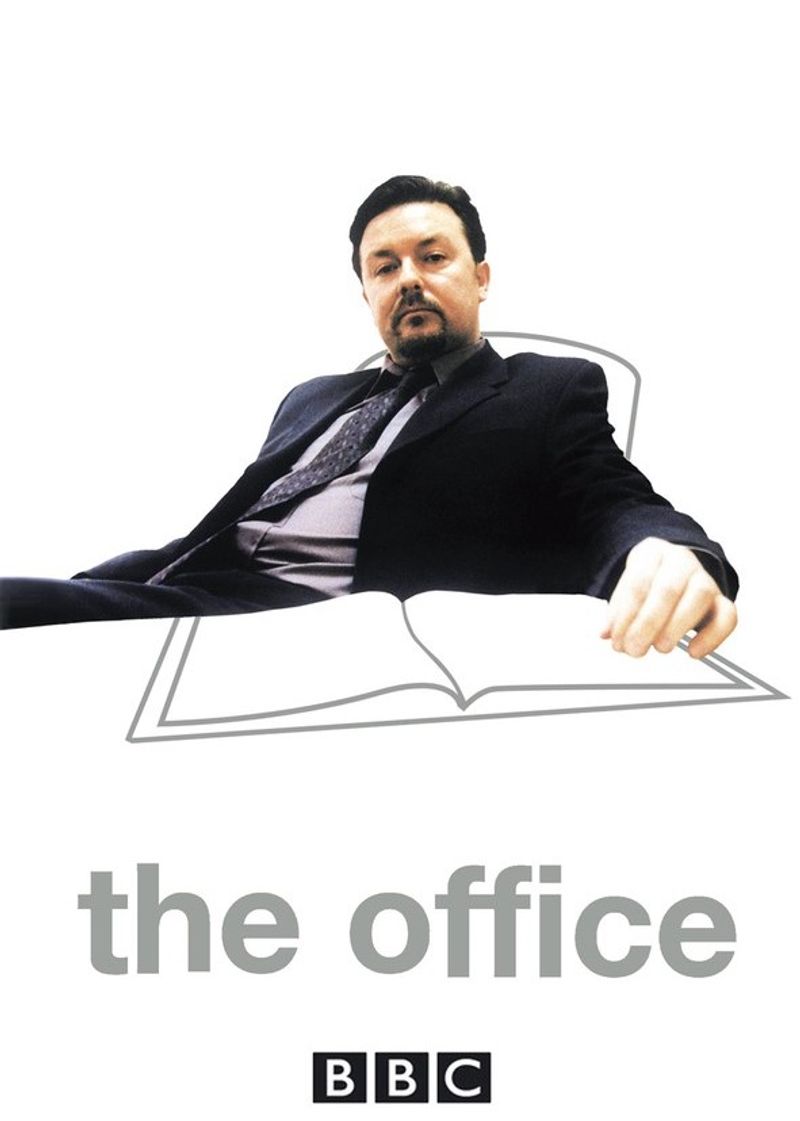
Ricky Gervais and Stephen Merchant revolutionized workplace comedy with their mockumentary about life at a paper company.
David Brent, the painfully awkward boss, became one of television’s most cringe-worthy yet somehow lovable characters.
The show’s dry British humor and uncomfortable silences created a completely new style of comedy.
It inspired countless imitations, including the hugely successful American version.
Shot with handheld cameras and no laugh track, it felt startlingly real.
The romance between Tim and Dawn gave viewers something sweet amid all the awkwardness, making it both hilarious and surprisingly touching.
3. BoJack Horseman
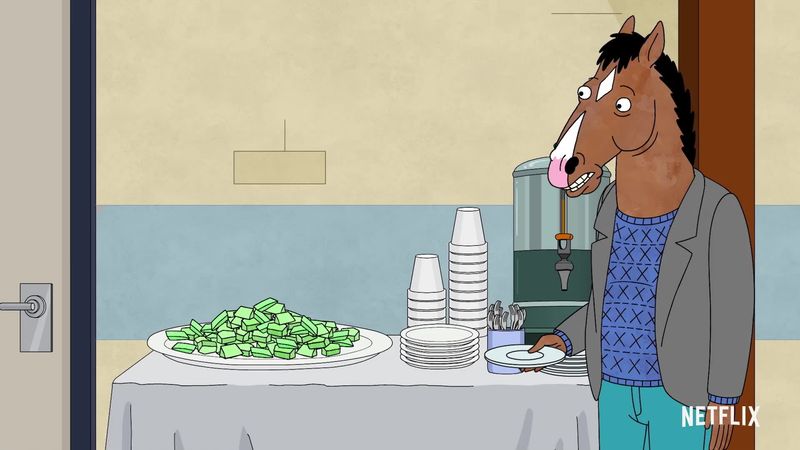
An animated show about a talking horse sounds silly, but BoJack Horseman delivered some of television’s most profound commentary on depression, addiction, and fame.
BoJack, a washed-up sitcom star from the 90s, struggles to find meaning in modern Hollywood.
The series brilliantly balanced absurdist humor with heartbreaking emotional depth.
One episode features almost no dialogue, while another takes place entirely underwater.
Will Arnett’s voice performance brought incredible nuance to a deeply flawed character.
The show never offered easy answers, making it feel refreshingly honest about mental health and personal responsibility.
4. 30 Rock
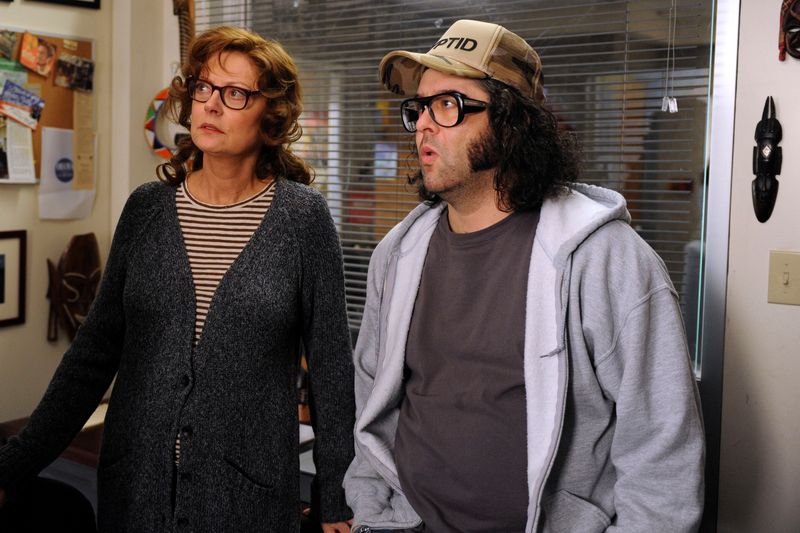
Tina Fey created a lightning-fast comedy that packed more jokes into each episode than most shows manage in a season.
Behind the scenes of a fictional sketch show, the series satirized television, corporate culture, and celebrity absurdity.
Alec Baldwin’s portrayal of network executive Jack Donaghy became legendary, delivering business nonsense with complete sincerity.
Tracy Morgan and Jane Krakowski rounded out an ensemble cast firing on all cylinders.
The show won multiple Emmy Awards and influenced countless comedies that followed.
Its rapid-fire joke style and willingness to be absolutely ridiculous set a new standard for sitcom ambition.
5. Community
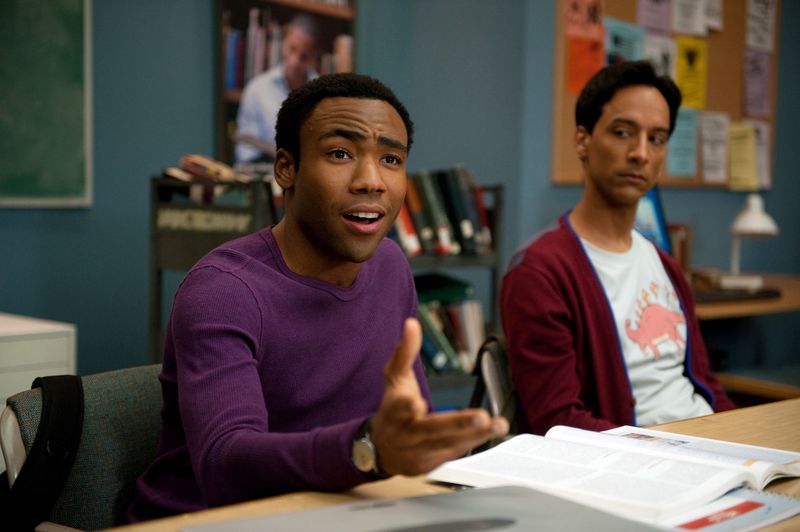
Dan Harmon’s love letter to pop culture disguised itself as a show about community college students.
What started as a quirky sitcom evolved into experimental television, with episodes parodying everything from zombie movies to documentary filmmaking.
The study group’s chemistry made even the wildest concepts feel grounded.
Donald Glover, Alison Brie, and Joel McHale led an ensemble that could handle both emotional moments and paintball warfare.
The show developed a passionate cult following despite constant cancellation threats.
Its meta-humor and willingness to take creative risks inspired a generation of comedy writers to think bigger.
6. Arrested Development
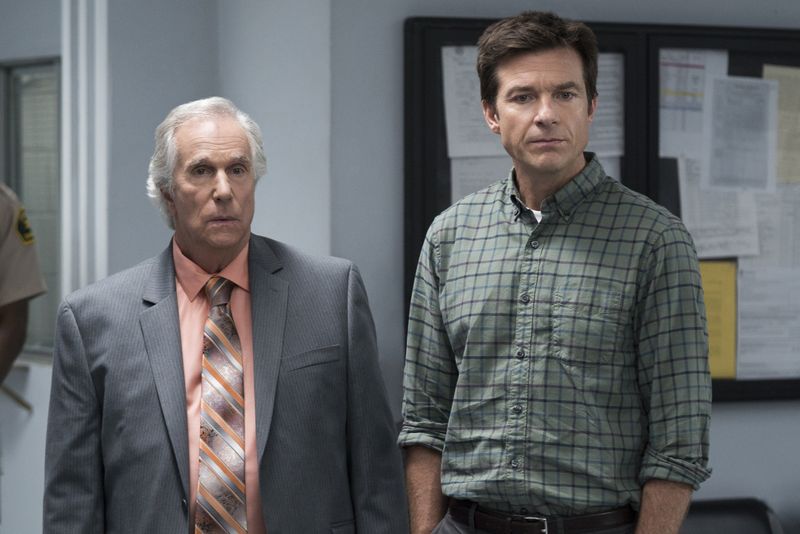
The Bluth family proved that dysfunction could be absolutely hilarious when presented with clever writing and perfect timing.
This show about a wealthy family losing everything pioneered serialized comedy, with jokes paying off episodes or even seasons later.
Jason Bateman’s Michael served as the straight man surrounded by increasingly ridiculous relatives.
The narration by Ron Howard added another layer of comedy to already dense episodes.
Despite low ratings initially, the show found massive success through word-of-mouth and streaming.
Its influence on modern comedy cannot be overstated, with countless shows copying its rapid-fire joke style and callback humor.
7. Parks and Recreation
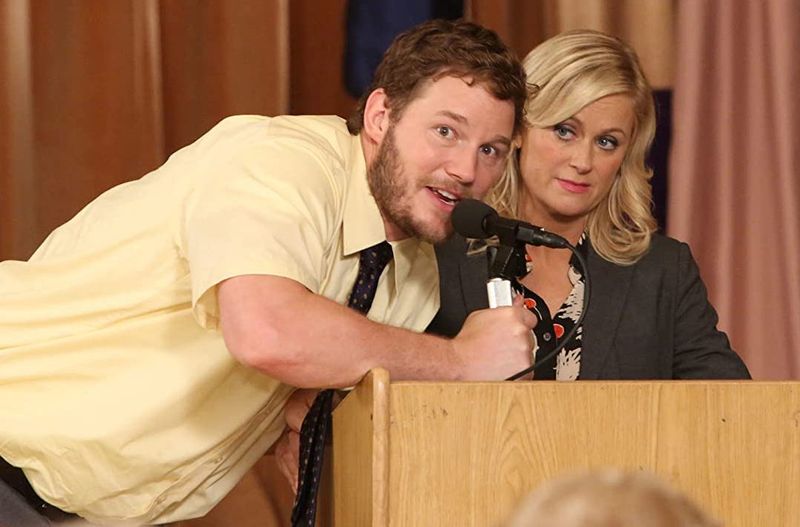
Leslie Knope’s boundless optimism and love for local government created one of the warmest comedies ever made.
Set in the Parks Department of Pawnee, Indiana, the show celebrated public service while gently mocking small-town politics.
Amy Poehler led an incredible ensemble including Nick Offerman’s libertarian Ron Swanson and Aziz Ansari’s entrepreneurial Tom Haverford.
The show evolved from a shaky first season into a beloved classic.
Unlike many workplace comedies, Parks and Rec genuinely liked its characters and wanted them to succeed.
Its hopeful tone felt especially refreshing, proving that comedy doesn’t require cynicism to be smart and funny.
8. The Office (US)
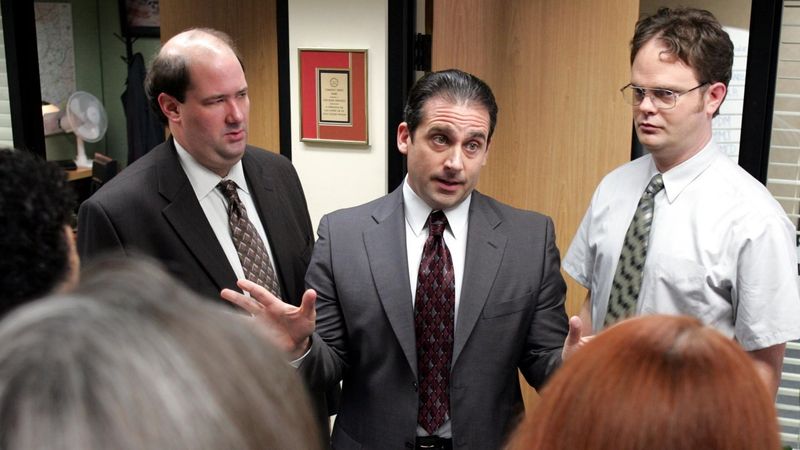
Adapting the British original seemed risky, but the American version became a cultural phenomenon that defined comedy for an entire generation.
Michael Scott’s desperate need to be liked created endless cringe-worthy moments that somehow remained endearing.
Steve Carell transformed what could have been an unlikable character into someone viewers genuinely cared about.
The romance between Jim and Pam became one of television’s most beloved relationships.
The mockumentary format allowed for brilliant talking-head interviews and knowing glances at the camera.
With nine seasons, it provided comfort viewing for millions and launched numerous successful careers, including John Krasinski and Mindy Kaling.
9. Curb Your Enthusiasm
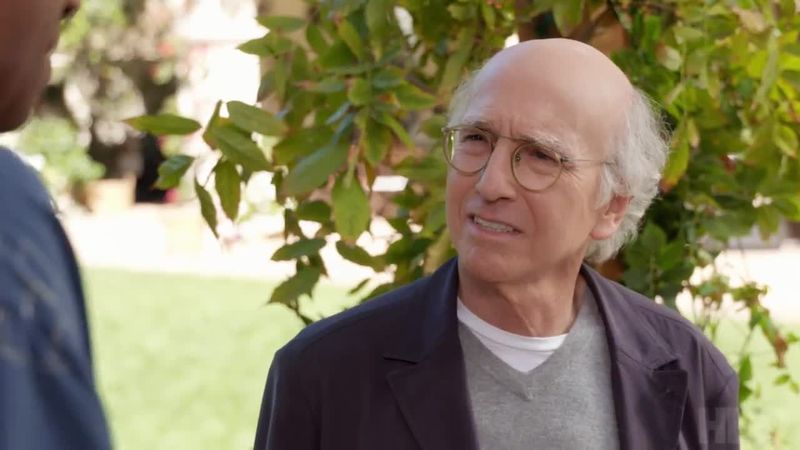
Larry David turned his own neuroses and social frustrations into comedy gold with this improvised HBO series.
Playing a fictionalized version of himself, David navigates Los Angeles while violating unwritten social rules and creating chaos wherever he goes.
The show’s largely improvised dialogue feels spontaneous and natural, with actors working from detailed outlines rather than scripts.
Guest stars from Seinfeld and beyond happily mock themselves.
Running for over two decades with irregular seasons, it has maintained remarkable consistency.
David’s willingness to make his character utterly unsympathetic freed the show to explore uncomfortable social situations most comedies avoid completely.
10. Brooklyn Nine-Nine
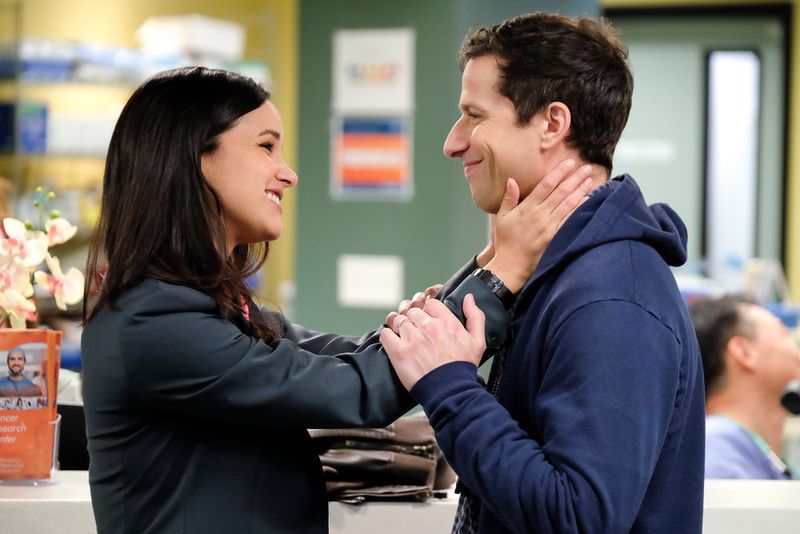
Combining police procedural elements with genuine heart created something special in this ensemble comedy.
Jake Peralta’s immaturity clashed hilariously with Captain Holt’s deadpan seriousness, forming the show’s comedic foundation.
Andy Samberg and Andre Braugher’s chemistry anchored a diverse cast that felt like a real family.
When Fox canceled the show, fans rallied so loudly that NBC picked it up within days.
The workplace comedy formula felt fresh thanks to strong character development and writers who genuinely cared about representation and kindness.
11. It’s Always Sunny in Philadelphia
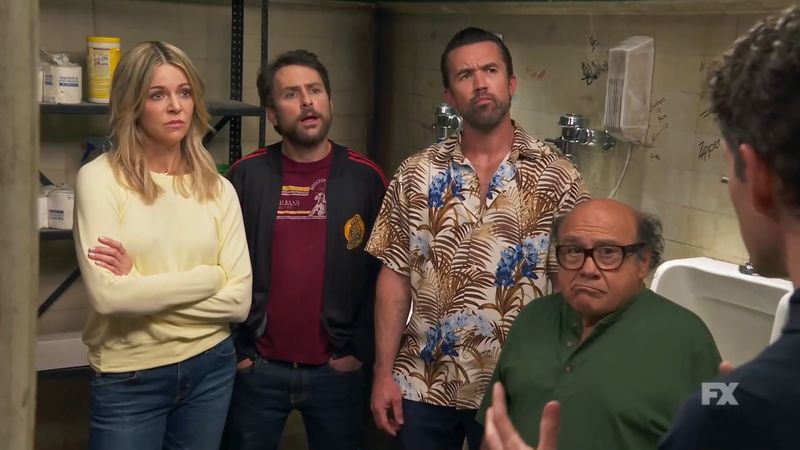
Five terrible people running a bar in Philadelphia shouldn’t work as comedy, yet this show has thrived for nearly two decades.
The gang’s complete lack of growth or self-awareness became the entire point, subverting traditional sitcom formulas.
Rob McElhenney, Charlie Day, and Glenn Howerton created characters so selfish and deluded that their failures became hilarious.
Danny DeVito joined in season two, adding even more chaos to the mix.
The show pushes boundaries regularly, tackling controversial topics through the lens of characters too ignorant to handle them properly.
Its longevity proves that audiences appreciate comedy willing to keep its characters fundamentally flawed and unchanging.
12. Veep
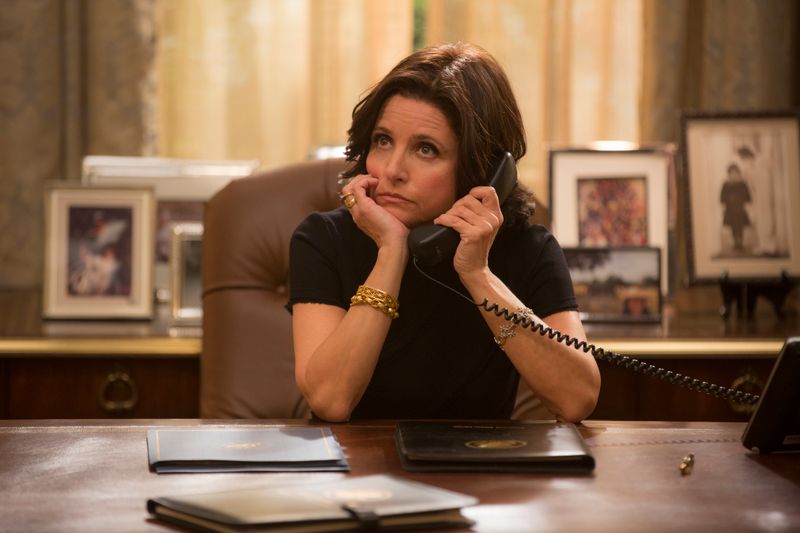
Armando Iannucci brought his biting political satire to America with this brutal comedy about a vice president and her dysfunctional staff.
Julia Louis-Dreyfus delivered a masterclass in comedic acting as Selina Meyer, a politician consumed by ambition and insecurity.
The show’s rapid-fire insults and creative profanity became legendary among fans.
Each character competed to be the most incompetent while somehow maintaining their positions of power.
Winning multiple Emmy Awards, including several for Louis-Dreyfus, it captured political absurdity with frightening accuracy.
The show grew even more relevant as real-world politics became increasingly bizarre, sometimes struggling to stay ahead of actual events.
13. Atlanta

Donald Glover created something unlike anything else on television with this surreal comedy-drama set in Atlanta’s hip-hop scene.
Earn tries to manage his cousin’s rap career while navigating poverty, race, and increasingly strange situations.
The show defies easy categorization, shifting from realistic struggles to dreamlike absurdity within single episodes.
Some episodes barely feature the main characters, instead exploring side stories that comment on Black experiences in America.
Visually stunning and unpredictable, Atlanta won multiple Emmy Awards for its innovative approach.
Glover’s refusal to follow sitcom conventions created space for experimental storytelling that felt both deeply personal and universally resonant.
14. Schitt’s Creek
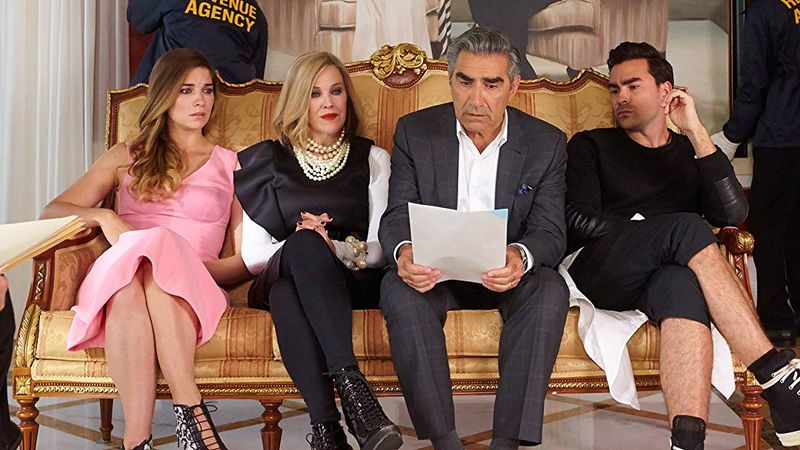
A wealthy family losing everything and moving to a small town they once bought as a joke sounds like punishment, but it became a story about growth and acceptance.
Eugene and Dan Levy created characters who transformed from shallow caricatures into genuinely lovable people.
The show’s portrayal of LGBTQ+ relationships as completely normal, without prejudice or coming-out drama, felt revolutionary.
David and Patrick’s romance became one of television’s sweetest love stories.
Starting as a little-known Canadian sitcom, it built momentum until its final season swept the Emmy Awards.
The Rose family’s journey from entitled snobs to caring community members provided both huge laughs and genuine emotional moments.
15. Rick and Morty
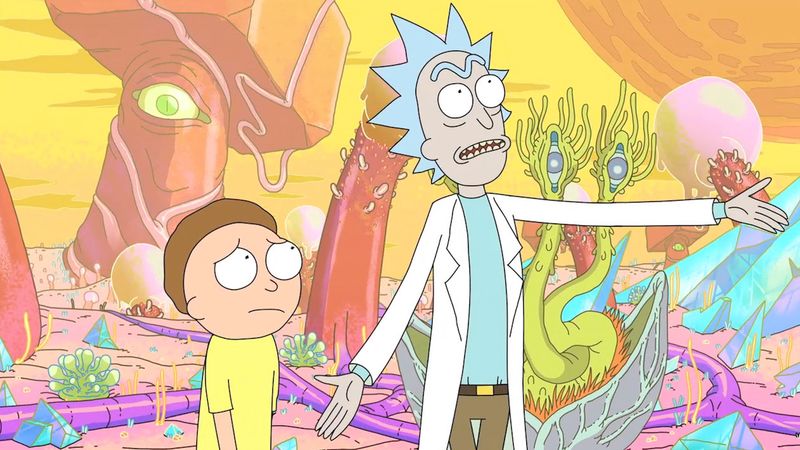
An alcoholic scientist dragging his grandson on dangerous interdimensional adventures became Adult Swim’s biggest hit and a cultural phenomenon.
Rick’s genius-level intelligence combined with complete nihilism created dark comedy that appealed to adult animation fans.
The show balances absurdist sci-fi concepts with surprisingly emotional family drama.
Episodes can shift from silly jokes about pickle transformations to existential crises about meaning and mortality.
Justin Roiland and Dan Harmon’s creation sparked intense fan devotion, sometimes controversially so.
Despite production delays and behind-the-scenes changes, the show’s clever writing and imaginative concepts keep audiences coming back for interdimensional cable and existential dread.
16. The Marvelous Mrs. Maisel
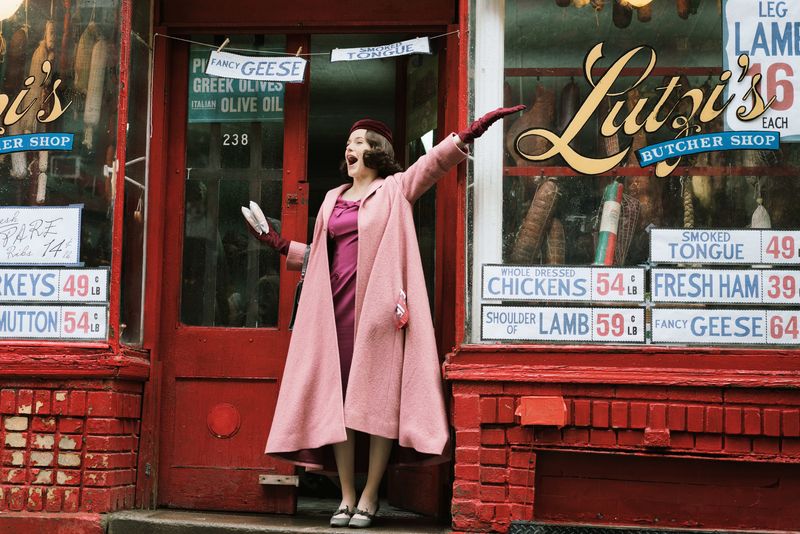
Midge Maisel’s journey from 1950s housewife to stand-up comedian showcased Amy Sherman-Palladino’s signature rapid-fire dialogue and gorgeous production design.
Rachel Brosnahan brought charm and determination to a character discovering her voice in a male-dominated field.
The show’s meticulous recreation of late-1950s New York earned it numerous awards for costumes, sets, and cinematography.
Tony Shalhoub’s performance as Midge’s father added depth and humor.
While celebrating female empowerment, the series never shied away from showing the real costs of Midge’s choices.
Her relationship with manager Susie, played brilliantly by Alex Borstein, formed the show’s emotional core beyond the comedy club stages.
17. Modern Family
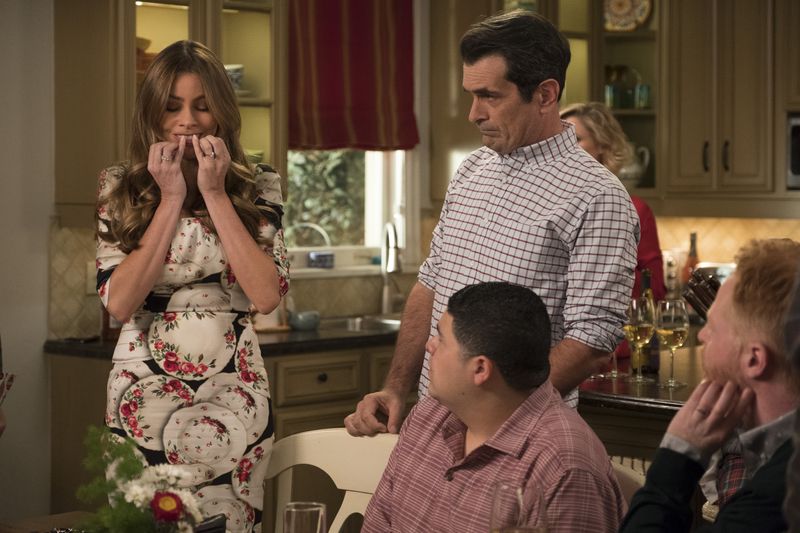
Three interconnected families navigating contemporary life created ABC’s most successful comedy in decades.
The mockumentary format allowed characters to comment directly on the chaos unfolding in their lives, from Jay’s marriage to a much younger Colombian woman to Cam and Mitchell raising their adopted daughter.
The ensemble cast won multiple Emmy Awards, with Ty Burrell’s Phil Dunphy becoming particularly beloved.
The show balanced silly physical comedy with genuine emotional moments about family bonds.
Running for eleven seasons, it depicted evolving family structures with warmth and humor.
While sometimes criticized for becoming formulaic, it consistently delivered laughs and represented diverse family types on mainstream television.
18. Silicon Valley
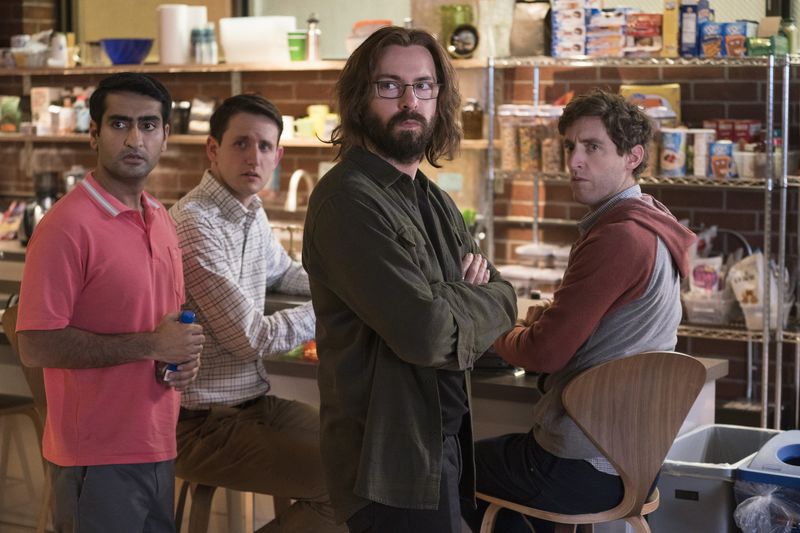
Mike Judge satirized tech culture with surgical precision in this HBO comedy about startup founders trying to change the world.
Richard Hendricks and his team of awkward programmers navigated venture capital, corporate sabotage, and their own incompetence.
The show captured Silicon Valley’s absurdities, from ridiculous company valuations to tech bros obsessed with disruption.
Thomas Middleditch led a cast that made coding conferences and compression algorithms somehow hilarious.
Real tech industry figures praised its accuracy while laughing at themselves.
The series highlighted how innovation often comes from chaotic, flawed people rather than the geniuses they pretend to be, making it both funny and surprisingly insightful about modern technology.
19. What We Do in the Shadows
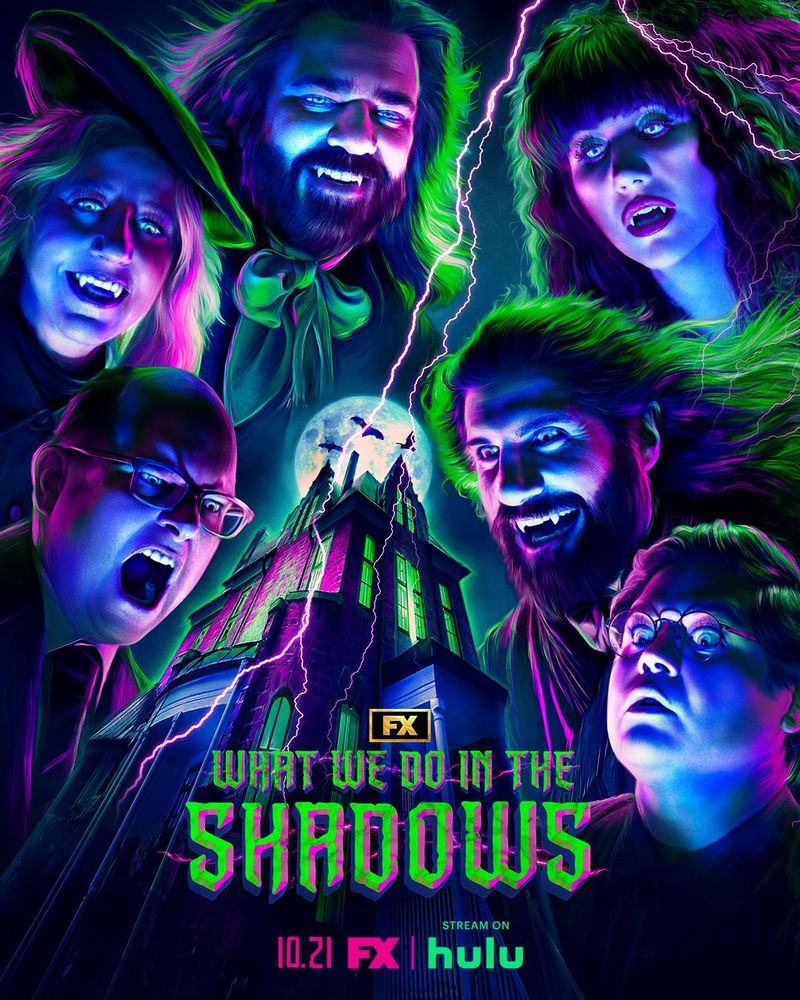
Vampires sharing a house on Staten Island sounds ridiculous, and that’s exactly why it works brilliantly.
Based on Taika Waititi and Jemaine Clement’s film, the series follows centuries-old vampires struggling with modern technology and household chores.
The mockumentary format perfectly captures their confusion about contemporary life.
Matt Berry’s Laszlo and Natasia Demetriou’s Nadja bring theatrical flair to immortal beings bickering about trivial matters.
Guillermo, their human familiar, provides grounded reactions to supernatural absurdity.
The show balances gross-out horror elements with genuine sweetness, creating something that appeals to both comedy fans and monster enthusiasts looking for something completely different and wildly entertaining.
20. Ted Lasso
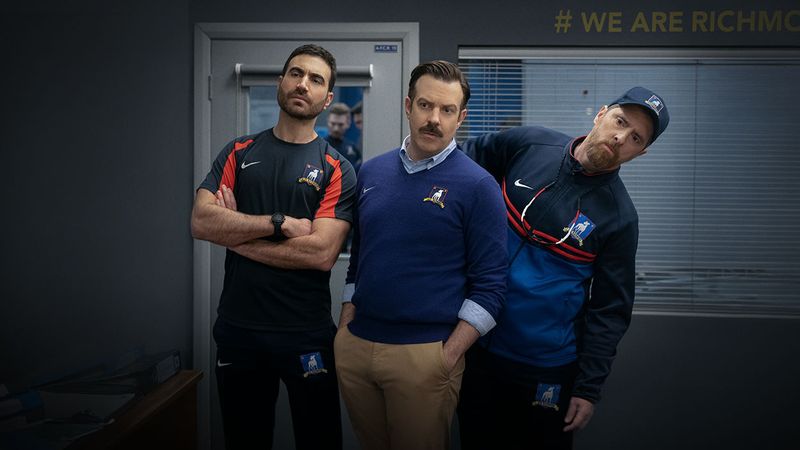
An American football coach hired to manage a British soccer team despite knowing nothing about the sport became Apple TV+’s breakout hit.
Jason Sudeikis transformed what could have been a one-note joke into a show about kindness, trauma, and belief in people.
Ted’s relentless optimism initially seems naive, but the show reveals depth and pain beneath his folksy charm.
The ensemble cast, particularly Hannah Waddingham and Brett Goldstein, earned critical acclaim.
In an era of cynical comedy, Ted Lasso dared to be hopeful and sincere.
Its message that people can change and communities can heal through empathy resonated powerfully, making it both a critical darling and audience favorite.
21. Succession
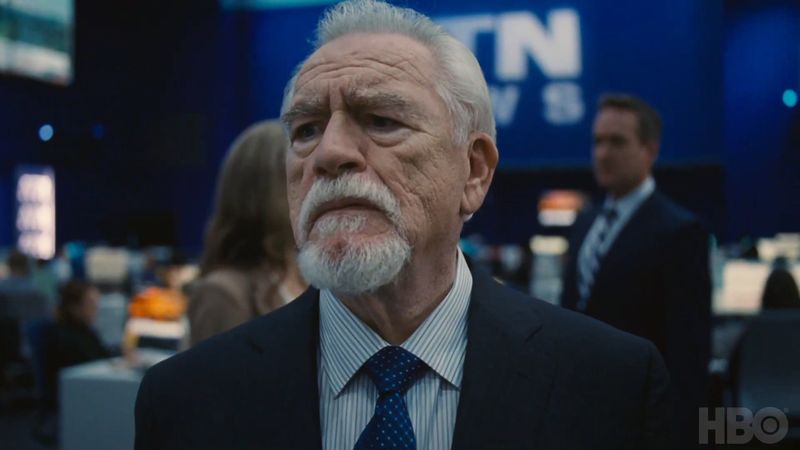
While primarily a drama, Succession delivered some of the darkest comedy on television as the Roy family fought over their media empire.
The children’s desperate attempts to win their father’s approval while simultaneously betraying each other created tragicomic gold.
Jeremy Strong, Sarah Snook, Kieran Culkin, and Brian Cox portrayed horrible people so compellingly that viewers couldn’t look away.
The show’s sharp dialogue turned corporate jargon and family dysfunction into quotable moments.
Creator Jesse Armstrong crafted a savage satire of wealth and power that felt increasingly relevant.
The comedy came from watching privileged people fail upward while destroying everything around them, making viewers laugh and cringe simultaneously.
22. The Good Place
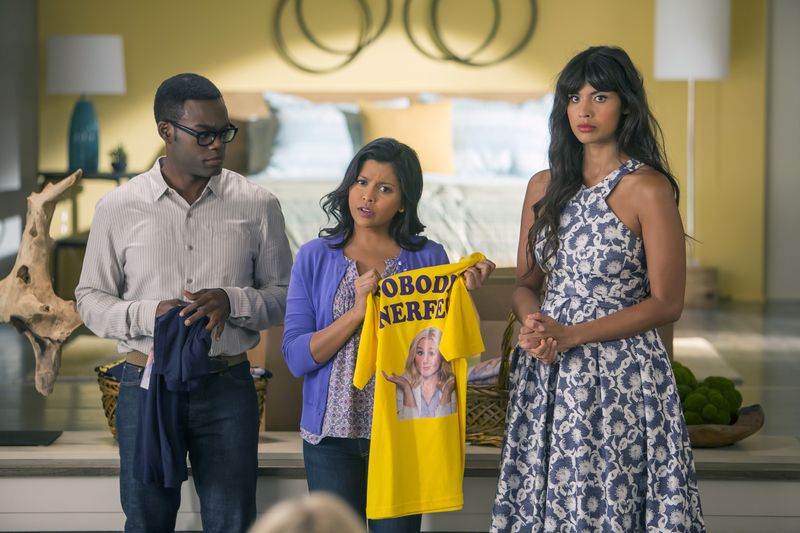
Michael Schur created a sitcom about the afterlife that became a brilliant exploration of ethics and what makes people good.
Eleanor Shellstrop’s discovery that she’s in the Good Place by mistake launched a series that constantly reinvented itself.
Kristen Bell and Ted Danson anchored a cast that made philosophy accessible and hilarious.
The show’s twists, particularly at the end of season one, shocked audiences and changed everything.
Beyond the laughs, it genuinely taught moral philosophy concepts while remaining entertaining.
The series finale provided emotional closure that satisfied fans, proving network sitcoms could still be ambitious, intelligent, and deeply satisfying in their storytelling.
23. Peep Show
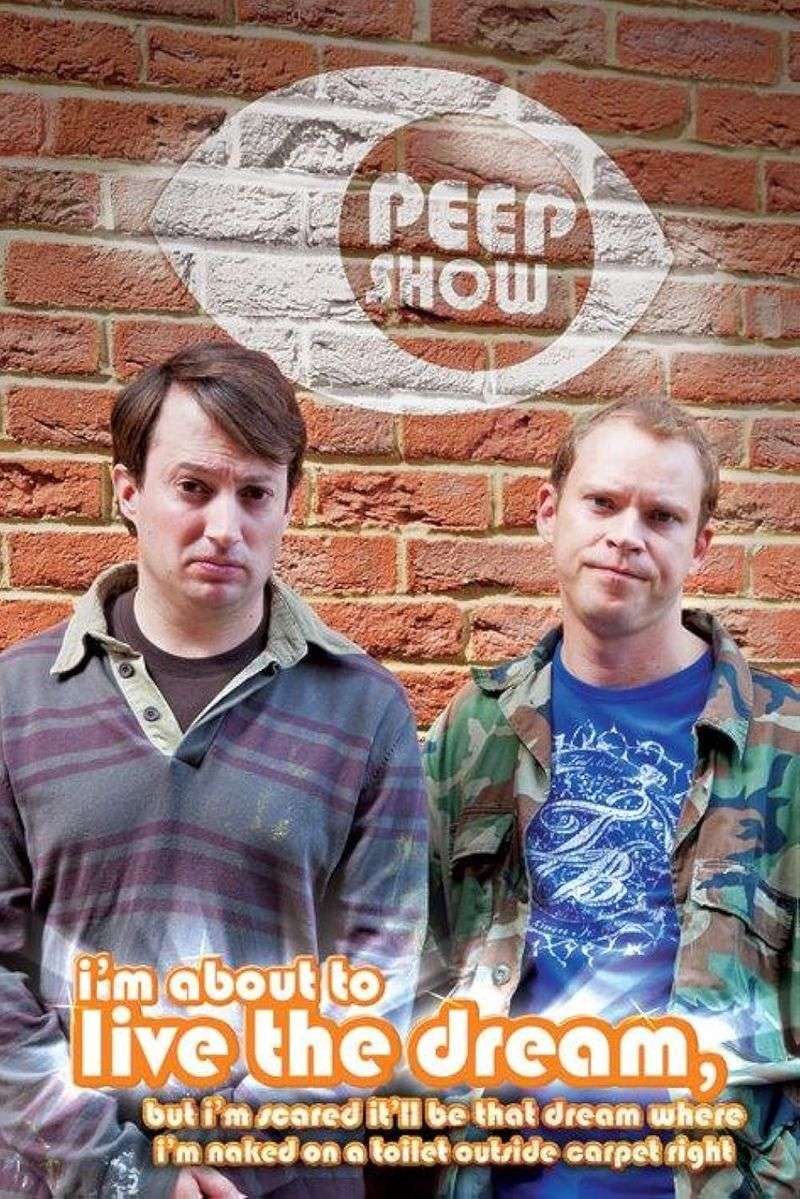
Shot entirely from the characters’ point of view, this British comedy provided uncomfortably intimate access to Mark and Jeremy’s thoughts.
The internal monologues revealed their anxieties, petty jealousies, and terrible decision-making in real-time.
David Mitchell and Robert Webb played dysfunctional flatmates whose friendship survived despite constant betrayals and disasters.
The first-person camera perspective made viewers complicit in their schemes and embarrassments.
Running for nine series, it became a cult classic for its unflinching portrayal of failure and social awkwardness.
The show never let its characters off the hook, maintaining a brutal honesty about human weakness that made it both painful and hilarious to watch unfold.
24. Master of None
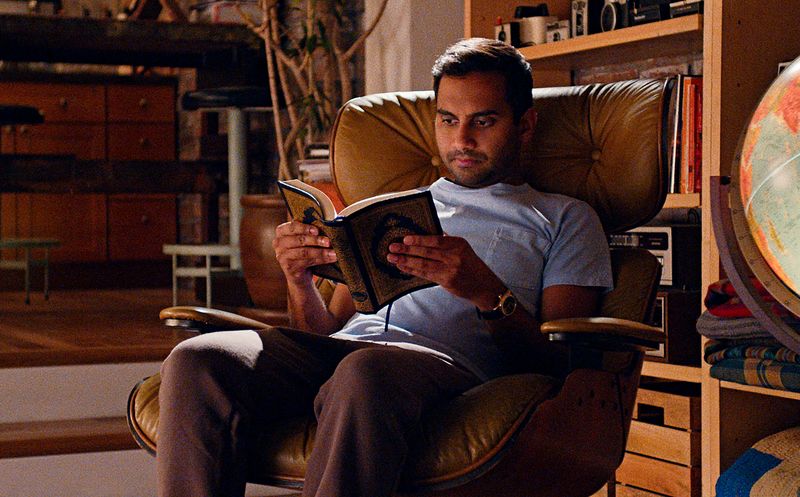
Aziz Ansari created a comedy that looked and felt different from typical sitcoms, exploring modern relationships, career struggles, and immigrant parents with cinematic flair.
Dev’s journey through New York and beyond tackled serious issues while maintaining warmth and humor.
The show experimented boldly with format, dedicating entire episodes to Dev’s parents or following different characters completely.
Its visual style borrowed from film rather than television conventions.
Season two’s Italian episode, shot entirely in black and white, showcased the series’ artistic ambitions.
While controversies affected later seasons, the show’s influence on comedy that blends humor with genuine social commentary and visual sophistication remains significant and widely recognized.
25. Black Books
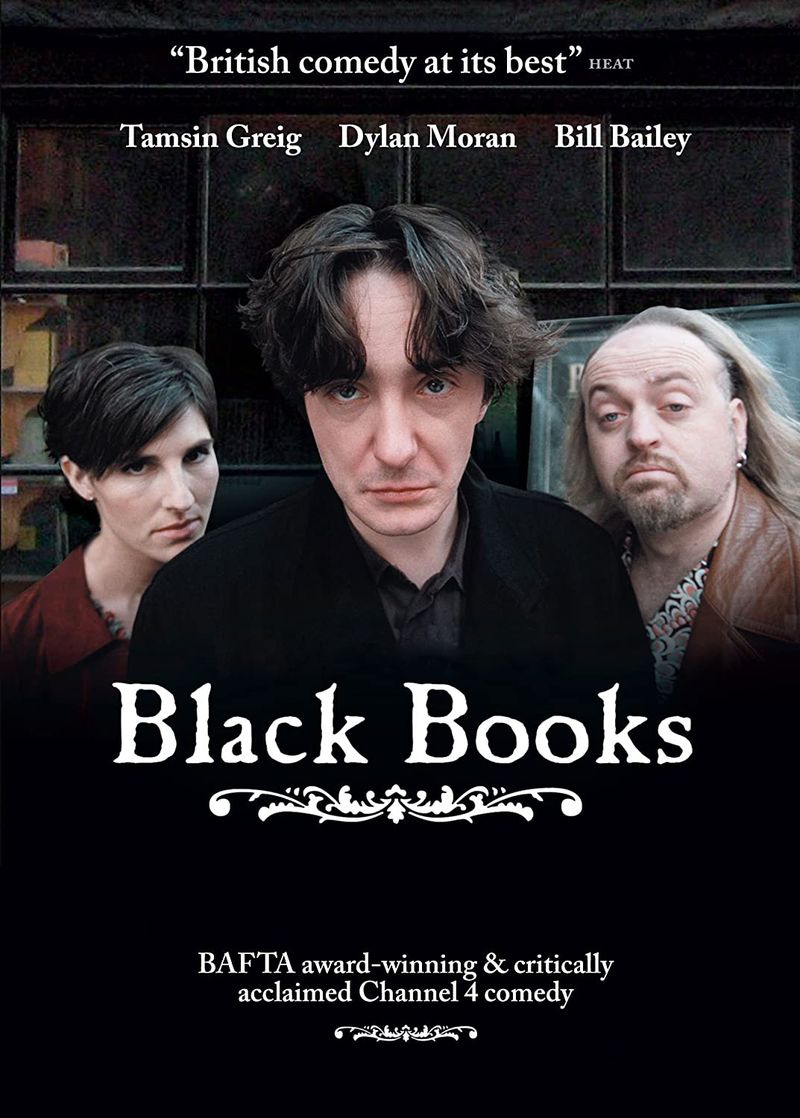
Dylan Moran’s misanthropic bookshop owner Bernard Black created chaos in this British sitcom that celebrated cynicism and dysfunction.
Assisted by his accountant Manny and friend Fran, Bernard avoided customers, drank heavily, and resisted anything resembling personal growth.
The show’s surreal humor and aggressive misanthropy set it apart from typical workplace comedies.
Bill Bailey’s physical comedy as the gentle Manny contrasted perfectly with Bernard’s hostility.
Though only three series were produced, it achieved cult status for its unique voice and quotable dialogue.
The bookshop setting allowed for literary jokes and intellectual humor mixed with slapstick chaos, appealing to audiences who appreciated comedy that celebrated being difficult and antisocial.
Comments
Loading…