
 Mary Murphy
The 15 Worst Sitcom Spinoffs of All Time
Some sitcoms are so iconic that they spark entire spin-off universes.
And then… there are the other ones — the spinoffs that make you wonder who approved them, why they aired, and how they lasted longer than a single commercial break.
Hollywood has always loved squeezing every last drop out of a hit show, but not every lovable side character or half-baked premise deserves its own primetime spotlight.
Sometimes the magic doesn’t transfer.
Sometimes the writing can’t keep up.
And sometimes viewers simply take one look and say, “Absolutely not.”
These spinoffs weren’t just bad — they were unforgettable for all the wrong reasons.
So let’s revisit the most notorious sitcom misfires and relive the wonderfully awkward TV moments they left behind.
1. Joanie Loves Chachi (1982–1983)
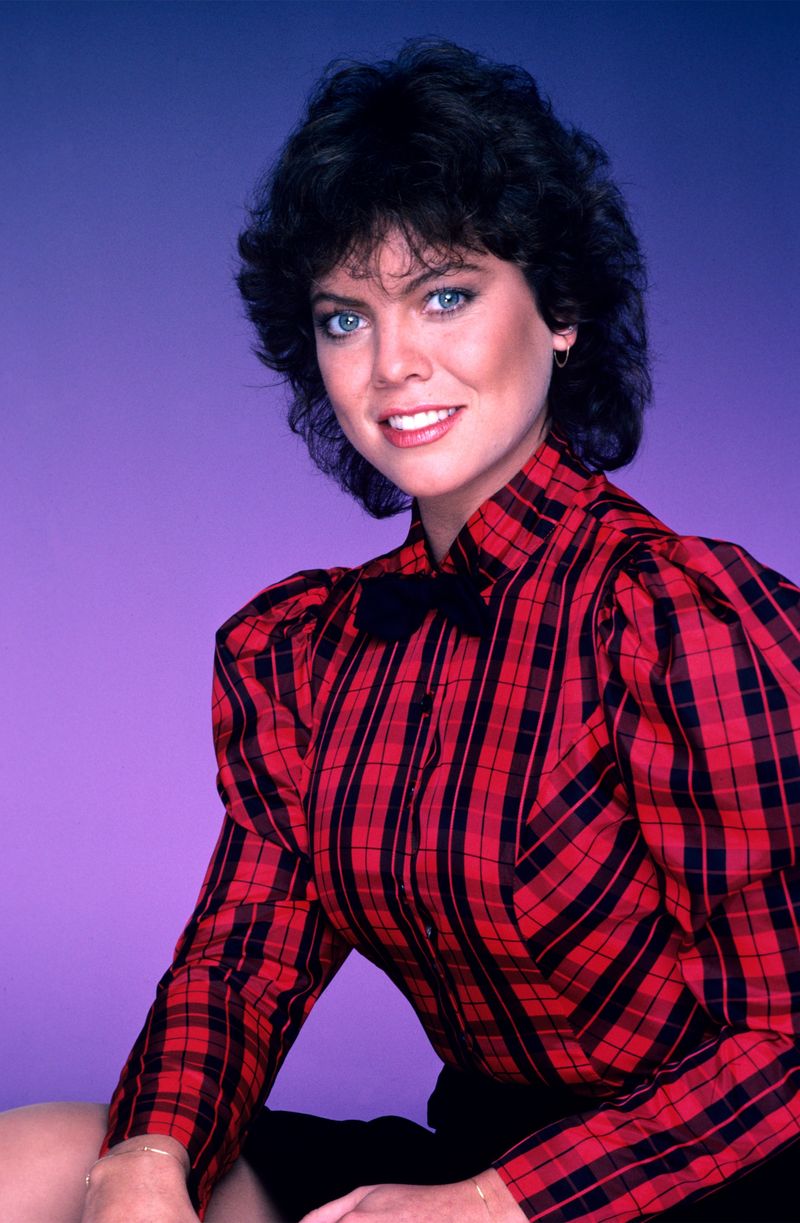
There’s something strangely fascinating about watching an extremely popular series launch a spinoff that immediately sinks.
The show tried to build an entire plot around Joanie Cunningham and Chachi Arcola, a romance that had charm in Happy Days but struggled once removed from the main cast.
Producers banked on teen heartthrob Scott Baio to carry the new series, but lightning didn’t strike twice.
The humor fell flat, the music-industry storyline felt forced, and critics weren’t shy about pointing out the obvious: the chemistry that worked in small doses couldn’t survive 22 minutes at a time.
Ratings dropped almost instantly.
Even international fans didn’t bite.
Oddly, it remained a pop-culture punchline for decades, mainly referenced whenever a network tries — and fails — to cash in on side characters.
2. The Ropers (1979–1980)
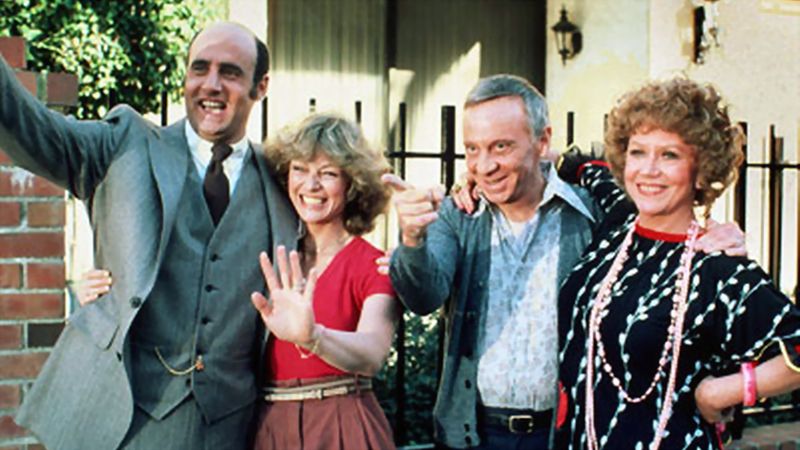
Audiences adored Stanley and Helen Roper on Three’s Company, but that didn’t translate into them becoming leading stars.
The spinoff shifted the couple into a new neighborhood, and with that change came an immediate loss of what made them hilarious in the first place.
Their dynamic relied heavily on reacting to Jack, Janet, and Chrissy — without the trio, the Ropers felt strangely muted.
The show struggled creatively from the start.
Worse, the move robbed Three’s Company of two of its funniest characters, limiting the chemistry that had made the original show thrive.
Critics weren’t impressed.
Ratings tanked by season two.
The network even regretted giving the green light, especially when viewers largely ignored the softer, less chaotic version of the couple they once loved.
3. AfterMASH (1983–1985)
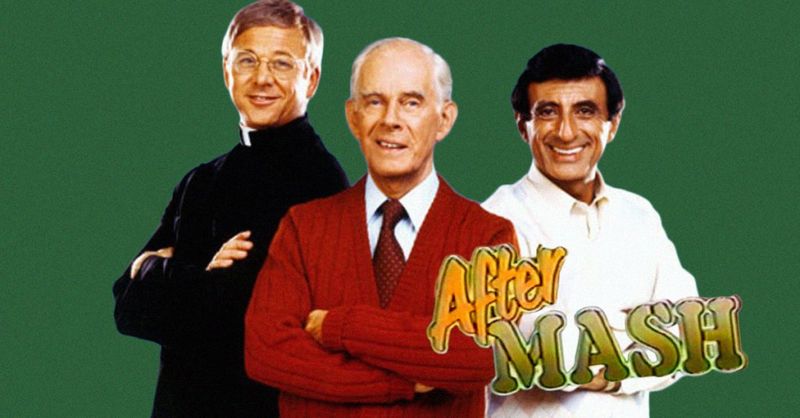
elevision history has rarely seen a tougher act to follow than MASH*.
Unfortunately, that’s exactly the weight AfterMASH carried when it premiered.
The show brought back beloved characters like Colonel Potter, Klinger, and Father Mulcahy, placing them in a stateside veterans’ hospital.
On paper, it should have worked.
But fans of the original series expected the same level of sharp wit, emotional weight, and clever commentary — and this new version just couldn’t deliver.
The pacing felt slow.
The humor felt outdated.
And without the backdrop of the Korean War, the characters seemed lost.
Critics were brutal, and viewers turned away faster each week.
By the second season, CBS moved it to a terrible time slot, sealing its fate.
Its cancellation remains a cautionary tale about impossible expectations.
4. The Golden Palace (1992–1993)
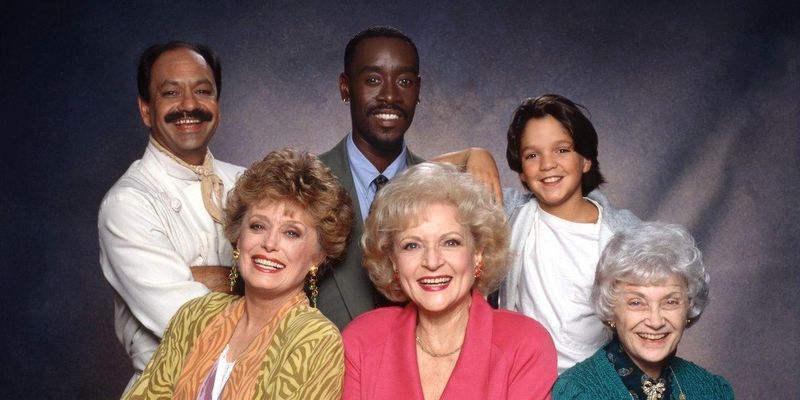
Few shows have the legacy of The Golden Girls, which is why this sequel had impossibly high standards from the moment it aired.
The absence of Bea Arthur left a noticeable hole that even the returning cast couldn’t fill.
Instead of staying in their iconic Miami home, the remaining trio purchased and ran a hotel — a premise that sounded quirky but felt disconnected from the heartwarming intimacy fans loved.
Cheech Marin joined the cast, making the show feel even more like an experiment than a continuation.
The comedic rhythm shifted.
The storylines felt thin.
And longtime fans were vocal about missing Dorothy’s grounding presence.
NBC had passed on the series, and CBS struggled to get traction with it.
After just one season, the network pulled the plug.
5. Joey (2004–2006)
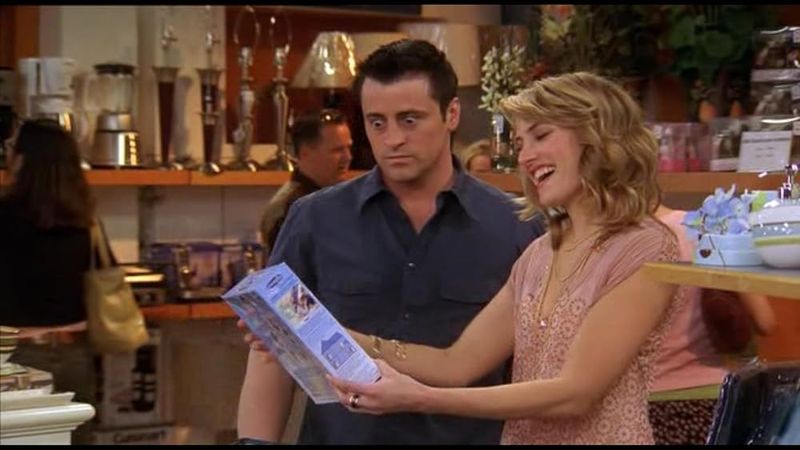
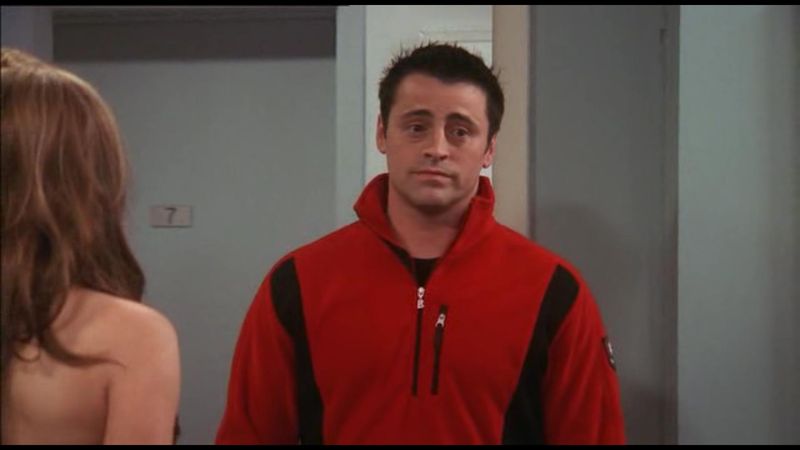
Anyone who watched Friends knew Joey Tribbiani was lovable — but carrying an entire show was a very different challenge.
The spinoff moved Joey to Los Angeles to pursue acting full-time, which should have been prime material for comedy but somehow missed the mark.
The heart and warmth from the original ensemble were nowhere to be found.
Instead, viewers got awkward new characters and a storyline that never figured out its direction.
NBC heavily promoted the show, hoping to capture even a fraction of Friends’ success.
But ratings steadily declined.
Critics complained about the uneven writing and lack of emotional depth.
Fans simply didn’t see the Joey they remembered.
By season two, the network quietly let it fade away, turning one of TV’s most beloved characters into a spinoff cautionary tale.
6. Mayberry R.F.D. (1968–1971)
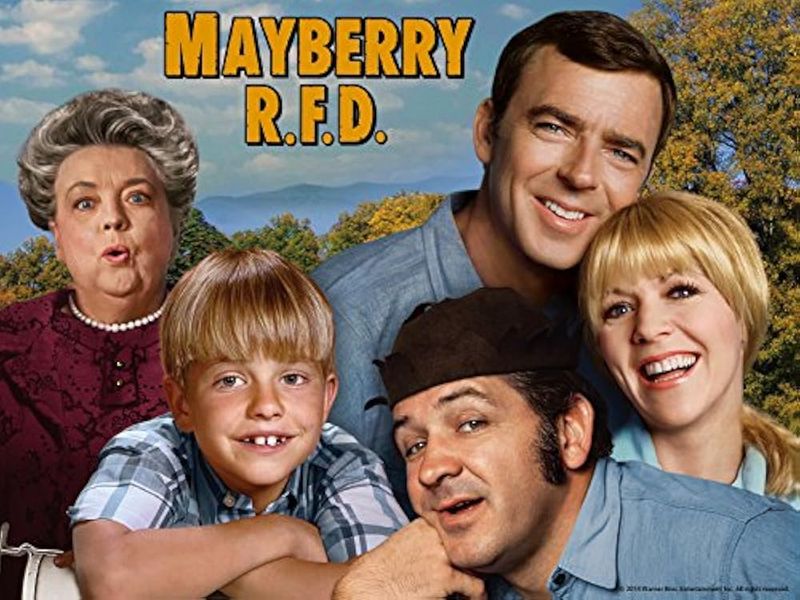
Sometimes a show ends at exactly the right moment, and trying to extend it only weakens the original’s legacy.
That’s precisely what happened when The Andy Griffith Show morphed into Mayberry R.F.D. without its star.
Andy’s departure meant the heart of the town was gone, leaving the spinoff struggling to establish a new personality.
Producers attempted to maintain the same gentle pace and wholesome humor, but the magic felt diluted.
The series centered on Sam Jones, a likable but forgettable lead who didn’t resonate with audiences.
Viewers stuck around out of habit more than genuine interest.
Even though the show technically performed decently, CBS axed it during the “rural purge,” a mass cancellation of rural-themed shows.
Most people remember it only as the quieter, less charming shadow of its predecessor.
7. Gloria (1982–1983)
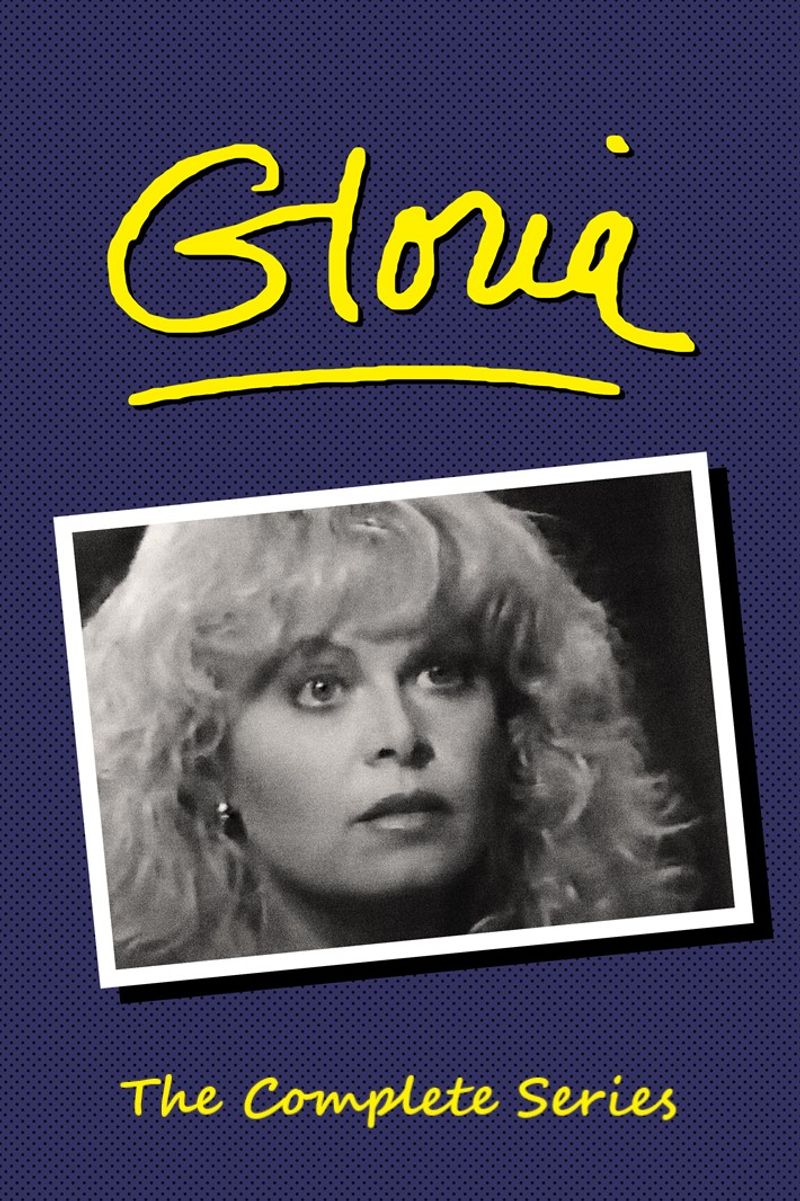
Spin-offs from All in the Family had a mixed track record, and Gloria landed firmly on the “miss” side.
Sally Struthers reprised her role as Gloria Bunker Stivic, now a single mother working at a veterinary clinic.
The concept wasn’t terrible, but it lacked the bold, socially charged writing that made the original groundbreaking.
Instead, viewers got a very standard sitcom with mild humor and predictable plots.
Some critics felt the show softened Gloria too much, stripping away the fiery spark she once had.
Even the studio audience laughter sounded strained.
Despite strong initial ratings, interest evaporated quickly.
CBS canceled it after just one season, leaving it as yet another example of how hard it is to recreate lightning in a bottle.
Most modern viewers don’t even know it existed.
8. The Tortellis (1987)
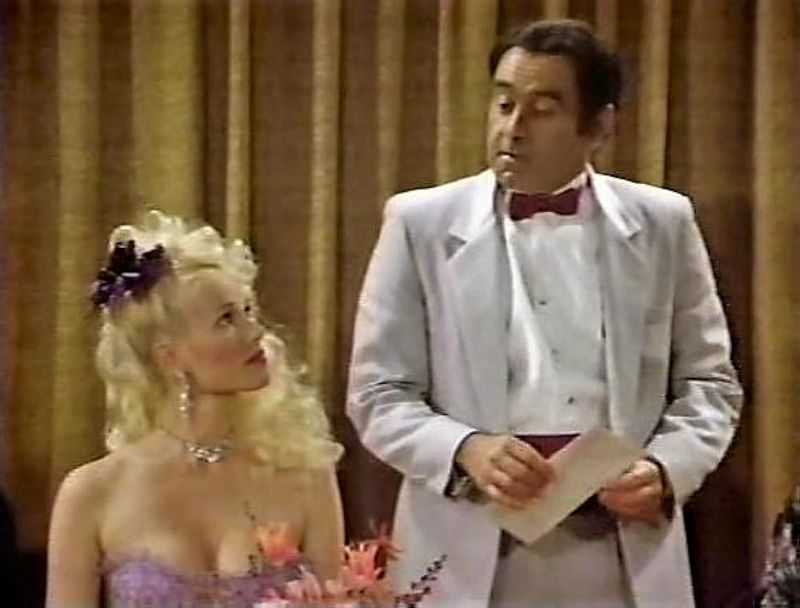
It’s not easy to create a spinoff from one of the most beloved sitcoms in television history, but The Tortellis certainly tried.
Carla’s estranged husband and his new wife were never meant to be lead characters, and Cheers fans knew it.
The show moved the eccentric couple to Las Vegas, hoping a change of scenery would spark comedy gold.
The opposite happened.
Viewers didn’t connect with the characters, who worked in small doses but felt overwhelming in every scene.
The writing lacked the witty ensemble chemistry that made Cheers iconic.
Critics called it loud, shallow, and tonally inconsistent.
Ratings plummeted almost immediately.
NBC canceled it after 13 episodes, and the characters quietly returned to Cheers as if nothing had happened.
The spinoff is now a footnote in sitcom history.
9. Three’s a Crowd (1984–1985)
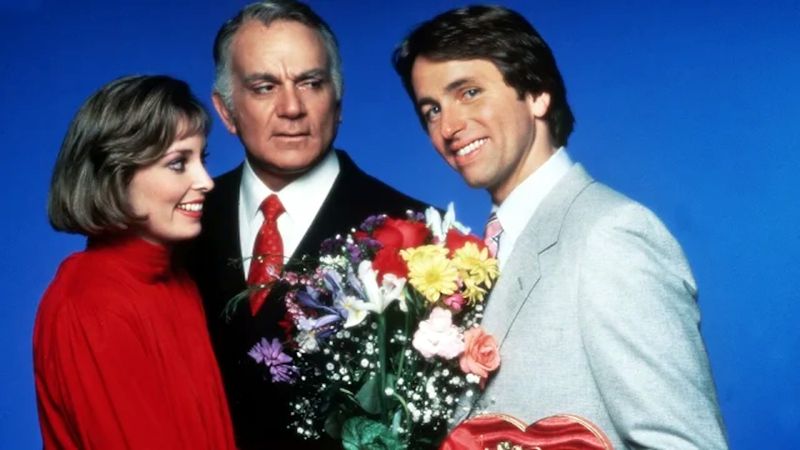
Following up on Three’s Company was already risky, especially considering how dramatically the original series declined toward its final years.
This sequel attempted to build a show around Jack Tripper’s new life with his girlfriend Vicky, but the magic simply wasn’t there.
Fans missed the chaotic energy of Jack’s former roommates, whose absence created an emotional vacuum.
Producers hoped viewers would rally behind Jack settling down, yet the storyline felt strangely dull.
The chemistry that once powered the show disappeared.
Humor turned predictable.
And critics immediately called it one of the weakest attempts at extending a franchise.
ABC lost interest quickly.
After one shaky season, it was canceled — and Three’s Company fans rarely include it when reminiscing about the original show’s legacy.
10. Buddies (1996)
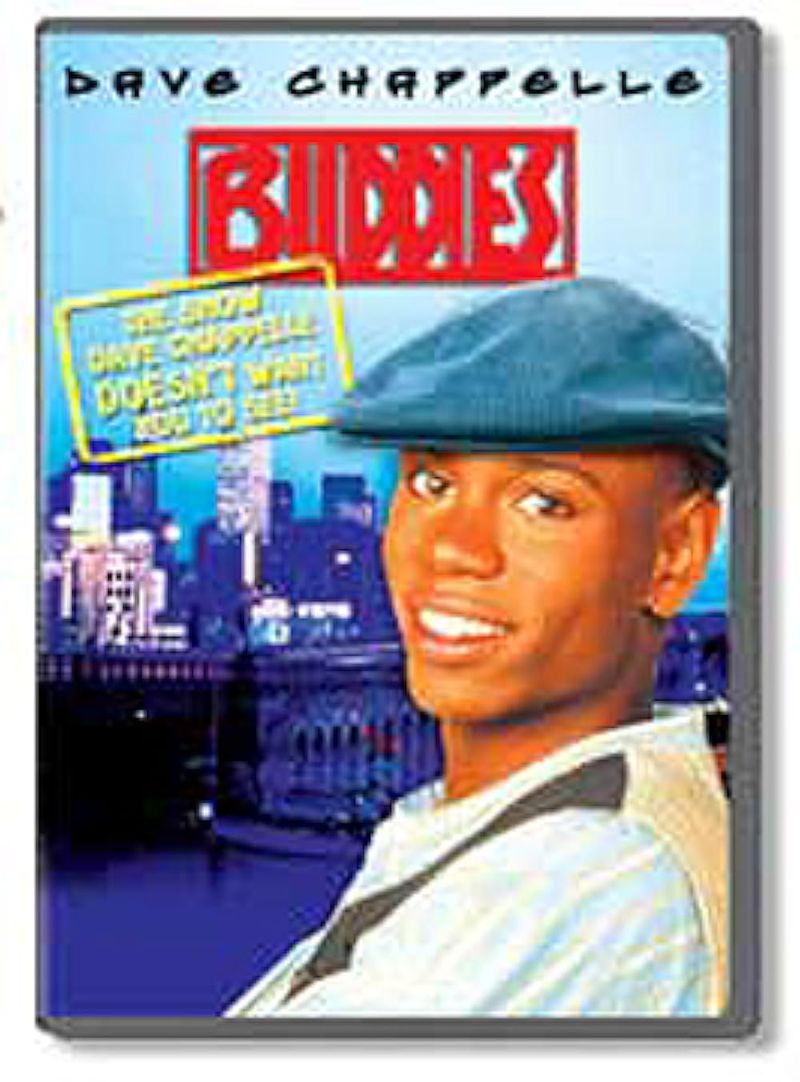
It’s surprising to look back and realize this short-lived sitcom starred Dave Chappelle before he became a comedy legend.
The show, built loosely on characters introduced in Home Improvement, tried to focus on two best friends navigating life and work.
Unfortunately, a behind-the-scenes casting issue caused early trouble: Chappelle’s original co-star was replaced after the pilot, destroying much of their natural chemistry.
The comedy felt flat.
The pacing felt off.
And the writing failed to distinguish the series from countless other ’90s sitcoms.
Despite Chappelle’s talent, the show couldn’t find its identity.
ABC canceled it after only five aired episodes.
The remaining episodes were burned off months later.
Even Chappelle has joked publicly about its failure, making Buddies a fascinating Hollywood misstep.
11. Living Dolls (1989)
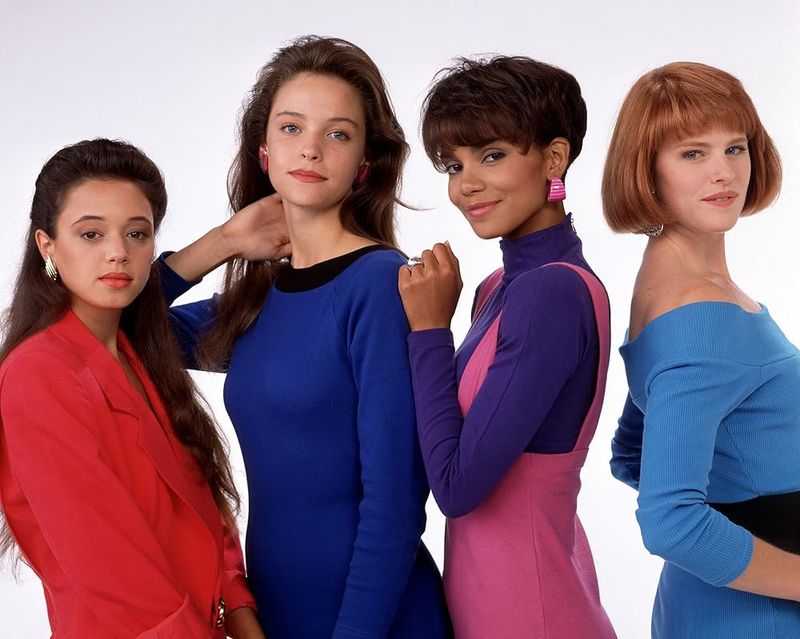
Before she became an Oscar winner, Halle Berry appeared in this notoriously clunky spinoff from Who’s the Boss?.
The show centered around a group of teenage models living under the supervision of a tough but caring agent.
On paper, it had the ingredients for a high-energy teen sitcom, but the execution was painfully awkward.
The humor relied heavily on beauty-industry clichés, and the storylines felt more like after-school specials than actual comedy.
Audiences didn’t connect with the characters, despite the cast’s future star power.
Even Alyssa Milano’s involvement couldn’t lure in fans of the original show.
Critics panned the writing as shallow and unfocused.
ABC canceled it after only 12 episodes.
Its biggest legacy is launching Berry’s career — not entertaining viewers.
12. Rubicon — from Family Matters
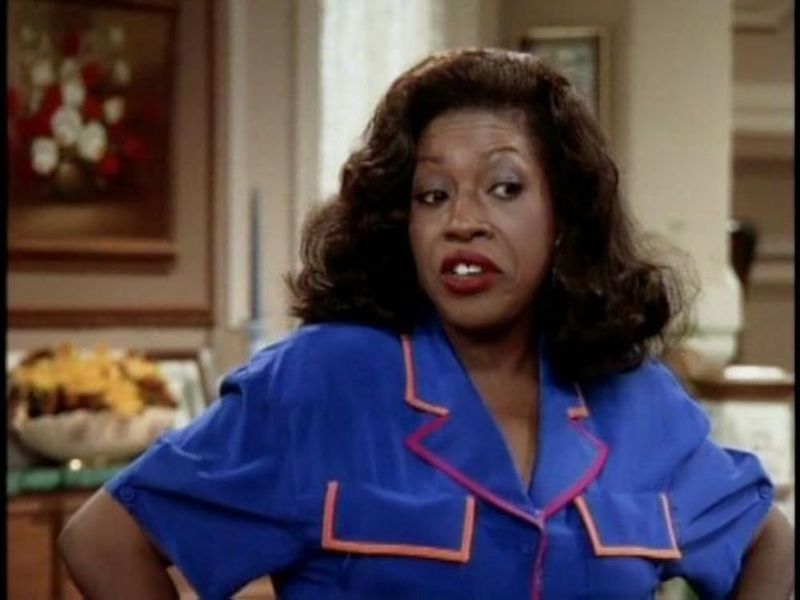
Very few people remember that Family Matters wasn’t originally planned as the star vehicle for Steve Urkel.
Before Urkel accidentally took over the ’90s, there was an earlier attempt to spin off Harriette Winslow’s character from Perfect Strangers.
This short-lived concept, sometimes referred to internally as “Rubicon,” was meant to highlight Harriette as a central figure in a workplace-comedy format.
However, the idea fizzled so quickly that it barely registered in TV history.
The network determined the premise lacked the comedic punch needed for a standalone show.
That’s why Family Matters was redesigned entirely — a shift that ultimately created one of the decade’s most iconic sitcoms.
The failed prototype remains an industry curiosity: a reminder that not every spinoff concept needs to reach the airwaves.
13. The Brady Brides (1981)
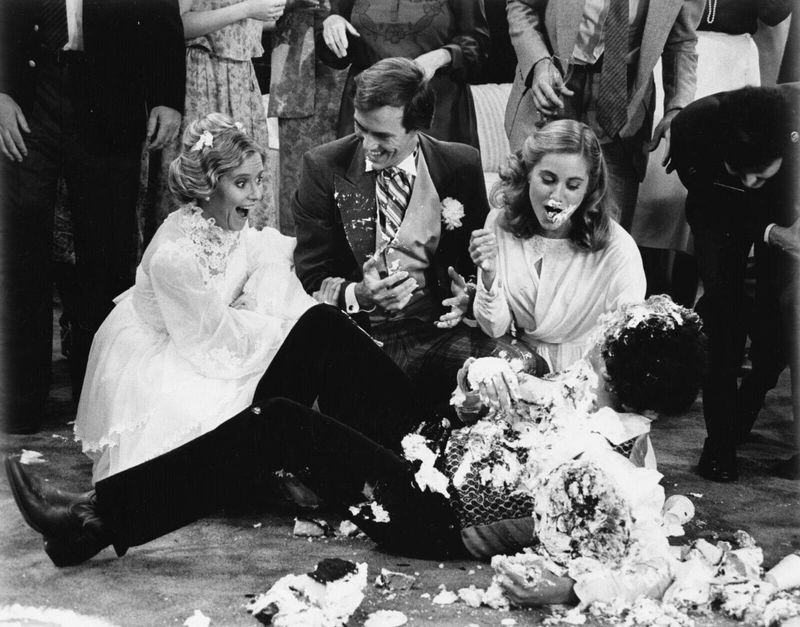
Deciding to follow adult Jan and Marcia Brady into married life was an ambitious choice, but the execution didn’t land as hoped.
The TV movie that launched the idea performed well enough, but the series failed to maintain that momentum.
The newlywed sisters moved in together, creating a premise that relied heavily on domestic misunderstandings and light drama.
Unfortunately, viewers expected the charm and warm family dynamics of the original series — not constant bickering.
The humor felt forced.
The writing felt thin.
And nostalgia wasn’t strong enough to keep the show alive.
NBC canceled it after less than a season.
While Brady fans still adore the original series, this spinoff exists mainly as a reminder that not every character needs a grown-up storyline.
14. Enos (1980–1981)
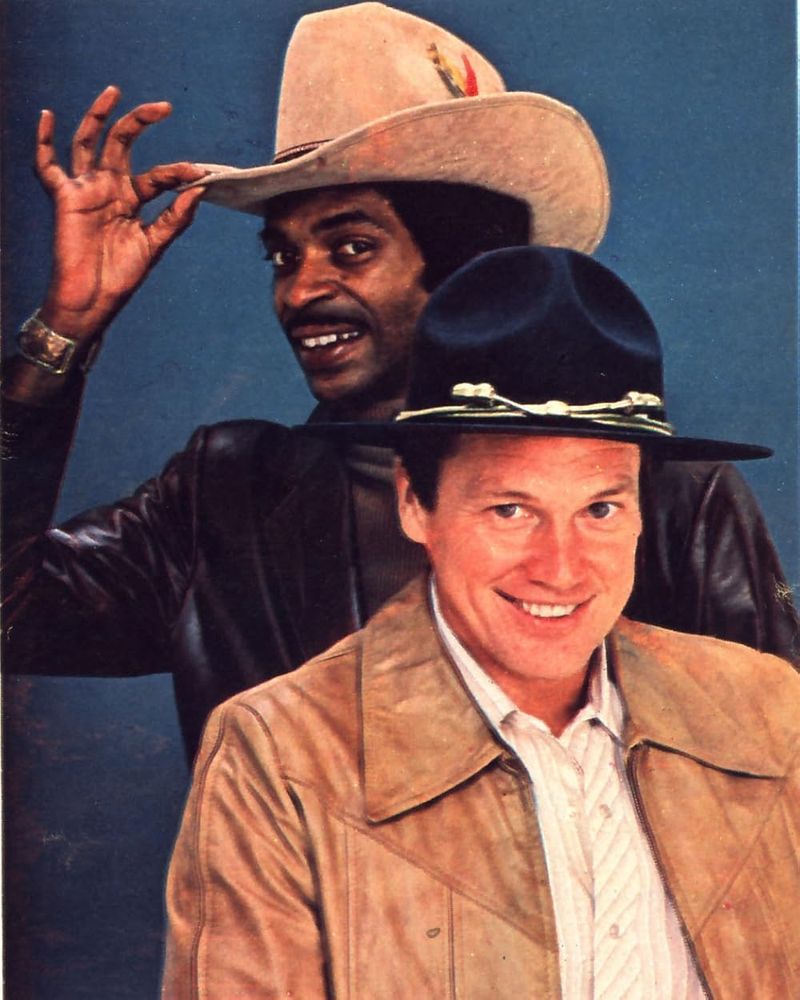
Fans of The Dukes of Hazzard adored Deputy Enos Strate as a sweet, bumbling side character.
But turning him into the lead of his own big-city cop show was a mismatched idea from the start.
The spinoff sent Enos to Los Angeles to join the LAPD, stripping him of the quirky small-town charm that made him popular.
The tone shifted from rowdy southern comedy to light police procedural — and viewers didn’t know what to make of it.
The jokes rarely landed.
The plots felt generic.
And critics called it a tonal disaster.
CBS hoped the popularity of The Dukes of Hazzard would carry it, but audiences simply weren’t interested.
After one season, Enos quietly returned to Hazzard County as if his big-city adventure never happened.
15. Phyllis (1975–1977)
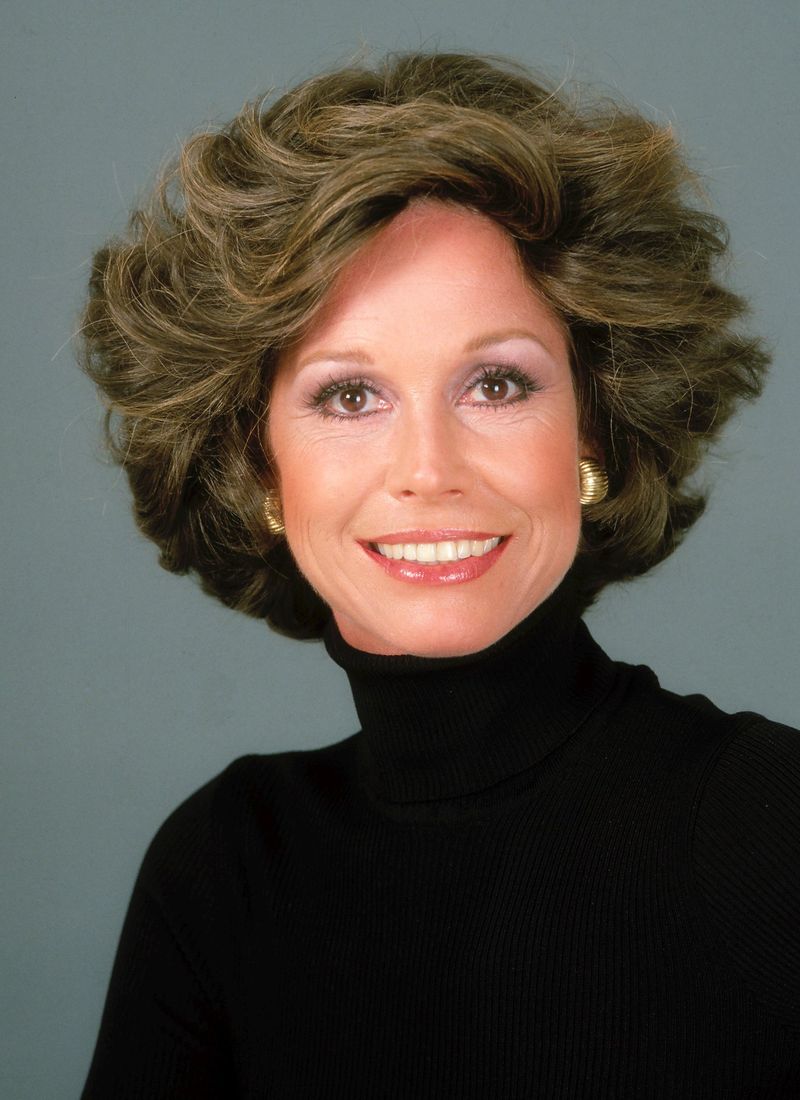
Cloris Leachman was a powerhouse actress — but even her talent couldn’t save this uneven spinoff from The Mary Tyler Moore Show.
Phyllis Lindstrom went from being a hilariously snobbish supporting character to a widow moving to San Francisco with her daughter.
The shift in tone was noticeable.
Producers tried to give the character more emotional depth, but in doing so, they lost the biting humor that made her memorable.
The writing fluctuated wildly between heartfelt and awkward.
Several cast members died during production, causing chaotic rewrites that hurt the show’s momentum.
Even though it received decent ratings at first, critics were lukewarm.
By season two, the cracks were obvious.
CBS canceled it soon after, leaving it overshadowed by far more successful MTM spinoffs like Rhoda and Lou Grant.
Comments
Loading…