
 Jade Reed
The 14 Greatest Hosts in Talk Show History
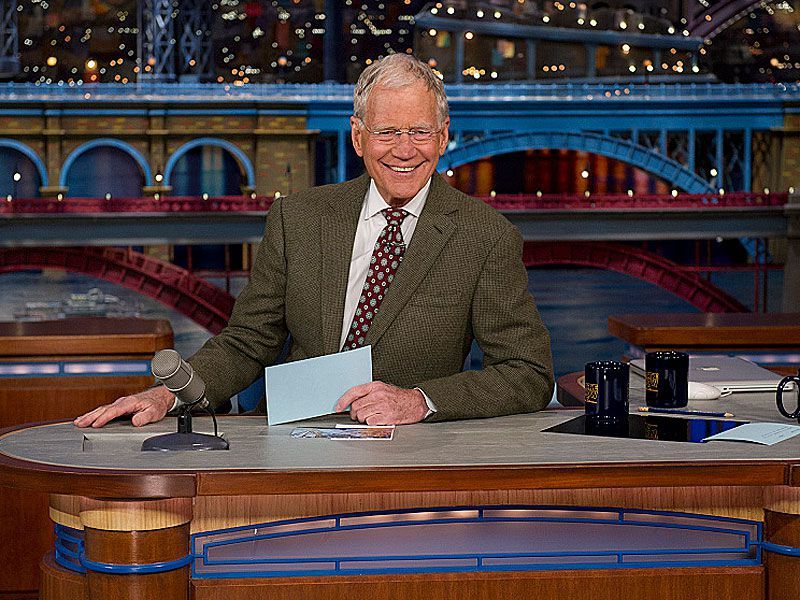
Talk shows have shaped television for decades, bringing laughter, tears, and unforgettable moments into our living rooms. The hosts behind these shows became household names, connecting with audiences through their unique personalities and interviewing styles.
From late-night comedy to daytime inspiration, these television legends changed how we experience entertainment and helped us feel connected to the stars we admire.
1. Johnny Carson
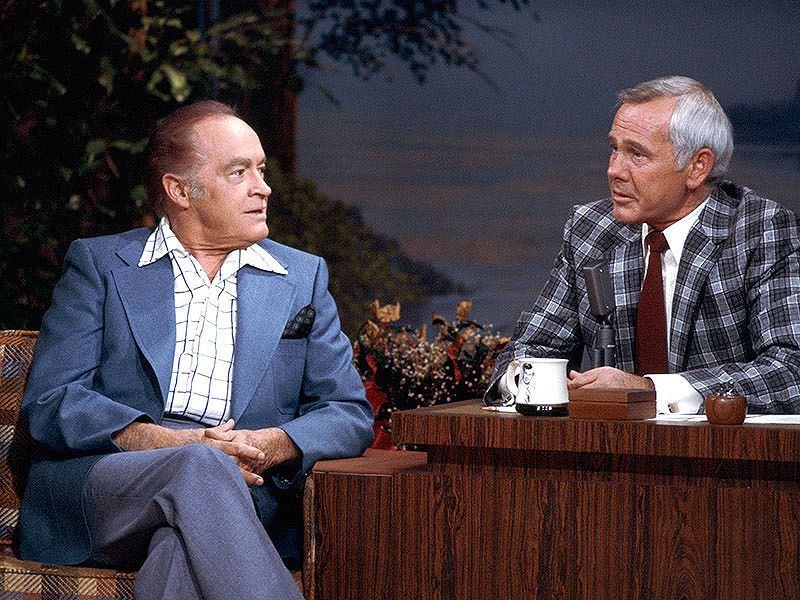
For thirty years, Johnny Carson ruled late-night television like no one before or since.
His quick wit and genuine curiosity made every guest feel comfortable, while his monologues became must-see moments that America discussed the next morning.
Carson created the blueprint that modern late-night hosts still follow today.
His comedic timing was legendary, turning simple jokes into comedy gold through perfect pauses and facial expressions.
Beyond entertainment, he launched countless careers by giving comedians their big break on his show.
His retirement in 1992 marked the end of an era that television has tried to recapture ever since.
2. Oprah Winfrey
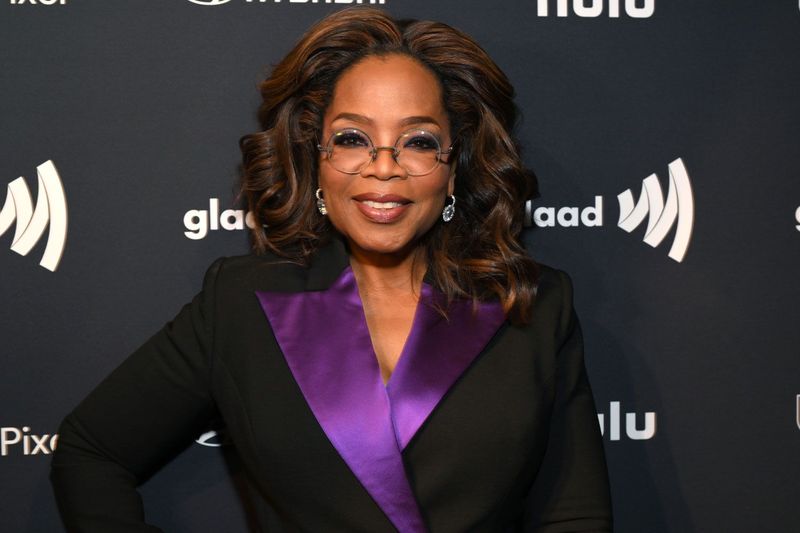
Oprah transformed daytime television from simple entertainment into a platform for personal growth and social change.
She built an empire by being authentically herself, sharing her own struggles while helping millions find their voice.
Her book club turned unknown authors into bestsellers overnight, proving her incredible influence over American culture. Audiences trusted her completely because she never talked down to them or pretended to be perfect.
Twenty-five years of daily shows created countless memorable moments, from car giveaways to deeply emotional interviews.
Her impact extended far beyond television, making her one of the most powerful women in entertainment history.
3. David Letterman
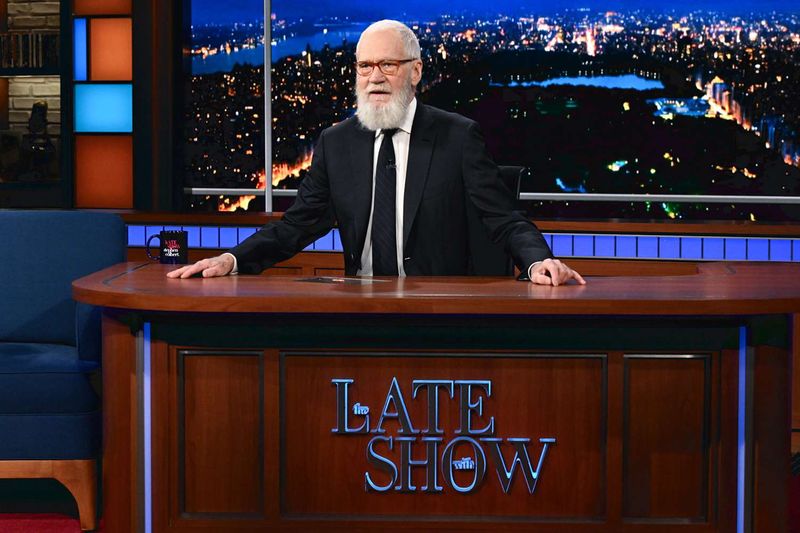
Irreverent humor and unexpected stunts made David Letterman a revolutionary force in late-night programming.
His Top Ten Lists became cultural touchstones, while his willingness to push boundaries kept audiences guessing what would happen next.
Letterman never played it safe, dropping watermelons from buildings and wearing velcro suits for laughs.
His self-deprecating style and Midwestern sensibility created a unique connection with viewers who appreciated his honest, sometimes cranky personality.
Over thirty-three years hosting late-night shows, he influenced an entire generation of comedians.
His retirement in 2015 closed a chapter on an era defined by smart, edgy comedy.
4. Jay Leno
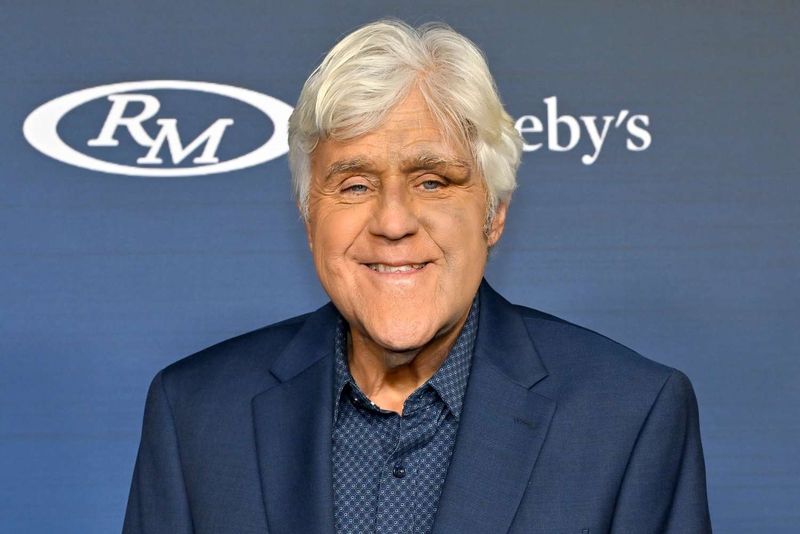
Jay Leno brought a working-class sensibility to late-night television that made him incredibly relatable to mainstream America.
His everyman appeal and clean comedy style attracted viewers who wanted laughs without controversy or edge.
Known for his tireless work ethic, Leno performed stand-up comedy on weekends even while hosting The Tonight Show.
His famous car collection and genuine passion for automobiles showed audiences another side of his personality beyond the jokes.
Twenty-two years behind the desk made him one of late-night television’s longest-running hosts.
His friendly demeanor and approachable style created a comfortable viewing experience that families could enjoy together.
5. Ellen DeGeneres
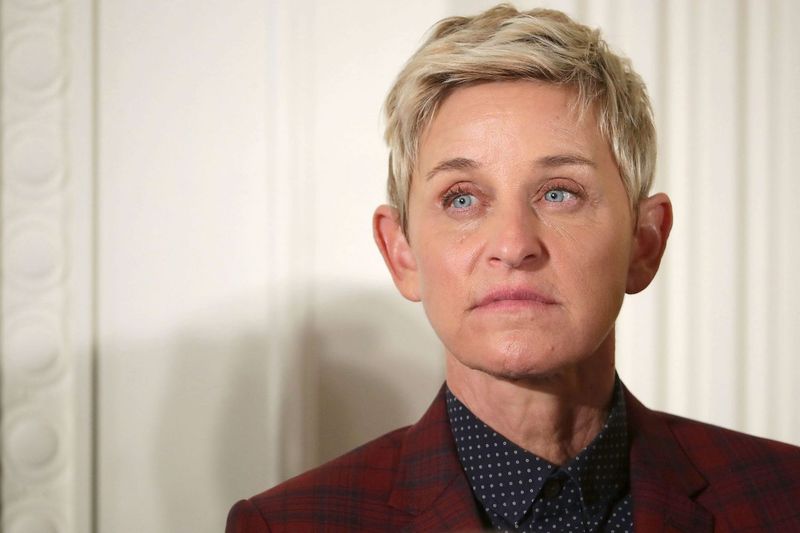
Dancing into living rooms every afternoon, Ellen DeGeneres created a show built on kindness, generosity, and pure joy.
Her opening dance routine became iconic, setting a positive tone that made her program feel like a daily celebration.
Ellen’s comedy came from observational humor about everyday life, making audiences laugh at things they experienced themselves.
Her generous spirit shone through surprise giveaways and life-changing gifts to deserving people.
Breaking barriers as an openly gay host, she showed America that authenticity matters more than fitting into traditional molds.
Nineteen seasons created countless viral moments that spread her message of being kind to one another.
6. Conan O’Brien
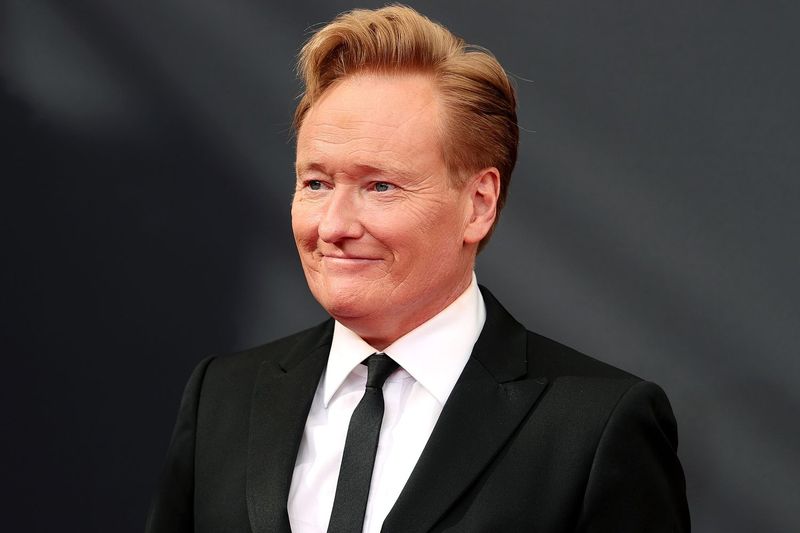
Towering over late-night television both literally and comedically, Conan O’Brien brought absurdist humor to mainstream audiences.
His self-deprecating jokes about his appearance and willingness to look ridiculous for a laugh endeared him to fans worldwide.
Starting as a writer for The Simpsons, Conan understood comedy from every angle.
His remote segments became legendary, whether visiting far-off countries or simply walking around New York City causing chaos.
Despite network drama and time slot changes, his loyal fanbase followed him everywhere.
His intelligence combined with silly humor created a unique blend that appealed to comedy nerds and casual viewers alike.
7. Jimmy Fallon
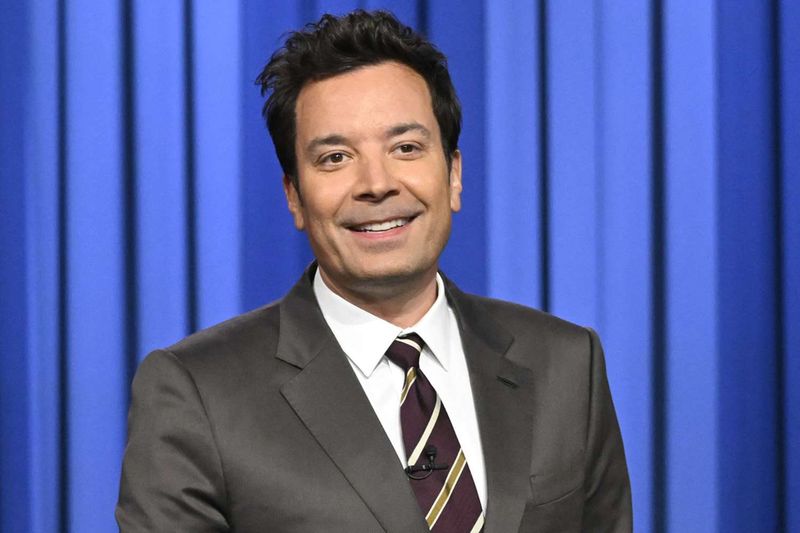
Infectious enthusiasm and genuine excitement make Jimmy Fallon impossible not to like, even when he breaks character laughing at his own jokes.
His background on Saturday Night Live prepared him perfectly for the unpredictable nature of live television.
Musical games and celebrity challenges became his signature, creating viral videos that dominated social media.
His thank you notes segment and lip sync battles turned simple concepts into must-watch entertainment.
Fallon’s boyish charm and obvious love for his job shine through every episode.
He treats every guest like a friend, making stars feel comfortable enough to participate in silly games and sketches.
8. Jimmy Kimmel
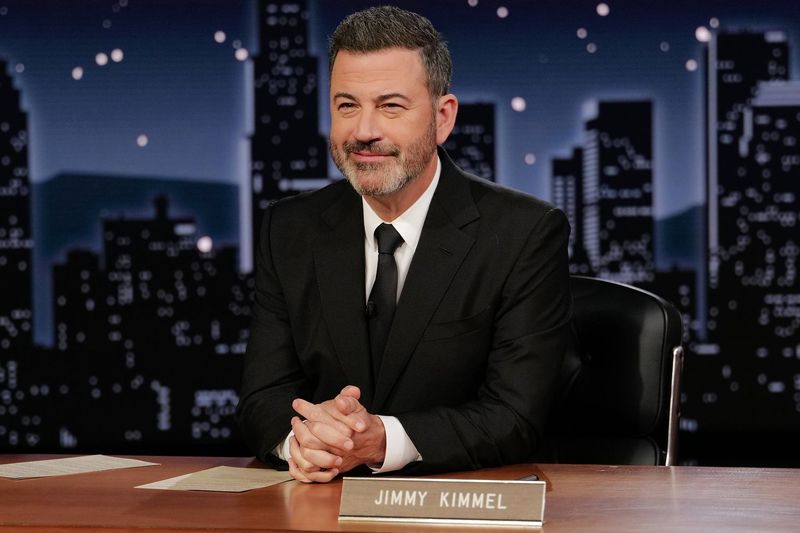
Starting from radio, Jimmy Kimmel brought a prankster’s sensibility to late-night television that set him apart from competitors.
His elaborate hoaxes and celebrity pranks created water cooler moments that got people talking.
Kimmel isn’t afraid to get emotional, famously tearing up while discussing his son’s health issues and important social causes.
This vulnerability mixed with sharp comedy creates a unique balance that resonates with modern audiences.
His annual post-Oscar show and Halloween candy pranks became traditions viewers anticipated eagerly.
Twenty years on air proved that authenticity and humor can coexist, even when tackling serious topics.
9. Arsenio Hall
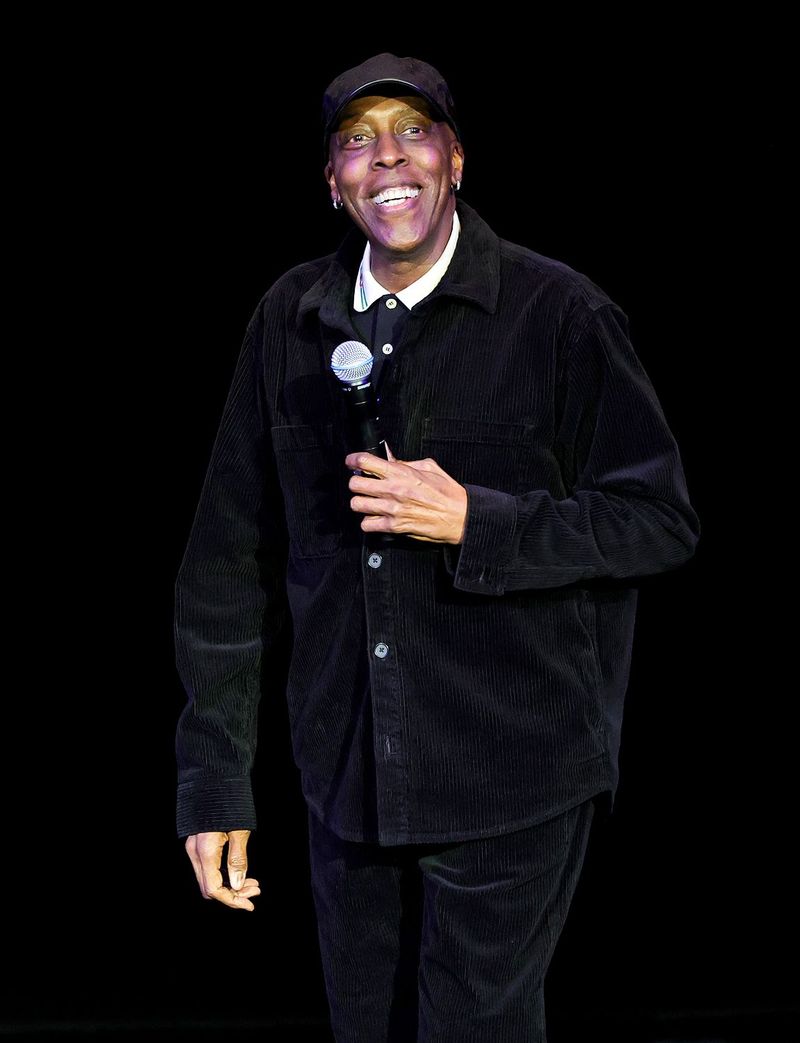
Bringing hip-hop culture to late-night television, Arsenio Hall created a show that felt completely different from anything else on air.
His famous fist-pumping audience and energetic atmosphere attracted younger viewers who felt ignored by traditional talk shows.
Hall gave platform to musicians and artists who couldn’t get bookings elsewhere, making his show essential viewing for music fans.
His interview with Bill Clinton, who played saxophone, became a defining moment in presidential campaign history.
Though his original run lasted only five years, his cultural impact was enormous.
He proved that late-night didn’t have to follow one formula and opened doors for more diverse voices.
10. Phil Donahue
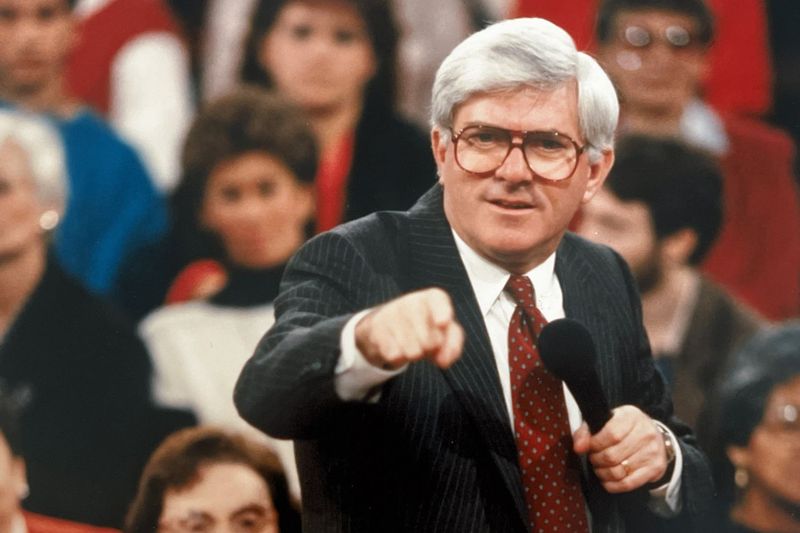
Running through audiences with his microphone, Phil Donahue invented the format that daytime talk shows still use today.
He treated viewers like intelligent adults capable of discussing complex social issues, from politics to personal relationships.
Donahue gave voice to ordinary people, making them the stars of his show rather than just passive observers.
His willingness to tackle controversial topics head-on made him both praised and criticized throughout his career.
Twenty-nine years on television created a legacy that influenced everyone who came after him.
He proved that daytime programming could be substantive and entertaining simultaneously, changing television forever.
11. Regis Philbin
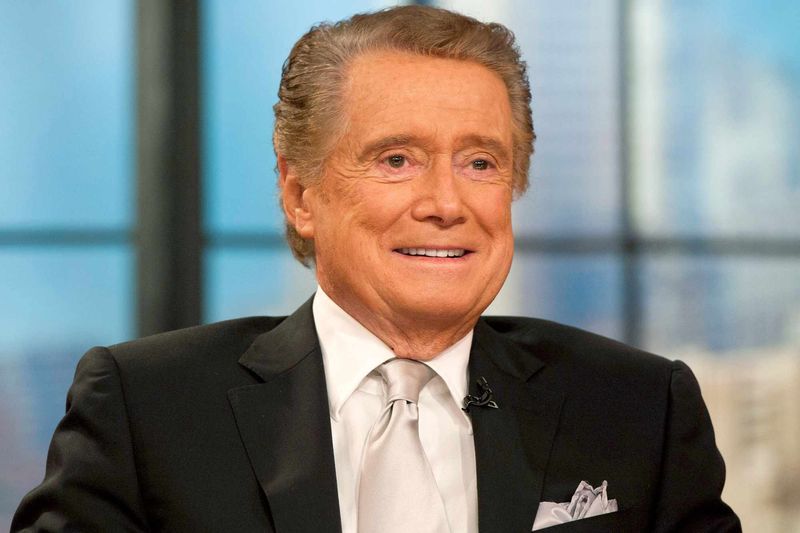
Energy and enthusiasm poured out of Regis Philbin every morning, making him America’s favorite way to start the day.
His chemistry with co-hosts, especially Kathie Lee Gifford and Kelly Ripa, created television magic that felt like visiting friends.
Guinness World Records recognized him for the most hours on camera in television history, a testament to his incredible work ethic.
His storytelling ability turned mundane daily experiences into hilarious anecdotes that audiences loved hearing.
Beyond morning television, his hosting of Who Wants to Be a Millionaire made him a primetime star too.
His genuine personality and quick wit made him beloved across generations.
12. Trevor Noah
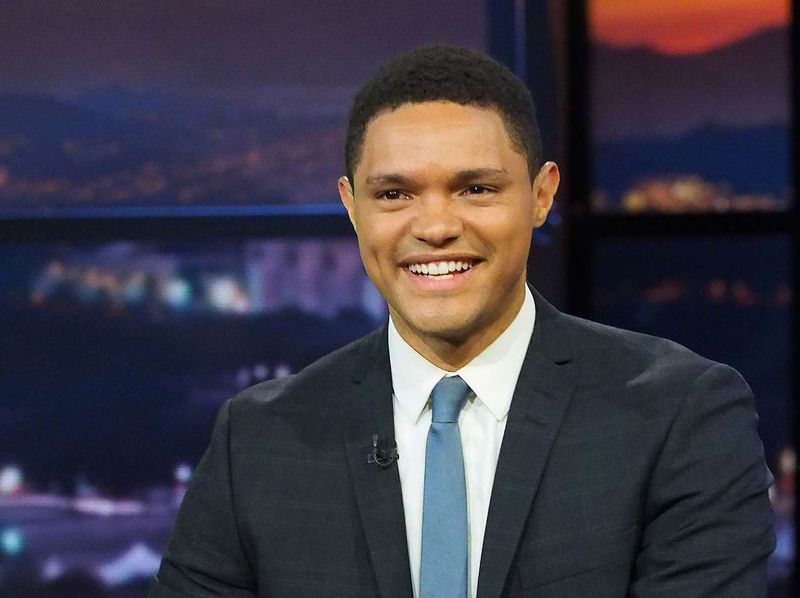
Bringing a global perspective to American political satire, Trevor Noah offered insights that homegrown hosts couldn’t provide.
His unique background growing up in South Africa during apartheid gave him a fresh lens for examining American social issues.
Inheriting The Daily Show from Jon Stewart seemed impossible, but Noah carved his own path with intelligence and humor.
His ability to explain complex political situations in simple terms made news accessible to younger audiences.
Seven years behind the desk showcased his growth from newcomer to confident voice in late-night television.
His international viewpoint reminded Americans that the world watches and has opinions about our politics too.
13. Stephen Colbert
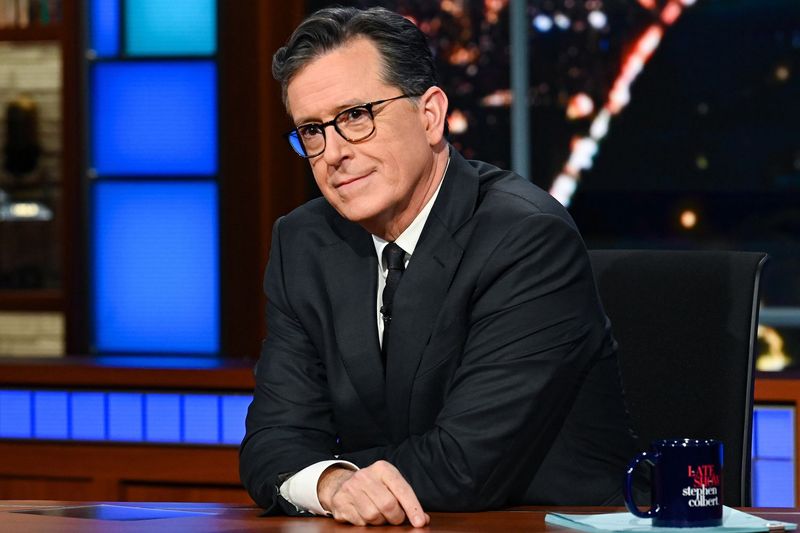
Satire became Stephen Colbert’s superpower, first as a fake conservative pundit and later as himself hosting The Late Show.
His intelligence shines through every monologue, combining sharp political commentary with accessible humor that doesn’t alienate viewers.
Musical theater knowledge and love of fantasy literature reveal layers beyond just comedy, making him relatable to nerds everywhere.
His interviews go deeper than typical late-night conversations, asking thoughtful questions that reveal new sides of guests.
Transitioning from cable to network television proved his versatility and staying power.
His authentic Catholic faith and family values surprise people who expect all comedians to be cynical.
14. Graham Norton

British charm meets cheeky humor on Graham Norton’s couch, where multiple celebrities share space and stories simultaneously.
This format creates unexpected interactions between guests who might never otherwise meet, leading to hilarious and genuine moments.
Norton’s quick wit and ability to guide conversations without dominating them makes stars relax and show their fun sides.
His signature move of reading embarrassing social media posts about guests creates comedy gold every episode.
Wine flows freely, creating a party atmosphere that American talk shows rarely achieve.
His show proves that talk television doesn’t need to follow rigid formats to succeed wildly with audiences worldwide.
Comments
Loading…