
 Hailey Watson
The 12 Most Polarizing Anime Ever That Fans Still Debate
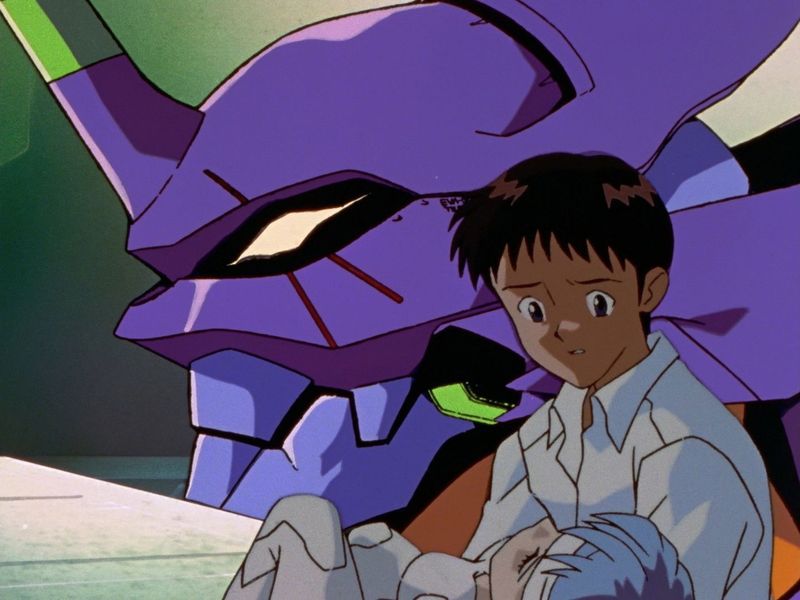
Some anime spark universal love, while others split audiences right down the middle.
Whether it’s a shocking ending, uncomfortable themes, or a wildly unusual art style, certain shows seem to exist just to start arguments.
These 12 anime have been praised as masterpieces and condemned as disasters, sometimes by the same community.
Get ready, because fans are still passionately arguing about every single one of them.
1. Devilman Crybaby (2018)
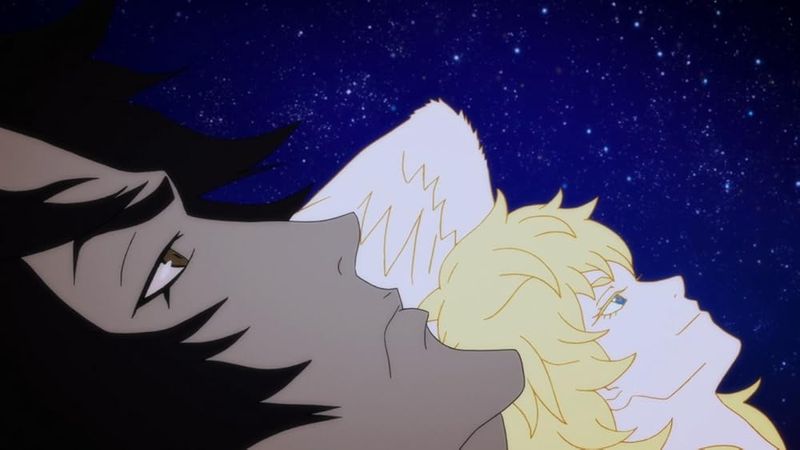
Not many anime can claim they made grown adults cry and look away from the screen in the same episode.
Devilman Crybaby follows Akira, a sweet and compassionate boy who merges with a demon to protect the people he loves.
The transformation costs him more than he bargains for.
Director Masaaki Yuasa pushed every boundary imaginable, flooding the series with graphic violence, explicit content, and gut-punching emotional moments.
Netflix released it globally in 2018, and reactions exploded overnight.
Critics showered it with awards while casual viewers tapped out within the first two episodes.
Few anime feel this deliberately overwhelming.
2. School Days (2007)
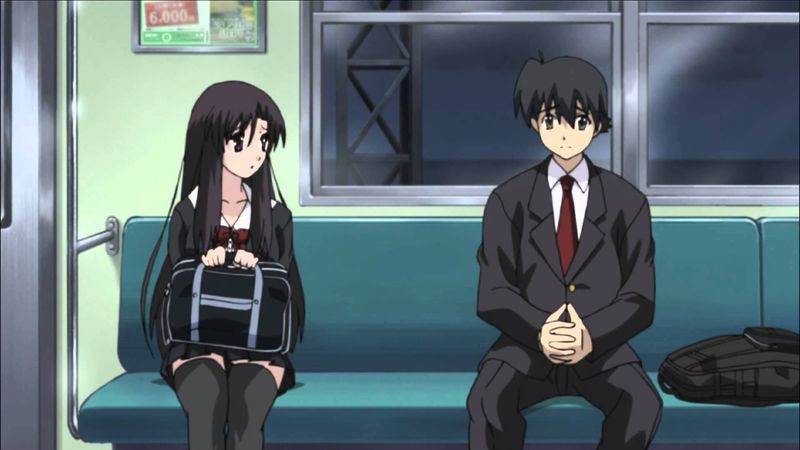
School Days lures you in with the look of a cheerful high school romance, complete with awkward crushes and sunny classrooms.
Then, episode by episode, it slowly reveals something far darker lurking underneath.
Characters make selfish, cruel decisions that feel almost impossible to root for.
By the time the infamous finale airs, jaws are on the floor.
The ending became so shocking that a Japanese TV station actually refused to broadcast it after a real-life tragedy occurred nearby.
That kind of notoriety is rare.
Hated by many and strangely beloved by others, School Days remains unforgettable for all the wrong reasons.
3. Made in Abyss (2017–Present)
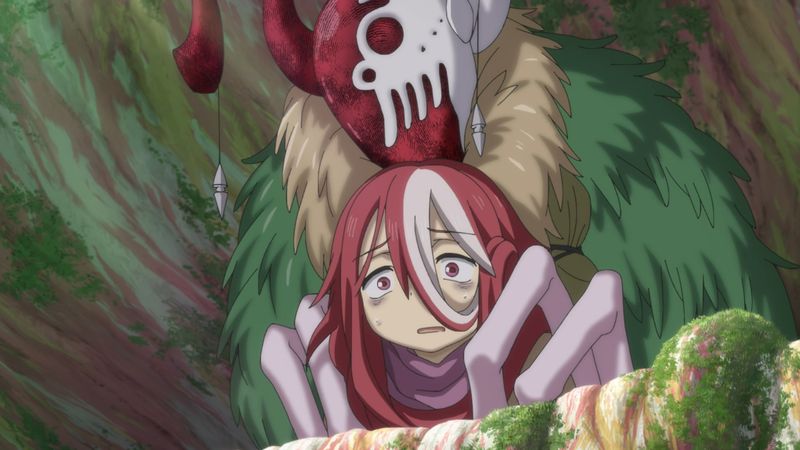
At first glance, Made in Abyss looks like a whimsical adventure story built for younger audiences, filled with colorful creatures and a wide-eyed girl chasing her missing mother.
The art style is genuinely gorgeous, and the worldbuilding is some of the richest in modern anime.
Then the story punches you in the stomach.
Graphic suffering, moral ambiguity, and scenes involving young characters in deeply uncomfortable situations create a jarring contrast with the show’s charming visuals.
Fans praise its emotional depth and creativity.
Others find the combination of cute aesthetics and brutal content genuinely troubling.
That tension never fully goes away.
4. Aku no Hana (2013)
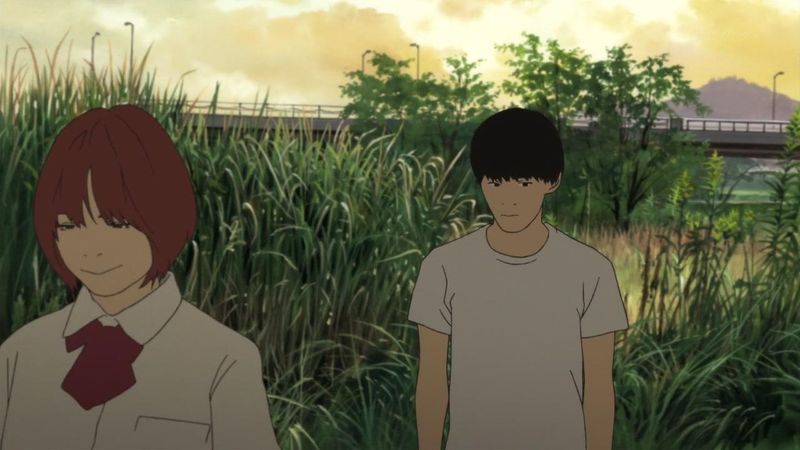
Flowers of Evil arrived in 2013 and immediately caused an uproar, not because of its story, but because of how it looked.
The studio used rotoscoping, a technique where animators trace over live-action footage, giving every character a strange, hyper-realistic movement style.
Anime fans expecting clean, stylized visuals were not pleased.
Underneath that divisive exterior sits a genuinely disturbing coming-of-age story about guilt, obsession, and social alienation.
The protagonist is neither likable nor redeemable in any easy way, which makes the experience uncomfortable on purpose.
Artistically ambitious?
Absolutely.
Easy to watch?
That depends entirely on who you ask.
5. Beastars (2019–2026)
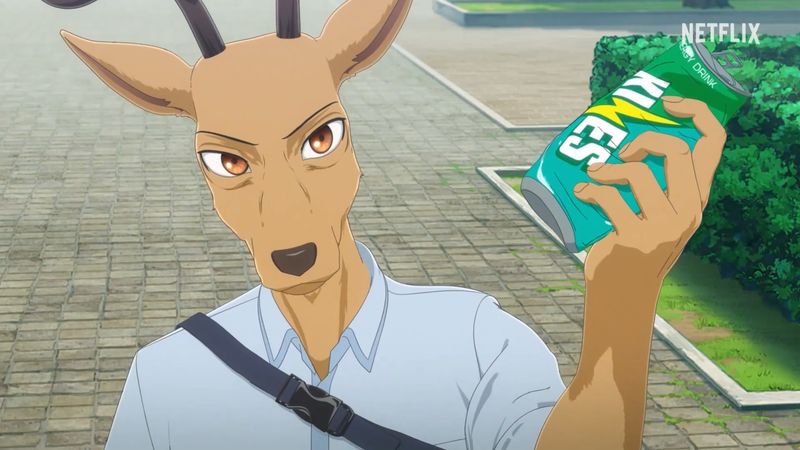
Beastars tackles some surprisingly heavy territory for a show about animals attending high school.
The central wolf, Legoshi, wrestles with predatory instincts he desperately wants to suppress, while navigating love, identity, and social prejudice.
The writing is layered and thoughtful in ways that catch new viewers completely off guard.
Still, the furry aesthetic puts a significant portion of potential viewers off before they even give it a chance.
Add in romantic tension between predator and prey characters, and some people check out entirely.
Meanwhile, dedicated fans argue it is one of the most mature character studies in recent anime history.
Both sides have a point.
6. Fire Force (2019–2026)
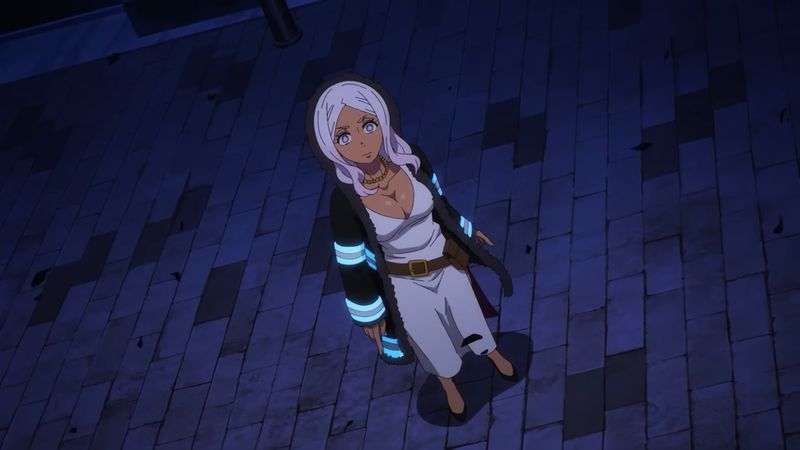
Fire Force has one of the most creative premises in shonen anime: a special squad of firefighters who battle people spontaneously bursting into flames.
The visuals are stunning, the action sequences pop with energy, and the soundtrack absolutely slaps.
On paper, it sounds like a winner across the board.
Then the fanservice arrives.
One female character is subjected to repeated, intrusive camera angles that many viewers find completely immersion-breaking, especially during serious story moments.
Fans who can overlook it enjoy a genuinely exciting series.
Those who cannot find the tonal inconsistency frustrating and disrespectful.
That one flaw keeps the debate burning.
7. Monogatari Series (2009–Present)
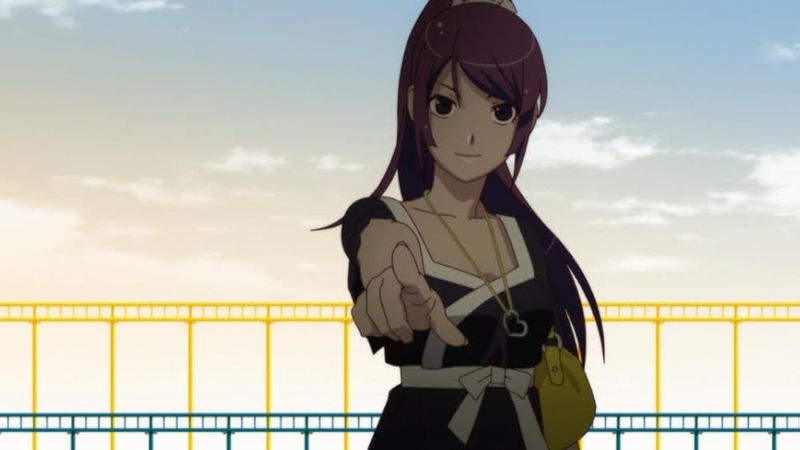
Few anime demand as much patience and attention as the Monogatari Series.
Creator Nisio Isin built a world driven almost entirely by dialogue, wordplay, and psychological character exploration.
The visual style is experimental and striking, using text, still frames, and rapid cuts in ways that feel genuinely unlike anything else out there.
The controversy centers on its treatment of female characters, particularly scenes involving younger girls that many viewers find inappropriate and uncomfortable regardless of context.
Devoted fans argue the writing transcends those moments.
Critics say those moments undermine everything the series tries to accomplish.
That argument has been going on for fifteen years and counting.
8. Sword Art Online (2012–2020)
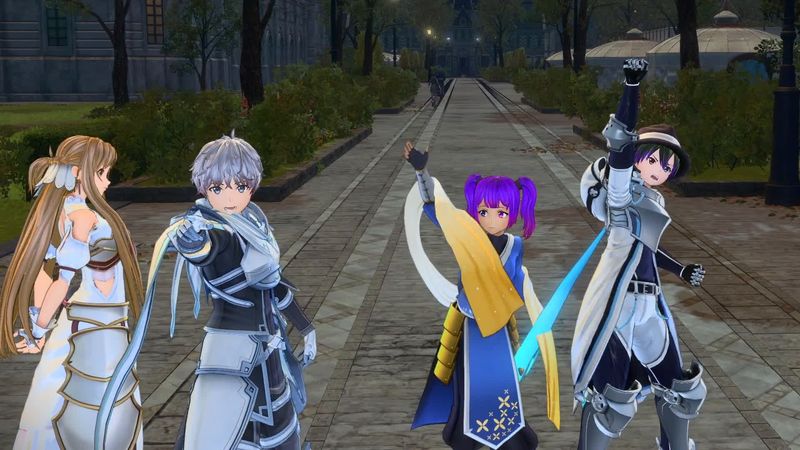
When Sword Art Online premiered in 2012, it felt like a cultural earthquake.
The concept of players trapped inside a deadly virtual reality game hit at exactly the right moment, pulling in millions of viewers who had never seriously watched anime before.
Early episodes generated genuine tension and emotional investment.
Then the Alfheim arc happened, and a large chunk of the audience turned on the series hard.
Story choices involving the main female character sparked outrage that still resurfaces in online discussions today.
SAO became a symbol of wasted potential for its critics and a beloved classic for its defenders.
Neither side is budging anytime soon.
9. Mushoku Tensei: Jobless Reincarnation (2021–Present)
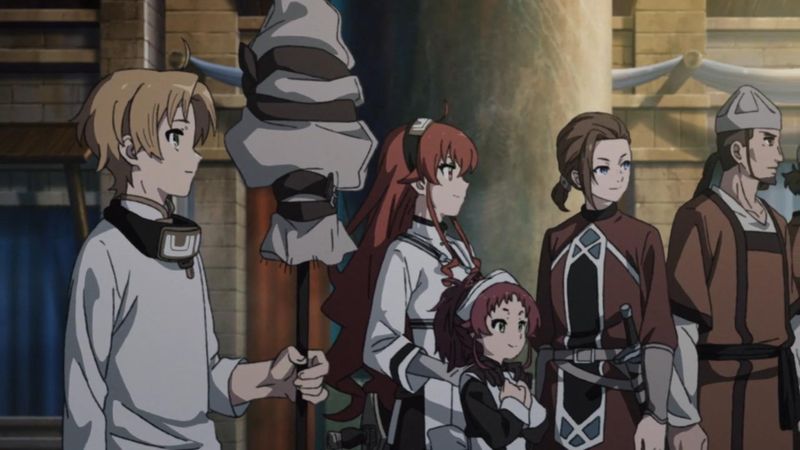
Mushoku Tensei is frequently held up as the gold standard of isekai worldbuilding, and honestly, the praise is well-earned.
The setting feels genuinely lived-in, the magic system has rules, and the side characters have real arcs.
From a craft perspective, it is impressively constructed.
The protagonist, however, is a major sticking point.
Rudeus carries serious baggage from his past life, and some of his early behavior is difficult to excuse, even within the story’s own framework.
Some viewers see a meaningful redemption arc unfolding slowly over time.
Others simply cannot get past what he does in those early episodes.
That split feels permanent.
10. Fairy Tail (2009–Present)
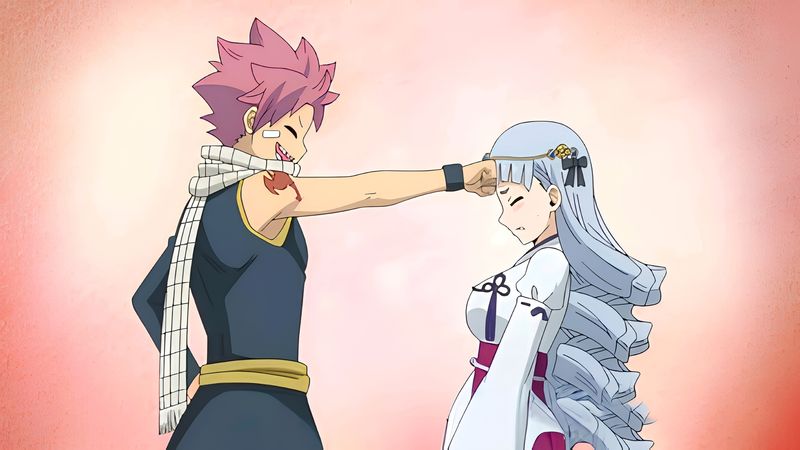
Fairy Tail has been running for so long that entire generations of anime fans grew up with Natsu, Lucy, and the rest of the Fairy Tail guild.
The emotional highs hit genuinely hard, the friendships feel earned, and the world is bursting with creativity and warmth.
For millions of fans, it feels like home.
Critics, though, have catalogued its problems for years: repetitive story arcs, heavy fanservice, and an over-reliance on friendship power-ups that undercut real dramatic stakes.
The same complaints have followed the series since its earliest seasons.
Yet somehow, the fanbase keeps growing.
Beloved and criticized in equal measure, Fairy Tail refuses to be ignored.
11. Neon Genesis Evangelion (1995–1996)
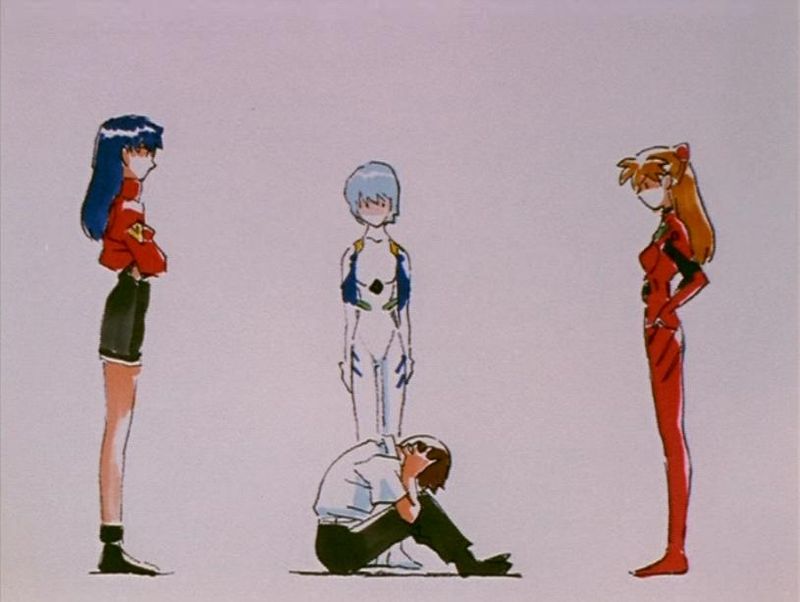
Neon Genesis Evangelion started as a giant robot show and ended as something closer to a therapy session nobody asked for.
Creator Hideaki Anno used the final episodes to work through his own depression, replacing traditional mecha battles with abstract psychological monologues.
The production famously ran out of budget, which only added to the surreal quality of the ending.
Some viewers consider it the most important anime ever made, a genre-defining work that changed storytelling forever.
Others find the conclusion frustrating, pretentious, and deliberately confusing.
The theatrical film End of Evangelion answered some questions while raising entirely new ones.
Thirty years later, the debate rages on.
12. Attack on Titan (2013–2023)
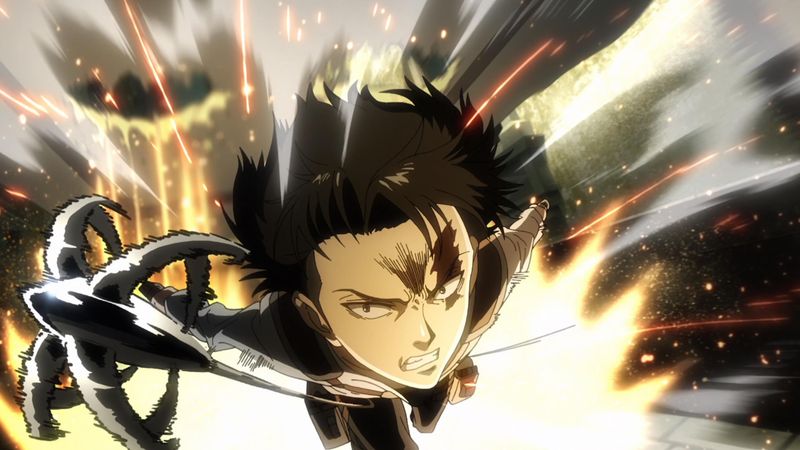
Attack on Titan spent years building one of the most devoted fanbases in anime history.
The early seasons delivered relentless tension, shocking deaths, and mysteries that kept viewers obsessively theorizing.
Globally, it became a mainstream phenomenon that broke through to audiences who rarely watched anime at all.
Then the final arc arrived, and the fandom fractured dramatically.
Without spoiling specifics, the ending forced viewers to confront morally complicated questions about war, genocide, and the nature of heroism.
Some called it a bold, thematically rich conclusion.
Many others felt genuinely betrayed by where the story went.
Masterpiece or disappointment? Fans cannot agree.
The 12 Most Polarizing Anime Ever That Fans Still Debate
Comments
Loading…