
 Jade Reed
The 10 Worst Actors Who Somehow Got an Oscar
Hollywood loves a comeback story, a career narrative, or a perfectly timed “this is their moment” campaign.
The Oscars, in particular, don’t always reward the objectively best performance so much as the performance with the best story.
That’s how you end up with trophies that people still argue about years later at brunch, online, and in group chats.
This list isn’t about saying these winners have zero talent, because plenty of them have delivered genuinely great work elsewhere.
It’s about the wins that sparked the loudest “Wait… really?” reactions and never quite escaped the debate afterward.
Sometimes the issue is an uneven career, sometimes it’s a divisive style, and sometimes the competition that year was stacked.
Either way, these are the Oscar victories that keep getting brought up whenever people talk about questionable Academy choices.
1. Gwyneth Paltrow — Best Actress, Shakespeare in Love (71st Oscars, 1999)
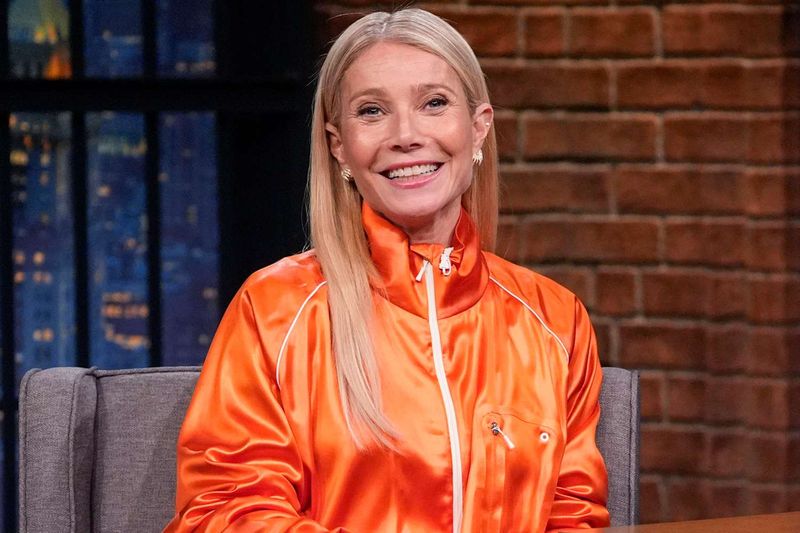
Few Oscar nights have produced a “how did that happen?” debate as enduring as this particular Best Actress win.
The performance is polished and charming, but critics often argue it feels lighter than the award usually signals.
What keeps the controversy alive is less about her skill and more about what the trophy represented that year.
With Shakespeare in Love sweeping major categories, some viewers felt the win reflected the film’s momentum more than acting dominance.
In hindsight, her post-Oscar film choices didn’t consistently reinforce the idea of a newly crowned dramatic powerhouse.
That gap between “Oscar winner” branding and the roles that followed made the victory easier to question over time.
The result is a win that’s become shorthand for awards-season politics, aggressive campaigning, and timing over pure craft.
Even fans who enjoy the movie admit the statue has a way of starting arguments faster than it ends them.
2. Cuba Gooding Jr. — Best Supporting Actor, Jerry Maguire (69th Oscars, 1997)

A huge, crowd-pleasing moment can feel undeniable in the room, even if it ages differently once the applause fades.
His Jerry Maguire performance is energetic and lovable, but detractors argue it leans more on charisma than nuance.
The famous lines and big emotions made the character instantly memorable, which can be catnip for voters in a strong year.
Where the “somehow got an Oscar” label comes in is the uneven stretch of roles that followed afterward.
When an Oscar signals a new tier of career choices and that leap doesn’t happen, people start revisiting the trophy.
Many fans still love the win as a celebration of pure entertainment, not necessarily “best acting of the year” seriousness.
That disconnect between popular impact and awards prestige is exactly why this statue keeps coming up in debates.
It’s a classic case of the Academy rewarding the moment, then watching the résumé fail to keep pace.
3. Jared Leto — Best Supporting Actor, Dallas Buyers Club (86th Oscars, 2014)
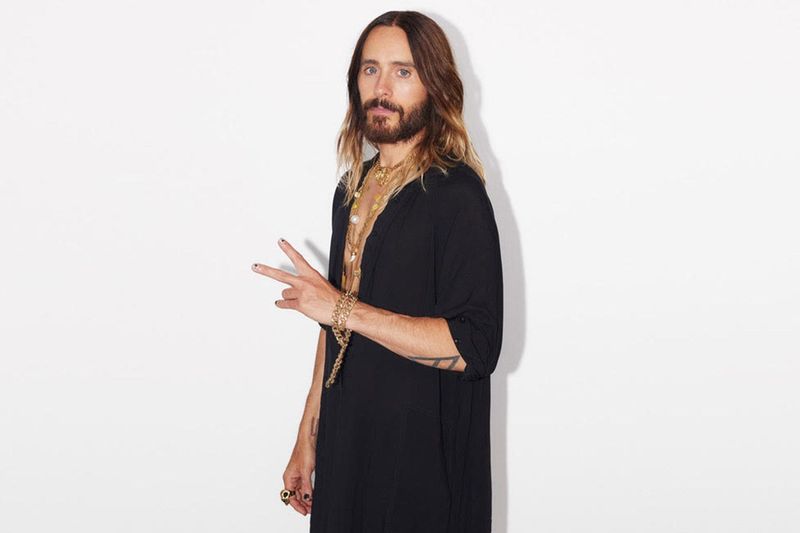
Awards voters sometimes fall hard for transformation, especially when it arrives packaged as a brave, headline-grabbing performance.
His Dallas Buyers Club role earned praise for commitment, but it has also drawn criticism for choices that feel showy.
Some viewers felt the portrayal relied on intensity and mannerisms more than the kind of layered interior work that lasts.
The bigger problem for his Oscar legacy is that later performances didn’t consistently confirm the Academy crowned a generational actor.
When follow-up roles land with mixed reviews, the earlier win starts looking like an outlier rather than a foundation.
That pattern encourages people to reframe the Oscar as a reward for boldness, not necessarily sustained excellence.
It doesn’t help that his acting style can polarize audiences who prefer subtlety over theatrical edge.
Over time, the trophy has become less about that single film and more about the career narrative that followed.
4. Sandra Bullock — Best Actress, The Blind Side (82nd Oscars, 2010)
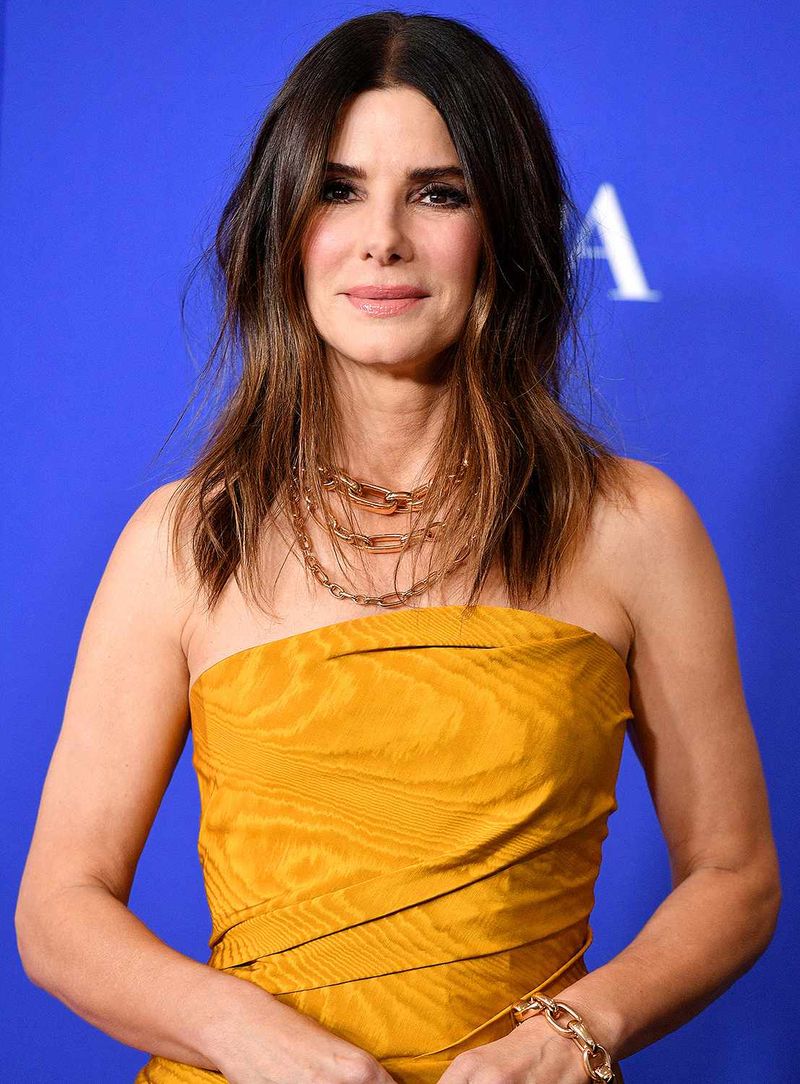
Sometimes an Oscar win becomes controversial not because the actor is disliked, but because the movie’s legacy shifts.
Her performance in The Blind Side is warm and confident, yet critics argue it plays like a star vehicle built for uplift.
The role fits her likable persona so perfectly that some viewers see more “Sandra being Sandra” than deep character excavation.
What makes this win an easy target is the pop-culture irony of her also winning a Razzie the same year.
That unusual double headline fed the idea that awards can be wildly inconsistent about what they’re actually honoring.
As the film’s cultural conversation grew more complicated, the Oscar attached to it started feeling more questionable to some people.
Even supporters admit the win benefited from impeccable timing and a narrative of rewarding an already beloved celebrity.
It’s not a bad performance, but it’s one that many argue didn’t need a statue to be appreciated.
5. Kim Basinger — Best Supporting Actress, L.A. Confidential (70th Oscars, 1998)

A subtle supporting performance can be powerful, but it can also get labeled “fine” when compared to flashier competition.
Her work in L.A. Confidential has fans, yet critics often describe the win as more surprising than inevitable.
Part of the debate comes from how the film is packed with memorable characters, making it harder for any one role to dominate.
When voters choose a quieter performance, audiences sometimes wonder if the trophy went to the right supporting player in the ensemble.
Her career afterward didn’t consistently build a case that the Oscar was the start of a major new acting chapter.
That matters because people tend to reassess wins through what comes next, not only what happened in the winning year.
The result is a statue that feels like a snapshot of one awards season rather than a lasting statement of greatness.
It’s less “she didn’t deserve it” and more “the Academy could’ve easily gone another way and nobody would blink.”
6. Roberto Benigni — Best Actor, Life Is Beautiful (71st Oscars, 1999)
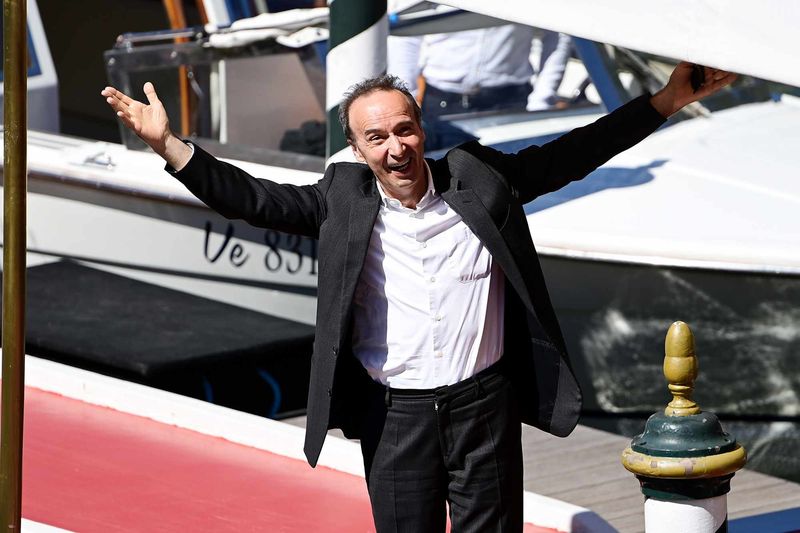
Big emotional swings can win Oscars, especially when the performance is inseparable from a movie’s heart.
His Life Is Beautiful work is beloved by many, but others argue the style is too broad for Best Actor prestige.
The exuberant energy that makes the character memorable can also read as theatrical, depending on a viewer’s taste.
Because the film balances tragedy with whimsy, the lead performance invites intense disagreement about tone and restraint.
When a win is polarizing on first watch, it tends to stay polarizing because people don’t soften much over time.
Add in the unforgettable ceremony moment and the trophy becomes a pop-culture symbol as much as an acting judgment.
Some critics maintain the Academy rewarded the film’s overall emotional effect rather than a singularly masterful piece of acting.
Whether you find it moving or too much, the win remains one of the most divisive Best Actor choices in modern memory.
7. Halle Berry — Best Actress, Monster’s Ball (74th Oscars, 2002)
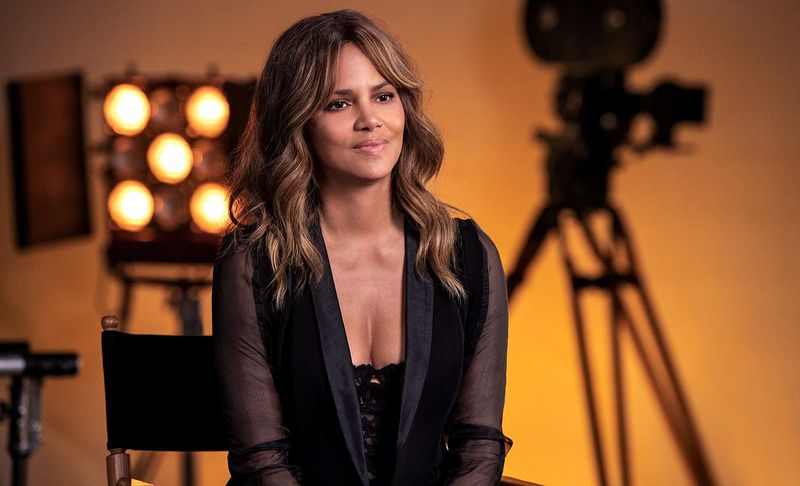
An Oscar can be historic and still controversial, especially when the conversation mixes impact, performance, and the film itself.
Her Monster’s Ball win mattered culturally, but opinions vary on whether the role is truly among the strongest Best Actress winners.
Supporters point to raw vulnerability and fearlessness, while skeptics argue the character is written in ways that limit depth.
That tension makes the trophy feel like it carries extra weight beyond acting, which can intensify backlash from purists.
Another factor is how her later career didn’t consistently offer roles that matched the prestige of the win.
When the industry fails to capitalize on an Oscar victory with great follow-ups, the award starts to look like a peak.
Over the years, people have debated whether the Academy celebrated a moment of progress more than a performance milestone.
It’s a complicated win, and the complexity is exactly why it never stops being discussed.
8. Nicolas Cage — Best Actor, Leaving Las Vegas (68th Oscars, 1996)
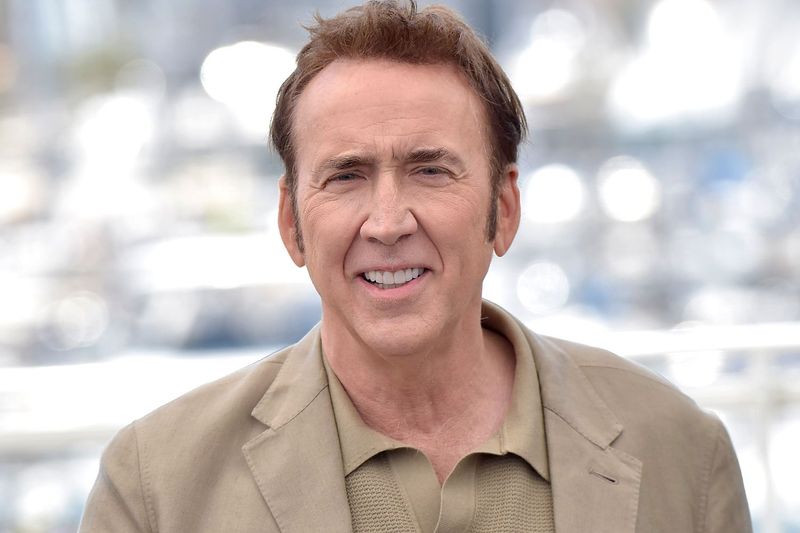
Some actors have a style that splits audiences right down the middle, and he’s the poster child for that dynamic.
In Leaving Las Vegas, the intensity feels fearless to fans, but over-the-top to critics who prefer quieter realism.
Because the performance lives at such a high volume emotionally, it can look either courageous or uncontrolled depending on the viewer.
The bigger “somehow” argument shows up when people compare the Oscar label to his famously uneven filmography afterward.
A run of baffling projects makes it easy for detractors to treat the statue as proof the Academy can misjudge long-term talent.
At the same time, defenders argue the win should be judged in isolation, not through every wild choice made later.
That push-and-pull keeps the debate alive, because both sides can point to evidence on screen.
Love him or not, his Oscar remains one of the clearest examples of taste driving awards arguments for decades.
9. Cher — Best Actress, Moonstruck (60th Oscars, 1988)
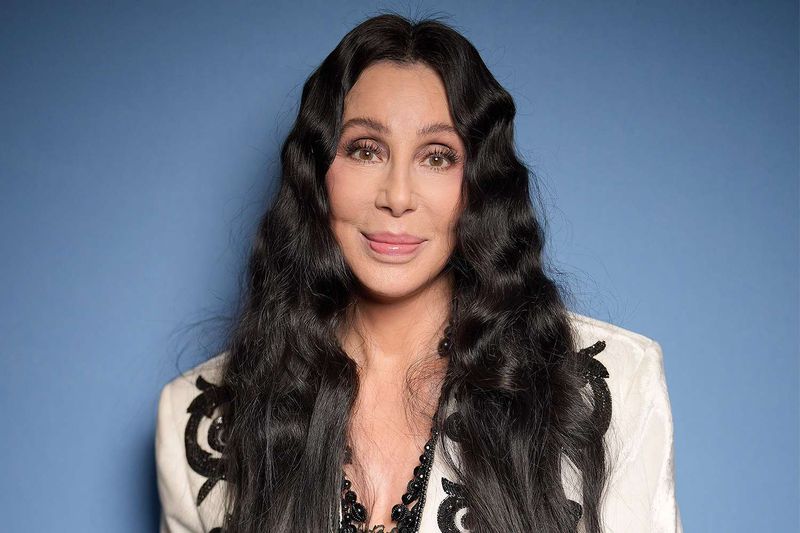
When a global pop icon wins Best Actress, people tend to assume the Academy got swept up in star power.
Her Moonstruck performance is spirited and confident, yet skeptics claim the win felt like a celebrity coronation.
Romantic comedy acting can be deceptively difficult, but voters and viewers often treat it as lighter work by default.
That bias fuels the argument that she beat out “serious” contenders because the season wanted a fun, crowd-friendly story.
What complicates the criticism is that she genuinely carries the film with timing, presence, and an unexpectedly grounded edge.
Still, the perception of novelty never fully disappeared, and the Oscar is frequently framed as a surprise rather than inevitability.
Her acting résumé afterward didn’t become an uninterrupted run of prestige performances, which made the trophy easier to question.
In the end, the win sits at the intersection of charisma, comedy, and the Academy’s occasional love of a headline moment.
10. Jennifer Hudson — Best Supporting Actress, Dreamgirls (79th Oscars, 2007)

A powerhouse debut can feel unstoppable during awards season, even if the long-term career arc becomes more complicated.
Her Dreamgirls performance is undeniably big and emotional, but critics argue it sometimes plays like a show-stopping moment more than layered acting.
Because the role is designed for vocal fireworks and dramatic crescendos, it naturally invites praise while also inviting skepticism from minimalism fans.
The controversy isn’t that she’s untalented, but that the Oscar set expectations her subsequent acting projects didn’t consistently meet.
When viewers can’t point to a long list of equally acclaimed film roles afterward, the win starts to look like a one-time phenomenon.
That “one-and-done” narrative is harsh, yet it’s a real part of how people discuss Oscar legitimacy.
Supporters counter that she delivered exactly what the part demanded, and the Academy rewarded impact, not career planning.
Either way, the statue often gets mentioned whenever people debate whether Oscars sometimes crown a moment instead of a mastery.
Comments
Loading…