
 Hailey Watson
Rock Royalty: The 10 Greatest Female Rock Stars of All Time
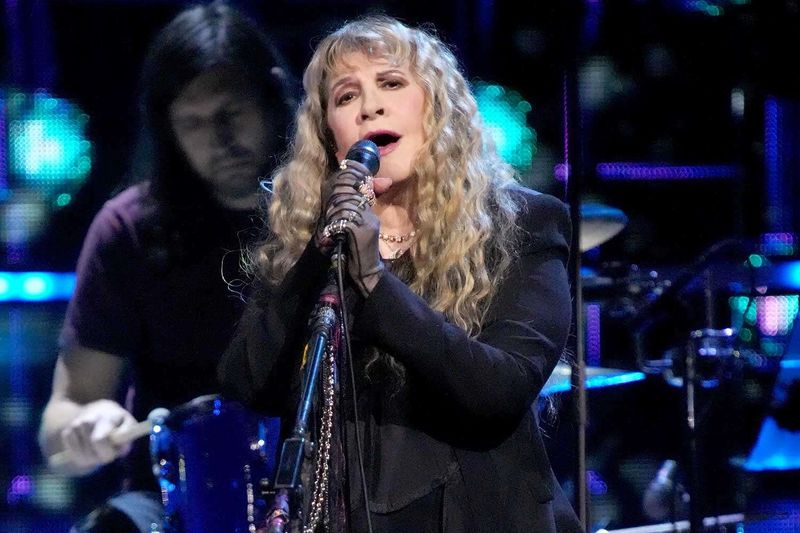
Rock music has always been about breaking rules, and some of the boldest rule-breakers have been women.
From screaming blues vocals to poetic punk anthems, female rock stars have shaped the sound of generations.
These ten artists didn’t just perform on stage — they changed what rock music could be and who it could belong to.
Get ready to meet the legends who proved that rock royalty wears a crown of her own.
1. Janis Joplin
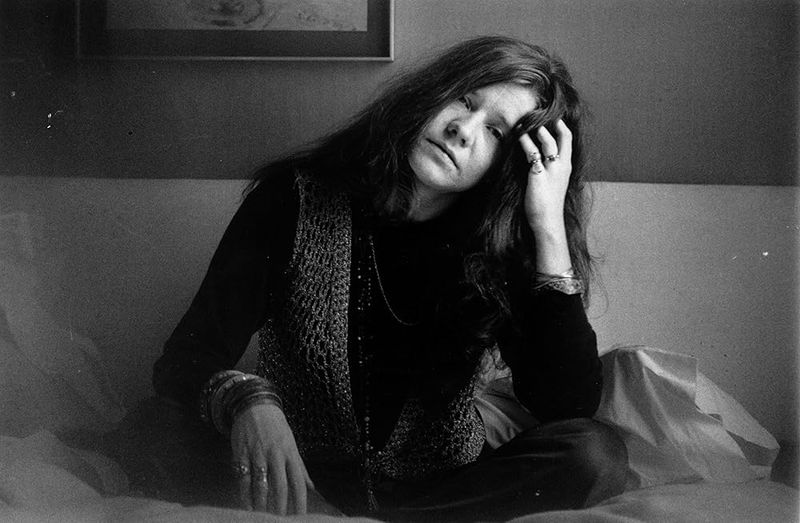
Nobody sang like Janis Joplin — not before her, and not since.
Her voice was soaked in blues, pain, and pure fire, and every note she belted felt like she was pouring her soul right into the crowd.
She didn’t just sing songs; she lived them out loud.
Joplin burst onto the scene in the late 1960s, becoming a symbol of the counterculture movement with her electrifying performances.
Her band Big Brother and the Holding Company helped launch her to stardom, but her raw talent was always the real show.
She made vulnerability feel like a superpower.
Tragically, she passed away at just 27, but her influence never faded.
Artists from Pink to Melissa Etheridge have cited her as a major inspiration.
2. Stevie Nicks
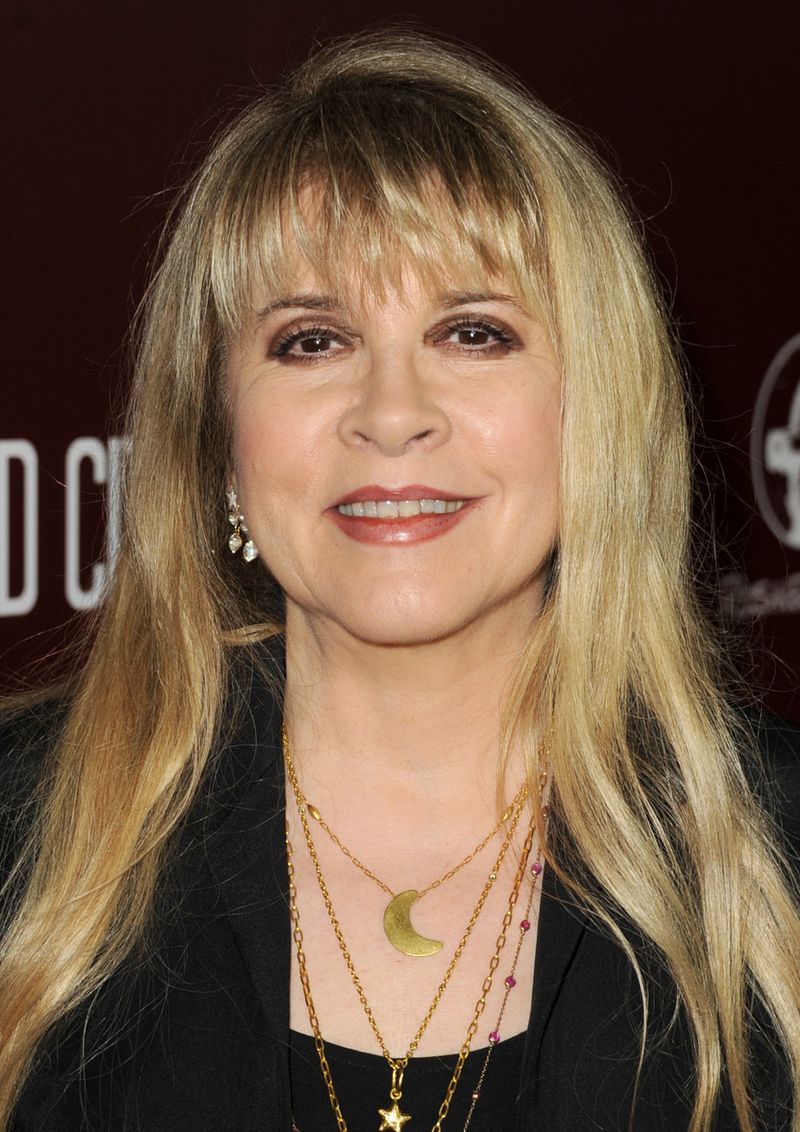
Twirling across stages in flowing shawls, Stevie Nicks created a world all her own — part rock star, part modern-day sorceress.
Her poetic songwriting and smoky, unforgettable voice helped turn Fleetwood Mac into one of the best-selling bands of all time.
Songs like “Rhiannon” and “Gold Dust Woman” feel timeless even today.
Her solo career proved she was just as powerful on her own, with hits like “Edge of Seventeen” cementing her legendary status.
Younger artists like Taylor Swift and Haim openly credit Nicks as a defining influence.
She was inducted into the Rock and Roll Hall of Fame twice — once with Fleetwood Mac and once as a solo artist.
That double honor makes her one of the most celebrated musicians in rock history.
3. Patti Smith
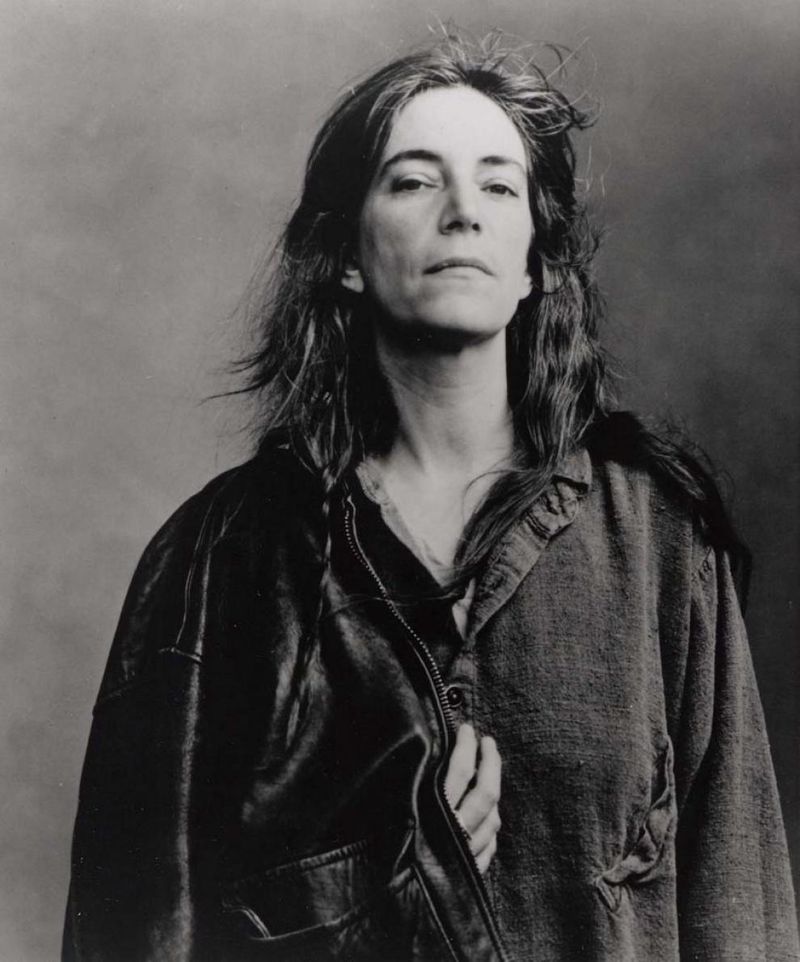
Before punk had a rulebook, Patti Smith was already tearing it up.
She came from the gritty New York poetry scene and brought that raw literary energy straight into rock music.
Her 1975 debut album Horses is widely considered one of the greatest rock records ever made.
Smith blended spoken word, poetry, and electric guitar in ways that nobody had tried before.
She challenged the music industry’s expectations of women and of art itself.
Her fearless creativity opened doors for countless artists who followed in her boots.
Beyond music, she’s an acclaimed author and activist.
Patti Smith didn’t just join the rock conversation — she completely rewrote it on her own terms.
4. Tina Turner
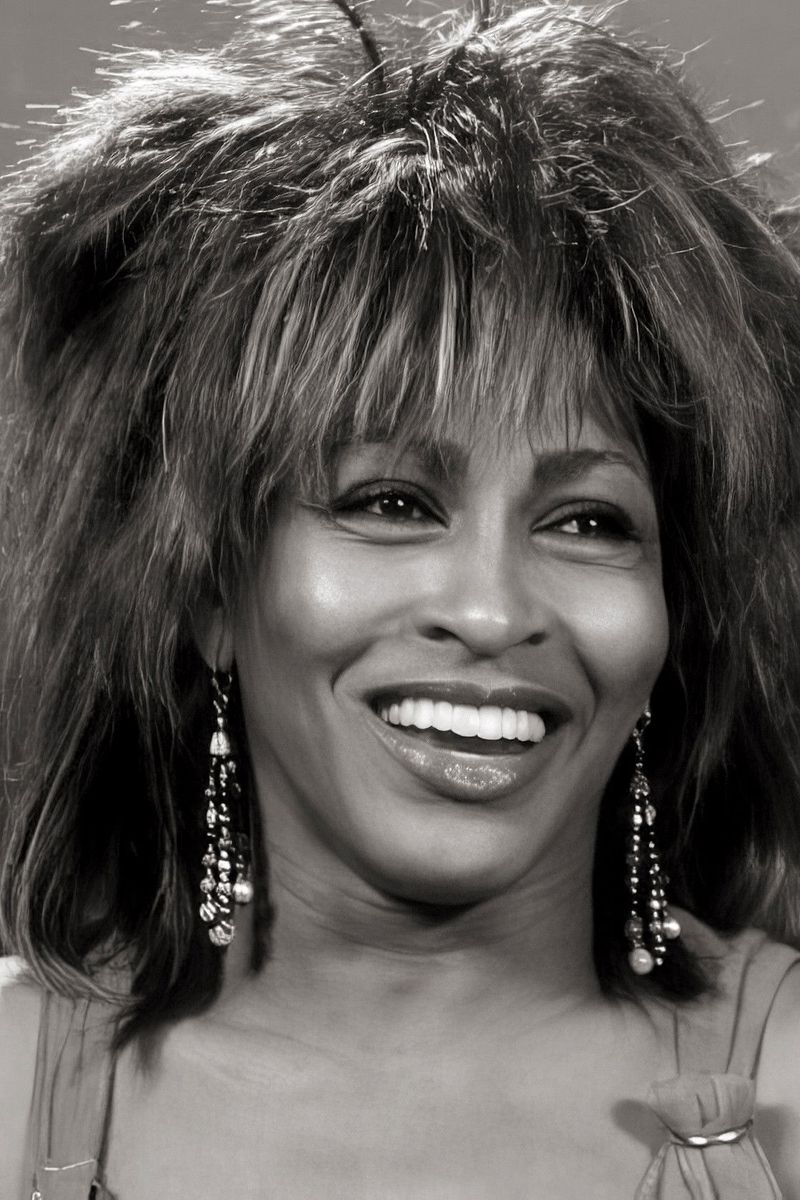
Few performers in history have commanded a stage the way Tina Turner did.
Her legs, her voice, her energy — everything about her live performances was larger than life.
Even after decades in the business, she could outshine artists half her age without breaking a sweat.
Turner fused rock, soul, and R&B into something uniquely electric.
Her comeback in the 1980s with hits like “What’s Love Got to Do with It” and “Private Dancer” became one of music’s greatest stories of resilience.
She had fought hard battles in her personal life and turned that strength into unforgettable art.
Selling over 100 million records worldwide, Turner earned her title as the Queen of Rock ‘n’ Roll fair and square.
5. Joan Jett
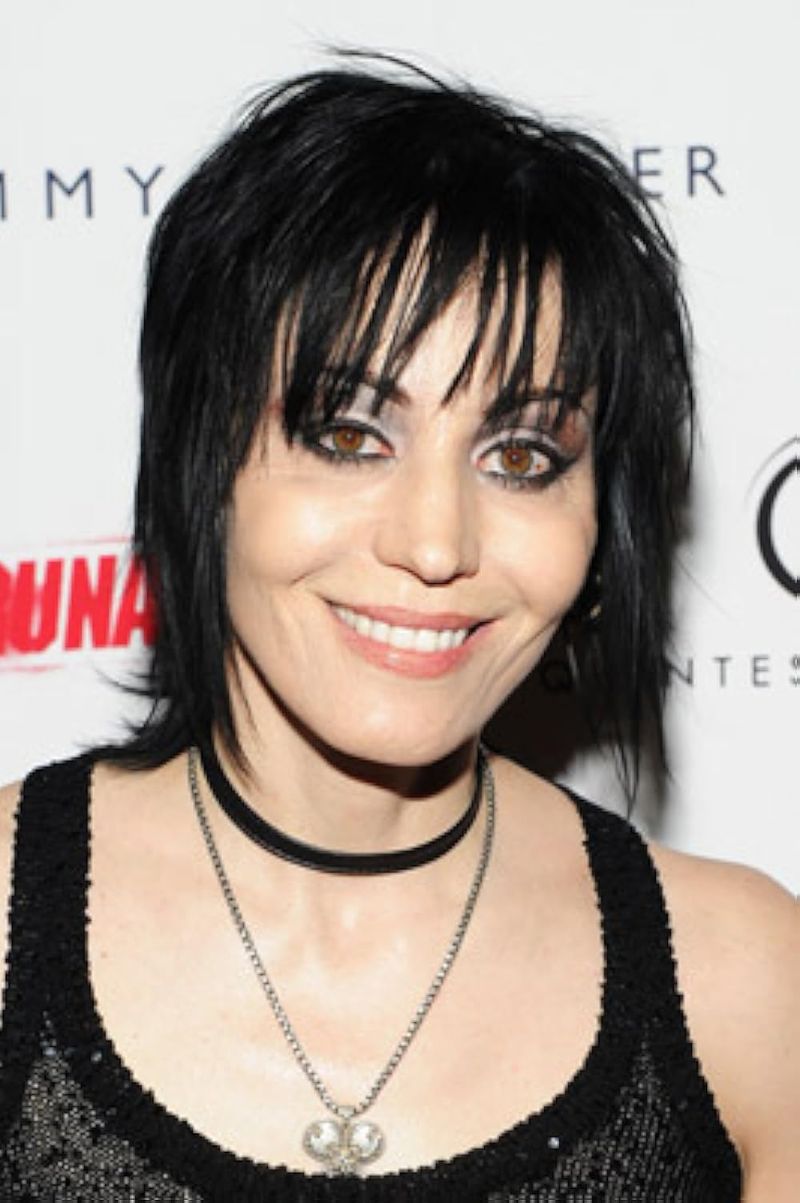
Joan Jett didn’t ask for permission to rock — she just plugged in and played louder than everyone else.
After her band The Runaways broke up, she was rejected by dozens of record labels.
So she started her own label, Blackheart Records, and released “I Love Rock ‘n Roll,” which became one of the biggest hits of 1982.
Her gritty guitar style and rebellious attitude made her a hero for anyone who ever felt like an outsider.
She proved that attitude and authenticity could take you further than any industry deal.
Joan Jett and the Blackhearts kept rocking for decades without ever selling out.
She remains one of the most respected guitarists in rock history, full stop.
6. Debbie Harry
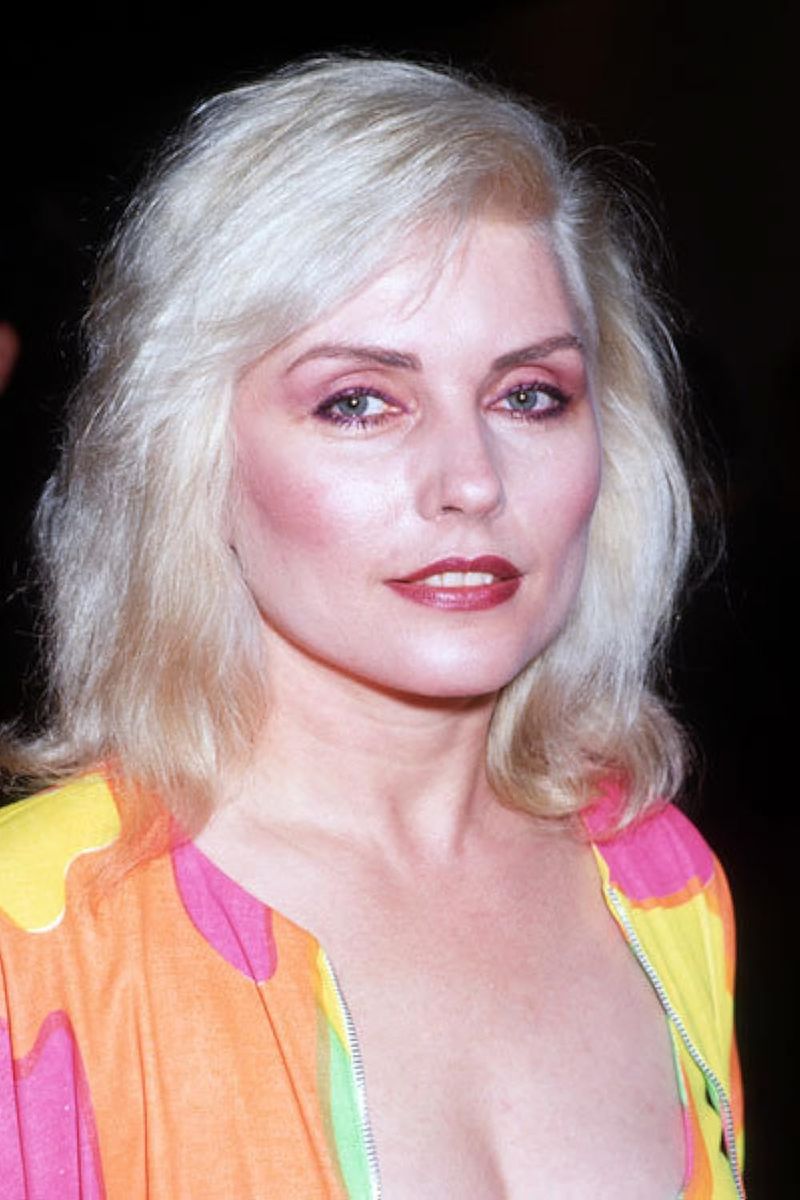
Cool, bold, and completely original, Debbie Harry turned Blondie into one of the most exciting bands of the late 1970s and early 1980s.
She had a rare ability to move between punk, pop, disco, and new wave without ever losing her edge.
Songs like “Heart of Glass” and “Call Me” topped charts around the world.
Harry’s fashion sense was just as influential as her music, making her a style icon whose look still shows up on runways today.
She brought a sharp wit and fearless confidence to everything she did, challenging the idea that women in rock had to play it safe.
Debbie Harry was the blueprint for countless pop-punk and new wave artists who came after her.
7. Grace Slick
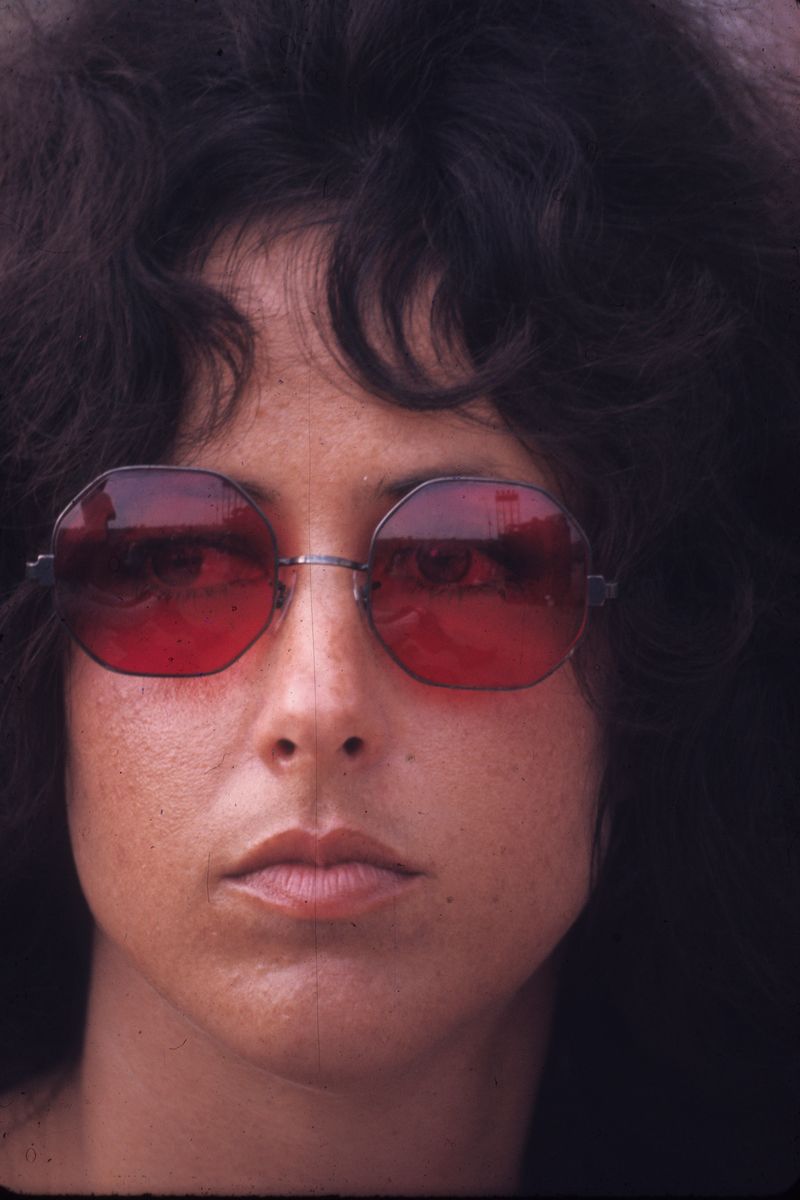
Grace Slick walked into rock music at a time when almost no women had achieved major stardom in the genre — and she absolutely owned it.
As the lead vocalist of Jefferson Airplane, her commanding voice cut through the psychedelic haze of the 1960s San Francisco music scene like a lightning bolt.
Her song “White Rabbit,” inspired by Alice in Wonderland, became one of the defining tracks of the entire counterculture era.
Slick was unafraid to be political, provocative, and powerful at a time when women in music were expected to be soft and quiet.
She paved the road for every hard-rocking woman who came after her, proving that the stage belonged to whoever had the nerve to claim it.
8. Ann Wilson
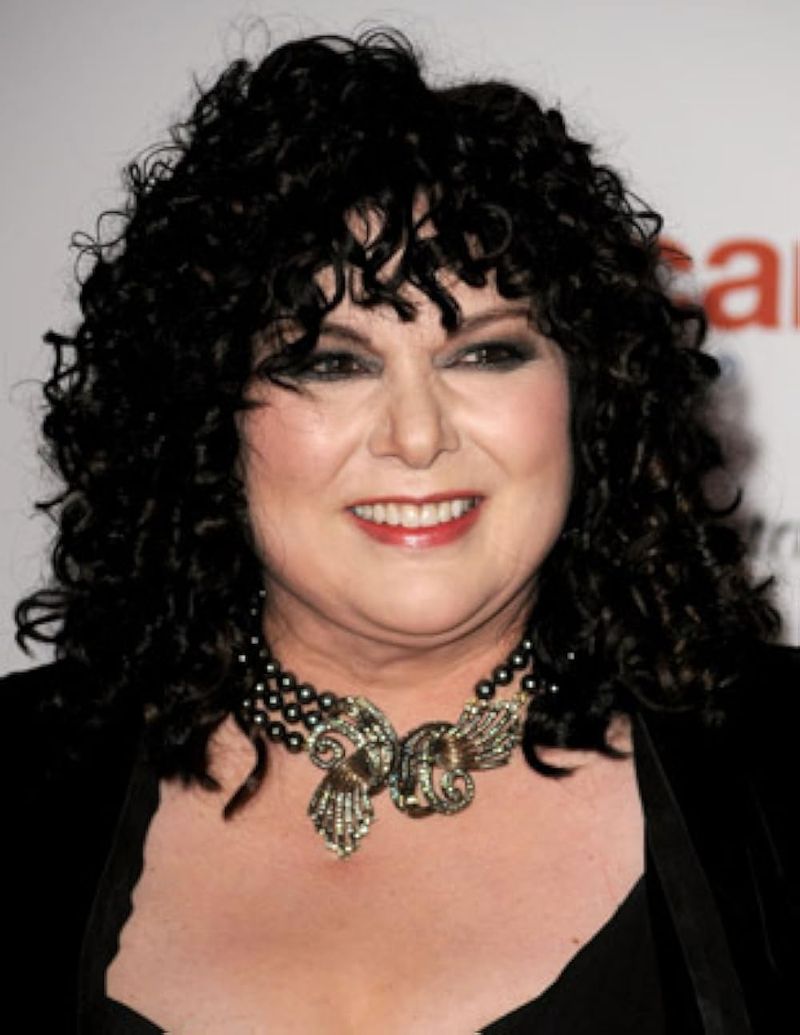
Ann Wilson has one of the most powerful voices in all of rock music — and that is not an exaggeration.
Leading the band Heart alongside her sister Nancy, she delivered vocal performances that left audiences completely speechless.
Hard rock was a boys’ club in the 1970s, and Heart crashed the party with full force.
Hits like “Barracuda” and “Crazy on You” showcased Wilson’s extraordinary range and raw intensity.
She could whisper a ballad one moment and absolutely shred a hard rock anthem the next.
Heart proved that women could not only compete in hard rock — they could lead it.
Ann Wilson’s voice remains one of the most recognizable and respected in rock history.
9. Chrissie Hynde
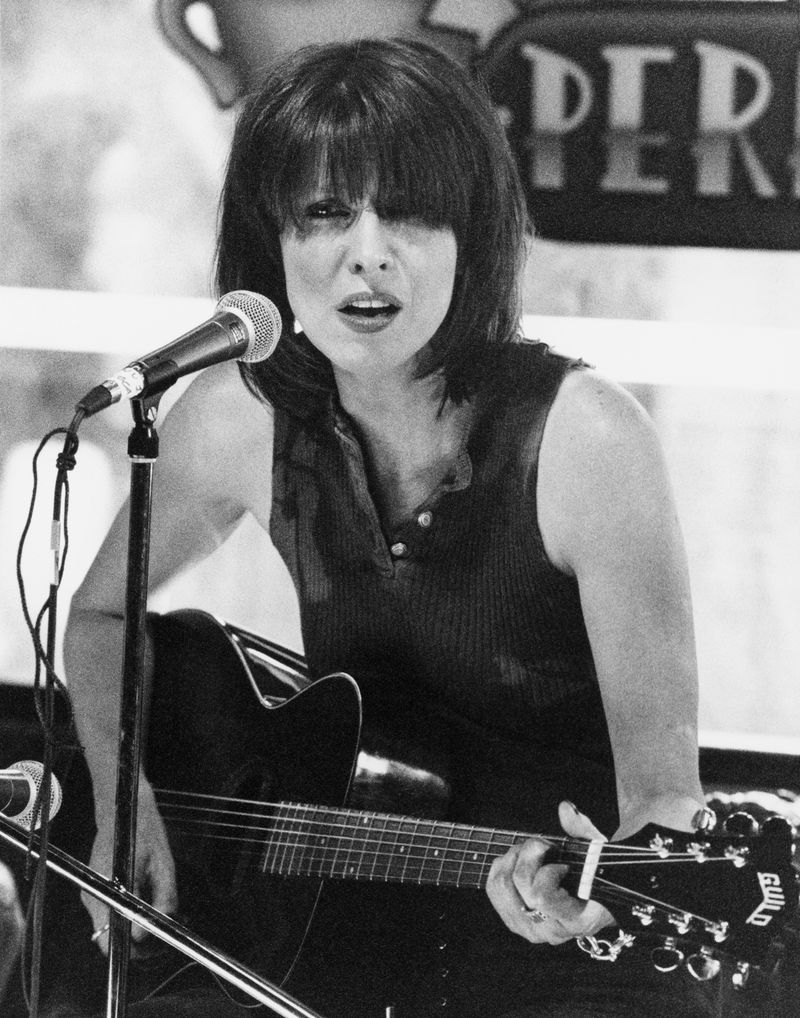
Sharp, no-nonsense, and deeply talented, Chrissie Hynde built The Pretenders into one of the most respected rock bands of the late 1970s and 1980s.
She wrote nearly all of their songs, played lead guitar, and fronted the band with a cool intensity that few artists could match.
She didn’t need to shout to be heard — her presence did all the talking.
Hynde’s songwriting tackled heartbreak, social commentary, and personal identity with a rare honesty.
Tracks like “Brass in Pocket” and “Back on the Chain Gang” showed off her gift for crafting emotionally layered rock songs.
Her influence on female guitarists and songwriters is enormous.
Chrissie Hynde remains one of rock’s most fiercely independent voices.
10. Alanis Morissette
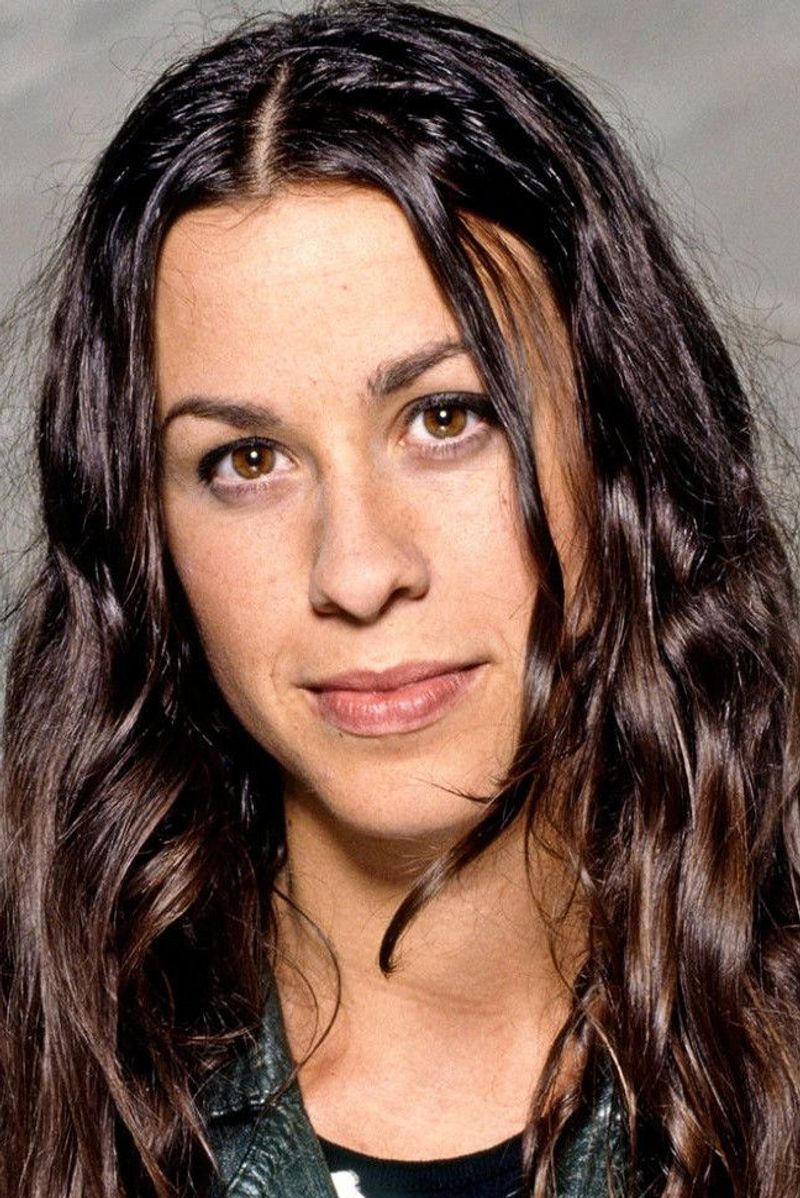
When Jagged Little Pill dropped in 1995, it felt like someone had finally said out loud everything that had been kept quiet for too long.
Alanis Morissette’s brutally honest lyrics about anger, heartbreak, and self-discovery hit listeners like a gut punch — in the best possible way.
The album sold over 33 million copies and became a generational touchstone.
Her alt-rock sound mixed emotional rawness with hard-edged guitars, creating something that felt genuinely new.
Morissette gave a voice to young women who had never heard their own frustrations reflected in rock music before.
That kind of connection is rare and powerful.
Songs like “You Oughta Know” and “Ironic” remain cultural landmarks more than 30 years later.
Comments
Loading…