
 Harper Hall
Not Their Finest Hour: 15 Bad Albums by Classic Rock Icons

Even the greatest rock bands have stumbled. Sometimes legendary musicians release albums that miss the mark completely, leaving fans scratching their heads in confusion. These missteps remind us that even icons are human and creativity doesn’t always strike gold.
1. Led Zeppelin – Presence

Created during a difficult period, this 1976 release found Led Zeppelin struggling with both personal and creative challenges.
Robert Plant was recovering from a serious car accident, which limited the band’s ability to experiment in the studio.
The songs feel rushed and lack the magical chemistry that defined their earlier masterpieces.
Critics and fans alike found the album repetitive and uninspired.
Guitar riffs that once soared now seemed to drag endlessly without purpose.
While a few tracks show glimpses of brilliance, the overall experience feels like a shadow of their former glory.
2. The Rolling Stones – Dirty Work
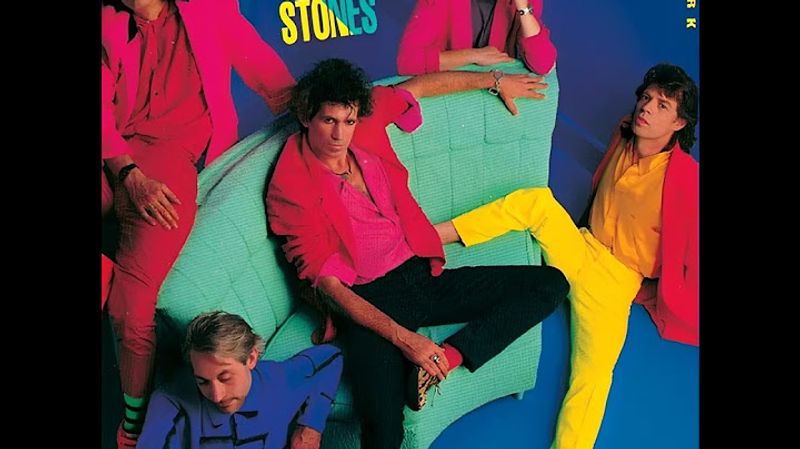
Tensions between Mick Jagger and Keith Richards reached a boiling point during the making of this 1986 disaster.
The band attempted to modernize their sound with synthesizers and drum machines, which stripped away their raw, bluesy edge.
What emerged was a collection of forgettable tracks that sounded more like rejected demo tapes than proper Stones material.
Jagger was already planning his solo career, and his lack of commitment shows throughout.
The production feels dated and cheap, even by mid-eighties standards.
Longtime fans felt betrayed by the band’s abandonment of their rock and roll roots.
3. Pink Floyd – The Final Cut
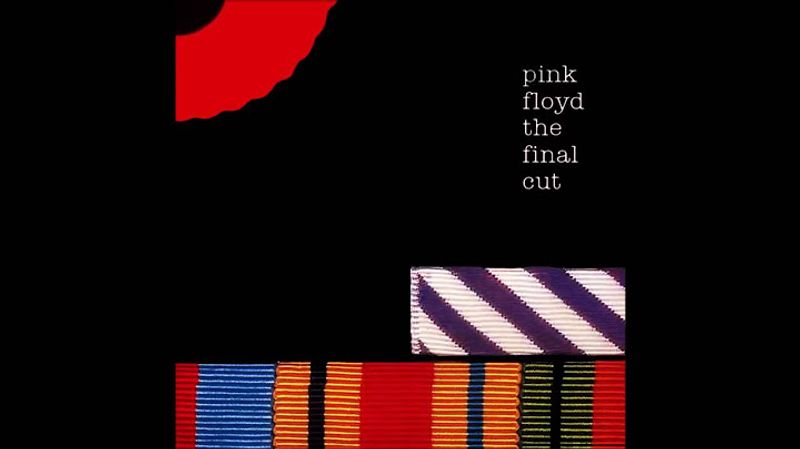
Roger Waters essentially turned this 1983 release into a solo project disguised as a Pink Floyd album.
With David Gilmour sidelined and Rick Wright completely absent, the band’s signature sound disappeared entirely.
Waters poured his anger about war and politics into depressing, preachy lyrics that felt more like lectures than songs.
The music lacks the atmospheric beauty and experimental spirit that made Floyd legendary.
Instead, listeners get repetitive melodies and endless complaining without any emotional payoff.
Even die-hard fans struggled to connect with this joyless, self-indulgent work that marked the beginning of the band’s collapse.
4. The Who – Face Dances
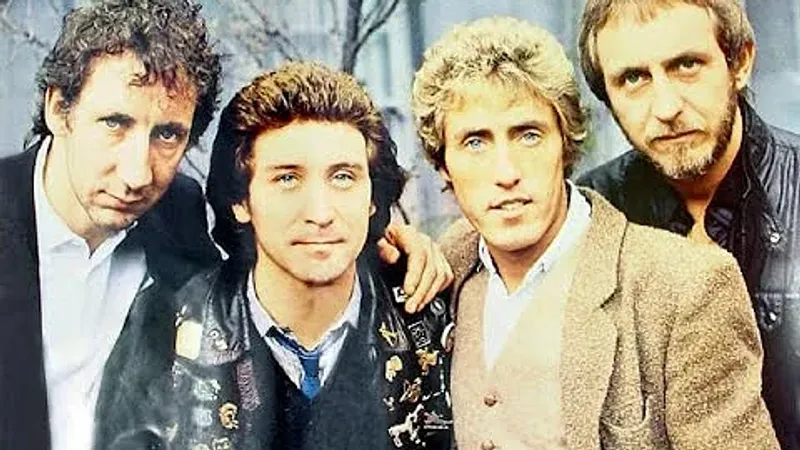
Following the tragic death of drummer Keith Moon, The Who attempted to reinvent themselves with this 1981 misfire.
New wave influences crept into their sound, creating an awkward mismatch with their established rock style.
Pete Townshend seemed uninspired, delivering weak songs that lacked the explosive energy of classics like Tommy or Who’s Next.
The replacement drummer couldn’t capture Moon’s wild, unpredictable spirit.
Critics panned the album for sounding generic and lifeless, like a tribute band imitating The Who rather than the real thing.
Fans wondered if the band should have called it quits instead of releasing this disappointing effort.
5. Metallica – St. Anger
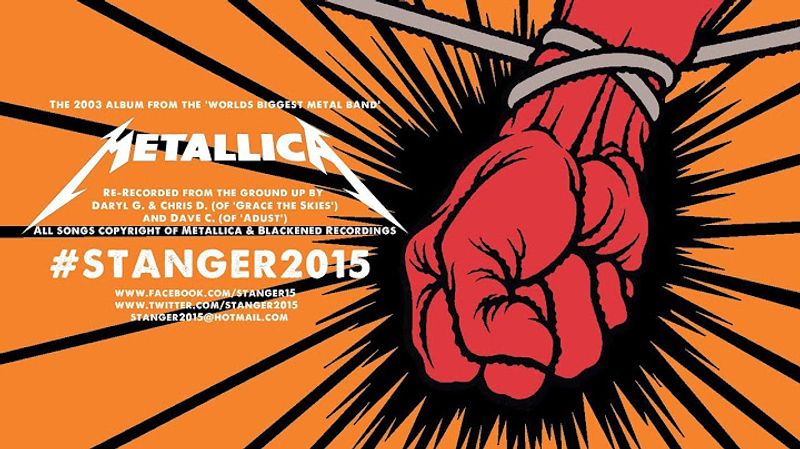
Did you know this 2003 release featured no guitar solos whatsoever, breaking a fundamental metal tradition?
The infamous snare drum sound became a running joke among fans, resembling someone banging on a trash can.
Lars Ulrich’s production choices baffled everyone, stripping away the polish that made previous albums sound powerful.
James Hetfield was fresh out of rehab, and the raw emotions translated into angry, unfocused ranting rather than meaningful lyrics.
The songs dragged on forever without memorable hooks or melodies to grab onto.
Even band members later admitted they went too far in their attempt to sound raw and unfiltered.
6. Queen – Hot Space
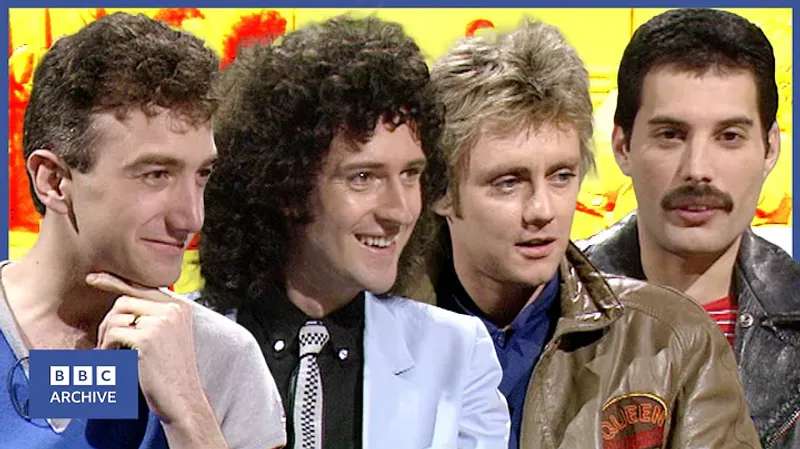
Queen shocked the world in 1982 by abandoning rock for disco and funk grooves that nobody asked for.
Freddie Mercury’s love of dance music pushed the band into unfamiliar territory where their talents were wasted.
Brian May’s brilliant guitar work was buried under synthesizers and drum machines that sounded cheap and artificial.
The album produced one decent hit with Under Pressure, but the rest felt like embarrassing experiments that belonged in someone else’s catalog.
Rock fans felt betrayed while disco audiences ignored it completely, leaving Queen without an audience.
The band quickly returned to their classic sound after this commercial and artistic failure.
7. Aerosmith – Rock in a Hard Place
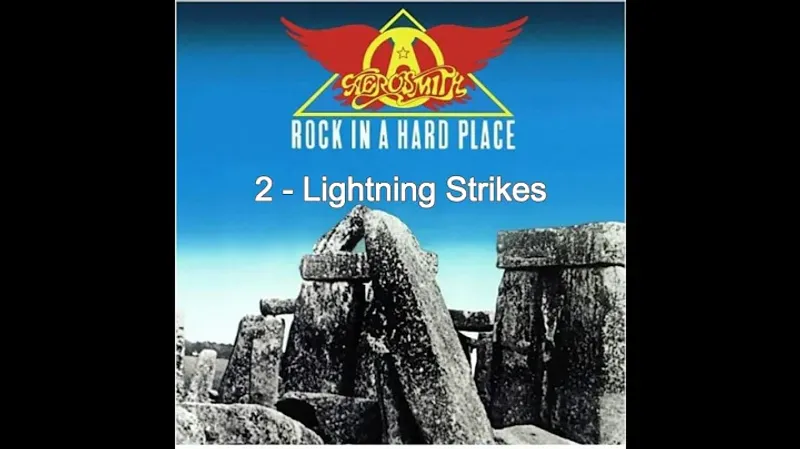
Without Joe Perry and Brad Whitford, Aerosmith attempted to soldier on with this forgettable 1982 effort.
The replacement guitarists couldn’t recreate the magic of the classic lineup, leaving songs feeling hollow and incomplete.
Steven Tyler’s vocals still had power, but the material he was working with was bland and uninspired.
Drug problems plagued the remaining members, affecting both the writing and recording process.
The production sounded muddy and amateurish compared to their seventies classics.
Sales were disastrous, and the band nearly broke up permanently.
Fortunately, the original lineup reunited soon after, pretending this album never happened and returning to form.
8. Kiss – Music from The Elder
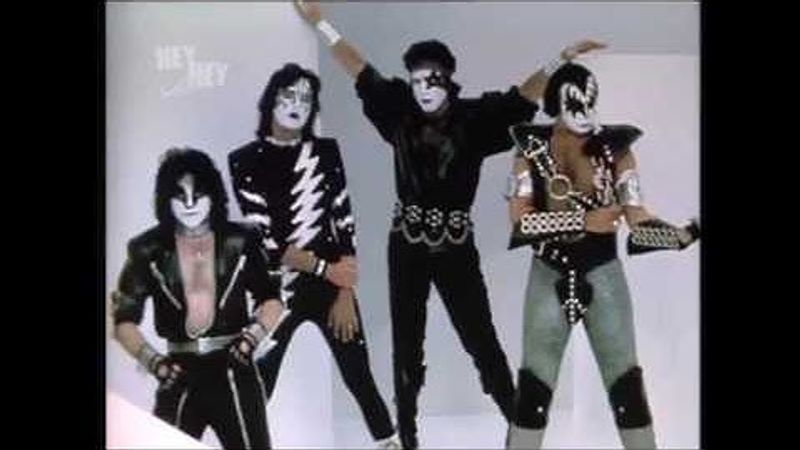
Kiss tried creating a concept album about medieval warriors in 1981, confusing fans who just wanted rock anthems.
The band ditched their makeup and theatrical stage shows while simultaneously releasing their most pretentious music ever.
Orchestral arrangements and serious themes clashed horribly with Kiss’s fun-loving party image.
Paul Stanley and Gene Simmons seemed lost, trying to be something they clearly weren’t meant to be.
Radio stations refused to play the singles, and concert audiences booed when they performed new material.
The album bombed spectacularly, nearly ending their career.
Kiss quickly returned to their familiar formula, learning that fans loved them for simplicity, not complexity.
9. U2 – Songs of Innocence

Apple forcibly downloaded this 2014 album onto millions of iTunes accounts without permission, creating instant backlash.
The marketing stunt overshadowed the music itself, which was mediocre at best.
Bono’s lyrics about his childhood felt self-absorbed and uninteresting to listeners who didn’t ask for his life story.
The Edge’s guitar work had become predictable and repetitive after decades of using the same tricks.
Songs blended together into forgettable background noise without any standout moments.
Fans felt violated by the invasive distribution method and annoyed by the band’s assumption that everyone wanted their music.
U2’s reputation took a serious hit they’re still recovering from today.
10. AC/DC – Blow Up Your Video
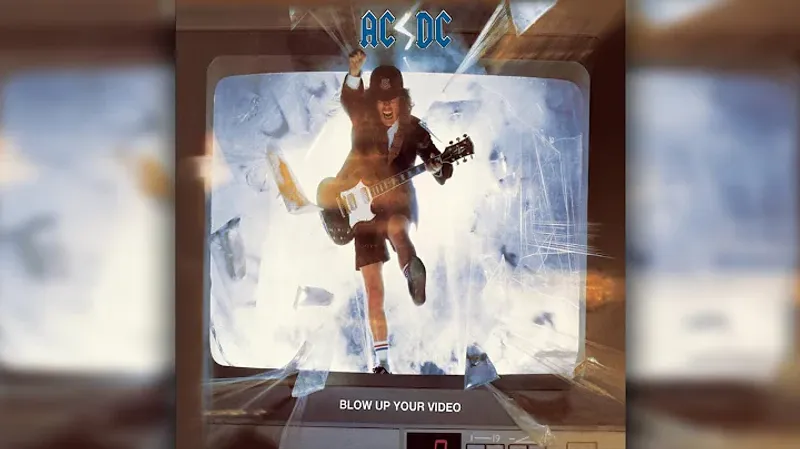
Malcolm Young’s drinking problem derailed this 1988 recording, forcing his nephew to fill in on rhythm guitar.
The band sounded tired and uninspired, recycling the same three-chord progressions they’d used for fifteen years.
Brian Johnson’s vocals were strained and harsh, lacking the powerful delivery of earlier albums.
Production was surprisingly weak for a band of AC/DC’s stature, making everything sound flat and lifeless.
Songs like Heatseeker attempted to recapture past glory but came across as pale imitations instead.
Critics noted that the band had finally run out of fresh ideas.
While not terrible, the album represented a creative low point before their eventual comeback.
11. Bruce Springsteen – Human Touch

The Boss ditched the E Street Band for session musicians in 1992, resulting in soulless, overproduced pop-rock.
Springsteen’s working-class anthems were replaced by generic relationship songs that could have been sung by anyone.
The raw, emotional power of his earlier work vanished completely under layers of slick studio polish.
Fans missed the chemistry and authenticity that the E Street Band brought to his music.
Songs felt calculated and commercial rather than honest and heartfelt.
Even Springsteen later admitted this period represented an artistic mistake.
He eventually reunited with his original band, acknowledging that some magic can’t be recreated with hired hands, no matter how talented.
12. Van Halen – Van Halen III

With their third lead singer in place, Van Halen released this 1998 disaster that pleased absolutely nobody.
Gary Cherone couldn’t match David Lee Roth’s charisma or Sammy Hagar’s vocal power, sounding like a karaoke singer instead.
Eddie Van Halen’s guitar wizardry was buried under heavy, plodding arrangements that dragged on far too long.
The album’s dark, serious tone contradicted everything fun about classic Van Halen.
Songs averaged over six minutes each, testing the patience of fans who wanted energetic party rock.
Sales were catastrophic, and the band barely toured behind it.
Cherone was fired shortly after, and Van Halen III became their biggest embarrassment.
13. Deep Purple – Slaves and Masters

Rainbow’s Joe Lynn Turner replaced Ian Gillan for this 1990 experiment that stripped away Deep Purple’s identity.
Turner’s smoother vocal style clashed with the band’s hard-driving sound, creating an awkward mismatch throughout.
Ritchie Blackmore seemed bored, delivering uninspired guitar solos that lacked his usual fire and creativity.
The songwriting felt generic and commercial, chasing trends rather than setting them like Purple once did.
Longtime fans rejected the album immediately, refusing to accept this watered-down version of their favorite band.
Even the band members sensed the mistake quickly.
Gillan was brought back within two years, and Slaves and Masters was essentially erased from their official history.
14. Yes – Union
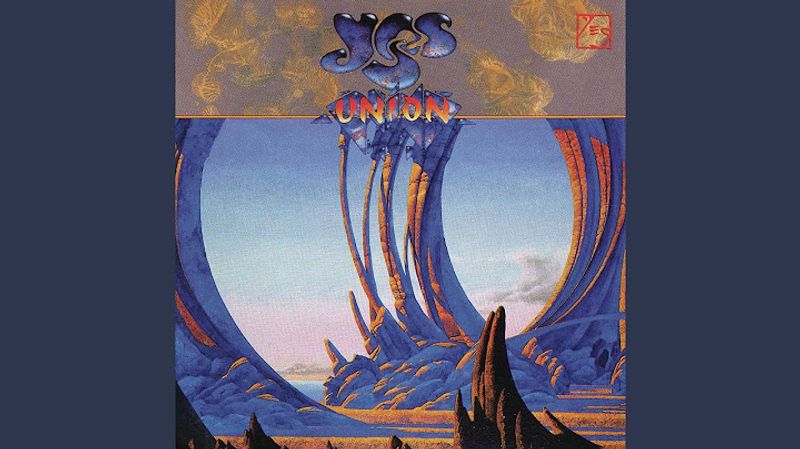
Yes attempted to merge two competing lineups into one super-group for this messy 1991 release.
Too many cooks spoiled the broth as eight members fought for space in arrangements that became cluttered and chaotic.
The progressive rock complexity that defined Yes turned into confusing noise without clear direction or purpose.
Egos clashed in the studio, resulting in songs that sounded like separate ideas awkwardly stitched together.
Production tried covering up the problems with excessive layering, making everything sound muddy and overworked.
The accompanying tour was equally disastrous, with band members barely speaking to each other.
Union proved that sometimes less is more, and reunions aren’t always magical.
15. Genesis – Calling All Stations
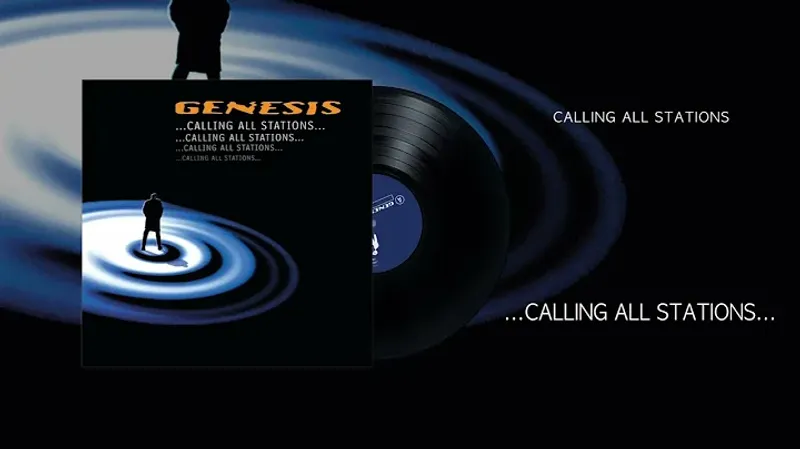
After Phil Collins departed, Genesis hired Ray Wilson and released this 1997 album that nobody wanted to hear.
Wilson’s voice was pleasant enough but completely lacked the distinctive character that made Genesis special for decades.
Tony Banks and Mike Rutherford seemed uninspired, writing forgettable songs that sounded like rejected Collins-era B-sides.
The album tried appealing to modern rock audiences while keeping longtime fans happy, succeeding at neither goal.
Critics dismissed it as irrelevant, and radio stations ignored the singles completely.
Sales were embarrassingly low for such a legendary band.
Genesis quietly disbanded after this failure, finally accepting that their time had passed and the magic was gone forever.
Comments
Loading…