
 Jade Reed
Lighten Up: 22 Hollywood Stars Who Take Themselves Too Seriously
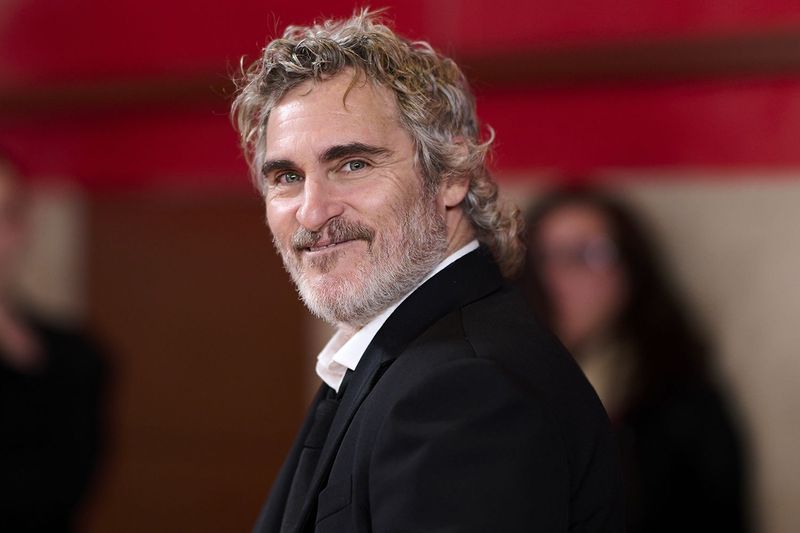
Some celebrities feel famous because they’re talented, charming, and entertaining, while others feel famous because they’re relentlessly committed to their own mythology.
These are the stars who rarely come across as casual, lighthearted, or willing to laugh at themselves, even when the moment clearly calls for it.
Whether it’s an interview that turns into a sermon, a red-carpet pose that screams “behold my importance,” or a reputation for taking every critique as a personal attack, their public personas can read as impressively focused or just exhausting.
To be fair, seriousness isn’t a crime, and plenty of people build great careers by being intense and disciplined.
Still, when the vibe shifts from “dedicated” to “I am the main character of humanity,” it becomes hard not to notice.
Here are 22 celebrities who have earned a reputation for treating themselves, their work, and sometimes the whole world like a very solemn performance.
1. Jared Leto
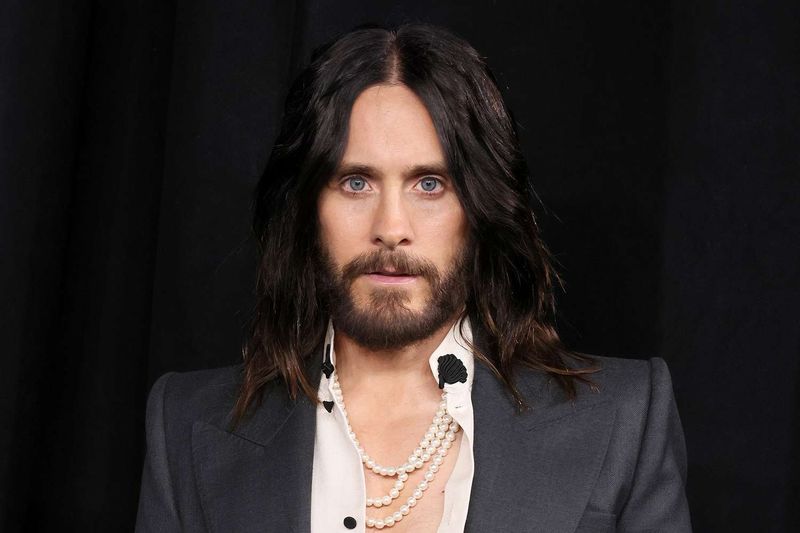
Method acting has a way of blurring the line between dedication and self-parody, and few stars have leaned into that blur as hard as this one.
Over the years, stories about extreme “commitment” have followed him from set to set, often sounding less like professional preparation and more like a carefully curated legend.
The issue isn’t that he takes roles seriously; plenty of actors do.
It’s the sense that the seriousness must be witnessed, discussed, and treated like proof of artistic superiority.
Even his off-screen persona can feel designed to signal mystery, intensity, and importance at all times, as if relaxing would ruin the brand.
When the vibe becomes “I’m not just acting, I’m transcending,” audiences can start rolling their eyes instead of applauding.
2. Kanye West
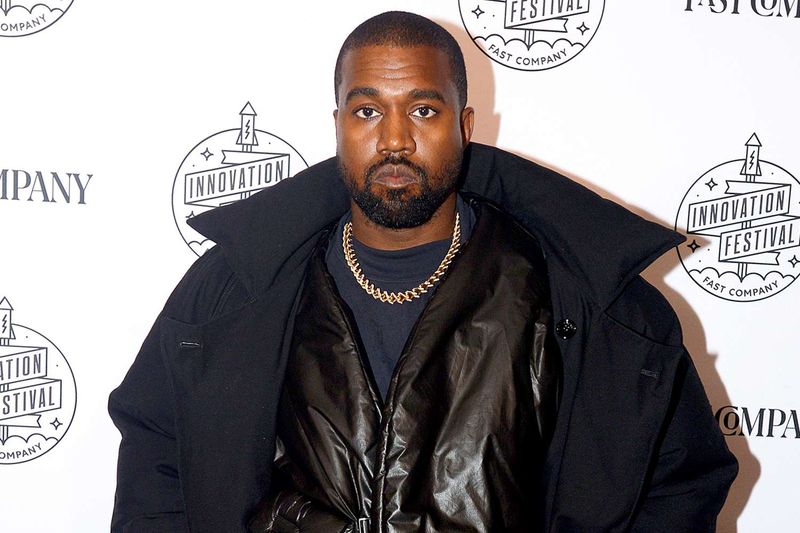
Few public figures project “genius” as a full-time identity the way he does, and that’s a huge part of why people debate him so intensely.
His creativity and influence are undeniable, but the self-seriousness can be overwhelming, especially when every statement arrives like a proclamation.
Instead of letting the work speak for itself, he often frames his ideas as revolutionary truths that the world is simply too slow to understand.
That posture leaves little room for humility, humor, or even basic collaboration, because disagreement gets treated like ignorance.
Fans may call it visionary confidence, but critics hear it as endless self-mythologizing.
When someone insists they’re changing culture in real time, people naturally start expecting them to act like a person, not a monument.
3. Tom Cruise
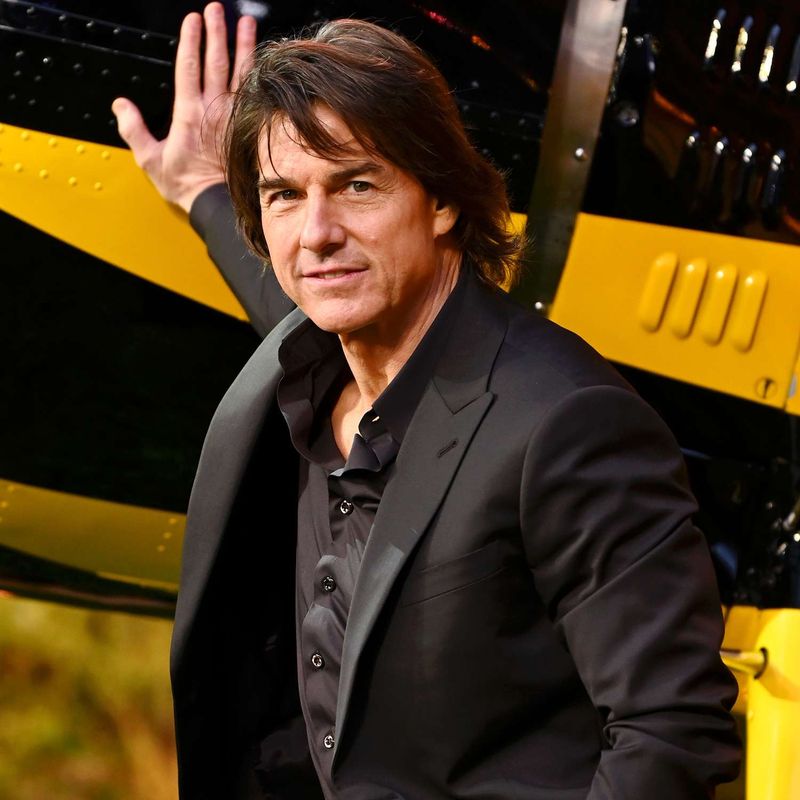
Intensity has always been part of his screen appeal, but it has also become central to his real-life reputation.
From the way he promotes movies to the way he talks about stunts and preparation, everything is delivered with a laser-focused seriousness that rarely softens.
It’s not hard to respect the discipline and the work ethic, because he clearly puts in the hours.
The problem is that the energy can feel like there’s no room for ordinary human messiness, laughter, or a relaxed moment that isn’t strategically on-brand.
Even in lighter roles, his public persona still communicates “mission mode,” as if the stakes are always life-or-death.
When a celebrity treats every appearance like an important summit meeting, people start craving someone—anyone—who can simply be normal.
4. Russell Crowe
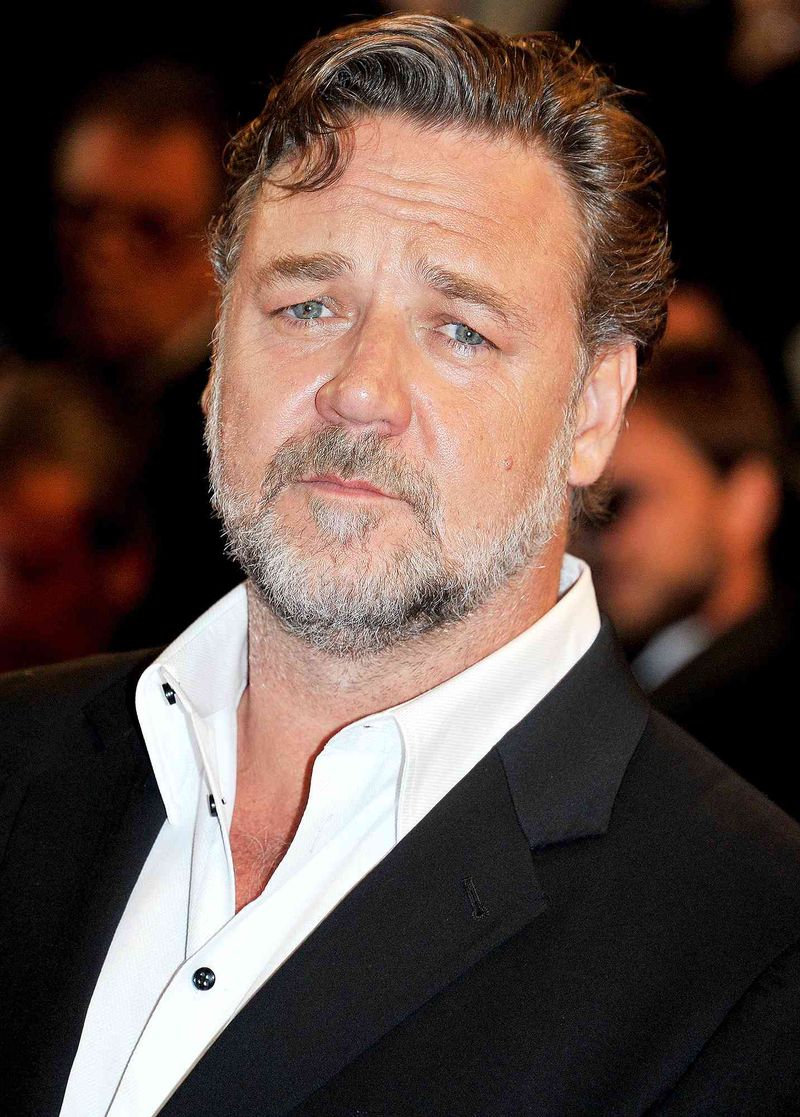
A tough-guy reputation can be compelling on-screen, but it can also come across as combative when it becomes the default posture everywhere else.
His public image has long been wrapped up in intensity, pride, and a hair-trigger readiness to push back against perceived disrespect.
That defensive seriousness often overshadows the charm audiences want from a star, because it reads like he’s always bracing for a fight.
Plenty of actors take their craft seriously, but not everyone carries their ego into every interaction quite so visibly.
When interviews feel tense and anecdotes sound like warnings, the impression becomes less “dedicated professional” and more “please don’t joke around me.”
It’s hard to enjoy a celebrity’s work when their vibe suggests that humor is a personal threat and criticism is an insult that must be answered.
5. Christian Bale
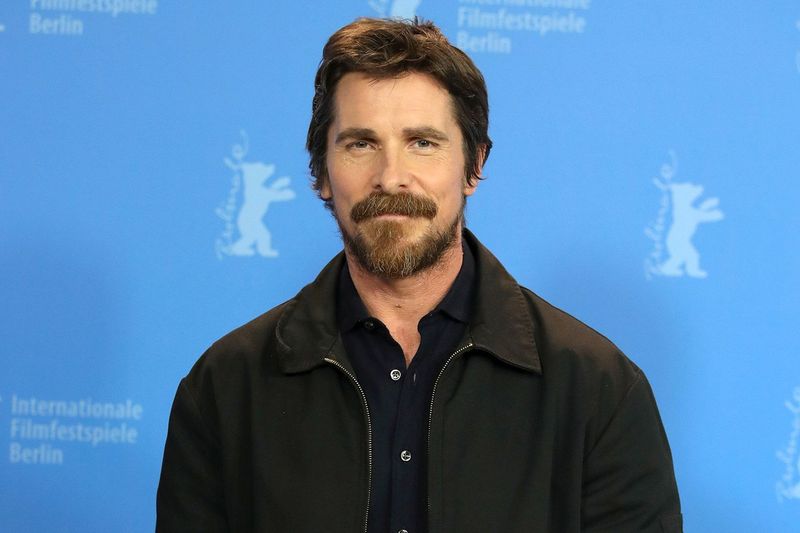
Transformation is his signature, and the commitment behind those physical and emotional shifts is genuinely impressive.
Still, the seriousness surrounding his process can feel almost theatrical in itself, as if the performance begins long before the camera rolls.
Stories about intense focus and strict standards have contributed to an image of someone who treats the job with near-religious gravity.
That approach has clearly produced acclaimed performances, but it can also create an aura of severity that leaves little room for warmth.
When the public hears about tension on set, it reinforces the idea that he’s always in “serious actor” mode, even when the situation doesn’t require it.
Respect for discipline is one thing, but when intensity becomes the headline instead of the work, it starts to feel like the seriousness is part of the brand.
6. Daniel Day-Lewis
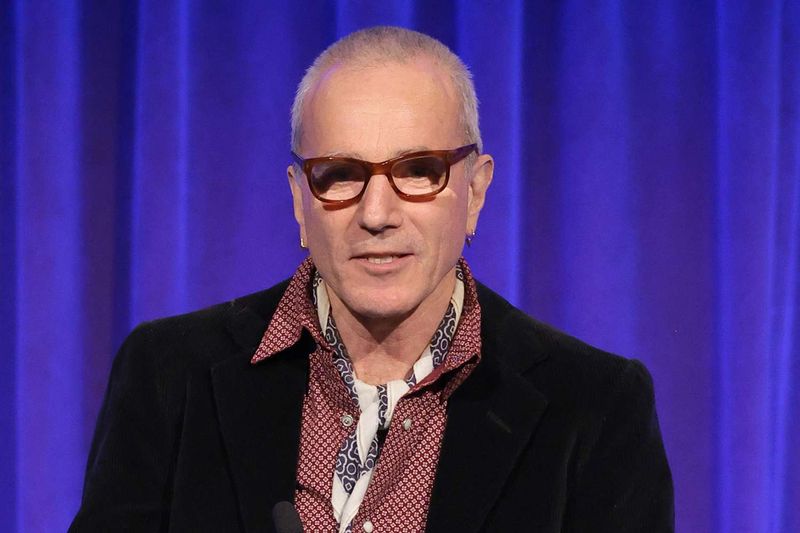
Legend has followed him for so long that it almost feels like a separate career, running parallel to the films themselves.
The stories about staying in character, refusing modern comforts, and living the role like a total transformation read as fascinating or exhausting depending on your tolerance for theatrical dedication.
Nobody doubts the talent, and the performances have earned the reverence, but the surrounding mythology can make it seem like he’s too elevated for ordinary actor behavior.
When a celebrity becomes a symbol of “pure seriousness,” even small anecdotes turn into sacred lore, and the public starts reacting to the image more than the person.
There’s also something a little intimidating about a star who never appears casual, as if cracking a joke might somehow ruin the artistic integrity of the entire room.
7. James Cameron
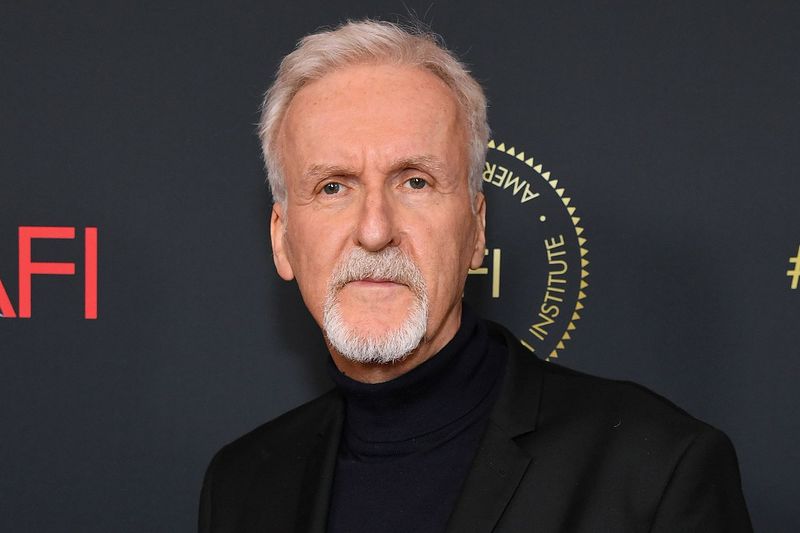
Commanding director energy can be a superpower, and he’s built a career on the belief that big visions require big control.
The flip side is that his public persona often feels like “I’m the smartest person here, and I’m not interested in being challenged.”
When he speaks about filmmaking, technology, or craft, he can sound less like a collaborator and more like a commander.
That confidence has delivered massive results, but it also creates an impression of seriousness that borders on arrogance.
The vibe becomes especially intense when the conversation turns to how hard he pushes for perfection, because perfection starts sounding like a moral requirement rather than a creative goal.
There’s a fine line between visionary leadership and self-important certainty, and he often sits right on it, daring anyone to question the view.
8. David O. Russell
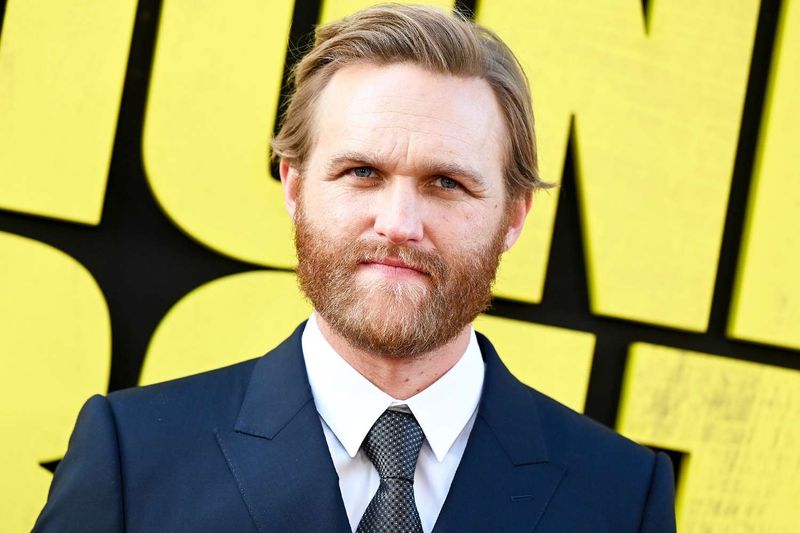
A reputation for being “difficult but brilliant” is practically its own Hollywood genre, and he’s one of the names people bring up when that topic comes up.
Stories about volatile behavior and intense control feed the idea that he treats filmmaking like a battlefield where only his vision matters.
The self-seriousness shows up in the expectation that everyone around him must match his intensity, regardless of how draining it becomes.
Plenty of creators have strong opinions, but not everyone builds an aura of turmoil around their process.
When tension becomes part of the legacy, audiences start wondering whether the work is fueled by passion or by ego.
The problem isn’t ambition; it’s the sense that the world must accept the drama as proof of artistic importance.
At that point, the seriousness starts looking less like dedication and more like entitlement.
9. Quentin Tarantino
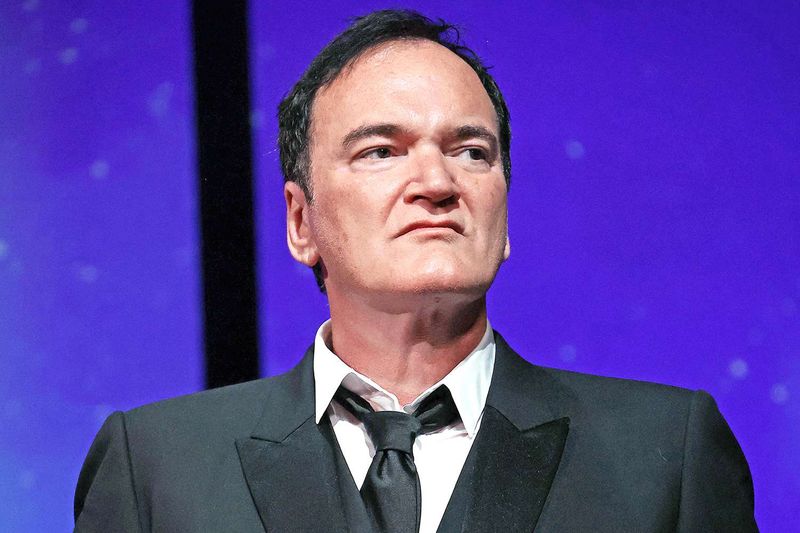
Film obsession can be charming, especially when it’s paired with energy and knowledge, but it can also come off as preachy when it becomes a personality.
His interviews often sound like declarations about what cinema “should” be, with an intensity that leaves little room for anyone else’s taste.
The self-seriousness isn’t always obvious because he can be funny, but it shows up in the certainty, the absolutist opinions, and the reverent way he frames his own work within film history.
When someone talks like their choices are canon, people start feeling like they’re being lectured instead of entertained.
There’s also a sense that criticism isn’t just disagreement; it’s misunderstanding.
That’s where the seriousness stops being playful fan energy and starts feeling like a gatekeeper guarding a temple, with himself as head priest.
10. Sean Penn
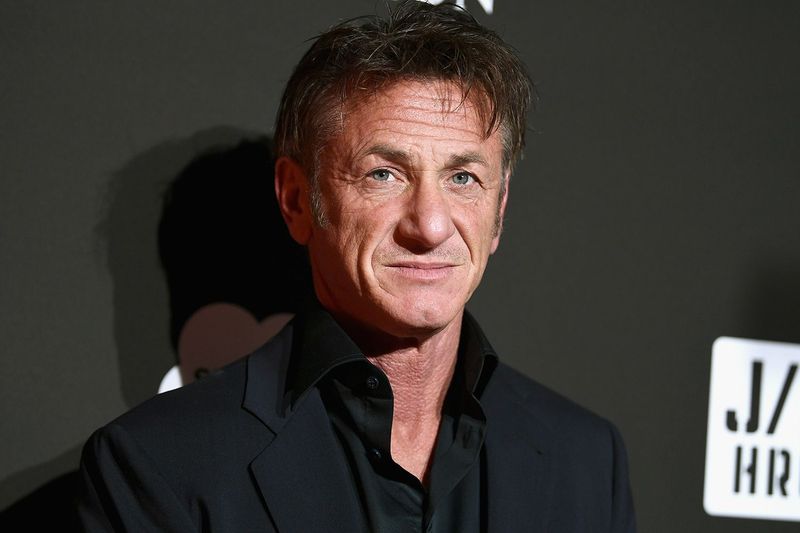
A certain moral gravity follows him everywhere, and that can make even simple conversations feel heavier than they need to be.
He often comes across as someone who believes his thoughts should carry extra weight, not because he’s a celebrity, but because he’s deeply serious about the world and his place in it.
That intensity can be admirable when it’s focused on real issues, yet it can also feel like he’s allergic to levity.
Over time, the reputation becomes “always intense, rarely playful,” which makes the public more likely to roll their eyes than to listen.
When a star treats every interview like an interrogation and every topic like a moral test, it becomes hard to connect with them as a person.
The result is a persona that feels stern and self-important, even when the intention may be earnest.
11. Bono
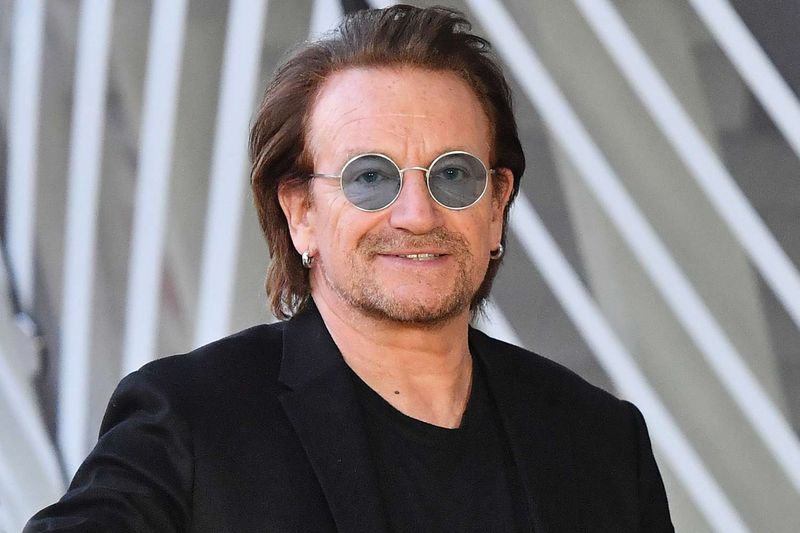
Big heart, big mission, big statements—those have always been part of his brand, but they also fuel the perception that he takes himself extremely seriously.
When someone speaks in world-saving language on a regular basis, it can start to feel like they’re performing virtue rather than simply living it.
The earnestness is real, yet the delivery often lands as grand and self-important, as if every comment needs to sound historic.
Even fans who respect the activism sometimes joke about the “Bono moment,” where a casual conversation turns into a sweeping speech about humanity.
There’s a thin line between being passionate and sounding like you believe you’re the narrator of the planet.
When a celebrity’s public persona constantly signals moral authority, audiences may begin to resist, not because they hate the message, but because the messenger feels too pleased with his own seriousness.
12. Madonna
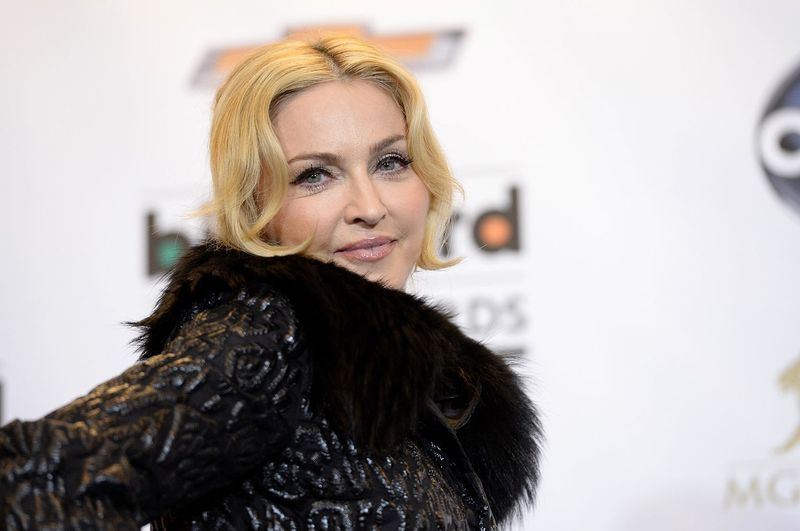
Control has always been central to her icon status, and it’s a big reason she’s stayed relevant through so many eras.
Still, that same control can come off as self-seriousness when it feels like there’s no room for imperfection or humor.
Her public image often communicates that she isn’t just a pop star; she’s a cultural force who must be taken seriously at all times.
That posture can make sense when you consider how hard she had to fight for respect, but it also can read like she’s constantly defending the crown even when nobody is challenging it.
When the tone becomes “I’m not here to entertain you, I’m here to teach you,” the fun starts draining out of the room.
Being a legend is one thing; acting like the legend is the only acceptable version of yourself is another.
13. Kendall Jenner
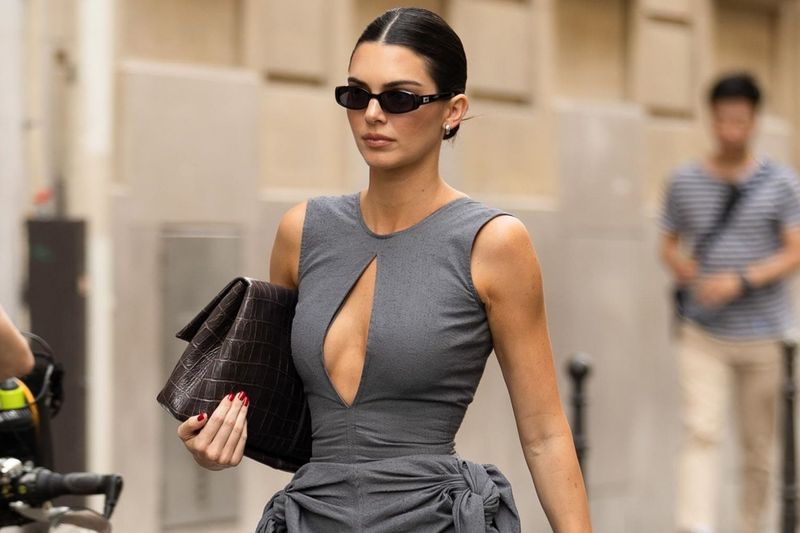
Carefully curated cool can look effortless, but it can also feel stiff when the public persona never relaxes.
Her brand has often leaned into seriousness: the poised expression, the ultra-controlled aesthetic, and the sense that everything must appear sleek and important.
That might be strategic in an industry built on image, yet it can also create a vibe that she’s always performing “high fashion gravitas,” even in situations that could use a little warmth.
The self-seriousness shows up when the focus becomes maintaining a certain status rather than showing a personality that feels human.
People don’t necessarily expect a comedian, but they do respond to celebrities who can laugh at themselves once in a while.
When a star’s identity is built around being too cool to crack, it’s easy for audiences to interpret that as taking themselves a little too seriously.
14. Kourtney Kardashian
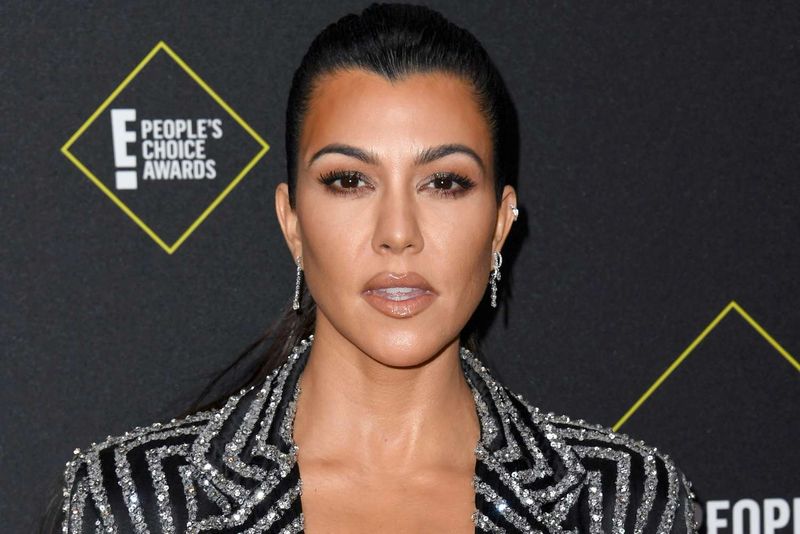
Reinvention is a major part of celebrity culture, but her public shifts often arrive with an intensity that makes them feel like grand declarations rather than normal life changes.
Whether she’s deep in a wellness phase, a relationship era, or a “this is the new me” mindset, it can come across as extremely serious, as if everyone is supposed to treat each evolution like a major cultural event.
The self-seriousness isn’t necessarily about arrogance; it’s more about the unwavering certainty that her current lifestyle is the correct one.
That certainty can feel preachy, especially when it’s delivered with an unbothered tone that suggests she’s above questioning.
It’s one thing to be confident in your choices, but it’s another to present those choices like a philosophy lecture.
When a celebrity’s vibe becomes “I’m enlightened and you’re not,” people naturally start rolling their eyes.
15. Gwyneth Paltrow
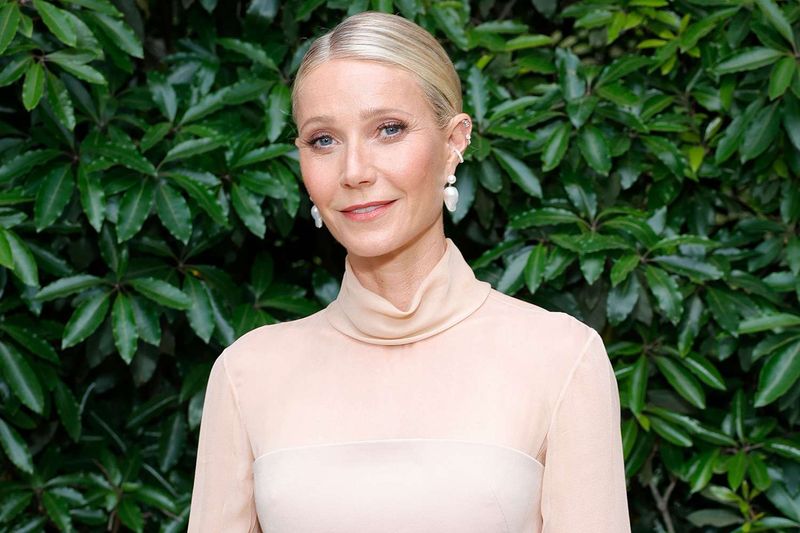
A polished lifestyle persona can be inspiring, yet it can also feel smug when it’s delivered as unquestionable wisdom.
Her reputation for treating wellness and self-improvement like a personal empire has contributed to the perception that she takes herself very seriously, especially when the tone shifts from “this works for me” to “this is the answer.”
The self-seriousness often shows up in the authority voice, where she speaks like an expert even on topics that invite debate.
Plenty of celebrities build brands, but not everyone builds one that feels like a moral identity.
When the message becomes “I’m not just healthy, I’m elevated,” audiences can react with sarcasm rather than curiosity.
People don’t mind ambition, but they dislike being talked down to, and her brand sometimes lands as if she’s gently judging everyone who doesn’t have the same curated routine.
That’s the kind of seriousness that can feel less empowering and more performative.
16. Joaquin Phoenix
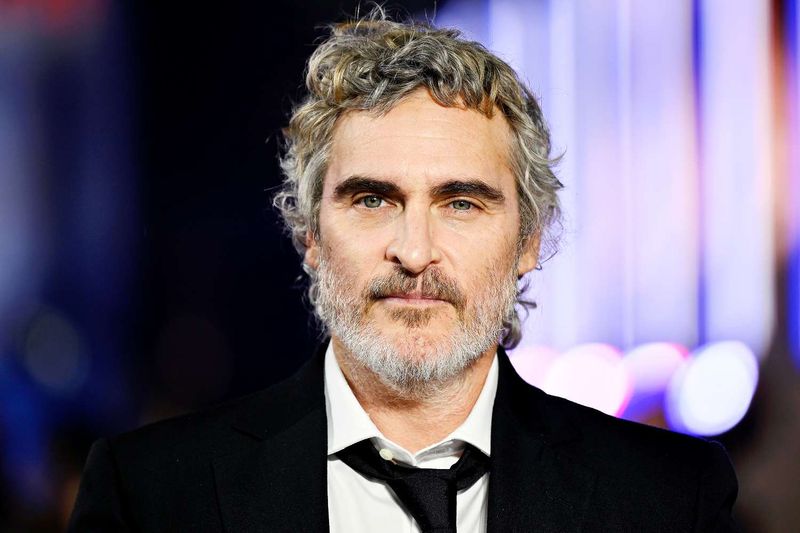
Intensity can be magnetic, and he often brings a deeply committed energy that feels raw and sincere.
At the same time, that seriousness can make him seem like he’s carrying the weight of the world in every public moment.
Interviews have a reputation for being awkward, heavy, or unpredictable, not because he’s trying to entertain, but because he seems to resist the entire machinery of celebrity.
The self-seriousness isn’t always ego-driven; it often reads as discomfort mixed with moral conviction.
Still, when a star’s persona suggests that fame is a burden everyone else fails to understand, audiences may interpret it as self-important even if that’s not the intent.
People admire authenticity, but they also like a sense of proportion.
When every conversation becomes intense and every expression looks pained, it’s easy to feel like humor is forbidden.
That creates the impression of someone who can’t—or won’t—ever lighten up.
17. Adrien Brody
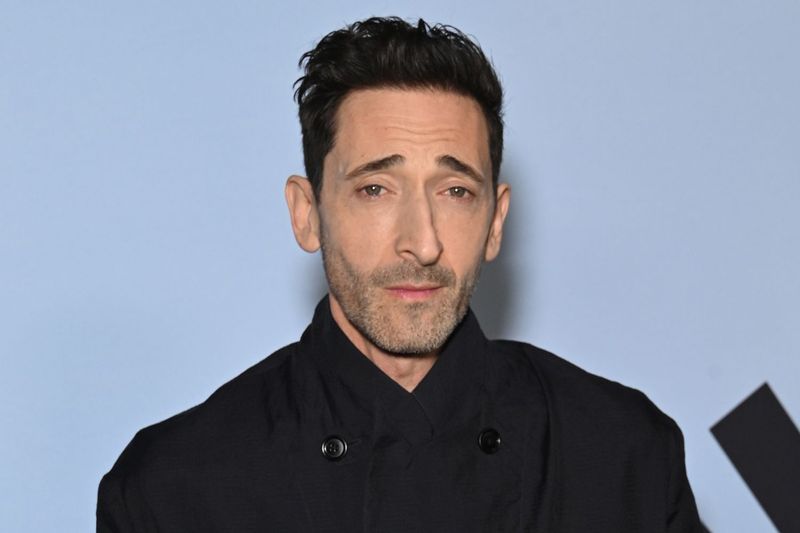
Artistic gravitas can be a great fit for certain roles, but it can also feel like a permanent posture when it follows a celebrity everywhere.
His public presence often carries a self-serious energy, as if he’s always operating in the dramatic register of a prestige film.
That tone can make interviews feel more like monologues than conversations, because the vibe suggests he’s presenting a thoughtful statement rather than casually chatting.
The self-seriousness becomes more noticeable when it appears alongside a desire to be seen as a “true artist,” since that label can turn into a kind of armor.
It’s not that he lacks talent, because he clearly has it, but the way the persona is delivered can feel like a performance in itself.
When an actor seems determined to project depth at every opportunity, audiences can start craving a moment of genuine ease.
Being thoughtful is appealing; being perpetually solemn is less so.
18. Bill Maher
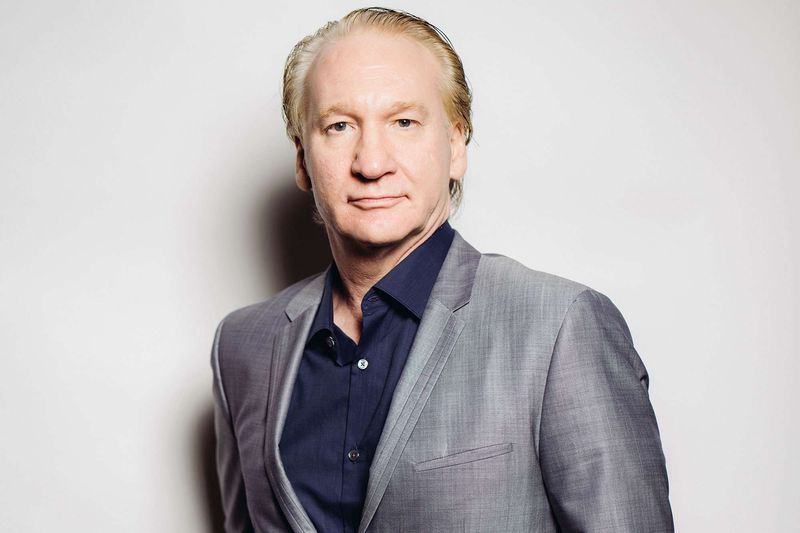
A comedian can be sharp and still feel fun, but his style often reads like someone who wants to win, not entertain.
The public persona is built around being the guy who “tells the truth” while everyone else is supposedly too sensitive or too foolish to handle it.
That framing can create an air of self-seriousness, because it positions him as the lone rational voice in a room full of nonsense.
Even when he’s funny, the underlying tone can feel smug, as if the joke is less about laughter and more about proving a point.
Audiences tend to respond when humor feels generous, but they recoil when it feels like a lecture disguised as comedy.
The self-seriousness becomes especially clear when criticism is met with defensiveness or dismissal, because it suggests he thinks his perspective is above challenge.
When a celebrity constantly signals intellectual superiority, people stop laughing and start groaning.
19. John Mayer
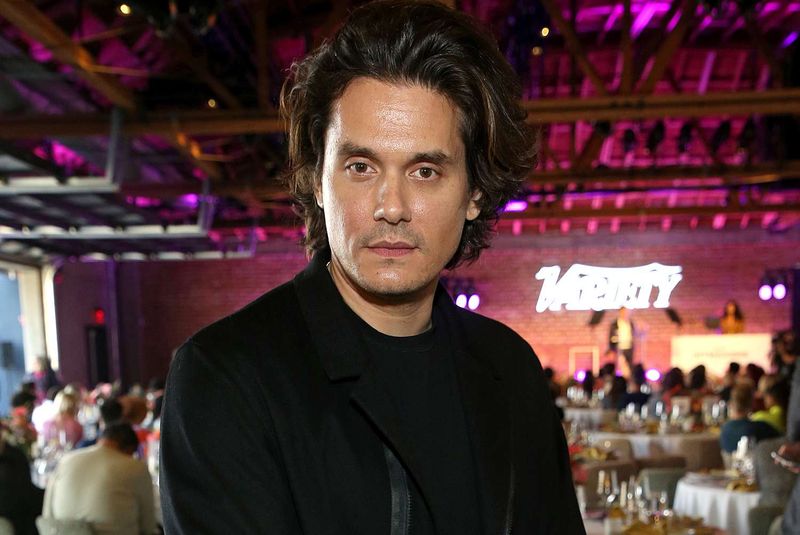
Self-awareness can be charming, but it can also turn into self-importance when it feels like the celebrity believes their inner world deserves constant analysis.
Over the years, he’s had phases where he comes across as deeply invested in his own complexity, speaking like a misunderstood genius who needs to explain himself to the public.
That tone can be exhausting because it puts the audience in the position of jury, therapist, and student all at once.
The self-seriousness shows up when humor takes a back seat to long-winded introspection, especially when the vibe suggests that only a few people truly “get” him.
Plenty of artists are introspective, yet the most likable ones can still laugh at their own drama.
When a celebrity leans too hard into being deep, every conversation starts sounding like a memoir chapter.
At that point, even sincere reflection can feel like performance, and the public starts wishing he’d just relax and play a song.
20. Taylor Swift
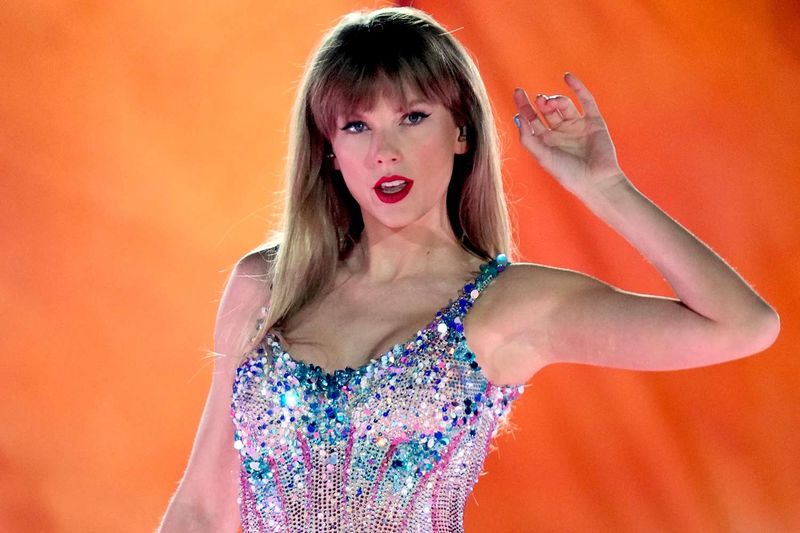
A highly controlled public narrative can be a smart way to survive fame, but it can also create the impression of someone who takes every detail seriously.
Her career has been built on storytelling, symbolism, and carefully managed eras, which fans love, yet critics sometimes interpret that same precision as intense self-focus.
The self-seriousness reputation tends to appear when the messaging feels strategic rather than spontaneous, as if every interaction must reinforce the larger story.
To be fair, that level of planning is part of why she’s so successful, and it’s hard to fault someone for being disciplined.
Still, when a celebrity’s brand becomes a carefully curated universe, people can start feeling like there’s no room for imperfection or a truly casual moment.
Humor does exist in her work, but the overall machine can feel so purposeful that outsiders see it as “always calculating.”
That’s how a performer becomes both admired and teased for taking it all so seriously.
21. Will Smith
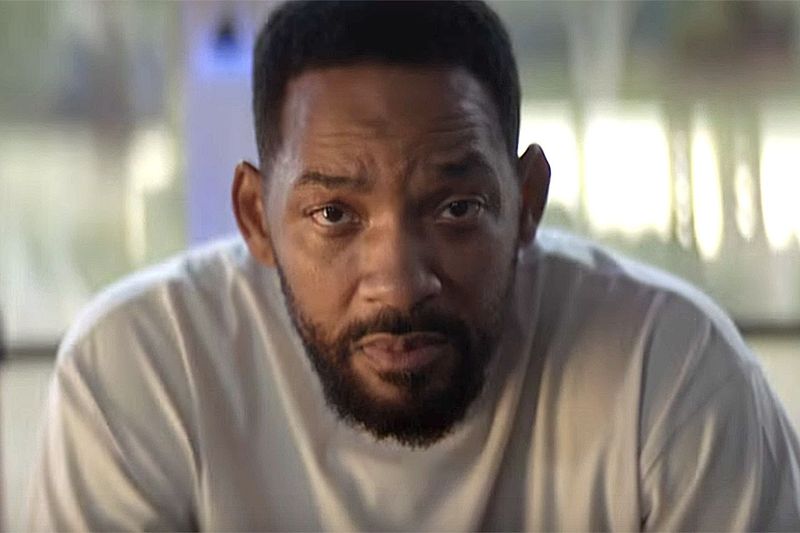
Charisma is his superpower, but the public image has also been shaped by a noticeable investment in being seen as inspirational and larger-than-life.
At times, that drive can read as self-seriousness, especially when the tone shifts from playful entertainer to motivational speaker.
The reputation grows when a celebrity seems determined to manage every perception, because it implies that authenticity is always filtered through strategy.
People love confidence, yet they get uneasy when confidence looks like constant self-branding.
Even the most upbeat personality can start to feel heavy if every moment carries a lesson, a message, or a carefully crafted meaning.
When the public sense that a star is always protecting an image, they often interpret it as taking themselves too seriously, even if the intent is positive.
The irony is that his funniest moments are often the ones where he feels relaxed and unpolished.
When that version disappears behind a polished persona, audiences start missing the human underneath.
22. Prince Harry
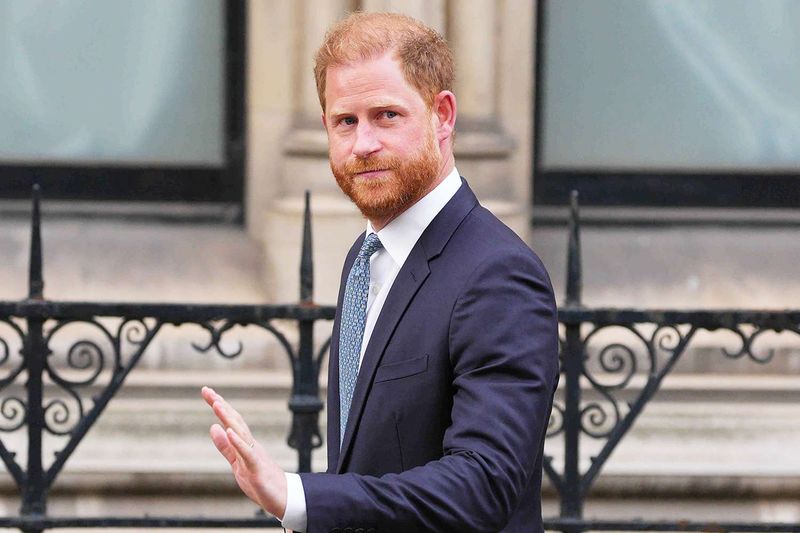
Public earnestness can come from real pain and genuine purpose, yet it can also create fatigue when it feels like every chapter must be treated as historic.
His image in recent years has been defined by mission language, legacy talk, and a strong emphasis on controlling the narrative, which many people interpret as taking himself extremely seriously.
The self-seriousness perception isn’t just about what he says, but about how consistently his story is framed as a major cultural reckoning.
When a celebrity’s personal experience becomes a public campaign, audiences can start feeling like they’re being asked to pick sides instead of simply listening.
Some people empathize, while others feel the tone suggests a level of self-importance that doesn’t match their interest.
It’s one thing to be sincere about your life, but it’s another to position your life as a moral case study that the entire world must engage with.
When the message becomes “this is bigger than all of us,” people naturally start asking whether it really is.
Comments
Loading…