
 Chloe Peterson
Rock and roll history is filled with surprising twists and turns, but few changes shake things up quite like a new band member stepping into the spotlight.
Sometimes a fresh face brings fresh ideas that completely transform what a group sounds like.
When the right musician joins at the right time, magic happens, and fans get to experience their favorite bands in totally new ways that nobody saw coming.
1. Fleetwood Mac – From Blues Roots to Pop Royalty
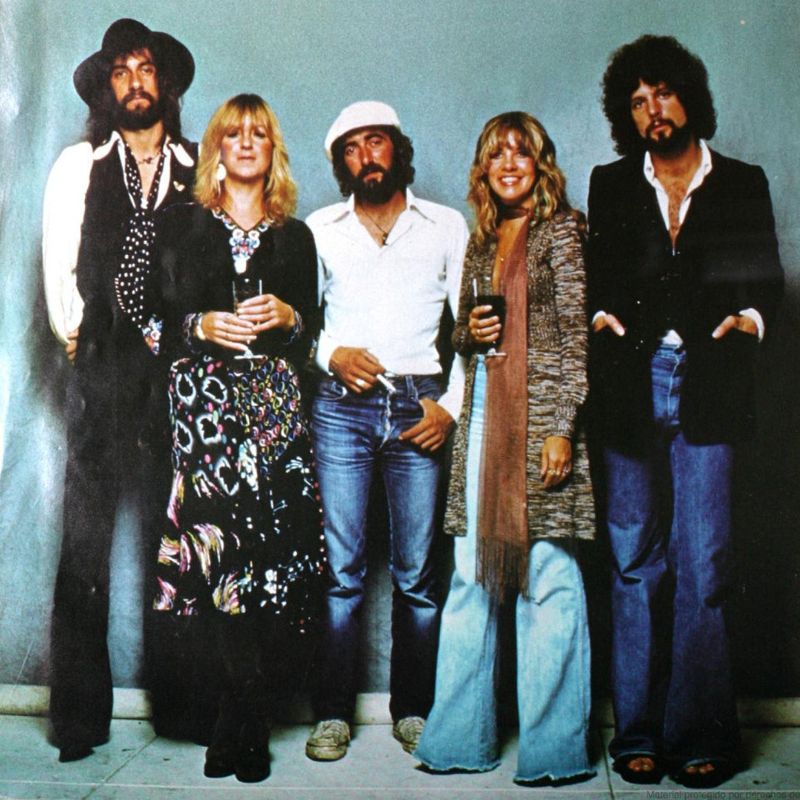
Before 1975, Fleetwood Mac was grinding away as a British blues outfit that most Americans had never heard of.
Everything changed when guitarist Lindsey Buckingham and singer Stevie Nicks walked through the door.
Their California sound brought sunshine and harmonies that turned the band into superstars overnight.
The album Rumours became one of the biggest sellers in music history, packed with hits that still play on radio today.
Nicks’ mystical stage presence and Buckingham’s guitar work created something nobody expected from a blues band.
Their personal drama fueled incredible songwriting that connected with millions of fans worldwide.
2. Genesis – Phil Collins Takes the Microphone
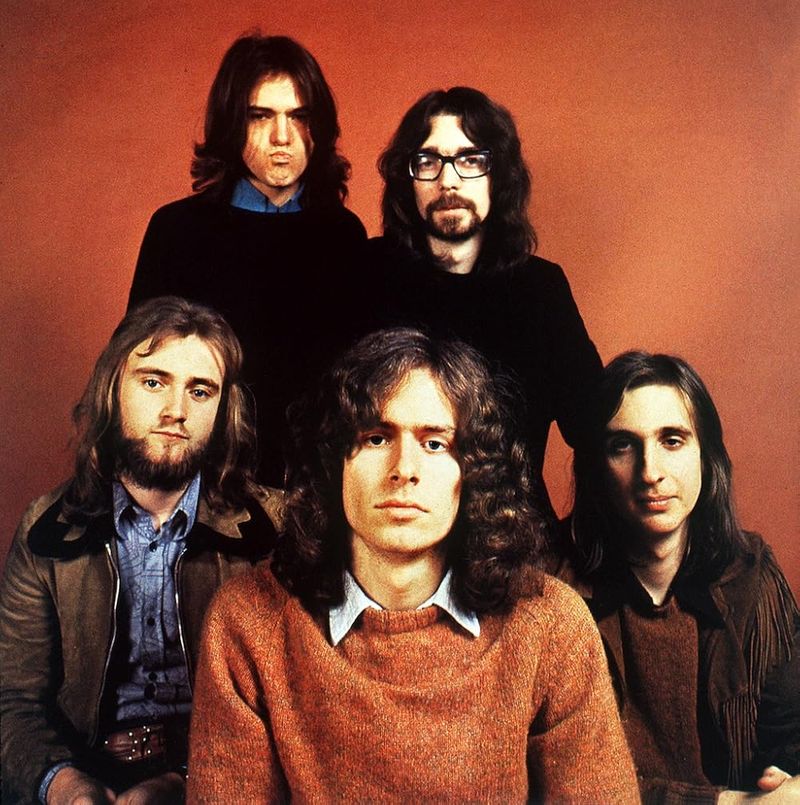
When Peter Gabriel left Genesis in 1975, fans worried the progressive rock giants were finished.
Drummer Phil Collins stepped up to sing, and nobody could have predicted what happened next.
Collins transformed Genesis from art rock experimenters into chart-topping pop sensations.
His voice gave the band mainstream appeal they’d never enjoyed before, leading to massive hits like “Invisible Touch.”
The shift wasn’t subtle – gone were the 20-minute epics and costume changes.
Instead, radio-friendly songs with catchy hooks dominated their albums throughout the 1980s, bringing them commercial success that dwarfed their earlier work.
3. AC/DC – Brian Johnson’s Thunderous Arrival

Tragedy struck AC/DC in 1980 when beloved vocalist Bon Scott died unexpectedly.
The Australian rockers faced an impossible choice: quit or find someone who could fill those massive shoes.
Brian Johnson’s raspy, powerful voice brought raw energy that honored Scott’s legacy while pushing the band forward.
His debut album Back in Black became one of the best-selling records ever made, proving doubters wrong.
Johnson’s distinctive screech gave AC/DC a slightly harder edge than before.
Songs like “You Shook Me All Night Long” showed the band could evolve without losing their signature sound.
4. Van Halen – Sammy Hagar’s Keyboard-Driven Era

David Lee Roth’s departure in 1985 left Van Halen without their flashy frontman and party-anthem identity.
Sammy Hagar brought a completely different vibe when he joined as the new singer.
Hagar’s era emphasized synthesizers and more polished production than the raw, guitar-heavy early days.
Albums like 5150 and OU812 topped charts with radio-friendly hits that expanded their audience significantly.
Some longtime fans missed the old wildness, but Hagar’s melodic approach created massive commercial success.
The band sold millions more records and filled stadiums worldwide with their updated sound.
5. Black Sabbath – Ronnie James Dio’s Metal Renaissance
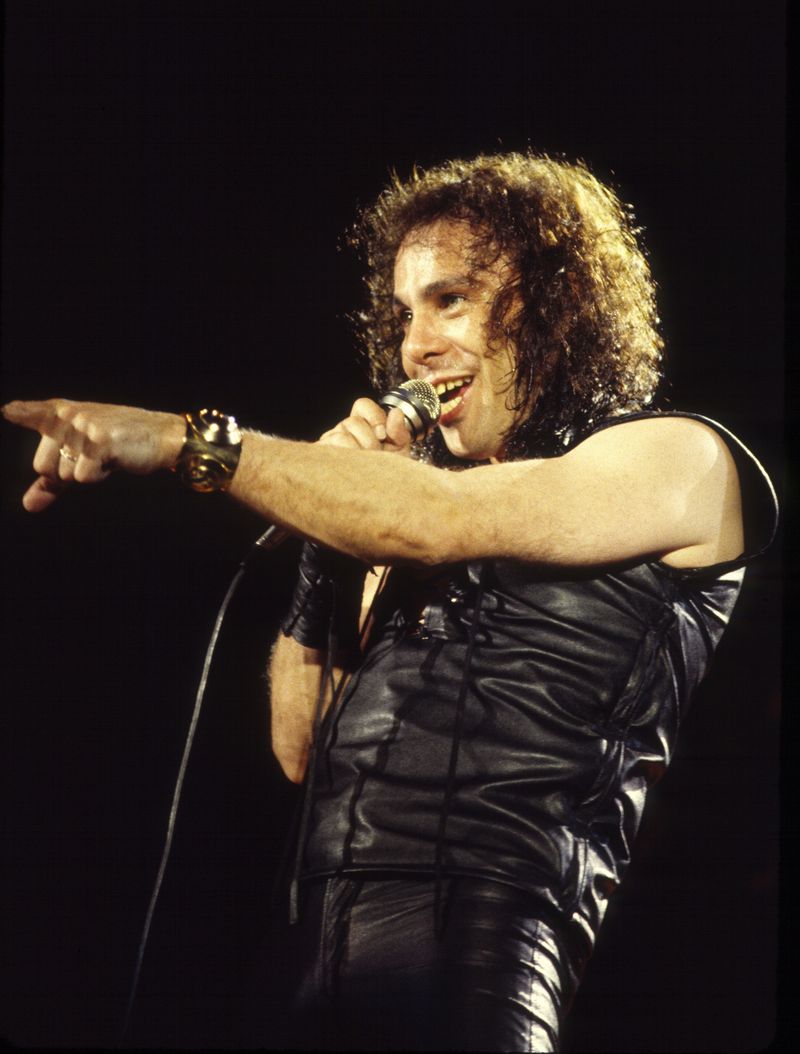
Ozzy Osbourne’s firing in 1979 could have ended Black Sabbath, the band that invented heavy metal.
Instead, Ronnie James Dio arrived with a voice that soared higher than anyone expected.
Dio brought fantasy lyrics and operatic vocal power that contrasted sharply with Ozzy’s darker, simpler style.
Heaven and Hell showcased a more technical, medieval-themed sound that attracted new metal fans.
The change revitalized Black Sabbath when they desperately needed fresh energy.
Dio’s classical influences and Tony Iommi’s riffs created something heavier and more complex than their original work.
6. The Beach Boys – Bruce Johnston Stabilizes the Ship
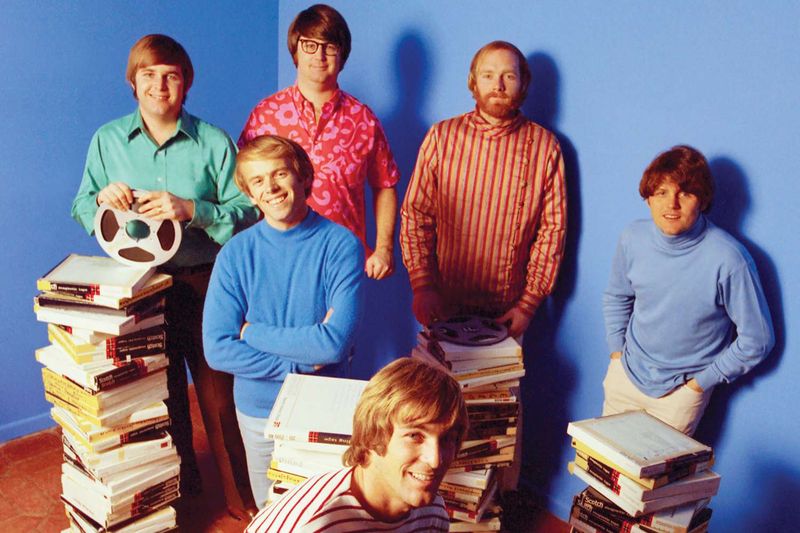
Brian Wilson’s declining mental health in 1965 threatened The Beach Boys’ touring schedule and creative direction.
Session musician Bruce Johnston joined to fill the gap onstage and in the studio.
Johnston’s solid musicianship and songwriting contributions helped maintain their California sound during turbulent times.
He co-wrote hits and provided vocal harmonies that kept the group’s signature blend intact.
While not as dramatic as other transformations, Johnston’s presence allowed The Beach Boys to continue evolving.
His professionalism steadied the band through Brian’s absences and helped them navigate the psychedelic era successfully.
7. Journey – Steve Perry’s Voice Launches Superstardom
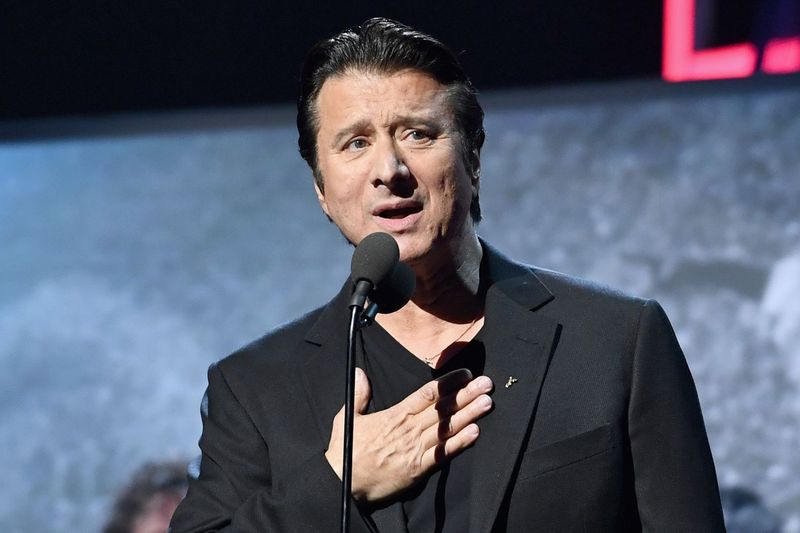
Journey spent their early years as a jazz-fusion instrumental group that confused rock audiences.
Everything shifted when Steve Perry’s incredible voice joined in 1977, turning them into arena rock legends.
Perry’s soaring tenor and emotional delivery transformed Journey into hitmakers with songs like “Don’t Stop Believin’.” His vocal range allowed the band to write more melodic, radio-ready material that connected emotionally.
The change from instrumental jam band to power ballad specialists was total and complete.
Perry’s era made Journey one of the biggest-selling acts of the 1980s, proving that the right singer changes everything.
Comments
Loading…