
 Mary Murphy
Hollywood Boxed Them In—Then These 10 Actors Reinvented Themselves
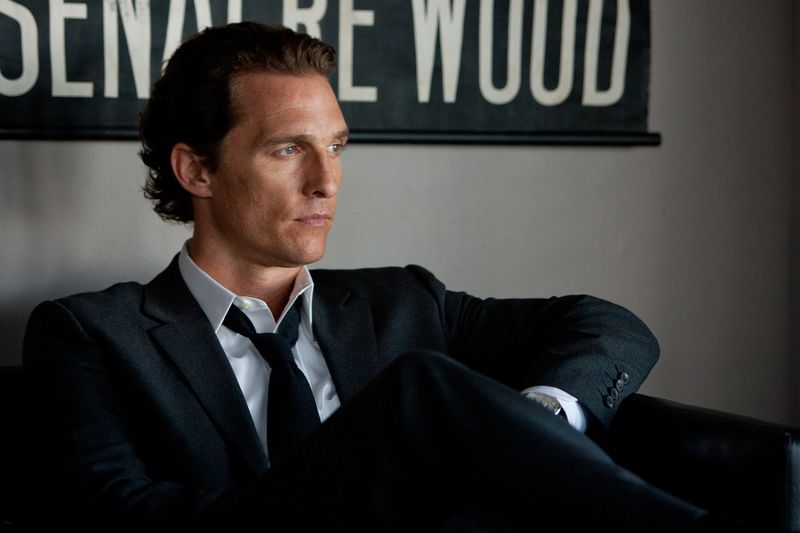
First impressions in Hollywood can be brutally sticky, especially when an actor’s early work gets treated like a permanent label.
Studios love shortcuts, so a “pretty face,” “sitcom dad,” or “comic sidekick” can become a career-long box if nobody challenges it.
What makes the stories below satisfying is that these performers didn’t just wait for better roles to arrive, because they actively steered toward them.
Some refused the easy paycheck lane, while others embraced extreme transformations that made old assumptions impossible to keep.
In each case, the pivot wasn’t random luck, because it was a deliberate choice to chase a niche that fit their real strengths.
These are the actors Hollywood got wrong at first, until the right projects proved they were capable of much more.
1. Bryan Cranston
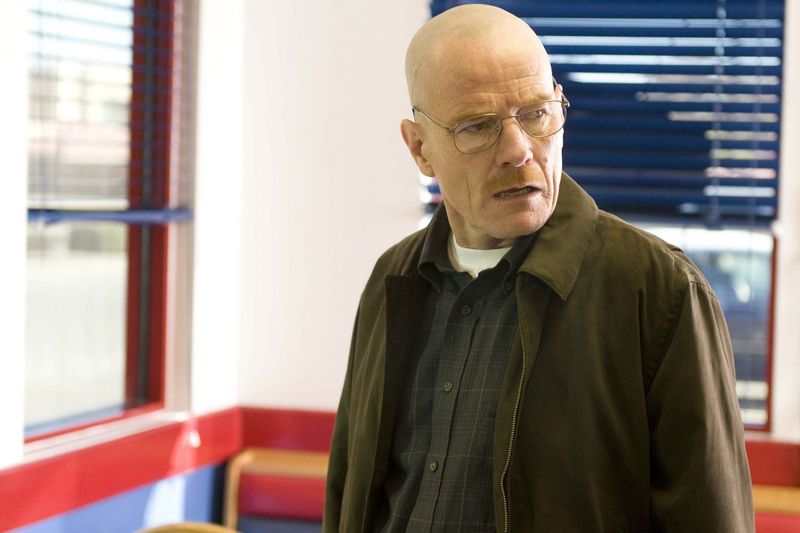
For a long time, his resume suggested he was built for laughs, not for prestige drama that lives and dies on intensity.
The industry tends to treat sitcom success like a ceiling, because familiarity is profitable and risk makes executives nervous.
Instead of fighting the “safe” image directly, he leaned into roles that quietly showed discipline, control, and a darker edge.
That gradual shift paid off when a complex antihero finally gave him room to play contradiction rather than simple likability.
The genius of his reinvention is that it didn’t erase his comedic timing, because it became a tool for tension and unease.
Audiences realized he could turn ordinary moments into dread with nothing but posture, pauses, and precision.
Once that door opened, he stopped being a surprise casting choice and started feeling like a dramatic anchor.
His career proves that being underestimated can become an advantage when you’re patient enough to choose the right showcase.
2. Heath Ledger
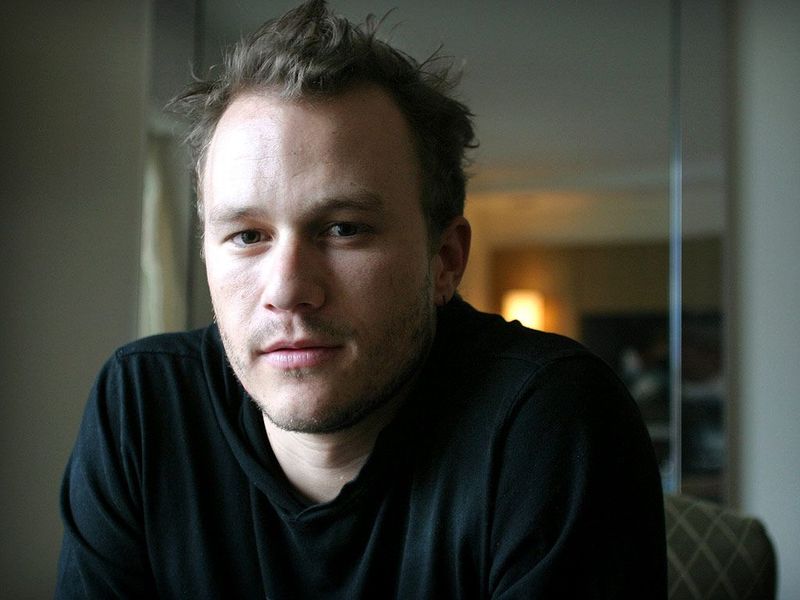
Early marketing pushed him into the heartthrob lane, as if charm and good looks were the only story worth telling.
That kind of packaging can be suffocating, because it invites the industry to hand you the same role with a different title.
Rather than coasting, he chased characters that demanded risk, discomfort, and a willingness to look unpredictable on screen.
Each bold choice chipped away at the easy narrative that he was just a romantic lead with perfect hair.
The turning point came when he embraced roles that centered vulnerability, moral complexity, and emotional honesty.
Later, he doubled down on transformation, showing how far he could disappear into a character’s chaos.
The result wasn’t just critical respect, because it permanently changed what directors imagined he could carry.
His legacy is a reminder that a carefully chosen challenge can rewrite a reputation faster than any publicity campaign.
3. Matthew McConaughey
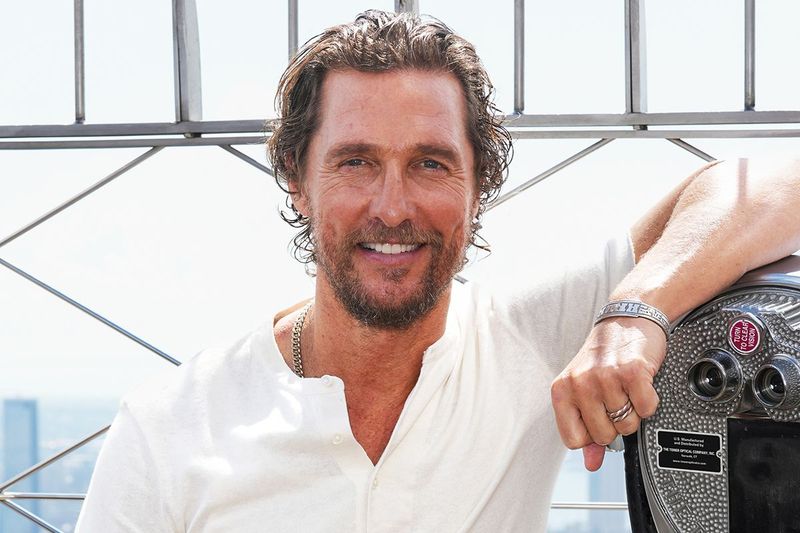
At one point, the industry treated him like a reliable rom-com ingredient, ready to be poured into the same mold again.
That reputation can pay well, but it also narrows your options until you start auditioning for your own clichés.
The pivot happened when he began turning down the obvious offers, even though saying no meant stepping into uncertainty.
By picking smaller, stranger, and sometimes grittier projects, he built momentum toward roles with sharper edges.
He started playing men who felt weathered and searching, where charisma existed alongside regret and internal conflict.
When the right prestige projects landed, the public suddenly saw depth that had been there all along.
Instead of being “the charming guy,” he became the kind of performer who could anchor dread, obsession, and heartbreak.
His reinvention shows how powerful it is to pause the assembly line and choose a new lane with intention.
4. Charlize Theron

For years, many people focused on her beauty first, as if that automatically meant the work couldn’t be transformative.
Hollywood often underestimates actresses who read as glamorous, because it mistakes “camera-ready” for “not serious.”
She broke that assumption by selecting roles that demanded discomfort, physical risk, and a willingness to look unpolished.
Rather than protecting an image, she used it as contrast, making the transformation feel even more dramatic.
When she committed to characters built on pain, anger, and survival, audiences stopped seeing a model and started seeing craft.
Her performances proved that intensity doesn’t require constant volume, because she can radiate threat in stillness.
After that shift, she wasn’t offered “pretty” parts as a default, because directors trusted her with grit and complexity.
Her career is proof that the quickest way out of a shallow narrative is to choose work that refuses to be shallow.
5. Robert Pattinson

After a massive franchise wave, the public conversation around him often reduced his talent to a fan-driven phenomenon.
That kind of fame can distort perception, because people assume popularity must mean limited range.
Instead of chasing blockbuster validation, he moved toward directors and scripts that prized discomfort over polish.
His choices leaned into characters who were frantic, morally messy, or emotionally unreadable, which made him harder to stereotype.
By embracing odd rhythms and unglamorous tension, he built a second identity rooted in risk rather than packaging.
The performances started to feel like a statement, because he consistently prioritized challenge over public approval.
Over time, critics and audiences began talking about his craft instead of his tabloid-level fame.
His path shows that you can outgrow a label by stacking enough daring work that the old narrative simply stops fitting.
6. Robin Williams

Even with undeniable talent, his early image was so comedic and high-energy that many doubted he could do quiet pain.
Hollywood loves simple categories, so the idea of a “serious” version of him seemed impossible to some gatekeepers.
He proved them wrong by dialing down the fireworks and letting stillness carry the emotional weight.
When he played mentors, loners, and wounded souls, the comedy didn’t vanish, because it became a bittersweet undertone.
That contrast made his dramatic roles hit harder, since laughter and grief felt like neighbors rather than opposites.
Audiences realized he could communicate heartbreak with a glance, a pause, and carefully measured softness.
Once that range was visible, he stopped being a comedic exception in drama and became a true dramatic contender.
His career reminds us that the strongest performers aren’t one thing, because they know how to translate their gifts into new keys.
7. Steve Carell
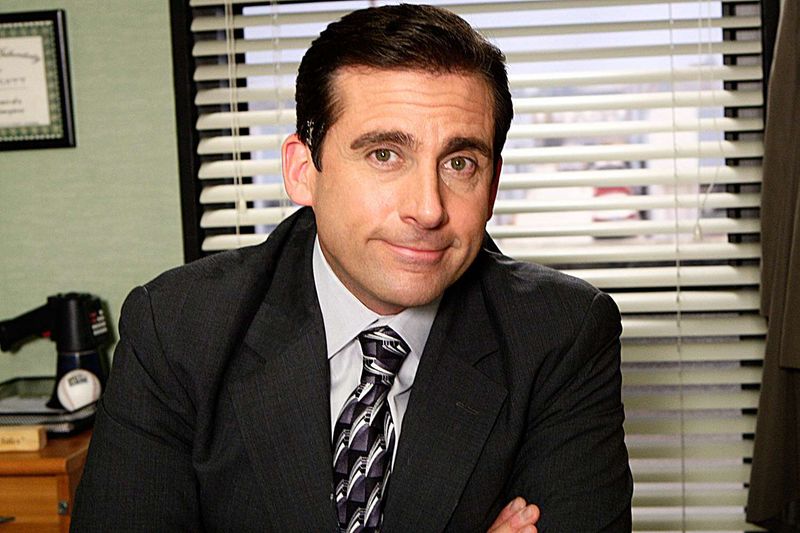
For a while, his reputation was built on awkward laughs and comedic discomfort, which made drama seem like a strange bet.
Typecasting happens fast when a persona works, because studios prefer repeating success to discovering new dimensions.
He rewired expectations by choosing roles where restraint mattered more than punchlines and where silence created pressure.
Instead of chasing likability, he explored characters who were controlling, insecure, or emotionally sealed off.
That shift made his familiar mannerisms feel unsettling, since the same energy that once read funny now read dangerous.
When audiences saw him commit to darker material, the “comic actor” label started to feel incomplete.
He gained credibility not by abandoning comedy, but by showing how comedy and cruelty can share the same human wiring.
His reinvention proves that a well-timed against-type role can reveal a dramatic toolset people never bothered to look for.
8. Jason Bateman
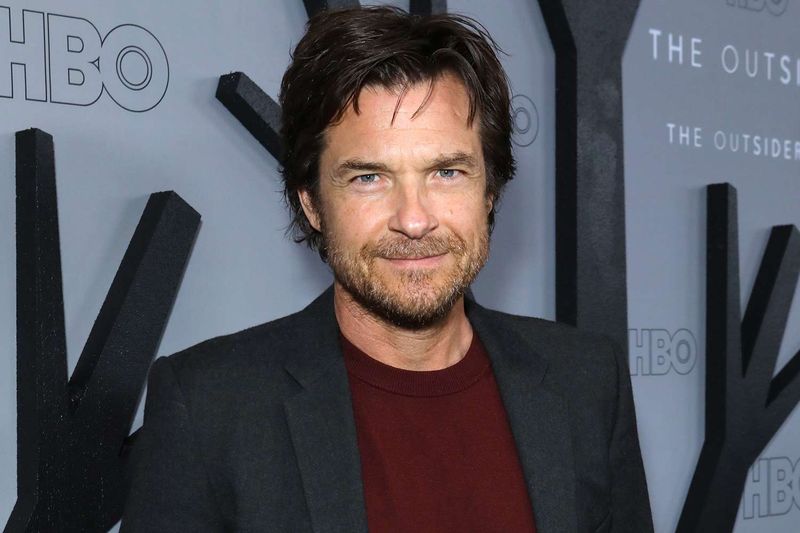
For decades, his brand felt like effortless likability, the kind that makes executives think you should never change the formula.
That convenience becomes a trap, because “reliable” can quietly turn into “predictable” if you aren’t careful.
He shifted the frame by leaning into stories where normalcy is a mask and decency is constantly being negotiated.
The performances worked because he kept the calm surface, while letting panic and compromise flicker underneath it.
When he played characters sliding into ethical gray zones, audiences recognized a sharper edge behind the familiar charm.
His delivery became a weapon, since understatement made the darkest moments feel more plausible and therefore more chilling.
That rebrand opened space for him as a dramatic lead, not just the guy who steadies a comedy ensemble.
His career shows that you don’t always need a new face, because sometimes you just need a new shadow behind it.
9. Chris Evans

Long before prestige praise followed him, he was often pegged as the handsome jock type with a limited emotional range.
Those early roles can stick, because casting directors assume your face tells the whole story before you speak.
He changed course by leaning into grounded sincerity, building a screen presence that felt steady instead of flashy.
That restraint made him believable as a moral center, which is harder than it sounds in big, noisy franchises.
After establishing trust, he began taking sharper turns that played against the “good guy” image people had settled on.
Watching him toggle between earnestness and arrogance made it clear he wasn’t trapped in one note.
The key was strategic contrast, because he used audience assumptions as a setup and then flipped them.
His arc proves that controlling your brand doesn’t mean staying safe, because the smartest move is often choosing when to subvert it.
10. Melissa McCarthy
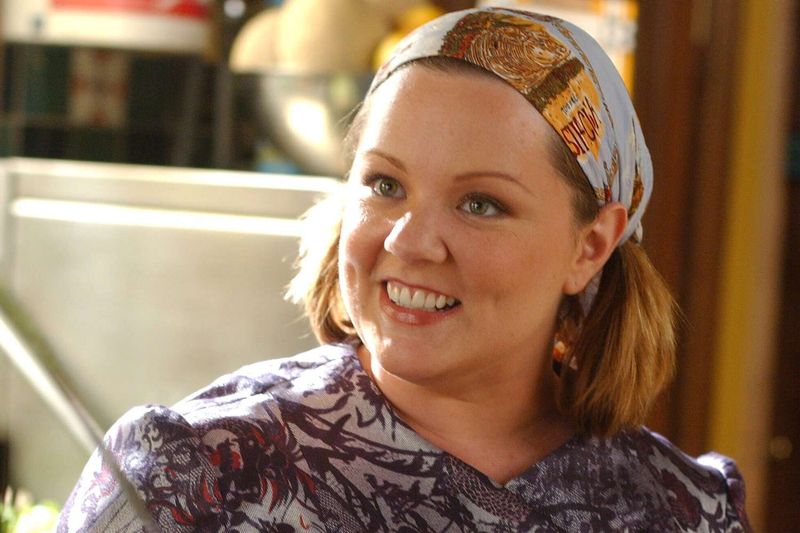
Before leading roles arrived, she was frequently treated as the funny friend, as if her job was to boost someone else’s story.
That’s a common Hollywood pattern, because bigger women are too often offered “comic relief” instead of full humanity.
She pushed back by owning physical comedy with real confidence, turning scenes into showcases rather than side moments.
Once she proved she could carry a film’s energy, she used that leverage to explore characters with sharper emotional shading.
Her best work balances absurdity and vulnerability, which makes the comedy feel earned instead of cartoonish.
When she stepped into dramatic material, the power came from honesty, not from trying to look “serious.”
Audiences realized the range had always been there, because timing and emotion are closely related skills.
Her career is a reminder that being underestimated can become fuel when you refuse to play small in the roles you’re given.
Comments
Loading…