
 Harper Hall
From Transplants to Toupees: 10 Male Celebs Who Cover Hair Loss
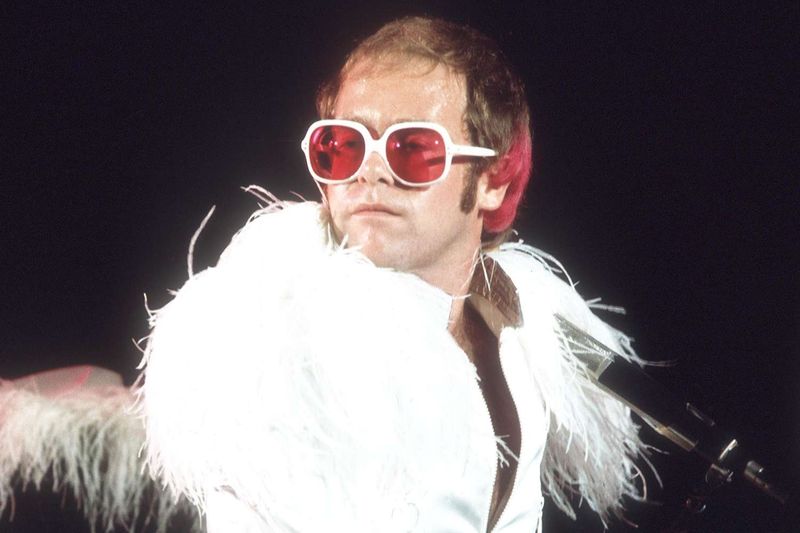
Hair loss is common, but fame can make it feel like something you have to “manage” in public.
Some stars choose to shave it all off, while others quietly try transplants, wigs, hairpieces, or styling tricks to keep a fuller look.
This list sticks to men who have publicly discussed getting hair restoration or wearing hairpieces, instead of relying on pure rumor.
It’s less about mocking anyone and more about showing how normal it is to want control over your appearance.
A sharper hairline can change how someone reads on camera, especially when high-definition closeups catch everything.
Here are ten well-known men who’ve addressed the topic themselves and proved the stigma is way overblown.
1. John Cena
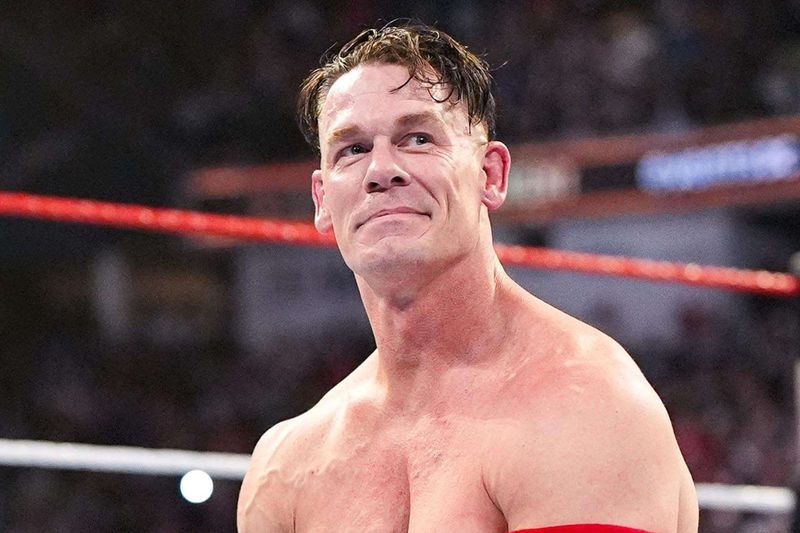
Pressure can hit differently when thousands of people are staring at you under arena lights every week.
He spoke openly about getting a hair transplant after fans fixated on a thinning spot and turned it into a running joke.
Instead of pretending it didn’t bother him, he described the decision as something he did for confidence and peace of mind.
The most relatable part is how he framed it as a normal response to repeated comments, not a dramatic reinvention.
He also explained that results take time, which is a refreshing contrast to “overnight transformation” expectations online.
By talking about it publicly, he shifted the conversation from shame to “this is just maintenance.”
For a guy known for toughness, the honesty landed as surprisingly human and oddly reassuring.
2. Joel McHale
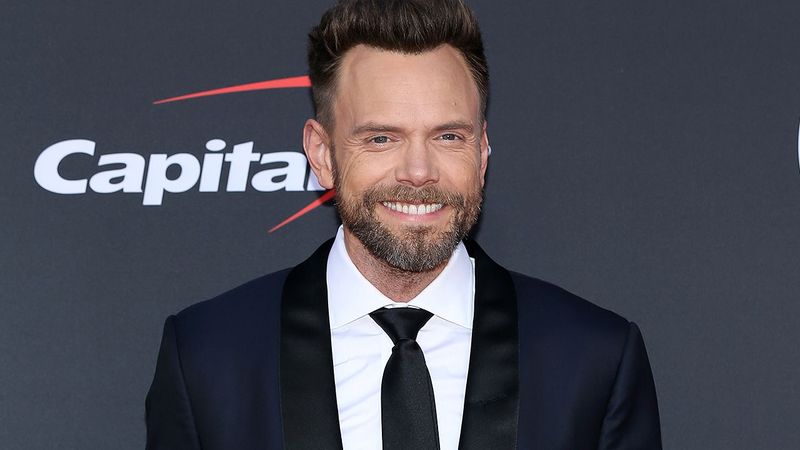
Hollywood grooming can be relentless, especially for actors whose careers depend on being camera-ready year after year.
He has joked and talked in interviews about undergoing multiple hair transplants across his career.
The humor works because he doesn’t treat it like a scandal, but rather like a practical fix for something genetics started.
He’s also a good example of how subtle work can become part of a signature look without screaming “procedure.”
When men claim they “did nothing,” it can create a fake standard, and his openness cuts against that.
It also highlights how common cosmetic upkeep is behind the scenes, even for people you assume are effortlessly polished.
In the end, the story isn’t vanity so much as adapting to an industry that rewards a consistent image.
3. Jason Alexander
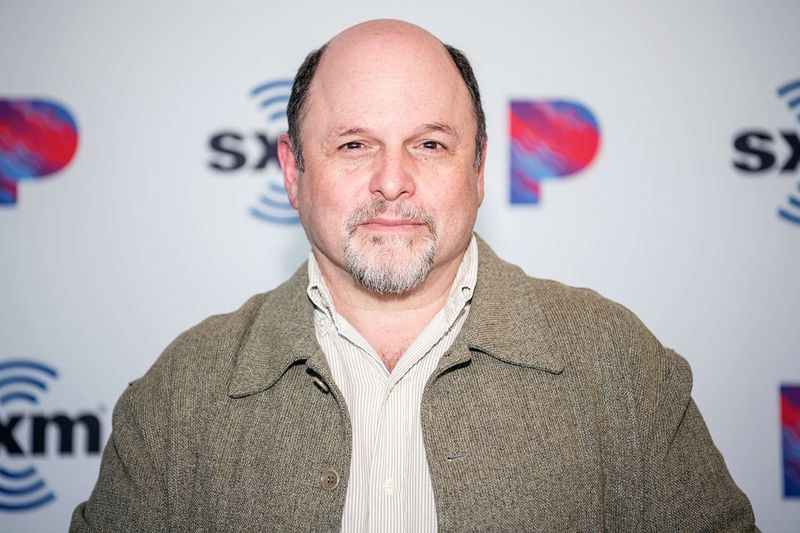
Sitcom fame has a way of freezing your appearance in the public’s mind for decades.
He has acknowledged wearing a hairpiece, which surprised some fans who assumed the change was natural regrowth.
What makes his situation interesting is that it’s not about trying to look twenty-five again, but about control and presentation.
A hair system can be a straightforward solution when you want a specific look for performances, events, or photos.
He handled it with candor, which matters because hairpieces are often treated like a punchline for men.
Once he said it out loud, it reframed the whole thing as a simple wardrobe choice rather than a secret shame.
That kind of transparency makes it easier to see the person instead of obsessing over the hairline.
4. Sean Connery
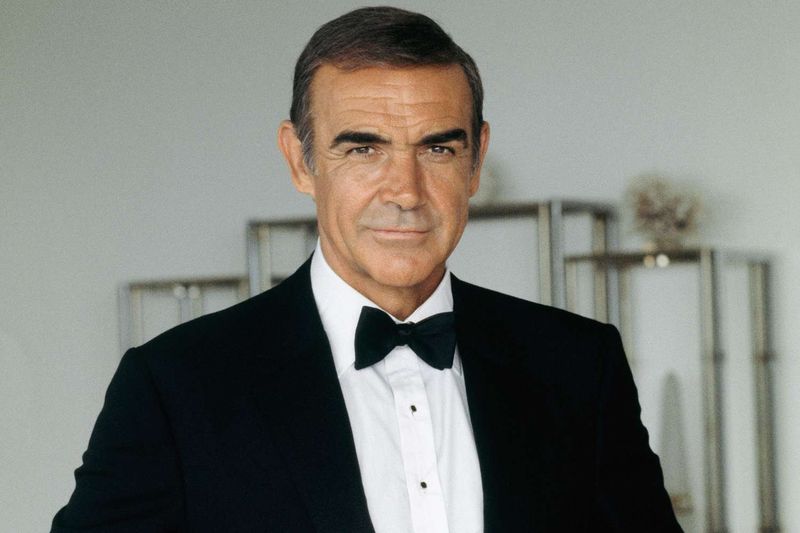
Movie stardom used to demand a very specific kind of “leading man” silhouette, even when reality disagreed.
He discussed wearing toupees on screen during his James Bond era, while personally disliking how they felt.
The detail that stood out was how practical the complaint sounded, because he focused on comfort and performance, not insecurity.
On set, a hairpiece can be less about ego and more about matching a character’s look from scene to scene.
Off camera, he was known for being less interested in vanity, which made the contrast even more memorable.
His experience also shows that “classic” masculinity in old Hollywood often included hidden cosmetic help.
Even the original 007 had some behind-the-scenes assistance, and the legacy didn’t suffer one bit.
5. Elton John
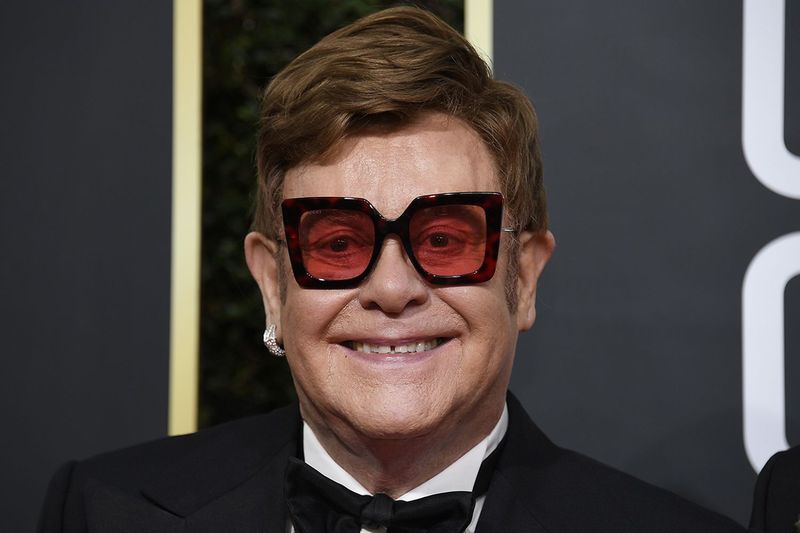
Image has always been part of the stage persona, especially when your look is as iconic as your music.
He has written and spoken about dealing with hair loss, including trying transplants and later relying on wigs.
Rather than presenting it as a single fix, his story reflects trial, error, and adapting as time went on.
That’s a reality most people relate to, because appearance changes rarely follow a neat, linear plan.
For him, hair became another creative element, like glasses or costumes, that helped complete the full performance package.
The bigger takeaway is that he didn’t treat hair loss as a moral failure, just an annoying practical problem.
His openness helped normalize the idea that wigs can be style tools, not something to hide in embarrassment.
6. Jimmy Carr
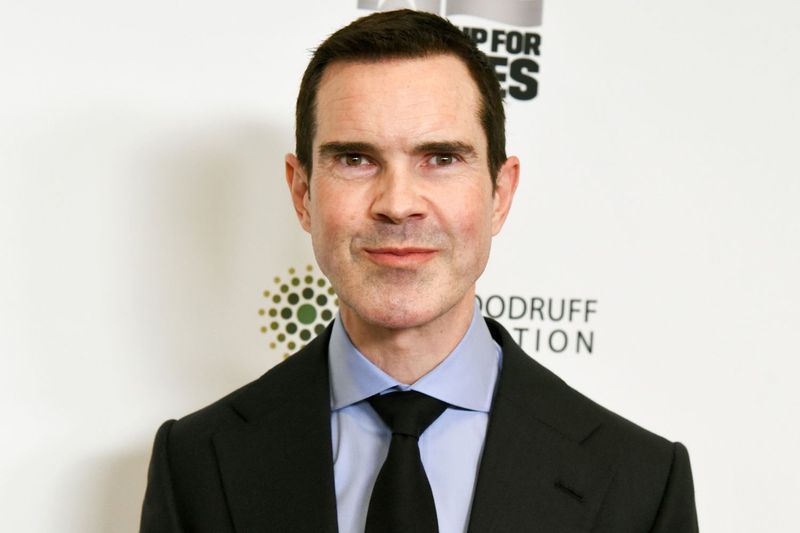
Comedy can be brutally honest, and he’s used that honesty on himself as much as anyone else.
He has talked about getting a hair transplant and framed it as a direct response to not liking how he looked.
The self-deprecating delivery makes the point without turning it into a melodrama or a fake “men don’t care” pose.
In a strange way, jokes can be a softer path to transparency, because they remove the tension from the topic.
His story also fits a broader pattern where male grooming becomes “acceptable” only when it’s wrapped in humor.
The more useful angle is that he treated hair restoration like any other upgrade people choose when they have the means.
It’s a reminder that confidence isn’t always natural, and sometimes it’s something you decide to invest in.
7. Joey Fatone
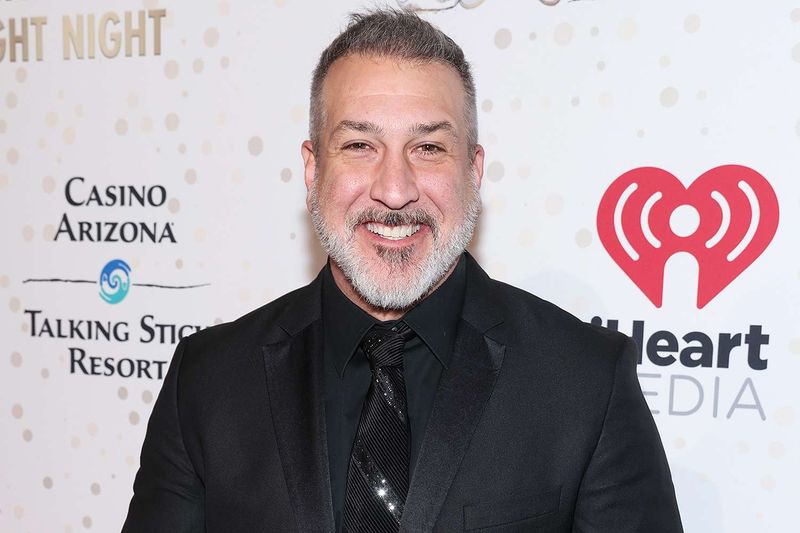
It’s easy to assume boy-band fame comes with effortless hair, but aging changes the equation for everyone.
He has shared that he got hair plugs and explained how temporary cover-up products became a frustrating routine.
That detail is telling, because maintenance can feel like a job when you’re constantly on camera or doing appearances.
By describing the process plainly, he made it clear that plenty of men do these things, they just rarely announce it.
He also pushed back on the idea that cosmetic work is only “for women,” which is a tired double standard.
The most relatable part is that the motivation sounded practical, like reducing hassle while feeling better in photos.
His candor turned a traditionally “secret” topic into a normal conversation about choices and confidence.
8. A.J. McLean
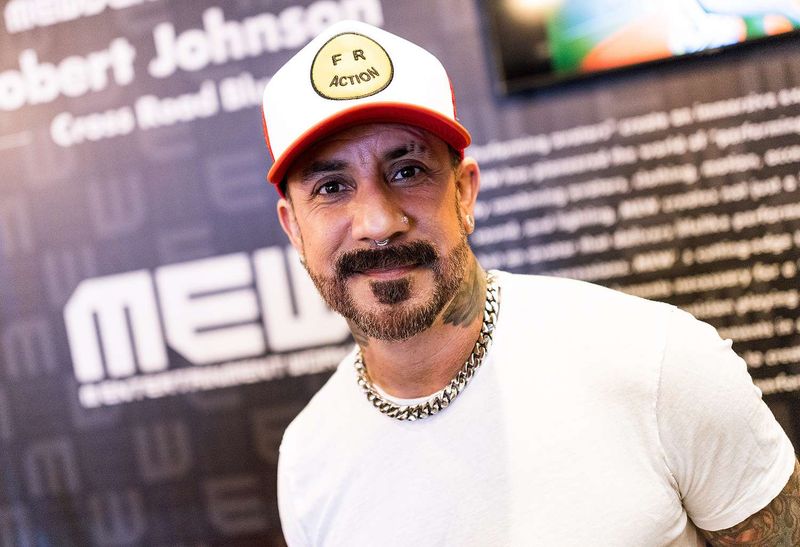
Public reinvention has been part of pop careers forever, and hair is one of the fastest ways to signal change.
He has shared that he had a hair transplant, leaning into the reveal rather than acting like nothing happened.
That attitude matters, because it shifts the story from “got caught” to “I chose this, and I’m fine with it.”
For performers, a hairline can become part of the brand, and restoring it can feel like reclaiming an old identity.
He also showed how fans can respond positively when the tone is honest instead of defensive or evasive.
The bigger point is that insecurity doesn’t make someone weak, and addressing it doesn’t make someone fake.
When celebrities normalize the reality, it makes everyday people feel less alone in their own mirror struggles.
9. Marc Jacobs
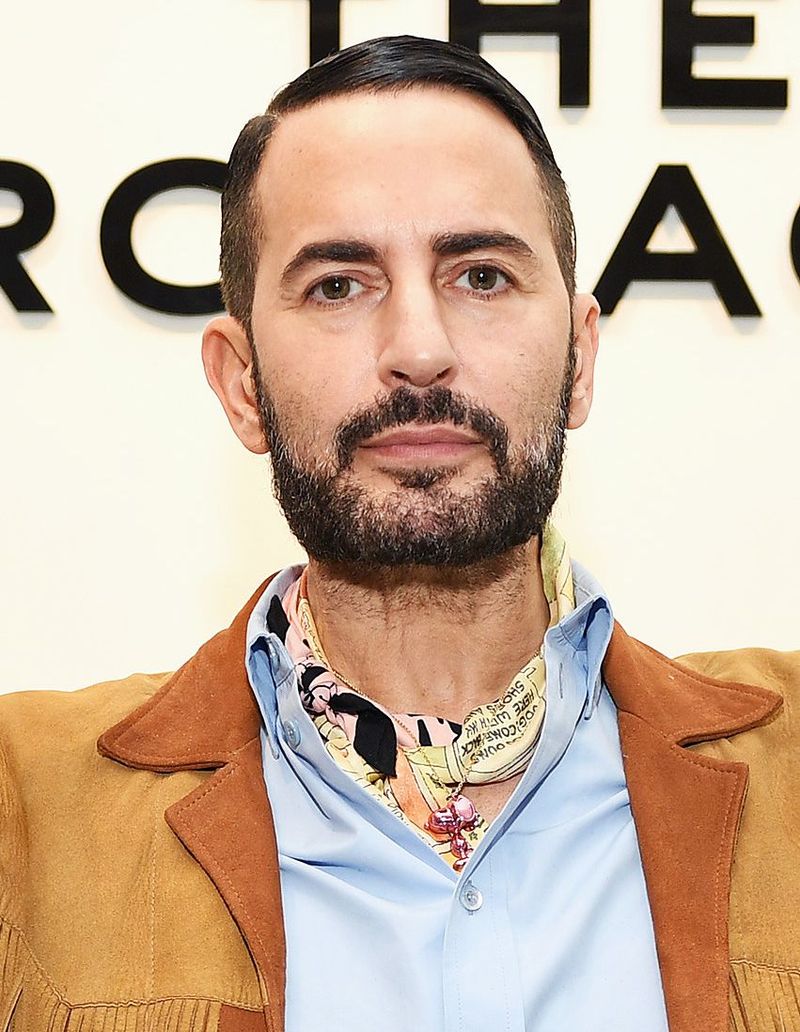
Fashion runs on image, so it’s not surprising when designers treat their own look as part of the work.
He has spoken about getting a hair transplant, and his broader reputation is built on being unusually transparent.
That transparency is refreshing in a world where people pretend their glow-ups are just water, sleep, and good lighting.
He framed the conversation in a matter-of-fact way, as if personal upkeep is simply another creative decision.
There’s also a practical element, because public photos last forever, and the fashion spotlight can be unforgiving.
By admitting to procedures instead of denying them, he undercuts the stigma that men must be “naturally” flawless.
The result is a story that feels less like gossip and more like a candid look at how image culture really works.
10. Boy George
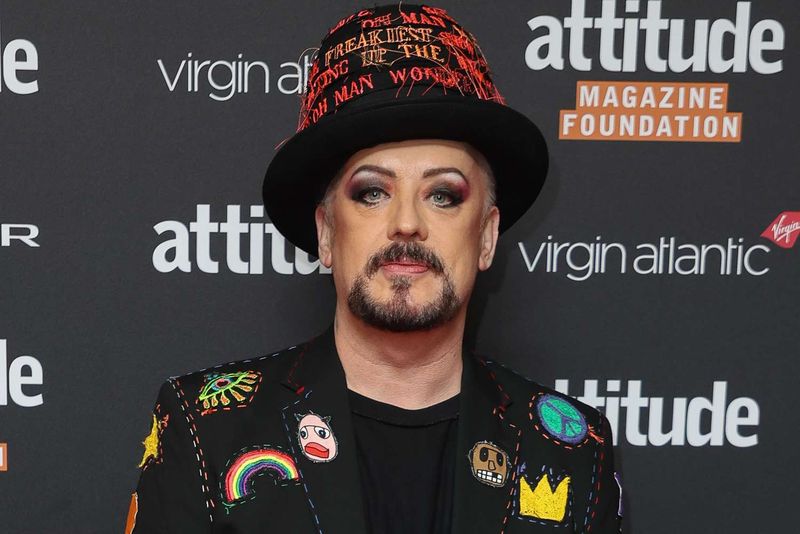
Reinvention has always been central to his identity, so talking about appearance changes fits the larger narrative.
He has discussed having hair transplants in the context of his memoir and interviews tied to that personal storytelling.
What stands out is that he didn’t frame it as a trivial vanity move, but as one part of a bigger self-image journey.
When a public figure admits to cosmetic help, it challenges the idea that authenticity requires leaving every insecurity untouched.
His approach also highlights how hair restoration can be emotional, because hair is tied to age, confidence, and self-expression.
Rather than pretending hair loss never happened, he treated the solution as another chapter in an ongoing transformation.
It’s a reminder that “hiding baldness” is often just someone trying to feel like themselves again in a harsh spotlight.
Comments
Loading…