
 Harper Hall
From Rock to Disco: 15 Bands That Ruled the 1970s Music Scene
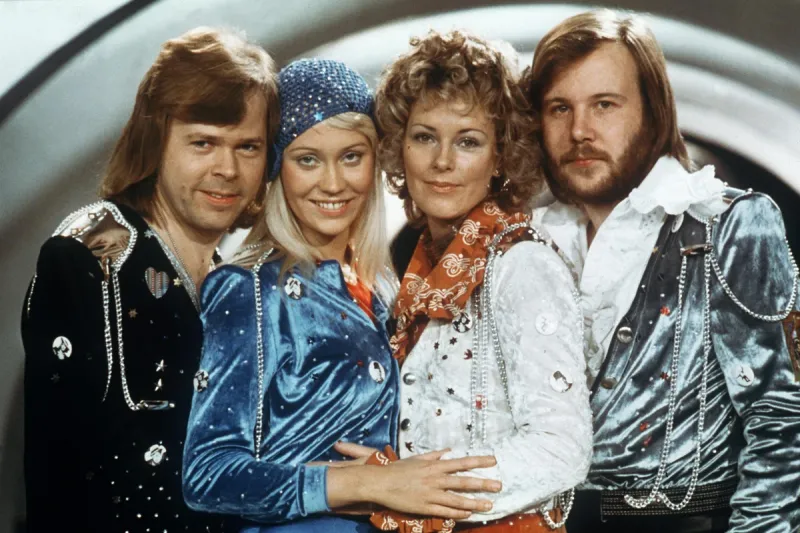
The 1970s was a decade when music exploded in every direction imaginable.
Rock bands pushed boundaries with louder guitars and bigger stages, while disco artists got everyone dancing under mirror balls.
From punk rebels to reggae legends, this era gave us some of the most influential bands in history, each leaving a mark that still shapes music today.
1. Led Zeppelin
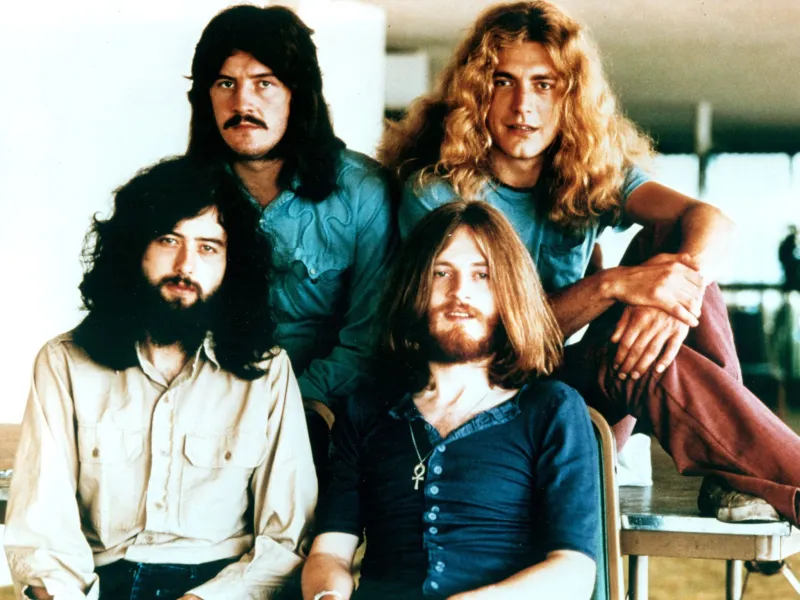
Hard rock reached towering new heights when four British musicians combined blues power with mystical lyrics and thunderous drums.
Their guitar riffs became the soundtrack for a generation, while their live performances turned arenas into temples of sound.
Jimmy Page’s guitar work set standards that players still chase today.
Robert Plant’s voice soared over John Bonham’s explosive drumming, creating songs that felt both ancient and futuristic.
Stadium rock was born from their ambition to play bigger and louder than anyone before.
Their influence flows through countless bands who picked up guitars hoping to capture even a fraction of their raw energy and blues-soaked majesty.
2. Pink Floyd
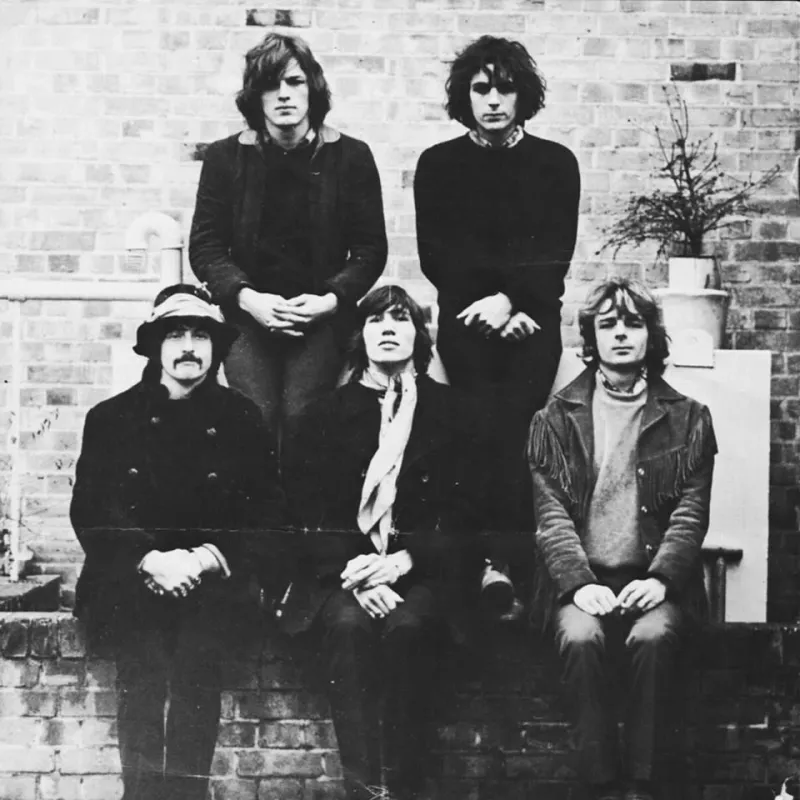
Concept albums became art when this British group decided music could paint pictures and tell complete stories across entire records.
Dark Side of the Moon spent years on the charts, proving listeners craved something deeper than simple pop songs.
Their sound combined synthesizers, philosophical lyrics, and studio wizardry that transformed recording studios into laboratories.
Each album felt like a journey through space, time, or the human mind.
Progressive rock found its champions in musicians who refused to follow traditional song structures.
They showed that albums could be experienced like films, with themes, characters, and emotional arcs that rewarded repeated listening and careful attention.
3. Queen
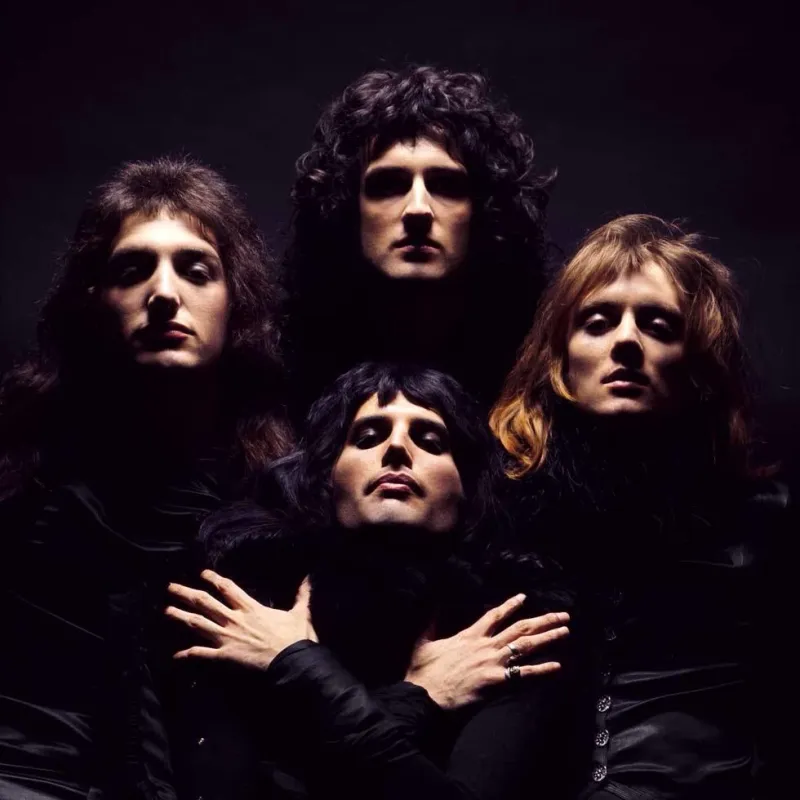
Freddie Mercury’s voice could shake stadiums and break hearts in the same breath.
His band refused to stay in one musical lane, mixing opera grandeur with hard rock crunch and pop catchiness that made radio programmers scratch their heads in delighted confusion.
Bohemian Rhapsody proved songs didn’t need choruses or conventional structures to become anthems.
Brian May’s homemade guitar created sounds nobody had heard before, while the band’s theatrical performances turned concerts into spectacles.
Genre boundaries meant nothing to four musicians who believed every musical idea deserved exploration.
Their legacy lives in countless sports arenas where crowds still stomp and clap to their most famous rhythm.
4. Fleetwood Mac
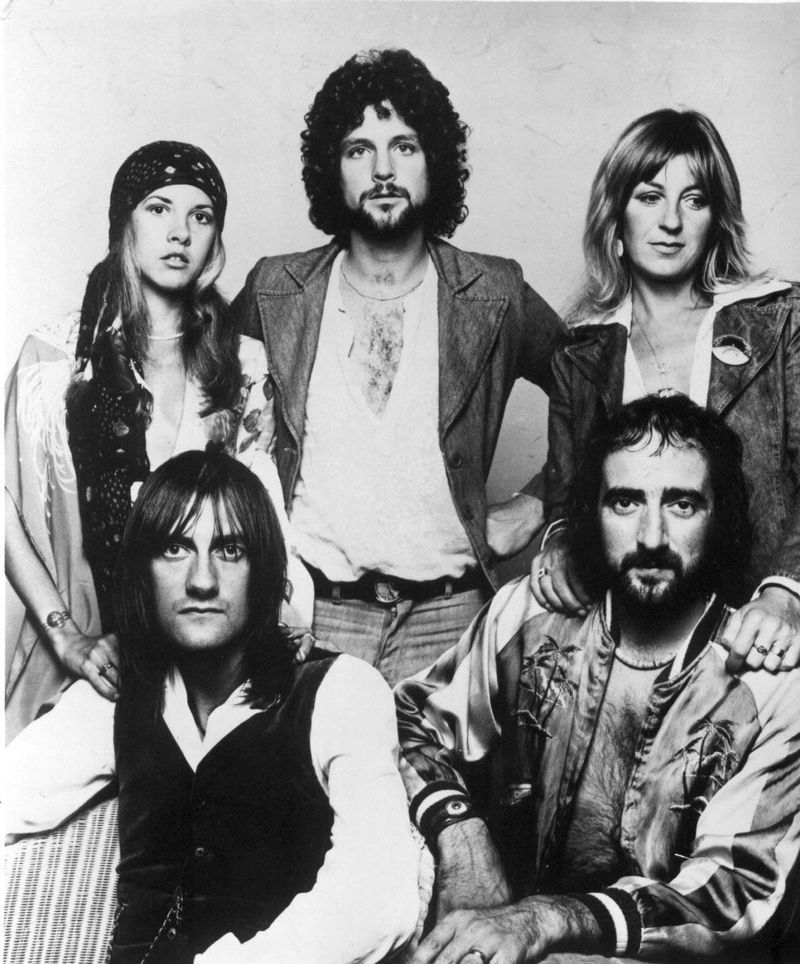
Romantic drama fueled one of the best-selling albums ever made.
Band members sang about their own breakups and heartaches, turning personal pain into polished soft rock that millions found deeply relatable and impossibly catchy.
Rumours captured the sound of California in the late seventies—smooth, slightly melancholic, but always beautiful.
Stevie Nicks and Christine McVie brought distinct female perspectives to a male-dominated rock landscape.
Their harmonies floated over Lindsey Buckingham’s intricate guitar work, creating songs that felt intimate despite massive production values.
Emotional honesty combined with musical sophistication made their work timeless, proving heartbreak sounds better with perfect melodies and crystal-clear recording.
5. The Bee Gees
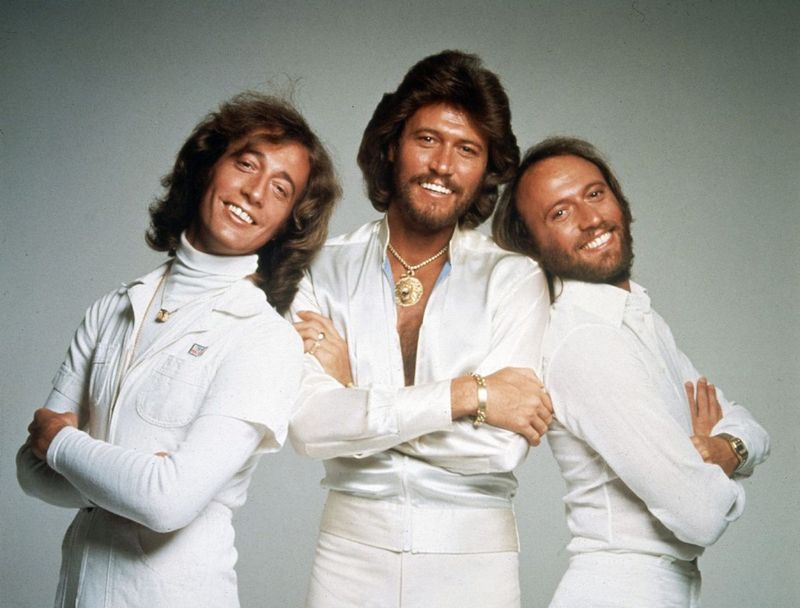
Three brothers from Australia owned the disco era with falsetto harmonies that became the decade’s signature sound.
Saturday Night Fever wouldn’t have conquered the world without their contributions, which turned dance floors into cultural phenomena and made white suits iconic.
Before disco, they wrote thoughtful ballads, but their reinvention showed artistic flexibility few matched.
Their songwriting genius extended beyond their own hits—they crafted chart-toppers for numerous other artists too.
Critics initially dismissed disco as shallow, but these brothers proved dance music could be sophisticated and emotionally resonant.
Their vocal blend remains instantly recognizable, a testament to family harmony in both musical and literal senses.
6. Eagles
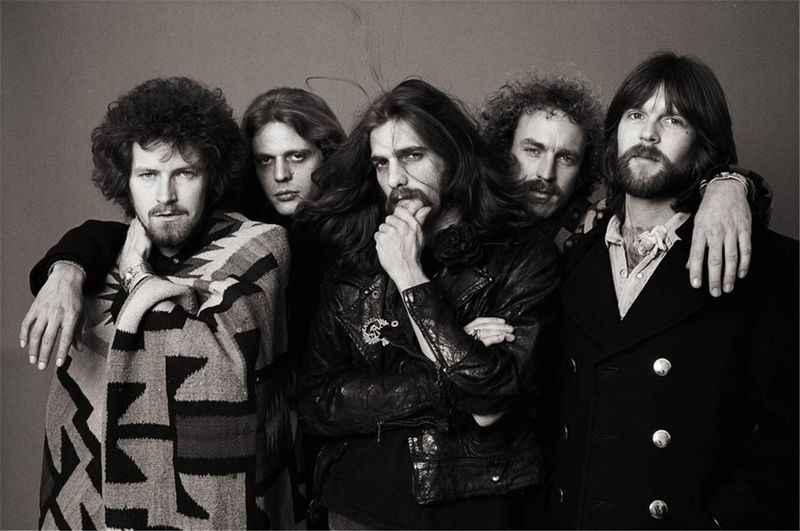
California rock found its perfect expression in five-part harmonies and songs about life in the fast lane.
Their sound captured the laid-back West Coast lifestyle while addressing darker themes lurking beneath the sunny surface of American success.
Hotel California became more than a song—it turned into a cultural touchstone, its guitar solo studied by every aspiring player.
Their meticulous approach to recording created radio-friendly perfection that still dominates classic rock stations.
Commercial success came from balancing accessibility with musical craftsmanship.
Country influences blended seamlessly with rock energy, creating a formula that sold millions of albums and defined what mainstream rock could achieve when ambition met talent.
7. Black Sabbath
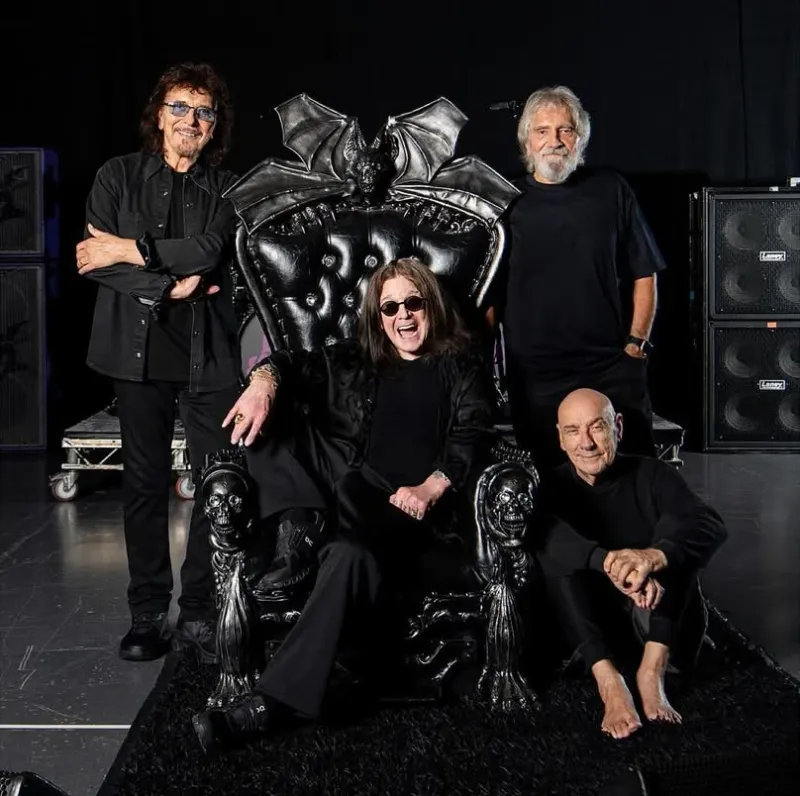
Darkness became musical with crushing guitar riffs tuned lower and played heavier than rock had ever heard before.
Ozzy Osbourne’s haunting vocals warned of war, paranoia, and supernatural forces, while Tony Iommi’s guitar created the blueprint every metal band would follow.
Birmingham’s industrial gloom seeped into their sound, making music that felt dangerous and thrilling.
Parents worried, but teenagers found catharsis in songs that acknowledged life’s scarier aspects instead of pretending everything was sunshine.
Heavy metal was born from their willingness to explore musical territory others avoided.
Their influence echoes through decades of bands who discovered that sometimes the most powerful music comes from the darkest places.
8. The Clash
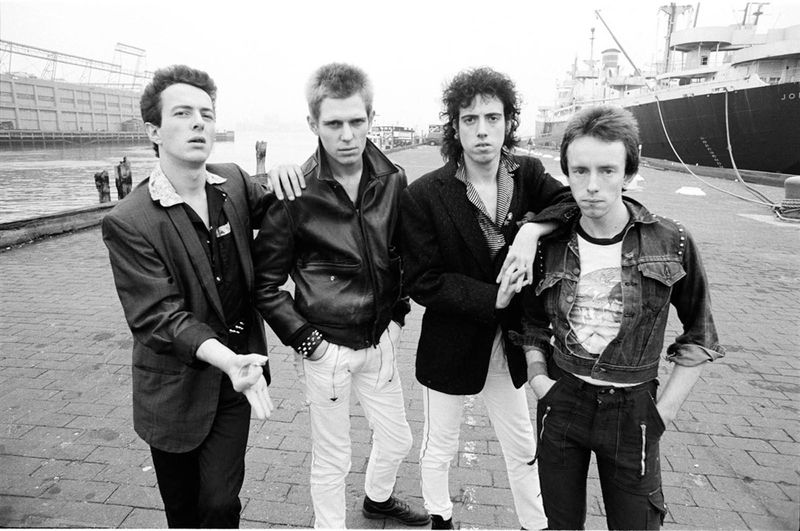
Punk rock grew up when this London band added political fury and musical adventurousness to three-chord simplicity.
They sang about unemployment, racism, and rebellion with urgency that made every song feel like a call to action rather than mere entertainment.
London Calling expanded punk’s possibilities by incorporating reggae, ska, and rockabilly into their sound.
Joe Strummer’s passionate vocals delivered lyrics that mattered, addressing real-world problems with honesty and anger.
Musical experimentation never diluted their message—instead, it amplified their reach.
They proved punk could be intelligent and diverse while maintaining its revolutionary spirit, influencing countless bands who wanted music to mean something beyond catchy hooks.
9. Bob Marley and the Wailers
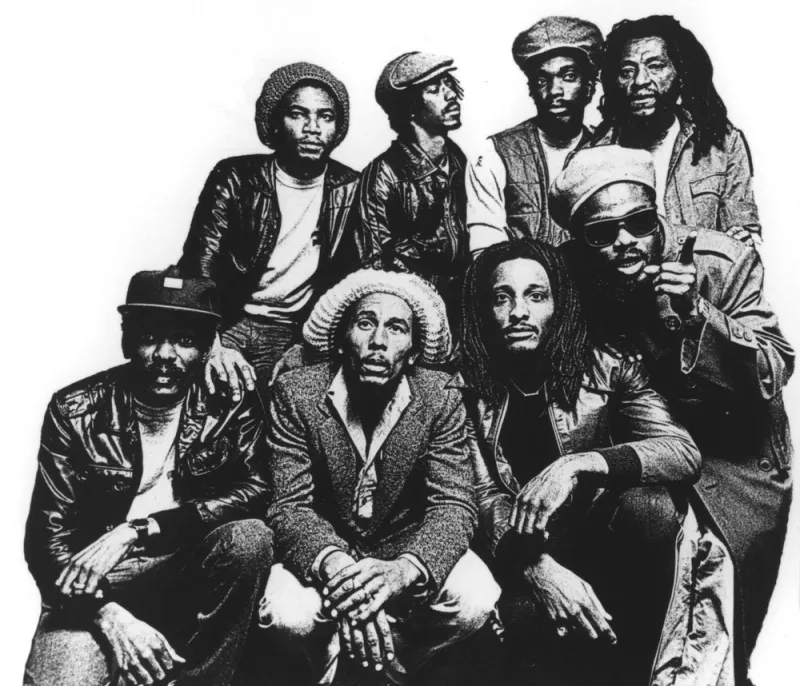
Reggae rhythms carried messages of peace, resistance, and spiritual awakening from Jamaica to every corner of the planet.
Bob Marley’s voice and lyrics made him a global icon, turning a small island’s music into an international language of hope and social justice.
His songs addressed poverty, oppression, and unity with melodies so infectious they transcended language barriers.
The Wailers’ tight musicianship gave his words the perfect musical foundation, blending traditional reggae with universal appeal.
Rastafarian spirituality infused his work with deeper meaning, making concerts feel like gatherings rather than mere performances.
His legacy extends far beyond music into activism and cultural identity for millions worldwide.
10. Blondie
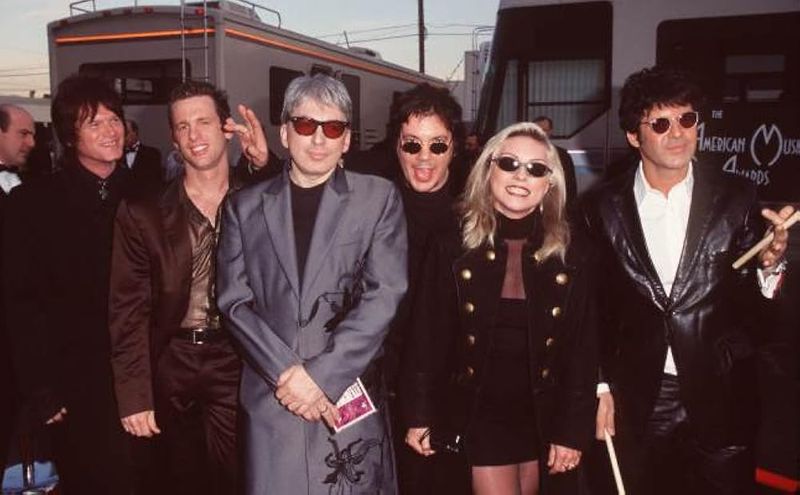
Debbie Harry’s cool charisma fronted a band that refused to pick just one genre.
They mixed punk’s raw energy with disco’s danceability and new wave’s quirky sensibility, creating hits that worked in both underground clubs and on mainstream radio simultaneously.
Heart of Glass proved alternative bands could dominate pop charts without compromising their edge.
Their willingness to experiment with rap and reggae showed musical curiosity that kept them ahead of trends.
New York’s diverse music scene shaped their eclectic approach, making them pioneers who helped alternative sounds break into the mainstream.
Harry became an icon whose influence extended into fashion and attitude as much as music itself.
11. ABBA
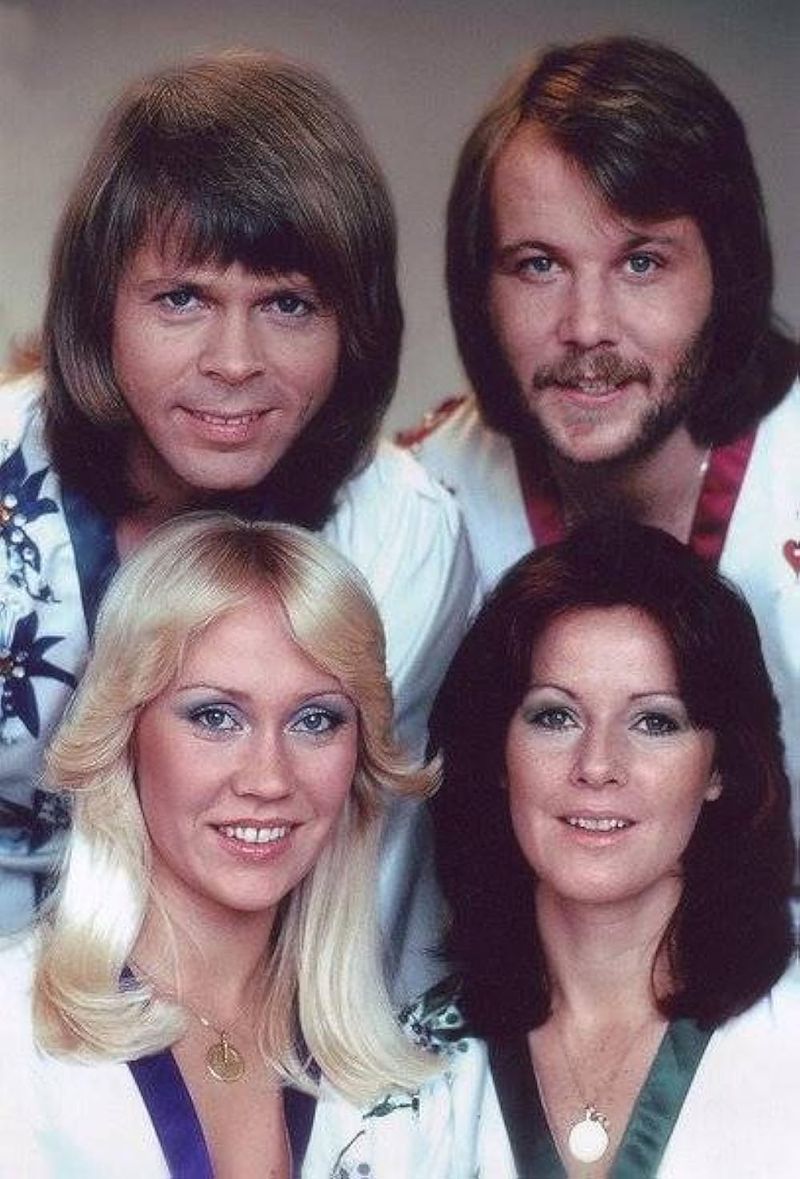
Four Swedes conquered the world with pop songs so perfectly constructed they sound like they were engineered by scientists studying catchiness.
Their melodies lodged in your brain forever, while their lyrics explored heartbreak and joy with emotional depth that transcended language barriers and cultural differences.
Studio production reached new levels of polish in their hands, creating recordings that still sound fresh decades later.
Benny and Björn wrote songs while Agnetha and Anni-Frid delivered them with voices that blended beautifully.
Critics initially dismissed them as lightweight, but time proved their craftsmanship undeniable.
Their influence echoes through modern pop music, and their songs remain beloved worldwide, proving great pop is timeless art.
12. KISS
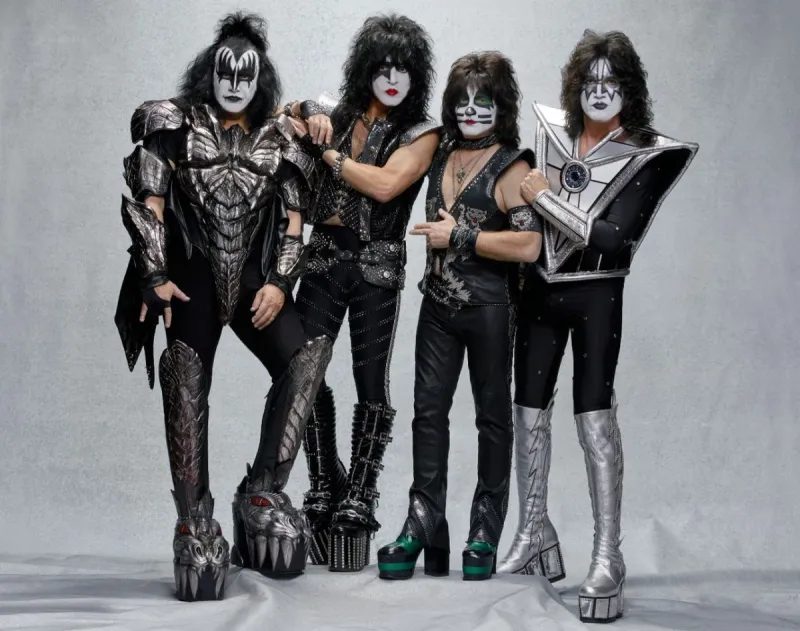
Face paint and platform boots transformed rock concerts into theatrical events where spectacle mattered as much as sound.
Gene Simmons breathing fire and Paul Stanley flying across stages gave fans unforgettable visual experiences that made every show feel like an event rather than just a performance.
Their songs kept things simple and hook-heavy, designed for arena singalongs and fist-pumping.
Marketing genius turned four musicians into comic book characters, each with distinct personas that fans could identify with and collect merchandise featuring.
Critics dismissed them as gimmicky, but millions of fans disagreed, proving that entertainment value and showmanship have legitimate places in rock music.
Their brand became as important as their music.
13. Talking Heads

Art school students brought cerebral energy to punk rock, creating music that made you think while making you move.
David Byrne’s anxious vocals and jerky stage presence captured modern life’s nervous energy, while the band incorporated funk rhythms that gave their intellectualism a danceable foundation.
Their songs dissected suburban anxiety and cultural disconnection with quirky observations and unconventional song structures.
Collaborations with Brian Eno pushed their experimental tendencies into fascinating territory that influenced alternative music for decades.
New wave found some of its most interesting practitioners in musicians who treated rock as a canvas for artistic exploration.
Their influence reaches far beyond their era into modern indie rock and art-pop movements.
14. The Ramones
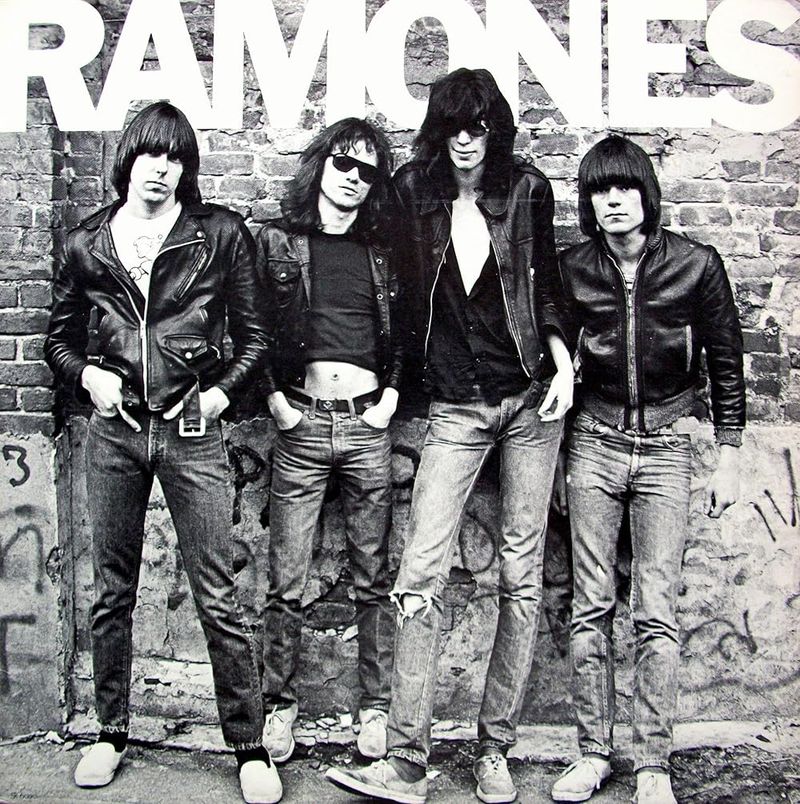
Four guys from Queens stripped rock down to its most basic elements—fast tempos, simple chords, and songs that rarely exceeded three minutes.
Their leather jackets and torn jeans became the punk uniform, while their buzzsaw guitars demolished the notion that rock needed technical complexity to pack a punch.
Every song hit like a sugar rush, immediate and addictive.
They proved you didn’t need expensive equipment or formal training to start a band and change music forever.
Their influence spread globally, inspiring countless kids to form bands and reject mainstream rock’s self-important pomposity.
Punk rock’s entire ethos flows from their simple but revolutionary approach to making music.
15. The Allman Brothers Band
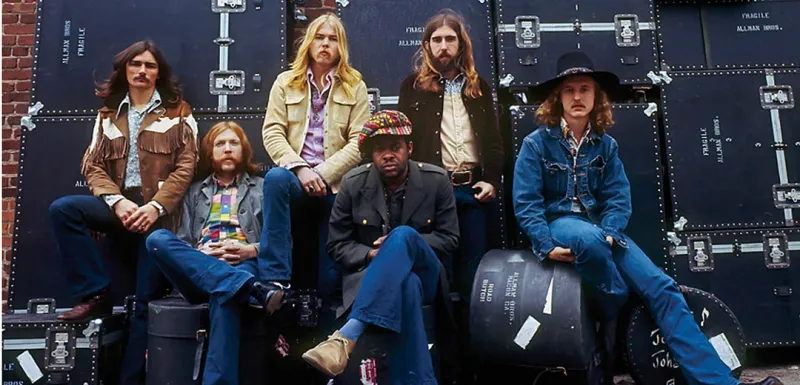
Southern rock reached its peak with extended guitar solos that stretched songs into epic journeys.
Duane Allman and Dickey Betts traded leads in conversations that elevated jamming into an art form, while the rhythm section laid down grooves that could sustain improvisations for twenty minutes or more.
Their live performances became legendary, captured perfectly on albums that showcased their ability to blend blues, jazz, and country into something distinctly American.
Tragedy struck when Duane died young, but the band persevered, continuing to influence jam bands and Southern rock acts.
Musical virtuosity combined with down-home accessibility made them beloved by both critics and fans who appreciated guitar work as craft and passion.
Comments
Loading…