
 Mila Ross
Fashion Icons from Each Decade Whose Style Still Works in 2026
Trends move fast, but great style has a way of circling back with fresh energy.
In 2026, the most wearable looks aren’t the loudest ones, they’re the outfits built on strong silhouettes, smart proportions, and confident simplicity.
That’s why looking at one iconic dresser per decade is so useful, because you can borrow the blueprint without copying the whole costume.
Each of the women below mastered a signature that still translates to modern closets, whether you dress for an office, a school run, or a night out.
Think of this as a shortcut to building outfits that feel current while staying timeless.
As you read, notice the repeating themes: clean lines, intentional accessories, and a clear point of view.
Then pick the pieces you already own and remix them with one small upgrade that changes everything.
1920s: Coco Chanel
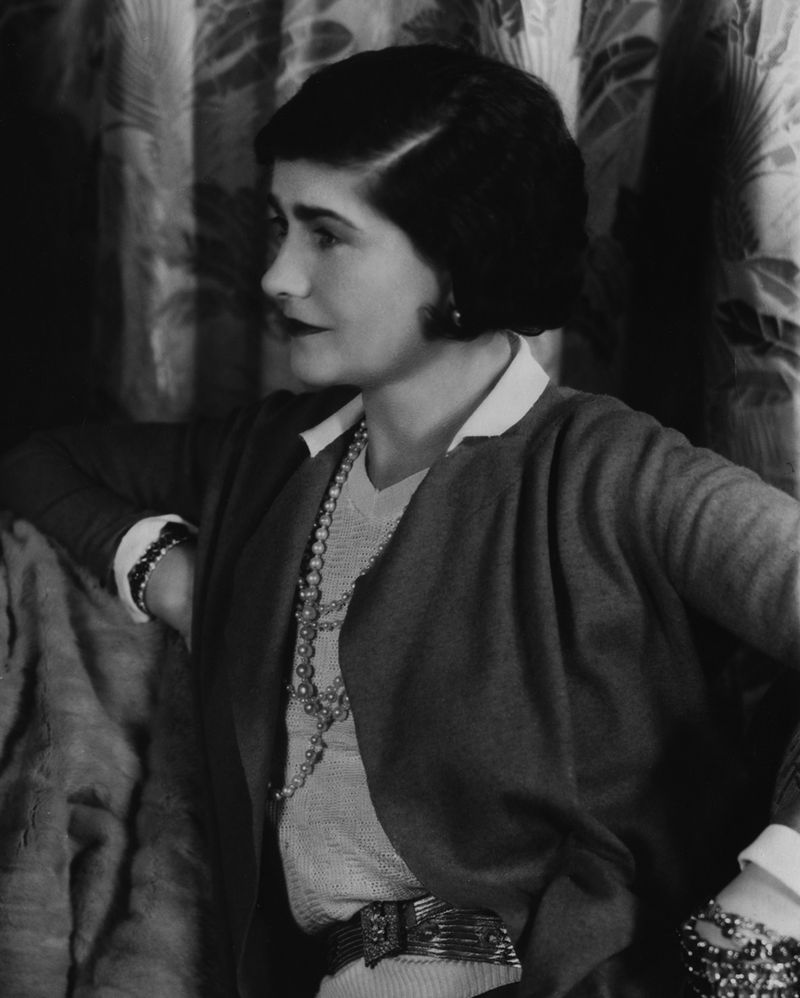
Modern minimalism owes a lot to the way she made comfort look elite.
Instead of dressing for show, she made pieces that moved with the body and still looked polished from every angle.
A straight, relaxed silhouette is easy to wear in 2026 because it balances oversized outerwear and chunky footwear without feeling sloppy.
Her love of tweed, crisp stripes, and neat knits is basically the foundation of the elevated capsule wardrobe.
Pearls also remain a cheat code, because they instantly make denim, a white tee, or a black dress feel intentional.
To borrow the vibe now, pair wide-leg trousers with a fitted knit and one refined accessory, like a chain-strap bag.
Finish with simple hair, clean makeup, and shoes that look classic rather than trendy.
1930s: Marlene Dietrich
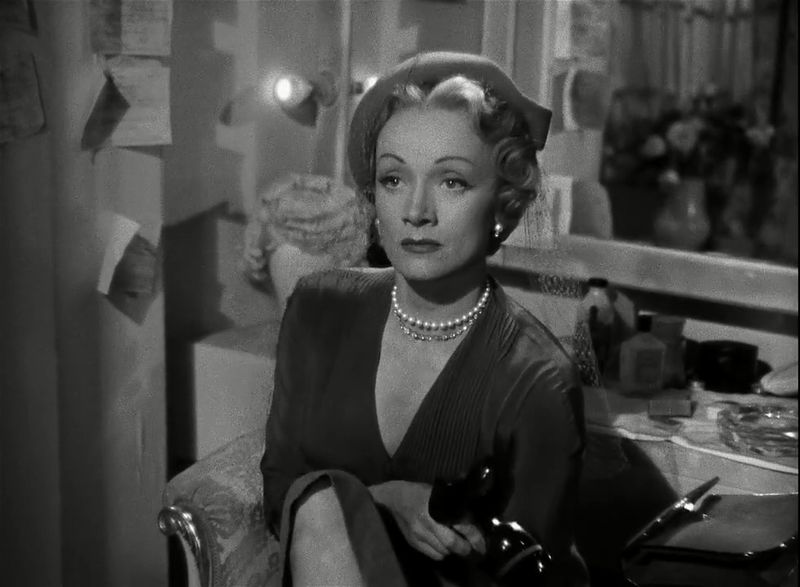
Power dressing didn’t begin with shoulder pads, it began with fearless tailoring.
She proved that menswear-inspired pieces can look glamorous when the fit is sharp and the attitude is calm.
In 2026, that translates perfectly to oversized blazers, structured trousers, and monochrome outfits that feel expensive without trying too hard.
A suit also solves the “what do I wear” problem, because it works for dinners, events, and even casual days when styled with sneakers.
Her style is a reminder that you don’t need a complicated outfit when the lines are clean and the proportions are deliberate.
Try a relaxed blazer over a tank with pleated pants, and keep accessories minimal but high quality.
If you want extra drama, add a bold lip or a sleek bun and let the tailoring do the talking.
1940s: Lauren Bacall
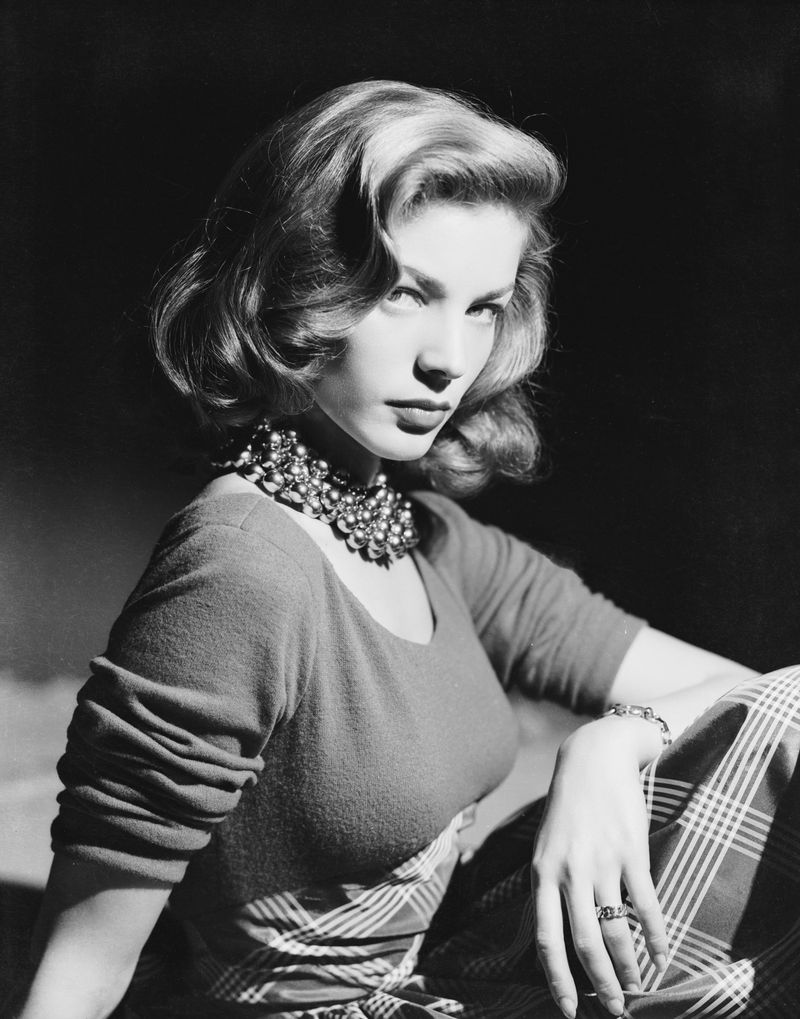
That cool, composed elegance still reads modern because it’s built on structure, not fuss.
She leaned into sharp collars, tailored jackets, and clean separates that photographed well and wore even better in real life.
Those pieces are everywhere again in 2026, especially as people return to polished basics after years of ultra-casual dressing.
A great coat, a crisp blouse, and well-fitted trousers create instant authority without needing flashy labels.
The secret is contrast, because a strong shoulder or defined waist looks even better when the rest of the outfit stays simple.
Copy the formula with a trench or wool coat, straight-leg jeans, and a button-down left slightly undone at the neck.
Add a subtle gold hoop or a classic watch to keep the vibe timeless rather than retro.
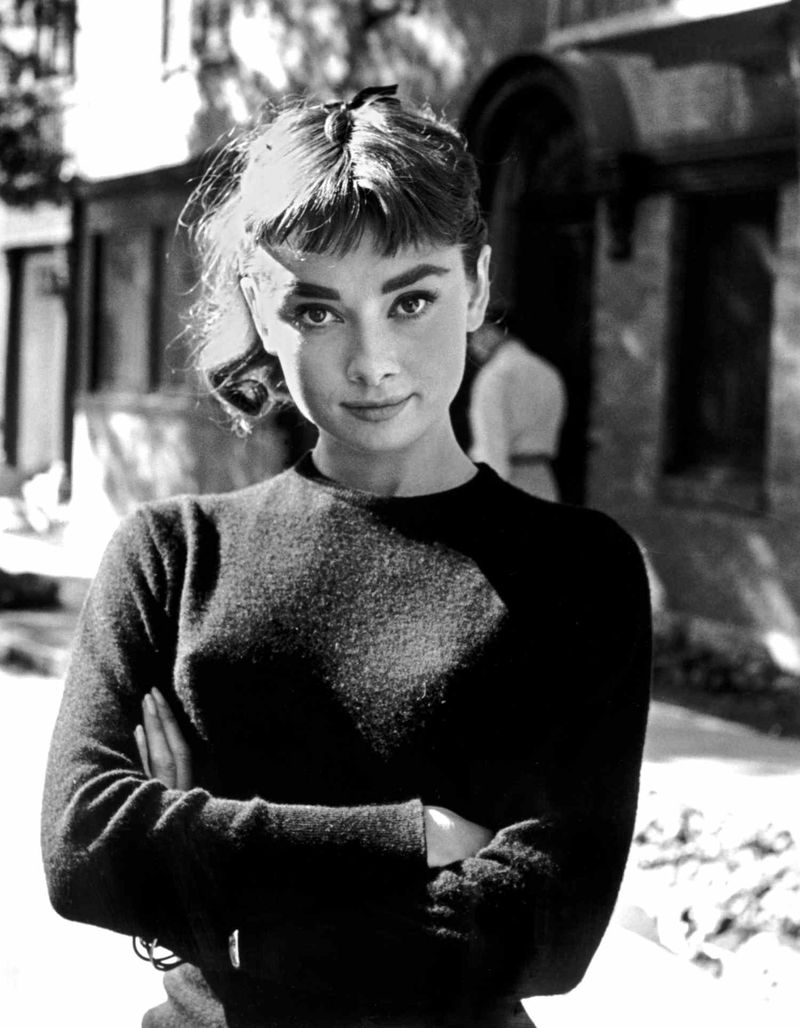
1950s: Audrey Hepburn
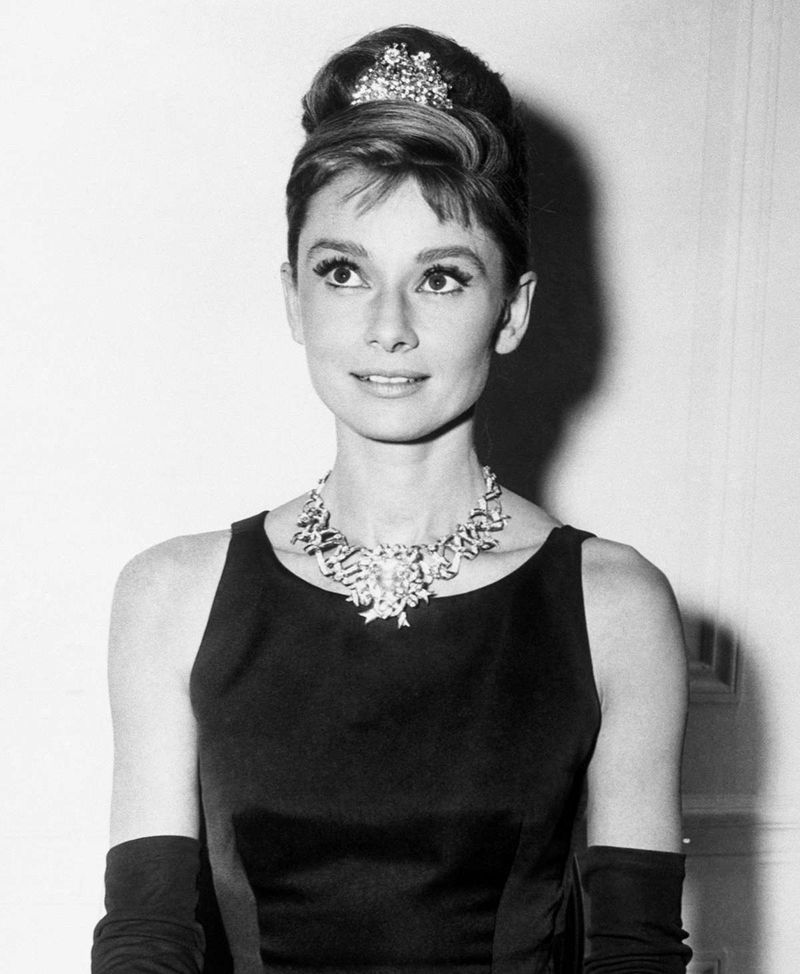
A sleek, understated wardrobe can still look memorable when the details are thoughtful.
Her style worked because it relied on clean shapes, cropped trousers, simple flats, and a touch of elegance in every outfit.
In 2026, those same building blocks fit perfectly with the “less but better” mindset many shoppers are adopting.
Cigarette pants and ballet flats also pair beautifully with today’s oversized coats and modern knitwear, creating a balanced silhouette.
Black, white, and neutral outfits feel fresh again when you add texture, like a ribbed sweater or a structured bag.
To channel the look, start with ankle-length pants, a fitted top, and a sharp jacket or trench.
Finish with delicate jewelry and a polished hairstyle, because the overall effect should feel effortless, not overly styled.
1960s: Jacqueline Kennedy Onassis
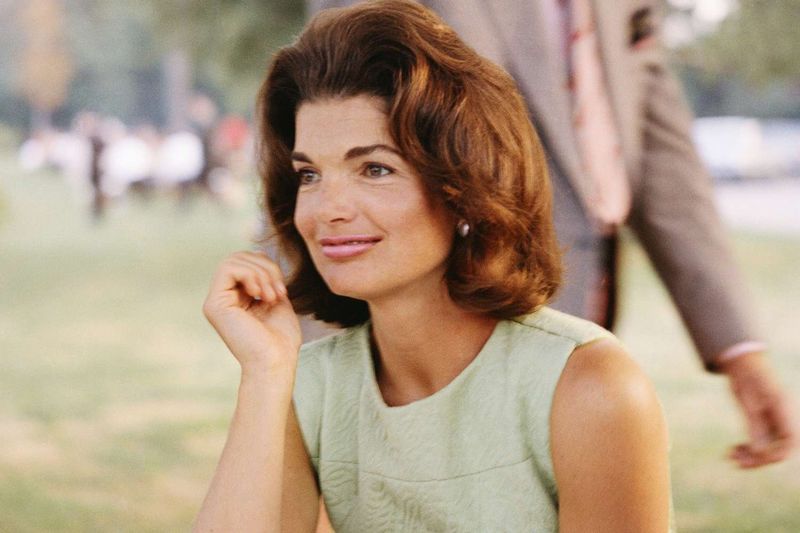
Polish can be a style statement all by itself when the lines are crisp and the palette is calm.
Her uniform of tailored coats, simple shifts, and matching sets still makes sense in 2026 because it streamlines dressing and always looks elevated.
The biggest lesson is how much impact comes from fit, because a perfectly cut coat can carry an entire outfit.
Neutral tones, clean necklines, and minimal accessories also translate beautifully to modern workwear and event dressing.
Even when trends swing loud, a refined base wardrobe keeps you from buying pieces that feel dated in a year.
Try a structured jacket over a sleeveless top, add slim trousers, and keep the bag and shoes classic.
If you want a modern twist, swap the traditional pumps for sleek loafers or pointed-toe flats.
1970s: Bianca Jagger
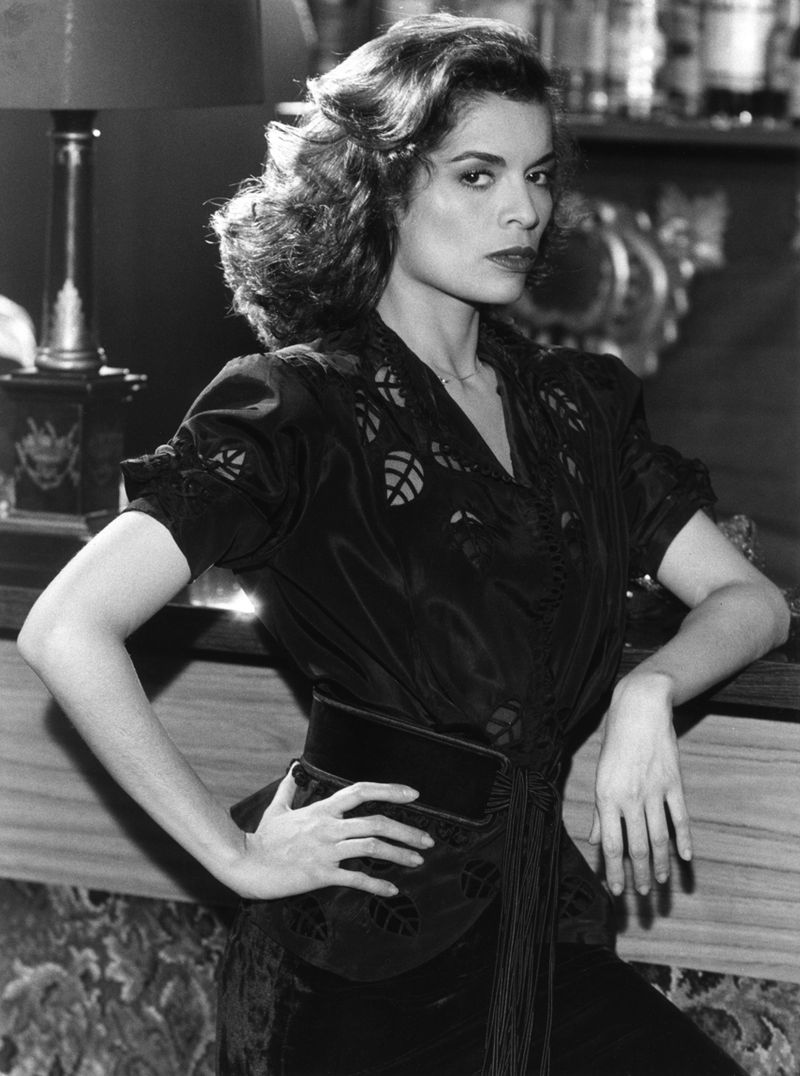
Studio glam still feels relevant because it’s really about confidence and sharp contrasts.
She made a white suit look as dramatic as a gown, proving that tailoring can be the ultimate party outfit.
In 2026, that translates to clean monochrome looks, wide-leg trousers, and blazers styled as tops for a sleek night-out silhouette.
A crisp suit also works in the daytime with a tee and sneakers, which makes the investment feel practical.
Her style shows how one “hero” piece, like a great blazer, can create dozens of outfits with minimal effort.
For an easy update, wear a white or cream blazer with straight jeans and a minimal sandal, then add statement earrings.
Keep everything else simple, because the power comes from the clean color story and strong shape.
1980s: Princess Diana
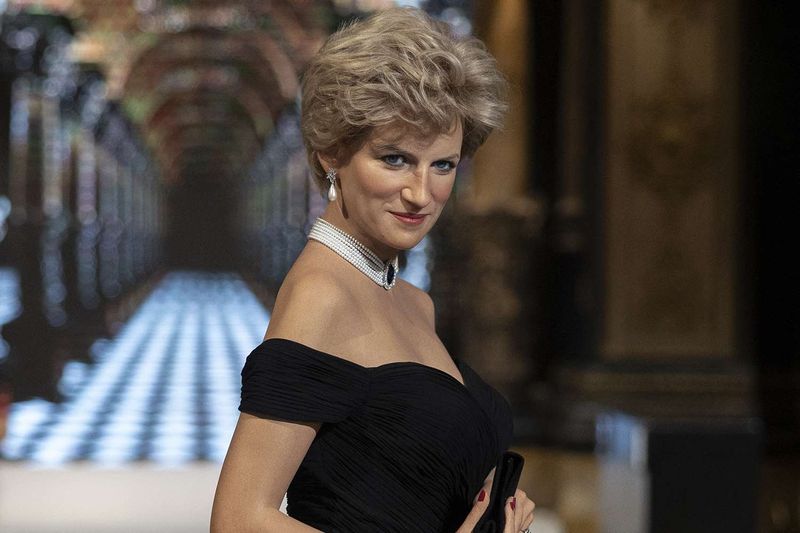
Off-duty style became iconic when she mixed comfort with just enough polish.
Her casual uniforms—oversized sweatshirts, biker shorts, relaxed jeans, and big blazers—look completely at home in 2026 because the silhouette is still trending.
What makes the formula work is balance, since a roomy top looks intentional when paired with a slimmer bottom or structured outerwear.
She also mastered “sporty but elevated,” which is exactly what modern street style keeps chasing.
The look is easy to recreate because it relies on basics, not rare vintage pieces.
Start with an oversized knit or sweatshirt, add tailored shorts or straight jeans, and top it with a blazer or trench.
Finish with clean sneakers, simple socks, and one classic accessory like a watch or sunglasses.
1990s: Carolyn Bessette-Kennedy
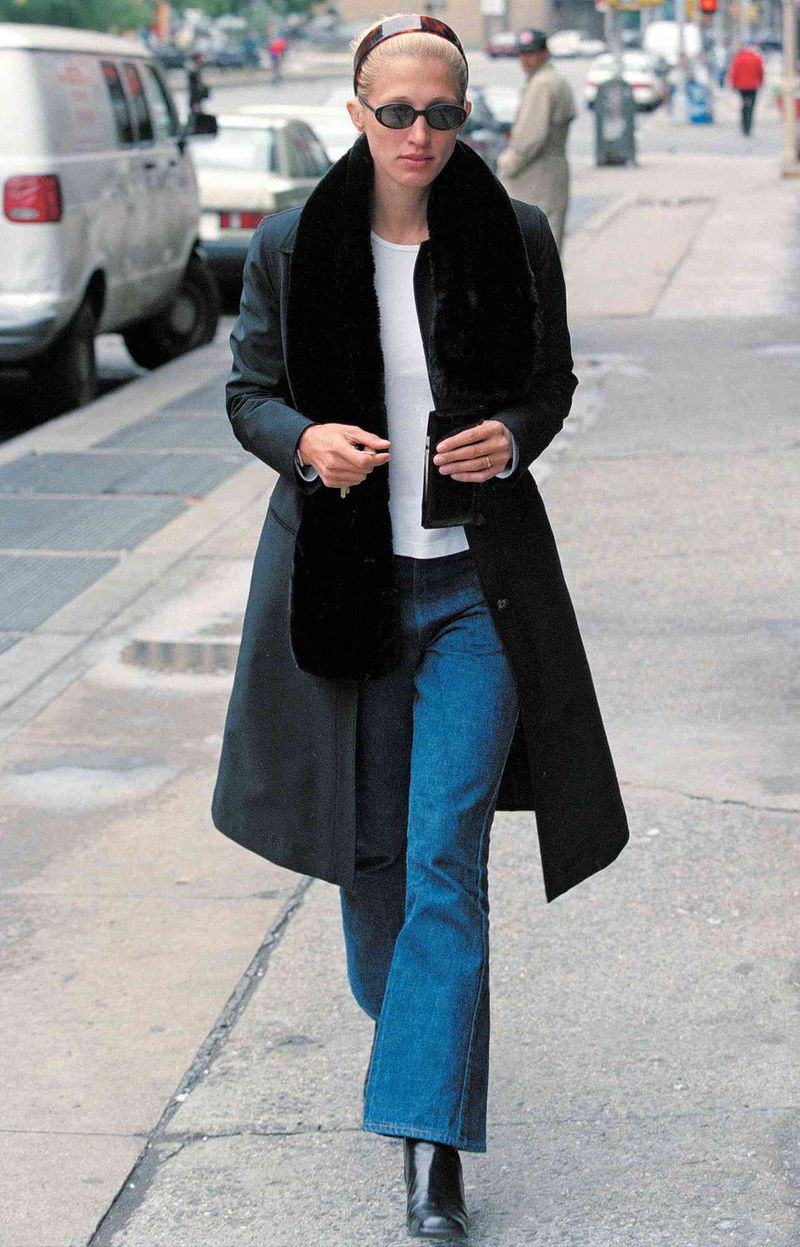
Quiet luxury is nothing new, and her wardrobe proves why simplicity always wins.
She leaned into sleek neutrals, clean tailoring, and minimal accessories that made every outfit look intentional without feeling flashy.
In 2026, this style works because it aligns with smarter shopping, where people buy fewer pieces but expect them to do more.
Slip skirts, straight trousers, and long coats still feel current when the fabrics look high quality and the fit is precise.
The key detail is restraint, because the power comes from not over-styling.
To get the vibe, build a neutral outfit—think black trousers and a cream sweater—then add one structured bag.
Choose sharp, simple shoes and skip loud logos, because the goal is polished ease, not attention seeking.
2000s: Victoria Beckham
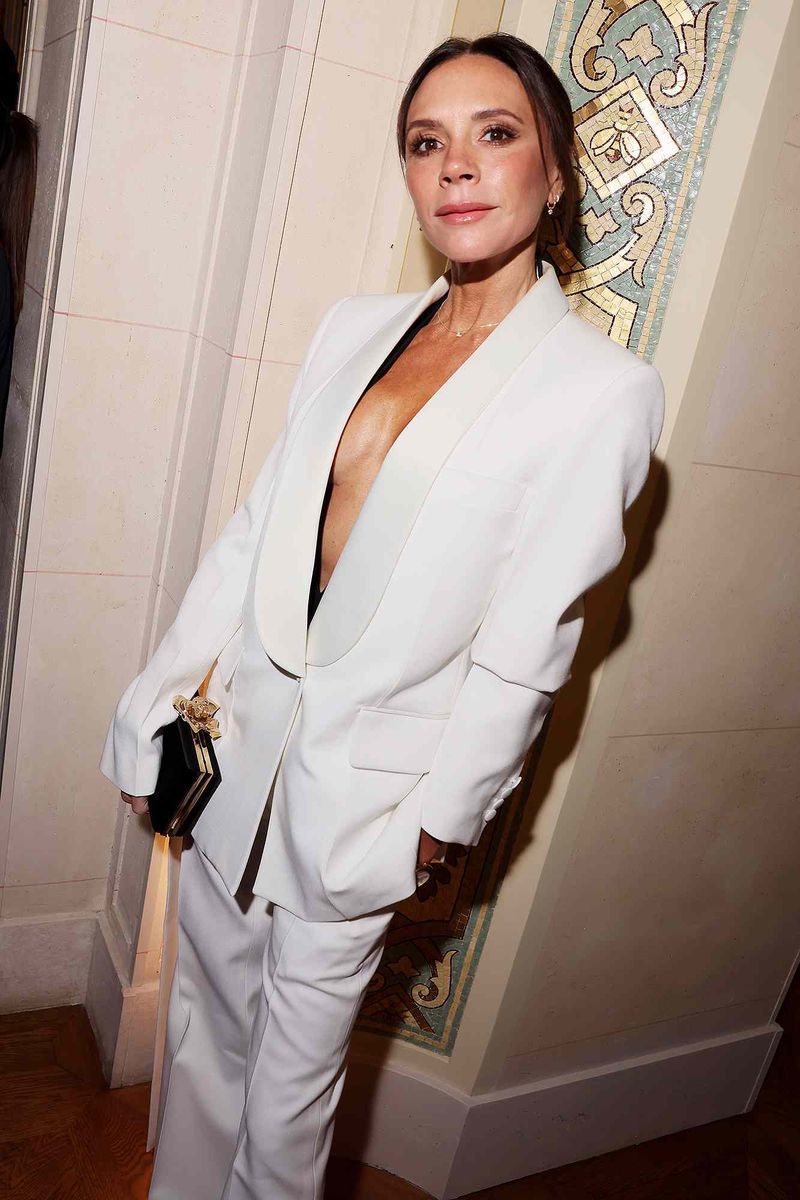
A clean, tailored look can be both modern and practical when the cuts are sharp.
Her signature style is built on structured dresses, sleek separates, and a refined color palette that photographs well but also works in daily life.
In 2026, tailoring is still having a moment, especially as people look for outfits that feel powerful without being overdone.
A great blazer, a fitted midi dress, and a streamlined trouser create endless combinations for work, dinner, or travel.
The secret is strong proportions, because a longer line and a defined waist make an outfit feel instantly elevated.
Steal the approach with a monochrome set, like a knit top with matching trousers, and add a structured coat.
Finish with minimal jewelry and a polished bag, letting the silhouette be the main event.
2010s: Rihanna
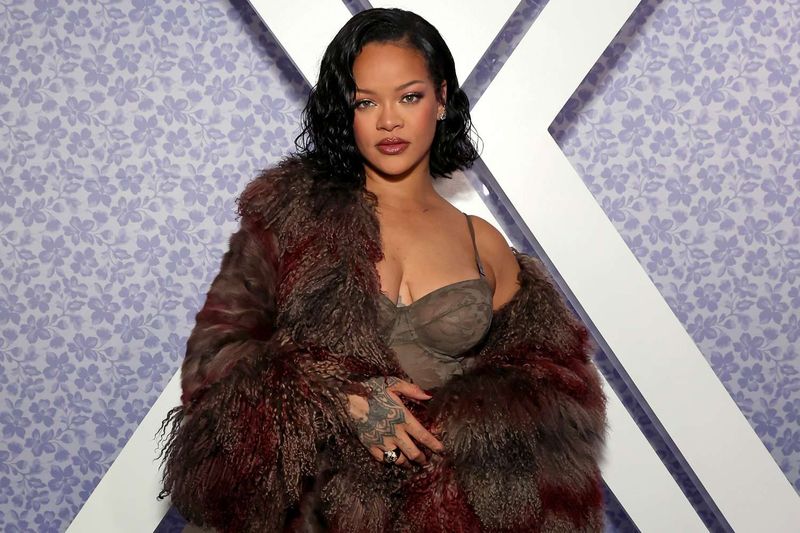
Rule-breaking style stays relevant when it’s guided by strong taste rather than random shock value.
She mixed streetwear, luxury, and unexpected silhouettes in a way that reshaped what “dressed up” can look like.
In 2026, that influence is everywhere, from oversized outerwear to bold footwear and statement accessories that do the heavy lifting.
The best lesson is that basics don’t have to be boring when you change scale, texture, or proportion.
A simple outfit becomes memorable with one dramatic element, like a sculptural coat, a standout bag, or a striking shoe.
To channel the energy, start with a neutral base, then add a single bold piece that feels fashion-forward.
Keep the rest clean and confident, because the goal is intentional edge, not chaotic layering.
2020s: Zendaya
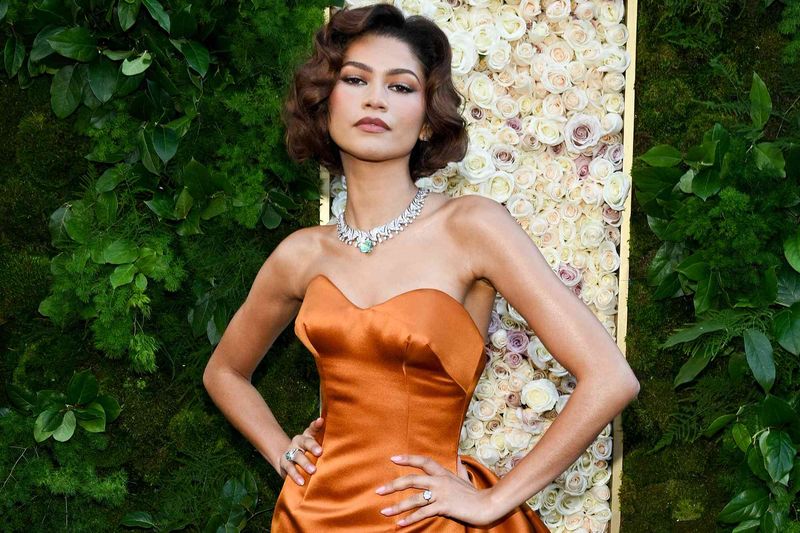
Red carpet drama can still teach everyday style lessons when you focus on shape and confidence.
Her fashion moments work because they blend classic tailoring with modern risk, creating looks that feel fresh rather than costume-like.
In 2026, that approach translates to structured suits, clean monochrome, and statement silhouettes that look strong even with minimal accessories.
She also proves that fit is the real flex, since even simple pieces look expensive when they’re tailored correctly.
Another takeaway is versatility, because a suit can be styled with heels for events or sneakers for daytime.
Try a sharp blazer with matching trousers, then swap the top depending on your mood, from a tee to a silky blouse.
Add one standout detail—like bold earrings or a sleek belt—and let the confident lines carry the outfit.
Comments
Loading…