
 Isabel Parker
Fame Isn’t Always Fun: 13 Musicians Who Wish They Never Joined These Legendary Bands
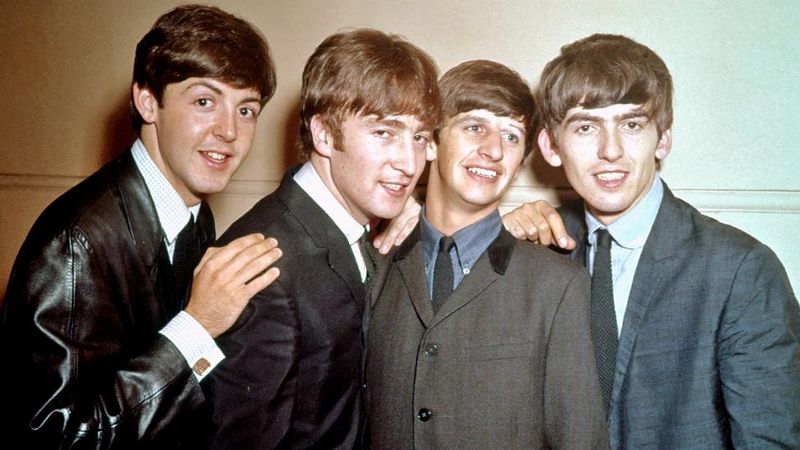
Joining a famous band sounds like the ultimate career jackpot, until you’re living inside someone else’s dream every single day.
For some artists, the success comes bundled with creative limits, relentless touring, and a public identity that’s hard to escape.
Even when the music is iconic, the experience behind the scenes can be exhausting, isolating, or emotionally complicated.
In a group, your voice can reach millions, but your personal freedom can shrink fast without you noticing.
That’s why a surprising number of musicians have looked back on their “big break” with regret, resentment, or serious mixed feelings.
Here are artists whose time in legendary bands left them wishing the story had gone differently.
1. Dave Mustaine — Metallica
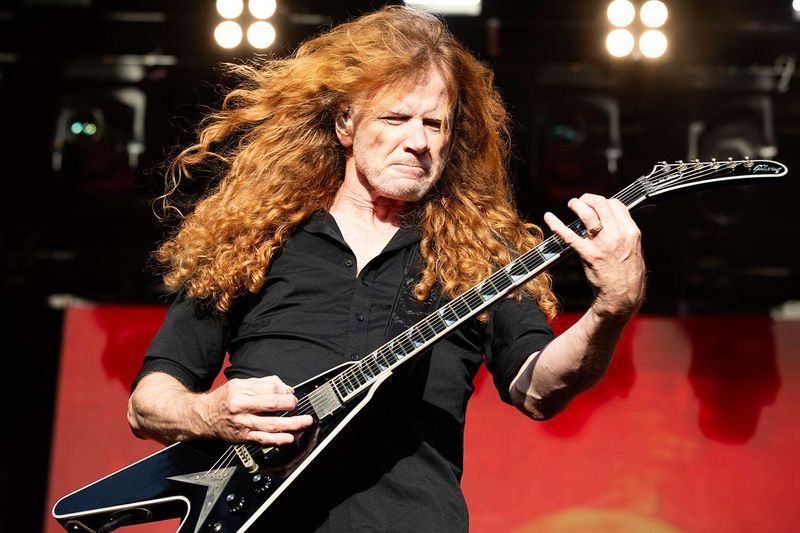
Before Metallica became a global metal institution, early lineup drama shaped the band’s future in brutal ways.
Mustaine was fired in 1983, and he has spent decades describing how that moment haunted him emotionally and professionally.
He later built Megadeth into a powerhouse, yet the sting of being erased from Metallica’s origin story never fully disappeared.
In interviews, he has described feeling like his contributions were minimized while the band he helped start exploded.
That regret isn’t only about money or fame, but about identity and ownership of a legacy.
He has also acknowledged that his behavior at the time played a role, making the “what if” even heavier.
When your dream band succeeds without you, it can feel like watching your life happen to someone else.
His story is a reminder that joining the right band doesn’t guarantee the right ending.
2. Pete Best — The Beatles

Long before Beatlemania became a cultural earthquake, the band’s original lineup had one final painful shake-up.
Best was dismissed in 1962, just as The Beatles were about to break through beyond local clubs.
He rarely framed his experience as bitterness, but he has spoken about how the dismissal changed his entire life path.
The regret here is complicated, because the loss wasn’t something he chose, yet it defined him for decades.
Being “the one who wasn’t picked” became a label that followed him even when he tried to move on.
He has described the emotional fallout as intense, especially when the world treated the band like modern mythology.
It’s hard to feel closure when millions of people debate your worth as a footnote.
His story shows how fame can wound even the people who never got to taste it.
3. Zayn Malik — One Direction

For a young pop star, global fame can arrive faster than the emotional tools needed to survive it.
Malik left One Direction in 2015, publicly citing stress, anxiety, and a need for normalcy.
Later comments suggested he felt boxed into an image and a sound that didn’t fully reflect who he was.
That sense of being managed, packaged, and constantly watched can make even success feel like a cage.
He has also described how the pressure of nonstop attention affected his mental health and personal relationships.
Fans often saw a glamorous machine, while he experienced a schedule that left little room for breathing.
Regret doesn’t always mean hating the band, because it can mean mourning the life you lost inside it.
His exit is a clear example of how “making it” can still cost too much.
4. Jason Everman — Nirvana
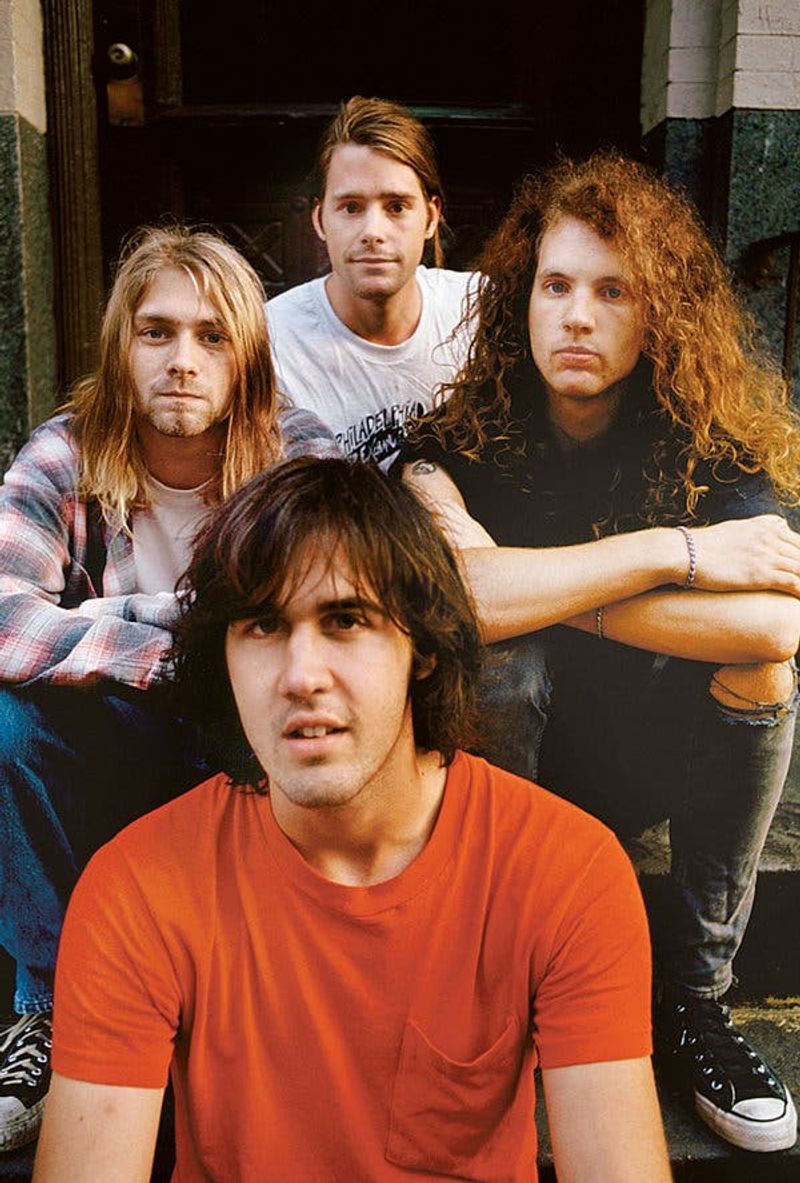
Sometimes a band’s history includes people who were technically “in” the group, but never truly belonged to the story.
Everman is famously credited as a guitarist for Nirvana’s early era, yet he didn’t play on key recordings.
He toured briefly and then left, later joining Soundgarden for a short stint before walking away from rock fame entirely.
In later life, he pursued paths far outside music, including military service and a quieter personal identity.
That pivot suggests he didn’t romanticize the chaos that surrounds cult-famous bands.
For someone standing near a rising legend, the experience can feel less like glory and more like instability.
Regret here is subtle, because it’s not a headline confession, but a life that moved in the opposite direction.
His story highlights how proximity to fame can still feel empty when the fit isn’t real.
5. John Frusciante — Red Hot Chili Peppers

At the peak of success, some musicians discover that fame amplifies every personal struggle instead of fixing it.
Frusciante joined the Chili Peppers young, helped define their sound, and then left amid intense pressure and addiction.
He has spoken over the years about feeling overwhelmed by the band’s fame and the expectations placed on him.
Even when the music was beloved, his internal experience sounded like stress, isolation, and a loss of control.
His departures and returns show how regret can be cyclical, especially when creativity collides with mental health.
Coming back later suggests he didn’t reject the band itself as much as the life it forced him into.
When your identity becomes public property, making art can start to feel like performing a role.
His story proves that leaving isn’t always failure, because sometimes it’s survival.
6. Dave Gahan — Depeche Mode

For a frontman, being the face of a band can feel powerful, yet strangely limiting at the same time.
Gahan has discussed periods where he felt trapped by expectations, band dynamics, and the demands of touring life.
Even in a hugely successful group, creative tensions can create an emotional distance that fans never notice.
He has also spoken about personal struggles during the band’s peak years, including addiction and the cost of fame.
When your voice drives the songs but not always the decisions, resentment can quietly build.
Over time, his solo work suggested a desire to reclaim identity outside the Depeche Mode brand.
Regret here often reads as frustration with the machine around the music rather than the music itself.
His experience underscores how visibility doesn’t always equal control, even when you’re the star.
7. Phil Collins — Genesis
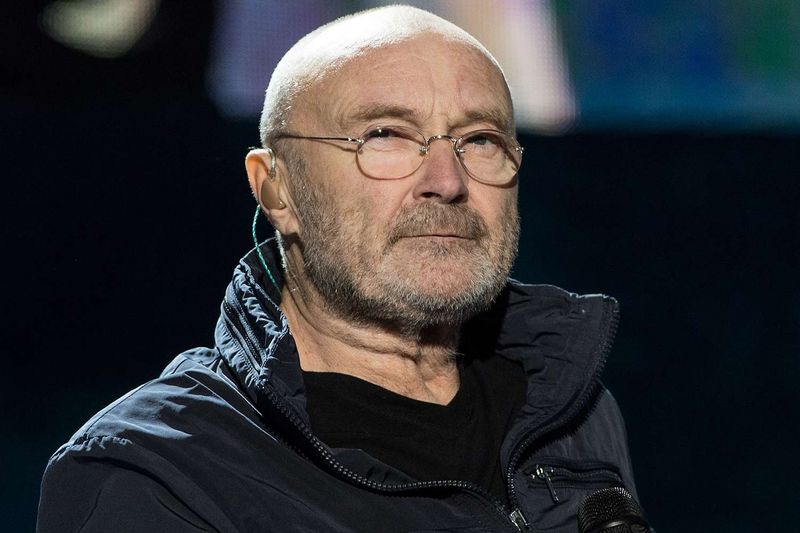
Taking over as lead singer can look like an upgrade, but it can also come with heavy emotional baggage.
Collins stepped into the spotlight after Peter Gabriel left, and the band’s success grew even larger afterward.
He later acknowledged that the role sometimes felt like a burden, because comparisons and criticism never stopped.
Fans argued about “old Genesis” versus “new Genesis,” and that debate often landed on his shoulders.
Being the person who represents change can create regret, even if you didn’t seek conflict.
He also faced the pressure of balancing musicianship, leadership, and public perception all at once.
When your band becomes a cultural argument, your job stops feeling like just making music.
His story shows how winning the role doesn’t guarantee you’ll enjoy living in it.
8. Syd Barrett — Pink Floyd
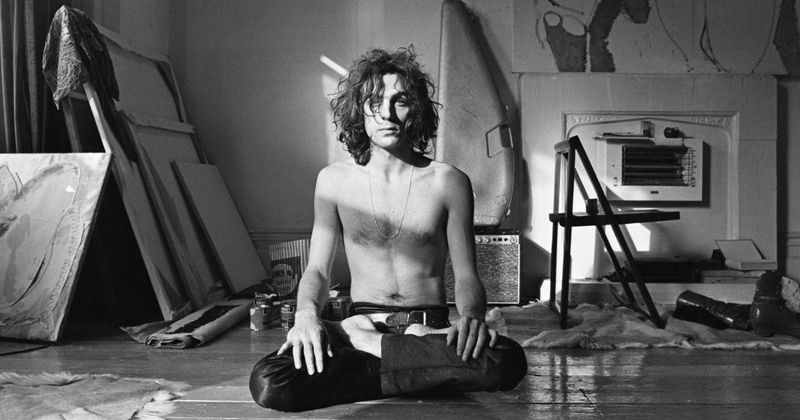
Early success can become a shadow you’re forced to live under, especially when your exit becomes part of a band’s mythology.
Barrett helped shape Pink Floyd’s early identity, then stepped away as mental health struggles and instability grew.
The band’s later fame turned his story into a symbol, which can be painful for the person at the center.
While he didn’t publicly frame his time as regret, the aftermath suggests a life complicated by the legacy.
Friends and observers have described how the attention and pressure of the music world didn’t help his condition.
Being immortalized in songs and stories can feel like losing control of your own narrative.
In this case, the regret is less about joining and more about what joining set in motion.
His life remains a stark reminder that fame can collide dangerously with vulnerability.
9. Jason Newsted — Metallica
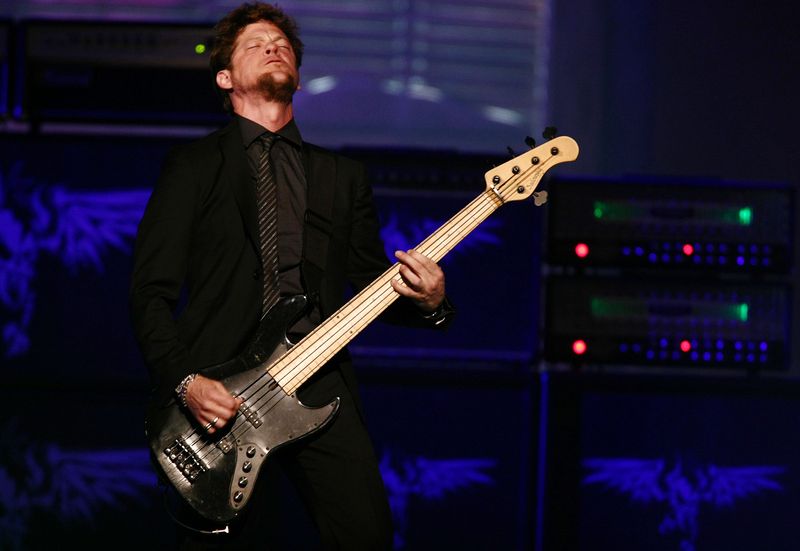
Even in the biggest bands on earth, some members feel like hired hands instead of full partners.
Newsted joined Metallica after Cliff Burton’s death and spent years enduring intense expectations and scrutiny.
He later described feeling creatively restricted, especially when side projects or personal expression were discouraged.
That kind of constraint can turn success into frustration, because you’re famous without feeling fulfilled.
The physical demands of touring and performing heavy music year after year also contributed to burnout.
When he left, it signaled that endurance has limits, even when the paycheck and prestige are massive.
Regret can show up as the realization that your dream job doesn’t allow you to be yourself.
His story resonates with anyone who has stayed too long in a role that stops feeling human.
10. Richard Wright — Pink Floyd
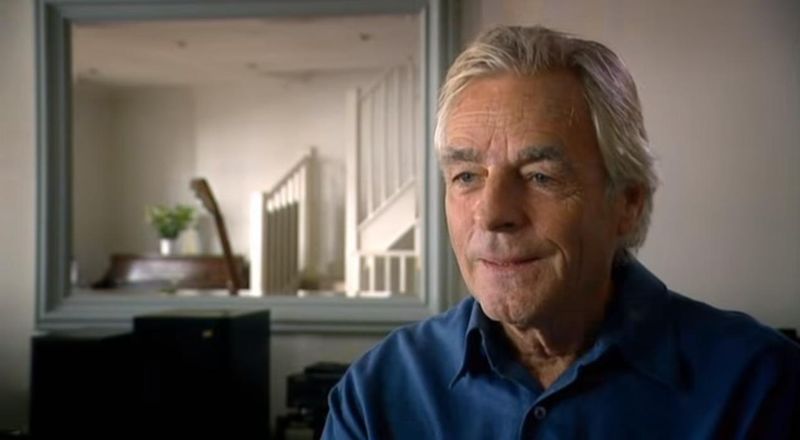
In some bands, power dynamics are so intense that even key members can be treated as replaceable.
Wright was a founding figure in Pink Floyd, yet tensions led to him being pushed out during a turbulent period.
He later returned, but the experience reportedly left scars, because belonging should not be conditional.
When your creative voice is questioned by your own teammates, doubt can follow you for years.
Even while touring with the band again, the relationship wasn’t always equal in terms of control or respect.
That kind of instability can make a musician rethink whether the prestige is worth the stress.
Regret here isn’t about the music’s quality, because it’s about the emotional cost of staying in the room.
His story proves that legendary art can be created inside deeply uncomfortable environments.
11. Peter Green — Fleetwood Mac
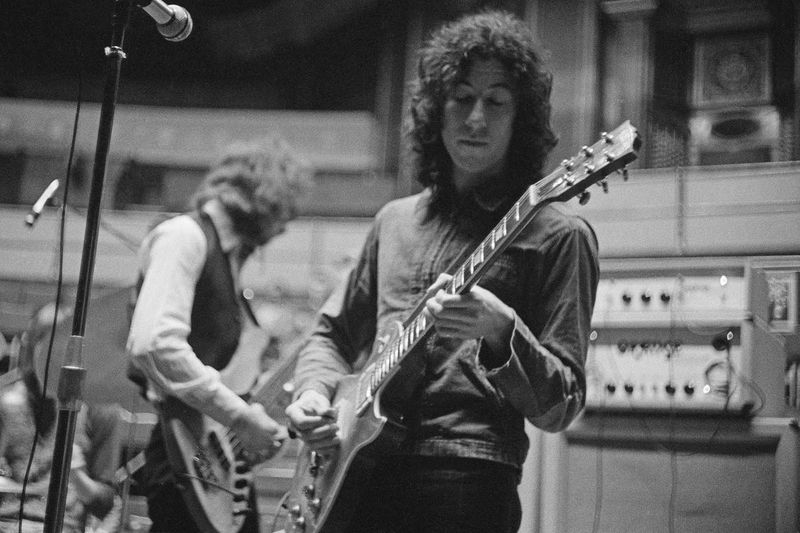
Sometimes the heaviest part of success is realizing it changes the people around you and the life you wanted.
Green founded Fleetwood Mac and helped define its early sound, but later found fame and pressure overwhelming.
He stepped away, and later accounts often describe discomfort with the industry and the expectations attached to the band.
When a group grows quickly, the business side can swallow the creative joy that started it all.
For artists who value peace, constant touring and attention can feel like a betrayal of their original purpose.
His later life included serious mental health struggles, which makes the early intensity look even more costly.
Regret often appears as a longing for simplicity, especially when success feels loud and invasive.
His story is a reminder that not everyone thrives inside the spotlight, even if they earned it.
12. Lou Reed — The Velvet Underground

Being in an influential band doesn’t always feel satisfying when the world takes decades to understand what you made.
Reed led The Velvet Underground through a period where acclaim was limited and commercial success barely existed.
He later expressed complicated feelings about the experience, including frustration with the band’s struggles and limitations.
When you’re creating groundbreaking work but still living like a nobody, resentment can simmer under the surface.
Creative tension inside the group also made the process feel stressful rather than celebratory.
Reed’s later solo success suggests he wanted distance from a band identity that didn’t fully reward him.
Regret here is about timing and recognition, because the praise arrived long after the damage was done.
His story shows how being “ahead of your time” can still feel like losing.
13. Hugh Cornwell — The Stranglers
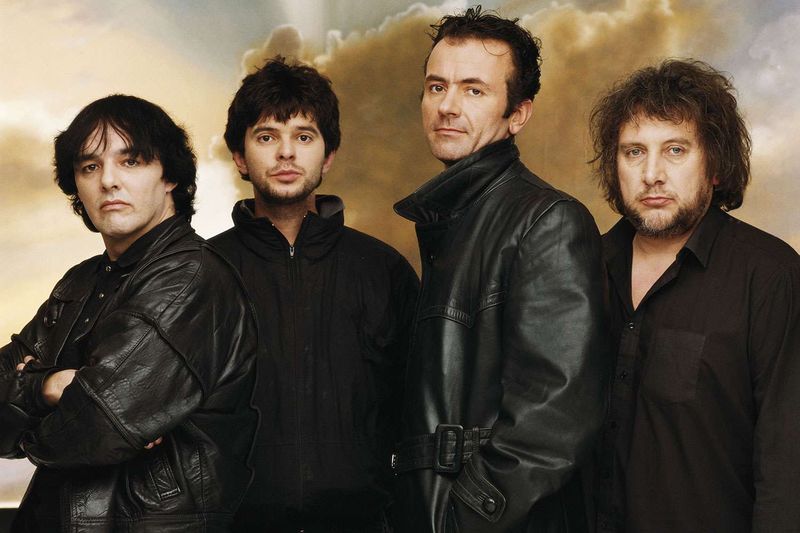
Leaving a successful band can be less about drama and more about realizing your creative life is shrinking.
Cornwell exited The Stranglers in 1990, after years of success that reportedly came with fatigue and artistic frustration.
He has discussed wanting more freedom and less confinement, which is a common theme for long-running groups.
When a band becomes a brand, every new idea can feel like it has to pass through a committee.
That process can slowly drain the excitement that made music feel like a calling in the first place.
His solo work reflects a desire to control direction, voice, and pace without constant negotiation.
Regret often looks like relief after the fact, because you realize you weren’t happy while you were “winning.”
His story captures how success can still feel like stagnation when the creative oxygen runs out.
Comments
Loading…