
 Hailey Watson
Clint Eastwood’s Directing Legacy: 12 Films That Define It
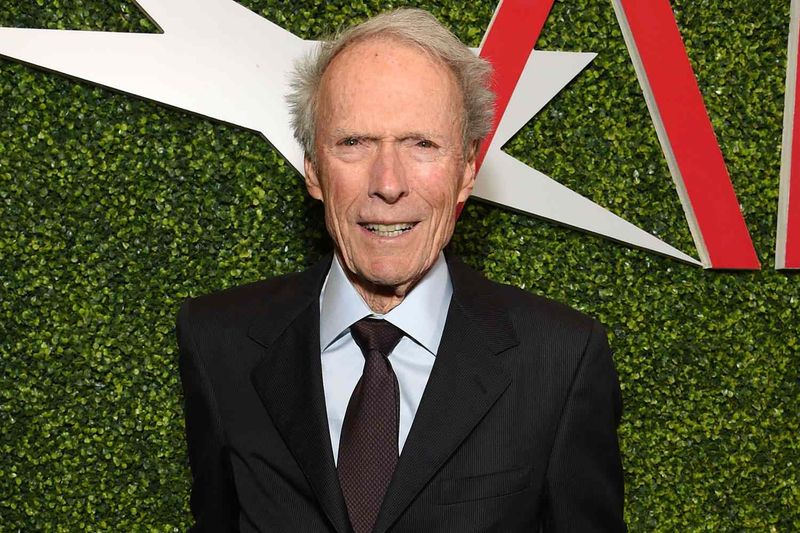
Clint Eastwood became a Hollywood legend as an actor, but his work behind the camera is just as impressive.
Over five decades, he has directed powerful stories about war, justice, love, and redemption that have earned critical praise and touched millions of viewers.
His films explore complex moral questions while staying grounded in real human emotion.
From gritty Westerns to intimate dramas, these 12 movies showcase why Eastwood ranks among cinema’s greatest directors.
1. Unforgiven (1992)
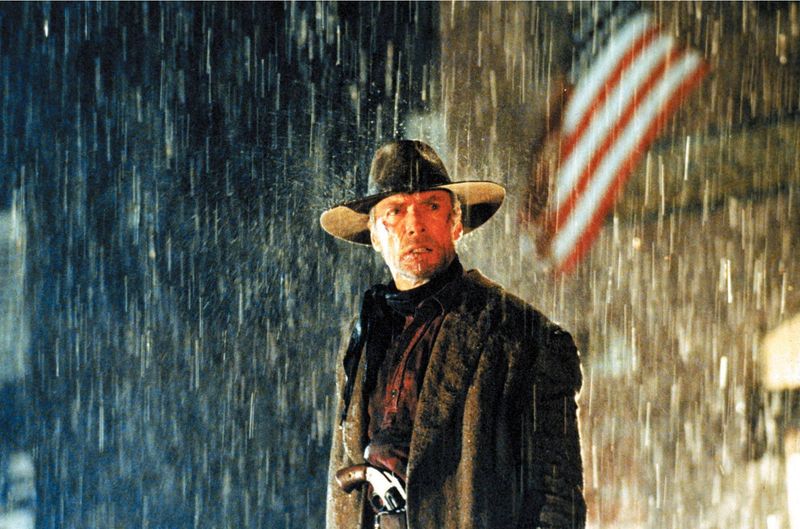
William Munny thought his gunslinging days were over.
He had settled down, raised a family, and tried to leave violence behind.
But when a group of cowboys brutally attack a woman, Munny accepts one final bounty to help his struggling farm survive.
The film strips away the glamour typically associated with Old West shootouts.
Instead of heroic cowboys, we see tired, morally compromised men struggling with their past actions.
Eastwood’s direction emphasizes the ugly reality of frontier justice and the heavy psychological cost of killing.
This Western earned four Academy Awards, including Best Picture and Best Director.
It stands as Eastwood’s definitive statement on violence and redemption, challenging everything his earlier cowboy roles represented while delivering a gripping, unforgettable story.
2. Million Dollar Baby (2004)
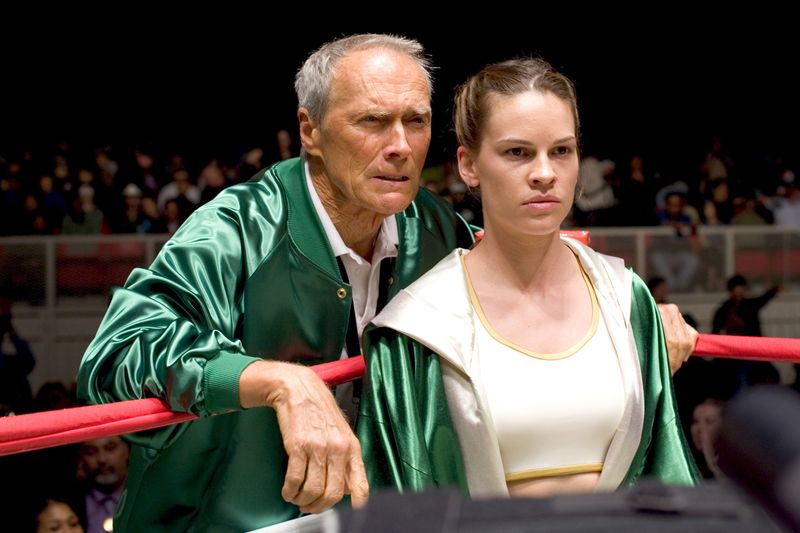
Maggie Fitzgerald walks into Frankie Dunn’s boxing gym with nothing but determination.
The aging trainer initially refuses to work with her, but her relentless spirit eventually breaks through his hardened exterior.
Their partnership becomes something deeper than coach and athlete.
What begins as an uplifting underdog story takes a devastating turn that forces both characters to confront impossible choices.
Eastwood handles the emotional weight with remarkable restraint, never manipulating viewers but allowing the tragedy to unfold naturally.
Hilary Swank’s transformative performance captures Maggie’s fierce independence and vulnerability.
The film won four Oscars, including Best Picture, Best Director, Best Actress, and Best Supporting Actor for Morgan Freeman.
Its exploration of dignity, sacrifice, and love remains one of cinema’s most emotionally powerful experiences.
3. Mystic River (2003)
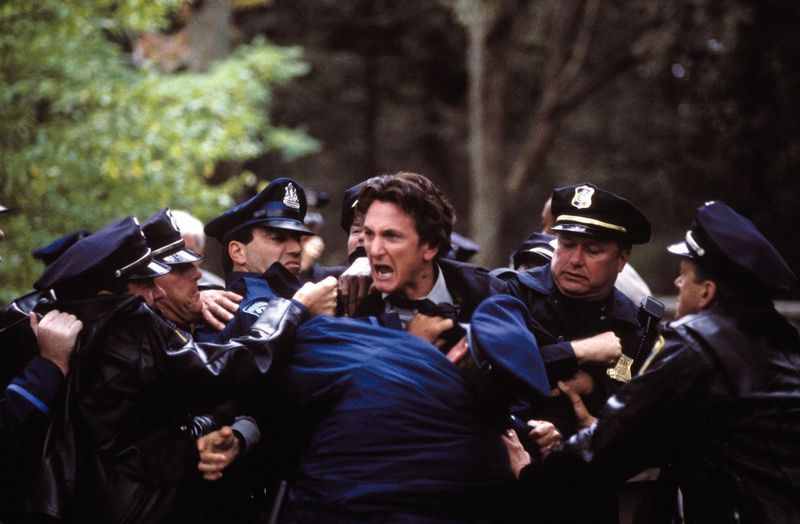
Three boys playing hockey in a Boston street witness a moment that scars them forever.
Years later, they’ve drifted apart, living separate lives shaped by that childhood trauma.
When one man’s daughter is murdered, the tragedy pulls them back together in devastating ways.
Eastwood masterfully weaves past and present, showing how a single event can echo through decades.
The performances from Sean Penn, Tim Robbins, and Kevin Bacon bring raw authenticity to men struggling with guilt, suspicion, and grief.
Every scene crackles with tension as buried secrets threaten to explode.
The film earned six Oscar nominations and two wins for its acting.
Eastwood’s direction never sensationalizes the violence but focuses on its aftermath, creating a haunting meditation on how trauma shapes identity and destroys trust.
4. Letters from Iwo Jima (2006)
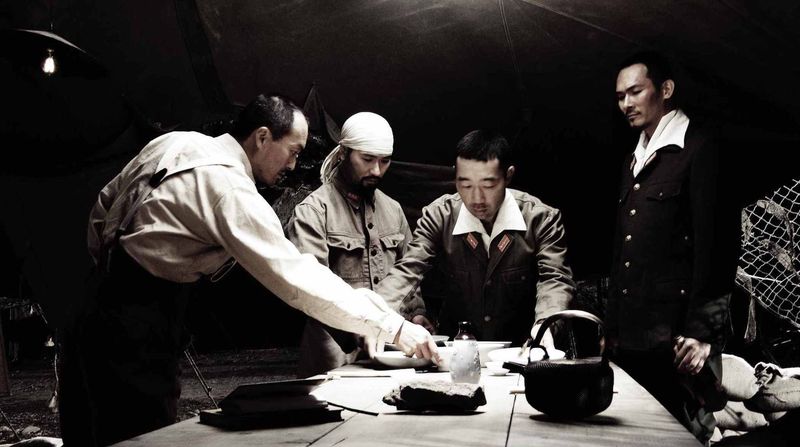
General Tadamichi Kuribayashi arrives on Iwo Jima knowing his mission is essentially suicide.
American forces vastly outnumber his troops, and reinforcements will never come.
Yet he prepares his men for battle with dignity, recognizing their humanity even as he leads them toward certain death.
Eastwood made the bold choice to film entirely in Japanese with Japanese actors, presenting the enemy’s perspective with empathy and respect.
The soldiers aren’t faceless villains but frightened young men who write letters home, miss their families, and question orders.
This humanizing approach was revolutionary for a Hollywood war film.
Filmed back-to-back with Flags of Our Fathers, this companion piece earned four Oscar nominations including Best Picture.
It remains one of cinema’s most compassionate examinations of war’s universal tragedy.
5. Gran Torino (2008)
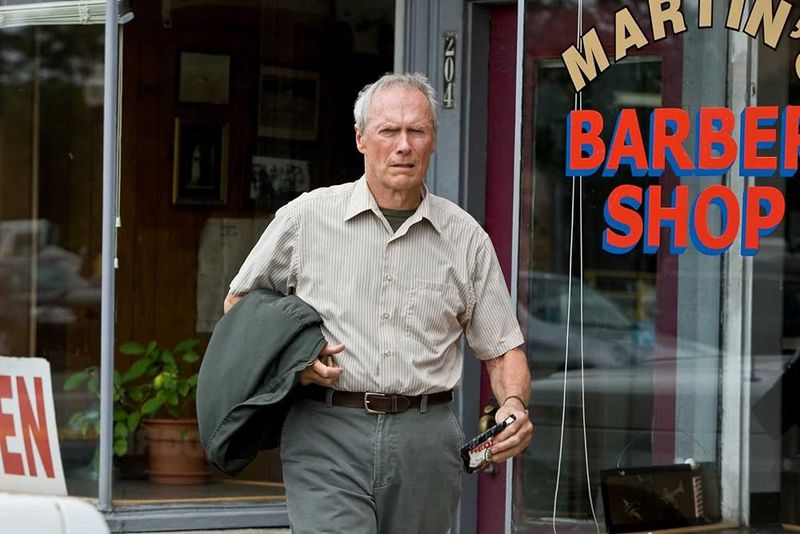
Walt Kowalski spends his days growling at neighbors and polishing his prized 1972 Gran Torino.
The bitter widower has watched his Detroit neighborhood transform, and he wants nothing to do with the Hmong families moving in.
His prejudices run deep, shaped by decades of anger and war memories.
Everything changes when gang violence threatens the teenage boy next door.
Walt reluctantly becomes involved, discovering unexpected connections across cultural divides.
Eastwood’s performance captures a man’s painful journey from hatred to understanding, showing redemption is possible even late in life.
The film became a surprise box office hit and cultural phenomenon.
Eastwood’s direction balances dark humor with genuine emotion, creating a story about sacrifice that feels both intimate and epic in its moral stakes.
6. American Sniper (2014)
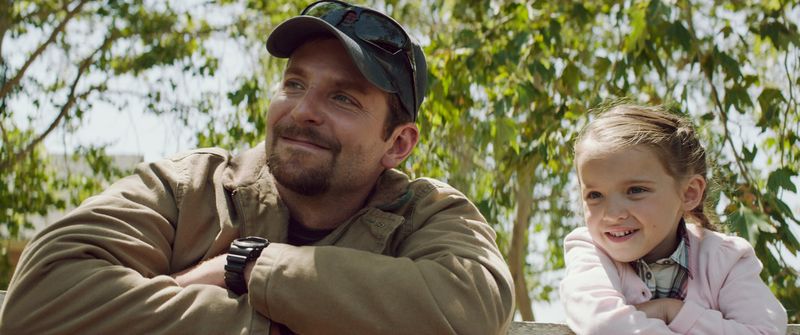
Chris Kyle became the deadliest sniper in U.S. military history, with over 160 confirmed kills during four tours in Iraq.
But the numbers don’t tell the whole story.
Each deployment pulled him further from his wife and children, and each kill weighed on his conscience despite his conviction about protecting fellow soldiers.
Bradley Cooper’s intense performance captures Kyle’s internal conflict between duty and family.
Eastwood doesn’t glorify war or make simple political statements, instead focusing on one man’s complicated relationship with violence and service.
The combat sequences feel brutally realistic and morally ambiguous.
The film sparked intense debate about heroism, patriotism, and war’s psychological toll.
It became Eastwood’s highest-grossing movie and earned six Oscar nominations, proving audiences hunger for complex stories about modern warfare.
7. High Plains Drifter (1973)
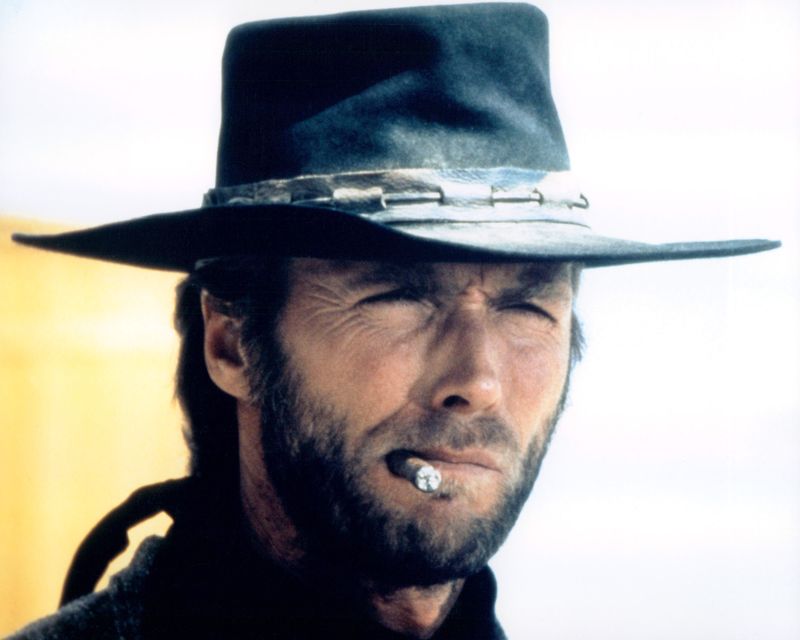
A nameless gunslinger rides into the mining town of Lago, where the cowardly citizens immediately sense something unsettling about him.
They hire him to protect against three outlaws returning for revenge, but the stranger has his own mysterious agenda.
His methods grow increasingly bizarre and violent.
This early directorial effort showcases Eastwood’s willingness to subvert Western conventions.
The hero isn’t noble but almost demonic, punishing an entire town for its collective sin.
Supernatural elements blur the line between revenge story and ghost tale, creating an unsettling atmosphere unlike traditional cowboy films.
The film’s dark themes and moral ambiguity shocked audiences expecting a typical Western.
Eastwood’s bold vision established him as a director unafraid to challenge genre expectations and explore humanity’s darker impulses.
8. A Perfect World (1993)
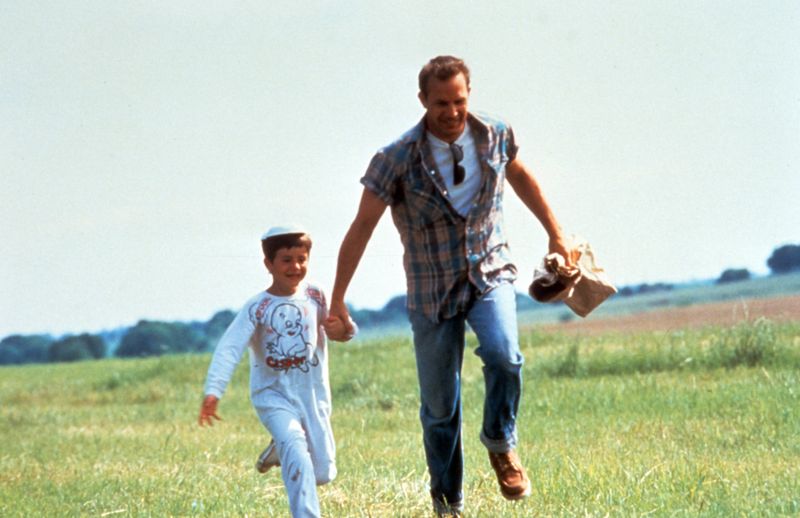
Butch Haynes breaks out of prison and accidentally kidnaps eight-year-old Phillip during his escape.
What should be a terrifying hostage situation becomes something unexpectedly tender.
The hardened criminal forms a genuine bond with the boy, who has never experienced a positive male role model.
Kevin Costner delivers one of his finest performances as the complex Butch, while T.J. Lowther shines as Phillip.
Their relationship develops naturally as they travel across Texas, with Butch teaching the sheltered child about freedom and independence.
Meanwhile, Texas Ranger Red Garnett pursues them with growing reluctance.
Eastwood’s direction finds beauty in moral gray areas, refusing easy answers about good and evil.
The film asks difficult questions about justice, redemption, and whether past actions define our worth forever.
9. The Bridges of Madison County (1995)
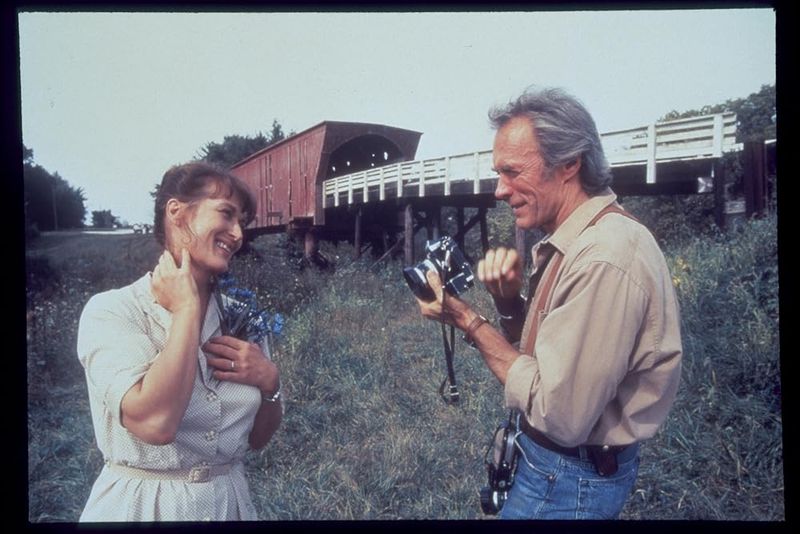
Francesca Johnson lives a quiet, predictable life on an Iowa farm until photographer Robert Kincaid stops to ask for directions.
Over four days while her family is away, they fall deeply in love.
Their brief romance forces Francesca to choose between passion and duty, between herself and her family.
Meryl Streep and Eastwood create remarkable chemistry in this adaptation of the bestselling novel.
Eastwood’s direction emphasizes small, intimate moments rather than grand romantic gestures.
The film respects Francesca’s difficult choice without judging her, understanding that love sometimes means letting go.
Critics initially dismissed it as melodramatic, but the film has gained appreciation for its mature handling of adult relationships.
It proves Eastwood’s versatility, showing he could direct tender romance as skillfully as violent Westerns.
10. The Outlaw Josey Wales (1976)
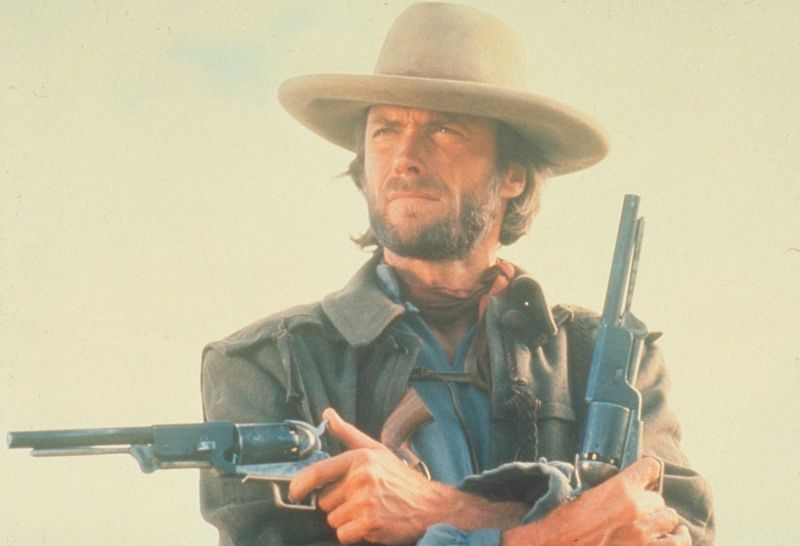
Missouri farmer Josey Wales watches helplessly as Union soldiers murder his family during the Civil War.
Consumed by grief and rage, he joins Confederate guerrillas and becomes a feared fighter.
When the war ends, he refuses to surrender, becoming a fugitive hunted by both sides.
Wales’s journey transforms from revenge quest to redemption story as he gathers unlikely companions including a Cherokee elder, a Navajo woman, and settlers seeking protection.
Together they form a makeshift family, healing each other’s wounds.
Eastwood’s direction emphasizes how community and compassion can overcome hatred.
The film became one of Eastwood’s most beloved Westerns, balancing action with genuine emotional depth.
Its themes of reconciliation and moving beyond violence feel especially relevant, showing that peace requires more courage than war.
11. Changeling (2008)
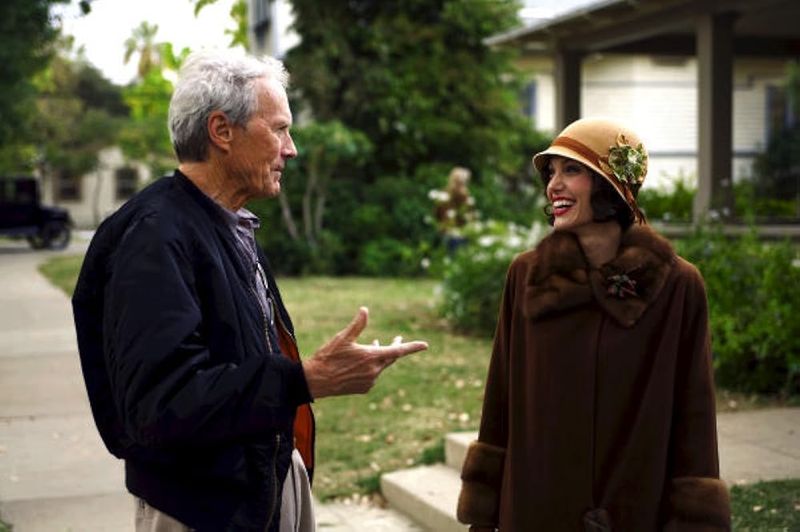
When Christine Collins’s son disappears in 1928 Los Angeles, she desperately turns to police for help.
Months later, they return a boy claiming to be her son, but Christine immediately knows he’s an imposter.
The police pressure her to accept him anyway, protecting their public image over the truth.
Angelina Jolie delivers a powerful performance as Christine fights an entire corrupt system.
Based on true events, the story exposes horrifying police misconduct and institutional abuse of women who dared challenge authority.
Eastwood’s restrained direction lets the shocking facts speak for themselves without melodrama.
The film earned three Oscar nominations and reminded audiences that Eastwood excels at stories about ordinary people showing extraordinary courage against overwhelming injustice.
Christine’s perseverance ultimately helped reform Los Angeles law enforcement.
12. Invictus (2009)
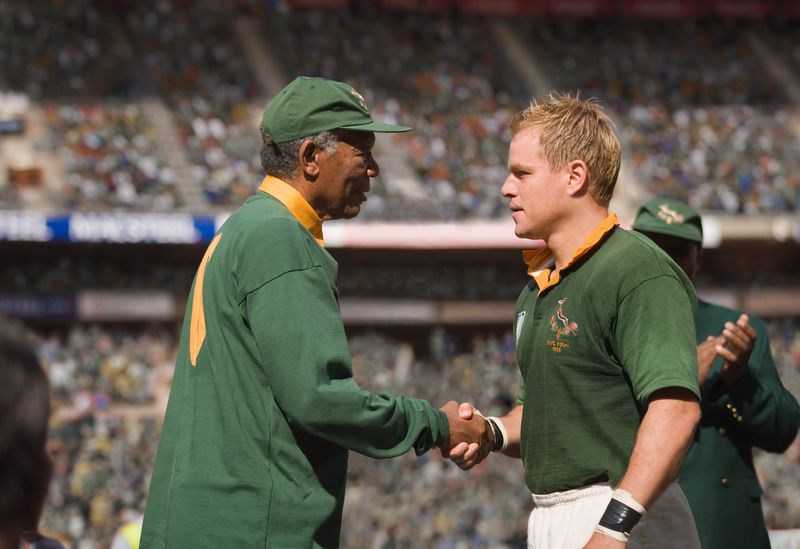
Newly elected President Nelson Mandela faces a deeply divided South Africa in 1995.
White and Black citizens remain separated by decades of apartheid hatred.
Mandela sees an unlikely opportunity in the national rugby team, traditionally supported only by white South Africans, competing in the World Cup.
Morgan Freeman embodies Mandela’s dignity and strategic brilliance, while Matt Damon transforms into rugby captain Francois Pienaar.
Their partnership becomes a symbol of national reconciliation as the team’s success unites citizens across racial lines.
Eastwood captures the electric atmosphere as sports transcend politics.
The film celebrates leadership that inspires rather than divides, showing how symbolic gestures can heal deep wounds.
Eastwood’s direction emphasizes Mandela’s wisdom in understanding that unity requires sacrifice from everyone, not just the oppressed.
Comments
Loading…