
 Isabel Parker
Television shows from the 1970s and 1980s entertained millions of Baby Boomers, but many of these beloved programs featured content that wouldn’t survive today’s cultural standards.
What seemed funny or acceptable decades ago now raises serious questions about representation, stereotypes, and social responsibility.
Looking back at these shows helps us understand how much society has changed and why conversations about media representation matter so much in our modern world.
1. All in the Family
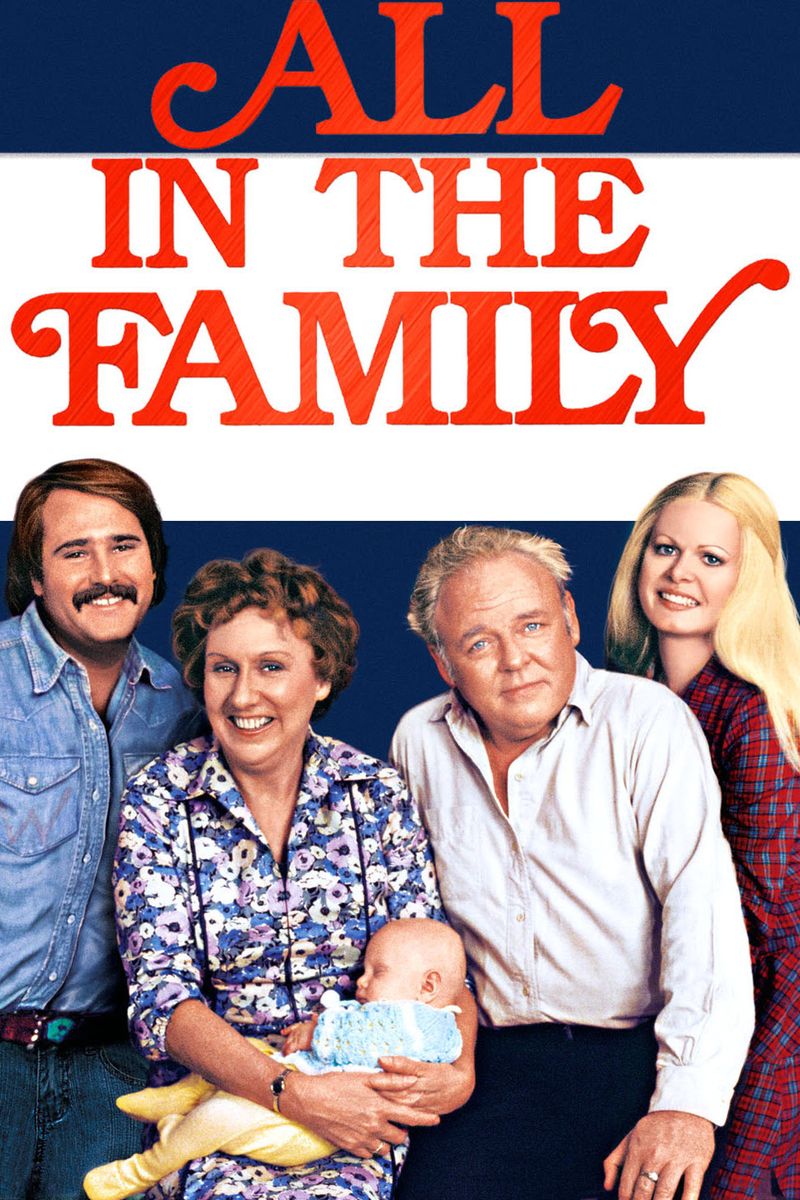
Archie Bunker became one of television’s most memorable characters, but his loud opinions about race, gender, and sexuality would never make it past network executives today.
The show tried to make fun of bigotry by putting it center stage, yet many viewers didn’t always catch the satire.
Creator Norman Lear wanted to spark conversations about prejudice in American homes.
The strategy worked, making the show wildly popular throughout the 1970s.
However, modern audiences would find Archie’s language and attitudes deeply offensive, even in a satirical context.
The show pushed boundaries that television had never crossed before, addressing topics like racism and homophobia directly.
2. The Dukes of Hazzard
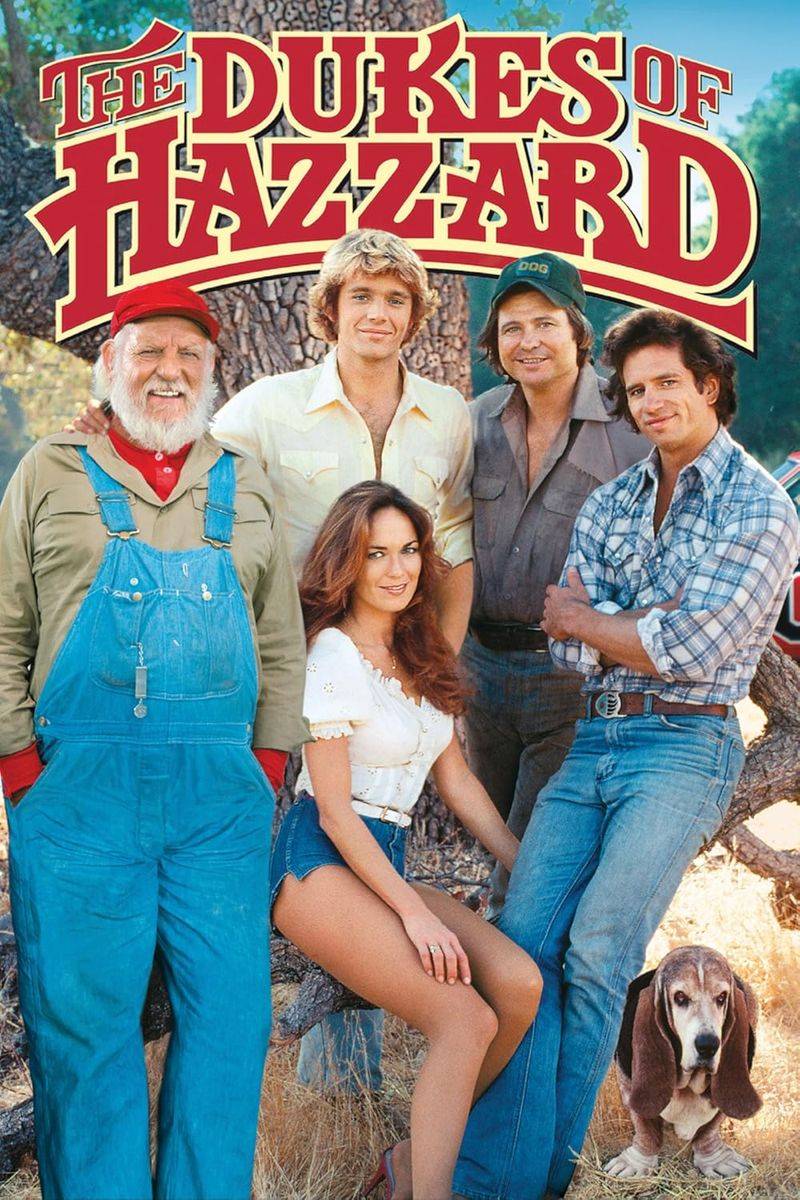
Bo and Luke Duke drove around Hazzard County in their famous orange car, jumping over creeks and outsmarting the local sheriff.
Their adventures seemed harmless enough, filled with car chases and good-natured trouble.
But the General Lee displayed the Confederate flag prominently on its roof, a symbol that carries painful historical weight.
The show portrayed Southern life through a narrow lens, celebrating stereotypes without examining their impact.
Characters spoke in exaggerated accents and the cast lacked any meaningful diversity.
Today’s viewers would immediately question why such imagery was considered family entertainment.
The show’s nostalgic view of the South ignored difficult truths about history and heritage.
3. Three’s Company
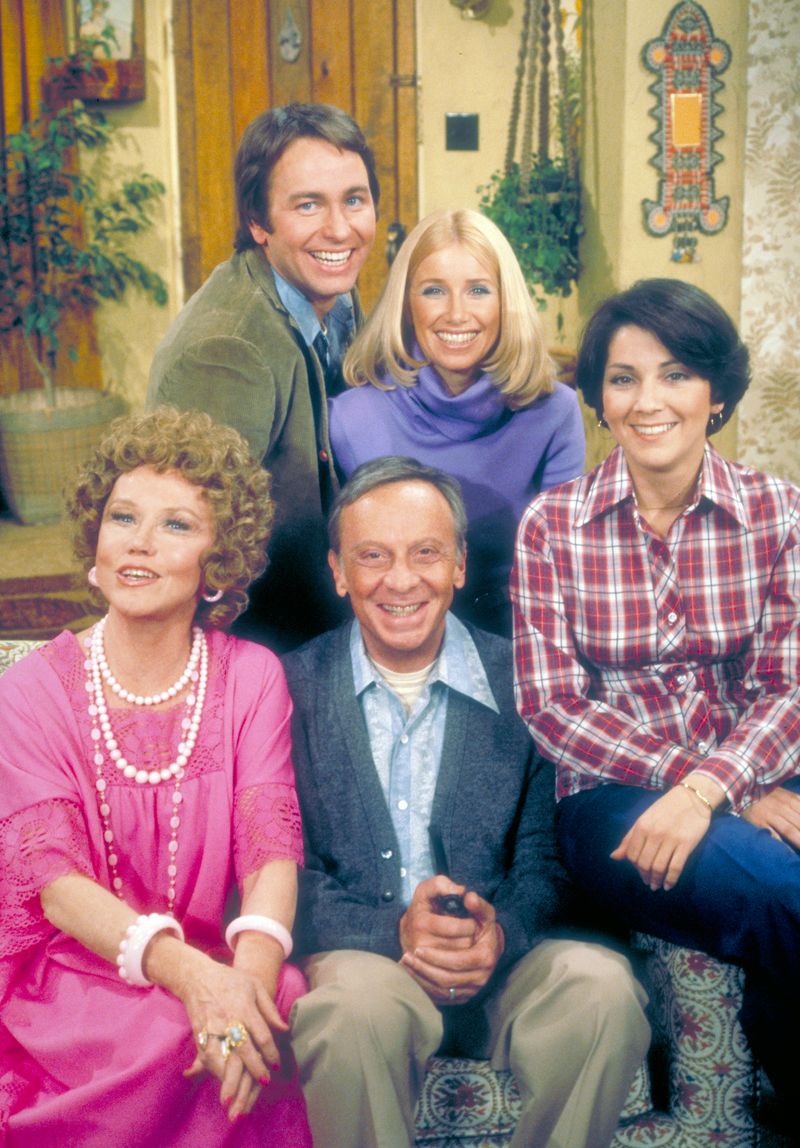
Jack Tripper pretended to be gay so his conservative landlord would let him share an apartment with two women.
This entire premise relied on outdated stereotypes and the idea that homosexuality was something to joke about or use as a disguise.
The show turned misunderstandings about sexuality into punchlines episode after episode.
Characters constantly made assumptions based on appearance and behavior, reinforcing harmful ideas.
What seemed like harmless comedy actually perpetuated discrimination against LGBTQ+ individuals.
Modern audiences recognize how the show treated serious identity issues as cheap entertainment.
The laugh track played over situations that now make viewers cringe rather than chuckle at the outdated humor.
4. Married… with Children
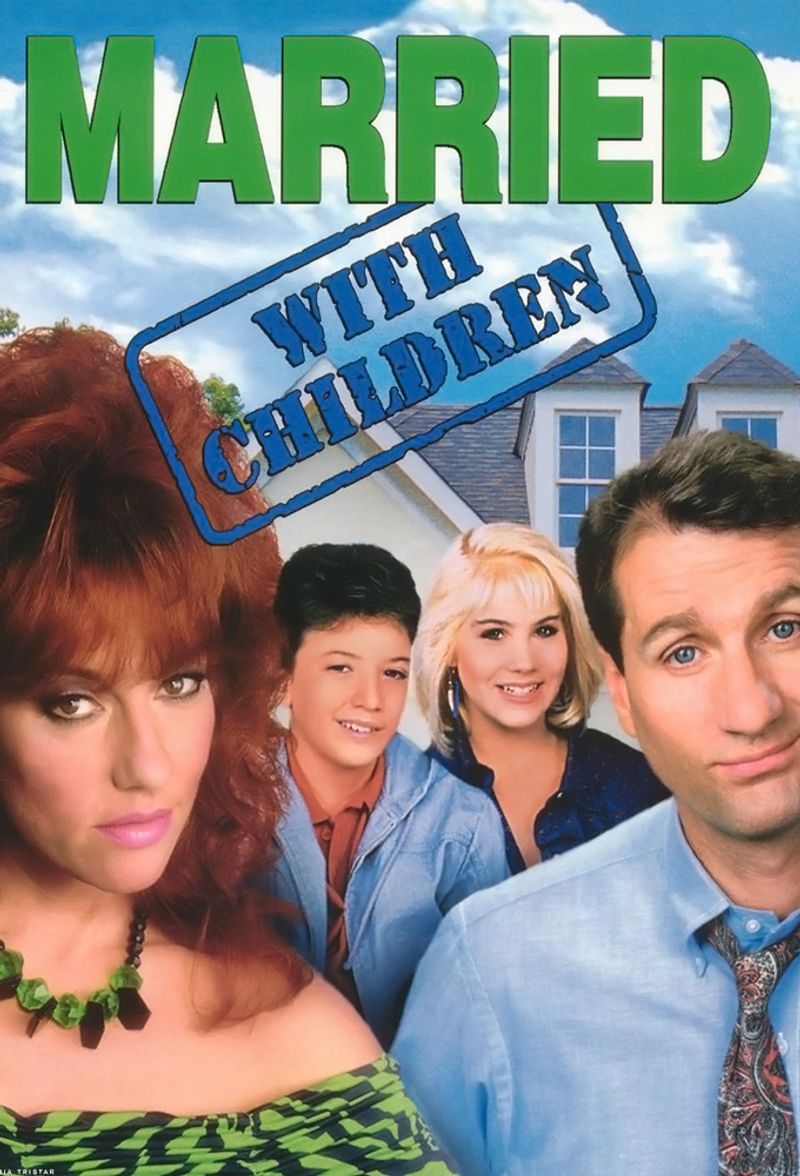
Al Bundy spent eleven seasons complaining about his wife, his job, and his life while making crude jokes at every opportunity.
His character represented a particularly unflattering view of working-class American men, but the real problem was his constant disrespect toward women.
The show treated women as objects for mockery, with Al making degrading comments that audiences were supposed to find hilarious.
Peggy, his wife, was portrayed as lazy and materialistic, fitting neatly into tired stereotypes about married women.
Today’s standards for comedy have evolved beyond using sexism as a reliable source of laughs.
The show’s humor feels dated and mean-spirited rather than edgy or clever.
5. Diff’rent Strokes
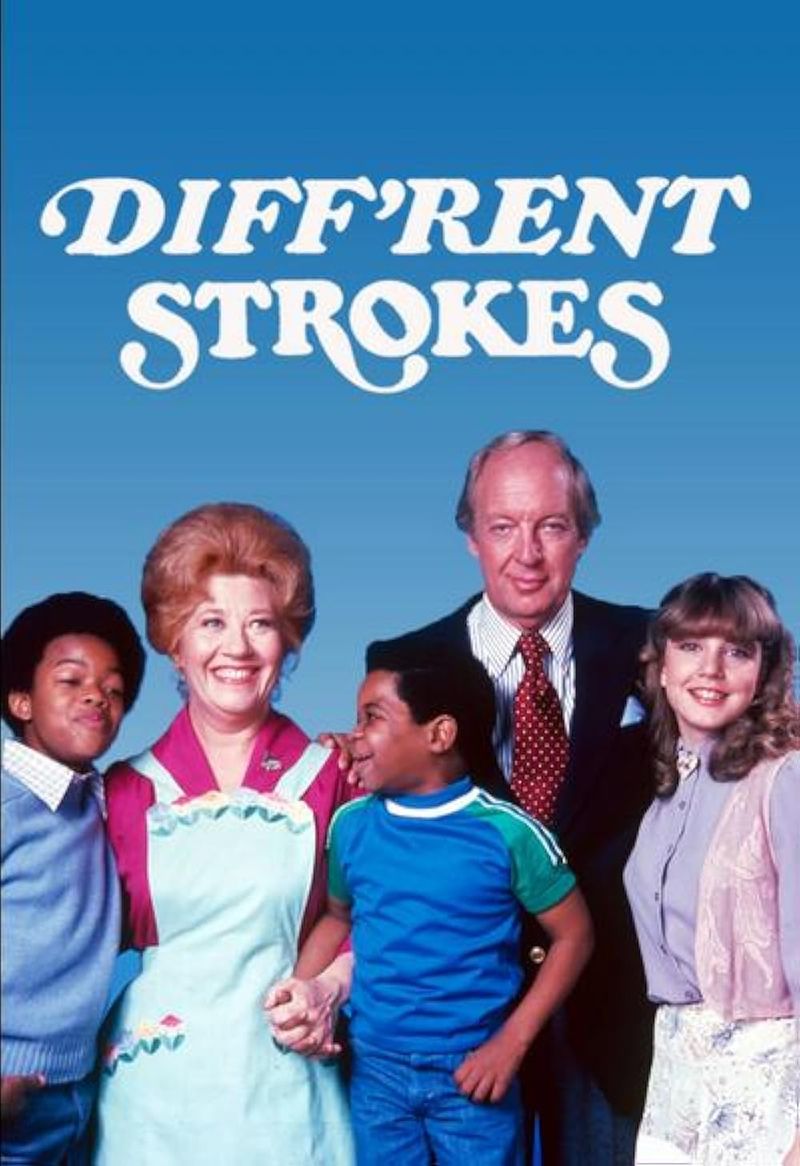
Phillip Drummond adopted two young Black boys from Harlem after their mother, his housekeeper, passed away.
The premise seemed heartwarming on the surface, showing a wealthy white man providing opportunities for children in need.
But the storyline followed the problematic “white savior” narrative that simplifies complex issues.
The show suggested that Black children needed rescue by wealthy white benefactors to succeed in life.
It ignored systemic inequalities and presented individual charity as the solution to racial disparities.
Modern viewers recognize how this framing reinforces harmful ideas about race and class in America.
The show meant well but ultimately perpetuated stereotypes rather than challenging them meaningfully.
6. The Jeffersons
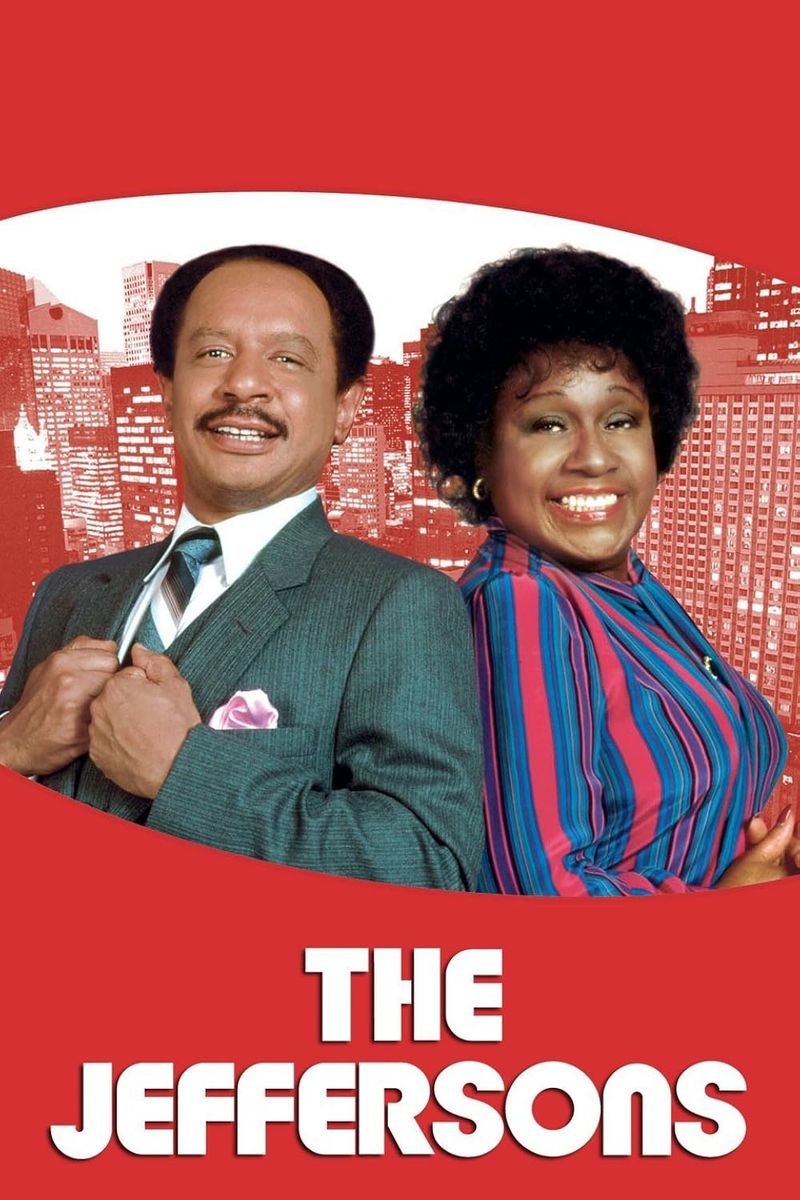
George Jefferson’s climb from a dry-cleaning business to luxury apartment living gave audiences a rare look at Black success in the 1970s.
However, George’s constant insults toward white people, his nasty comments about interracial couples, and his harsh treatment of anyone he considered beneath him would face serious criticism today.
The show tackled important social issues like racism and class division, but George’s angry character often used stereotypes and cruel language that wouldn’t fly on modern television.
His neighbor-bashing and put-downs were played for laughs, yet they reinforced negative attitudes about different groups.
While the series broke ground by showing African American wealth and achievement, its approach to humor about race and relationships feels outdated and uncomfortable by today’s standards of respectful comedy.
7. The Love Boat
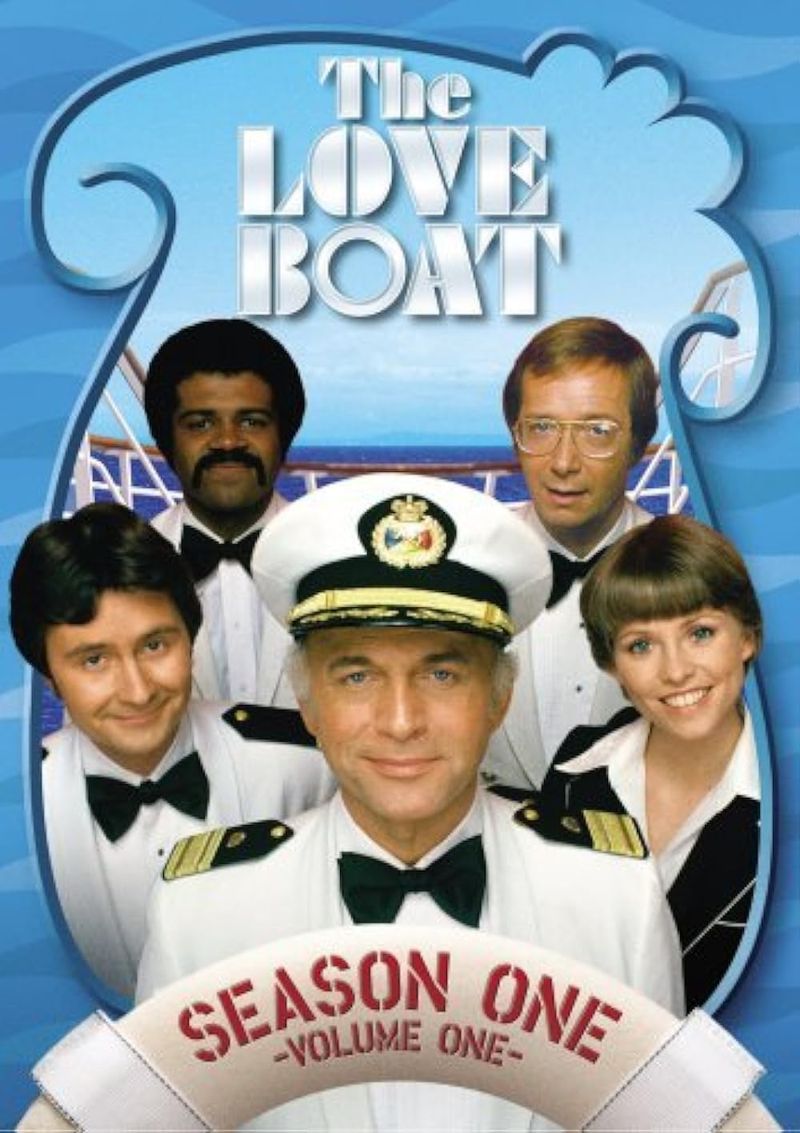
Captain Stubing and his crew welcomed passengers aboard the Pacific Princess every week, promising romance and adventure on the high seas.
The show’s entire concept revolved around strangers falling in love during short cruises, but the way it handled relationships now seems creepy and problematic.
Male characters constantly pursued women who clearly said no, treating rejection as a challenge rather than a boundary.
The crew members often meddled in passengers’ personal lives without permission, and age-gap romances between much older men and young women were presented as perfectly normal and romantic.
Consent wasn’t really part of the conversation, and pushy behavior got rewarded with happy endings.
Today’s viewers would spot the red flags immediately in storylines that once seemed innocent and fun.
Comments
Loading…