
 Jade Reed
Artists Who Were Overhyped (and Fans Still Defend Them)
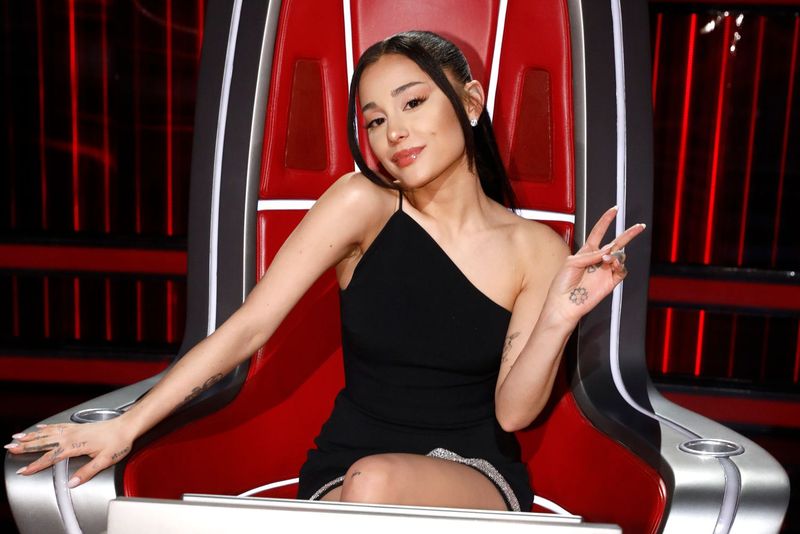
Some musicians reach levels of fame that spark endless arguments.
Their fans defend them fiercely, while critics claim the hype doesn’t match the talent.
Whether it’s chart-topping hits or sold-out stadiums, these artists have sparked debates about what makes someone truly great versus just really popular.
1. Beyoncé
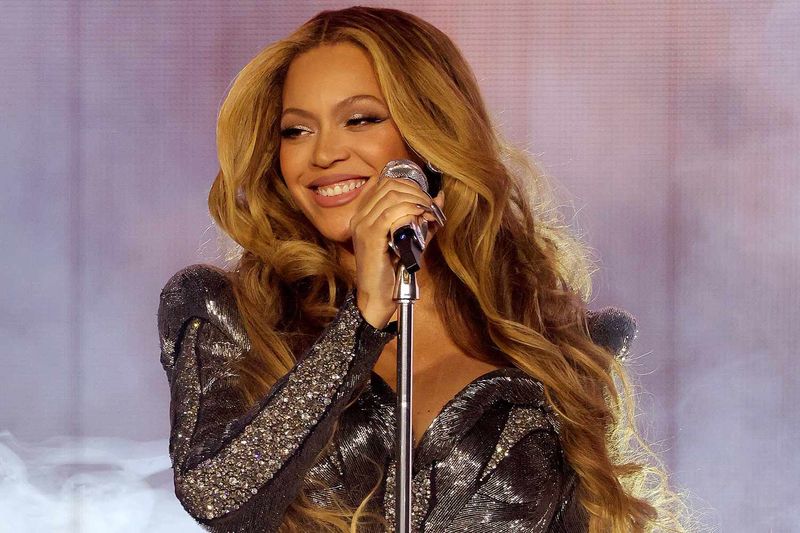
With a voice that can shake arenas and a stage presence that commands attention, Beyoncé has built an empire.
Her fans, lovingly called the Beyhive, defend every album and performance with unwavering loyalty.
Critics sometimes wonder if her celebrity status and massive media machine overshadow the actual music she creates.
Her visual albums and elaborate productions are undeniably impressive.
Yet some listeners feel the spectacle becomes more important than the songs themselves.
Commercial success doesn’t always equal artistic innovation, and that’s where the debate heats up.
Still, millions stream her music daily and consider her a generational icon.
The conversation continues between those who see genius and those who see clever marketing.
2. Coldplay
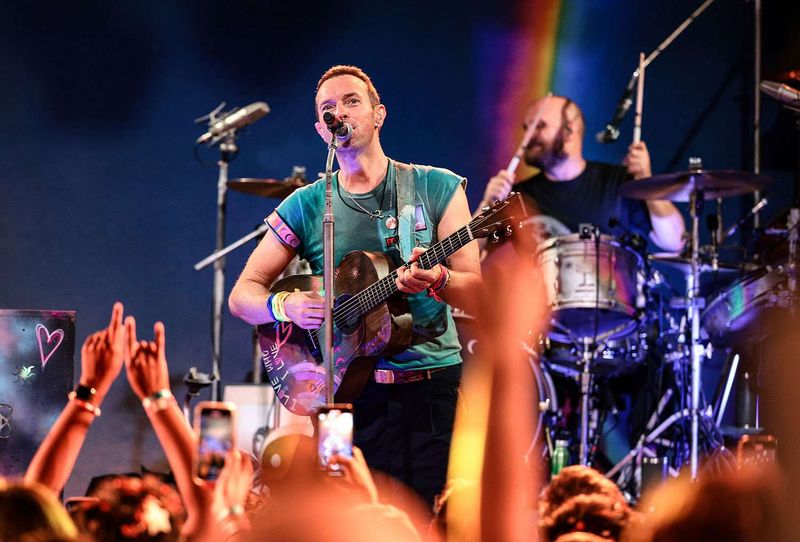
Did you know Coldplay has sold over 100 million records worldwide?
That’s a staggering number for a band some call bland.
Their anthemic choruses and emotional lyrics have filled stadiums for decades, but critics argue their sound became predictable and overly sentimental.
Songs like “Yellow” and “Fix You” touched hearts everywhere.
However, many alternative rock fans feel the band plays it too safe, choosing commercial appeal over musical risks.
The formula works for sales but not always for artistic credibility.
Fans counter that accessible doesn’t mean bad, and their music provides comfort to millions.
The debate between artistic depth and mainstream success continues with every new album release.
3. Drake

Started from the bottom, now he’s here—but should he be this high?
Drake dominates streaming charts and breaks records with nearly every release.
His ability to blend rap and singing created a new template for hip-hop, yet skeptics point to his reliance on ghostwriters and trend-following.
Critics argue he jumps on popular sounds rather than creating them.
From dancehall to drill music, Drake adapts but rarely innovates first.
His emotional vulnerability resonated with audiences, but some question if that’s enough to justify the crown he wears.
Fans defend his consistency and cultural impact across multiple genres.
Whether he’s overhyped depends on what you value more: originality or commercial dominance.
4. Ed Sheeran
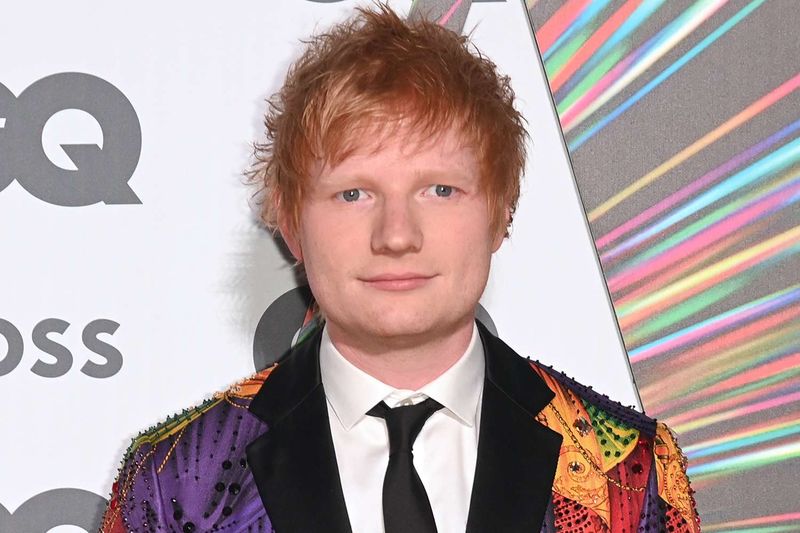
Armed with just an acoustic guitar and a loop pedal, Ed Sheeran conquered the world.
His folk-pop ballads topped charts globally, making him one of the best-selling artists of his generation.
But many music lovers find his songs formulaic and lacking the depth of his contemporaries.
“Shape of You” became unavoidable, playing in every store and radio station.
Critics say his music feels calculated for maximum commercial appeal rather than artistic expression.
The same chord progressions and lyrical themes appear repeatedly across his albums.
Yet his fans appreciate the relatability and simplicity of his storytelling.
Not everyone wants complex music—sometimes a catchy melody and honest lyrics are enough to create connection.
5. Justin Bieber

From YouTube sensation to global superstar, Justin Bieber’s journey has been anything but quiet.
His teenage fame brought screaming fans and massive sales, but also constant controversies that often overshadowed his music.
Critics argue his celebrity status grew larger than his actual artistic contributions.
His personal life became tabloid fodder, making it hard to separate the music from the drama.
Songs like “Baby” launched his career, but many questioned if viral success equals genuine talent.
His voice matured over time, yet the debate about substance versus hype persists.
Loyal fans point to his vocal abilities and evolution as an artist.
They argue that growing up in the spotlight doesn’t diminish his musical achievements or dedication.
6. Taylor Swift
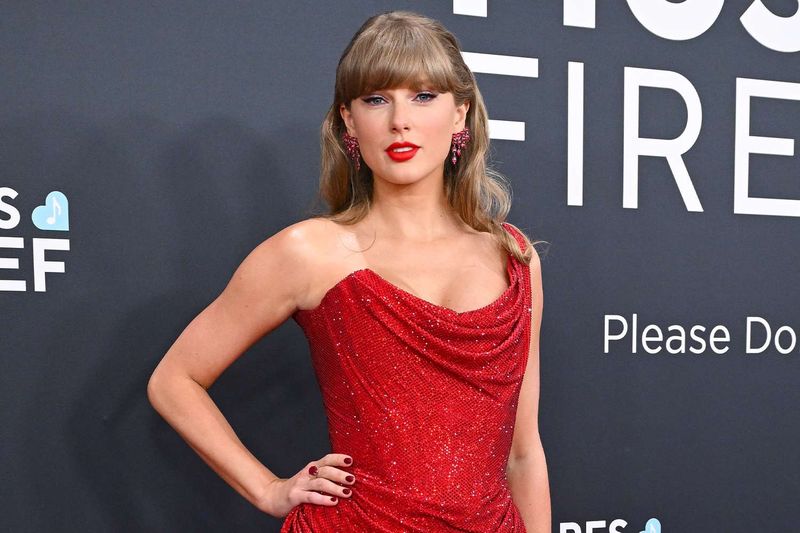
Few artists command the cultural conversation like Taylor Swift.
Her songwriting about relationships and personal experiences resonates with millions of devoted Swifties.
However, critics often claim her music lacks musical complexity and relies heavily on her celebrity narrative rather than innovation.
Every album release becomes a media event, dissected for hidden meanings and easter eggs.
Some argue the marketing machine around her overshadows the actual artistry.
Her ability to reinvent her image from country to pop to indie-folk impresses many but strikes others as calculated.
Fans counter that her storytelling connects deeply with listeners across generations.
Whether she’s overhyped or genuinely talented remains one of music’s most passionate debates.
7. The Chainsmokers
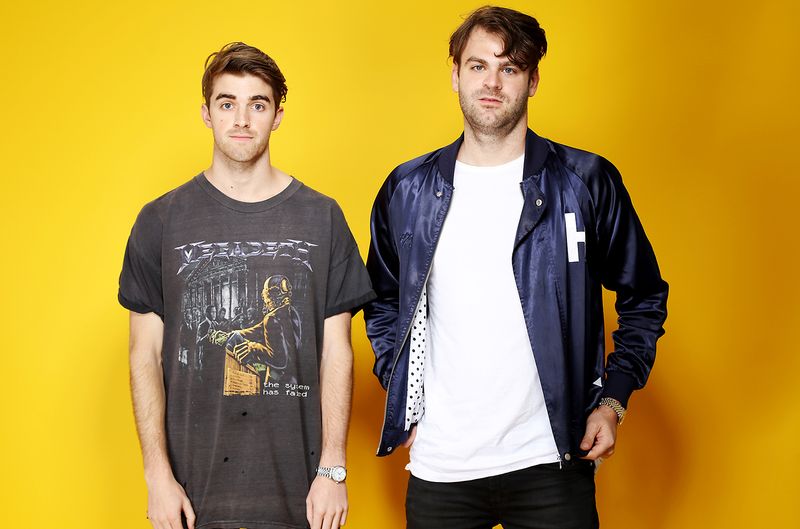
Electronic drops and catchy hooks made The Chainsmokers festival favorites worldwide.
Their breakthrough hit “Closer” dominated airwaves and streaming platforms for months.
Yet electronic music purists argue their sound is generic and lacks the innovation of true EDM pioneers.
Critics say their tracks follow predictable formulas: build-up, drop, repeat.
The duo found massive commercial success by making electronic music accessible to mainstream audiences.
But accessibility sometimes comes at the cost of artistic depth and experimentation.
Their fans appreciate the energy and singable melodies that make parties memorable.
Not every artist needs to push boundaries—sometimes creating feel-good music is valuable enough on its own.
8. Imagine Dragons
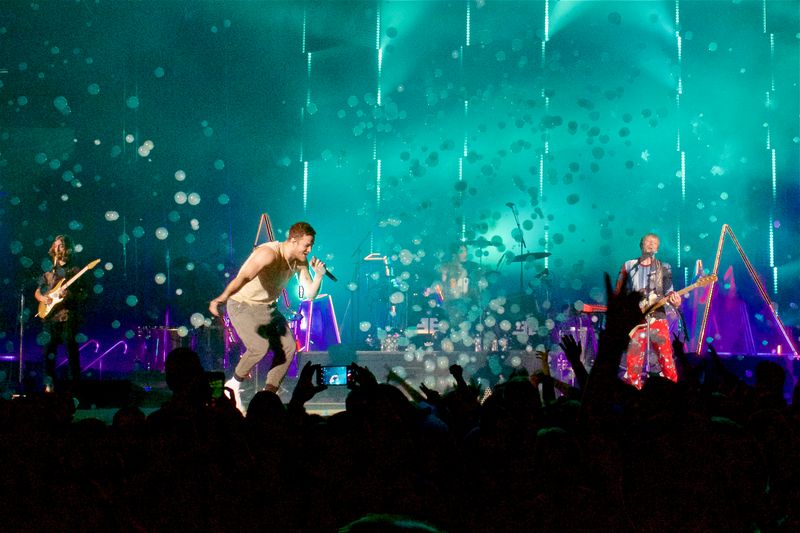
Thunderous drums and anthemic choruses define Imagine Dragons’ sound. “Radioactive” introduced them to the world, and they haven’t left the spotlight since.
However, rock fans often dismiss them as watered-down arena rock without the edge or authenticity of classic bands.
Their music appears in countless commercials and sports broadcasts, making them unavoidable.
Critics argue this overexposure reveals the formulaic nature of their songwriting.
Each track seems designed for maximum stadium sing-alongs rather than musical exploration.
Fans defend their ability to create uplifting, powerful music that motivates and inspires.
Sometimes music serves a purpose beyond critical acclaim, and their commercial success proves people want what they offer.
9. Billie Eilish
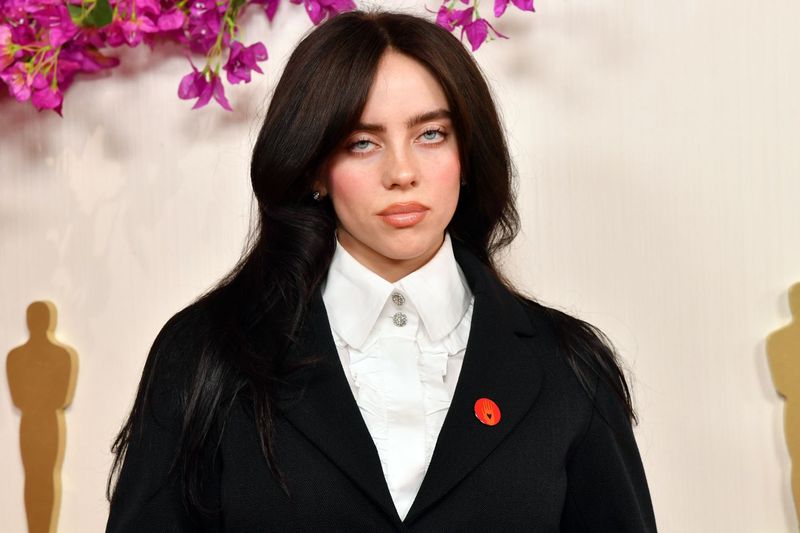
Whispery vocals and dark aesthetics made Billie Eilish an overnight sensation.
At just 18, she swept the Grammy Awards, earning praise for her unique sound.
Yet skeptics question if her stripped-down production style and breathy singing showcase real vocal talent or just clever marketing.
Her brother Finneas produces most of her music in a bedroom studio.
Critics argue that her success stems more from perfect timing and aesthetic branding than groundbreaking musicality.
The moody persona appeals to Gen Z, but does it have lasting artistic value?
Supporters point to her authentic songwriting and willingness to be vulnerable.
She created something different in a sea of sameness, which deserves recognition regardless of traditional vocal power.
10. Maroon 5
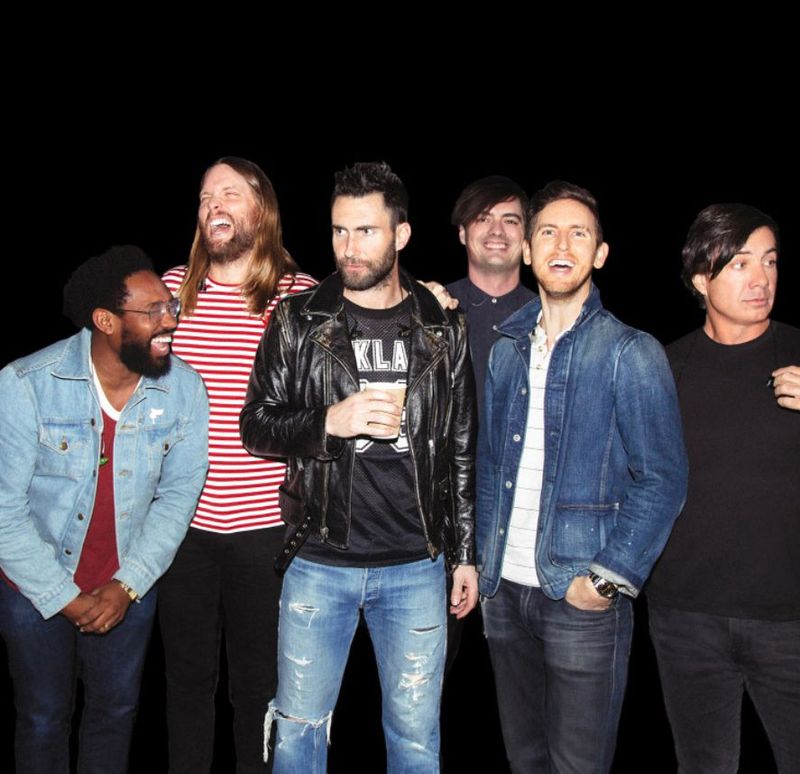
Maroon 5 transformed from a rock band with soul influences into a pop machine.
Their early albums showed promise and musical diversity, but later work became increasingly formulaic.
Adam Levine’s falsetto became their trademark, appearing in collaborations that dominated radio for years.
Critics say they abandoned their original sound for commercial pop formulas.
Songs like “Moves Like Jagger” and “Sugar” are catchy but lack the depth of their earlier material.
The band seems to chase trends rather than set them.
Long-time fans remember their roots and appreciate their evolution into mainstream success.
They argue that adapting to survive in the music industry shows intelligence, not selling out or lack of talent.
11. Kanye West
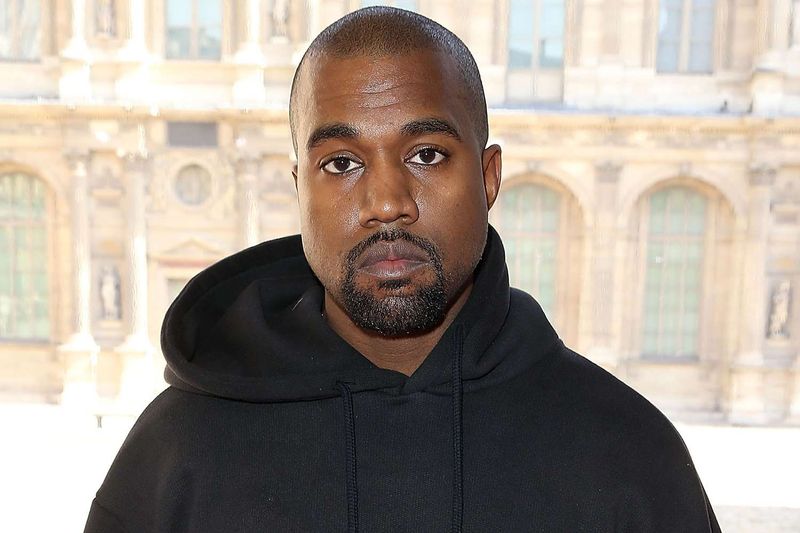
Genius or madman?
Kanye West sparks this debate constantly.
His production skills revolutionized hip-hop in the early 2000s, creating a blueprint many still follow.
But his controversial behavior and increasingly erratic public statements make people question if his talent justifies the endless attention.
Albums like “My Beautiful Dark Twisted Fantasy” earned critical acclaim.
Yet his later work became more polarizing, with fans defending experimental choices that critics call self-indulgent.
His ego and public meltdowns often overshadow the music itself.
Die-hard supporters believe he’s a misunderstood visionary pushing artistic boundaries.
Others think his early success gave him a platform his later work doesn’t deserve, sustained by controversy rather than quality.
12. Ariana Grande
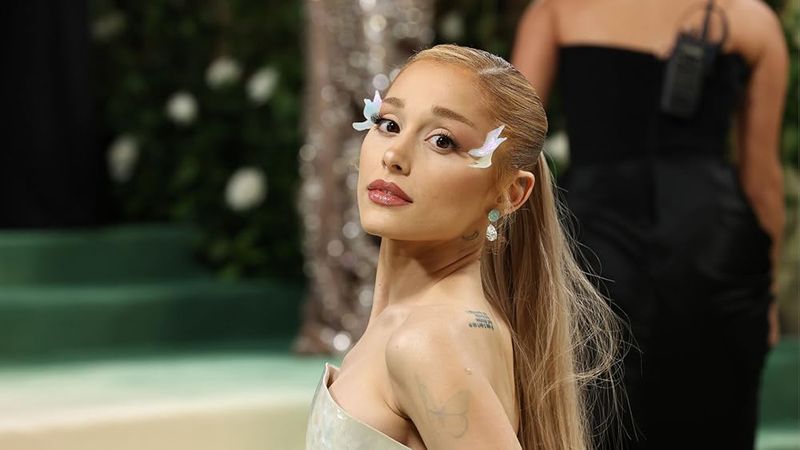
That four-octave vocal range is undeniable—Ariana Grande can sing.
Her powerful voice draws comparisons to Mariah Carey and Whitney Houston.
However, critics argue that vocal ability alone doesn’t make great music, and her songs often feel repetitive and overly polished.
Her image evolved from Nickelodeon star to pop diva, but some question if her music evolved equally.
Catchy hooks and impressive high notes fill her albums, yet they sometimes lack emotional depth or innovation.
Production quality is pristine, perhaps too perfect.
Fans celebrate her vocal talent and consistency in delivering hit after hit.
They argue that few current pop stars can match her technical singing ability, which justifies her superstar status completely.
13. Post Malone
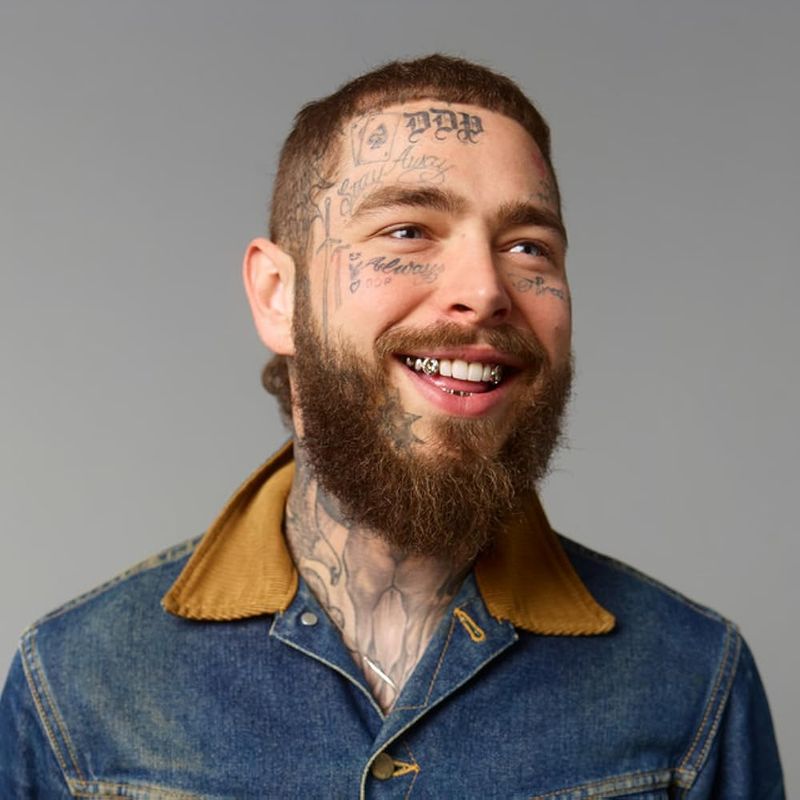
Face tattoos and genre-blending made Post Malone impossible to ignore.
He mixes hip-hop, rock, and pop into a sound that’s uniquely his own.
Critics claim his mumbled delivery and repetitive melodies don’t warrant the massive streaming numbers and festival headlining spots.
Songs like “Circles” and “Rockstar” dominated charts for weeks.
His laid-back style resonates with listeners seeking chill vibes, but music purists find his approach lazy and lacking substance.
The tattoos and persona sometimes feel more memorable than the music.
Supporters love his authenticity and refusal to fit into one genre box.
His willingness to experiment and collaborate across styles shows artistic bravery that deserves respect, regardless of critical opinions.
14. Shawn Mendes
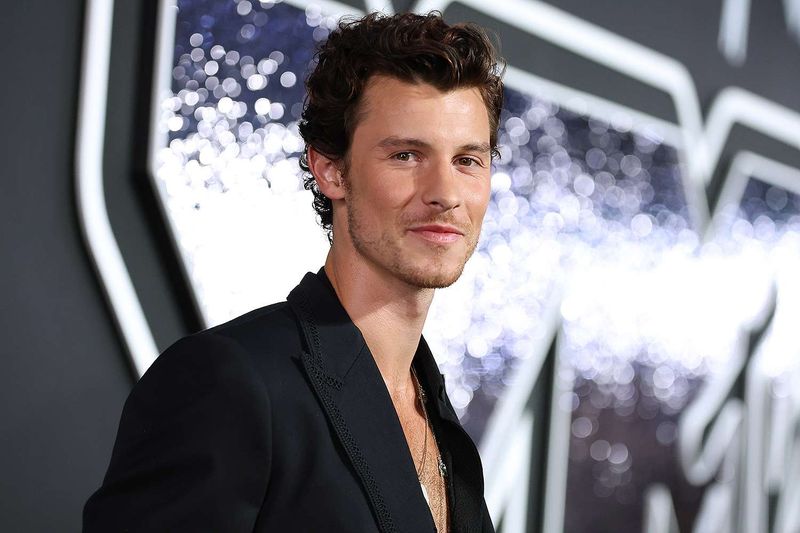
Social media launched Shawn Mendes from bedroom covers to sold-out arenas.
His boy-next-door charm and acoustic pop songs captured teenage hearts worldwide.
But critics argue his music offers nothing new, recycling familiar pop-rock formulas without adding personal innovation.
His voice is pleasant and his songs are professionally produced.
Yet they rarely take risks or challenge listeners in meaningful ways.
The focus seems to be on maintaining a safe, marketable image rather than artistic growth.
Fans appreciate his relatable lyrics about young love and growing up.
Not every artist needs to reinvent music—sometimes connecting with your audience emotionally matters more than impressing critics with complexity or experimental sounds.
15. Twenty One Pilots
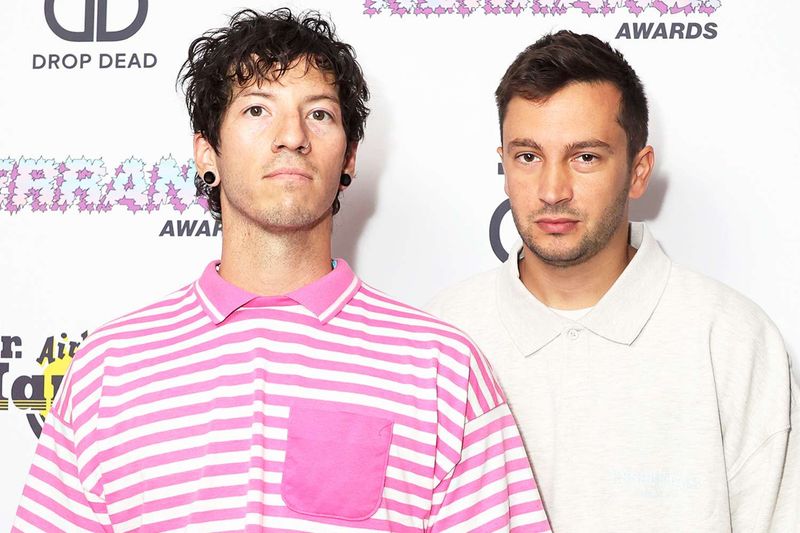
Blending rap, rock, and electronic elements, Twenty One Pilots created something different.
Their theatrical performances and cryptic lyrics built a devoted fanbase.
However, critics find their genre-mixing forced and their deep lyrics pretentious, questioning if the hype matches the actual musical substance.
Songs like “Stressed Out” resonated with anxious millennials everywhere.
The duo’s energy is undeniable, but some argue their music tries too hard to be profound.
Mixing genres can feel innovative or messy depending on your perspective.
Their fans praise the emotional honesty and creative risks in their music.
They see artists willing to be vulnerable and experimental, which deserves celebration in an industry that often rewards playing it safe.
Comments
Loading…