
 Mary Murphy
All Style, Zero Substance: Top 10 Most Overrated Bands in the World
The music world loves a good myth, especially when it comes with pyrotechnics, leather pants, and a logo you can spot from space.
Some bands don’t just sell songs, they sell a whole identity, and fans buy into it like a lifestyle subscription.
That’s not automatically a bad thing, because showmanship is a real talent and pop culture needs its big characters.
But sometimes the branding becomes the main event while the music starts feeling like the excuse to keep the machine running.
This list isn’t here to deny anyone’s nostalgia or argue with your favorite memories from high school or your first concert.
It’s just a look at the acts whose reputations often loom larger than their actual musical substance, at least in the replay value department.
If you’ve ever thought, “I respect them more than I enjoy them,” you’re exactly the audience for this.
1. KISS

Few rock acts have built a visual brand as instantly recognizable as the painted faces and comic-book swagger behind this group.
The problem is that once the shock-and-awe fades, a lot of the catalog can feel thinner than the legend suggests.
Their best songs are undeniably fun, but many tracks rely on the same blunt-party energy without much evolution or depth.
Even fans often talk more about the stage show, the personas, and the merchandise than about specific albums they return to.
That imbalance makes it easy to feel like the music exists to support the spectacle rather than the other way around.
There’s also a “you had to be there” quality to the hype that doesn’t always translate to modern listening habits.
In the end, the group may be one of rock’s greatest marketing stories, even if the artistry rarely matches the size of the empire.
2. Maroon 5
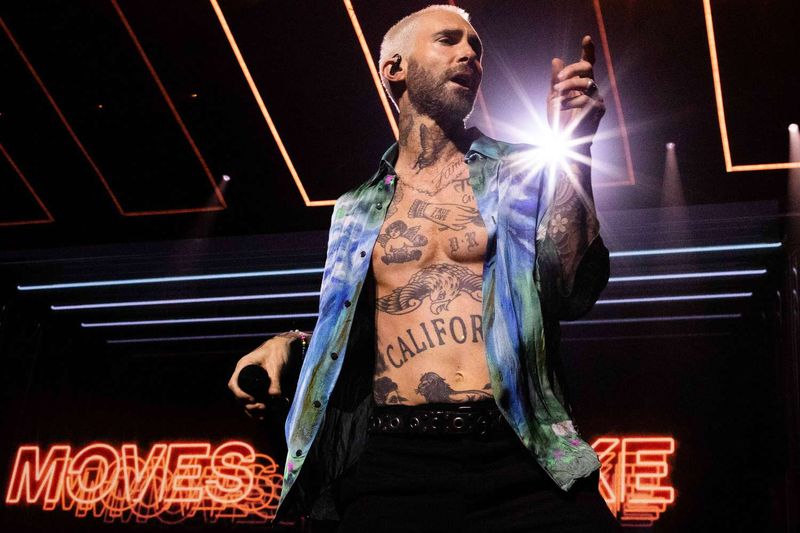
At their peak, this band mastered the kind of glossy, radio-friendly sound that seems engineered to follow you into every grocery store aisle.
That level of ubiquity is impressive, but it also exposes how interchangeable many of the songs can feel.
Hooks arrive right on schedule, the grooves stay tidy, and the production is so polished it can start to sound airbrushed.
Instead of taking risks, the music often chases trends with a “safe but sleek” approach that rarely surprises anyone.
Even the emotional moments can come off as generic, like they were designed to fit any relationship story without saying anything specific.
When listeners describe the band, they tend to mention vibes and vibes alone, not lyrics that cut or melodies that haunt.
It’s a perfectly serviceable pop product, but “serviceable” isn’t usually what people mean when they call something iconic.
3. Imagine Dragons

Modern arena rock has a particular blueprint, and this group has practically become the poster child for it.
The drums hit like a trailer soundtrack, the choruses arrive like motivational posters, and everything is built for maximum lift-off.
That’s great if you want a big, cinematic rush, but it can also feel like the music is trying too hard to sound important.
Many songs lean on the same stomps, claps, and dramatic pauses, which makes the catalog blur together over time.
The lyrics often aim for universal inspiration, yet they can land as vague slogans rather than real storytelling.
Because the sound is so unmistakably “stadium-ready,” it sometimes feels manufactured instead of lived-in.
You can respect the consistency and still wish the band took more chances that weren’t already pre-approved for a halftime show.
4. Nickelback
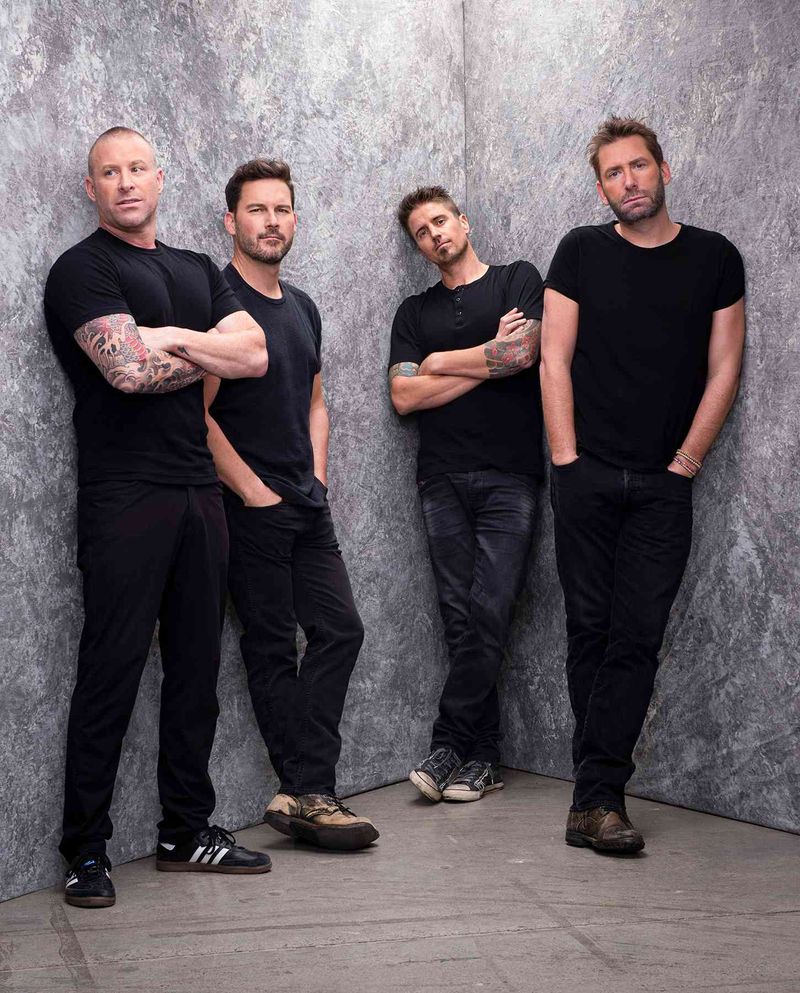
There’s a reason this band became a cultural punchline, and it’s not just because people enjoy being dramatic on the internet.
The sound is reliable to a fault, hitting the same post-grunge formulas with the confidence of a chain restaurant menu.
You always know what you’re getting: crunchy riffs, gravelly vocals, and choruses designed to be shouted after three beers.
That predictability can be comforting, but it also makes the music feel like it’s running on autopilot.
For a group with massive fame, the artistic range often seems narrower than you’d expect from their chart footprint.
Even the bigger hits tend to sound like they were built from familiar parts rather than sparked by a fresh idea.
If you judge them by exposure alone, you’d expect a deeper legacy, but the replay value rarely matches the omnipresence.
5. U2

Few bands have carried themselves with as much cultural seriousness as this one, and for a while the music backed it up beautifully.
The issue is that the reputation can feel frozen in time, while later releases inspire more respectful nods than genuine excitement.
When the songs hit, they’re transcendent, but the distance between those peaks and the rest can be wider than fans admit.
The band’s grand statements and world-saving aura sometimes overshadow the simple question of whether the new tracks are actually enjoyable.
There’s also an over-polished quality to some eras that makes the emotion feel curated instead of raw.
Because they’ve been positioned as “important,” it can be hard to say out loud when the music is merely fine.
They’re undeniably influential, yet influence isn’t the same thing as consistently delivering songs people crave to revisit.
6. Oasis
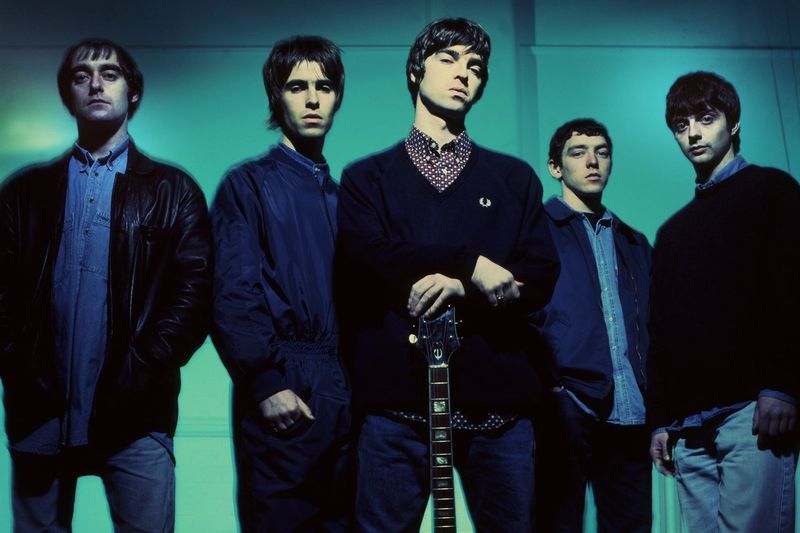
Britpop mythology doesn’t get more dramatic than the swagger, feuds, and headlines surrounding this band’s rise.
That chaos created a legend, but the actual listening experience can reveal a surprisingly uneven catalog.
The classic singles are massive, sing-along masterpieces, yet many deep cuts feel like variations on the same few ideas.
A lot of the band’s identity relies on attitude, which is thrilling in the moment but not always rewarding over time.
When you strip away the cultural context, the songwriting can feel repetitive, leaning heavily on familiar chord progressions and big choruses.
Fans often defend the band with lifestyle devotion, which can make criticism feel like an attack on an era rather than on the music.
They absolutely have timeless anthems, but the halo effect around the whole discography can be much larger than what’s actually there.
7. Red Hot Chili Peppers

Charisma and groove have always been the engine of this band, and it’s hard to deny how fun their best work can be.
Still, the catalog can feel like a loop of familiar tricks, especially once you’ve heard a few albums back-to-back.
The same funky riffs, the same sing-rap cadences, and the same manic energy show up so often that novelty wears off.
Even when the band gets emotional, the lyrics can veer into random imagery that feels more quirky than meaningful.
Because they’re so iconic, it’s easy to assume every era is essential, but plenty of tracks play like filler between the hits.
Their influence is huge, yet influence doesn’t erase the sense that they sometimes recycle their own brand.
They’re at their best when they lean into genuine melody and restraint, but the reputation often credits them for more depth than they consistently deliver.
8. Coldplay

Few modern acts have perfected the art of sounding emotionally uplifting while staying broad enough to fit anyone’s mood.
That universality is part of their appeal, but it can also make the music feel like it was designed to offend absolutely no one.
As the band moved deeper into glossy pop territory, the songs often became more atmospheric than specific.
You get big choruses and shimmering production, yet the lyrics sometimes read like gentle affirmations instead of real confessions.
There’s a fine line between accessible and bland, and the band occasionally steps over it with albums that feel more like “vibes” than statements.
The early work earned its praise, but the later hype can make every release seem more monumental than it actually is.
If you enjoy them, you really enjoy them, but it’s fair to wonder whether the cultural pedestal is taller than the substance underneath.
9. Blink-182

Pop-punk nostalgia is powerful, and this band sits at the center of it like a yearbook photo everyone still talks about.
The songs are catchy and the attitude is memorable, but the lyrical depth often stops at the level of inside jokes.
A lot of their charm comes from immaturity on purpose, which is fun, yet it can feel limiting once you’re not sixteen anymore.
Even the emotional tracks sometimes lean on the same familiar beats, delivering sentiment without much nuance.
Because they defined an era, their influence can make the catalog seem more essential than it is in strict musical terms.
If you remove the cultural impact, you’re left with a lot of similar tempos, similar topics, and a similar tone.
They’re fantastic at capturing a moment, but moments don’t always translate into timelessness.
10. Guns N’ Roses
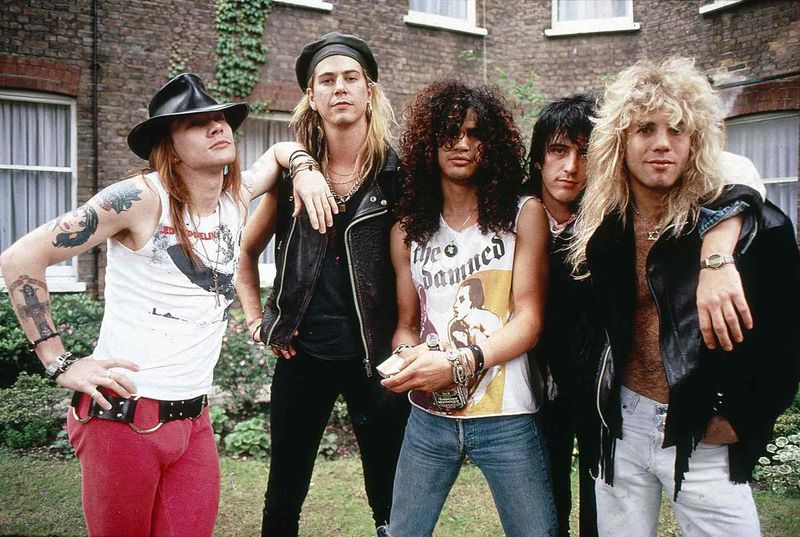
Rock history has a way of turning certain bands into legends first and actual discographies second, and this group is a prime example.
The best material is explosive, charismatic, and genuinely era-defining, but the greatness is concentrated in a tighter window than many fans admit.
Beyond the classic run, the story often becomes more compelling than the songs, with drama taking center stage.
Because the band’s image is so iconic, it’s easy to assume the entire output is equally essential, even when it isn’t.
Some tracks feel bloated or stuck in indulgence, as if ambition replaced editing and momentum.
The vocalist’s larger-than-life persona can also overshadow the fact that not every song earns that level of intensity.
They absolutely deserve a place in rock’s hall of fame, but “hall of fame” doesn’t mean every part of the catalog is gold.
Comments
Loading…